George Orwell's shortest work of fiction and his first popular success, published in London in August 1945 and subtitled A Fairy Story. On a run-down English farm, an old prize boar called Old Major tells the other animals that nearly everything they produce is taken from them by human beings, teaches them a song, and dies three nights later. The pigs work his speech up into a system they call Animalism, and when the farmer gets drunk one Midsummer's Eve and forgets to feed the stock, the animals chase him off the property in an afternoon. The harder part comes next: a harvest to bring in without hands, seven commandments painted on the barn wall, two young boars who disagree about everything, and a windmill that half the farm believes in. Orwell wrote it in four months while Britain was allied with the Soviet Union, and four publishers refused it before one would print it.
The story, in more detail
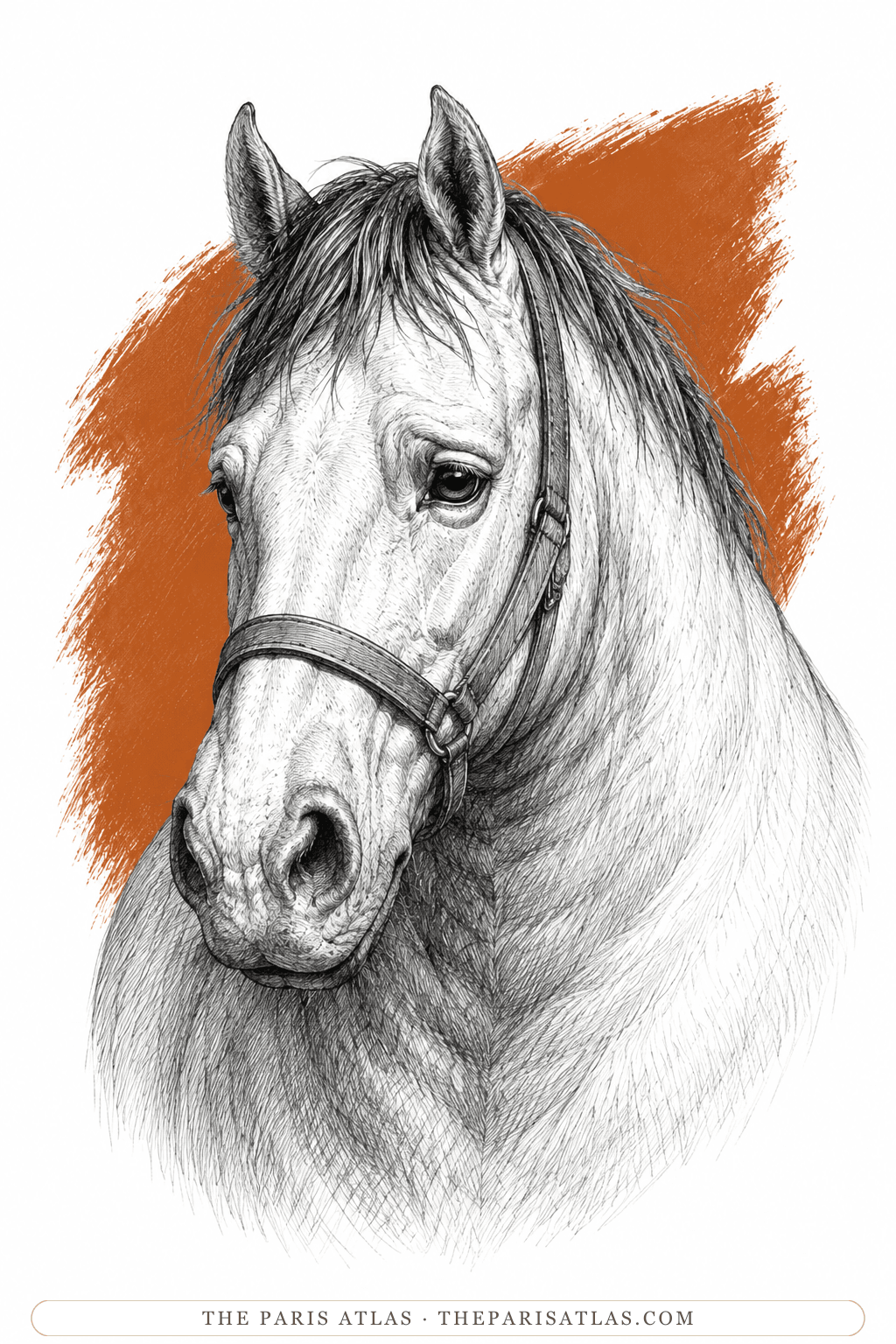
George Orwell dated the writing at the foot of the last page: November 1943 to February 1944. He had had the central idea since 1937, and in a preface written for a Ukrainian edition in 1947 he traced it to a scene in the village where he was then living, watching a boy of about ten drive a huge cart-horse along a narrow path and whip it whenever it tried to turn. What struck him was that if such animals ever became aware of their own strength, people would have no power over them at all.[1]
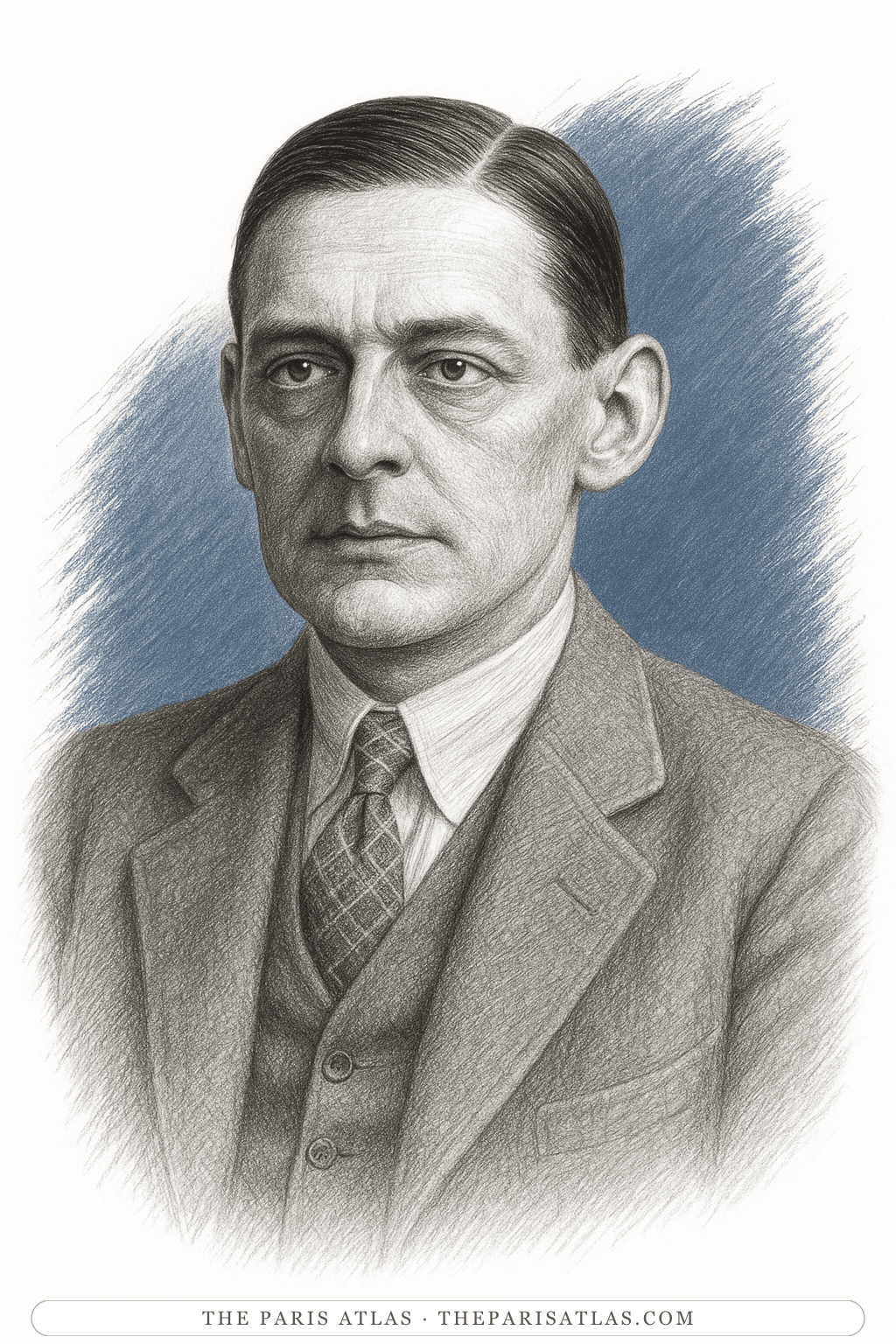
Getting the finished manuscript into print took longer than writing it. Orwell said afterwards that four publishers refused the book. Among them were Victor Gollancz, who had published his earlier work, and Faber and Faber, where T. S. Eliot wrote on 13 July 1944 that the firm agreed it was "a distinguished piece of writing" and that the fable was skilfully handled, but that they had no conviction it was the right point of view from which to criticise the political situation. Eliot added that since the pigs were plainly the cleverest animals and the best qualified to run the farm, someone might argue that what was wanted was not less communism but "more public-spirited pigs". Britain was allied with the Soviet Union at the time, and the book is an attack on Soviet communism.[1]
Space was left in the first edition for a preface Orwell had written, called "The Freedom of the Press". It never appeared there. In it he described a publisher who accepted the book and then consulted the Ministry of Information, which advised him against it, and he set out an argument about self-censorship in a free country. The best-known sentence in it is: "If liberty means anything at all it means the right to tell people what they do not want to hear." The typescript came to light only in 1972, when the scholar Ian Angus found it, and it was printed in the Times Literary Supplement on 15 September that year with an introduction by Bernard Crick.[1]
Orwell was direct about what the story was for, and it is worth separating what he said from what has been read into it since. In the Ukrainian preface he wrote that on returning from Spain he thought of "exposing the Soviet myth in a story that could be easily understood by almost anyone and which could be easily translated into other languages". Writing to the American editor Dwight Macdonald in December 1946, he called the book "primarily a satire on the Russian revolution" but said he had meant it to have a wider application, and he named the turning point himself: "The turning-point of the story was supposed to be when the pigs kept the milk and apples for themselves (Kronstadt)." The elaborate keys that circulate around the book, matching each animal and each episode to a Soviet figure or event, are largely the work of critics rather than of Orwell. The story does not need them. It is legible to a reader who knows nothing about Russia, which is exactly what he was aiming at.[1]
The full plot
What happens, beginning to end — the ending included. Open when you're ready.
Chapters I to IV. Old Major, a twelve-year-old prize boar, calls the animals of the Manor Farm into the big barn one night to describe a dream and to tell them what he has worked out in a long life: that their lives are miserable, laborious and short, that man is the only creature who consumes without producing, and that everything would change if human beings were removed. He teaches them a song, "Beasts of England", and dies three nights later. Two young boars, Snowball and Napoleon, together with a small fat pig named Squealer, turn the speech into a doctrine called Animalism and teach it in secret. The rebellion arrives sooner than anyone expects. Mr Jones, the farmer, gets drunk on Midsummer's Eve, and the animals go a whole day unfed; when they break into the store-shed and the men come at them with whips, they drive all five off the property. They rename the place Animal Farm, paint Seven Commandments on the end wall of the barn, and bring in the biggest harvest the farm has ever had. The five buckets of milk from the first morning quietly disappear, and by autumn the milk and the windfall apples have been reserved for the pigs on the grounds that pigs are brainworkers. In October the men come back to retake the farm and are beaten in what the animals name the Battle of the Cowshed.[1]
Chapters V to VII. Mollie, the white mare who liked sugar and ribbons, leaves. Snowball and Napoleon disagree at every point where disagreement is possible, and most bitterly over a windmill Snowball has designed to give the farm electric power and a three-day week. On the day of the vote, Napoleon produces nine enormous dogs — the puppies he took from their mothers months earlier and reared alone — and they chase Snowball off the farm. The Sunday debates are abolished. Three weeks later the windmill is announced again, now as Napoleon's own idea. Building it means quarrying stone by hauling boulders up a slope and toppling them over the edge, and it means trading with human beings through a Willingdon solicitor called Whymper, which the animals half remember voting against. A November gale flattens the half-built mill; Snowball, who has not been seen since the spring, is blamed and sentenced to death in his absence. The following winter brings real hunger. When the hens are ordered to surrender four hundred eggs a week, they revolt and are starved back to their nesting boxes. Then Napoleon calls the farm into the yard, and animals begin confessing to conspiracies with Snowball, and the dogs kill them where they stand. That evening "Beasts of England" is abolished.[1]
Chapters VIII and IX. The commandments on the barn wall keep turning out to have words in them that nobody remembered. Napoleon is now addressed as our Leader, Comrade Napoleon, takes his meals alone off the farmhouse china with two dogs waiting on him, and has a black cockerel walk in front of him to announce his speeches. He sells the farm's timber to Mr Frederick of Pinchfield, insisting on cash, and the banknotes turn out to be forgeries. Frederick's men arrive with guns the next morning and blow the rebuilt windmill to pieces with blasting powder; the animals drive them off at heavy cost and are told it was a victory. Rations are cut again, except for the pigs and the dogs. Thirty-one piglets are born to the four sows, and Napoleon is the only boar on the farm. It is proclaimed a republic and Napoleon is elected president, unopposed. Boxer, the cart-horse who has done more work than any three animals and who has been counting the months to his retirement, splits a hoof, will not rest, and one summer evening goes down in the shafts of a cart on the way to the windmill.[1]
How it ends — spoilers aheadThe final movement, ending included. Open when you're ready.
Themes and analysis
These readings discuss events throughout the book, including its ending.
The first privilege
Five buckets of fresh milk stand in the yard; Napoleon places himself before them and sends the other animals to the harvest. By evening, the milk is gone. A scene from the novel. (Illustration — The Paris Atlas)
The farm’s engine
When a boulder begins to slip on the quarry slope, Boxer throws his enormous strength against the rope—the labor on which the windmill and the whole farm depend. A scene from the novel. (Illustration — The Paris Atlas)
The revolution works before the leadership takes it
The animals do not fail because they are incapable of running the farm. Their first harvest is the largest the property has produced, the work is completed faster than it was under Mr Jones, and nobody steals food. That early success matters. Orwell is not arguing that the animals needed a human master; he shows that their collective labor can support them once the owner is gone.
The new inequality begins before Napoleon openly becomes a dictator. The pigs exempt themselves from physical work, take responsibility for records and planning, and control the only version of events that reaches the rest of the farm. The milk and apples are the first material privilege. Napoleon's dogs later enforce that arrangement, but the division between animals who work and animals who explain the work is already in place.
How language makes each betrayal look reasonable
Squealer rarely asks the animals to accept the whole dictatorship at once. He handles one exception at a time. The pigs need milk and apples because they are brainworkers. Napoleon did not oppose the windmill; he only pretended to oppose it. Rations have not been reduced but readjusted. Each explanation is small enough to survive the moment, and the new rule becomes the starting point for the next one.
The threat behind almost every argument is that Jones might return. It turns disagreement into ingratitude and fear into consent. Figures and production totals give the speeches a surface of evidence, but the animals cannot inspect the records and their own hunger contradicts what they are told. The point is not that Squealer is unusually persuasive. He controls the words, the records, the public meetings, and the penalty for refusing him.
Orwell's later essay “Politics and the English Language” describes political language as a way of defending actions people would resist if they were named plainly. Animal Farm puts that idea into scenes. Boxer is sold to a slaughterer, then described as having died under excellent medical care. The euphemism does not merely hide the act; it gives loyal animals a sentence they can repeat instead of facing what they saw.
Reading, memory, and the cost of staying quiet
Literacy is distributed unevenly from the beginning. The pigs learn to read and write well, Muriel can work through a newspaper, Clover recognizes letters without being able to assemble them, and most of the animals reduce Animalism to a slogan. The Seven Commandments appear public because they are painted on the barn, but a law is not meaningfully public when most of the population must ask the government to read it aloud.
Clover repeatedly knows that something is wrong, yet she cannot prove it without help. Benjamin can read as well as any pig and appears to understand far more than he says. His silence protects him from the enthusiasms that mislead the others, but it does not protect Boxer. When Benjamin finally reads the lettering on the slaughterer's van aloud, correct information arrives too late to become effective action.
Memory therefore becomes political work. The animals remember the spirit of the rebellion but lose its exact language, while the pigs preserve paperwork and revise the wall. Orwell makes the process frighteningly ordinary: history is not erased in one spectacular act. It is weakened whenever a witness doubts herself, a reader remains silent, or an altered sentence is accepted because challenging it has become dangerous.
Boxer and the danger of making goodness exploitable
Boxer is not foolish because he works hard. His strength genuinely saves harvests and rebuilds the windmill. The tragedy is that he treats effort as an answer to political problems. “I will work harder” can repair a wall, but it cannot test a claim, stop a purge, or make a leader accountable. His second maxim—“Napoleon is always right”—hands judgment to the people who benefit from his labor.
His fate reveals the farm's final moral economy. The state praises him while he can produce and sells his body when he cannot. Squealer then turns the betrayal into one last story about Napoleon's care. The episode hurts because Boxer never abandons the collective project; the leadership abandons him while continuing to use the language of comradeship he believed.
Writing style
Animal Farm is written as a fable, with a narrator who explains events plainly and rarely pauses to advertise their importance. The sentences use common words, concrete actions, and repeated objects: buckets of milk, apples, a ladder, painted commandments, a whip, a van. The political argument remains readable because Orwell lets those visible things carry it.
The tone changes by degrees rather than announcing a sudden fall. Early chapters contain jokes, songs, committees, and the physical comedy of animals learning human tasks. Later chapters reuse the same simple language for hunger, executions, and betrayal. That steadiness prevents the narrator from telling readers when to be horrified; the farm's worsening reality becomes clear through accumulation.
Orwell wrote that Animal Farm was his first attempt to join political purpose and artistic purpose into one whole. Its style is part of that union. Squealer's vague abstractions and false statistics conceal responsibility, while the novel itself keeps returning to bodies, food, work, weather, and words on a wall. The contrast makes clear prose more than an aesthetic preference: it becomes a way of resisting political language designed to blur what happened.
What the 1954 animated film changes
John Halas and Joy Batchelor's 1954 adaptation was the first British animated feature to receive a general cinema release. The film keeps the rebellion, Napoleon's rise, the windmill, Boxer, and the growing resemblance between pigs and people. Its visual form makes the transformation of the farm immediate, especially as the animals' early color and movement give way to military display and controlled crowds.
The ending is not Orwell's. In the novel, the animals look through the farmhouse window and can no longer distinguish pigs from men. The film continues beyond that image: Benjamin discovers pigs from other farms gathering under Napoleon and leads the surviving animals in another revolt. That change replaces Orwell's closed cycle of betrayed revolution with the possibility of a successful uprising.
The production was secretly financed through channels connected to the United States Central Intelligence Agency during the Cold War. That history does not make the film worthless, but it matters when comparing the endings. Orwell's warning applies to rulers who inherit revolutionary language and become indistinguishable from the people they replaced; the adaptation directs its final anger more narrowly at the pigs and permits the other animals to begin again.
Quotes from Animal Farm
Quoted verbatim from the text, each line verified against its source.
“
Man is the only creature that consumes without producing.
Ten chapters, about a hundred pages, and no difficulty anywhere on the surface. Orwell set out to write something that could be understood by almost anyone and translated easily into other languages, and the plainness is the achievement rather than a limitation.
2
The best short course in how propaganda sounds
Squealer wins every argument on the farm with two moves: figures nobody can check, and the reminder that the alternative is the old farmer coming back. He never says reduction; he says readjustment. Asked about a rule the animals remember voting on, he asks whether they have any record of it in writing.
3
The publication history is part of the book
Written while Britain was allied with the Soviet Union, refused by four publishers, and published a fortnight after the war ended. The preface Orwell wrote about that experience was itself suppressed for twenty-seven years.
Almost every character in Animal Farm is a farm animal, and the book treats them as characters rather than as symbols. Orwell said in his own letters that the story was primarily a satire on the Russian revolution, and various one-to-one keys have been proposed by critics since; these profiles describe what the book puts on the page.[1]
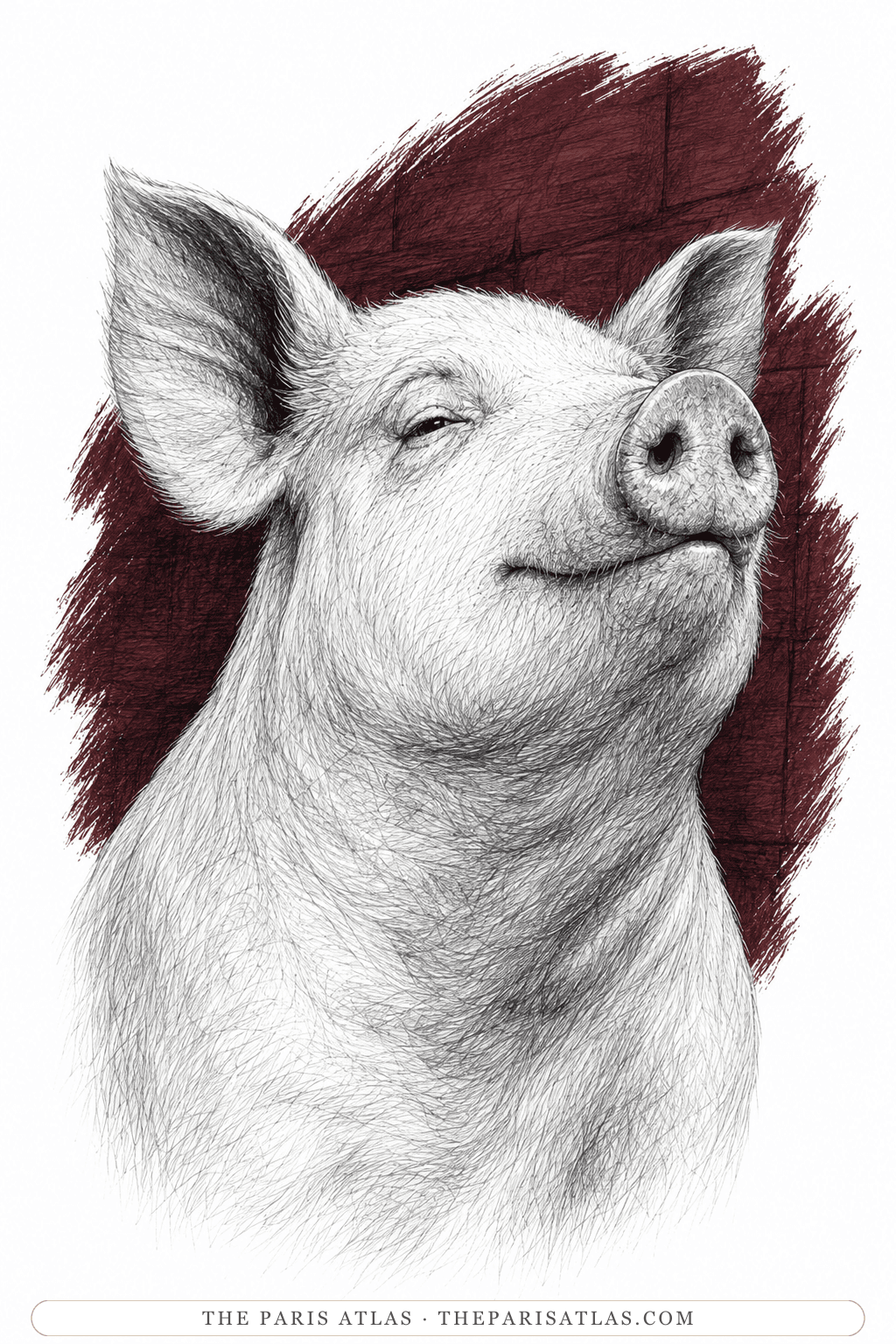
A large, fierce-looking Berkshire boar, the only Berkshire on the farm. He is not much of a talker and has a reputation for getting his own way. Early on he takes nine newly weaned puppies away to educate privately, and the farm forgets they exist.
The other young boar of the Rebellion: quicker in speech than Napoleon, more inventive, and the one who can write. He paints the Seven Commandments on the barn wall, organises committees for everybody, and designs a windmill that would give the farm electric light and a three-day week.
The cart-horse the farm runs on: nearly eighteen hands and as strong as any two ordinary horses. He is not clever, and he knows it. His answer to every setback is "I will work harder", and after the first year he adds a second maxim: "Napoleon is always right."
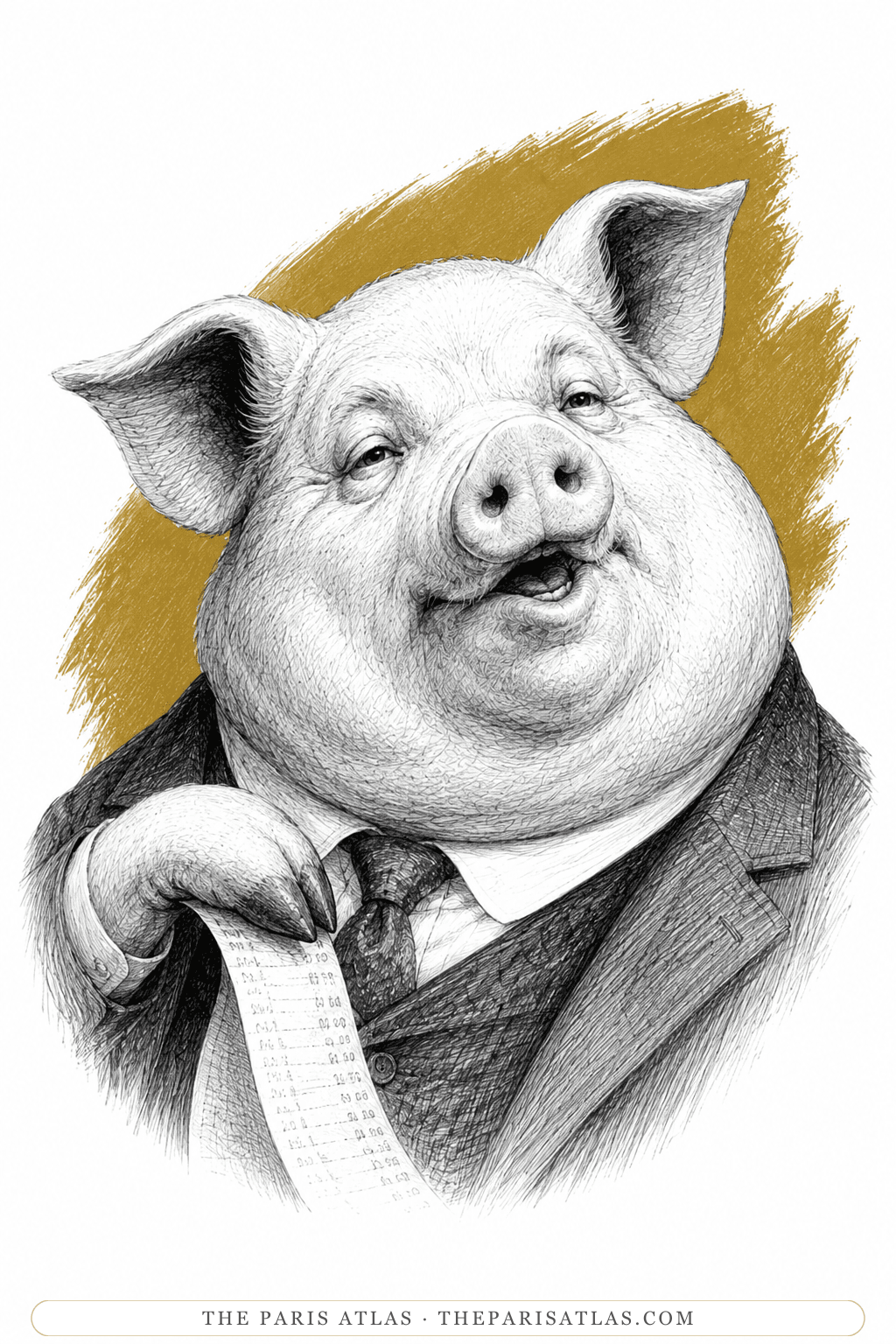
The small fat pig who explains things. Round cheeks, twinkling eyes, nimble movements and a shrill voice, with a way of skipping from side to side and whisking his tail while he argues that the other animals find somehow very persuasive. They say he could turn black into white.
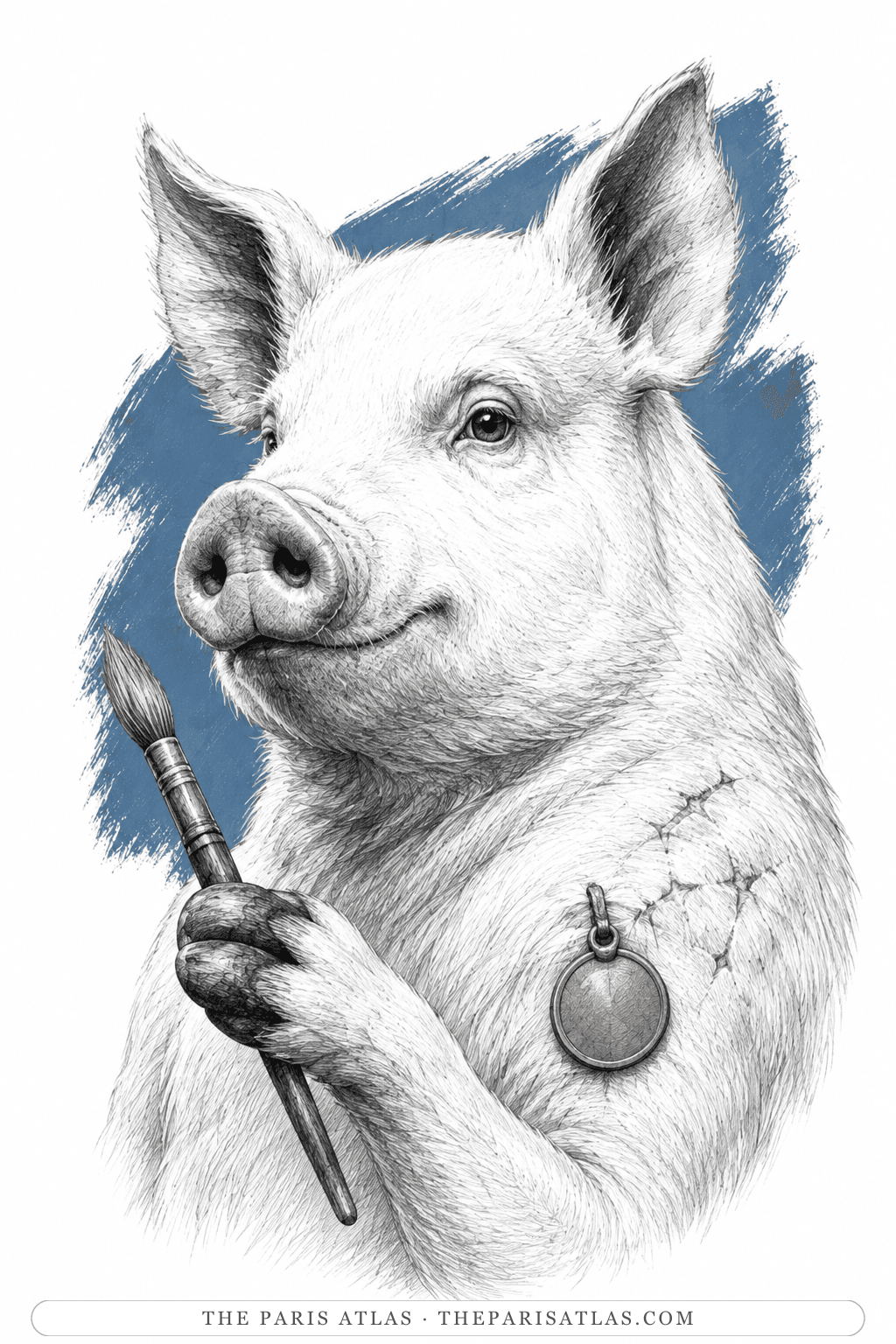
The twelve-year-old prize boar whose speech in the barn starts everything. He had been exhibited under the name Willingdon Beauty, has had over four hundred children, and dies three nights after he speaks.
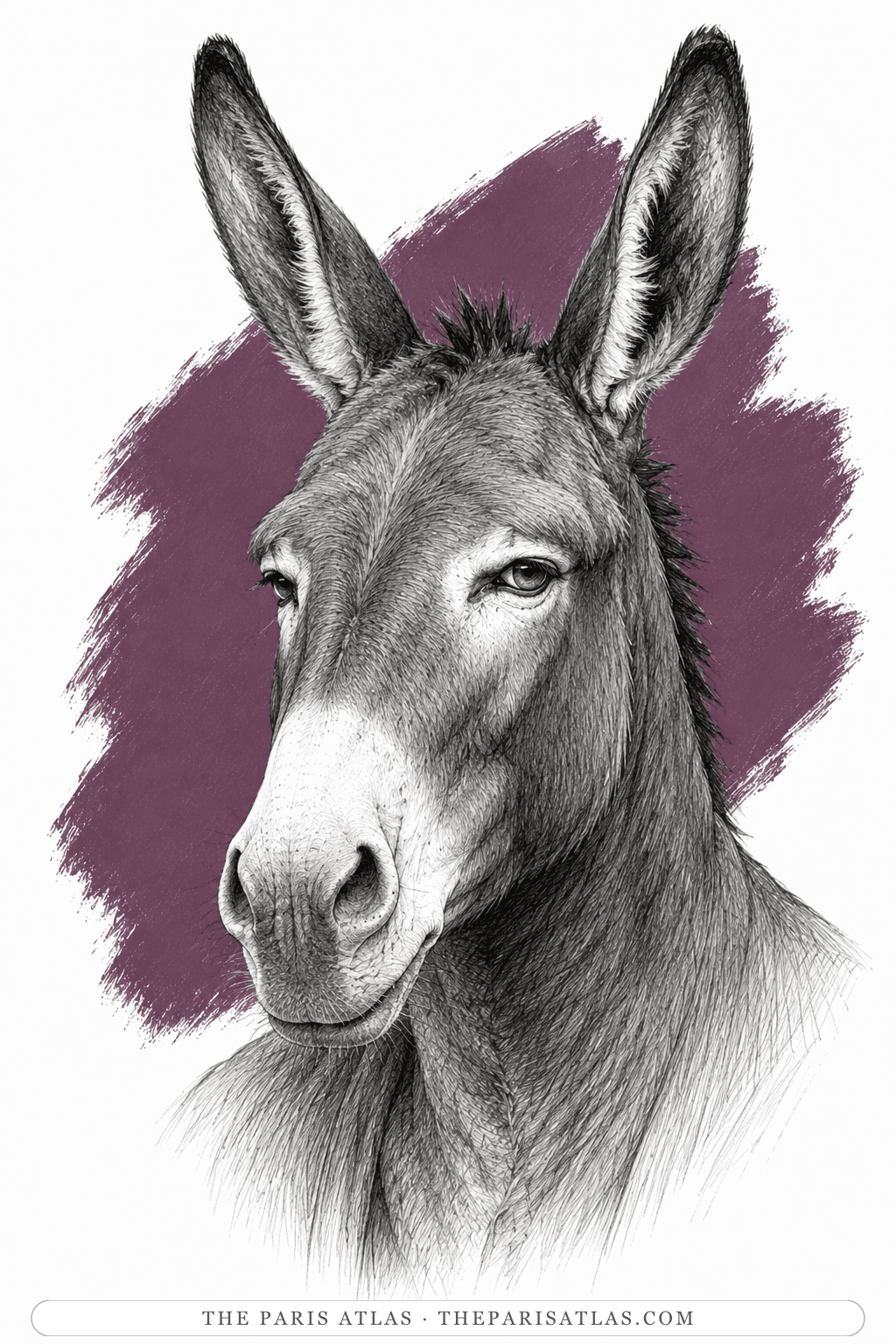
The donkey: the oldest animal on the farm and the worst tempered. He can read as well as any pig and almost never does, refuses to give an opinion about the Rebellion, and is quietly devoted to Boxer.
The stout motherly mare who never quite got her figure back after her fourth foal. She is the farm's memory: the animal who keeps going to the barn wall to check the commandments against what she thinks she remembers agreeing to.
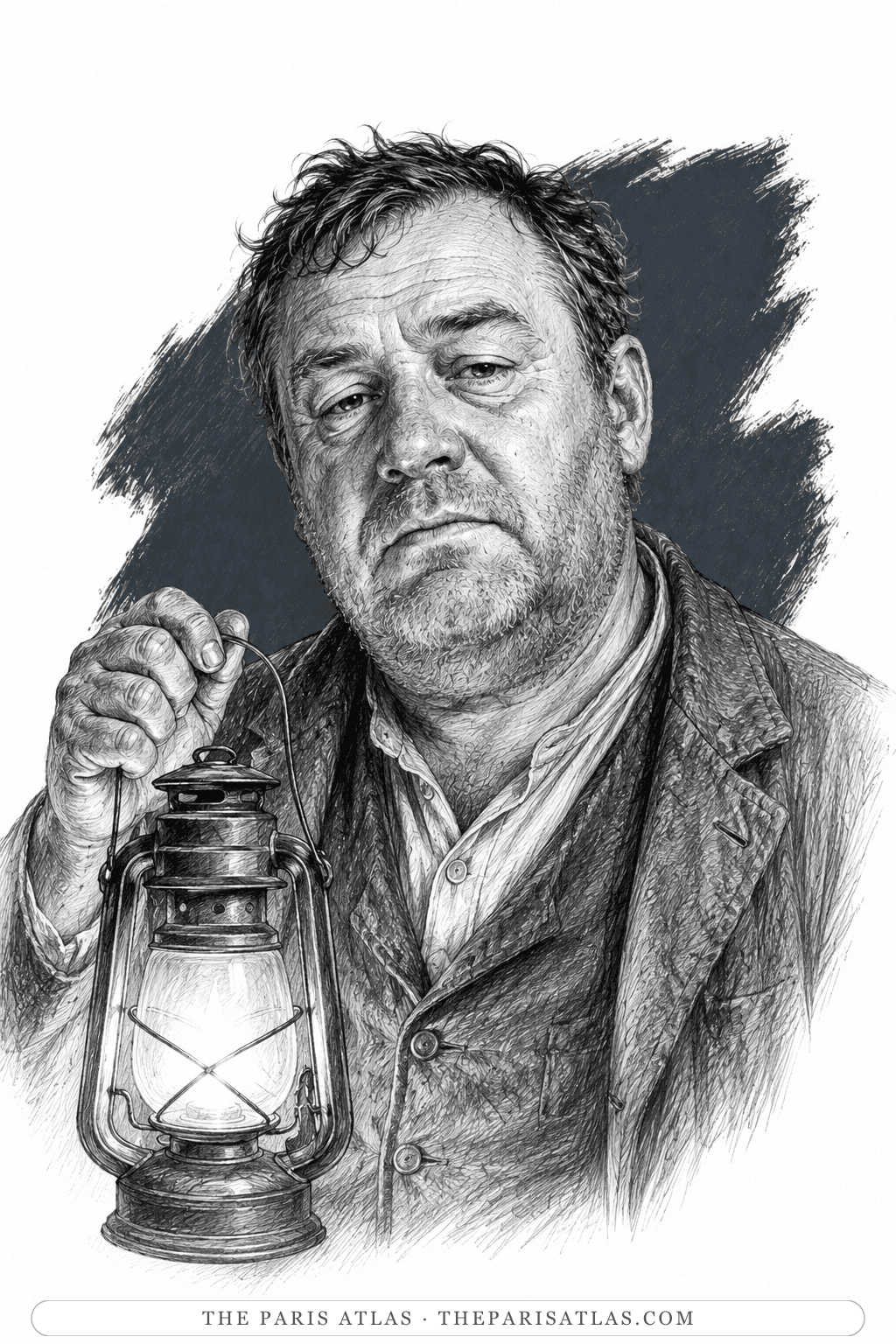
The farmer the animals drive out. He was a capable farmer once, lost money in a lawsuit and took to drinking; the Rebellion happens on an evening when he has forgotten to feed the stock. His name is used on the farm for years afterwards as the alternative to obedience.
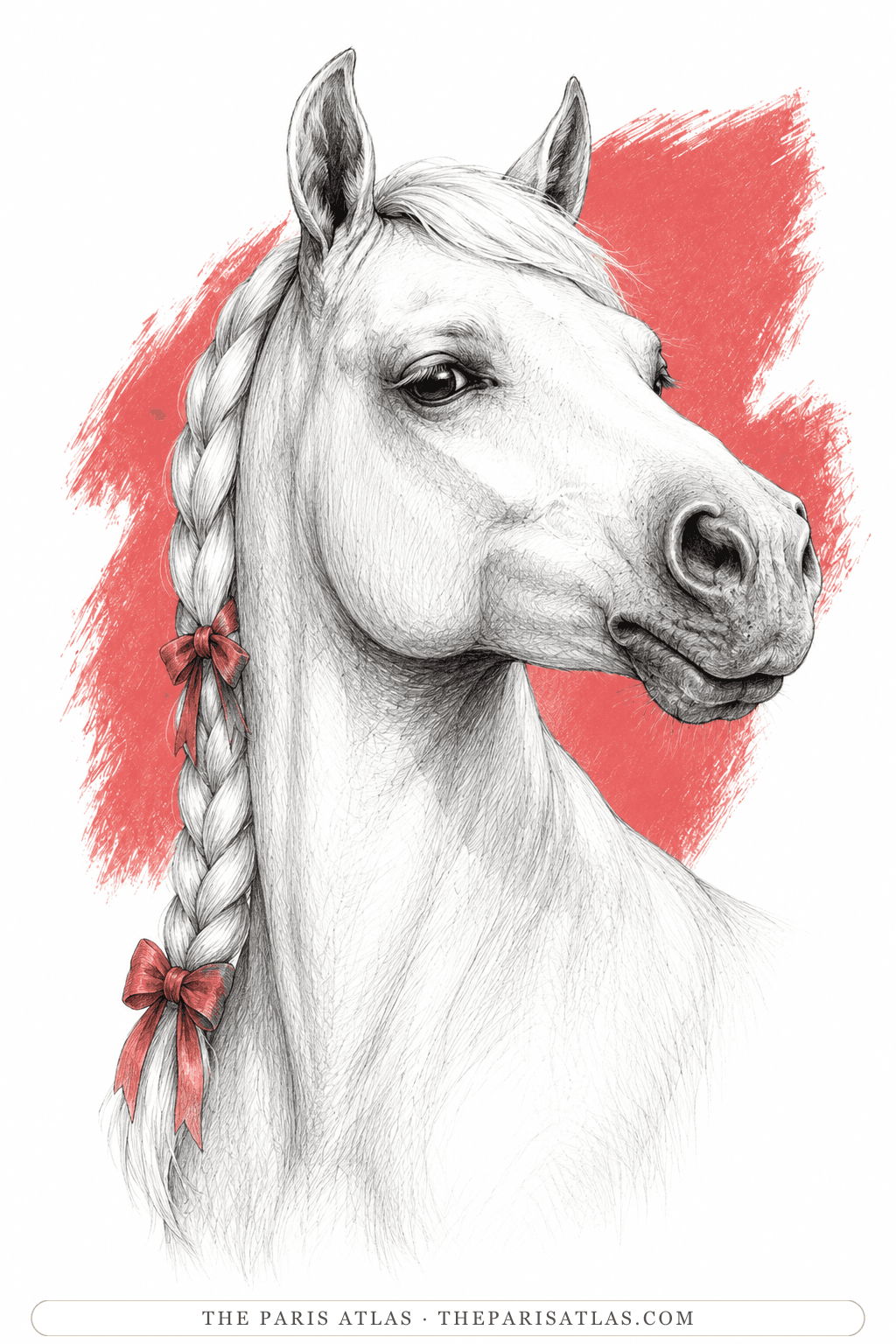
The foolish, pretty white mare who drew Mr Jones's trap. She cares about sugar and about the red ribbons her mane is plaited with, and she is the first animal to ask out loud what the Rebellion is going to cost her.
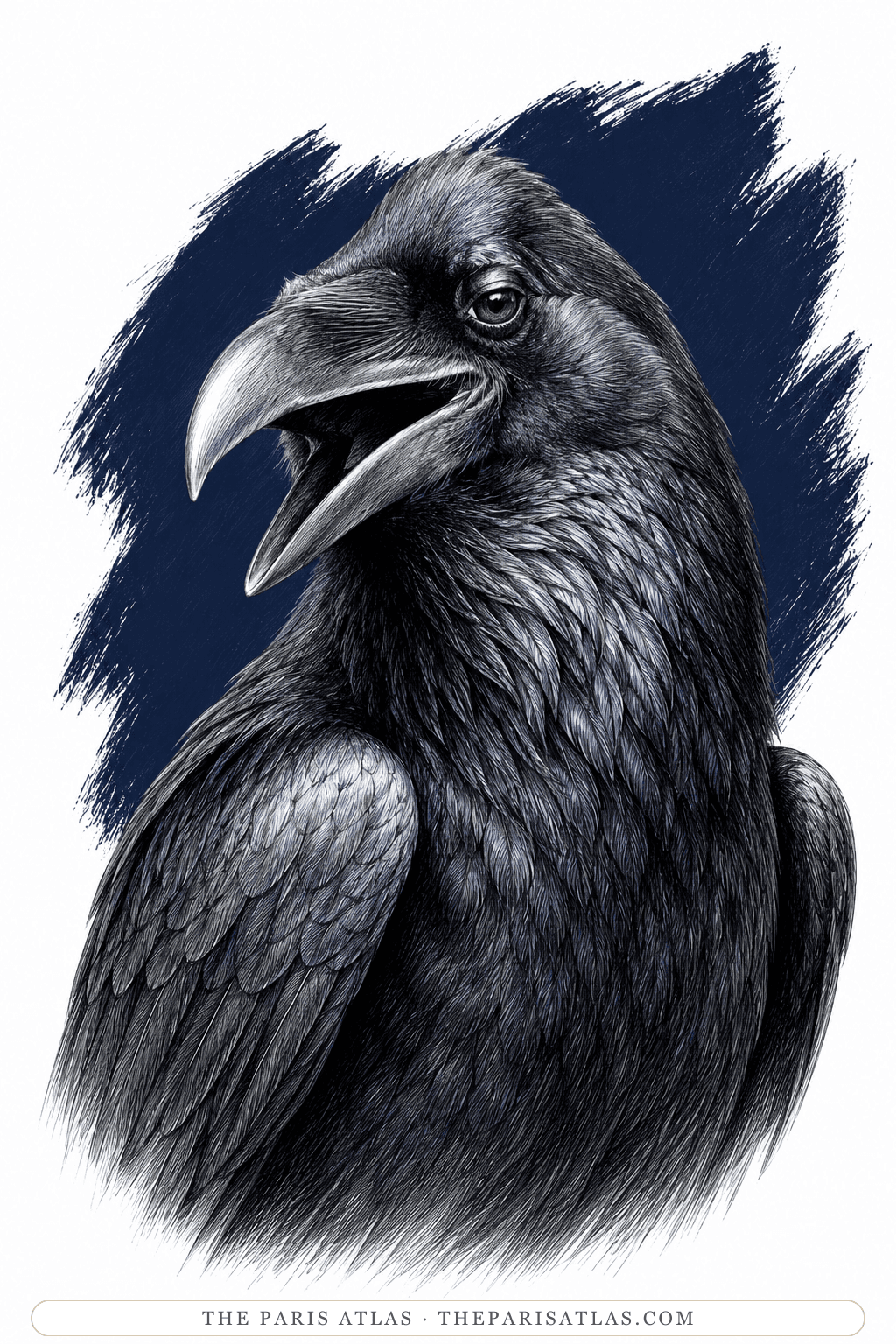
The tame raven, who tells the animals about Sugarcandy Mountain — a country a little way beyond the clouds where it is Sunday seven days a week and lump sugar grows on the hedges. He was Mr Jones's especial pet, does no work, and the pigs never quite get rid of him.
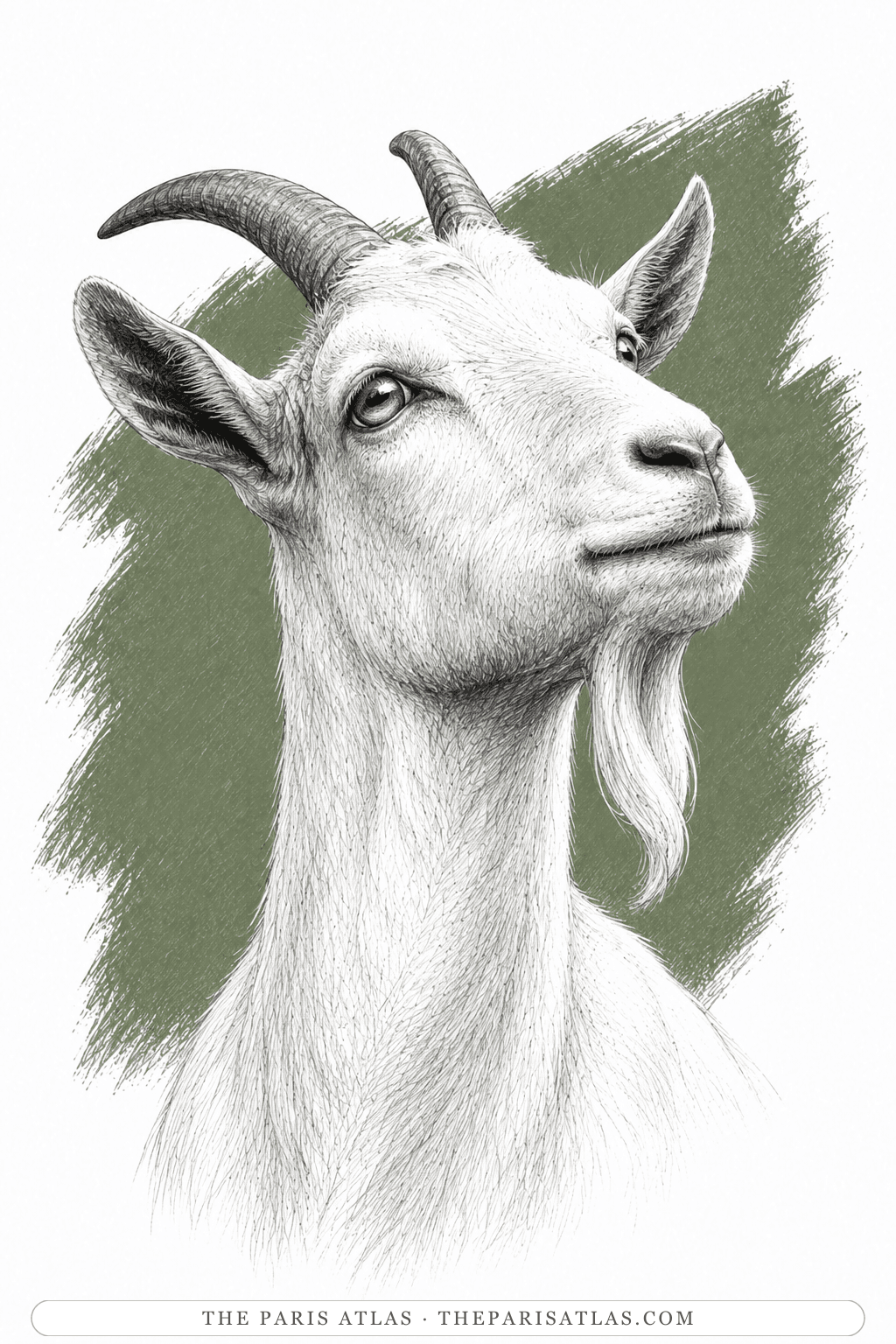
The white goat, and the farm's reader. She reads better than the dogs, spells the commandments out loud when Clover asks her to, and used to read scraps of newspaper to the others in the evenings.
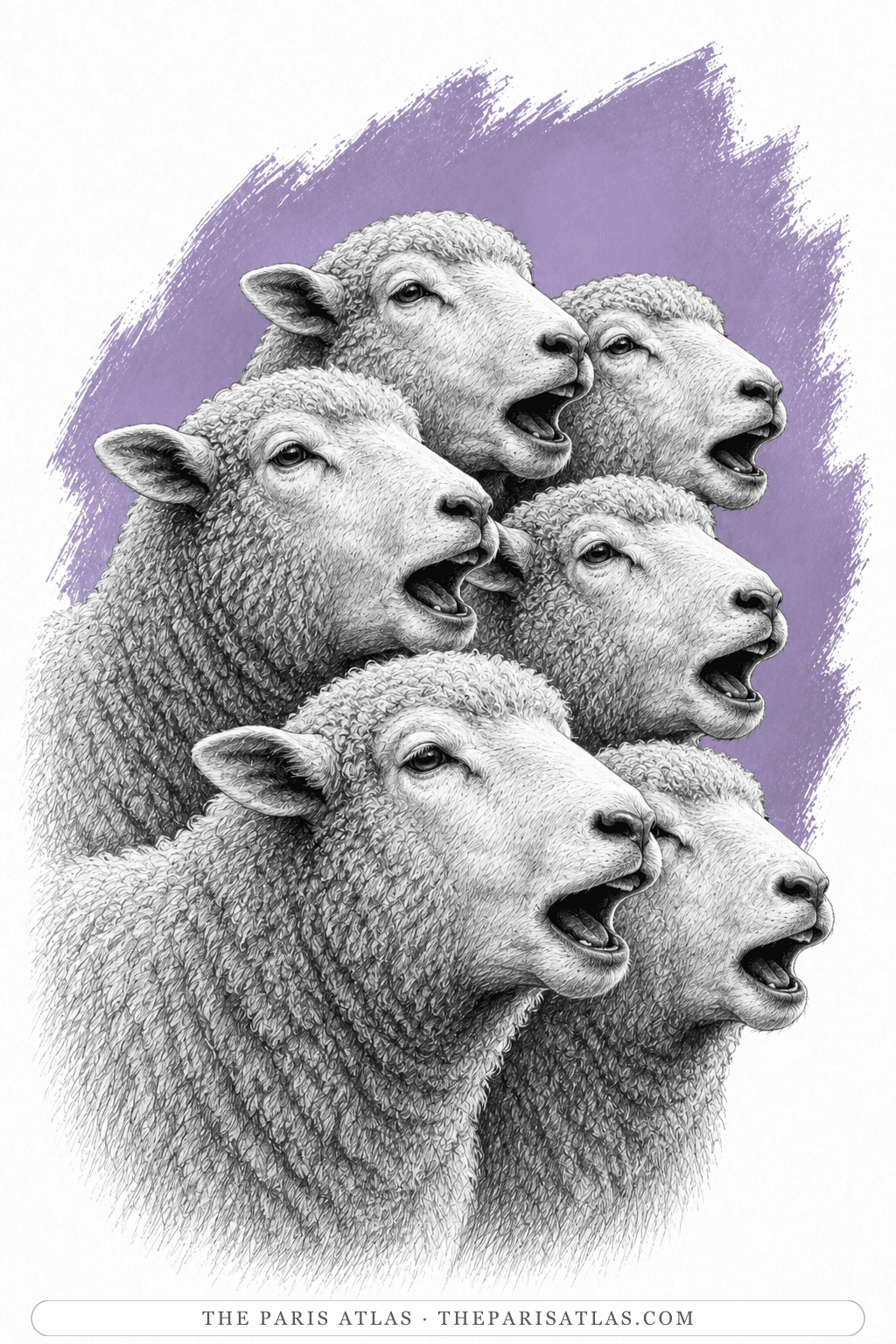
The flock. They cannot learn the Seven Commandments, so Snowball reduces the whole of Animalism to one maxim for their benefit — and from then on the sheep are the loudest voice on the farm and the reliable way to end a discussion.
There are three at the start — Bluebell, Jessie and Pincher. Their nine puppies are taken away as soon as they are weaned to be educated privately by Napoleon, and they come back as the thing that settles arguments on Animal Farm.
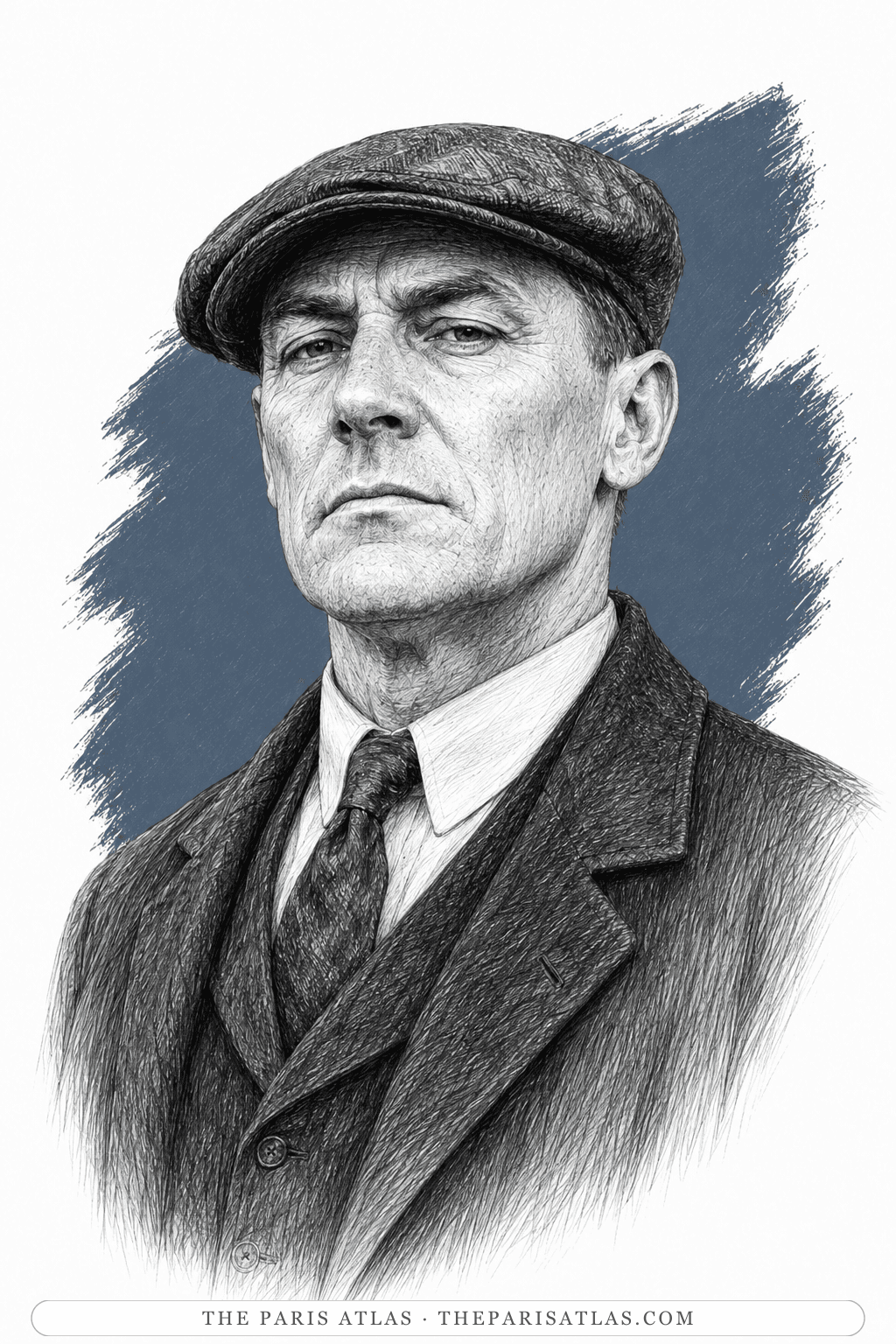
The owner of Foxwood, the large neglected farm on one side of Animal Farm: an easy-going gentleman farmer who spends most of his time fishing or hunting according to the season. He and Mr Frederick dislike each other too much to act together.
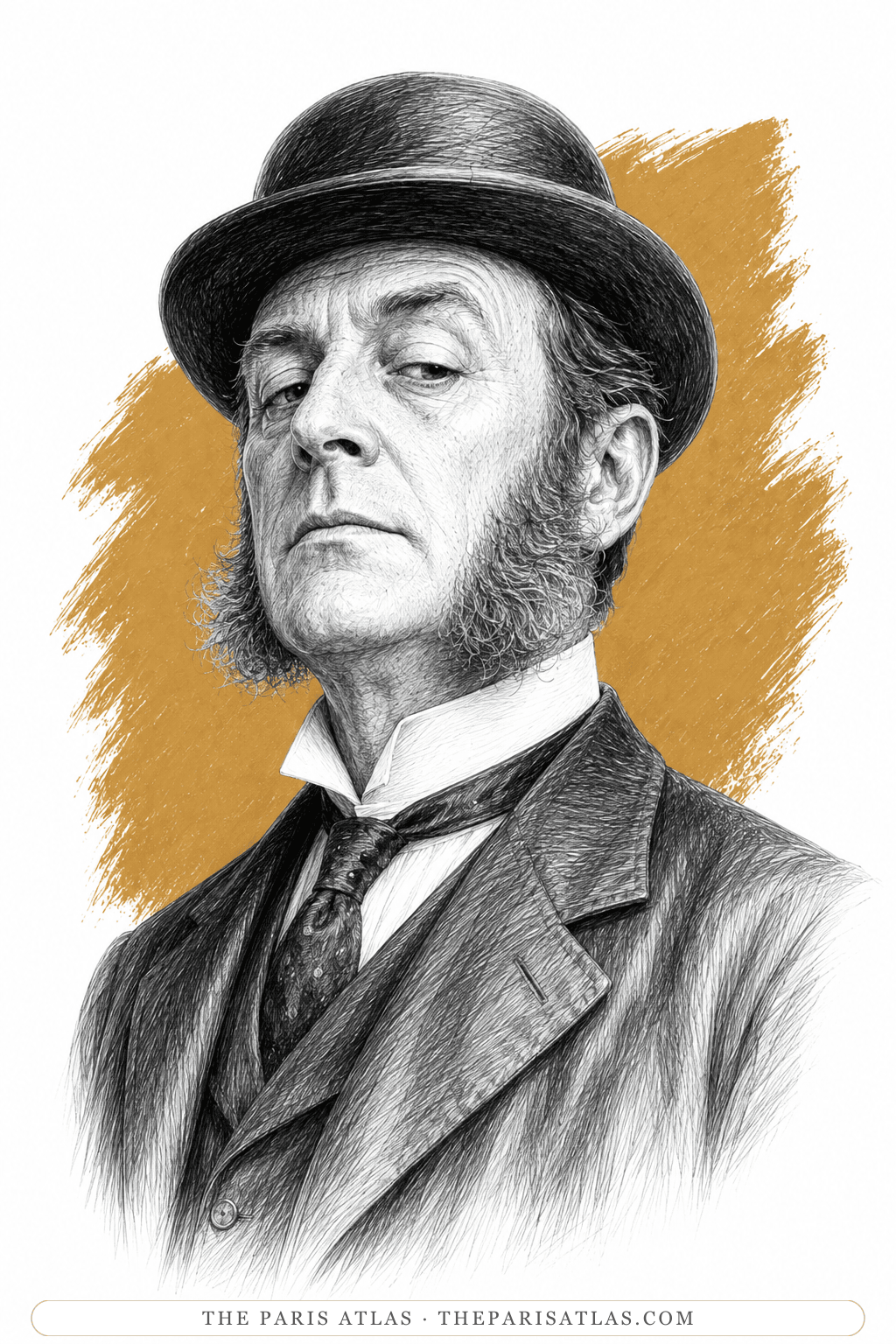
The owner of Pinchfield, the smaller and better-kept farm on the other side: a tough, shrewd man, perpetually involved in lawsuits, with a name for driving hard bargains. The stories that reach Animal Farm about how he treats his own animals are the worst in the book.
The solicitor in Willingdon who acts as Animal Farm's broker with the outside world. A sly-looking little man with side whiskers, in a very small way of business, who worked out before anybody else that a farm run by animals would need somebody to sell its eggs.
A pig with a remarkable gift for composing songs and poems. He sits on the platform beside Napoleon and Squealer, writes the song that replaces "Beasts of England", and composes the ode "Comrade Napoleon", which is painted on the barn wall under a portrait of Napoleon in profile executed by Squealer in white paint.
Pinkeye
A young pig given the job of tasting all Napoleon's food before he eats it, in case of poison. He is named once, when the precautions are stepped up after three hens confess to a plot, and never mentioned again.
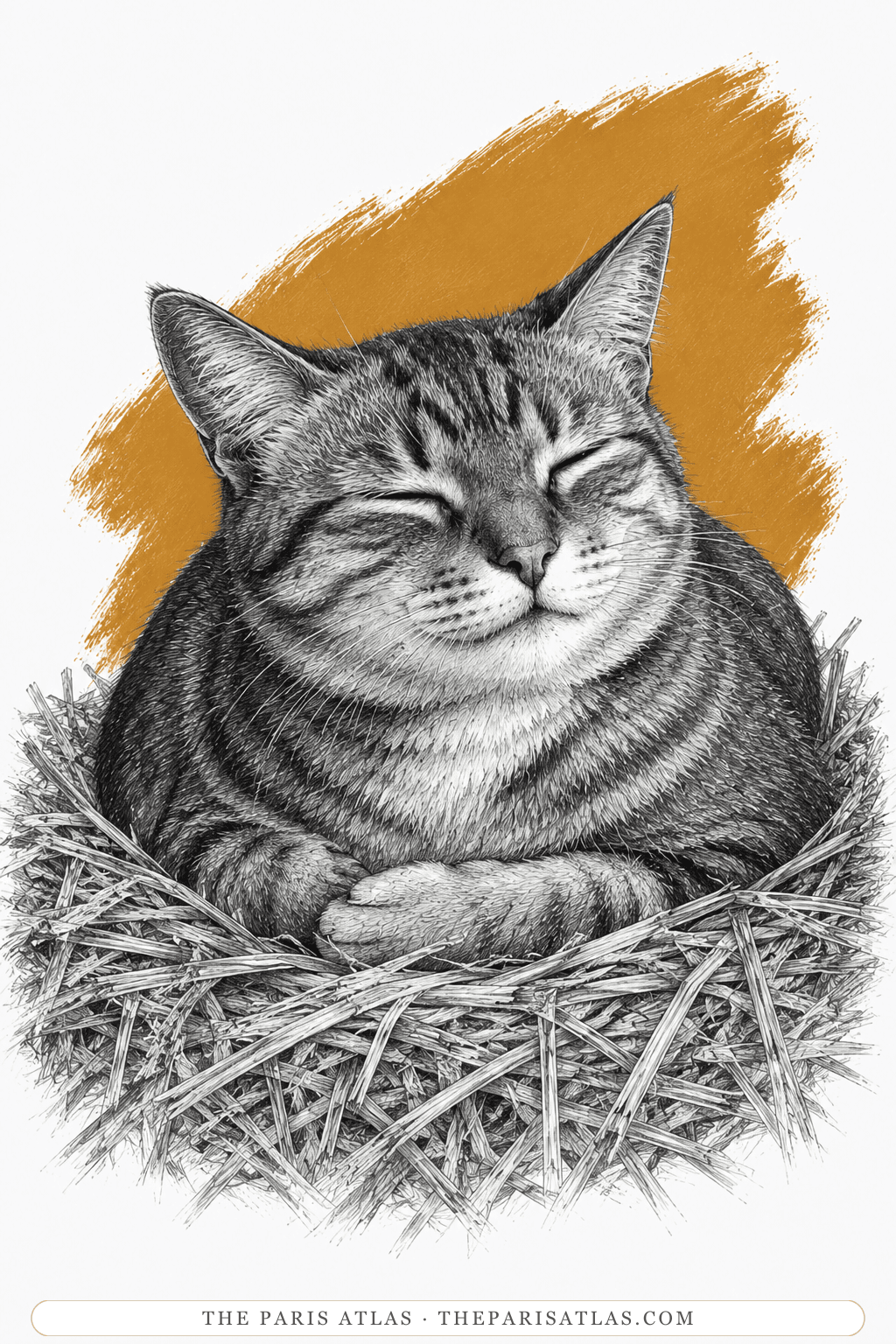
She comes in last to Old Major's speech, looks round for the warmest place, and purrs through the whole of it without listening to a word. She votes on both sides of the question of whether rats are comrades, cannot be found when there is work to be done, and disappears just before the animals are called into the yard for the executions.
The farmer's wife. She is asleep and snoring on the first page, watches the Rebellion from the bedroom window, flings a few possessions into a carpet bag and slips out of the farm by another way. Her green tablecloth becomes the flag, and a piece of her blue ribbon is what tempts Mollie in the farmhouse.
The only animals on Animal Farm who mount a rebellion of their own. Told to surrender four hundred eggs a week under a contract Napoleon has signed, and led by three young Black Minorca pullets, they fly up to the rafters and lay where the eggs will smash on the floor. One of them also asks the first awkward question in the book, about the milk.
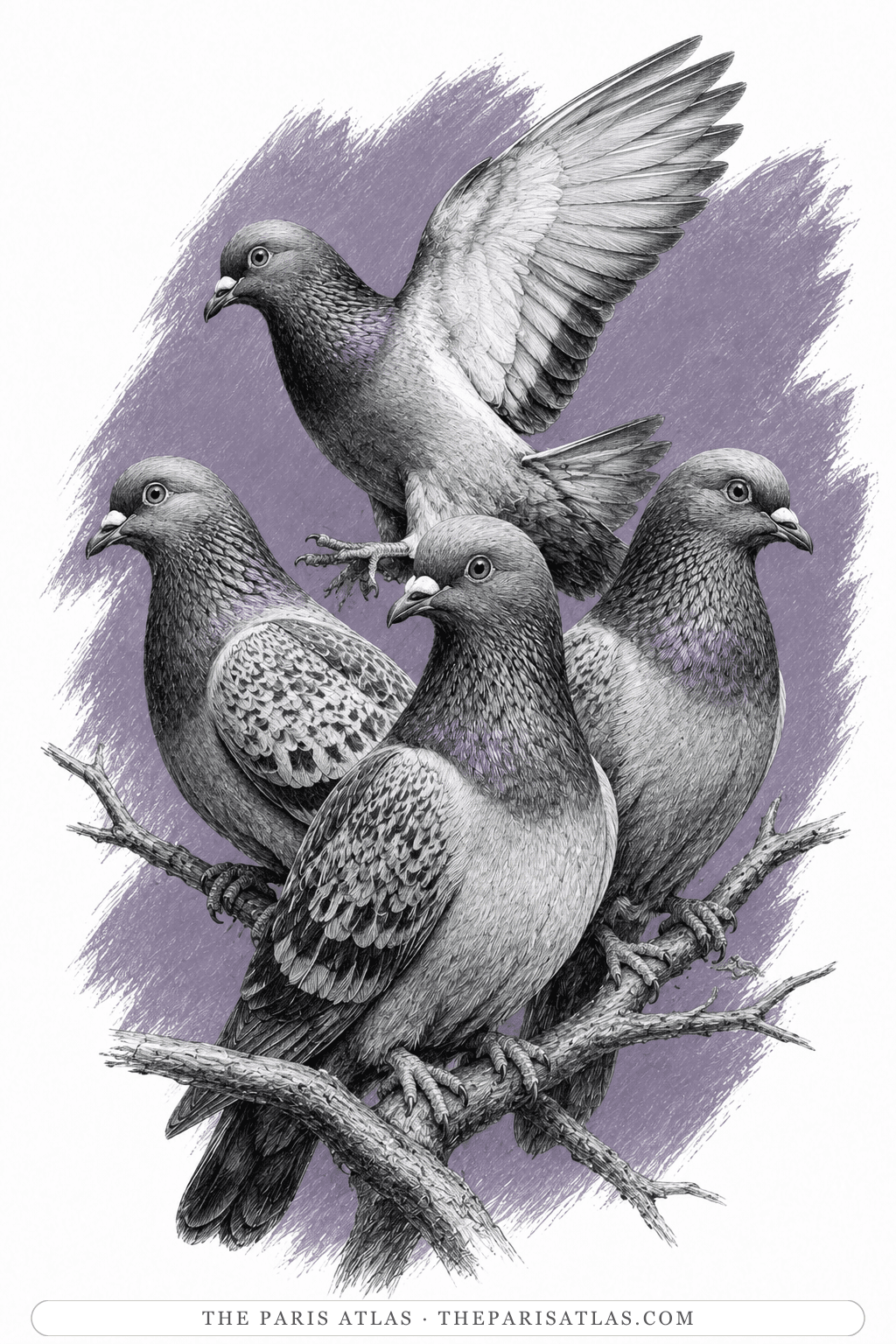
The farm's messengers and its foreign policy. They flutter up to the rafters for Old Major's speech, are sent out in flights with instructions to mingle with the animals on neighbouring farms and teach them the tune of Beasts of England, cooing it in the elms, and they open the Battle of the Cowshed by muting on Jones's men from mid-air. They also bring back the two pieces of news nobody on the farm wants: where Mollie has gone, and that Boxer has fallen.
The only pigs who ever object out loud. When Napoleon abolishes the Sunday-morning debates they utter shrill squeals of disapproval from the front row and all four spring up and try to speak at once, and the dogs growl them back into their seats.
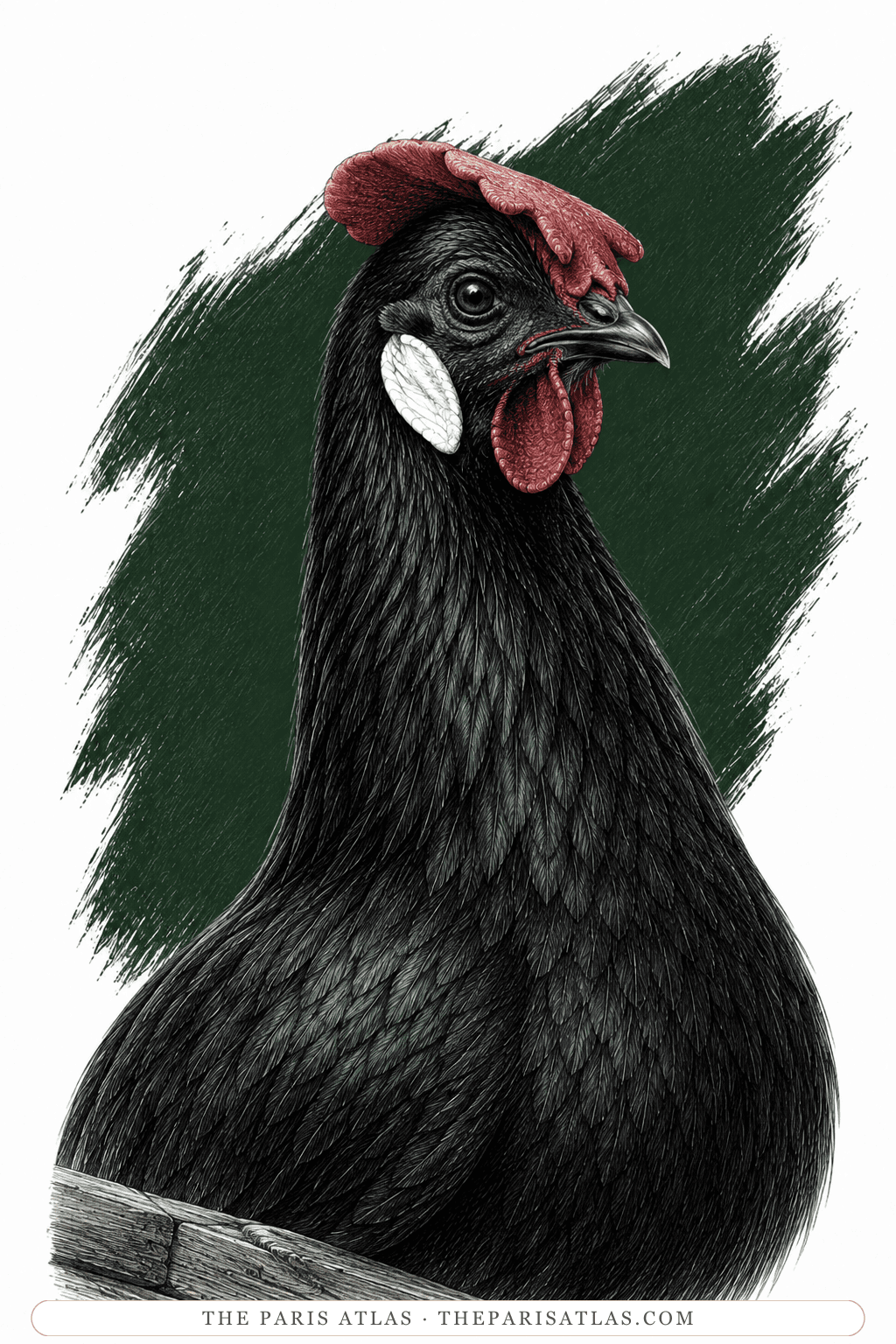
Napoleon's trumpeter. He marches in front of the Leader and lets out a loud cock-a-doodle-doo before Napoleon speaks, and he heads the procession at the Spontaneous Demonstrations, ahead of the dogs and the sheep.
Real people in this book
The real people this book portrays, dedicates itself to, or draws from — every connection carries its source.
Eliot read the typescript as a director of Faber and Faber and turned it down on 13 July 1944, with a second director in agreement. He called it a distinguished piece of writing and said the firm had no conviction that this was the right point of view from which to criticise the political situation at the time. Secker & Warburg published the book in August 1945.
— Toby Faber, A Legendary Publishing House's Most Infamous Rejection Letters (2019), T. S. Eliot to George Orwell, 13 July 1944; Josh Jones, T. S. Eliot, as Faber & Faber Editor, Rejects George Orwell's "Trotskyite" Novel Animal Farm (1944) (2013), Full text of the letter of 13 July 1944
Bring it to book club
Orwell said the turning point was the moment the pigs keep the milk and the apples, and that if the other animals had put their foot down then it would have been all right. Reading Chapter III, does that hold? Or was something already settled earlier, when the pigs took charge of teaching everyone else to read?
Squealer's arguments are transparently bad, and they work every time. The animals were present for the events he is describing. What in the book explains why their own memories lose to his figures?
Benjamin the donkey can read as well as any pig and almost never does. Is he the one clear-sighted animal on the farm, or the one most responsible for what happens to it?
A complete discussion guide is on our editorial calendar. Join the letter to hear when it ships.
Timeline
1937
George Orwell has the central idea, prompted, he later wrote, by watching a boy of about ten drive a huge cart-horse along a narrow path and whip it whenever it tried to turn.
November 1943 – February 1944
The book is written. Orwell prints those dates at the foot of the last page.
13 July 1944
T. S. Eliot, a director of Faber and Faber, declines it. Four publishers refuse the book in all.
17 August 1945
Secker & Warburg publish it in London as Animal Farm: A Fairy Story, three months after the war in Europe ended.
A cover study drawn for Animal Farm and set aside for the version on the shelf. The pig wears a tunic and a medal; the horse, sheep, cow and hen stand below him in front of the barn. It exists in ink and in colour, and the colour one rests here. (The Paris Atlas)
1946
Harcourt, Brace publish the first American edition, and the book becomes a commercial success large enough to give Orwell financial security for the first time.
1947
Orwell writes a preface for a Ukrainian edition, produced in Munich for Ukrainian displaced persons. It is the fullest account he gave of why he wrote the book.
1954
John Halas and Joy Batchelor's animated version is released, the first British animated feature distributed worldwide. Its production was covertly financed by the CIA and its ending was rewritten.
15 September 1972
"The Freedom of the Press", the preface left out of the first edition, is printed in the Times Literary Supplement after the typescript is found by Ian Angus.
Book editions
Paperback
Signet Classics
·
2004
ISBN-13
9780451526342
176 pages, with an afterword by Russell Baker. The edition of record here, and where the buy link goes.
Hardcover
Hardcover
Secker & Warburg
·
1945
The first edition, published in London on 17 August 1945, titled Animal Farm: A Fairy Story.
The two books everybody arrives by, written four years apart, and the argument is continuous: the fable shows a revolution going wrong, the novel shows what it settles into.
Animal Farm is a short novel by George Orwell in which the animals of an English farm drive out the farmer and run the place themselves. It was published in London in 1945 and subtitled A Fairy Story. The animals talk, hold meetings and paint their own laws on the barn wall; the pigs, being the cleverest, take charge of organising everything, and the book follows what that arrangement turns into over the years that follow.
Is Animal Farm about the Russian Revolution?
Yes, by George Orwell's own account. Writing to the American editor Dwight Macdonald in December 1946, he called the book "primarily a satire on the Russian revolution" and said he had meant it to have a wider application: that a violent conspiratorial revolution led by people who want power can only produce a change of masters. He also named one correspondence directly, calling the moment the pigs keep the milk and apples the turning point of the story and glossing it "(Kronstadt)". The detailed keys that match every animal and episode to a Soviet figure or event are the work of critics rather than of Orwell.
Who are the main characters in Animal Farm?
They are farm animals, and George Orwell writes them as characters rather than as labels. Old Major is the elderly boar whose speech starts the rebellion. Napoleon and Snowball are the two young boars who lead afterwards and disagree about everything. Squealer is the pig who explains the leadership's decisions. Boxer is the cart-horse who answers every problem with "I will work harder", Clover the mare who keeps checking the rules against her own memory, and Benjamin the donkey who can read and refuses to. The humans are Mr Jones, the farmer they expel, and his neighbours Mr Pilkington and Mr Frederick.
Why is Animal Farm subtitled A Fairy Story?
The subtitle was George Orwell's own, and it is on the first edition, published by Secker & Warburg in London on 17 August 1945. It names the form: a beast fable, the old kind of story in which animals talk and the moral is the point of the exercise. Many later printings drop it, which is why most readers know the book as Animal Farm alone.
Why was Animal Farm difficult to publish?
Because Britain was allied with the Soviet Union when George Orwell finished it, and the book is an attack on Soviet communism. Four publishers refused it. Victor Gollancz, who had published his earlier books, was one; Faber and Faber was another, where T. S. Eliot wrote on 13 July 1944 that it was a distinguished piece of writing but that the firm had no conviction it was the right point of view from which to criticise the political situation. Secker & Warburg published it in August 1945, after the war in Europe had ended.
Is Animal Farm a children's book?
No. The talking animals and the subtitle suggest one, and it is often given to schoolchildren, but George Orwell wrote it for adults and it contains public executions, a purge and an animal sold to a knacker. The plainness of the writing was a deliberate choice: he wanted a story that could be understood by almost anyone and translated easily into other languages.
How does Animal Farm end?
Animal Farm ends with Napoleon entertaining a group of neighboring farmers inside the farmhouse. The pigs and men eat, drink, play cards and congratulate one another on running their workers hard. An argument breaks out when Napoleon and Mr Pilkington both play the ace of spades. Watching through the window, the other animals look from pig to man and back again and can no longer tell which is which. The revolution has replaced one ruling class with another instead of freeing the animals.
What happens to Boxer in Animal Farm?
Boxer collapses while working on the windmill. Napoleon says that Boxer will receive treatment at a veterinary hospital, but Benjamin reads the writing on the van and realizes that it belongs to a horse slaughterer and glue boiler. The animals cannot stop the van. Squealer later claims that the veterinary surgeon merely bought an old vehicle without repainting it, then announces that Boxer died peacefully in hospital. The pigs use the money from selling Boxer to buy whisky.
What does the final image of the pigs and humans mean?
The animals can no longer distinguish the pigs from the humans because the pigs have adopted everything the rebellion opposed. They walk on two legs, wear clothes, carry whips, trade with neighboring farms and exploit the other animals. The image completes Orwell's warning that a revolution changes nothing if its new leaders preserve the old system of privilege and control.
What are the Seven Commandments, and how do they change?
The Seven Commandments are the laws of Animalism painted on the barn after the rebellion. They forbid human habits such as sleeping in beds, drinking alcohol, wearing clothes and killing other animals, and they declare all animals equal. As the pigs break each rule, the wording quietly changes by adding exceptions such as "with sheets" or "to excess." By the end, every commandment has disappeared except one sentence claiming that all animals are equal but some are more equal than others.
What does ‘All animals are equal, but some animals are more equal than others’ mean?
The sentence is deliberately impossible: equality cannot have degrees. Its contradiction shows that the pigs no longer need their laws to make logical sense. They control the food, education, dogs and written record, so they can use the language of equality to defend an openly unequal society. Orwell turns a political slogan into proof that words have been emptied of their original meaning.
What does the windmill symbolize in Animal Farm?
The windmill begins as Snowball's plan to generate electricity and reduce the animals' labor. Napoleon first opposes it, then claims it as his own and repeatedly uses its construction to demand more work and sacrifice. It can be read as a parallel to Soviet industrialization, but inside the story it also has a broader function: the leadership keeps promising a better future while the workers bear the cost in the present.
Does Napoleon represent Joseph Stalin?
Napoleon is widely read as the novel's counterpart to Joseph Stalin. He drives his rival into exile, raises a private force of dogs, stages confessions and executions, rewrites the past and builds a personal cult. Orwell said that Animal Farm was primarily a satire on the Russian Revolution, but Napoleon also serves a wider purpose. He shows how a leader can turn a collective rebellion into personal rule.
Does Snowball represent Leon Trotsky?
Snowball is commonly associated with Leon Trotsky. He helps lead the revolution, argues with Napoleon about the farm's future, is expelled by force and is later blamed for every failure. The parallel is strong, but Snowball remains a character in a fable rather than a complete portrait of Trotsky. Orwell gives him real faults, including helping the pigs reserve milk and apples for themselves.
What does Squealer represent?
Squealer represents propaganda and the people who make abuses of power sound necessary. He changes explanations as Napoleon's policies change, uses selective numbers, appeals to fear of Mr Jones and denies events the animals remember seeing. His importance is not simply that he lies. He gives each lie an official vocabulary that makes resistance feel confused, selfish or dangerous.
Why do the sheep repeat ‘Four legs good, two legs bad’ in Animal Farm?
The slogan reduces the Seven Commandments to a phrase the sheep can memorize. They repeat it so loudly and for so long that serious discussion becomes impossible. Near the end, Squealer teaches them a new version—"Four legs good, two legs better"—before the pigs appear walking upright. The sheep show how repetition can replace thought and help prepare a crowd to accept a reversal.
Why does Benjamin wait so long to act?
Benjamin can read and understands more than he admits, but he believes that life will remain difficult whoever holds power. His cynicism protects him from propaganda, yet it also keeps him passive while the commandments change and the pigs take control. He finally acts when Boxer is driven away, but by then reading the van aloud cannot save his friend. Orwell makes Benjamin's intelligence morally incomplete because he does not use it until the danger is irreversible.
What happens to Mollie in Animal Farm?
Mollie dislikes the discipline of the new farm and misses sugar, ribbons and human attention. After Clover sees a man stroking her nose, Mollie disappears. The pigeons later report that she is pulling a smart carriage, wearing ribbons and receiving sugar from a man outside a public house. She chooses comfort under human ownership over the hardship and uncertainty of the revolution and never returns to Animal Farm.
What is ‘Beasts of England,’ and why does Napoleon ban it?
"Beasts of England" is the revolutionary song Old Major teaches the animals. It imagines a future without human masters and gives the animals a shared language for hope. Napoleon bans it after the executions, when the song's promise of freedom has become dangerous to his government. Squealer says the rebellion is complete and the song is no longer needed; in practice, banning it prevents the animals from comparing their original hopes with their present lives.
What does Moses and Sugarcandy Mountain represent?
Moses is Mr Jones's tame raven. He tells the animals that after death they will go to Sugarcandy Mountain, where food is plentiful and work is unnecessary. The pigs initially call the story a lie, but later allow Moses to return and give him beer even though he does no work. His story can be read as organized religion offering comfort about a future paradise while those in power tolerate it because that comfort may make present suffering easier to accept.
If you like George Orwell
Explore authors with a similar voice, perspective, and influence.
Henry Miller
The Brooklyn dropout who arrived in Paris broke at thirty-eight and wrote the exuberant, banned books that ended American censorship.
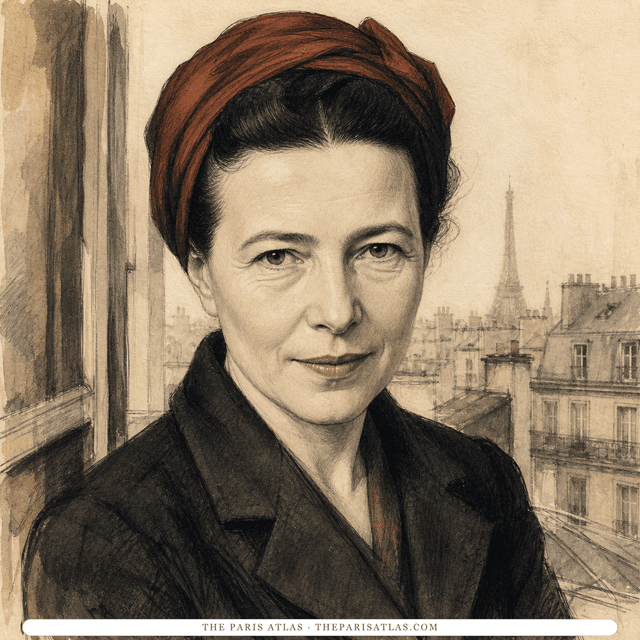
French writer and philosopher whose novels, memoirs, and social analysis examined freedom, gender, responsibility, aging, and the material conditions that shape a life.
The sources below include the primary text, editions, scholarship, archival materials, and other records that informed this page. They document Animal Farm, its publication, and its place in literary history.
The primary text is the baseline reference for every book page. Additional references document publication history, interpretation, and historical context where that evidence is available.
















 View source