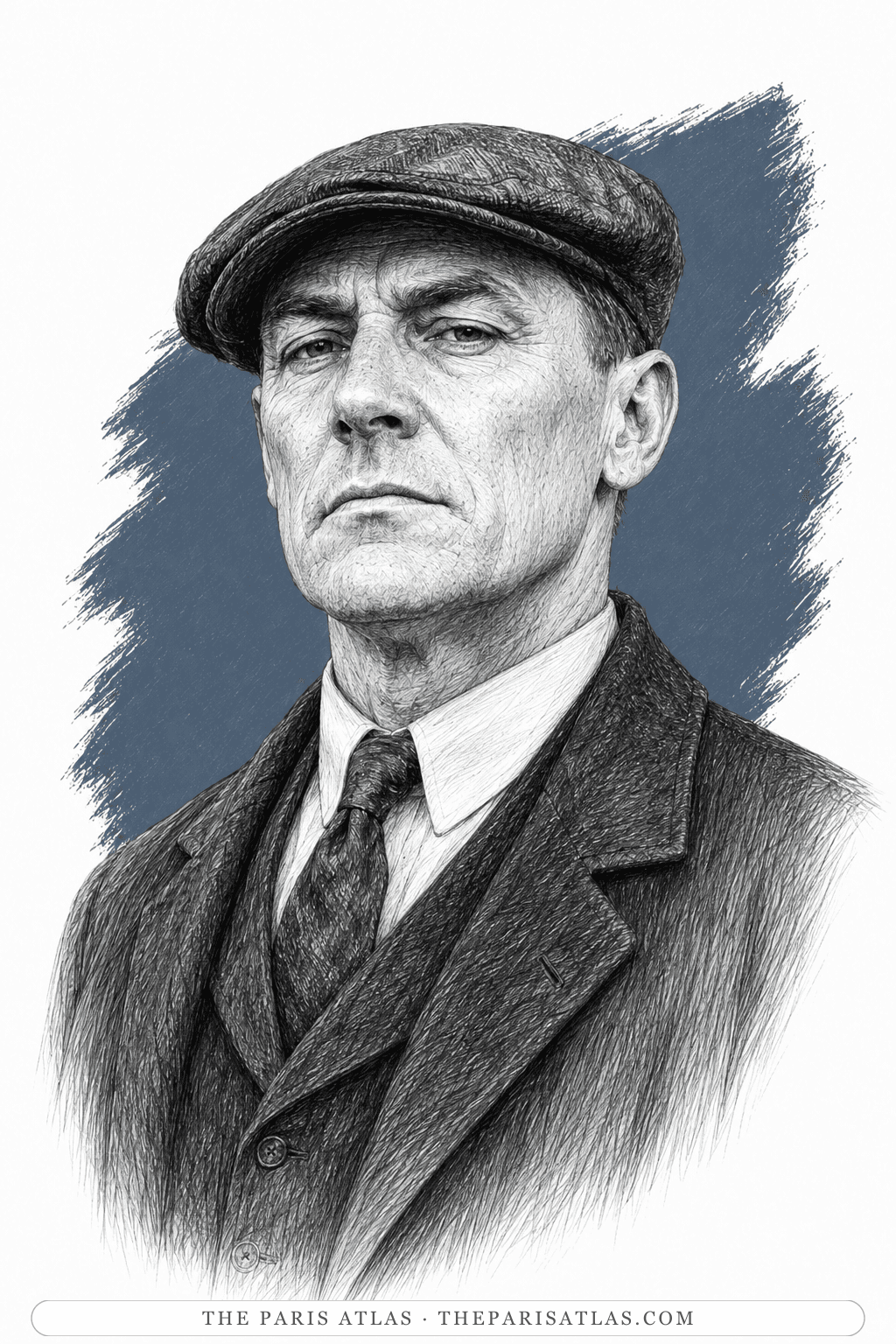
Mr Frederick
The owner of Pinchfield, the smaller and better-kept farm on the other side: a tough, shrewd man, perpetually involved in lawsuits, with a name for driving hard bargains. The stories that reach Animal Farm about how he treats his own animals are the worst in the book.
The timber, and the windmill gone. He is the neighbour who takes the farm's success as a personal affront, and the building of the mill is said to have roused furious jealousy in him.
The book

At a glance
- A neighbouring farmer, owner of Pinchfield
- Smaller than Foxwood and better kept
- Lawsuits, hard bargains, and cruelty to his own animals
- The timber, for nothing
- Chapters IV, VII and VIII
Who they are in the book
Spoiler-freePinchfield is smaller than Foxwood and better kept, and its owner is the opposite of his neighbour in every way George Orwell bothers to record: tough, shrewd, perpetually involved in lawsuits, and with a name for driving hard bargains. The animals fear and hate him, and prefer Pilkington, whom they merely distrust.
What they hear about Pinchfield accounts for that. He is said to have flogged an old horse to death, to starve his cows, to have killed a dog by throwing it into the furnace, and to amuse himself in the evenings by making cocks fight with splinters of razor-blade tied to their spurs. The animals' blood boils when they hear it, and they sometimes clamour to be allowed to march on Pinchfield in a body and set his animals free. They are counselled to avoid rash actions.
He is also the only human in the book who wins anything. He wants the farm's pile of seasoned timber more than Pilkington does, is held off for months, is talked up twelve pounds, and finally pays in five-pound notes handed over before the timber is carted. Three days later the solicitor comes racing up the path on his bicycle to say the notes are forged. The next morning Frederick arrives with fifteen men and half a dozen guns.
How Mr Frederick Is Portrayed
- PinchfieldSmaller than Foxwood and better kept. Frederick is described as tough and shrewd, perpetually involved in lawsuits and known for driving hard bargains — a man his neighbour cannot come to an agreement with even when their interests coincide.
- What is said about himThat he flogged an old horse to death, starved his cows, killed a dog by throwing it into the furnace, and made cocks fight in the evenings with splinters of razor-blade tied to their spurs. Terrible stories, the book says, were leaking out from Pinchfield.
- Snowball's addressFor a year the farm is told that the exiled pig is hiding at Pinchfield — except during the weeks when Napoleon is inclining towards Frederick, at which times he turns out to have been at Foxwood all along.
- The banknotesHe offered to pay for the timber with a cheque, which was explained to the animals as a piece of paper with a promise to pay written on it, and was refused. He paid instead in real five-pound notes, handed over before the timber was removed and displayed to the whole farm on a china dish. They were forgeries.
- The attackFifteen men with half a dozen guns between them, opening fire at fifty yards. Two of them drilled a hole at the base of the windmill and packed it with blasting powder, and the explosion flung the stones hundreds of yards. They were driven off, and the sentence pronounced on Frederick in his absence was that he should be boiled alive when captured.
If you like Animal Farm


If you like George Orwell
Explore authors with a similar voice, perspective, and influence.
Henry Miller
The Brooklyn dropout who arrived in Paris broke at thirty-eight and wrote the exuberant, banned books that ended American censorship.
View author
Louis-Ferdinand Céline
The doctor of the Paris slums who wrote the century's blackest, funniest novel — and changed the sound of French prose.
View author
Simone de Beauvoir
French writer and philosopher whose novels, memoirs, and social analysis examined freedom, gender, responsibility, aging, and the material conditions that shape a life.
View author