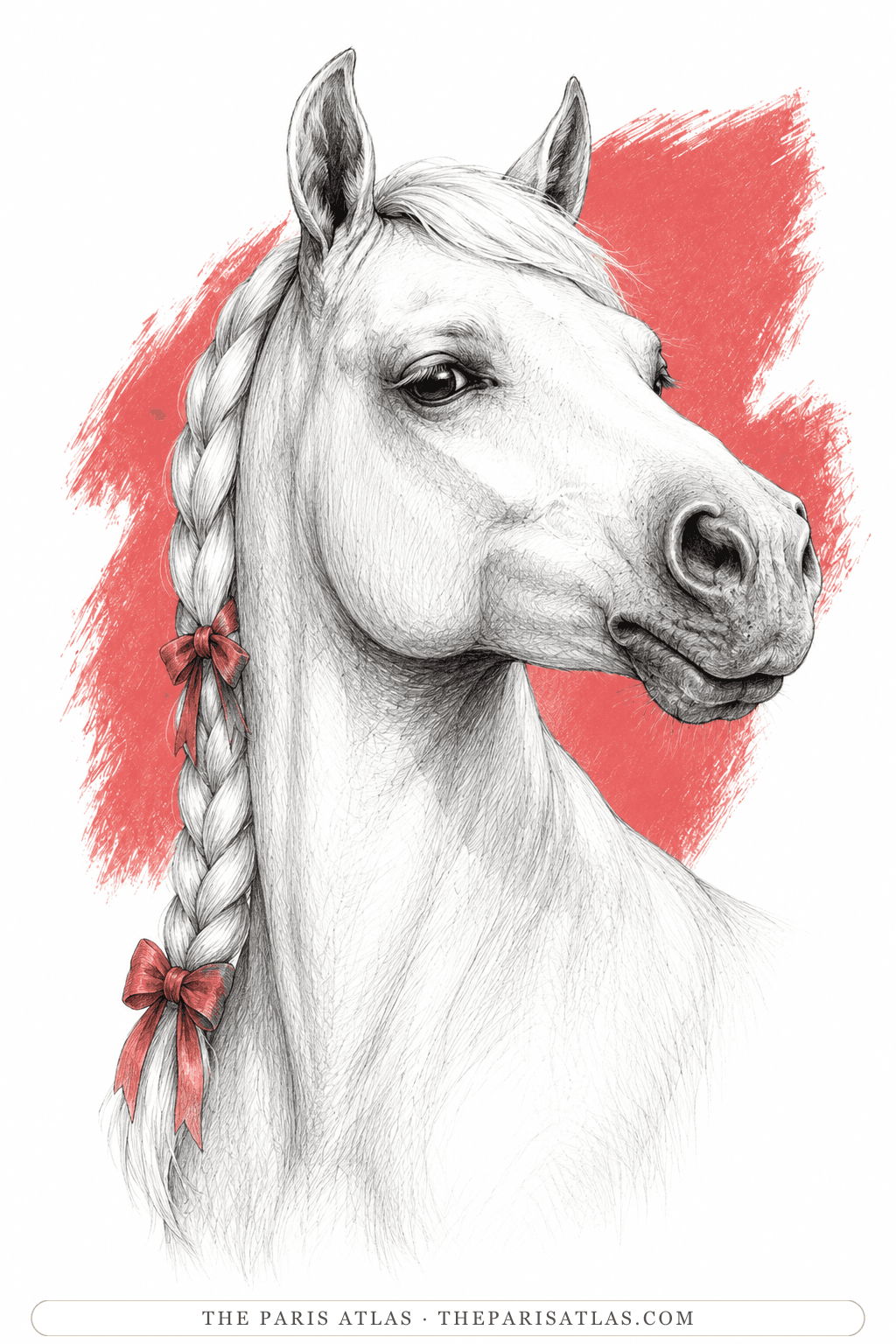
Mollie
The foolish, pretty white mare who drew Mr Jones's trap. She cares about sugar and about the red ribbons her mane is plaited with, and she is the first animal to ask out loud what the Rebellion is going to cost her.
Sugar, ribbons, and someone to look at her. It is the only want anyone on the farm states plainly, and it is the one the Rebellion has no answer for.
The book

At a glance
- A white mare, and the only animal who asks what the Rebellion will cost her
- Drawing Mr Jones's trap
- The six letters of her own name
- Chapters I to V
Who they are in the book
Spoiler-freeMollie arrives last at Old Major's meeting, mincing daintily and chewing at a lump of sugar, takes a place near the front and starts flirting her white mane to draw attention to the red ribbons it is plaited with. George Orwell calls her the foolish, pretty white mare who drew Mr Jones's trap, and gives her no other work on the farm.
She asks the two questions nobody else thinks to ask. Will there still be sugar after the Rebellion, and will she still be allowed to wear ribbons? Snowball tells her there is no way of making sugar on the farm, that she does not need it, and that the ribbons she is so devoted to are the badge of slavery. She agrees, and the book records that she did not sound very convinced. The pigs class her questions as the stupidest asked by anybody.
She is not brave and does not pretend to be. When the men come to retake the farm she bolts at the first shot and is found afterwards with her head buried in the hay in the manger. Of the whole alphabet she learns the six letters that spell her name, forms them neatly out of pieces of twig, and decorates them with a flower or two.
How Mollie Is Portrayed
- First appearanceLast into the barn, mincing daintily, chewing a lump of sugar, and flirting her white mane to show off the red ribbons plaited into it. The cat comes in after her looking for the warmest place.
- How she movesShe strolls into the yard flirting her long tail and chewing at a stalk of hay. Asked something she would rather not answer, she starts to prance about and paw the ground, and then takes to her heels and gallops off into the field.
- The two questionsWill there still be sugar after the Rebellion? Will she still be allowed to wear ribbons? Snowball answers that they have no means of making sugar and that ribbons are the badge of slavery, and asks whether she cannot understand that liberty is worth more than ribbons. She agrees, but she did not sound very convinced.
- The looking-glassOn the tour of the farmhouse she is found missing and discovered in the best bedroom, holding a piece of Mrs Jones's blue ribbon against her shoulder and admiring herself in the glass in a very foolish manner. The others reproach her sharply and they all go outside.
- Six lettersShe refused to learn any letters but the six that spelt her own name. She would form them very neatly out of pieces of twig, decorate them with a flower or two, and walk round them admiring them.
- Work, and the battleShe was late for work every morning and excused herself by saying she had overslept. She complained of mysterious pains, though her appetite was excellent, and had a way of leaving early because of a stone in her hoof. During the Battle of the Cowshed she took to flight the moment the gun went off, and was found in her stall with her head buried in the manger.
If you like Animal Farm


If you like George Orwell
Explore authors with a similar voice, perspective, and influence.
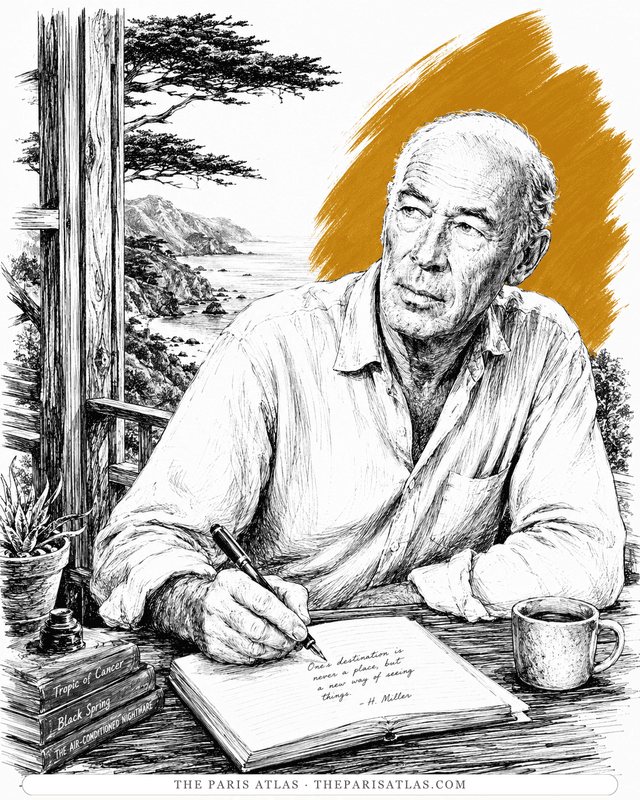
Henry Miller
The Brooklyn dropout who arrived in Paris broke at thirty-eight and wrote the exuberant, banned books that ended American censorship.
View author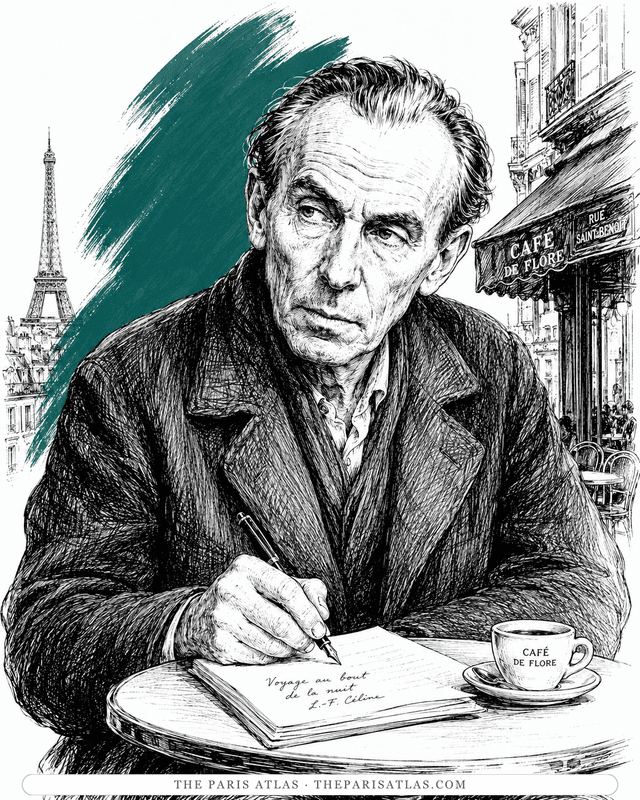
Louis-Ferdinand Céline
The doctor of the Paris slums who wrote the century's blackest, funniest novel — and changed the sound of French prose.
View author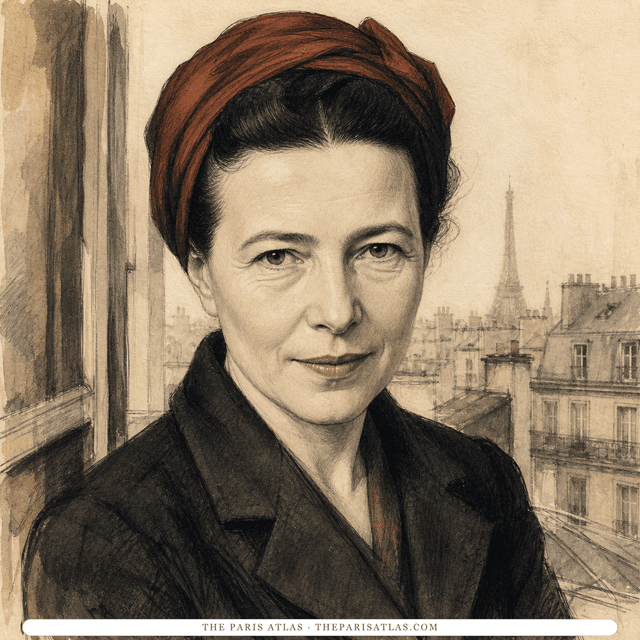
Simone de Beauvoir
French writer and philosopher whose novels, memoirs, and social analysis examined freedom, gender, responsibility, aging, and the material conditions that shape a life.
View author