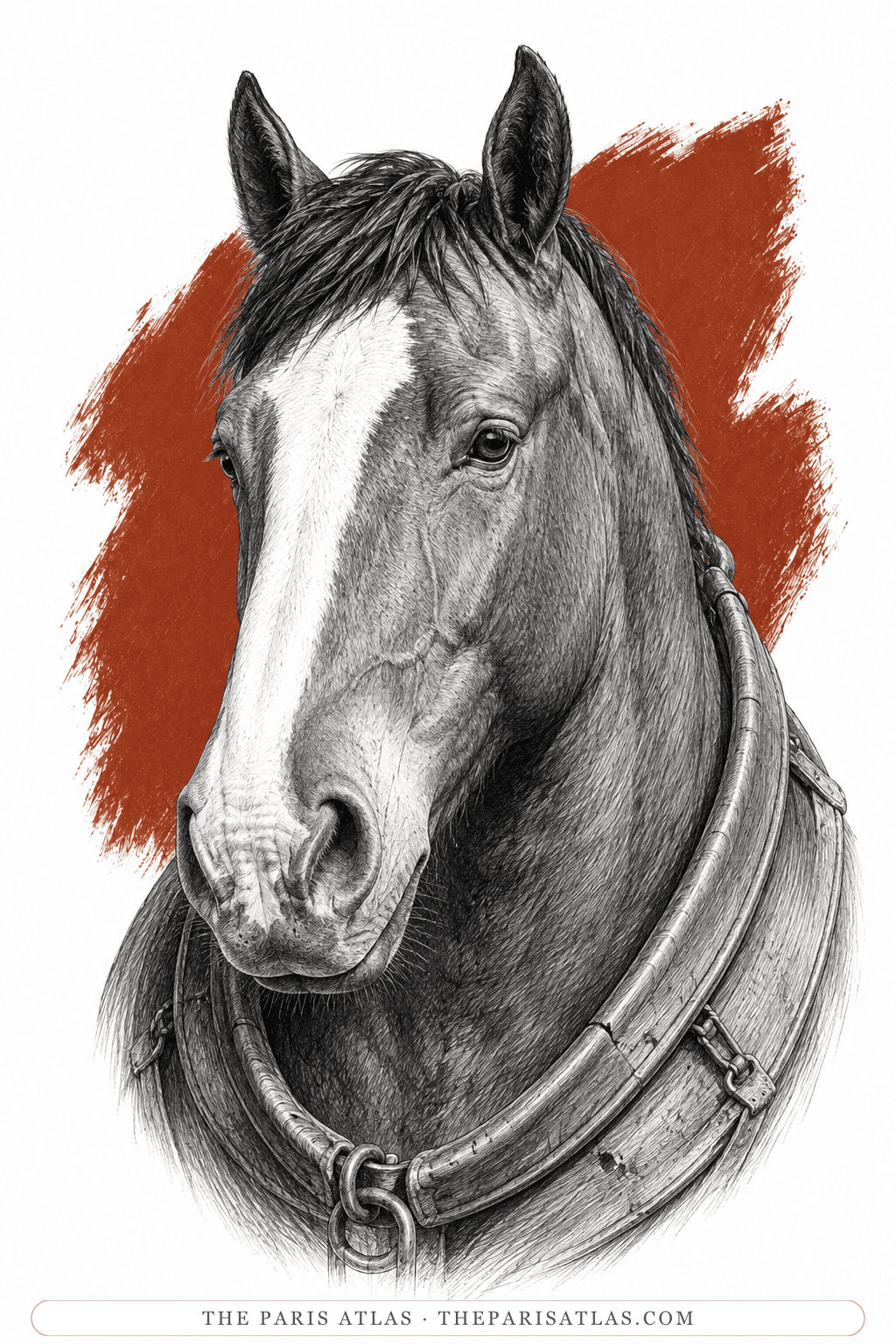
Boxer
The cart-horse the farm runs on: nearly eighteen hands and as strong as any two ordinary horses. He is not clever, and he knows it. His answer to every setback is "I will work harder", and after the first year he adds a second maxim: "Napoleon is always right."
To finish the work and retire on time. After his hoof is split his one stated ambition is to see the windmill well under way before his twelfth birthday, and to spend the years afterwards learning the remaining twenty-two letters of the alphabet.
The book

At a glance
- A cart-horse, and the hardest worker on Animal Farm
- Nearly eighteen hands; as strong as any two ordinary horses
- A white stripe down the nose
- A, B, C, D, and no further
- "I will work harder" and "Napoleon is always right"
- Animal Hero, First Class, after the Battle of the Cowshed
- Twelve for horses; his twelfth birthday falls in the late summer of the following year
- Chapter I to Chapter IX
Who they are in the book
Spoiler-freeBoxer is an enormous beast, nearly eighteen hands high and as strong as any two ordinary horses put together. A white stripe down his nose gives him a somewhat stupid appearance, and George Orwell says plainly that he is not of first-rate intelligence, but that he is universally respected for his steadiness of character and his tremendous powers of work. He arrives at Old Major's meeting walking very slowly beside Clover, both of them setting their vast hairy hoofs down with great care in case some small animal is hidden in the straw.
After the Rebellion he becomes the farm's engine. He seemed more like three horses than one, and there were days when the entire work of the farm rested on his shoulders. He arranged with a cockerel to be called half an hour before anyone else so that he could put in volunteer labour before the day began, and later moved it to three-quarters of an hour. In the quarry, when a boulder began to slip and the animals cried out in despair at being dragged down the slope with it, it was always Boxer who strained against the rope and stopped it.
The book is exact about the limits of him. He can get as far as the letter D and no further; he traces A, B, C, D in the dust with his hoof and stands staring at them, trying to remember what comes next. He learns E, F, G, H several times and each time finds he has lost the first four. In the end he settles for the four he has and writes them out once or twice a day to keep them. When the killings happen in the yard he cannot make sense of them and concludes that the fault must be somewhere in the animals themselves, and that the answer is to get up an hour earlier. Then he goes to the quarry and fetches two more loads of stone.
How Boxer Is Portrayed
- How he is drawnNearly eighteen hands high, as strong as any two ordinary horses put together, with a white stripe down his nose that gives him a somewhat stupid appearance. Not of first-rate intelligence, and universally respected.
- Hoofs, tail and shouldersVast hairy hoofs, shod in iron, which he sets down with great care in case some small animal is hidden in the straw. A long black tail that he swishes against his sides. Orwell writes that there were days when the entire work of the farm seemed to rest on his mighty shoulders.
- The straw hatHe wore a small straw hat in summer to keep the flies out of his ears. On the day Mr Jones's harness was burned he fetched it himself and threw it on the fire with the reins and the whips.
- The alphabetHe could not get beyond D. He traced the four letters in the dust with his great hoof and stood staring at them with his ears back, shaking his forelock, trying to remember what came next and never succeeding. On several occasions he did learn E, F, G, H, and by the time he knew them he had lost A, B, C, D.
- The extra hourHe made an arrangement with one of the cockerels to be called half an hour before anyone else so that he could do whatever seemed most needed before the regular day began. When the windmill was under way he moved it to three-quarters of an hour, and he also worked alone at nights by the light of the harvest moon.
- The quarryNothing could have been achieved without him. When a boulder began to slip and the animals were being dragged back down the hill, it was Boxer who strained against the rope and brought it to a stop, breath coming fast, hoof-tips clawing the ground, his sides matted with sweat.
- The stable-ladIn the Battle of the Cowshed he reared up and struck out with his iron-shod hoofs, and his first blow laid a boy from Foxwood face down in the mud. Afterwards he stood over the body trying to turn it over. "I have no wish to take life, not even human life," he said, with his eyes full of tears. The boy turned out to be stunned and got up and ran.
- The two maxims"I will work harder" from the first summer; "Napoleon is always right" added after the dogs appeared in the barn. He offered them as a sufficient answer to every problem, and the other animals found more inspiration in them than in Squealer's speeches about the dignity of labour.
- The one dogWhen three of the dogs went for him during the executions he caught one in mid-air and pinned it to the ground with his hoof. He looked to Napoleon to know whether to crush it, and let it go when he was told to. It is the only moment in the book when the dogs are stopped.
- SundaysHe and Benjamin the donkey spent them together in the small paddock beyond the orchard, grazing side by side and never speaking. Orwell says Benjamin was devoted to him without ever openly admitting it.
- What the work costAfter the second battle a dozen pellets were lodged in his hind leg and his hoof was split. It occurred to him for the first time that he was eleven years old and that his muscles were not quite what they had been. The hoof was slow to heal, his hide lost its shine, his haunches shrank, and eventually there were days when he formed the words "I will work harder" with no voice left to say them.
Boxer quotes
I will work harder!
Napoleon is always right.
That is our victory.
If you like Animal Farm


If you like George Orwell
Explore authors with a similar voice, perspective, and influence.
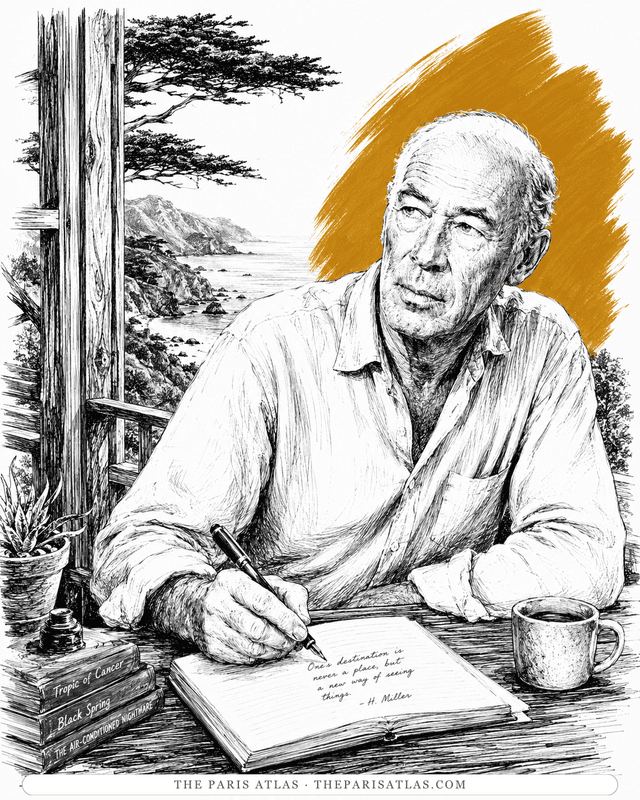
Henry Miller
The Brooklyn dropout who arrived in Paris broke at thirty-eight and wrote the exuberant, banned books that ended American censorship.
View author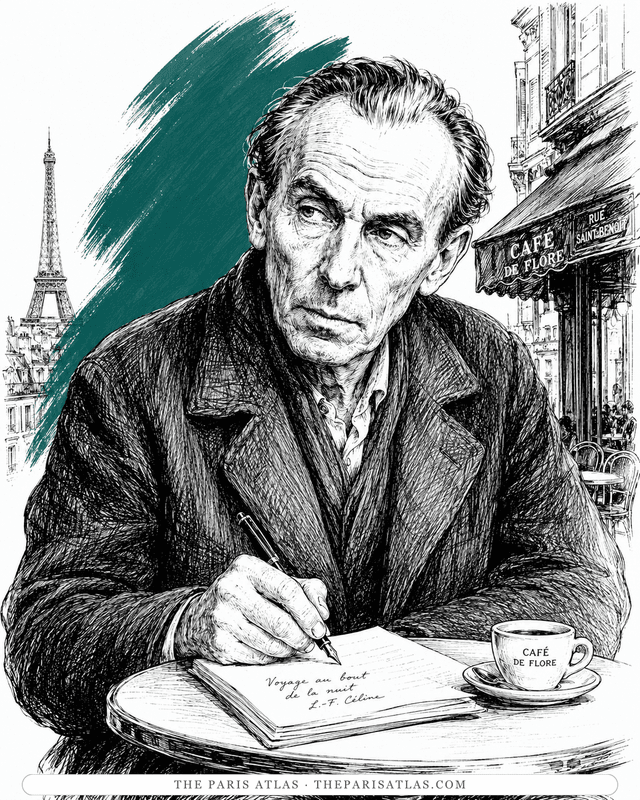
Louis-Ferdinand Céline
The doctor of the Paris slums who wrote the century's blackest, funniest novel — and changed the sound of French prose.
View author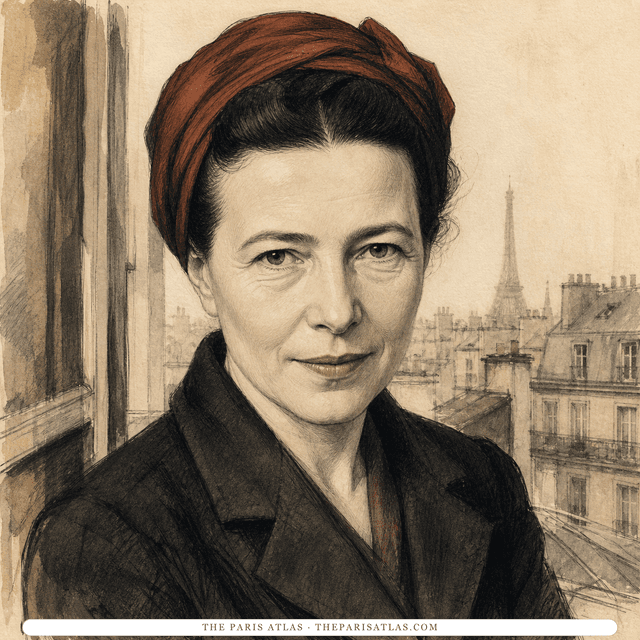
Simone de Beauvoir
French writer and philosopher whose novels, memoirs, and social analysis examined freedom, gender, responsibility, aging, and the material conditions that shape a life.
View author