Squealer
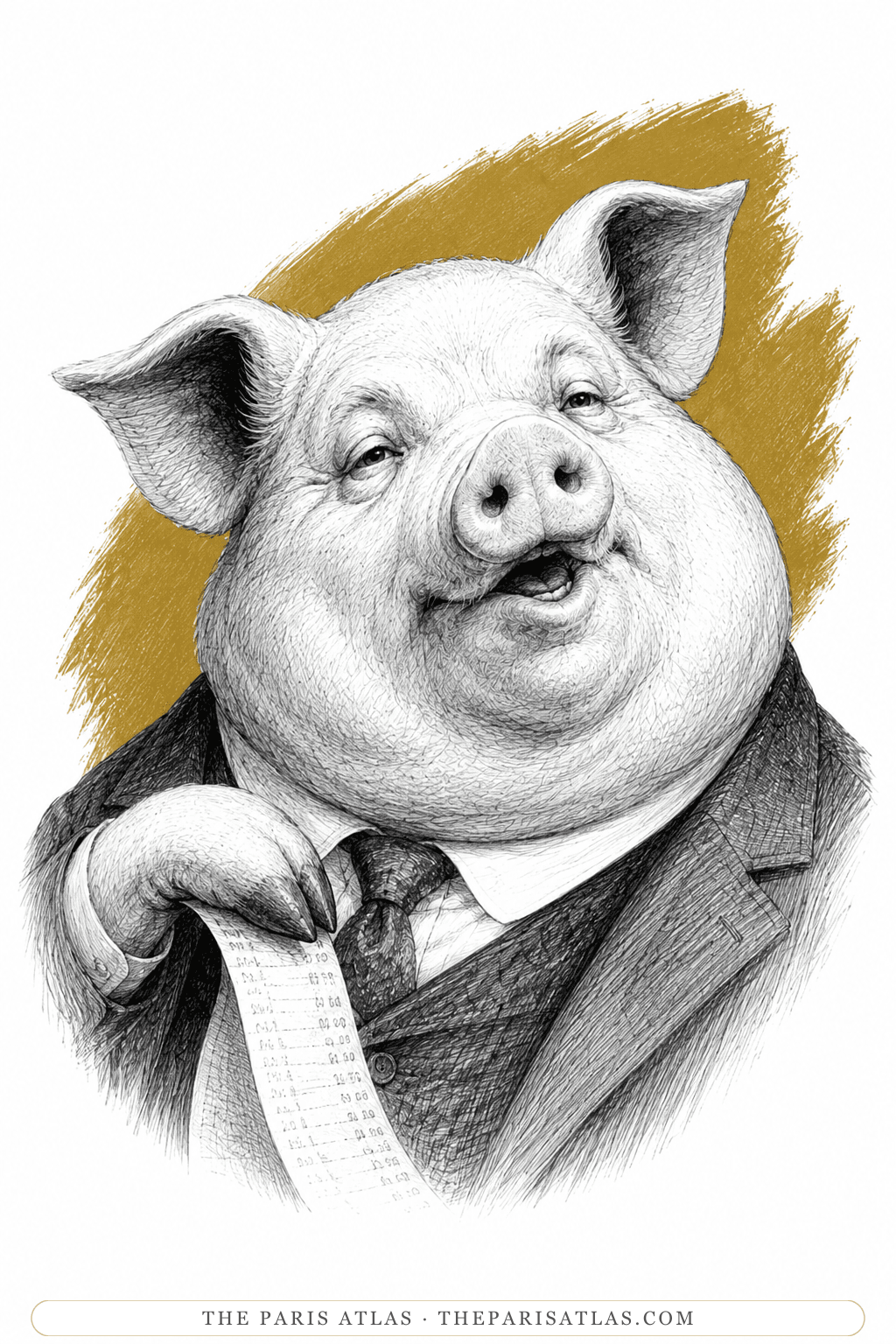
The small fat pig who explains things. Round cheeks, twinkling eyes, nimble movements and a shrill voice, with a way of skipping from side to side and whisking his tail while he argues that the other animals find somehow very persuasive. They say he could turn black into white.
To be believed, and to leave no argument standing behind him. He never simply announces a decision; he explains that the animals had misunderstood the rule, or misremembered the vote, or failed to grasp what the figures show.
The book

At a glance
- A pig, and the voice that explains the leadership's decisions
- A porker — the best known of the ordinary male pigs
- Skipping from side to side and whisking his tail; a shrill, rapid voice
- "Surely you do not want Jones back?"
- Two or three dogs, from the executions onward
- So fat that he could with difficulty see out of his eyes
- Chapter II onward
Who they are in the book
Spoiler-freeSquealer is the third of the pigs who elaborate Old Major's speech into Animalism, and he is a porker rather than a boar — one of the ordinary male pigs on the farm, and the best known among them. George Orwell describes him in a line that does all the work: a small fat pig with very round cheeks, twinkling eyes, nimble movements and a shrill voice, a brilliant talker, and when arguing some difficult point he had a way of skipping from side to side and whisking his tail which was somehow very persuasive. The others said of him that he could turn black into white.
His method is consistent from his first appearance to his last. He begins by denying that anyone could think badly of the pigs, produces a reason that sounds technical, and closes with a question the animals cannot answer. The milk and the apples are not a privilege but a scientific necessity for brainworkers; and surely nobody wants Mr Jones back? The Sunday meetings are not being taken away but shouldered as a burden; and surely nobody wants Jones back? On the Sundays after that he reads out lists of figures from a long strip of paper held down with his trotter, proving that the production of every class of foodstuff has risen by two hundred, three hundred or five hundred per cent. The animals see no reason to disbelieve him, particularly as they can no longer remember clearly what things were like before.
He is careful about words. A cut in rations is always a readjustment and never a reduction. And when the animals half remember a resolution that has just been broken, he asks them whether they are certain they have not dreamed it, whether they have any record of it, whether it is written down anywhere. Nothing of the kind exists in writing, so they are satisfied that they were mistaken. By the last chapter he is so fat that he can with difficulty see out of his eyes.
How Squealer Is Portrayed
- How he is drawnA small fat pig with very round cheeks, twinkling eyes, nimble movements and a shrill voice. A brilliant talker, who skipped from side to side and whisked his tail when the point was difficult. The others said he could turn black into white.
- His eyesThey twinkle while he is arguing. When a question makes him uncomfortable, his little eyes dart suspicious glances from side to side, and once he casts a very ugly look at Boxer with them. He also cries easily, and wipes the tear away with his trotter.
- The milk and the applesSent round to explain why the pigs are taking both. Many of us actually dislike milk and apples, he says; I dislike them myself. Science has proved that they contain substances necessary to the well-being of a pig, and pigs are brainworkers, and it is for the others' sake that the pigs consume them. Then, almost pleadingly: surely nobody wants Jones back?
- The unanswerable questionThe last move in nearly every speech he gives. The animals are certain of one thing, which is that they do not want the old farmer back, and every unpopular measure is put to them as the alternative to it. Orwell notes each time that the argument was unanswerable.
- The figuresOn Sunday mornings he holds down a long strip of paper with his trotter and reads out increases of two hundred, three hundred and five hundred per cent in a shrill rapid voice. The animals believe him. There were days, Orwell adds, when they would sooner have had less figures and more food.
- ReadjustmentWhen the rations were cut he always called it a readjustment, never a reduction, and proved in detail that the animals had more oats, more hay and more turnips than in the old days, worked shorter hours, drank better water and suffered less from fleas.
- Nothing in writingConfronted with a resolution the animals remember passing, he asks them shrewdly whether they are certain it is not something they have dreamed, whether they have any record of it, whether it is written down anywhere. It was certainly true that nothing of the kind existed in writing.
- The escortHe rarely goes round alone once the news gets difficult. Two or three dogs walk with him, and they growl at the useful moment. When four young pigs began to protest, the growling ended it.
- The broken ladderOne midnight there was a crash in the yard, and the animals came out to find a ladder broken in two at the foot of the barn wall where the Seven Commandments were written, with Squealer stunned beside it and a lantern, a paint-brush and an overturned pot of white paint nearby. The dogs made a ring round him and walked him back to the farmhouse. Nobody could think what it meant, except Benjamin, who nodded and said nothing.
- Not at the battleHe was unaccountably absent during the fighting at the windmill, and came skipping towards the wounded animals afterwards, beaming, to explain that the gun was firing for their victory. "Then we have won back what we had before," said Boxer. "That is our victory," said Squealer.
Squealer quotes
The others said of Squealer that he could turn black into white.
It is for YOUR sake that we drink that milk and eat those apples.
Bravery is not enough. Loyalty and obedience are more important.
If you like Animal Farm


If you like George Orwell
Explore authors with a similar voice, perspective, and influence.

Henry Miller
The Brooklyn dropout who arrived in Paris broke at thirty-eight and wrote the exuberant, banned books that ended American censorship.
View author
Louis-Ferdinand Céline
The doctor of the Paris slums who wrote the century's blackest, funniest novel — and changed the sound of French prose.
View author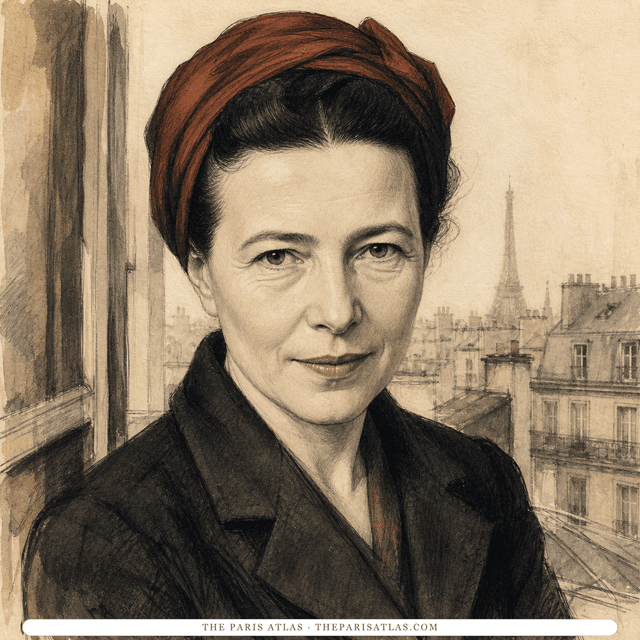
Simone de Beauvoir
French writer and philosopher whose novels, memoirs, and social analysis examined freedom, gender, responsibility, aging, and the material conditions that shape a life.
View author