Mr Whymper
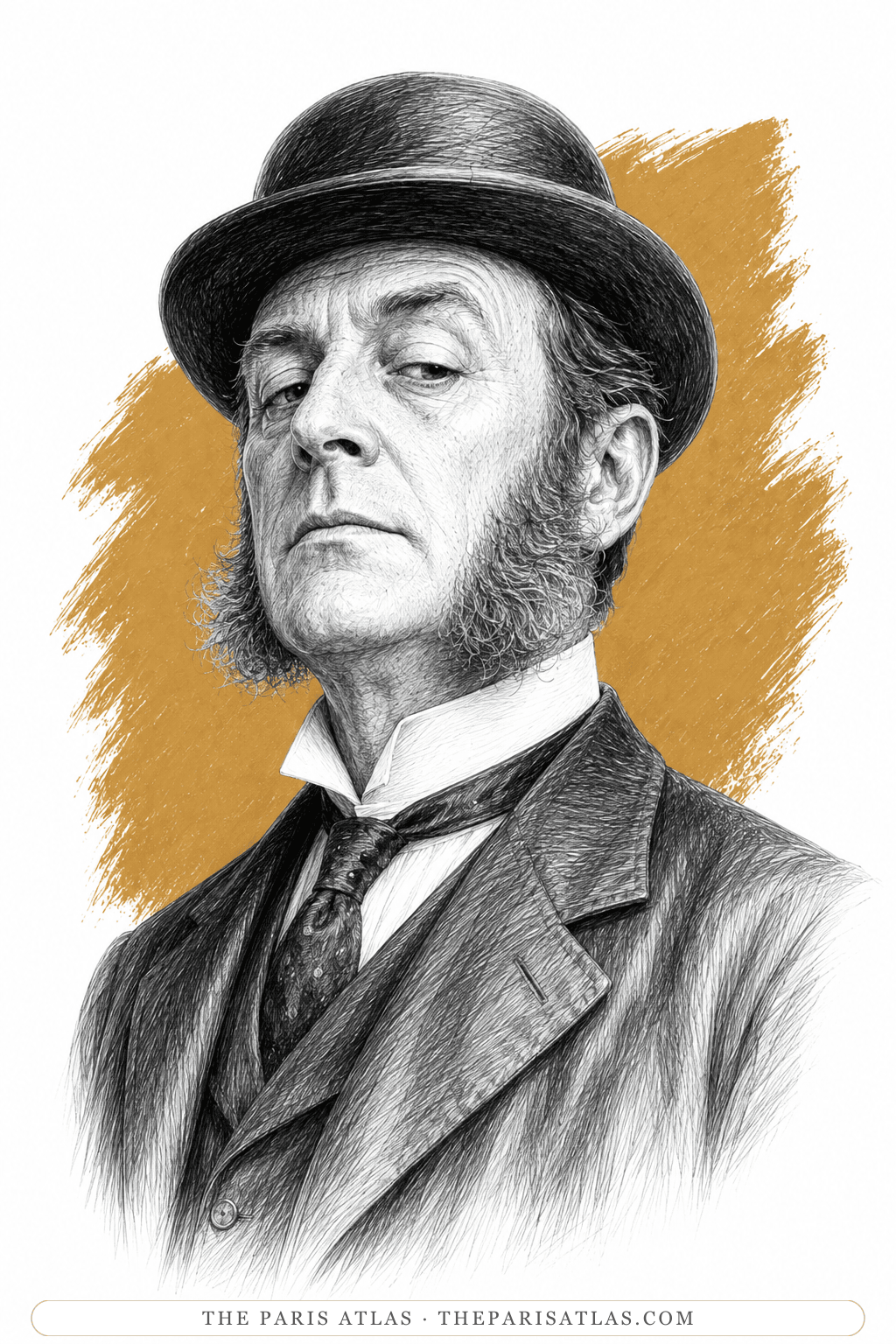
The solicitor in Willingdon who acts as Animal Farm's broker with the outside world. A sly-looking little man with side whiskers, in a very small way of business, who worked out before anybody else that a farm run by animals would need somebody to sell its eggs.
The commissions. He is the one character in the book whose motive is stated outright and never revised.
The book

At a glance
- A solicitor in Willingdon, and Animal Farm's only contact with the outside world
- Broker; he saw the commissions coming before anyone else did
- Every Monday morning, for instructions
- Chapters VI to X
Who they are in the book
Spoiler-freeWhymper arrives with the farm's first policy reversal. Having resolved never to have dealings with human beings, never to engage in trade and never to use money, Animal Farm finds it needs paraffin oil, nails, string, dog biscuits, iron for horseshoes and eventually machinery, none of which it can produce. Napoleon announces that he will take the whole burden of contact on himself, and that a solicitor in Willingdon has agreed to act as intermediary and will visit every Monday morning for instructions.
George Orwell draws him in one sentence: a sly-looking little man with side whiskers, a solicitor in a very small way of business, but sharp enough to have realised earlier than anyone else that Animal Farm would need a broker and that the commissions would be worth having. The animals watch his coming and going with a kind of dread and avoid him as far as they can. What partly reconciles them to the arrangement is the sight of Napoleon on all fours giving orders to a man standing on two legs.
He is also the channel through which the farm manages its reputation. When the animals are living on chaff and mangels, the almost empty bins in the store-shed are filled nearly to the brim with sand and covered with what remains of the grain, and Whymper is walked through on a pretext and allowed a glimpse. He is deceived, and goes on reporting to the outside world that there is no food shortage. He never hears about the nine hens who die during the strike over the egg contract; it is given out that they died of coccidiosis, and the eggs are delivered as agreed.
How Mr Whymper Is Portrayed
- How he is drawnA sly-looking little man with side whiskers, a solicitor in a very small way of business, sharp enough to have seen before anyone else that a farm run by animals would need a broker.
- MondaysHe came every Monday morning to receive his instructions. The animals watched him with a kind of dread and avoided him as much as possible, but the sight of Napoleon on all fours delivering orders to a man standing upright roused their pride and partly reconciled them to the arrangement.
- The bins of sandWith starvation staring the farm in the face, the almost empty bins were filled nearly to the brim with sand and covered over with what was left of the grain and meal. He was led through the store-shed on a suitable pretext, allowed to catch a glimpse, and continued to report that there was no food shortage on Animal Farm.
- What he is not toldNine hens died during the five days the flock held out against the contract for four hundred eggs a week. It was given out that they had died of coccidiosis. Whymper heard nothing of the affair, and a grocer's van came for the eggs once a week as arranged.
- The bad newsThree days after the timber was carted away he came racing up the path on his bicycle, his face deadly pale, flung it down in the yard and went straight into the farmhouse. A choking roar of rage followed from Napoleon's apartments: the banknotes were forgeries.
- How it goes for himHe negotiates the timber sale, the egg contract and the purchase of the windmill machinery, and is sent into Willingdon to buy booklets on brewing and distilling. By the last chapter he has bought himself a dogcart.
If you like Animal Farm


If you like George Orwell
Explore authors with a similar voice, perspective, and influence.

Henry Miller
The Brooklyn dropout who arrived in Paris broke at thirty-eight and wrote the exuberant, banned books that ended American censorship.
View author
Louis-Ferdinand Céline
The doctor of the Paris slums who wrote the century's blackest, funniest novel — and changed the sound of French prose.
View author
Simone de Beauvoir
French writer and philosopher whose novels, memoirs, and social analysis examined freedom, gender, responsibility, aging, and the material conditions that shape a life.
View author