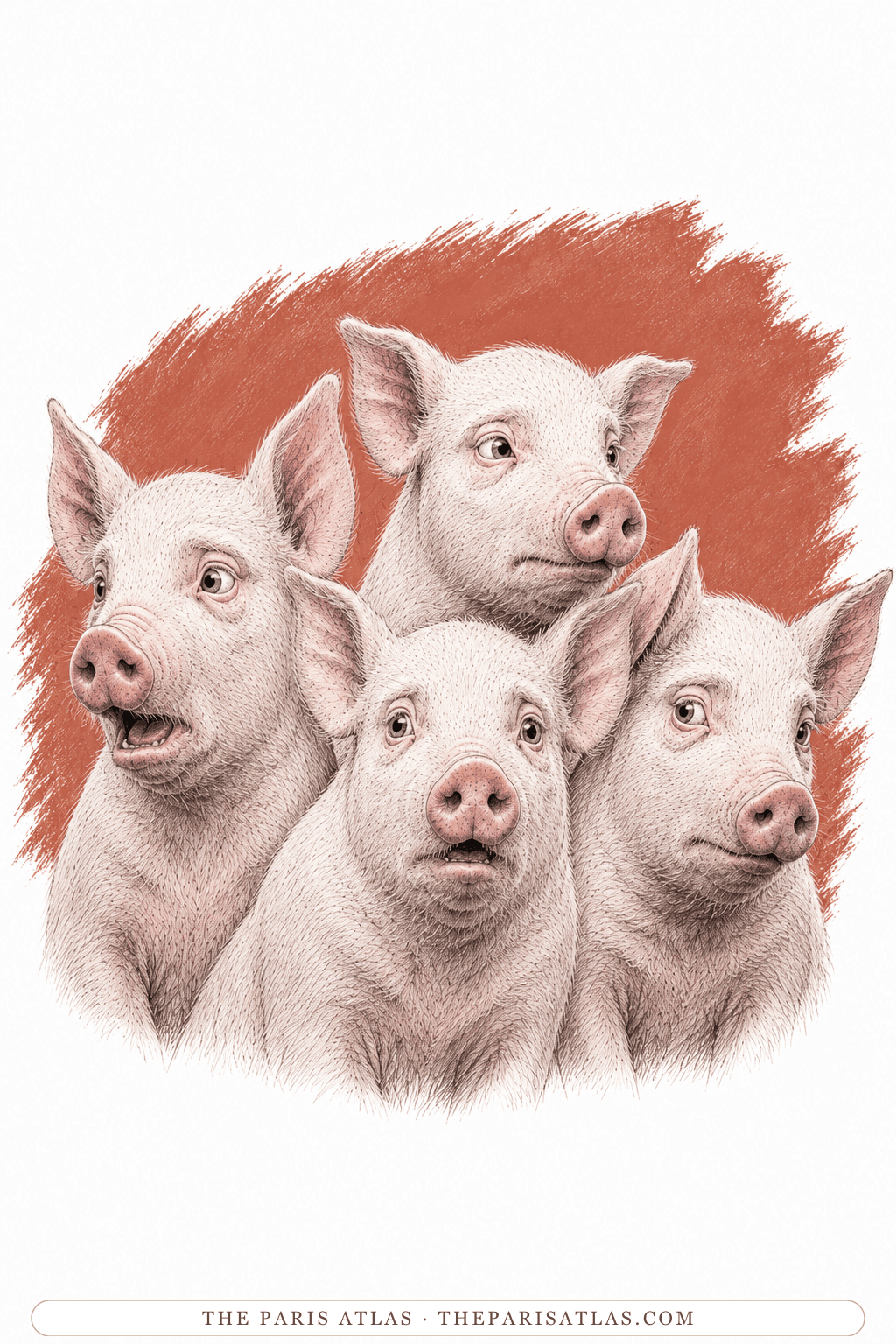
The pigeons
The farm's messengers and its foreign policy. They flutter up to the rafters for Old Major's speech, are sent out in flights with instructions to mingle with the animals on neighbouring farms and teach them the tune of Beasts of England, cooing it in the elms, and they open the Battle of the Cowshed by muting on Jones's men from mid-air. They also bring back the two pieces of news nobody on the farm wants: where Mollie has gone, and that Boxer has fallen.
The book

At a glance
- The farm's messengers, and its only means of reaching other farms
- Thirty-five, counted at the Battle of the Cowshed
- Spreading the story of the Rebellion and the tune of "Beasts of England"
- "Death to Humanity", changed by decree to "Death to Frederick", then to "Death to Pilkington"
- Chapter I onward
Who they are in the book
Spoiler-freeAlmost everything the farm knows about the world beyond its hedges, it knows because a pigeon flew out and came back. That makes them its messengers and, for the first few years, its foreign policy.
They are in the barn on the first page, fluttering up to the rafters for the midnight speech in which Old Major, the prize boar, tells the animals that man is the only creature who consumes without producing. After the Rebellion drives Mr Jones off the farm, the two young boars who take charge, Snowball and Napoleon, send out flights of pigeons every day, with instructions to mingle with the animals on neighbouring farms, tell them the story of what happened, and teach them the tune of "Beasts of England". Farmers flogged any animal caught singing it. The song spread anyway. Blackbirds whistled it in the hedges and the pigeons cooed it in the elms, and George Orwell notes that when the human beings heard it they secretly trembled.
Early in October a flight of them comes whirling into the yard in the wildest excitement: Jones and his men are through the five-barred gate and coming up the cart-track. The pigeons open the fighting that follows. All thirty-five fly to and fro over the men's heads and mute upon them from mid-air while the geese come out from behind the hedge and peck at their legs. Orwell is precise about the point of it. This was only a light skirmishing manoeuvre, intended to create a little disorder, and the men drove the geese off easily with their sticks.
Later their orders come from Napoleon alone, and the wording changes with the negotiations. Animal Farm has two neighbours: Foxwood, run by Mr Pilkington, and Pinchfield, run by Mr Frederick. While Napoleon is quarrelling with Frederick, the pigeons are forbidden to set foot on Foxwood and told to drop their cry of "Death to Humanity" in favour of "Death to Frederick". When the timber deal turns out to have been with Frederick all along, they are told to avoid Pinchfield instead and to say "Death to Pilkington". Four of them carry a conciliatory message to Foxwood on the eve of Frederick's attack, and come back in the middle of it with the reply.
How The pigeons Is Portrayed
- Where they sitThe rafters. At Old Major's meeting the hens perch on the window-sills and the pigeons go up into the roof of the barn; it is the only place indoors the book ever puts them.
- The flightsEvery day after the Rebellion, Snowball and Napoleon send out flights of pigeons with instructions to mingle with the animals on neighbouring farms, tell them the story of the Rebellion, and teach them the tune of "Beasts of England".
- The song in the elmsAny animal caught singing it was flogged on the spot, and the song was irrepressible: the blackbirds whistled it in the hedges and the pigeons cooed it in the elms, until it got into the din of the smithies and the tune of the church bells.
- The warningIn October a flight of them alights in the yard in the wildest excitement with the news that Mr Jones, his men and half a dozen others from the two neighbouring farms have come through the gate. It is the only advance notice the animals get.
- The first attackAll thirty-five of them fly to and fro over the men's heads and mute upon them from mid-air. It is Snowball's opening move at the Battle of the Cowshed, and by the book's own account a light skirmishing manoeuvre meant to create a little disorder rather than to do damage.
- What they bring back about MollieWeeks after Mollie the white mare disappears, the pigeons report having seen her on the other side of Willingdon, between the shafts of a smart dogcart painted red and black outside a public house, her coat newly clipped and a scarlet ribbon round her forelock. They add that she appeared to be enjoying herself.
- The slogan, twice revisedTheir standing cry is changed by decree as Napoleon's negotiations shift. Forbidden Foxwood, they drop "Death to Humanity" for "Death to Frederick". When the timber money turns out to be worthless they are told to avoid Pinchfield instead and to cry "Death to Pilkington".
- "Serves you right"Four pigeons are sent to Foxwood with a conciliatory message meant to re-establish good relations. They return in the middle of Frederick's attack, at the moment the animals are looking towards Foxwood for help, one of them carrying a scrap of paper on which Mr Pilkington, who farms Foxwood next door, has pencilled his answer: "Serves you right."
If you like Animal Farm


If you like George Orwell
Explore authors with a similar voice, perspective, and influence.
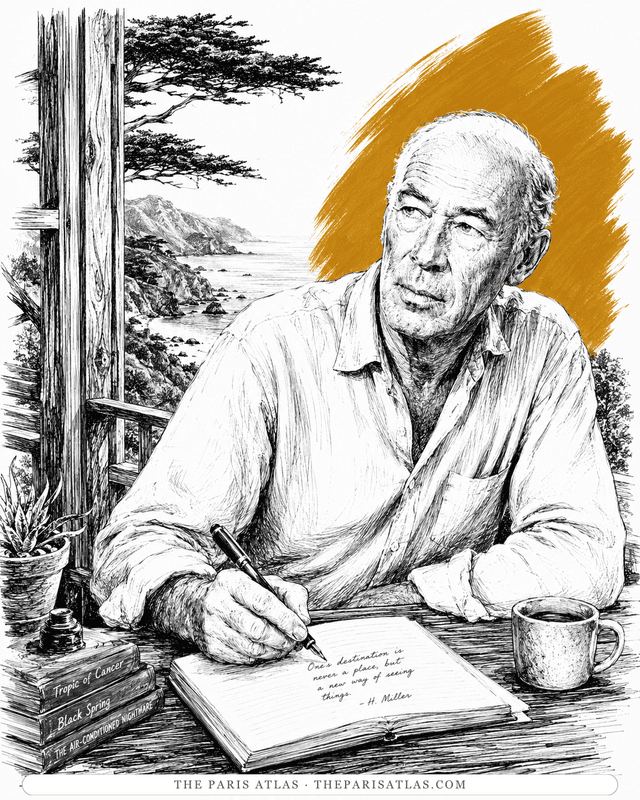
Henry Miller
The Brooklyn dropout who arrived in Paris broke at thirty-eight and wrote the exuberant, banned books that ended American censorship.
View author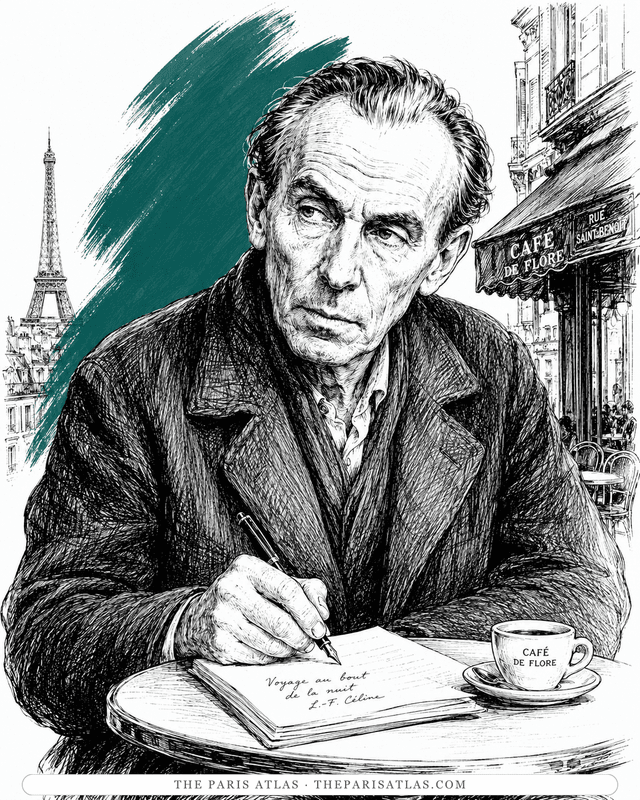
Louis-Ferdinand Céline
The doctor of the Paris slums who wrote the century's blackest, funniest novel — and changed the sound of French prose.
View author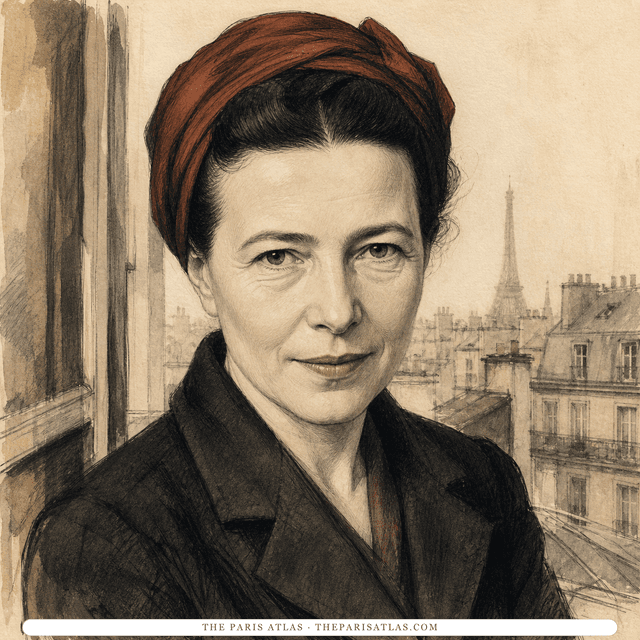
Simone de Beauvoir
French writer and philosopher whose novels, memoirs, and social analysis examined freedom, gender, responsibility, aging, and the material conditions that shape a life.
View author