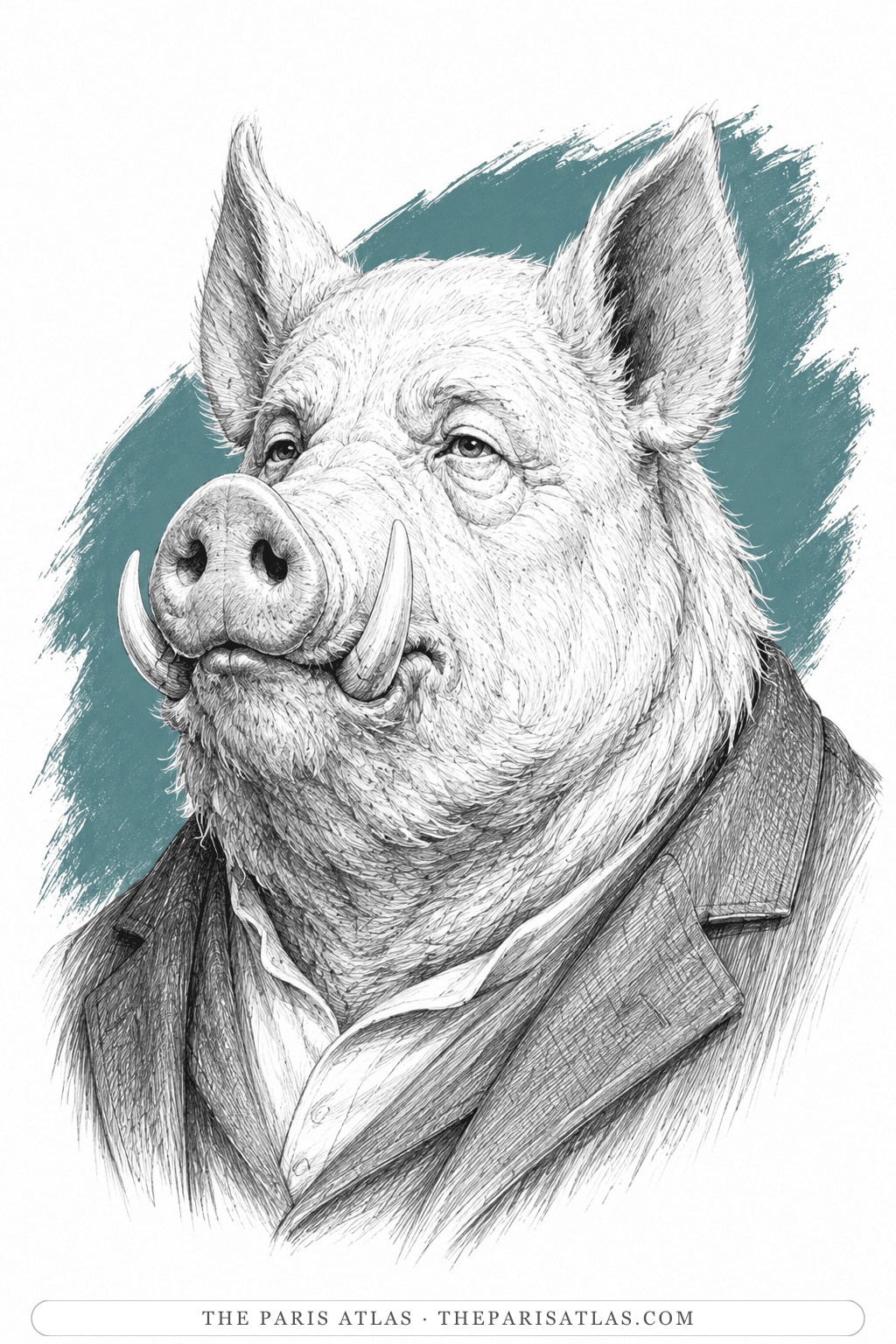
Old Major
The twelve-year-old prize boar whose speech in the barn starts everything. He had been exhibited under the name Willingdon Beauty, has had over four hundred children, and dies three nights after he speaks.
To hand on what he has worked out before he dies. He says at the start that he does not think he will be with them many months longer and that it is his duty to pass on such wisdom as he has acquired, and he asks them to carry the message to the generations after them.
The book

At a glance
- A boar, and the animal whose speech begins the Rebellion
- Middle White
- Twelve
- Lately grown rather stout, and still majestic-looking
- Willingdon Beauty
- Over four hundred children, by his own count
- "Beasts of England", and the principles the Seven Commandments are made from
- Chapter I; he dies at the start of Chapter II
Who they are in the book
Spoiler-freeOld Major is a Middle White boar, twelve years old and lately grown rather stout, but still a majestic-looking pig with a wise and benevolent appearance, and with tushes that have never been cut. He is so highly regarded on the farm that when word goes round that he has had a strange dream and wants to describe it, every animal on the place is willing to lose an hour's sleep to hear him. He is always called Old Major, though the name he was exhibited under was Willingdon Beauty.
The speech he gives is the whole argument of the book laid out in advance. Their lives are miserable, laborious and short; no animal in England is free; and the reason is not that the land is poor but that nearly the whole produce of their labour is taken by human beings. Man is the only creature that consumes without producing. He does not give milk, does not lay eggs, is too weak to pull a plough and cannot run fast enough to catch rabbits, and yet he is lord of all the animals. George Orwell has him make it concrete rather than abstract: he turns to Clover and asks where her four foals are, sold at a year old; he tells the young porkers in front of him that every one of them will scream his life out at the block within a year; he tells Boxer what happens to a cart-horse whose muscles fail.
Then he tells them what to do about it, and — this is the part the farm forgets first — what not to do. Rebellion, and after it no adopting of Man's vices: no living in houses, sleeping in beds, wearing clothes, drinking alcohol, touching money or engaging in trade. Above all, no animal must ever tyrannise over his own kind, no animal must ever kill another animal, and all animals are equal. He teaches them a song called "Beasts of England", the farm sings it five times running, and Mr Jones wakes up and fires a charge of shot into the barn wall. Three nights later Old Major dies in his sleep.
How Old Major Is Portrayed
- How he is drawnTwelve years old, lately grown rather stout, still a majestic-looking pig with a wise and benevolent appearance, and tushes never cut. He speaks from a bed of straw on a raised platform at one end of the barn, under a lantern hanging from a beam.
- His voiceHoarse, and he says so himself before he begins: he is old, and his voice is hoarse. When he sings "Beasts of England" through for the barn, Orwell notes that the voice was hoarse as he had said, but that he sang well enough. He raises a trotter when he wants silence.
- The two namesEveryone calls him Old Major. The name under which he had been exhibited was Willingdon Beauty — Willingdon being the market town the farm sends its produce to and where the farmer does his drinking.
- What he arguesThat the soil of England is fertile and could keep far more animals in comfort than it does; that the single cause of hunger and overwork is Man, the only creature that consumes without producing; and that removing him would abolish it. Almost overnight, he says, they could become rich and free.
- The examples he usesHe names animals in the barn rather than arguing in general. Clover's four foals, each sold at a year old, whom she will never see again. The young porkers in the front row, all of whom will be dead within a year. Boxer, who will go to the knacker the day his strength fails. The dogs, who get a brick round the neck and the nearest pond.
- The vote on the ratsFour rats crept out of their holes to listen and the dogs nearly caught them. He stopped the speech to put the question to the meeting: are rats comrades? Carried by an overwhelming majority, with four dissentients — the three dogs and the cat, who was afterwards discovered to have voted on both sides.
- The warningsEven after conquering Man, do not adopt his vices. No house, no bed, no clothes, no alcohol, no tobacco, no money, no trade. And above all: no animal must ever tyrannise over his own kind, no animal must ever kill any other animal, all animals are equal.
- The song"Beasts of England", which he says his mother and the other sows sang when he was a piglet and which came back to him in the dream, words and all. The tune is something between "Clementine" and "La Cucaracha". The whole farm learns it in minutes and sings it five times through before the gun goes off.
- What he does not describeThe dream itself. He says he cannot describe it, that it was a dream of the earth as it will be when Man has vanished, and moves straight on to the song it reminded him of.
Old Major quotes
Man is the only creature that consumes without producing.
All men are enemies. All animals are comrades.
The life of an animal is misery and slavery: that is the plain truth.
He is buried at the foot of the orchard, and that is not the end of him.
If you like Animal Farm


If you like George Orwell
Explore authors with a similar voice, perspective, and influence.
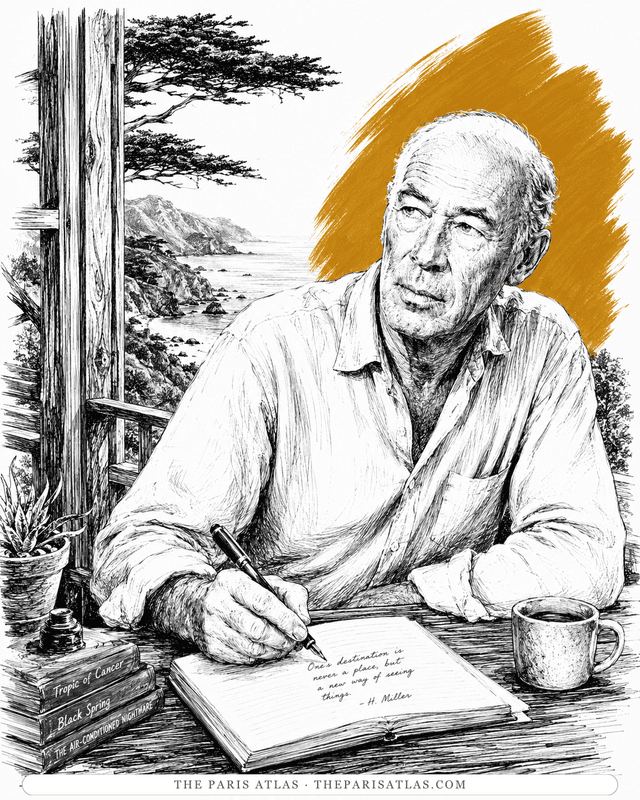
Henry Miller
The Brooklyn dropout who arrived in Paris broke at thirty-eight and wrote the exuberant, banned books that ended American censorship.
View author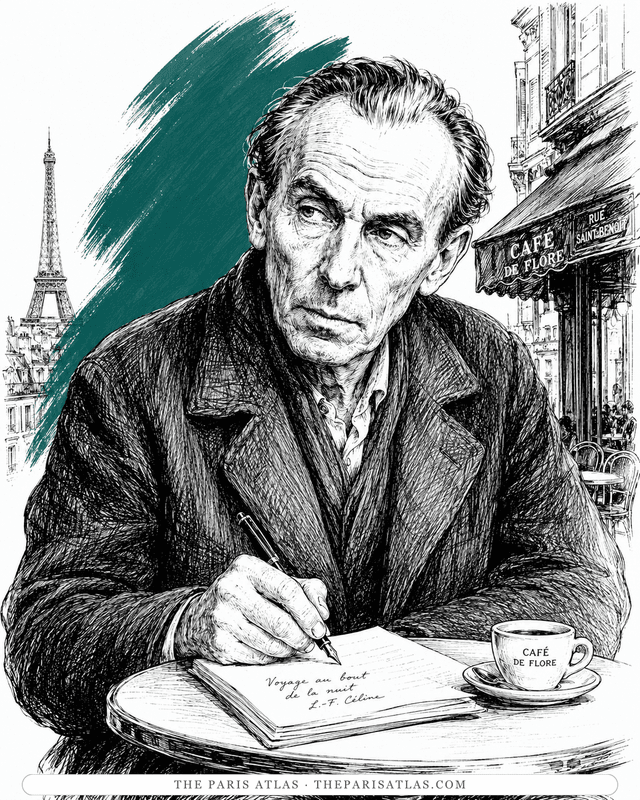
Louis-Ferdinand Céline
The doctor of the Paris slums who wrote the century's blackest, funniest novel — and changed the sound of French prose.
View author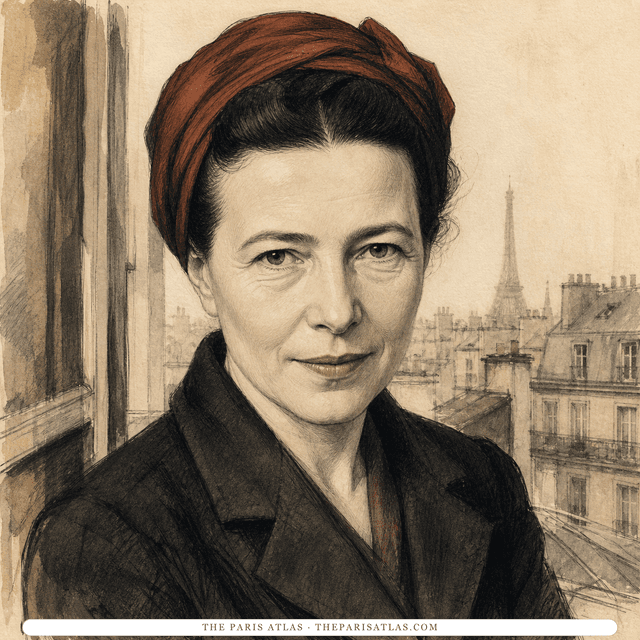
Simone de Beauvoir
French writer and philosopher whose novels, memoirs, and social analysis examined freedom, gender, responsibility, aging, and the material conditions that shape a life.
View author