
Orwell's first novel: seven English people, one club that has never admitted an Asian member, and a magistrate who wants in.
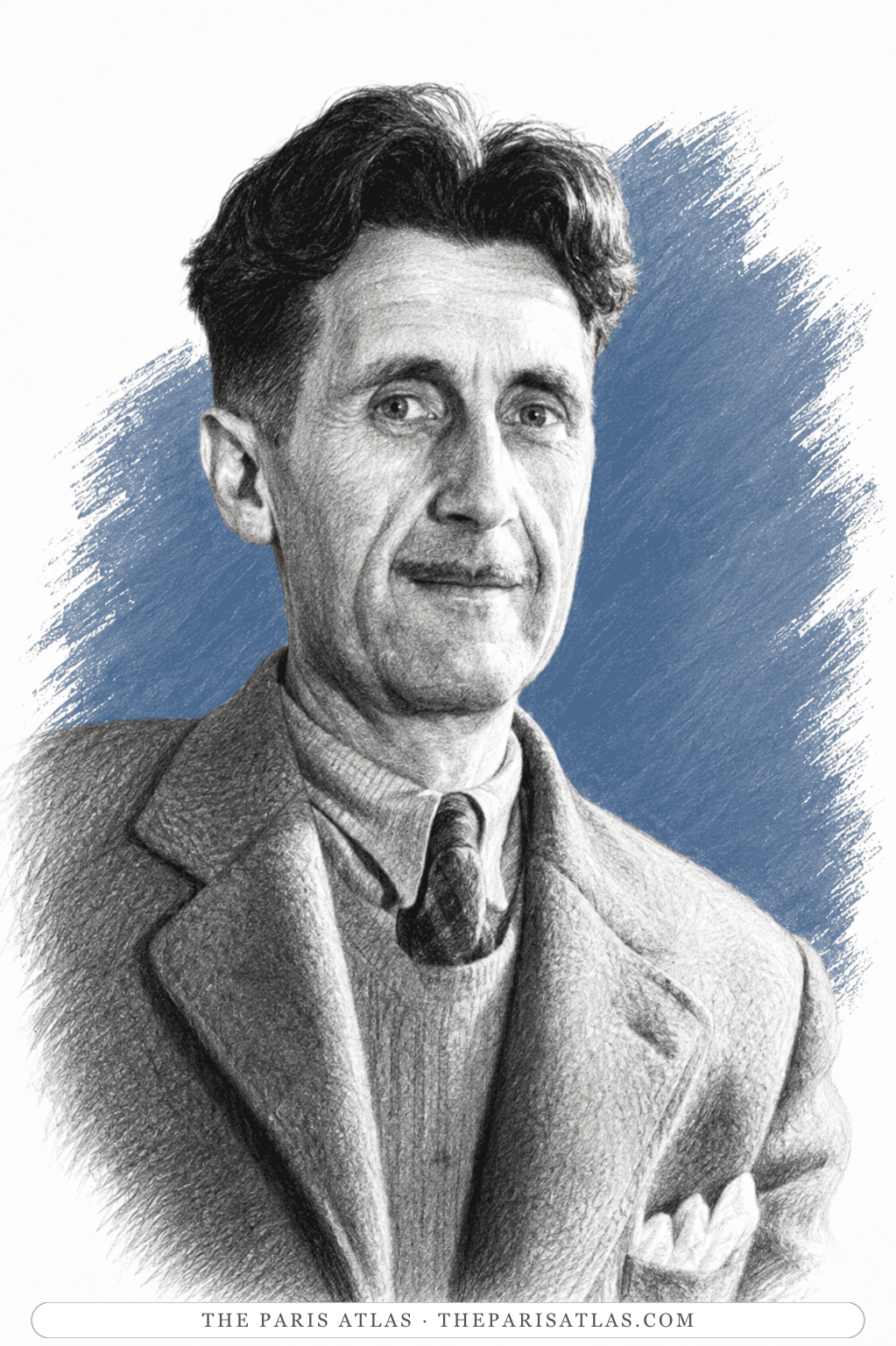
12 George Orwell titles: 6 novels, 3 memoirs and travel books, and 3 volumes of nonfiction. They are listed below by form, earliest first, and every one links to its own page.
Start with Animal Farm — it is under a hundred pages and nothing in it has dated. Nineteen Eighty-Four is the natural second step. After the two famous novels, the fastest way to understand Orwell is the nonfiction: Down and Out in Paris and London and Homage to Catalonia are built directly from his own life. Nothing is a series and no order is required.
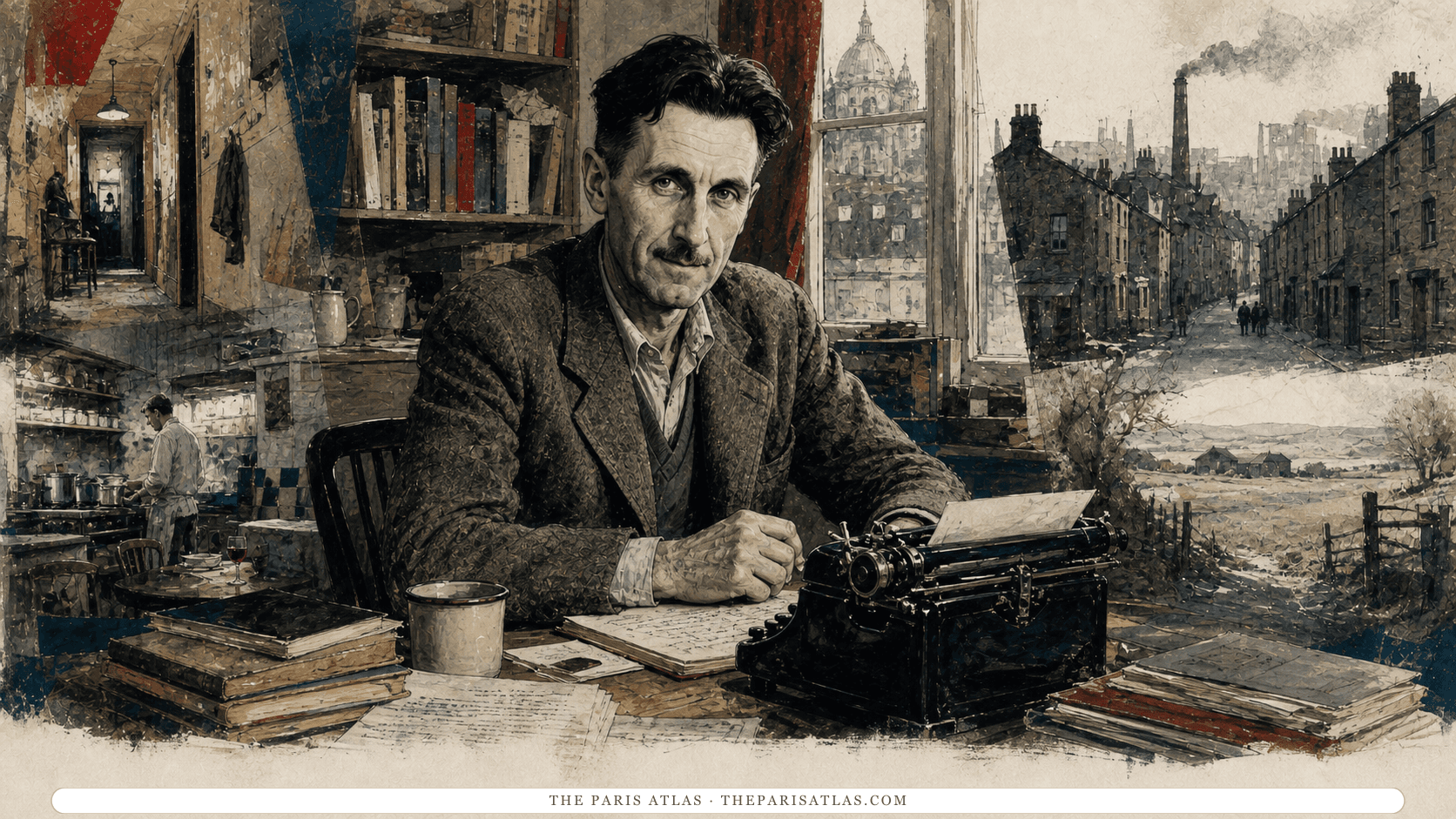
Orwell's first novel: seven English people, one club that has never admitted an Asian member, and a magistrate who wants in.

Orwell's second novel: a rector's daughter loses her memory, wakes up on a London street, and finds out what England does with a penniless woman.

George Orwell's third novel: a bookshop assistant and failed poet has declared war on money, and lives on two pounds a week to prove it.

A fat insurance salesman with new false teeth and seventeen secret pounds drives back to the town he grew up in.

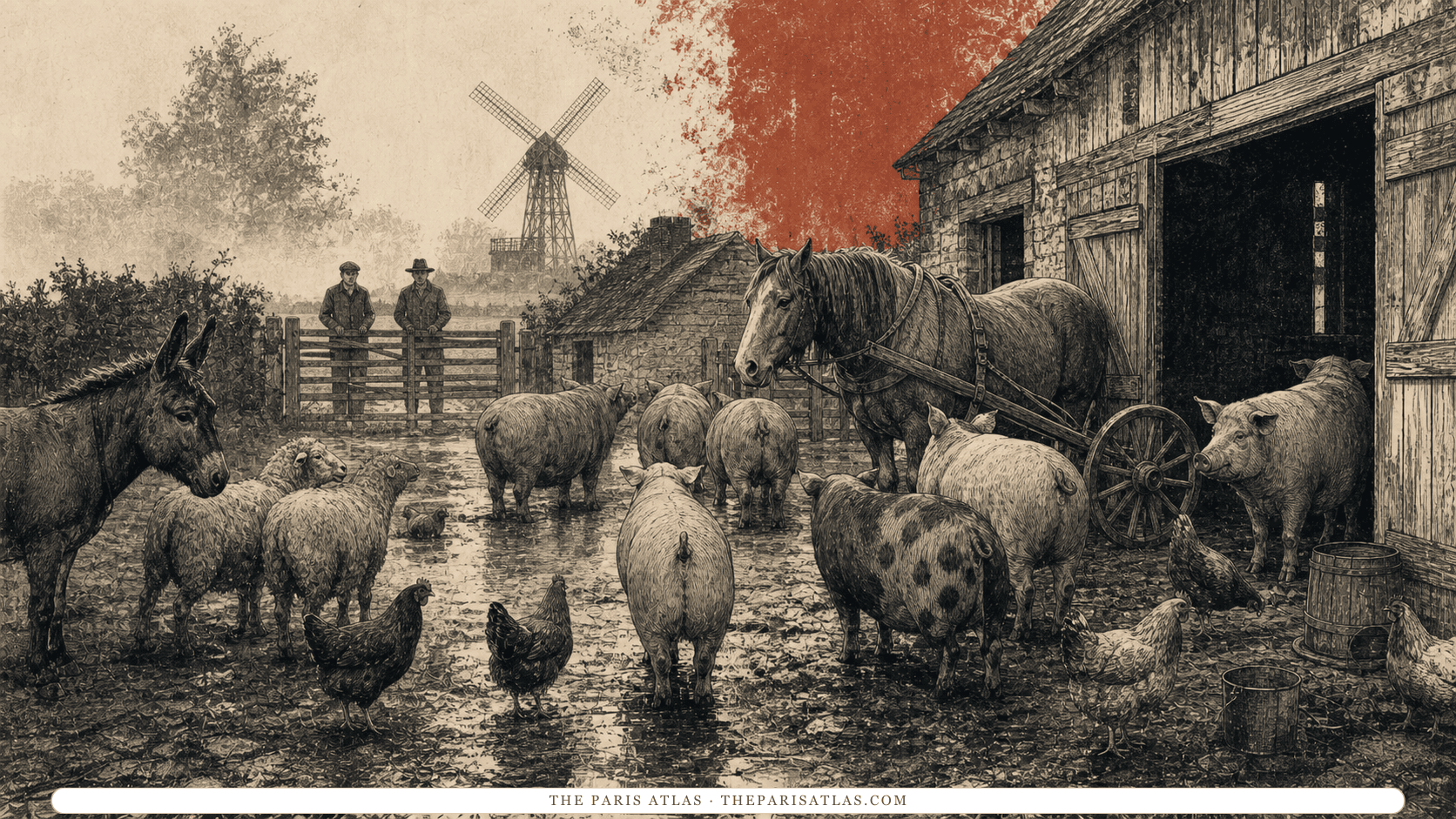
The animals drive the farmer out and take over the farm. Orwell's 1945 fable is about what happens after that.

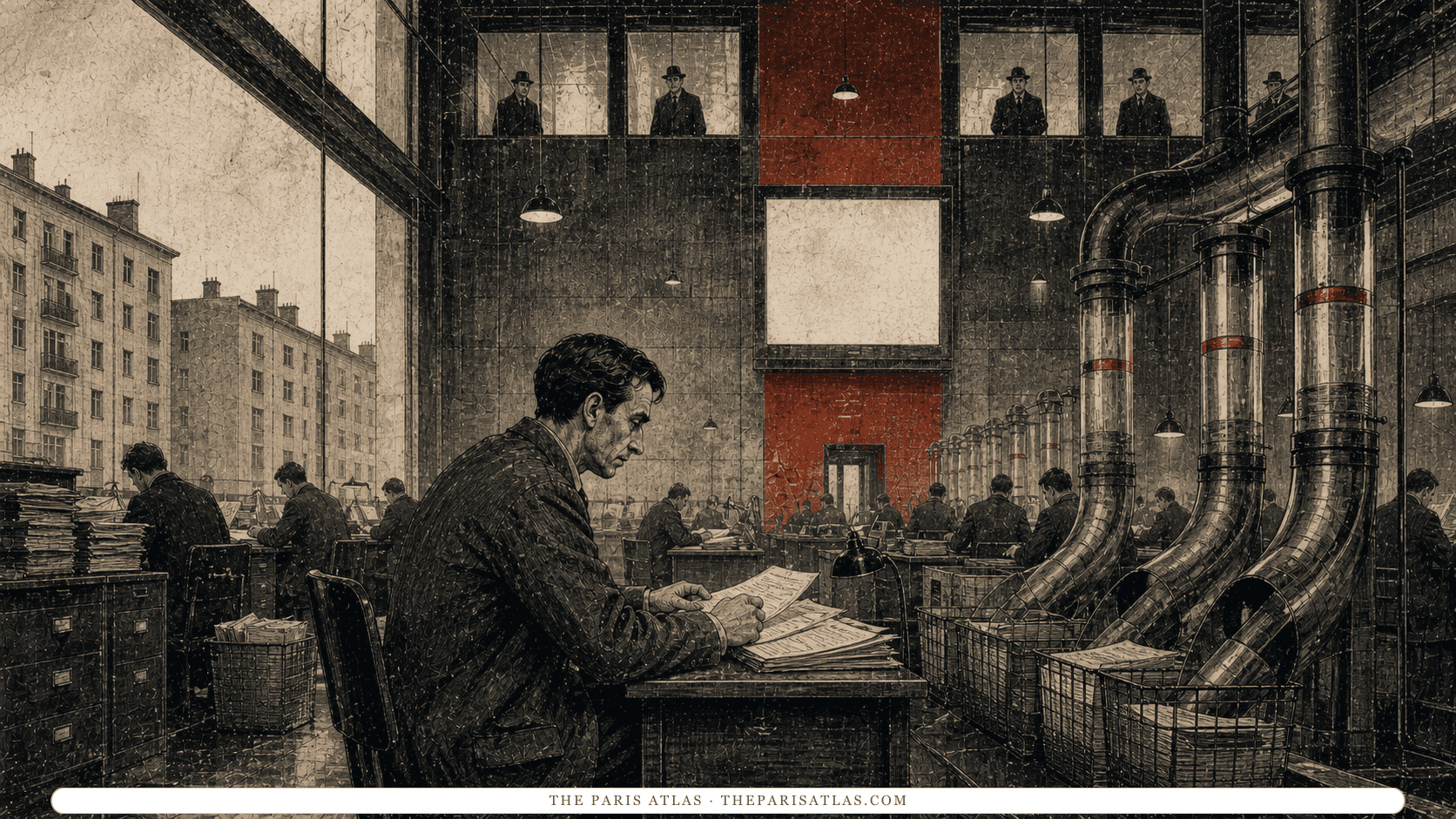
Orwell's last novel: a clerk in a London ministry falsifies the past for a living, then starts a diary of his own.
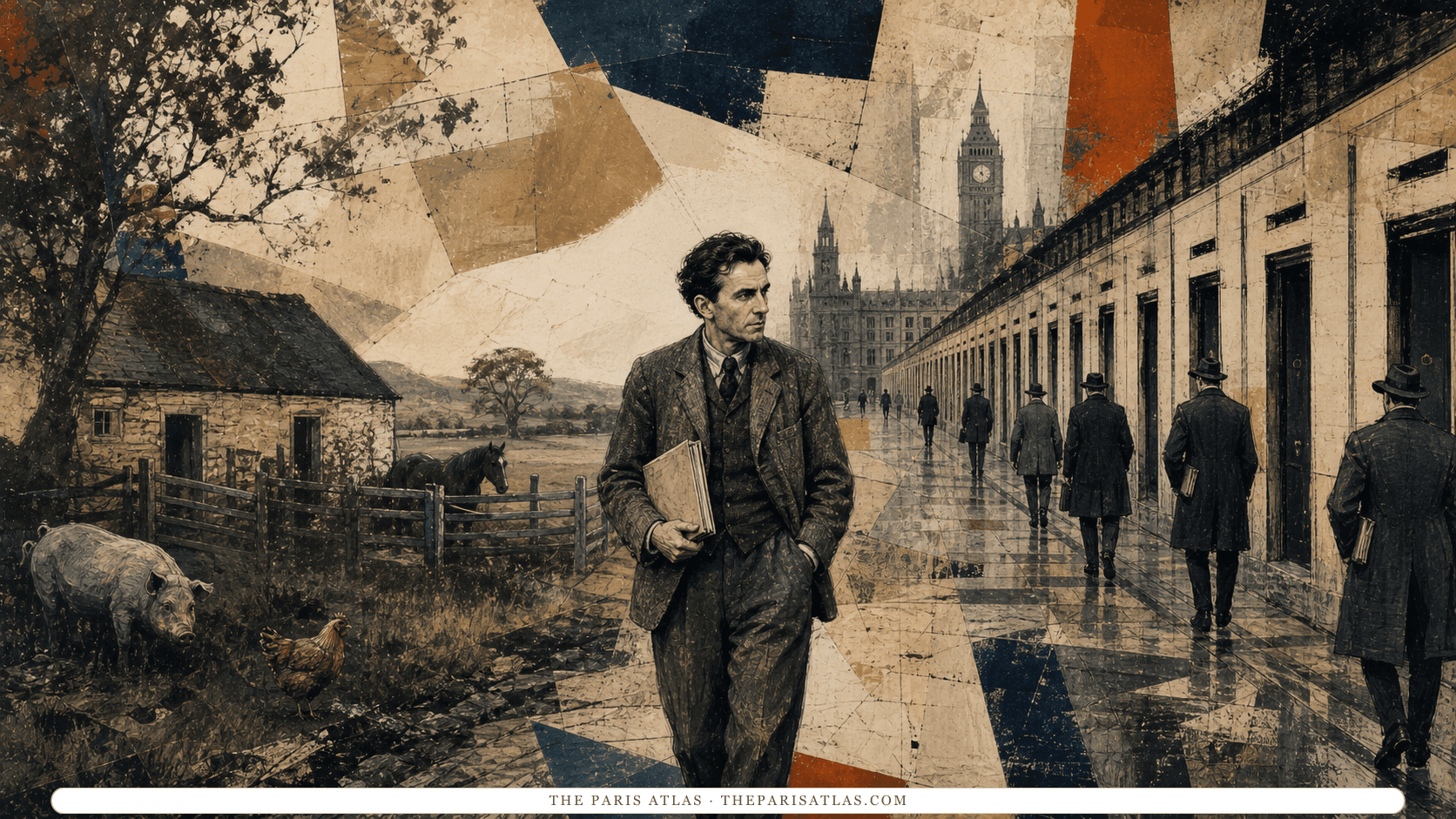

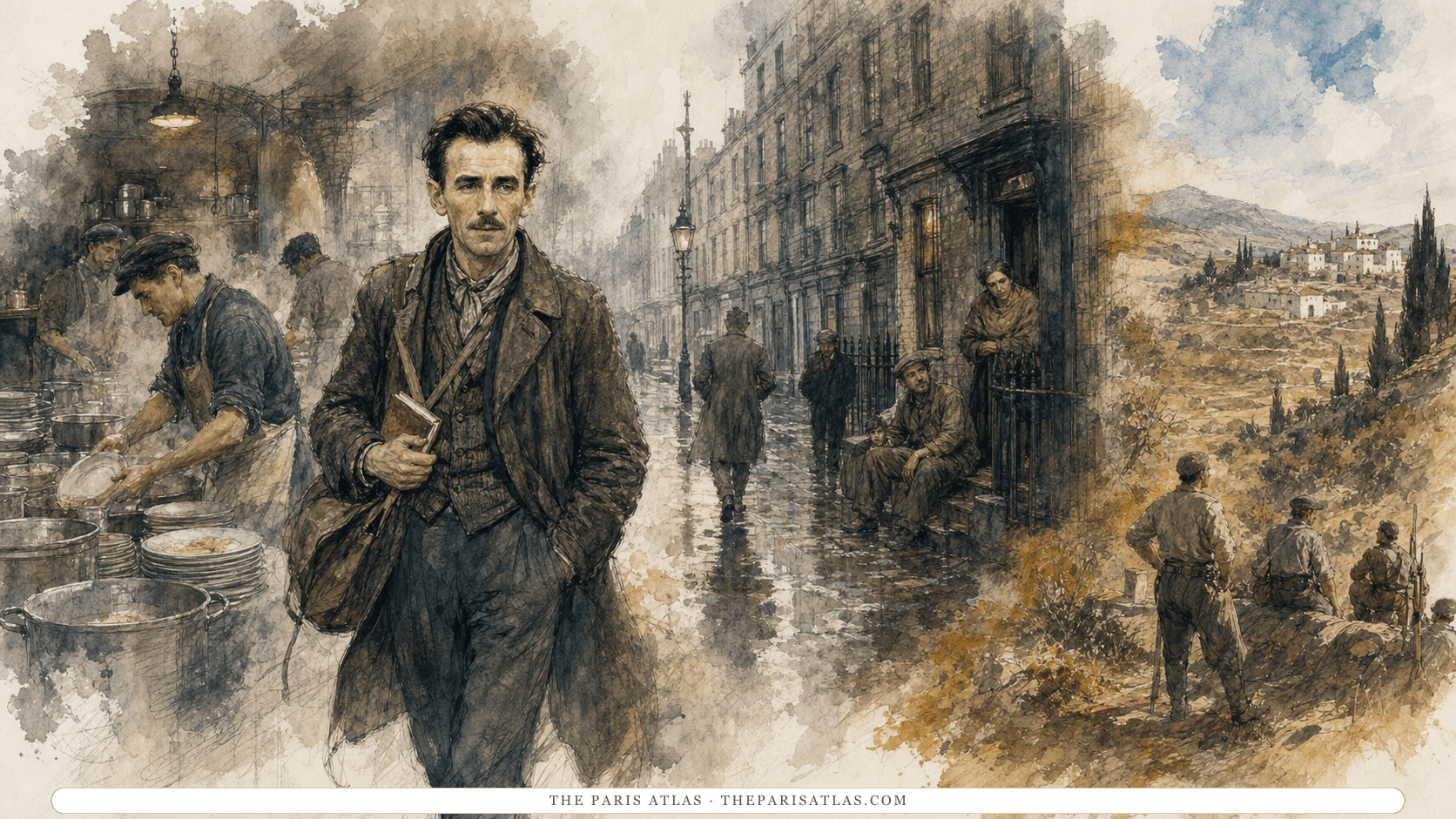
Orwell's first book: seventeen-hour days in a Paris hotel kitchen, then a month on the road in England.

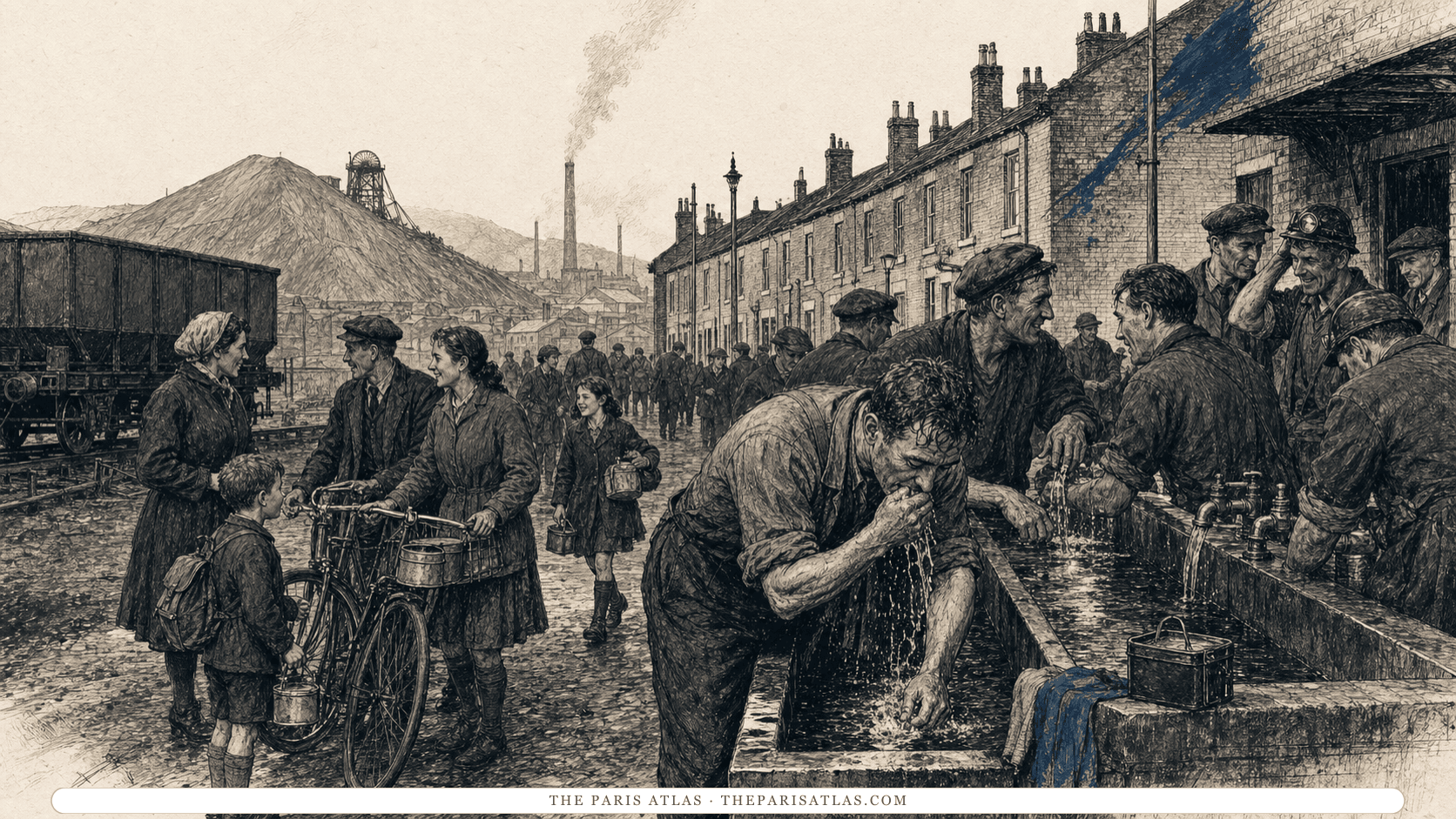
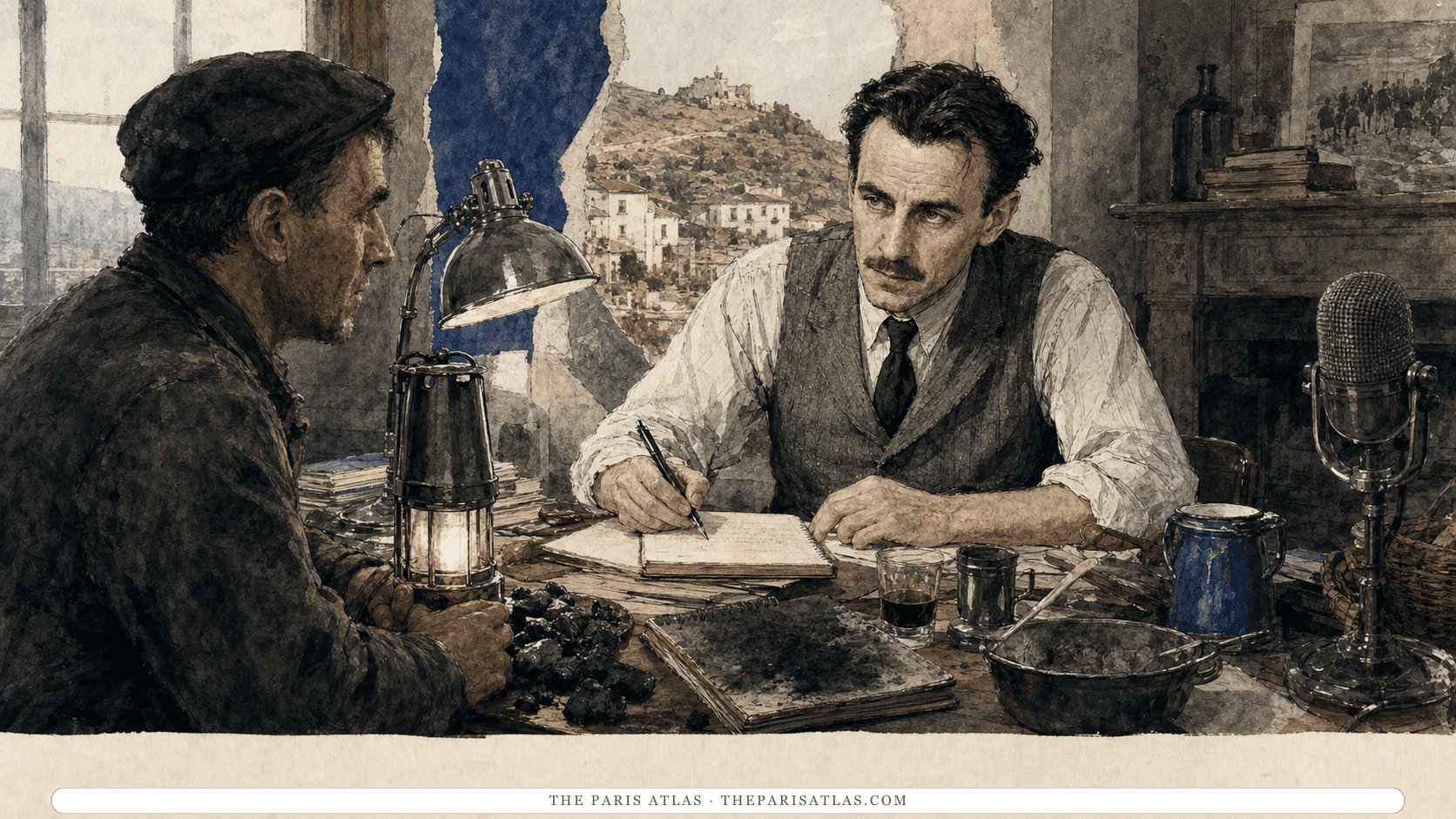
Two months in the coal towns of Lancashire and Yorkshire, then a long argument with the people Orwell agreed with.

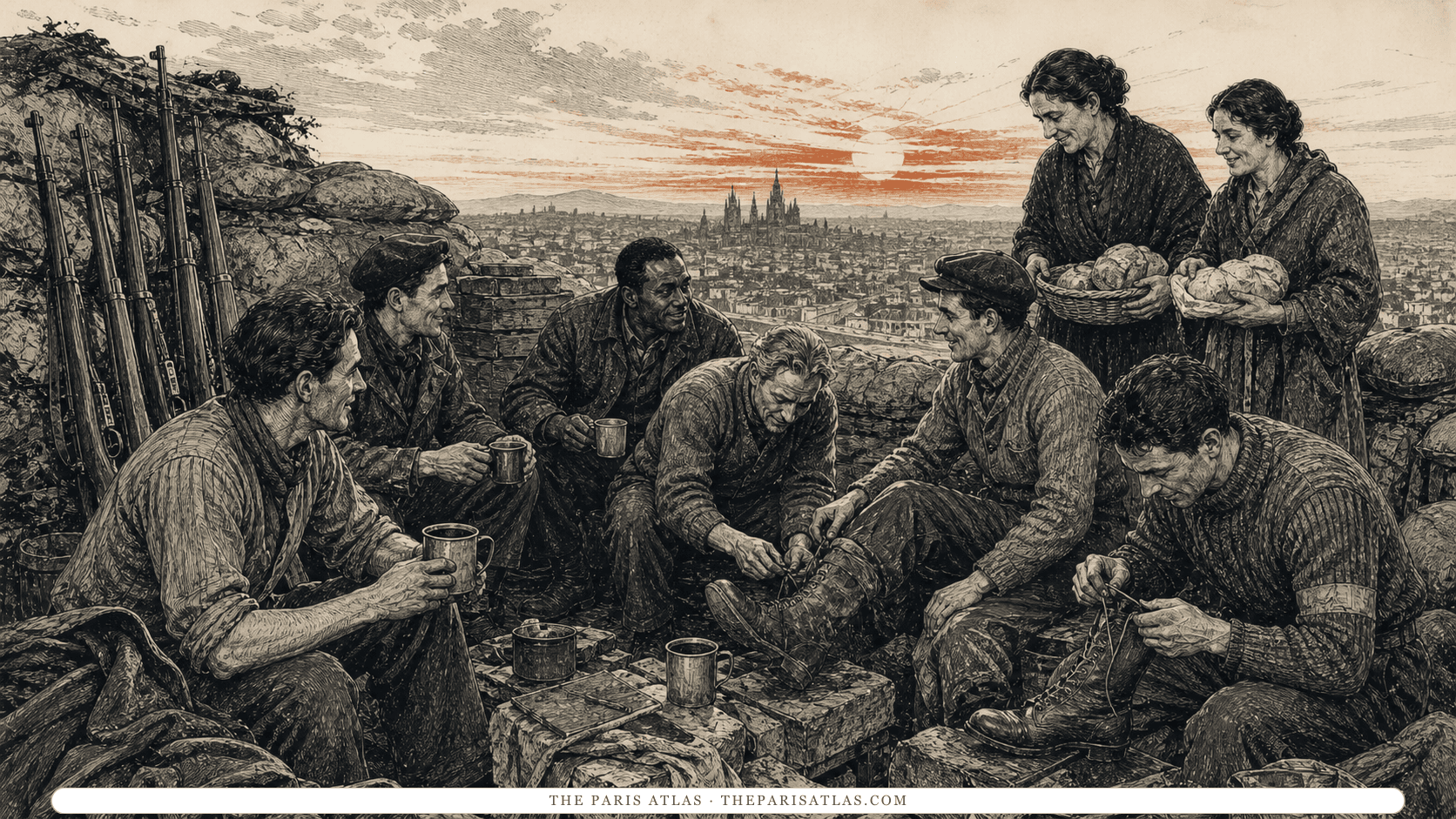
George Orwell went to Spain to write newspaper articles and joined a militia instead: a winter in the Aragón trenches, street fighting in Barcelona, a bullet through the throat.

George Orwell's first book of essays: Charles Dickens, the twopenny school-story papers, and Henry Miller's Paris.

Written under the Blitz: George Orwell's argument that England could not win the war without becoming a socialist country.

Ten wartime essays on Dickens, Kipling, boys' comics and seaside postcards, including the piece on Salvador Dalí that a publisher cut out of a printed book.
Your progress
The farmyard retelling of the Russian Revolution, finished in 1944 and refused by four publishers before Secker & Warburg took it. Readable in an afternoon.
Winston Smith, the Ministry of Truth, and Room 101. Orwell finished it on the Scottish island of Jura while tuberculosis was killing him; it was published seven months before he died.
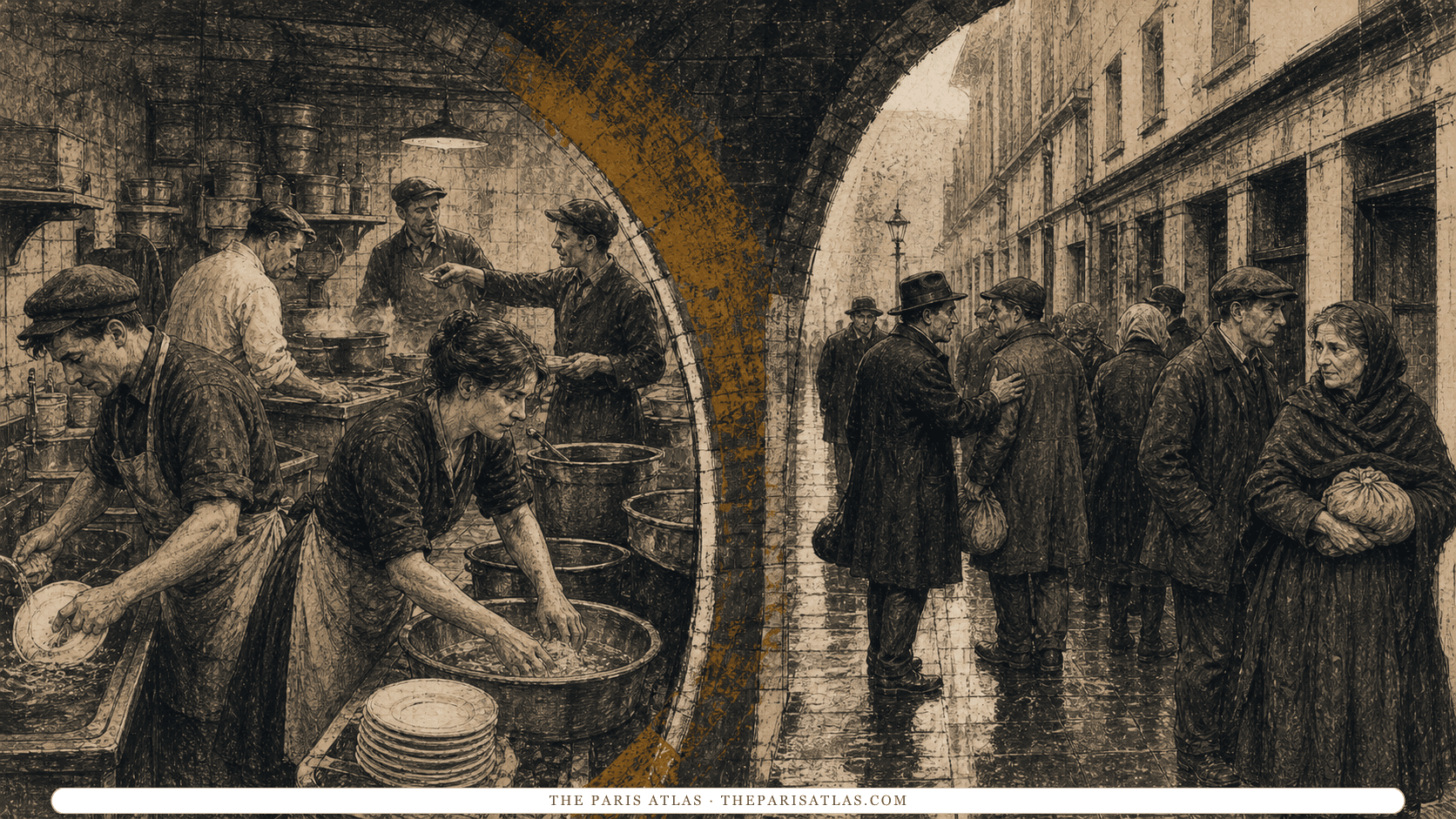
The first book, and the first thing Eric Blair signed as George Orwell: broke in a Paris slum quarter, washing dishes in the cellars of a grand hotel, then tramping in London.
He went to Spain to write newspaper articles and joined a militia instead: a winter in the Aragón trenches, street fighting in Barcelona, a bullet through the throat.
Two months among the miners of the industrial north, then a second half that audits English socialism. The Left Book Club edition carries a foreword by Victor Gollancz arguing with it.
Five years as an imperial policeman in Burma, turned into a novel English publishers refused for fear of libel. Harper & Brothers published it in New York first.
Gordon Comstock declares war on money and takes a job in a bookshop. Orwell later listed it among the books he did not want reprinted, which has not stopped anyone.
George Bowling, fat and forty-five, drives back to the village of his childhood on the eve of the war. Written in Marrakech in the winter of 1938–39.
The experimental one: Dorothy Hare loses her memory and her faith. Orwell called it "tripe" except for one chapter written as drama, and asked for it not to be reprinted.
Three long essays from 1940: Charles Dickens, boys' weeklies, and the title piece on Henry Miller, whose Tropic of Cancer had just come out of Paris.
Ten wartime essays on Dickens, Kipling, boys' comics and seaside postcards, including the piece on Salvador Dalí that a publisher cut out of a printed book.
One long argument, written in London under the bombing: England is a family with the wrong members in control. Part One circulates on its own as "England Your England".
The one that added words to the language. Big Brother, doublethink and Newspeak have outlived every regime the book was accused of describing.
The most perfectly made thing he wrote: a fable with no wasted sentence, and a political book children read for the animals.
The underrated one. A comic narrator, a vanished England, and the coming war visible the whole way through.
The strongest of the early novels, with the empire seen from inside its own police force.
A one-idea novel that the bookshop chapters keep alive. Funnier than its reputation.
Last by Orwell's own verdict as much as ours. The chapter written as drama shows what he was attempting; the rest shows why he stopped.
Published by Victor Gollancz on 9 January 1933 — Eric Blair's first book and the first use of the name George Orwell.
A Left Book Club selection, with the Gollancz foreword answering its second half.
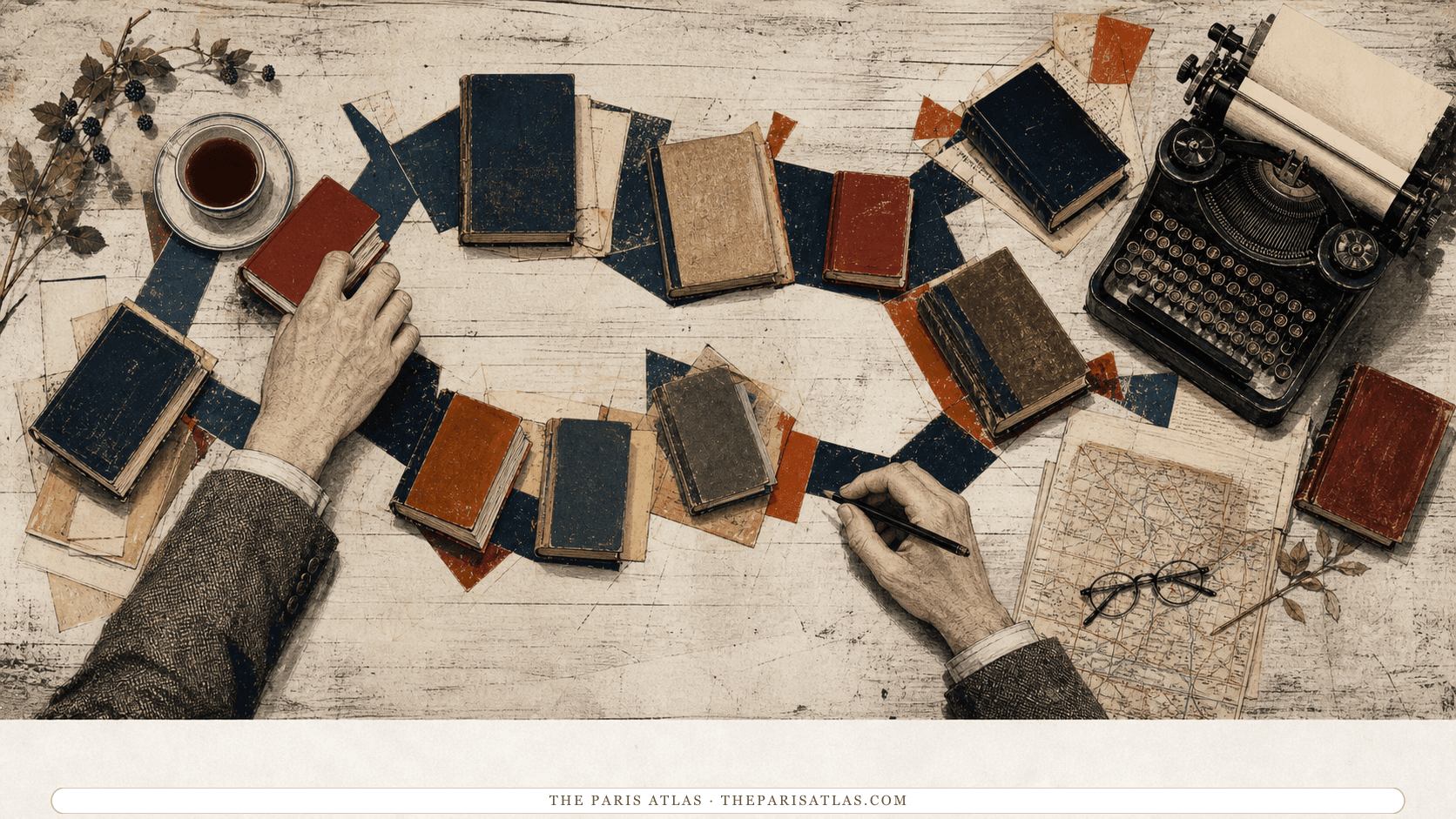
No. Nothing Orwell wrote is a series and every book stands alone. The one pairing that pays off is Homage to Catalonia before Nineteen Eighty-Four: the memoir records Orwell watching the Barcelona fighting rewritten in the newspapers as it happened, and the novel builds a whole ministry out of that experience.
Animal Farm. It is under a hundred pages, it needs no history lesson to work, and Nineteen Eighty-Four reads better with it behind you. If you would rather start with the nonfiction, Down and Out in Paris and London is the door.
Twelve in his lifetime: six novels (Burmese Days, A Clergyman's Daughter, Keep the Aspidistra Flying, Coming Up for Air, Animal Farm, Nineteen Eighty-Four), three books of reportage (Down and Out in Paris and London, The Road to Wigan Pier, Homage to Catalonia), and three books of essays and criticism (Inside the Whale, The Lion and the Unicorn, Critical Essays). The collections published after his death repackage essays and journalism from these years.
Nineteen Eighty-Four, published in 1949 and never out of print since. It put Big Brother, doublethink and Room 101 into the language. Animal Farm runs it close and is the shorter introduction.
The three documentary books. Down and Out in Paris and London covers his years broke in Paris and London, The Road to Wigan Pier his two months in the mining towns of the north, and Homage to Catalonia his six months in the Spanish Civil War, including the sniper's bullet through his throat. The novels borrow the life without retelling it — Burmese Days comes out of his five years as a policeman in Burma.
In 1945, going over his work for his literary executor, he listed A Clergyman's Daughter and Keep the Aspidistra Flying as books not to be reprinted — he had come to regard both as work done for money. Both returned to print after his death and have stayed in print since.
The first half of Down and Out in Paris and London. Orwell lived in a slum quarter of the fifth arrondissement in 1928 and 1929, ran out of money, and washed dishes in the cellars of a grand hotel; the book made from it appeared in 1933. It is the only one of his books set in the city.
The sources below include bibliographies, archives, publisher records, and scholarship used to verify the George Orwell catalogue and publication order.

Web source consulted for documented facts and historical context presented on the George Orwell books page.

Archival evidence used to document the historical record connected to George Orwell books.
Published analysis and historical context used in preparing the George Orwell books page.
Published analysis and historical context used in preparing the George Orwell books page.
These references document which titles belong in the bibliography and when they appeared. The recommended reading order remains an editorial judgment by The Paris Atlas.
 Explore more resources
Newsletter
We will tell you when this guide adds a book, review, or new reading-order recommendation.