
Animal Farm
Spain is where he watched a revolution be rewritten while it was still happening. The fable is the same events with the names changed to animals.
Read our take
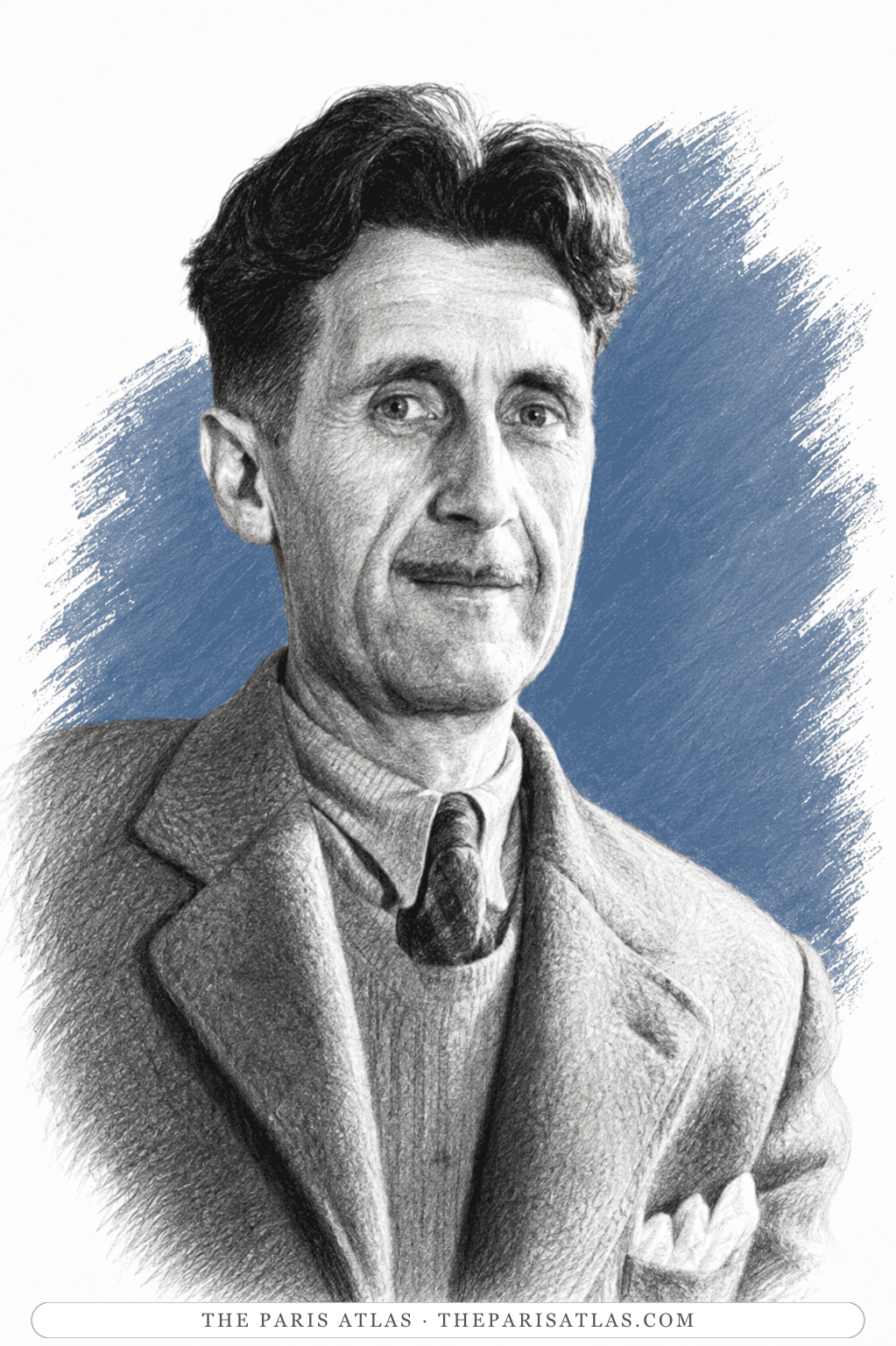
George Orwell went to Spain to write newspaper articles and joined a militia instead: a winter in the Aragón trenches, street fighting in Barcelona, a bullet through the throat.
George Orwell reached Barcelona in late December 1936 meaning to file newspaper articles, and joined the P.O.U.M. militia within days. This is his account of the six months that followed. First a winter on the Aragón front outside Zaragoza and later Huesca, where the enemy trenches were seven hundred metres away and firewood mattered more than rifles. Then a week of street fighting in Barcelona in May 1937, most of which he spent on the roof of a cinema opposite a café full of armed police. Then a sniper's bullet through his throat, and the suppression of the party he had served in. Two chapters break off the narrative to explain the parties behind the Republican lines and the charges the Communist press made against the P.O.U.M.; Orwell twice invites readers who are not interested to skip them.
Victor Gollancz, who had published Orwell's earlier books, would not print this one, and the reason usually given is its criticism of Communist conduct in Spain. Secker & Warburg published it in London in April 1938. It was not published in the United States until 1952, two years after Orwell's death, in an edition introduced by the American critic Lionel Trilling.[1]
The chapter arrangement is not settled, and it changes the reading. The 1938 book runs to fourteen chapters, with the two political chapters — the fifth and the eleventh — sitting inside the narrative, so that the politics interrupts the war exactly where Orwell says it interrupted him. He later asked that both be moved to the end, and editions following Peter Davison's rearranged text print twelve chapters and two appendices instead. The Project Gutenberg Australia etext keeps the original fourteen. Neither version is wrong; a reader should simply know which one is in their hands.[1]
That etext also carries footnotes taken from errata notes found in Orwell's papers after his death, in which he corrects his own book. The armed police he calls Civil Guards throughout the Barcelona chapters should have been Assault Guards. He is no longer certain he ever saw Fascist positions flying the republican flag. A claim that the workers' patrols had closed 75 per cent of the brothels "should be modified", he writes, because he has no good evidence for it. The corrections are small, and the habit behind them is the reason the book is still read.[1]
Orwell arrives in Barcelona in late December 1936 and finds a city where the working class appears to be in charge: buildings draped in red and red-and-black flags, tipping illegal, waiters and shop-walkers addressing him as an equal. He joins the militia at the Lenin Barracks, where instruction consists of parade-ground drill because there are no rifles to train with, and goes up the line to the Aragón front in a column that is half children. The rifle he is issued is a German Mauser dated 1896. For the next four months almost nothing happens. The Fascist positions are seven hundred metres off across a ravine, the artillery on his side amounts to four trench-mortars with fifteen rounds each, and the real enemies are cold, lice, and the shortage of firewood, matches and candles. Georges Kopp, the Belgian commander who tours the positions, calls it a comic opera with an occasional death.[1]
In February the P.O.U.M. troops are moved to the siege of Huesca, and in April there is finally some fighting: a night raid on a Fascist redoubt, carried out in rain and mud with three bombs a man, which takes the position, fails to find the machine-gun everyone wanted, and is abandoned before dawn. Orwell goes on leave on 25 April, after a hundred and fifteen days in the line, and finds Barcelona changed. The militia uniforms have gone, the smart restaurants are full, there are beggars again, and the pre-war police forces are back on the streets. On 3 May armed police seize the Telephone Exchange, which had been run since the start of the war by the anarchist union, and the city goes up. For most of the next four days Orwell sits on the roof of the Poliorama cinema on the Ramblas, guarding the P.O.U.M. offices against a café held by police who send over fifteen bottles of beer and would rather not fight anybody. The official casualty figure for the week is four hundred killed and about a thousand wounded, which Orwell thinks may be high and accepts because there is no way to check it.[1]
Two of the fourteen chapters step out of the story to explain the politics: who the P.O.U.M., the P.S.U.C. and the C.N.T.-F.A.I. were, why the Communist Party in Spain stood on the right of the Government coalition, and what the foreign Communist press wrote about the May fighting afterwards. Orwell sets the newspaper accounts against one another, shows where they contradict themselves, and is careful about the limits of his own evidence. He warns the reader more than once about his own partisanship. He also invites anyone bored by inter-party polemics to skip both chapters, which is not a rhetorical gesture: he means it, and the book works without them.[1]
Orwell goes back to the front about three days after the fighting ends. On the way up he learns that Bob Smillie, the twenty-two-year-old Scot who had been the best of the English contingent, was arrested at the frontier on his way home to give lectures and jailed in Valencia.
The repeated search for fuel displaces the heroic action a reader might expect from a war memoir. Plants acquire importance through their burning qualities, and gathering them can itself mean exposure to gunfire. Orwell makes the small necessities of staying alive occupy the space that victories usually claim. Yet this discomfort does not simply discredit the militia's politics. His account also separates inadequate equipment and training from the experiment in equality. The cold offers a measure of what the volunteers endure, while his changing assessment of their discipline makes the narrator's own assumptions visible.
The beer belongs to a precarious local agreement, not a reconciliation between the opposing organizations. In Orwell's account, the guards give the bottles to Kopp, who returns their friendliness with a rifle. Such exchanges briefly make the men across the street recognizable as people rather than targets. But Orwell also knows that orders could end the arrangement at any moment. His accidental habit of calling the guards Fascists exposes how readily the categories of one conflict enter another. The episode holds ordinary sociability beside fear, without allowing the courtesy to explain away the fighting.
It was the first time that I had ever been in a town where the working class was in the saddle.
In trench warfare five things are important: firewood, food, tobacco, candles, and the enemy.
So great is the difference between two sets of initials!
Orwell quotes the newspapers he is contradicting, marks the places where he is guessing, and closes by telling the reader to beware of his partisanship and his mistakes of fact. Very little writing about a war does this.
"In trench warfare five things are important: firewood, food, tobacco, candles, and the enemy." The Aragón chapters are among the most convincing accounts of ordinary soldiering in English, largely because so little happens in them.
The twelfth chapter records what it is like to be hit through the throat: no pain, a bang and a flash, two minutes of assuming he was dead, and a first thought for his wife and a second of resentment at leaving a world that suited him.
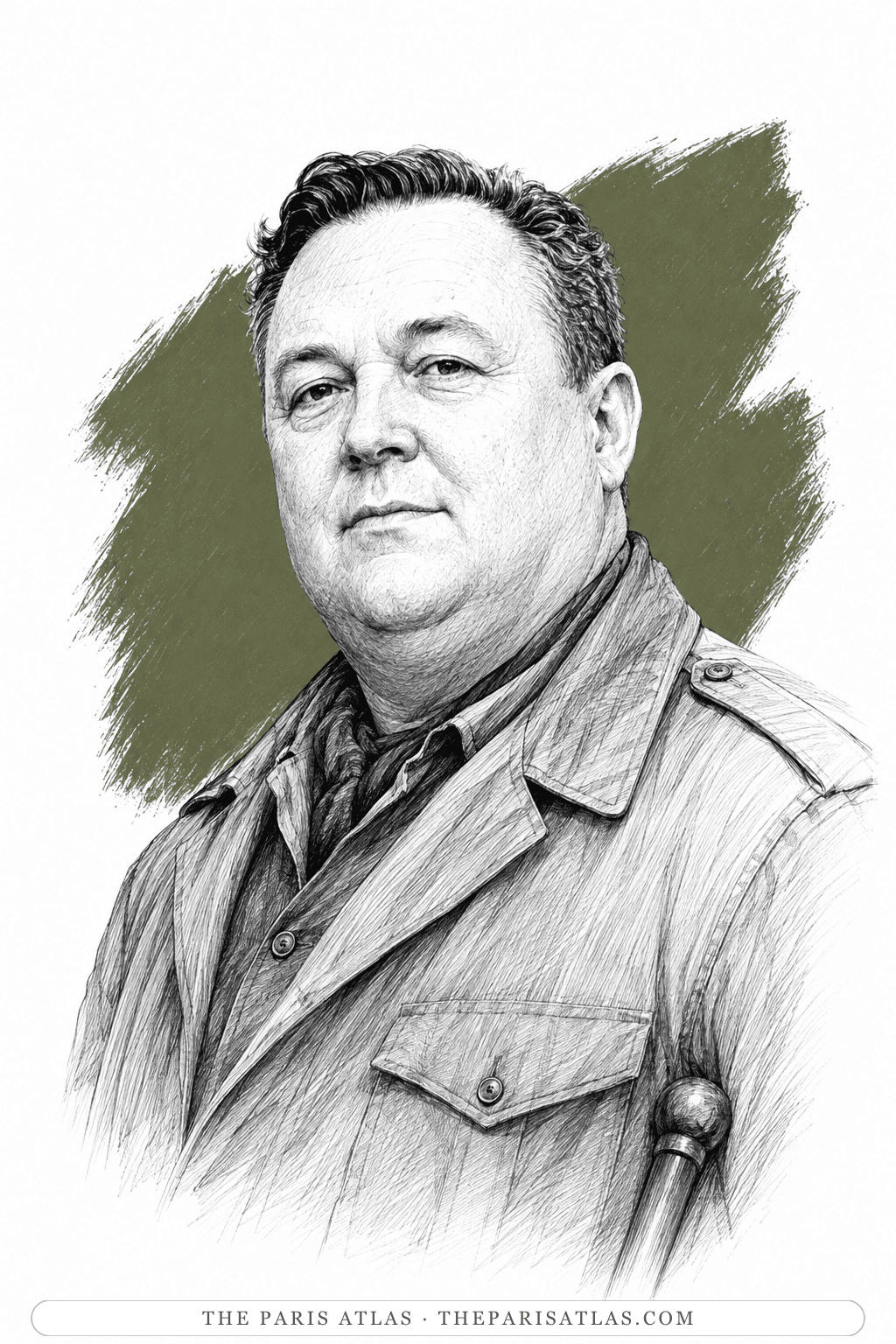
The Belgian commander of Orwell's militia unit, first seen riding a black horse at the head of a ragged column. He talked the Barcelona street fighting down at his end of the Ramblas by walking unarmed towards men with loaded rifles, and was arrested a few weeks later.
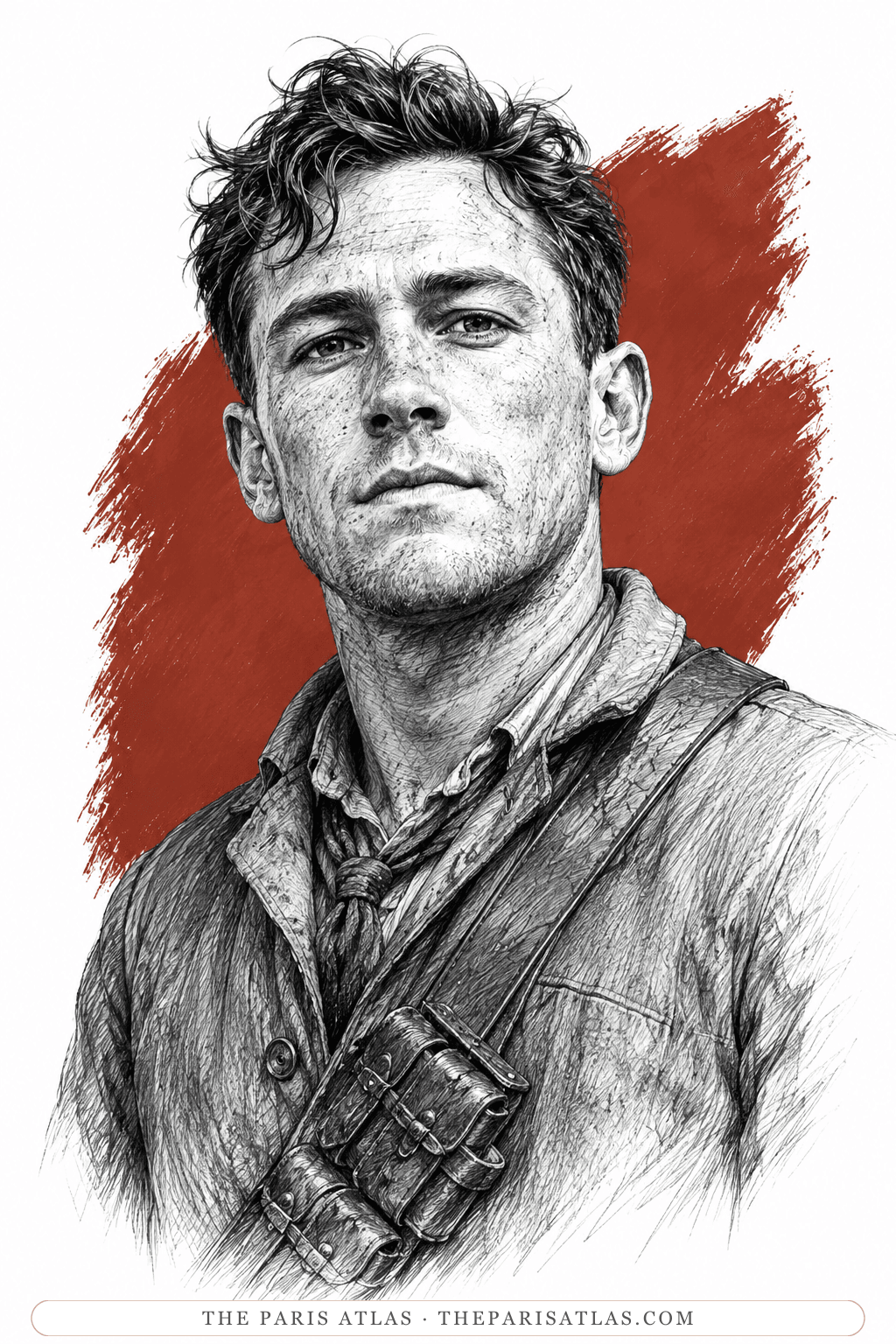
A twenty-two-year-old Scot who left Glasgow University to fight, and whom Orwell calls the best of the English contingent. Arrested at the frontier on his way home to lecture, he died in a Valencia jail.
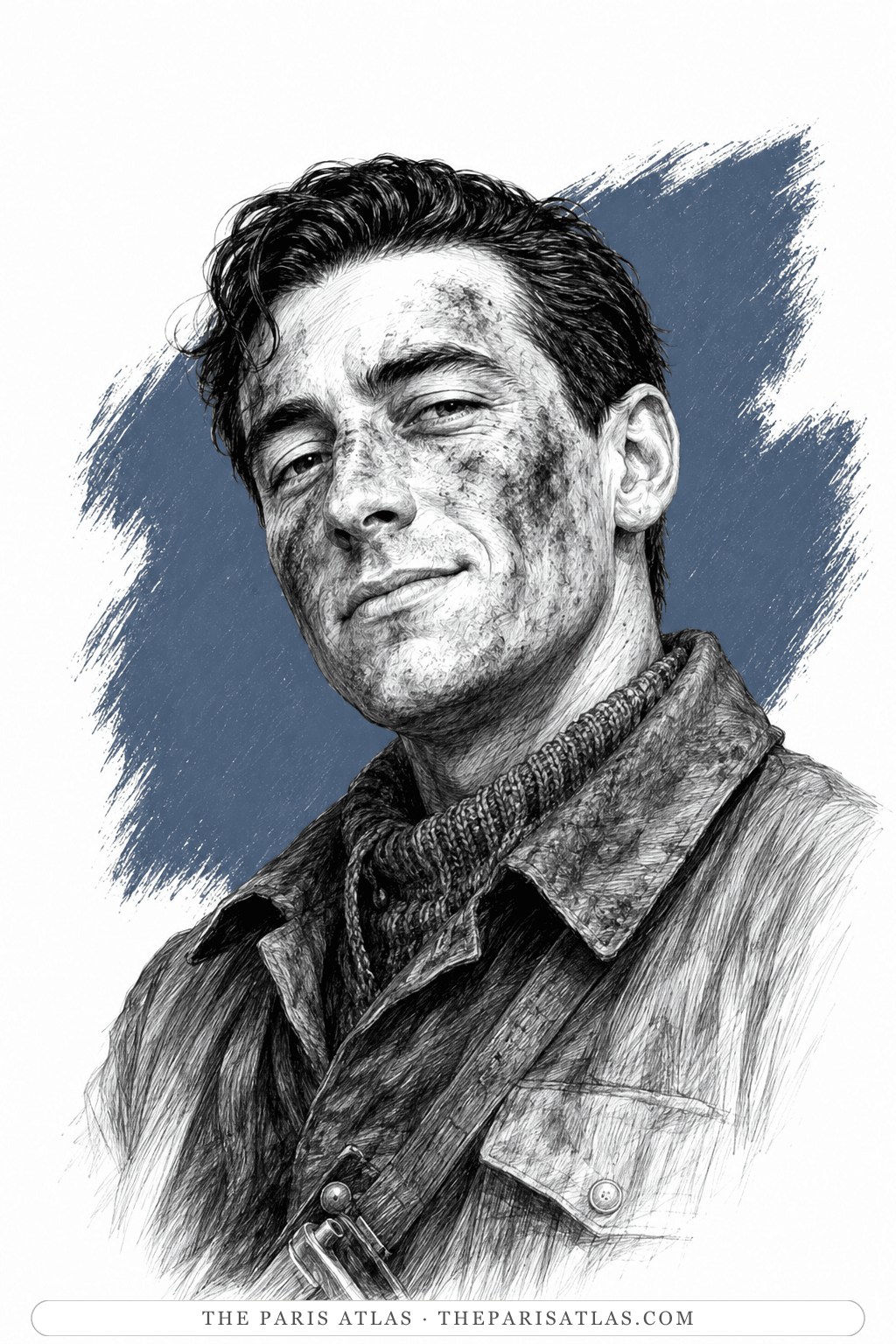
The captain commanding Orwell's first position, born Levinski: a Polish Jew of about twenty-five who spoke French as his first language and terrible English as his fourth. He led the night raid on the Fascist redoubt and spent it pushing Orwell's head back down.
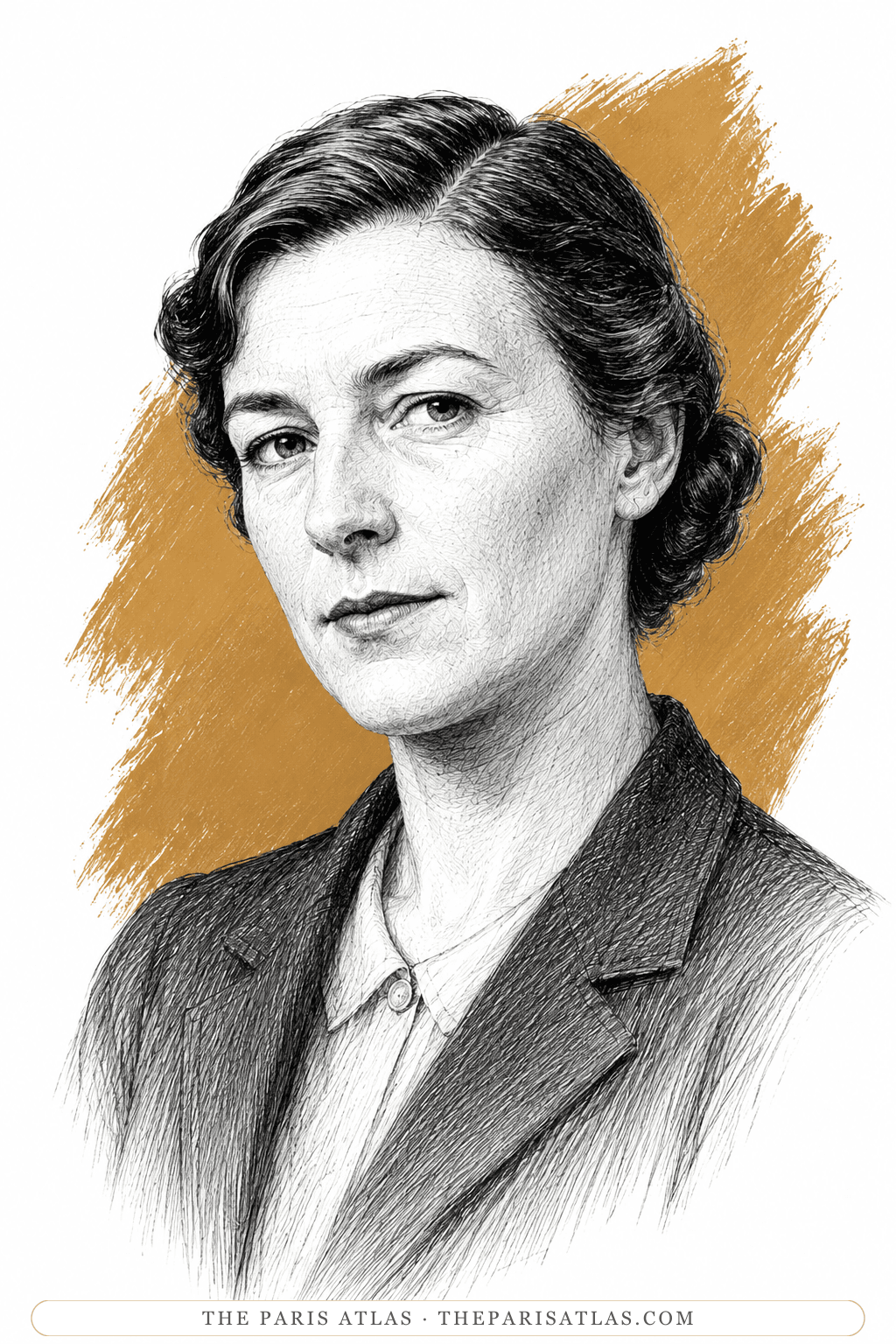
The book calls her only "my wife" and never gives her name. She sent tea and cigars up to the trenches, came down to the barricaded P.O.U.M. building in case a nurse was needed, and got Orwell out of the hotel lounge before the police could be called.
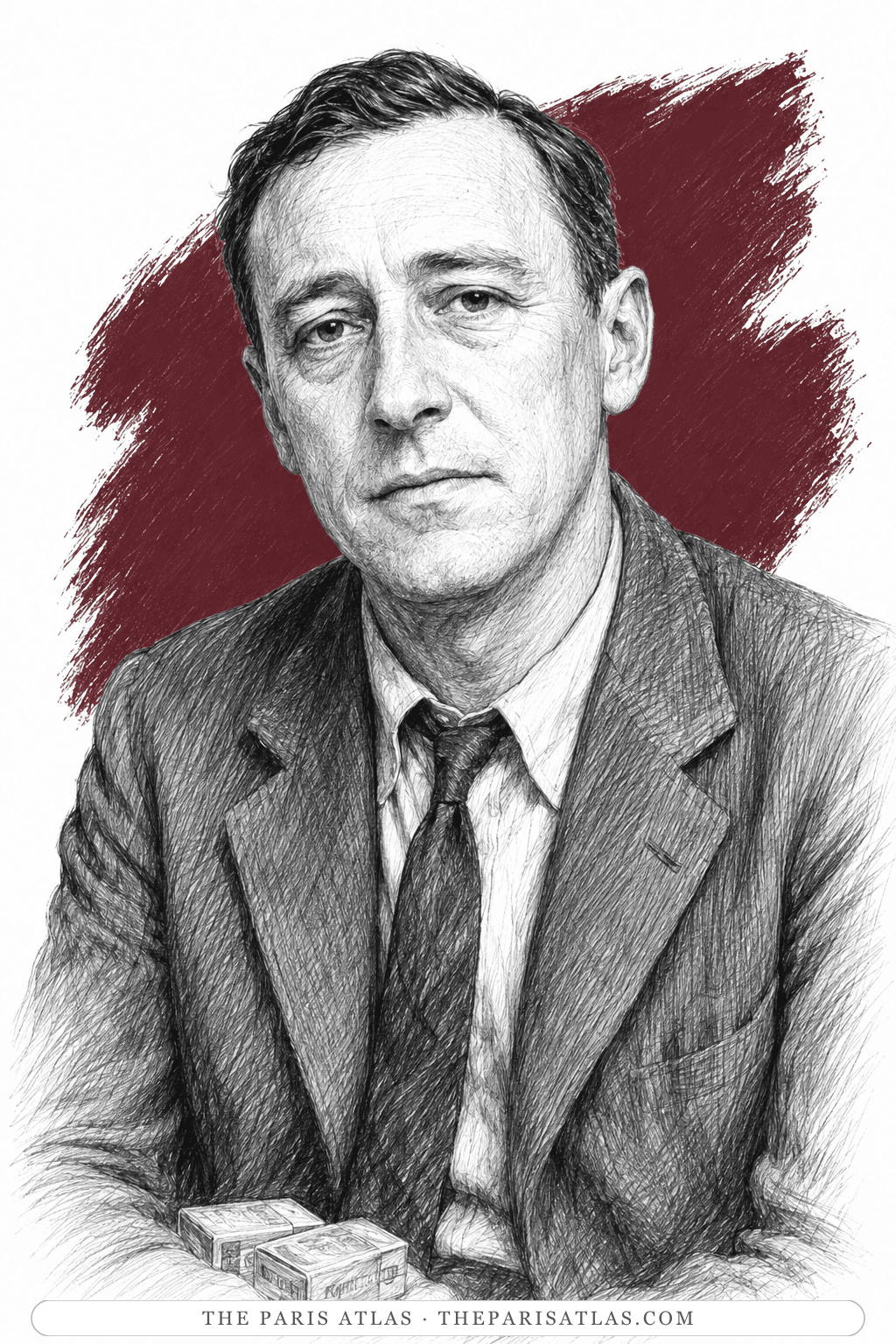
The Independent Labour Party's representative in Barcelona, who walked through blacked-out streets under two Anarchist patrols to deliver two packets of Lucky Strikes because Orwell had made a joke about cigarettes on the telephone.
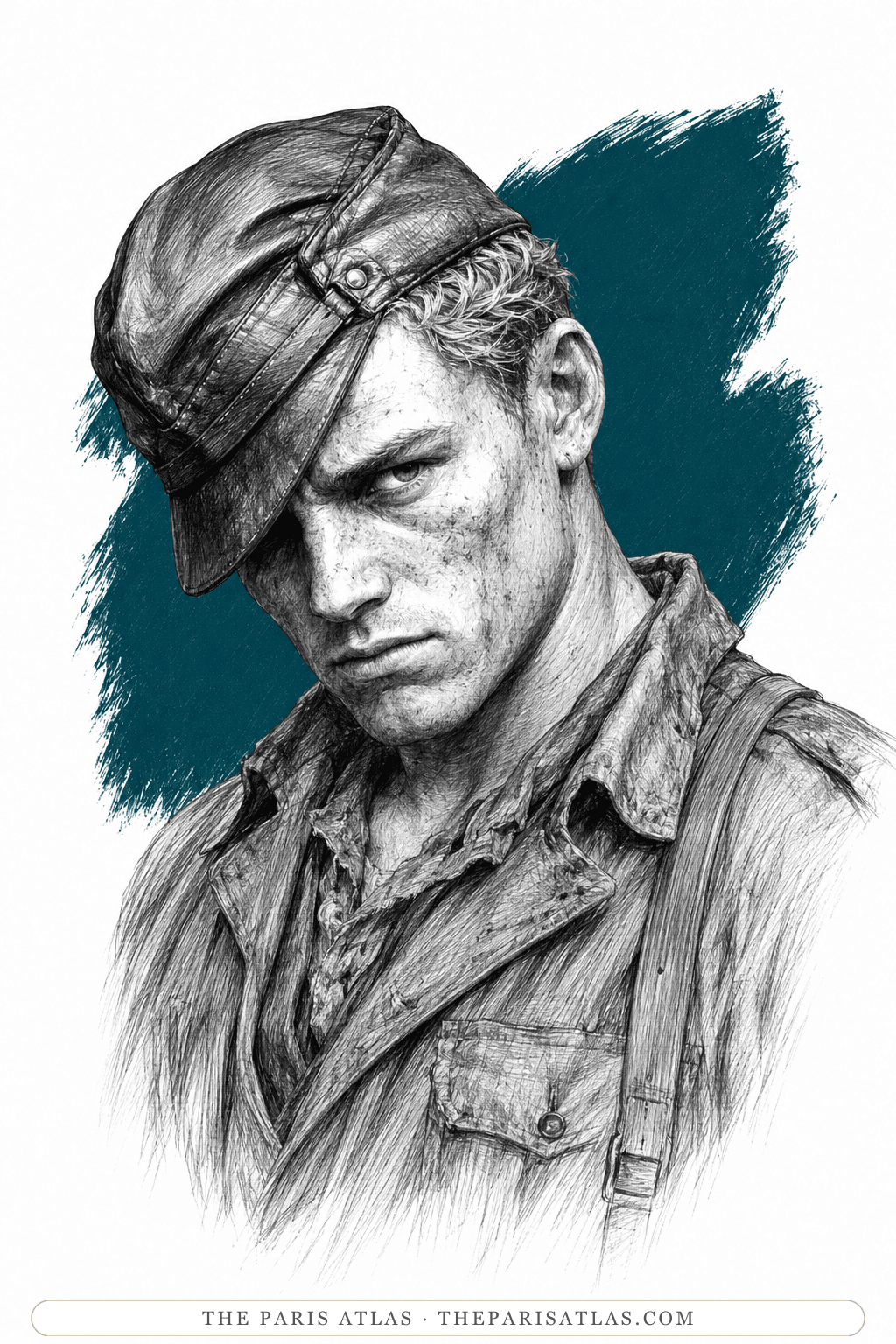
The stranger in the Lenin Barracks who shook Orwell's hand on the day before he joined the militia, and who opens the book. They exchanged perhaps four words and never met again.
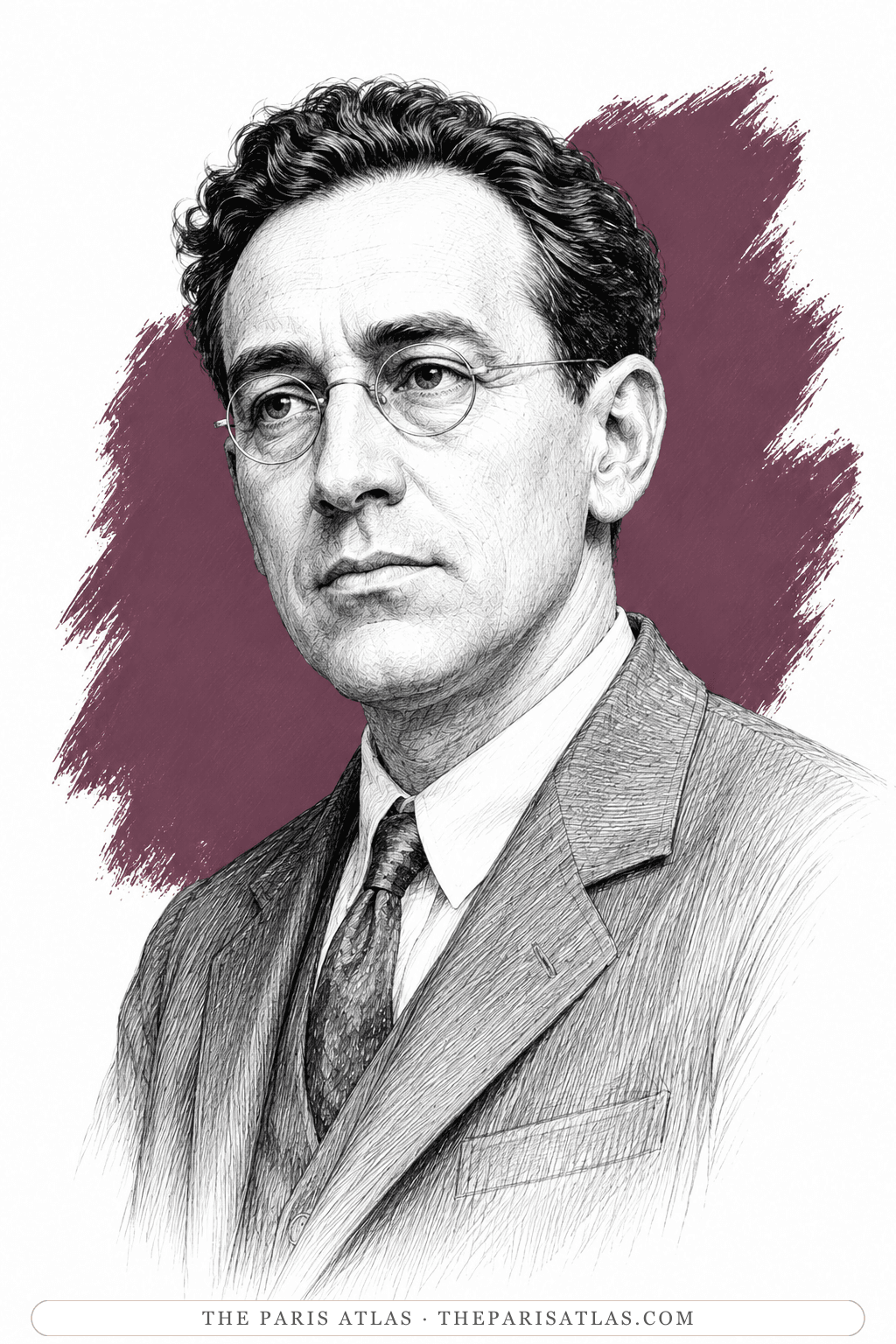
The leader of the P.O.U.M., arrested in his office on 15 June 1937 and never seen alive again. Orwell never met him, and reports what he was told and what the governments said afterwards.
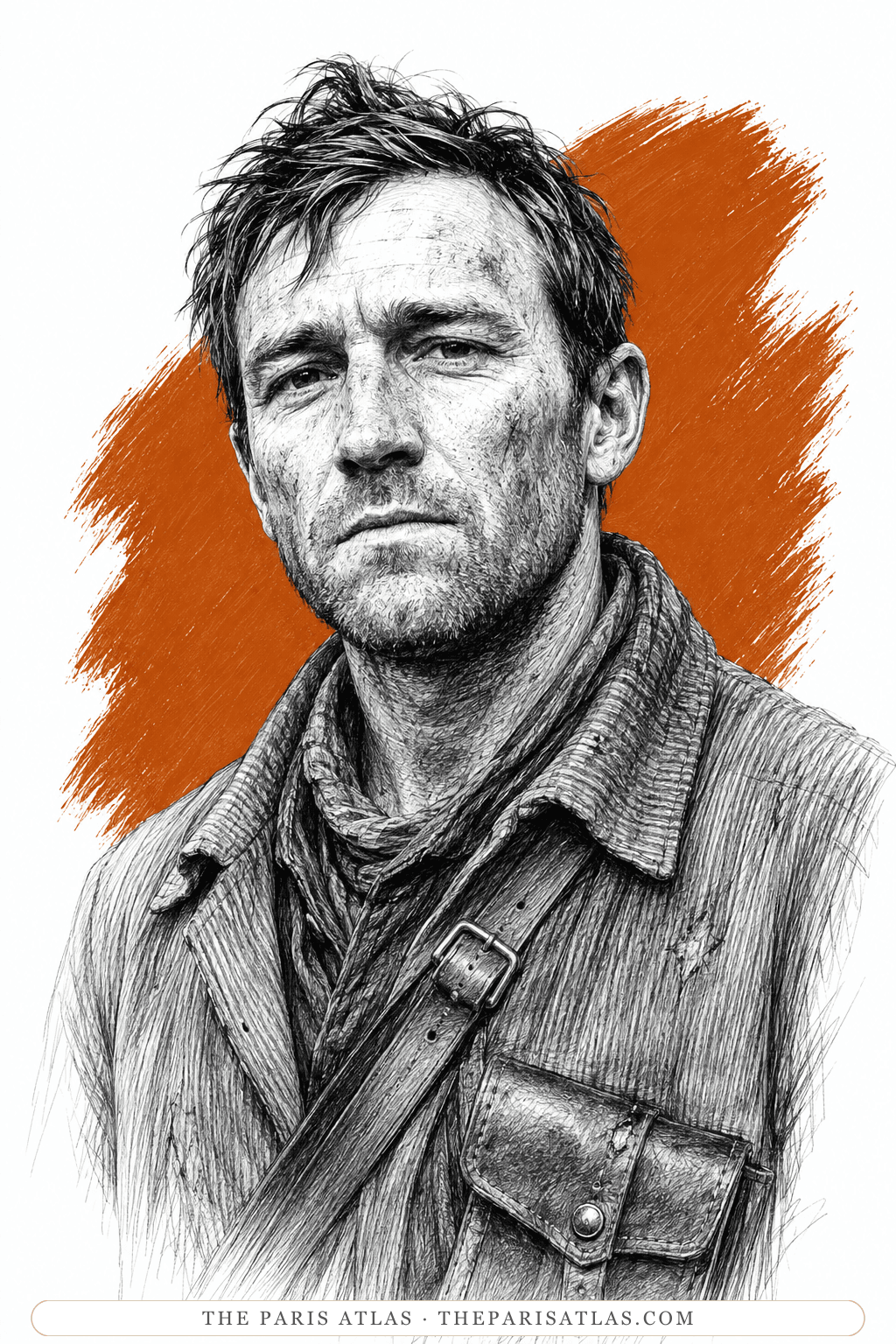
The other English militiaman at the Lenin Barracks, and Orwell's companion for the first months in the line. His Spanish wife had fought in the July street battles and taught Orwell how to put his cartridge boxes on.
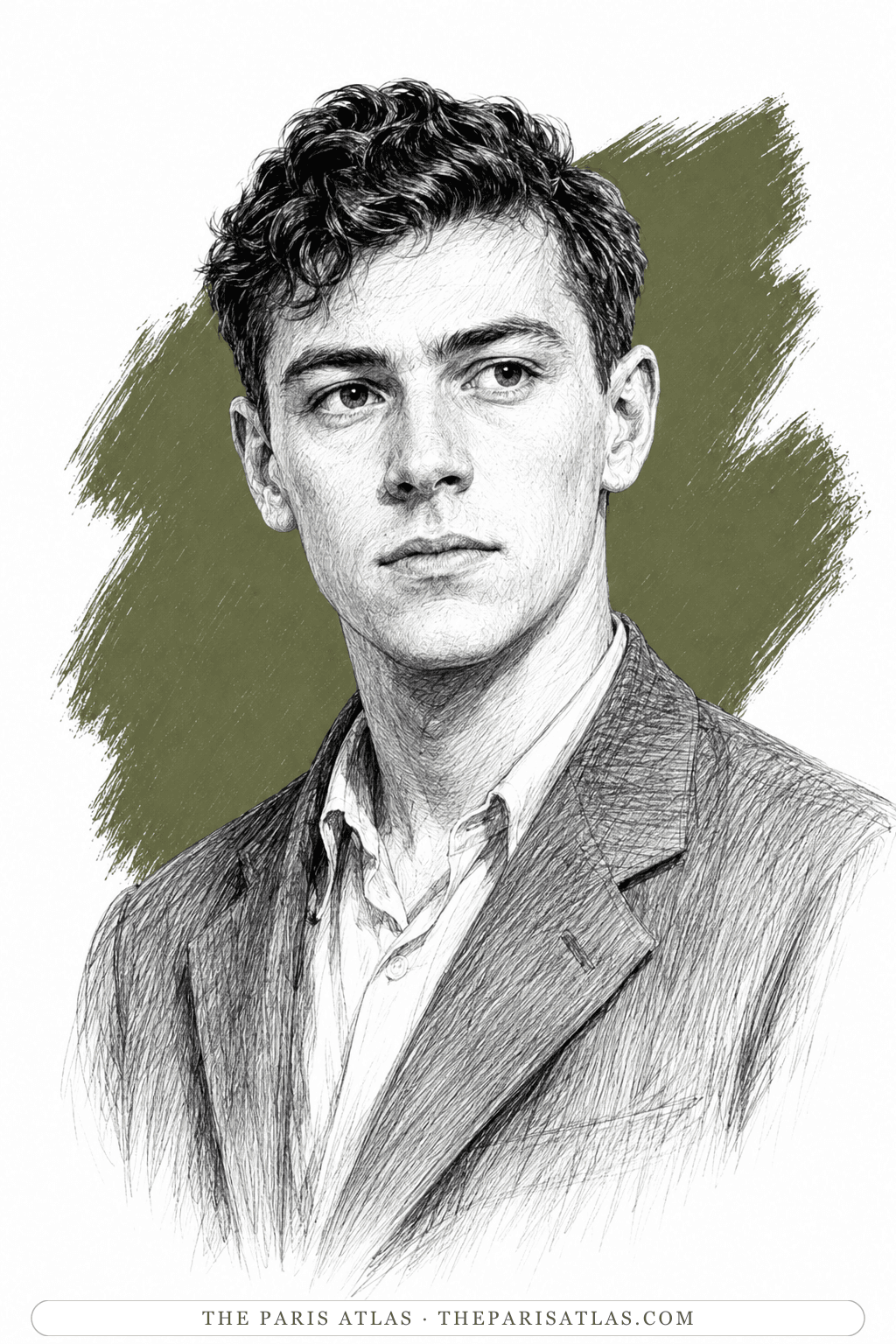
An eighteen-year-old English volunteer, sent back from the trenches with suspected tuberculosis, who escaped the raid on the P.O.U.M. sanatorium and slept in the open with Orwell and John McNair until they could cross the frontier.
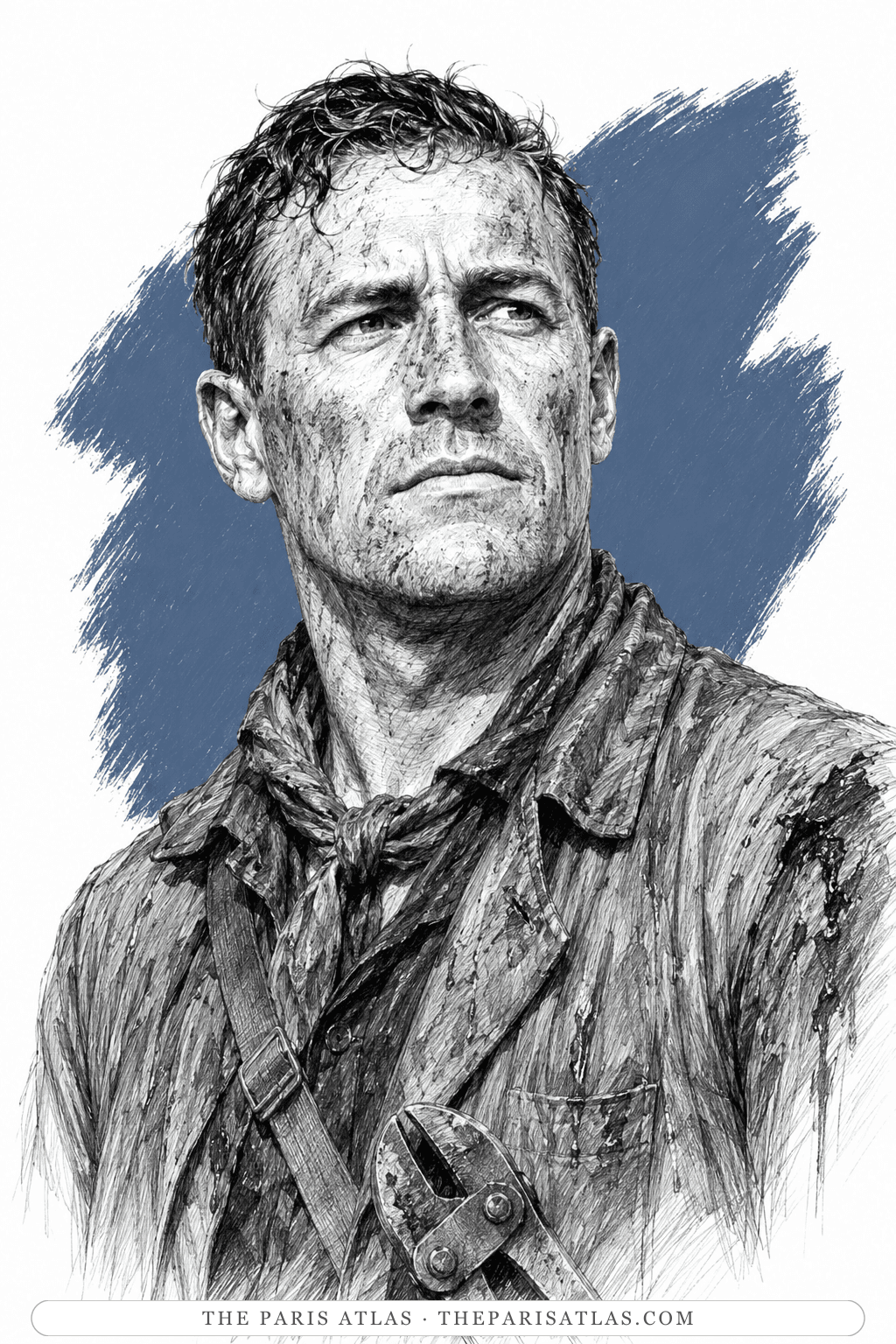
Orwell's battalion commander and Kopp's personal friend, who cut the Fascist wire with the raiding party's only pair of wire-cutters and threw the first bomb. He was hit at the first volley and was missing for hours; the wound turned out to be a light one through the shoulder.
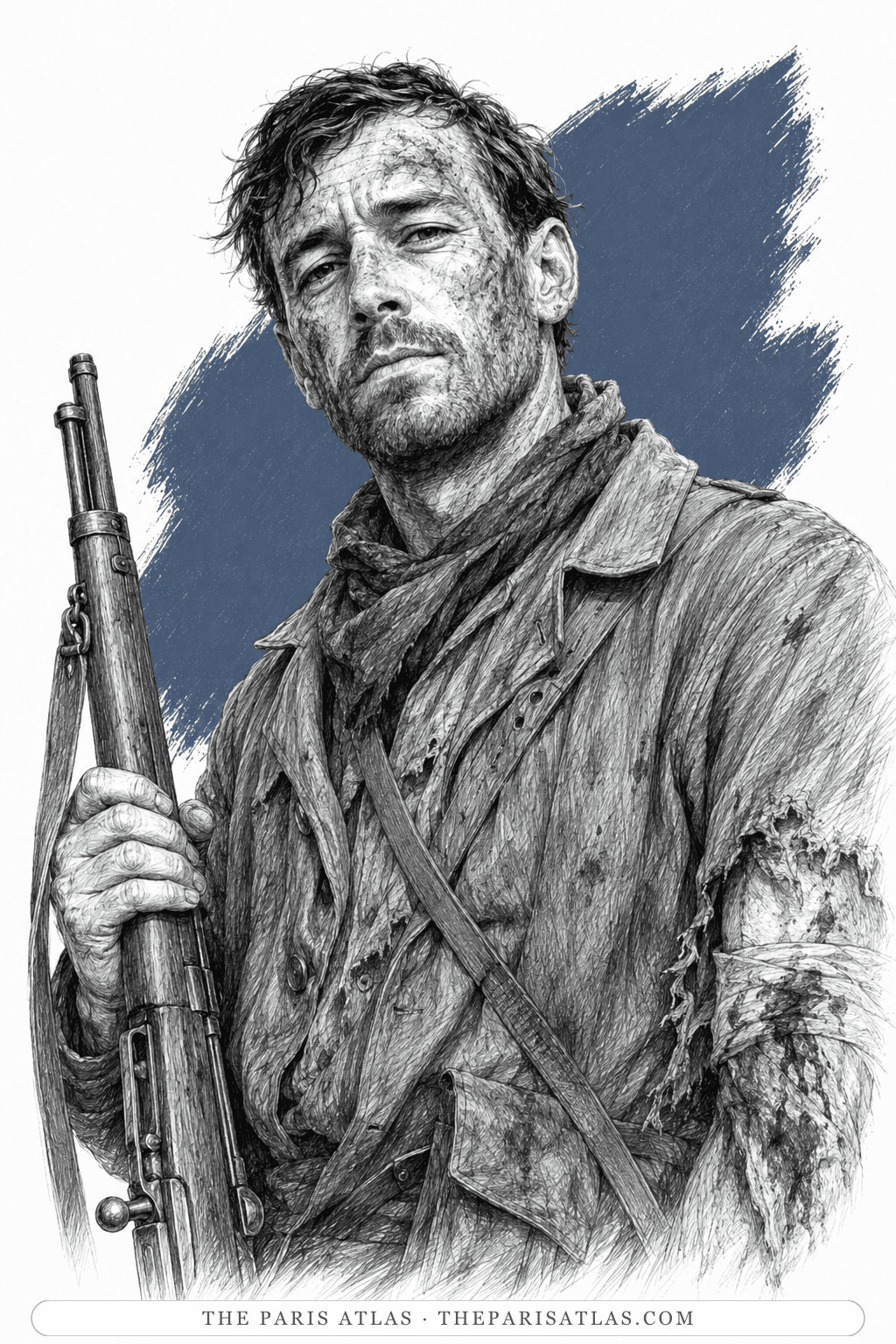
Wounded in the arm at the beginning of April, he was back in Barcelona when the May fighting started, decided to keep out of it, and went to his hotel — which happened to be in a part of town the police controlled. He was arrested there and held eight days in a cell too crowded to lie down in.
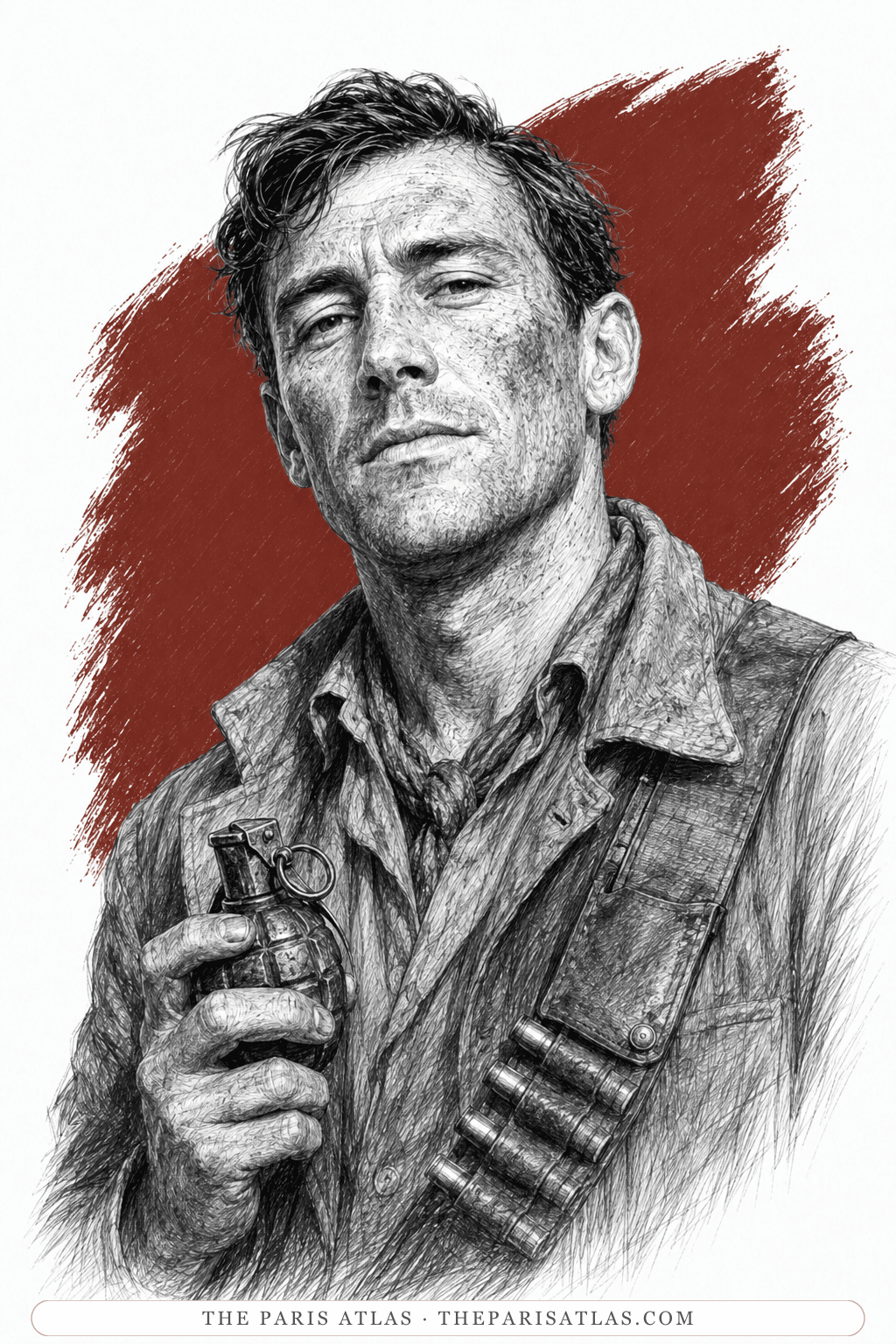
He passed Orwell the bomb that broke up the Fascist counterattack on the captured redoubt, and volunteered afterwards to go back out and look for the missing men. A former sailor, he was the one who identified the warships closing on Barcelona harbour in May as British destroyers, correctly.
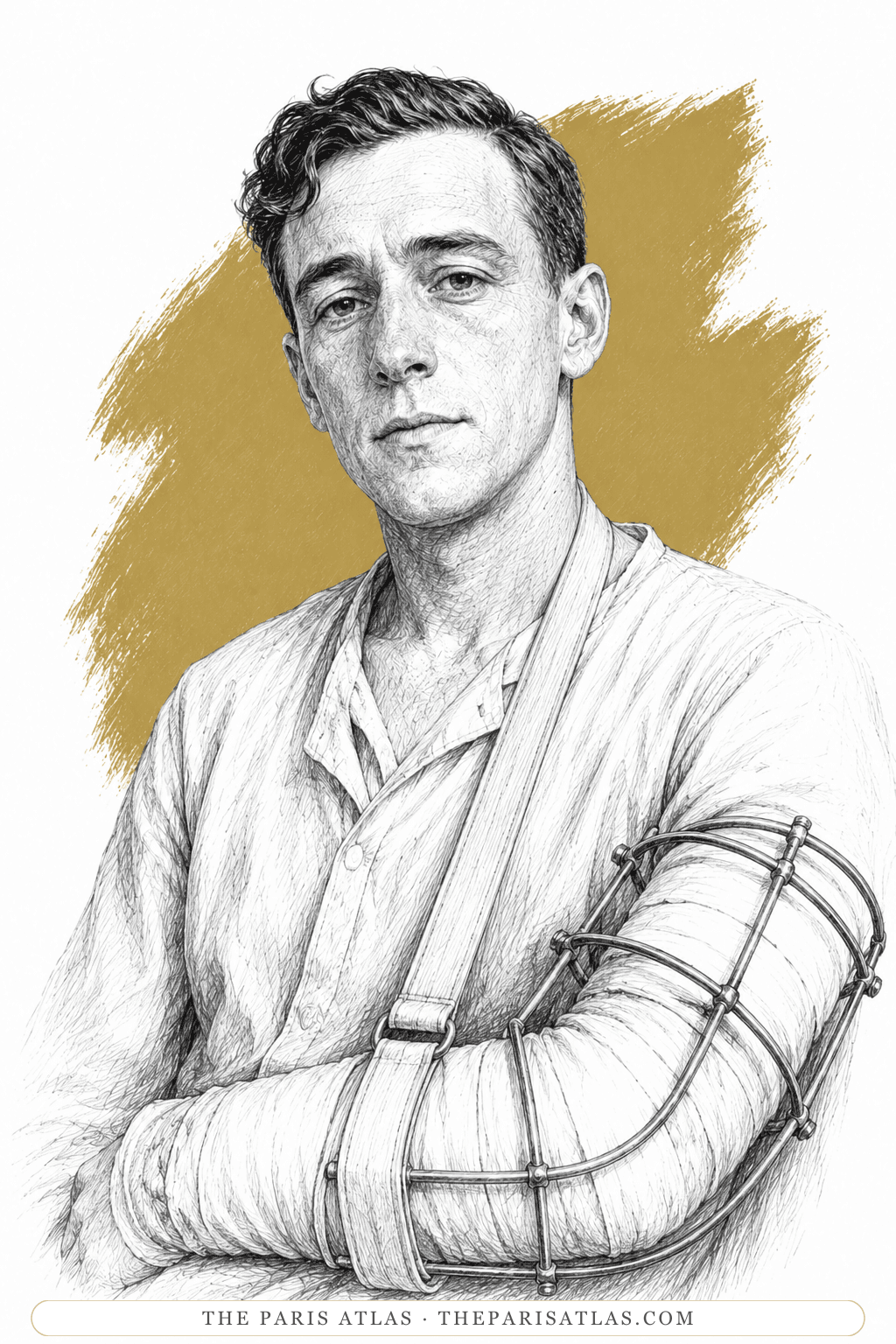
Hit by a stray bullet outside Huesca that smashed his left shoulder and disabled the arm permanently. He turns up again at the Sanatorium Maurin with the arm strapped to one of the huge wire frames the Spanish hospitals used, which the patients called aeroplanes.
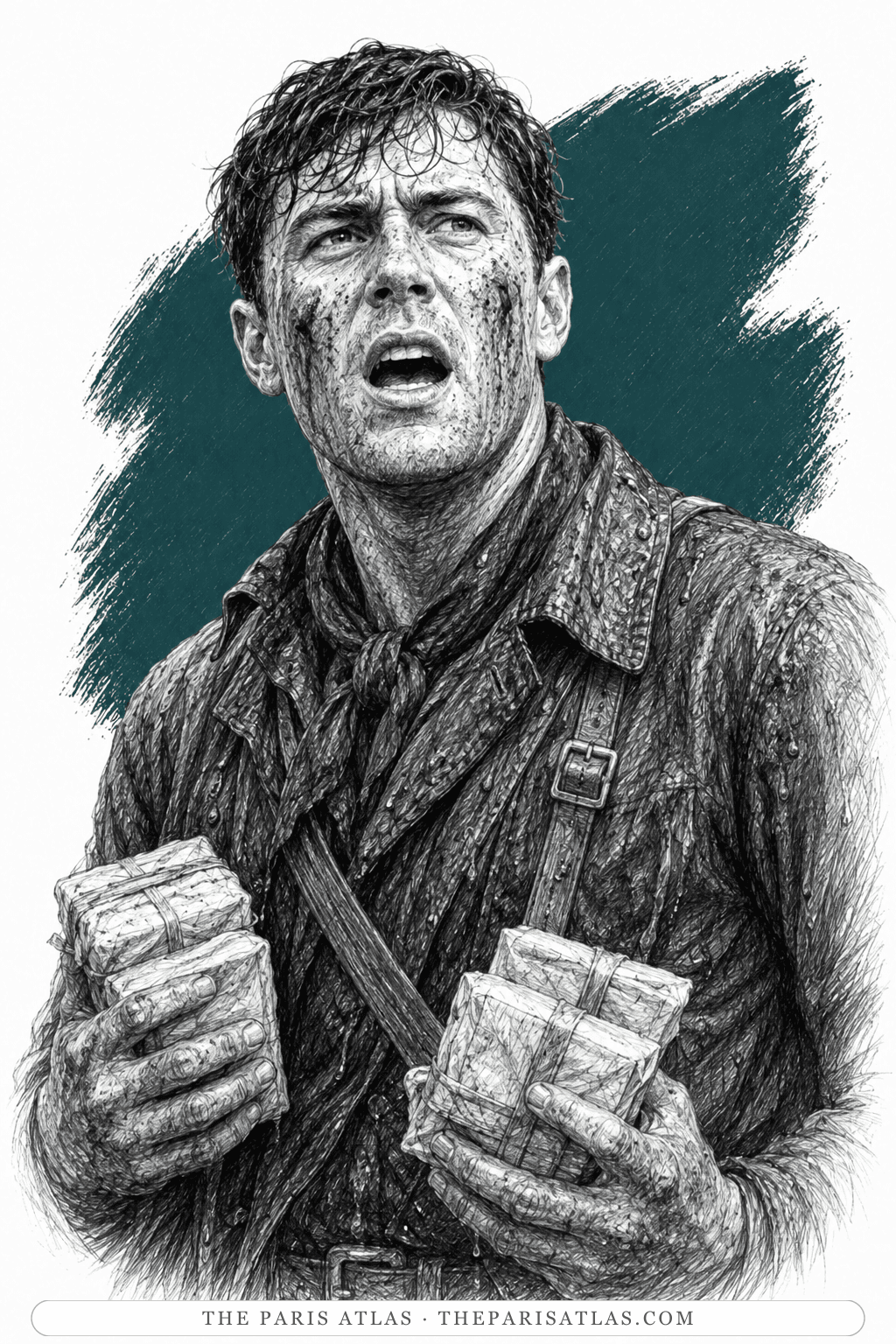
A Belfast Irishman with some first-aid training, who spent the night raid going back and forth over the parapet with packets of bandages, bandaging the wounded lying outside and being shot at by his own side every time he came back, in spite of shouting "POUM!"
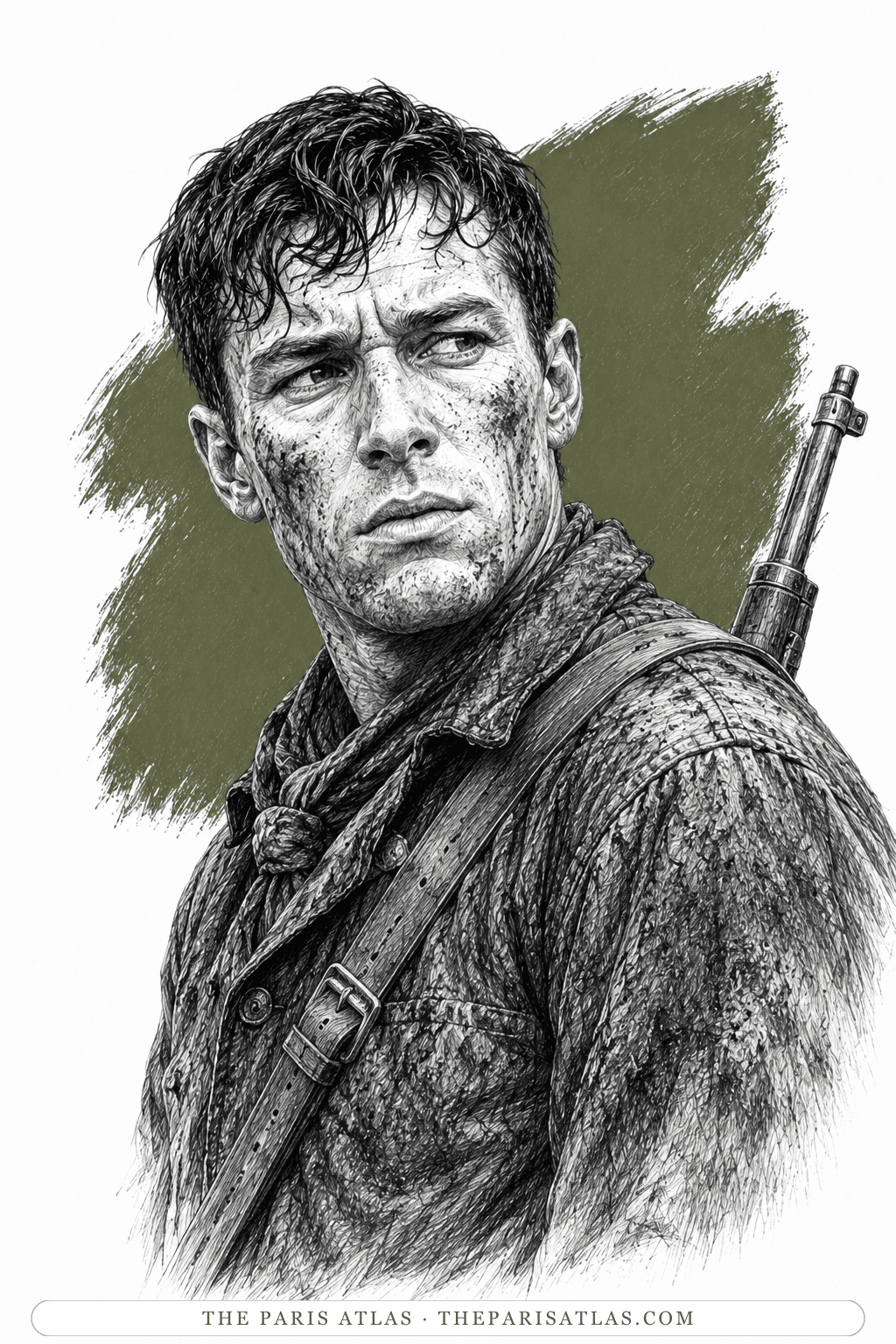
Second-in-command to Benjamin, sent back for orders during the raid. He climbed over the parapet with the order to retire, refused to let Orwell go back for the captured telescope, and held the wire aside for him on the way out.
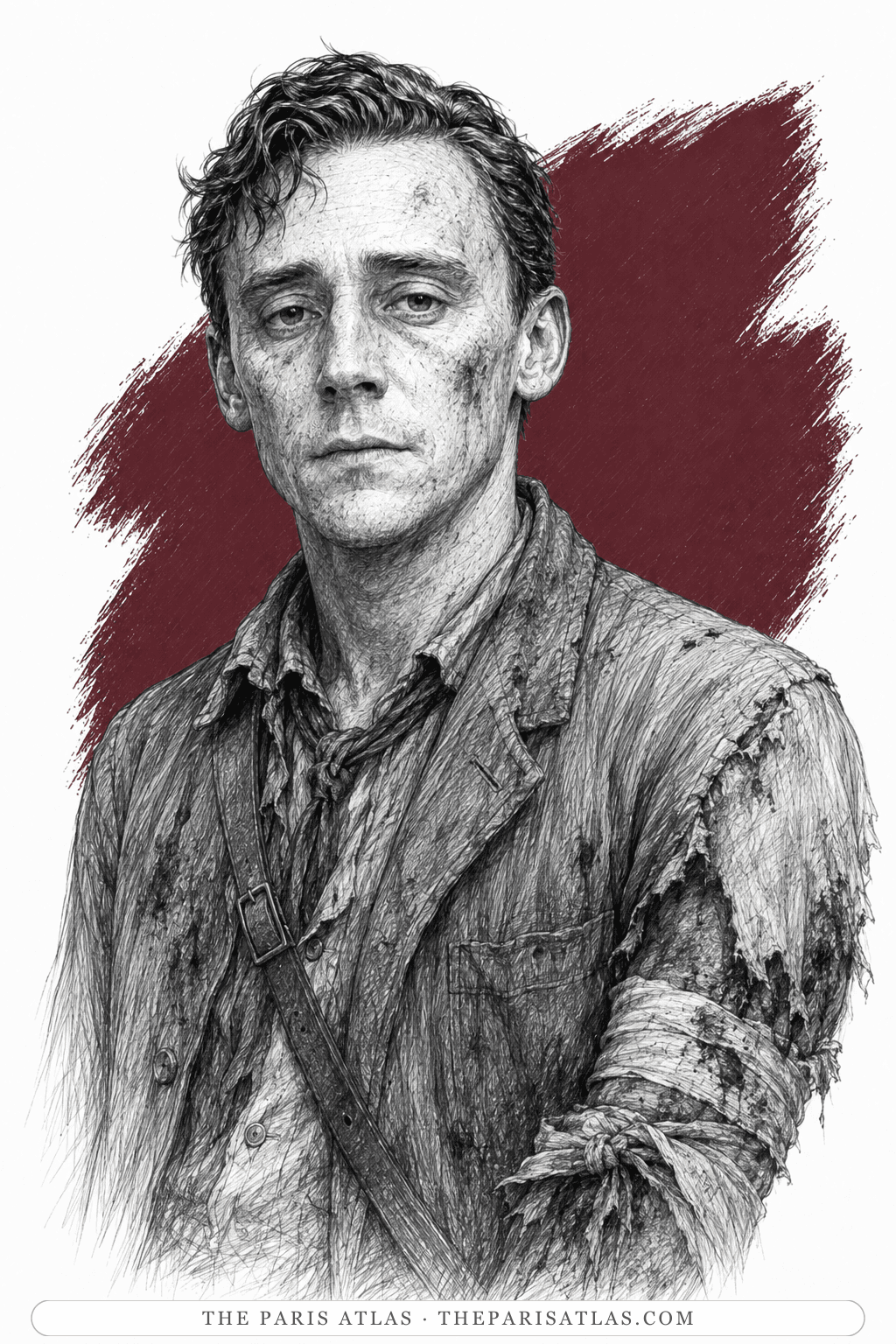
Missing after the night raid, and one of the two men Orwell went back into no man's land at dawn to look for. A bullet had travelled the length of his left arm and broken the bone in several places, and a bomb had burst near him where he lay. He dragged himself clear with a wounded Spaniard and recovered.
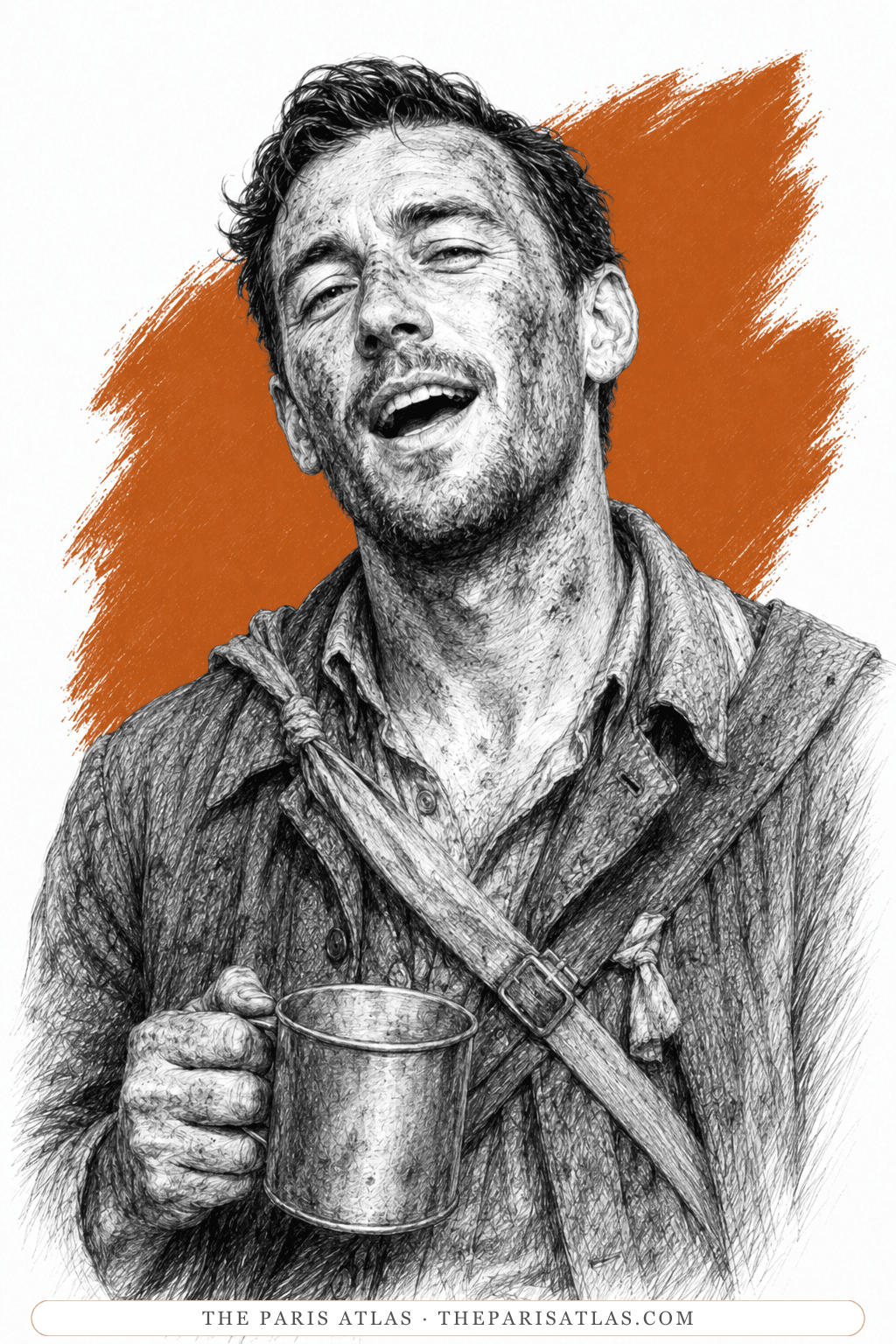
A Cockney voice in the queue at the La Granja cookhouse, singing the old army song about rats as big as cats. Orwell mentions in the same sentence that they quarrelled bitterly and that Chambers was afterwards killed outside Huesca.
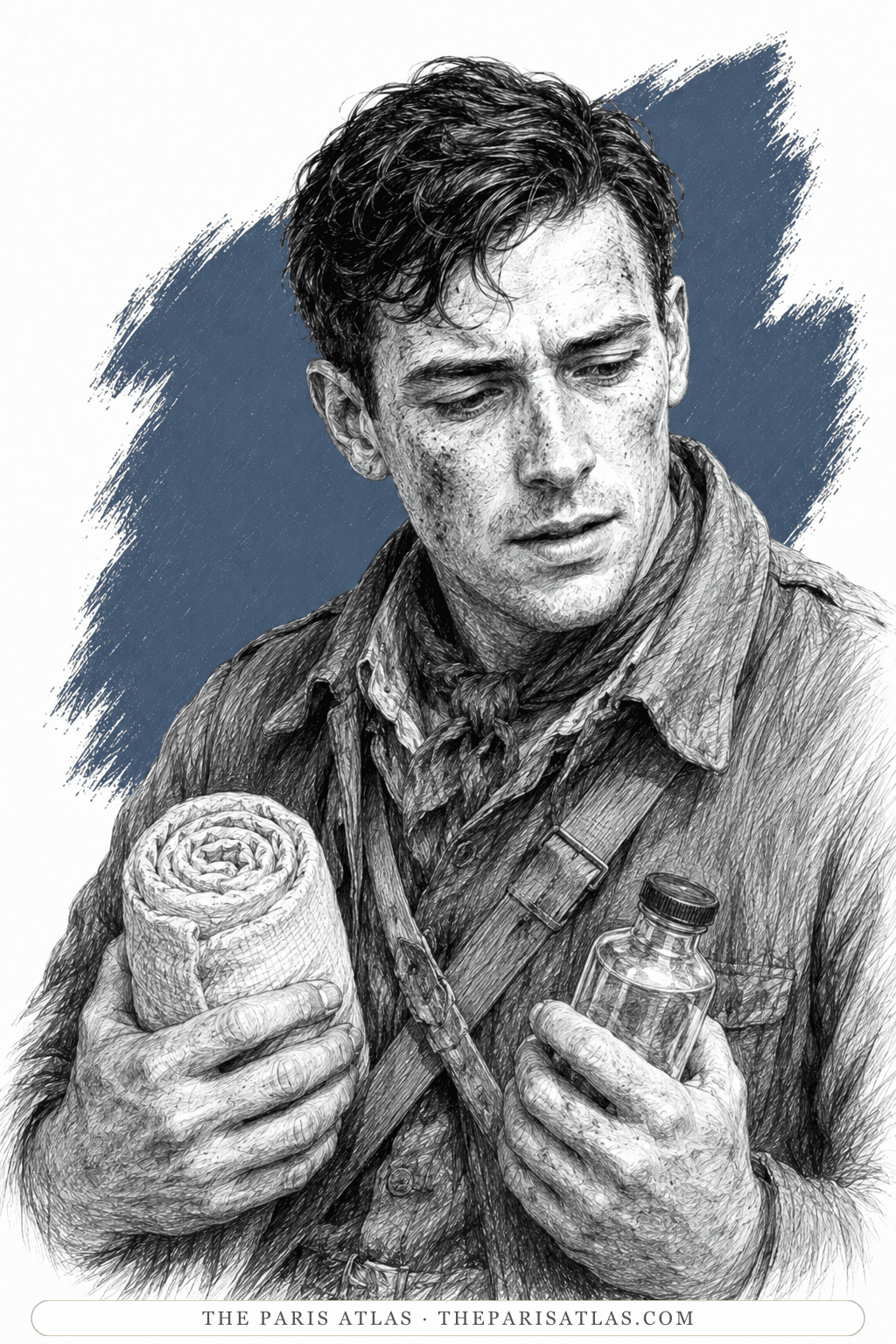
The stretcher-bearer of Orwell's unit, who arrived with a bandage and one of the small bottles of alcohol issued for field dressings within a minute of the sniper's bullet going through Orwell's throat.
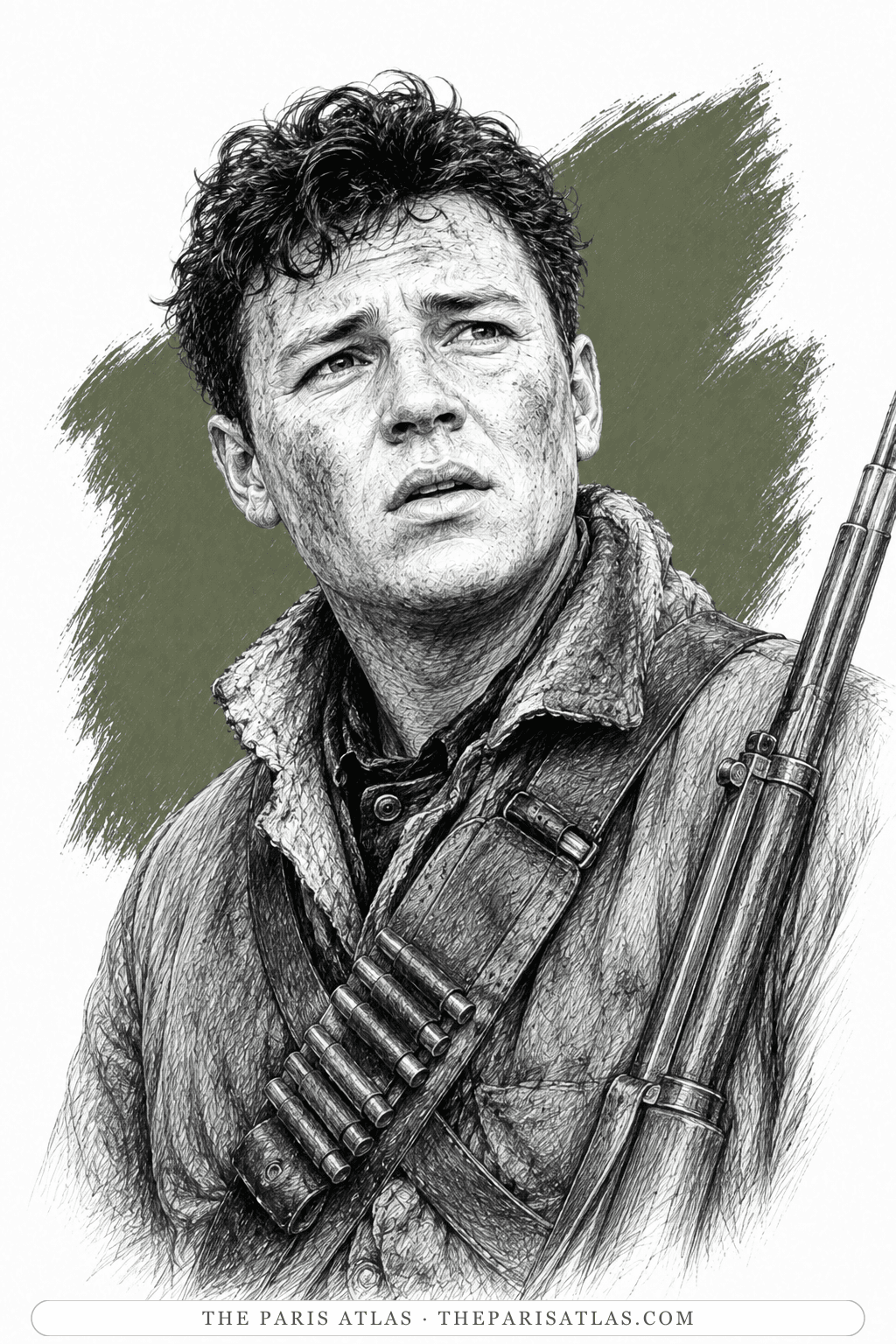
A moonfaced peasant lad in Orwell's part of the line who could not follow the elevated double password of the night, asked what heroica meant, was told it meant the same as valiente, and answered the sentry's challenge with the wrong word. The sentry fired and missed.
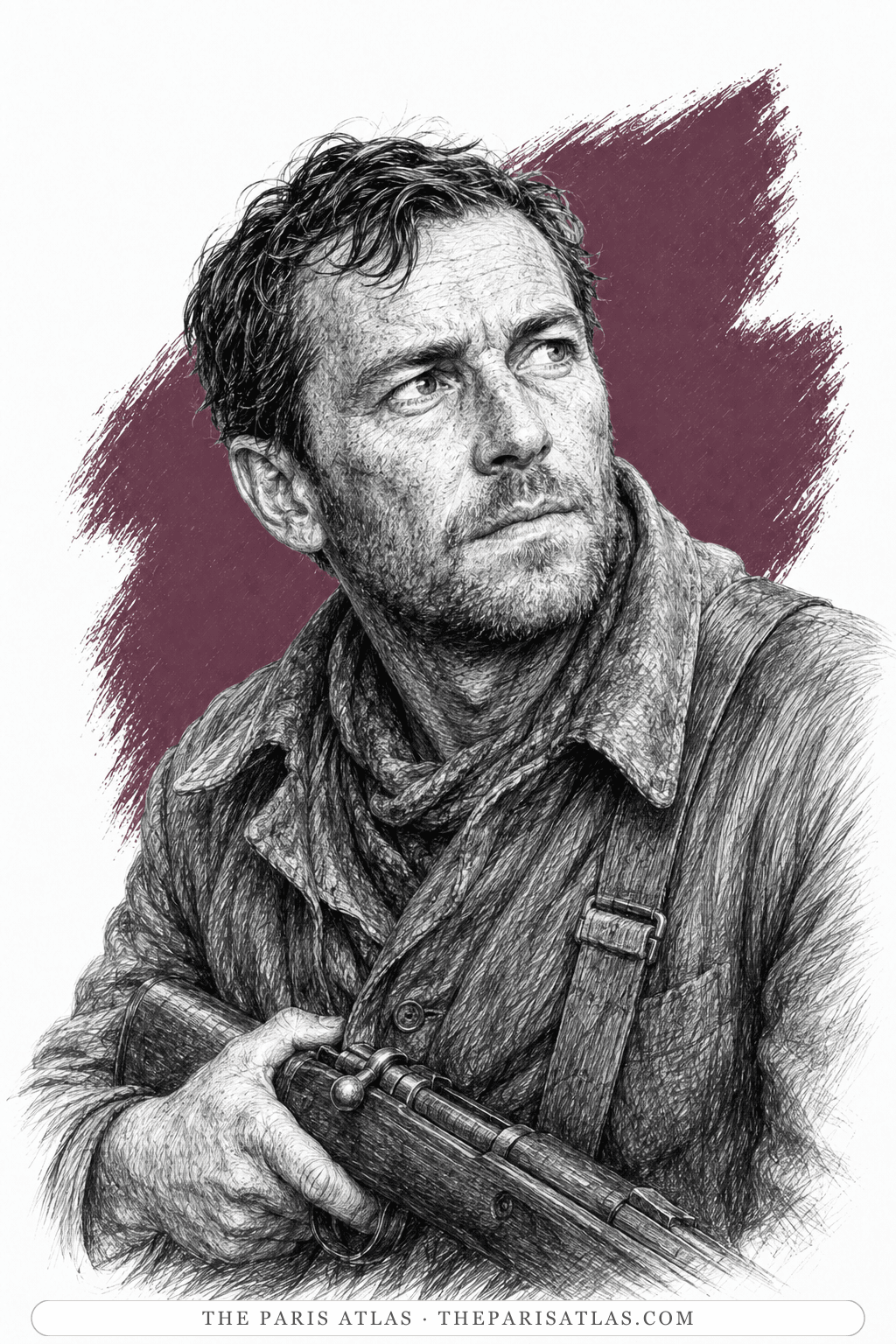
One of the I.L.P. contingent, and part of the clearest picture Orwell keeps from Monte Oscuro: himself, Edwards, Kopp and three Spaniards hidden in low fir-trees, watching a line of Fascists climb the grey hill opposite like ants, and Kopp thumbing his nose at a bugle-call.
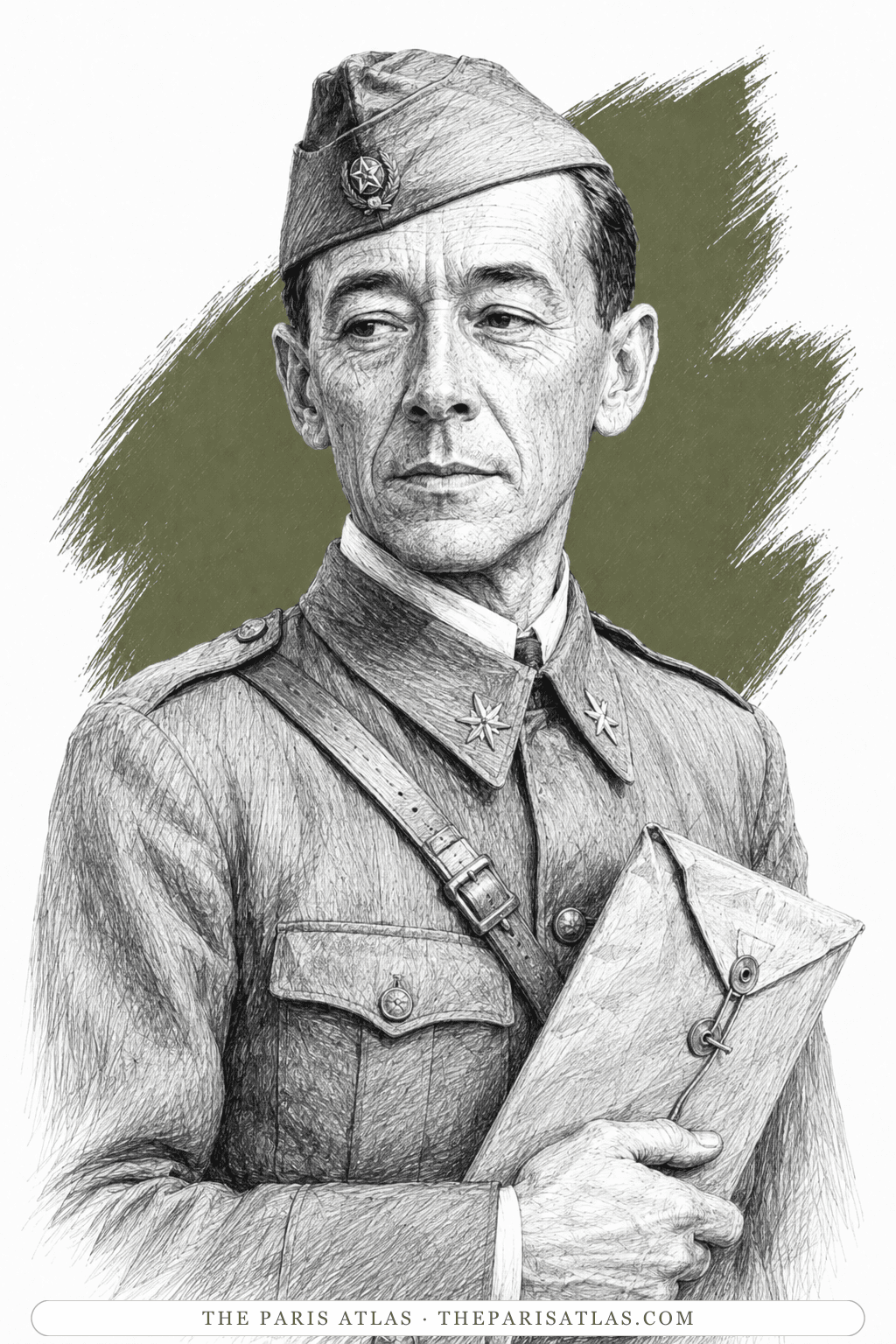
A colonel's aide-de-camp in Barcelona, a little slip of an officer in smart uniform with large squinting eyes, who heard out a hoarse foreigner asking for a confidential letter back on behalf of a P.O.U.M. major under arrest, and then went and got it. The handshake he offered afterwards is the moment George Orwell singles out from the whole of that week.
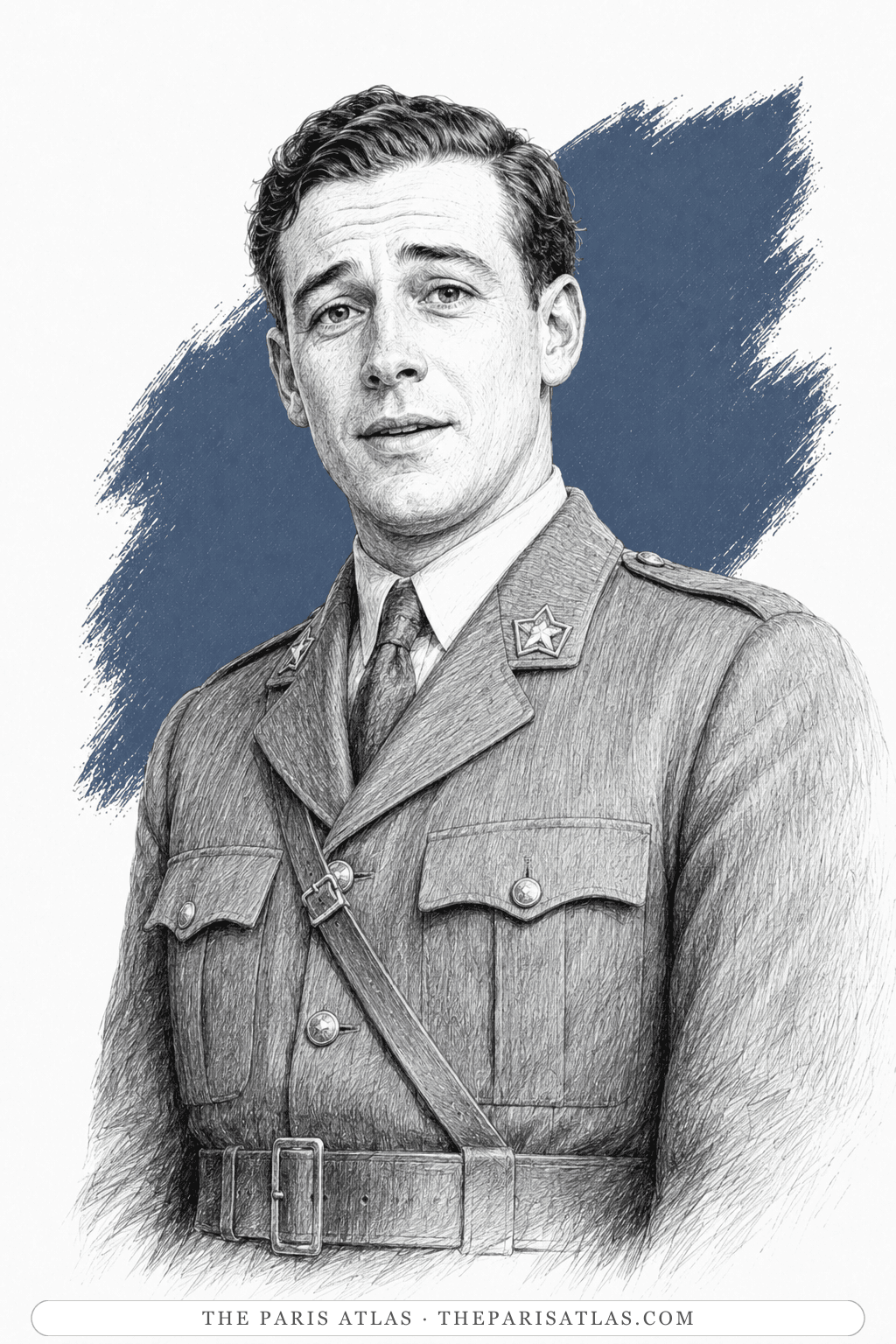
The Regular Army officer who drilled George Orwell's intake at the Lenin Barracks in Barcelona: stout, fresh-faced and pleasant, in a spick-and-span uniform, and a sincere Socialist who insisted on complete social equality between ranks. His recruits were boys of sixteen and seventeen and the instruction was parade-ground drill with no weapons in it.
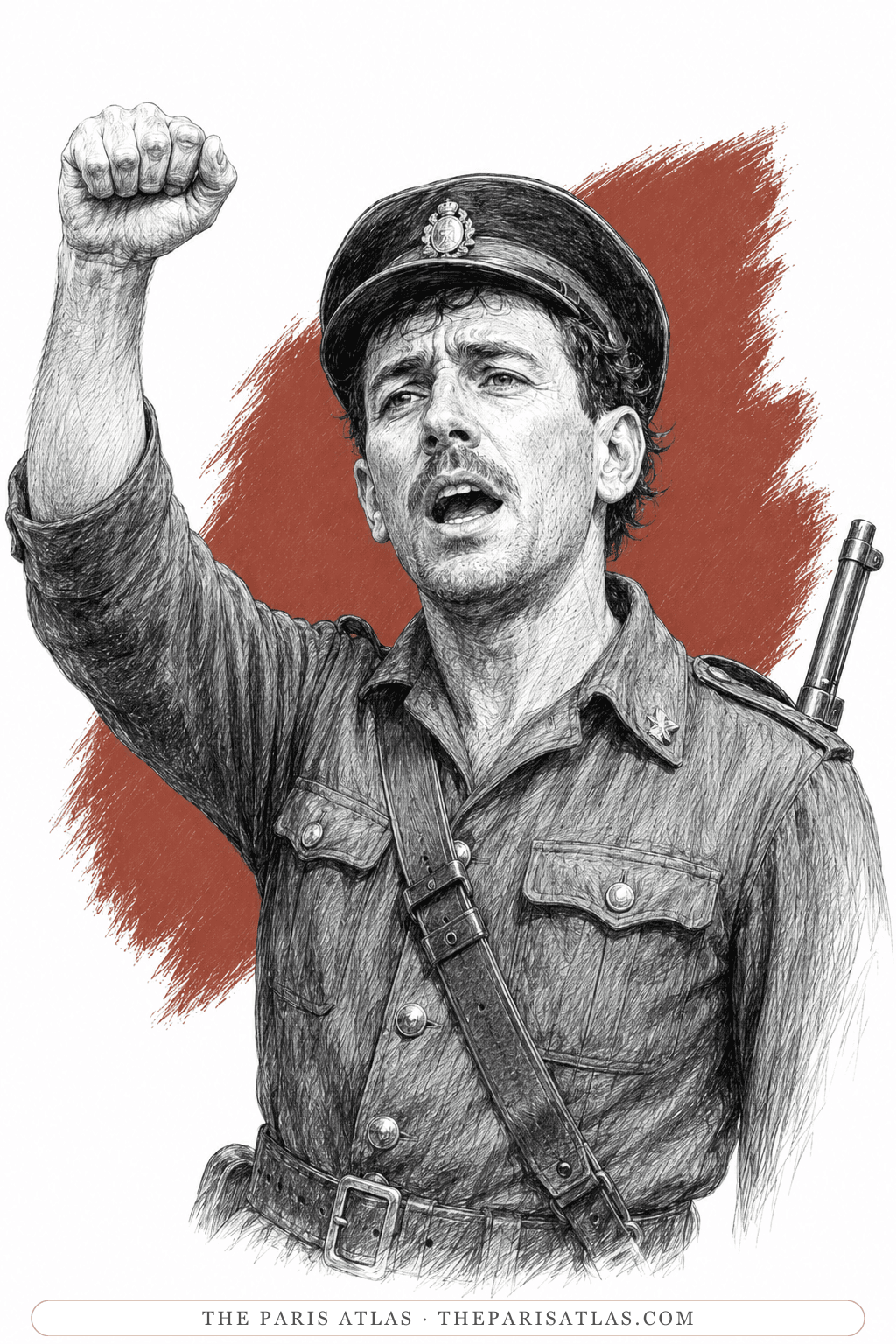
One of the Civil Guards holding the roof across the street during the Barcelona May fighting, and the only man on the other side of the barricade George Orwell speaks to. Orwell trained a rifle on him and shouted at him not to shoot; the answer was that he had been firing at somebody else, that they were only workers the same as us, and that the beer was all gone.
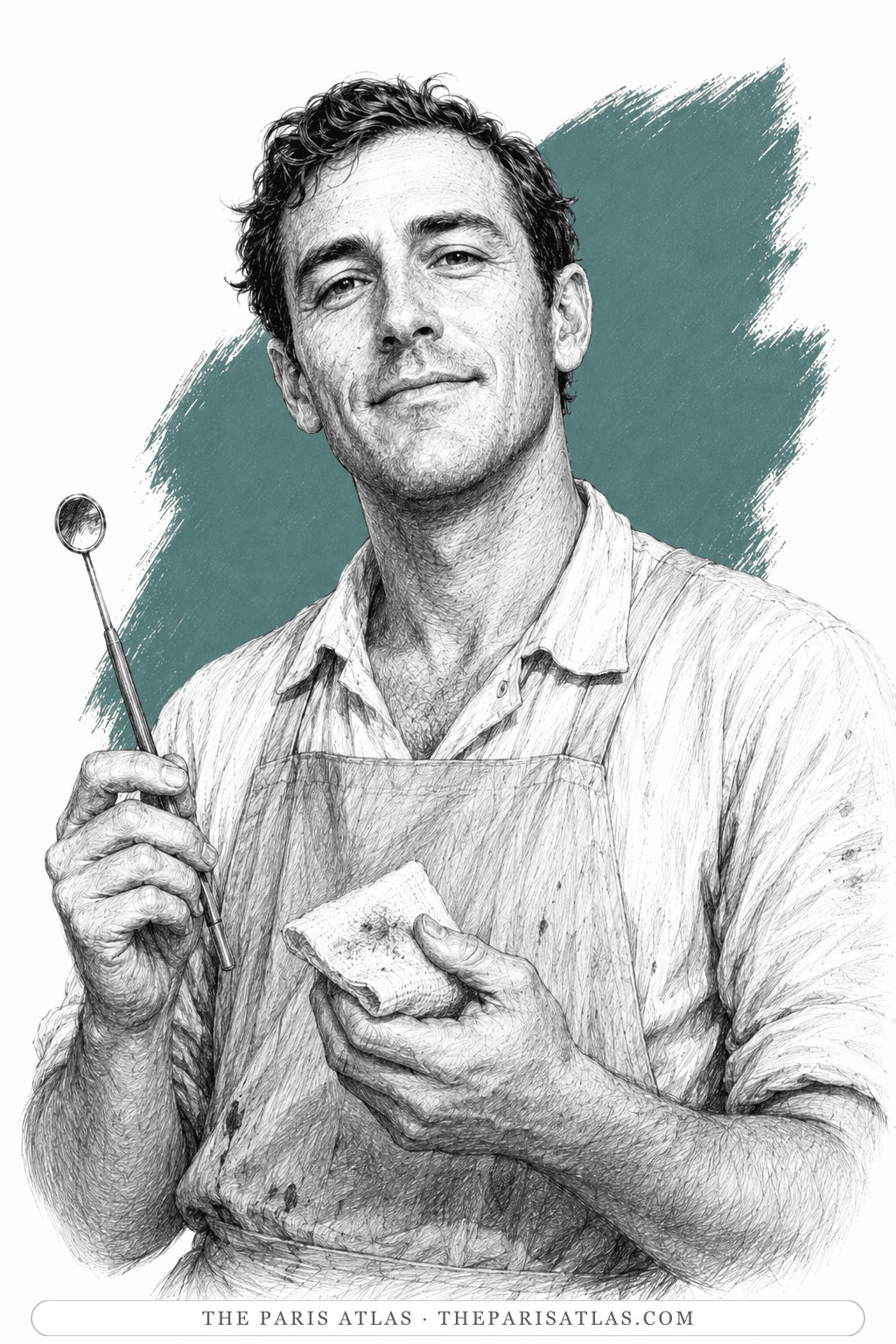
A brisk, handsome man of about thirty who examined George Orwell's throat wound eight or nine days after he was shot, told him one vocal cord was paralysed, and answered the question about when his voice would come back by saying cheerfully that it never would. He was wrong, as it turned out.
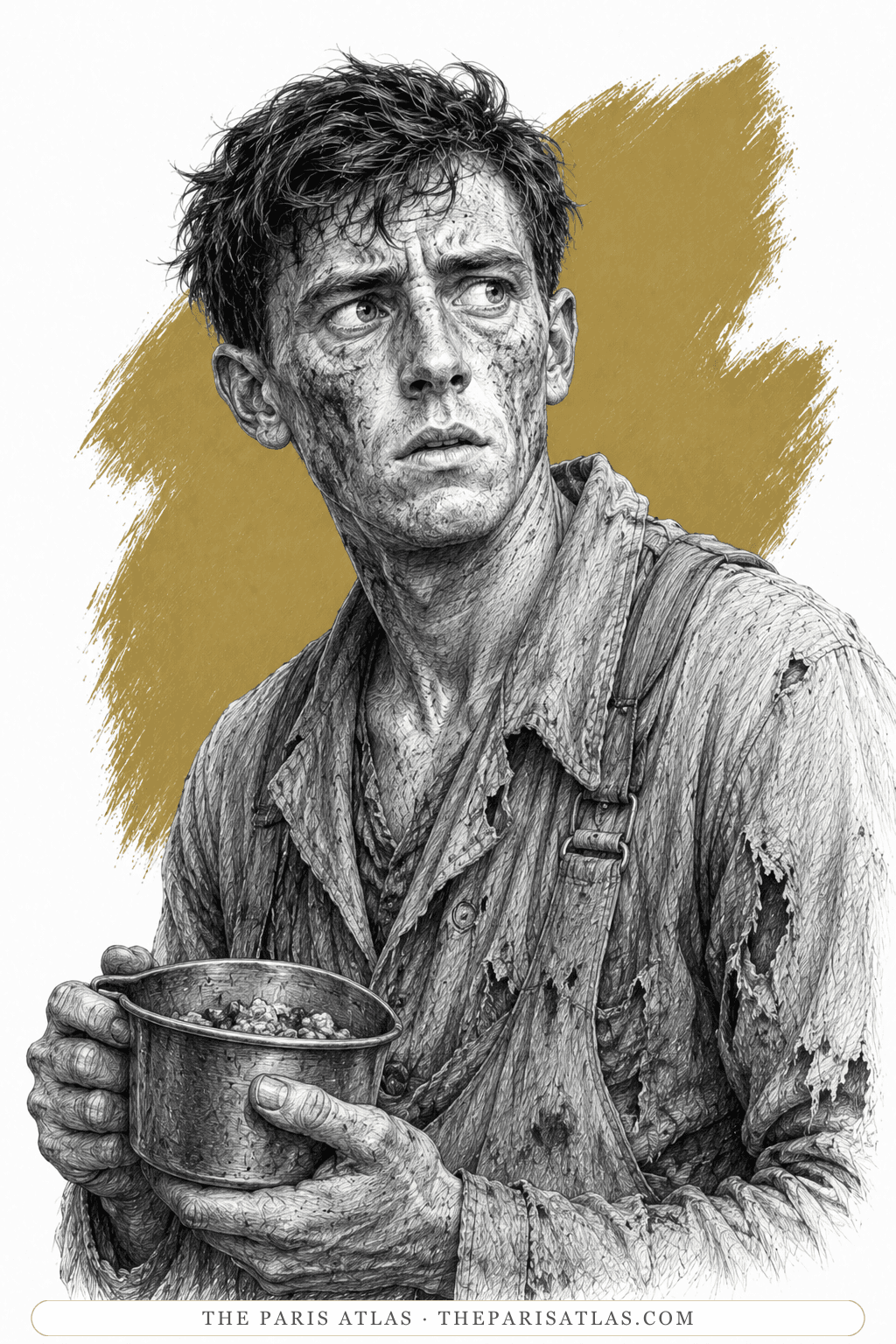
A tall boy of twenty, deeply windburnt and in rags, whom George Orwell watched being fed in a peasant's house at Alcubierre after crossing no man's land. He ate a pannikin of stew at desperate speed while his eyes went round the ring of militiamen watching him, still half believing they were going to shoot him when he had finished.
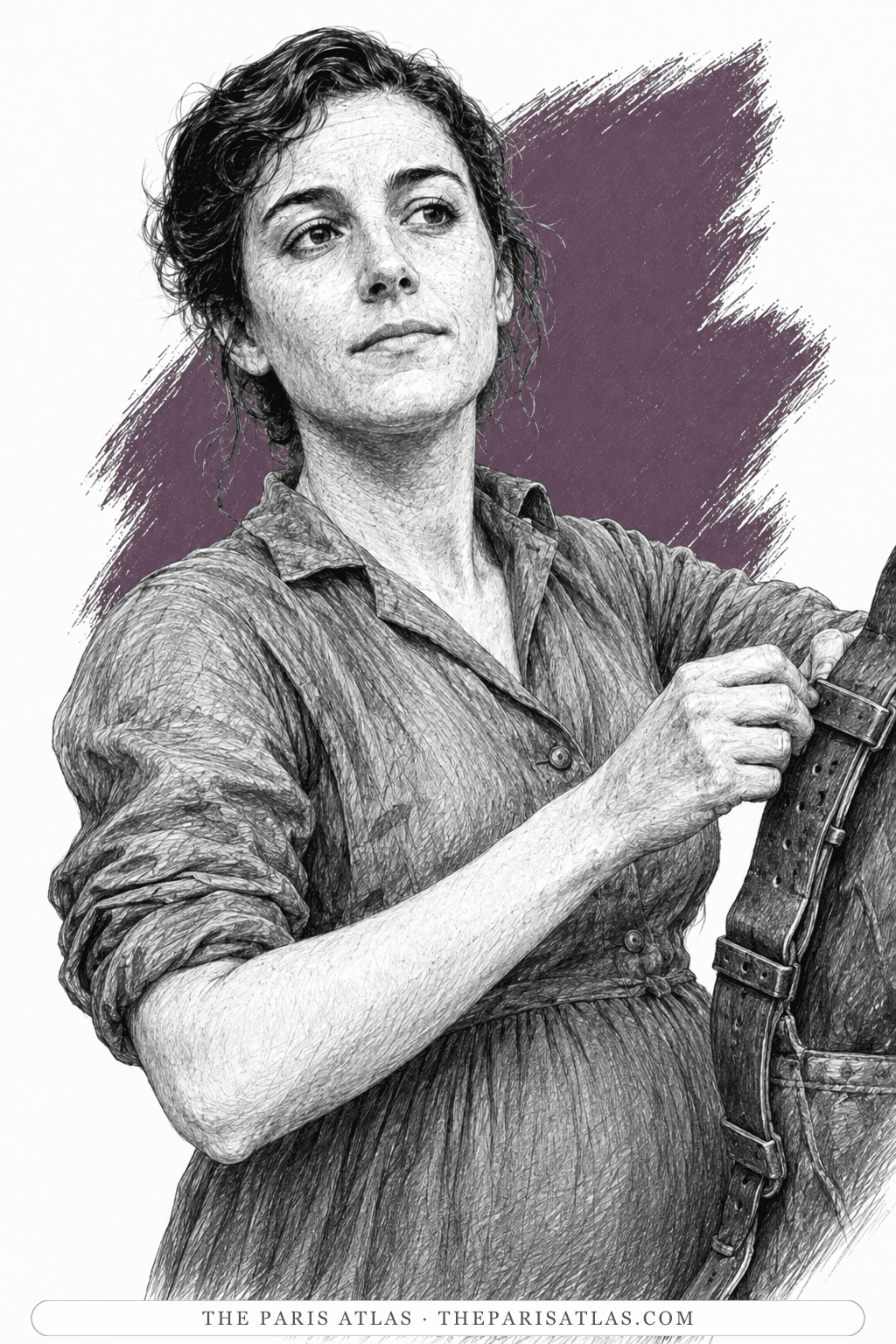
The Spanish wife of Williams, the other English militiaman, who showed George Orwell how to put on his cartridge-boxes at the Lenin Barracks. He describes her as a gentle, dark-eyed, intensely feminine creature who looked as though her life-work was to rock a cradle, and adds that she had fought in the Barcelona street battles of July.
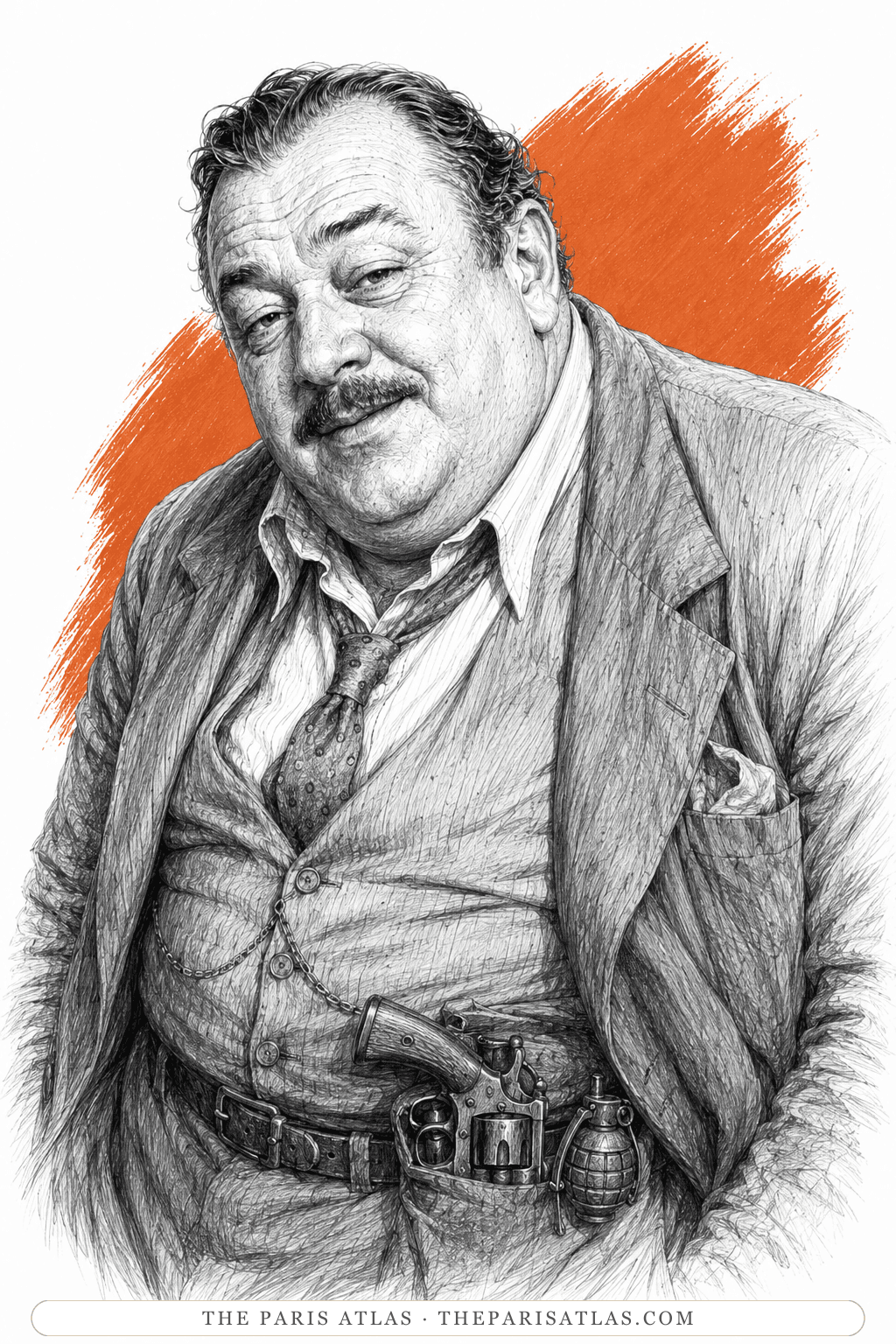
A fat, sinister-looking Russian at the Hotel Continental during the May fighting, said to be an agent of the Ogpu and nicknamed Charlie Chan by the guests. He wore a revolver and a neat little bomb attached to his waist-band and worked through the foreign refugees in the hotel one at a time, explaining that the whole affair was an Anarchist plot. George Orwell notes that it was the first time he had seen someone whose profession was telling lies, unless journalists are included.
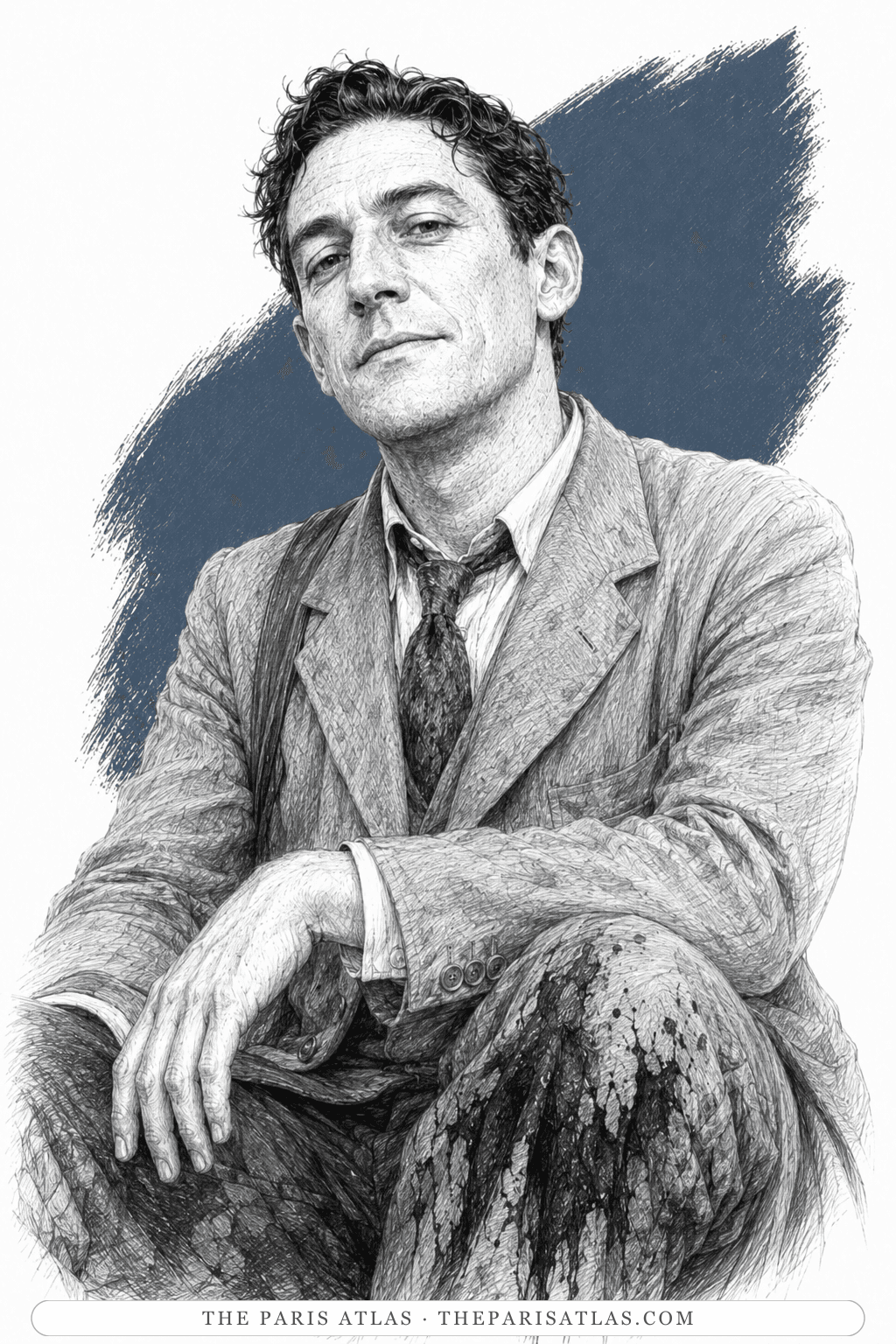
An Italian journalist and a great friend of George Orwell and his wife, who came into the Hotel Continental during the May fighting with his trousers drenched in blood. He had gone out to see what was happening, had stopped to bind up a wounded man on the pavement, and someone had playfully tossed a hand-grenade at him. His remark afterwards was that the Barcelona paving-stones ought to be numbered, to save trouble in building and demolishing barricades.
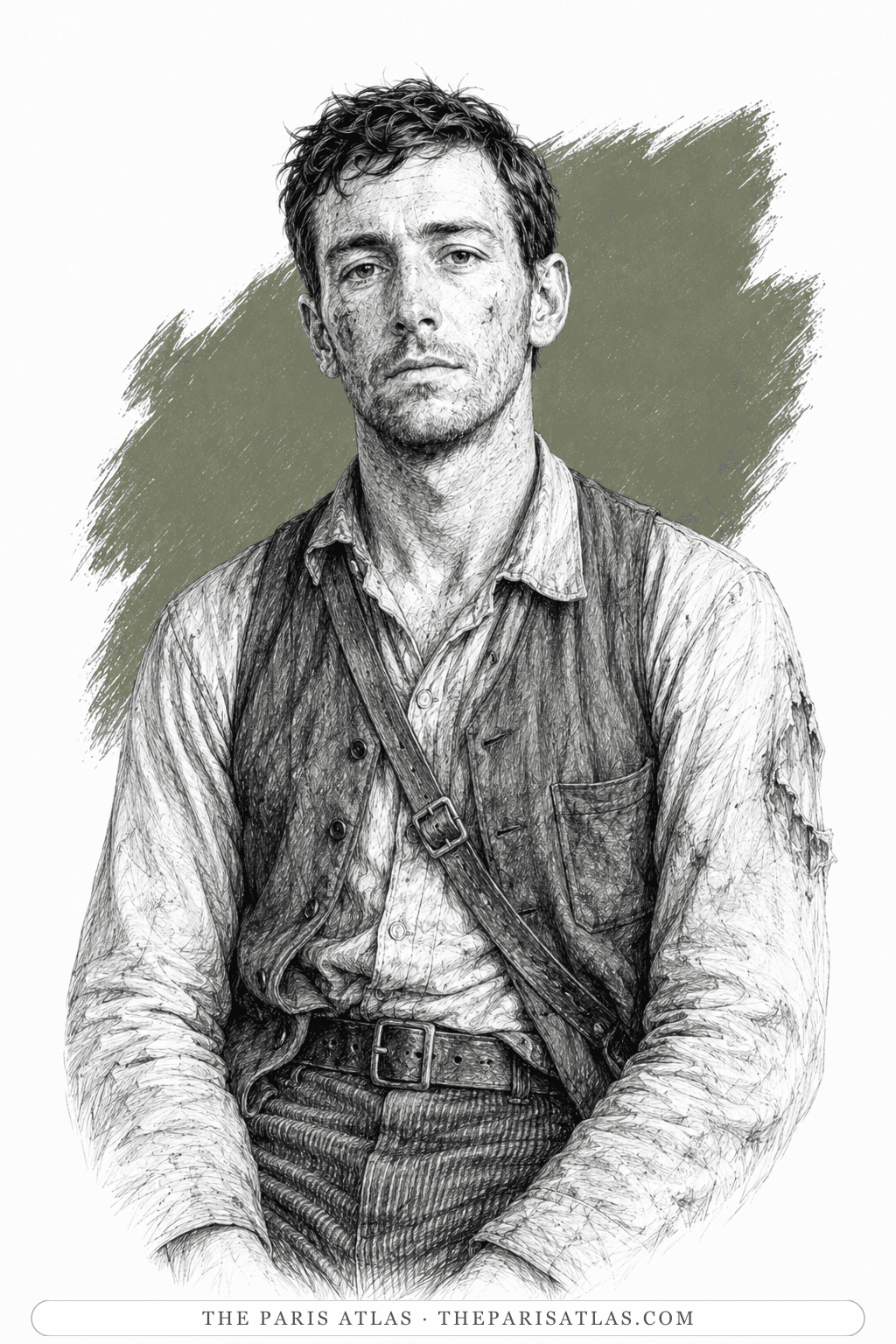
A militiaman George Orwell had known for months, had shared a dug-out with, and who had helped carry him down the line when he was wounded. He had left for home days earlier with his papers in order and had been arrested at the frontier anyway, still wearing corduroy breeches and so identifiable as a militiaman. When they met inside the Barcelona jail they walked past one another as total strangers, because the guards were watching and recognising people was dangerous. Orwell calls it dreadful.
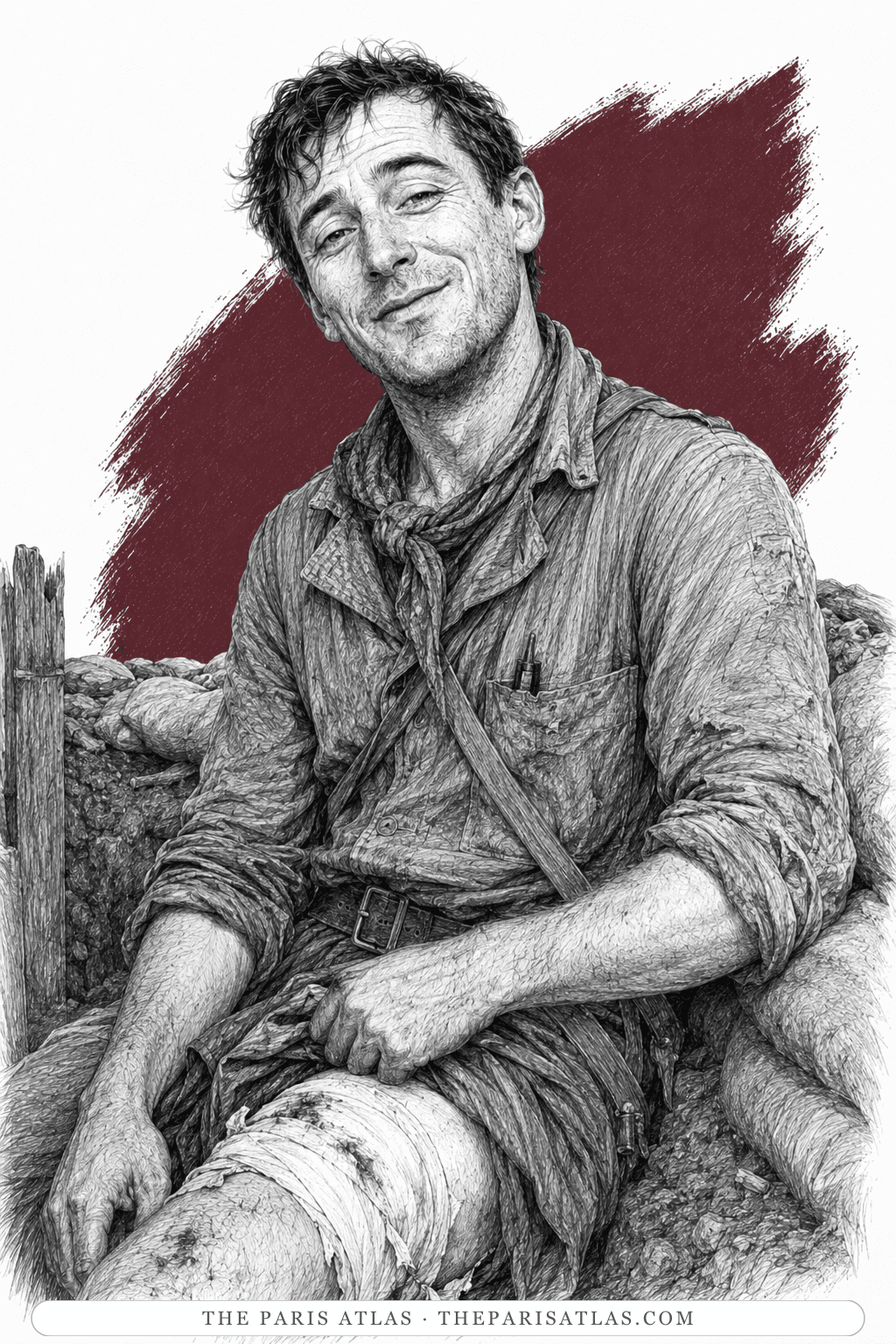
One of the I.L.P. contingent, wounded in the attack outside Huesca by a bullet through the top of the thigh, which, as he said afterwards, was nearer to being a D.S.O. than he cared about.
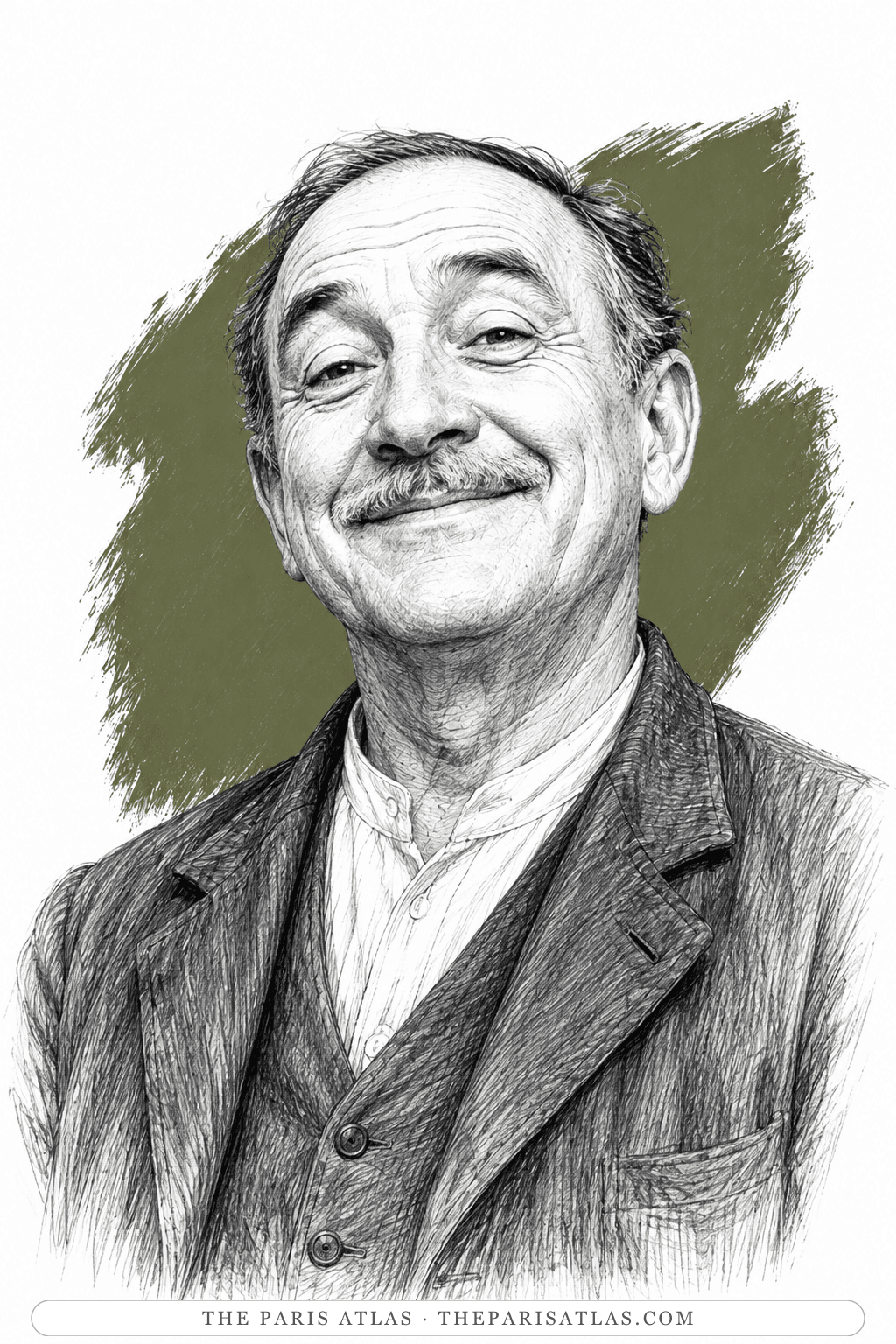
The little man who looked after the museum above the Poliorama, where George Orwell spent three days of the May fighting on the roof. He seemed to regard the whole affair as a social occasion, was delighted to have the English visiting him, said the English were so simpático, and hoped they would all come and see him again when the trouble was over. Orwell did go back.
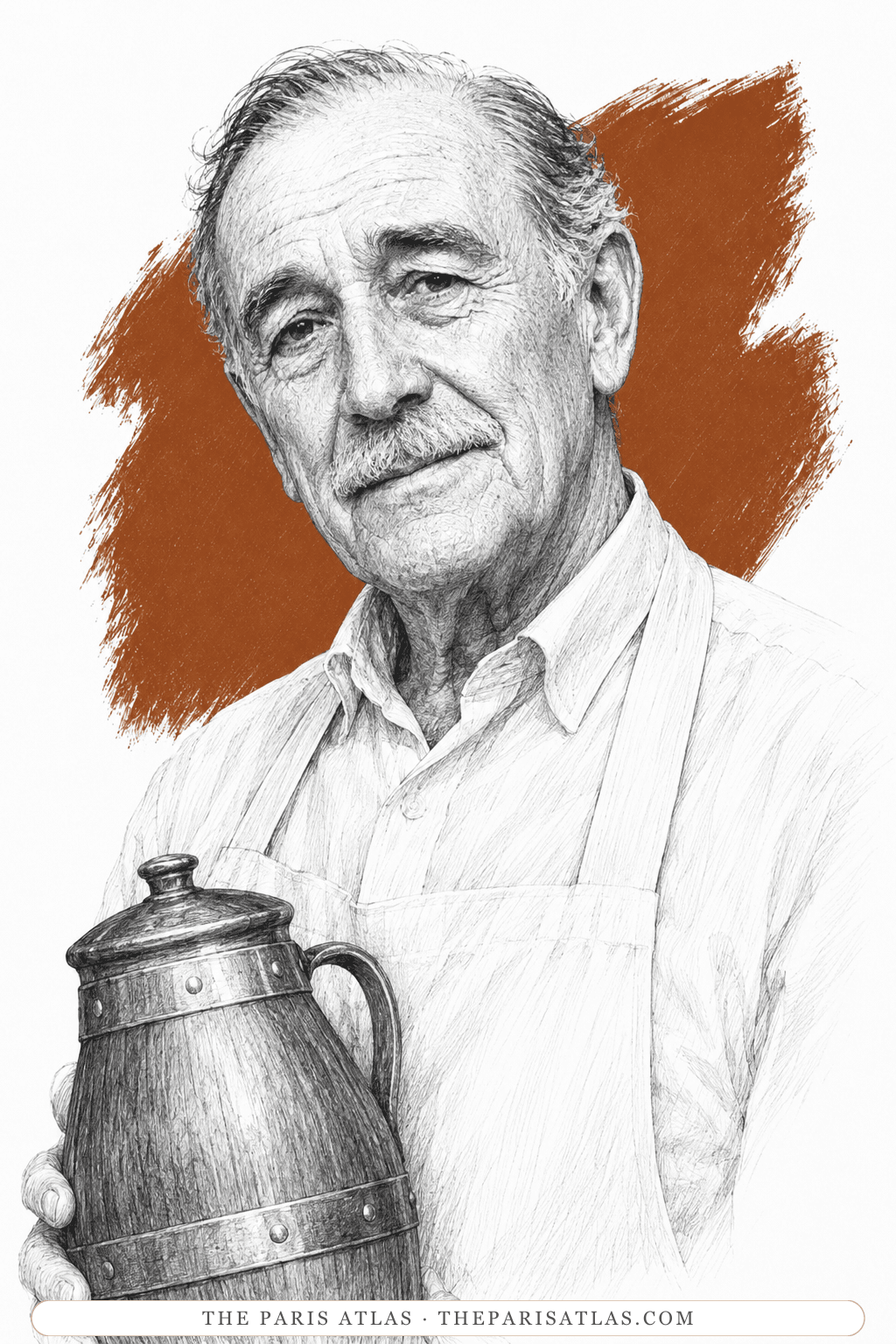
The waiter George Orwell talked to over dinner on his last quiet evening in Barcelona, about the copper-bound oak jugs the wine was served in. Orwell wanted to buy a set to take to England; the waiter said nobody made them any longer, nobody was manufacturing anything, and that the war was such a pity. He asked gently whether Orwell had liked Spain and whether he would come back. Orwell records the peacefulness of the conversation because of what happened when he reached his hotel immediately afterwards.
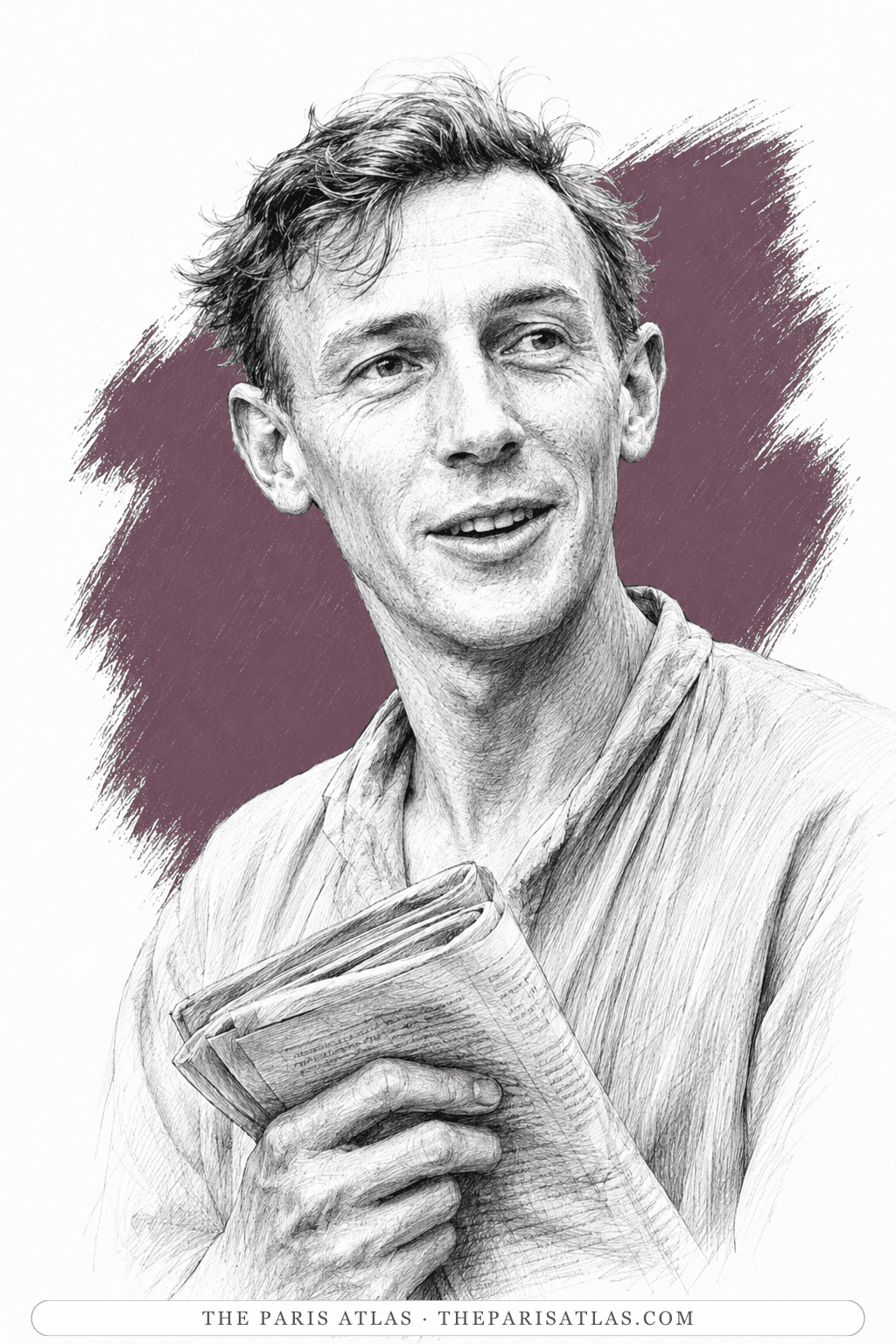
An English-speaking Dutch Communist in the hospital at Lérida who heard there was an Englishman on the ward and befriended George Orwell, bringing him English newspapers. He had been terribly wounded in the fighting of October 1936, had settled at the hospital and married one of the nurses, and one of his legs had shrivelled until it was no thicker than Orwell's arm.
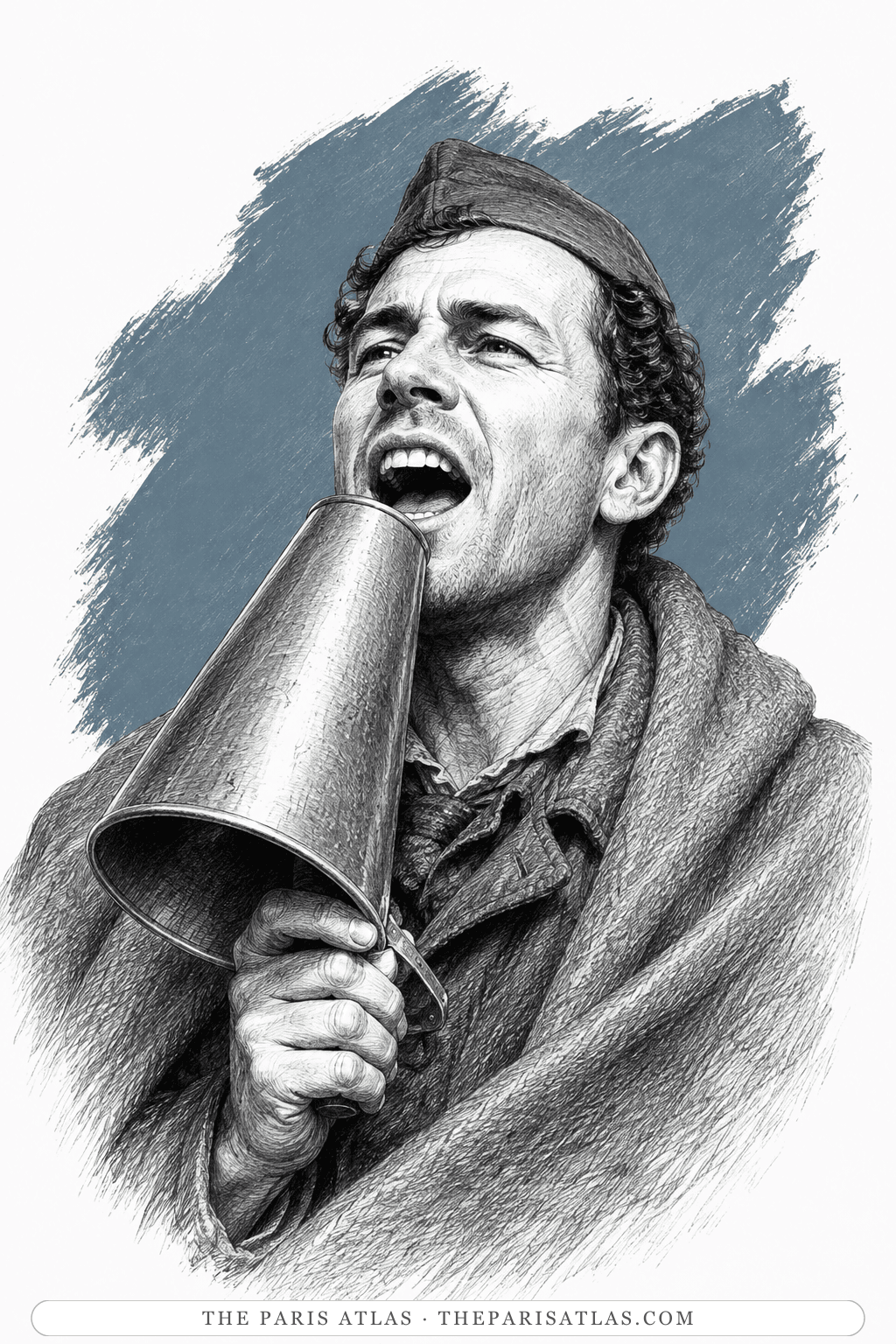
The militiaman down on the right whose job was to shout propaganda across no man's land at the Fascist trenches, and who George Orwell says was an artist at it. Instead of revolutionary slogans he told the enemy how much better the Government fed its men, and his account of the rations was a little imaginative: buttered toast, lovely slices of buttered toast, echoing across the valley on a freezing night. Orwell knew he was lying and says it made his own mouth water.
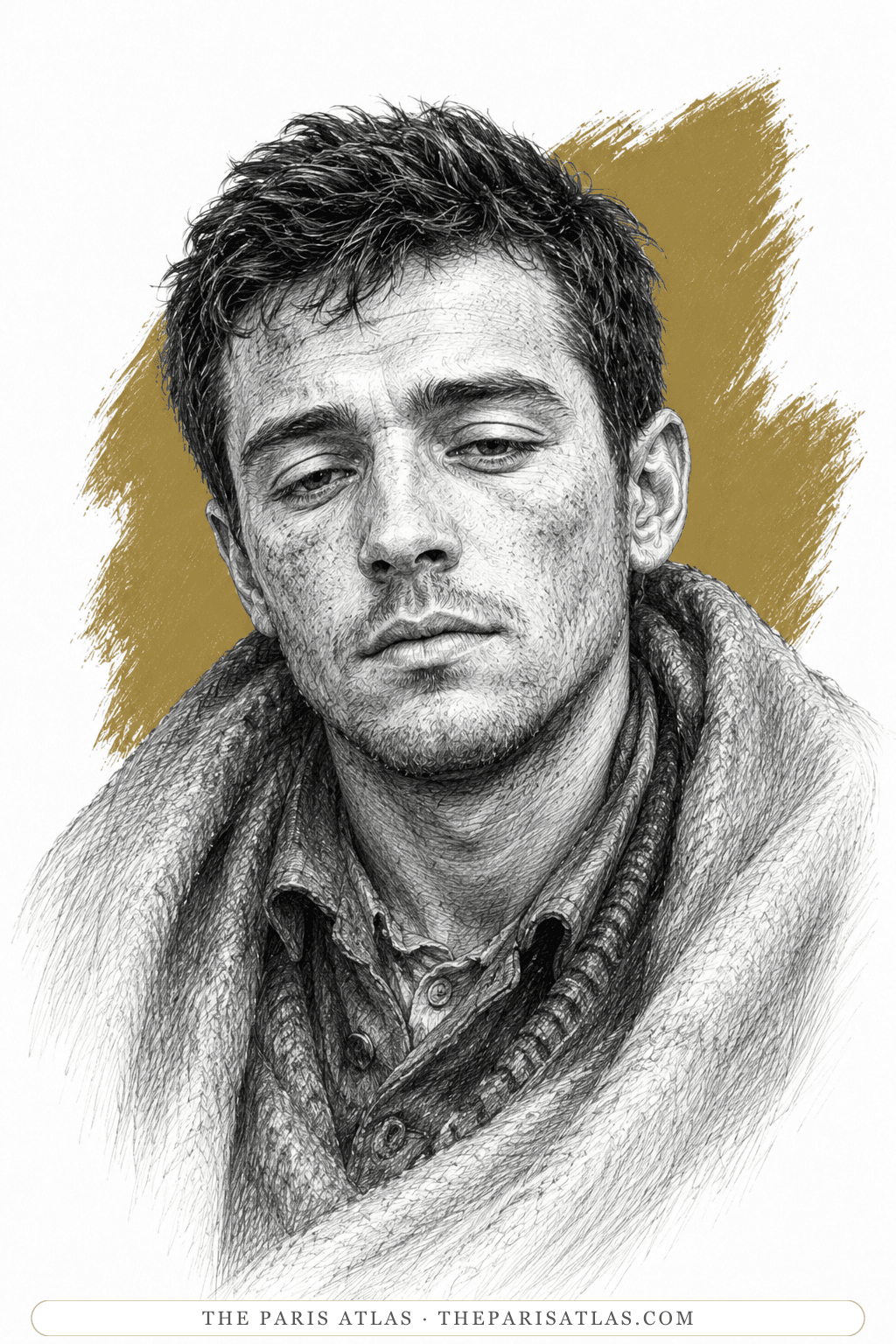
Williams's brother-in-law, the one Spaniard among the thirty-odd English at Monte Oscuro, and the man whose nose is flattened between George Orwell's shoulder-blades in the passage remembering the dug-out at Monte Pocero, where a ledge of limestone served as a bed.
December 1936
Orwell reaches Barcelona intending to write newspaper articles and joins the P.O.U.M. militia at the Lenin Barracks within days.
January–February 1937
The Aragón front: Monte Pocero, then Monte Oscuro within sight of Zaragoza. He is issued a German Mauser dated 1896 and fires three shots at the enemy in nearly three weeks.
February 1937
The P.O.U.M. troops in the sector are moved to the army besieging Huesca.
April 1937
A night raid on a Fascist redoubt outside Huesca. Orwell leaves the line on 25 April after a hundred and fifteen days and reaches Barcelona the next afternoon.
3–7 May 1937
Armed police seize the Barcelona Telephone Exchange and the city fights. Orwell spends most of it guarding the P.O.U.M. offices from the roof of the Poliorama cinema. The official figure is four hundred killed and about a thousand wounded.
May 1937
Back at the Huesca front, a sniper shoots him through the throat. He is passed down the hospital chain to Lérida and Tarragona and later declared medically useless.
15–16 June 1937
Andrés Nin is arrested in his office and the P.O.U.M. is declared illegal. Georges Kopp is arrested on his way to an engineering post at the front. Bob Smillie dies in prison in Valencia.
Late June 1937
After five nights sleeping in the street, Orwell crosses into France by train with his wife, John McNair and Stafford Cottman.
April 1938
Secker & Warburg publishes the book in London, Victor Gollancz having declined it.
1952
The first American edition appears from Harcourt, Brace, with an introduction by Lionel Trilling, two years after Orwell's death.

Spain is where he watched a revolution be rewritten while it was still happening. The fable is the same events with the names changed to animals.
Read our take
The newspapers describing battles that never happened, and men becoming unpersons, are in this book as reporting before they are in that one as fiction.
Read our take
Written and delivered immediately before he went to Spain. The two together are his whole political education in eighteen months.
Read our takeIt is George Orwell's first-hand account of the six months he spent in Spain during the Spanish Civil War, from December 1936 to June 1937. He served as a militiaman on the Aragón front, was in Barcelona during the street fighting of May 1937, was shot through the throat, and left the country in hiding after the party whose militia he had joined was outlawed.
Yes. Orwell presents it as his own experience, written within a year of the events, and names the people he served with. He is also unusually careful about its limits: he warns readers about his own partisanship and mistakes of fact, and errata notes found in his papers after his death correct several details, including his use of "Civil Guards" where he should have written "Assault Guards".
Yes. A sniper hit him through the throat at five in the morning at the corner of the parapet on the Huesca front in May 1937, about ten days after he returned from leave. The bullet missed the artery and paralysed one vocal cord. A doctor told him cheerfully that he would never get his voice back; it returned about two months later when the other cord compensated.
The P.O.U.M. was a small Spanish left-wing party with an armed militia, and Orwell served in that militia without ever joining the party. On 16 June 1937 it was declared illegal and its offices, sanatoria and bookstalls were seized; its leader Andrés Nin had been arrested the previous day and was never seen alive again. Hundreds of members and militiamen were jailed, most of them, Orwell writes, without ever being charged.
Because Orwell asked for them. The book as published in 1938 has fourteen chapters, two of which — the fifth and the eleventh — leave the narrative to explain the politics behind the Republican lines. He later wanted both moved to the end, and editions based on Peter Davison's rearranged text print twelve chapters and two appendices instead. Both versions are in print, and it is worth checking which one you have.
Orwell says no. He opens the first of them by telling anyone uninterested in the horrors of party politics to skip, and repeats the invitation before the second. The narrative works without them. They are also where he sets the newspaper accounts of the Barcelona fighting against one another, which is a large part of why the book is still argued about.
A Belgian engineer who commanded Orwell's unit in the P.O.U.M. militia and became his friend. During the May fighting in Barcelona he stopped a grenade fight by laying down his pistol and walking unarmed up to the police barricaded in the café next door. He was arrested in June 1937 while carrying orders to the front, and was still in prison, untried and uncharged, when Orwell finished the book.
Explore authors with a similar voice, perspective, and influence.

The Brooklyn dropout who arrived in Paris broke at thirty-eight and wrote the exuberant, banned books that ended American censorship.
View author
The doctor of the Paris slums who wrote the century's blackest, funniest novel — and changed the sound of French prose.
View author
French writer and philosopher whose novels, memoirs, and social analysis examined freedom, gender, responsibility, aging, and the material conditions that shape a life.
View authorThe sources below include the primary text, editions, scholarship, archival materials, and other records that informed this page. They document Homage to Catalonia, its publication, and its place in literary history.

Public transcription used for chapter 3's firewood and militia passages and chapter 10's Café Moka truce and gift to Kopp. These are readings of Orwell's account, not independent verification of every incident or a collation of the 1938 edition.
A work-specific source used for Homage to Catalonia's publication history, textual context, or critical reception.
Used for independent biographical, archival, or historical context surrounding George Orwell's career and the period in which Homage to Catalonia appeared.

Used to cross-check authorship, chronology, and the work's place in George Orwell's wider catalogue.
Used to verify George Orwell's bibliography and place Homage to Catalonia within the broader chronology of George Orwell's career.
The primary text is the baseline reference for every book page. Additional references document publication history, interpretation, and historical context where that evidence is available.
 Explore more resources