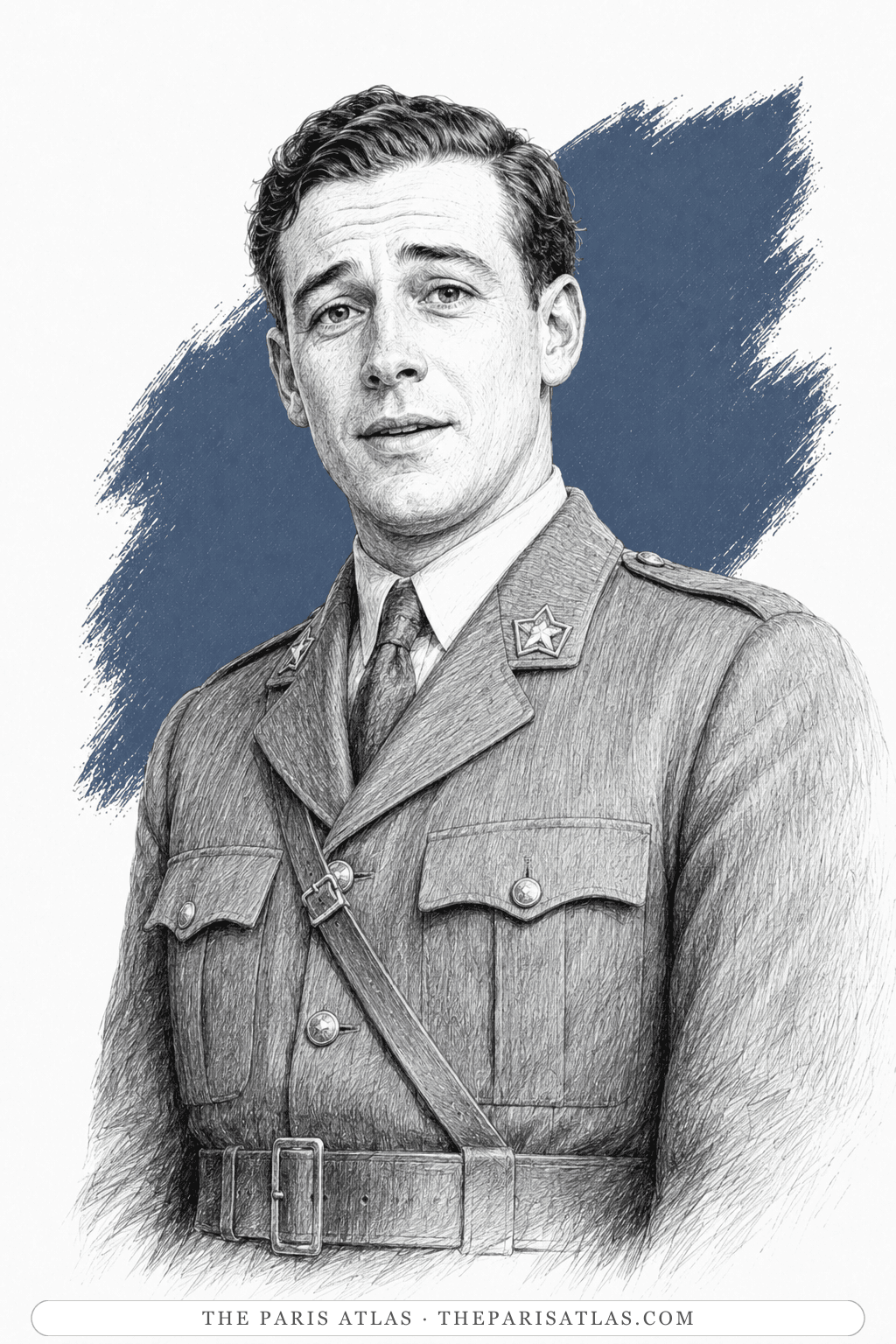
The lieutenant at the Lenin Barracks
The Regular Army officer who drilled George Orwell's intake at the Lenin Barracks in Barcelona: stout, fresh-faced and pleasant, in a spick-and-span uniform, and a sincere Socialist who insisted on complete social equality between ranks. His recruits were boys of sixteen and seventeen and the instruction was parade-ground drill with no weapons in it.
In Orwell's account he wants an army in which nobody is called Señor. He puts more weight on equality of rank than his own recruits do, and has no weapons to teach them with either way.
The book

At a glance
- The officer who instructed Orwell's intake at the Lenin Barracks
- A former Regular Army officer, and a convinced Socialist
- Chapter 1
Who they are in the book
Spoiler-freeGeorge Orwell's first military training in Spain was conducted by a man who had been a Regular Army officer and still looked like one, with a smart carriage and a spick-and-span uniform. Orwell describes him as stout, fresh-faced and pleasant, and adds that, curiously enough, he was a sincere and ardent Socialist who insisted on complete social equality between all ranks even more than the men did.
The recruits were mostly boys of sixteen or seventeen from the back streets of Barcelona, full of revolutionary ardour and completely ignorant of what war was. Discipline did not exist. It was impossible to get them to stand in line, and a man who disliked an order would step out of the ranks and argue about it. Orwell reports his pained surprise when one of them addressed him as Señor: what, Señor, who is calling me Señor, are we not all comrades? Orwell doubts it made the job any easier.
The instruction itself taught nobody anything. It was parade-ground drill of the most antiquated kind, right turn and left turn and marching in column of threes, which Orwell had already learned at fifteen. Nothing was taught about weapons; he never got near the machine-gun he had joined hoping to learn. Every request for training produced, in his words, a harassed smile and a promise. Orwell's point is not that the lieutenant was a fool but that the militia had no rifles to train with and no time in which to do it.
How The lieutenant at the Lenin Barracks Is Portrayed
- How the book describes himStout, with a high fresh colour and a pleasant manner, and young. Orwell gives no age in years, and nothing about his height or his hair.
- The uniformSmart carriage, spick-and-span uniform, and the look of the Regular Army officer he had been, in a barracks where nobody else looked like a soldier at all.
- "Are we not all comrades?"His reaction to being called Señor by a recruit: pained surprise rather than anger. Orwell records the line and doubts that it made his job easier.
- What he taughtRight turn, left turn, about turn, marching at attention in column of threes. Orwell calls it an extraordinary form for the training of a guerilla army to take.
- The answer to every requestA harassed smile and a promise. The men asked to be shown how to use a weapon and were not, because there were no weapons to spare and no time.
- His classBoys of sixteen or seventeen from the back streets of Barcelona, full of revolutionary ardour, arguing with their officer whenever they disliked an order.
If you like Homage to Catalonia


If you like George Orwell
Explore authors with a similar voice, perspective, and influence.

Henry Miller
The Brooklyn dropout who arrived in Paris broke at thirty-eight and wrote the exuberant, banned books that ended American censorship.
View author
Louis-Ferdinand Céline
The doctor of the Paris slums who wrote the century's blackest, funniest novel — and changed the sound of French prose.
View author
Simone de Beauvoir
French writer and philosopher whose novels, memoirs, and social analysis examined freedom, gender, responsibility, aging, and the material conditions that shape a life.
View author