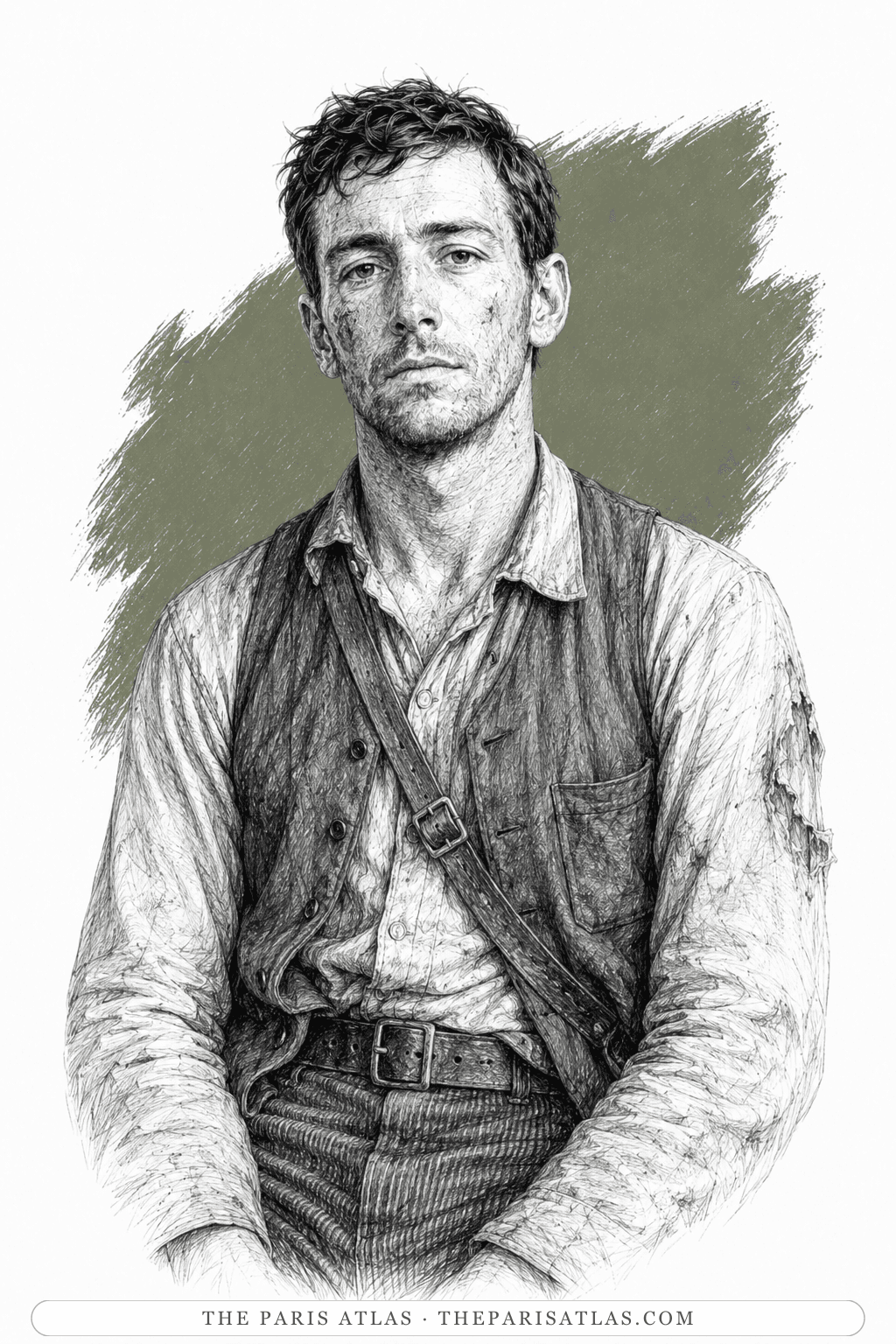
The American militiaman in the jail
A militiaman George Orwell had known for months, had shared a dug-out with, and who had helped carry him down the line when he was wounded. He had left for home days earlier with his papers in order and had been arrested at the frontier anyway, still wearing corduroy breeches and so identifiable as a militiaman. When they met inside the Barcelona jail they walked past one another as total strangers, because the guards were watching and recognising people was dangerous. Orwell calls it dreadful.
The book

At a glance
- An American volunteer in the P.O.U.M. militia, from Orwell's own unit
- Never given, and no description either
- At the frontier, on his way home, in June 1937
- Chapter 14
Who they are in the book
Spoiler-freeThis man is never named. He was an American who had come to Spain to fight for the Republic against General Franco's army revolt, and he served in the same volunteer column as George Orwell: the militia of the P.O.U.M., a small revolutionary socialist party. Orwell had known him for months. They had shared a dug-out, and when Orwell was shot through the throat by a sniper at the front the American was one of the men who helped carry him down the line.
On 16 June 1937 the Spanish government declared the P.O.U.M. illegal and the police began arresting everyone connected with it, foreign volunteers included. The American had already left for home a few days earlier, and his papers were in good order. They arrested him at the frontier anyway. Orwell's explanation is that he was still wearing corduroy knee-breeches, which practically everyone in the militia wore, so that anybody could see what he had been doing.
Orwell and his wife found him a few days later. They had got a permit to visit Georges Kopp, the Belgian officer who had commanded their unit and who was by then in jail in Barcelona. The jail was the ground floor of a shop: two rooms about twenty feet square with close on a hundred people penned into them, a bare stone floor, one bench, a few ragged blankets and steel shutters drawn down over the windows. The American was the first person they saw inside. The two of them walked past one another as though they had never met.
Orwell explains why, and does not excuse it. Guards were watching who greeted whom, and simply visiting the jails too often was enough to mark you as a friend of the prisoners and get you arrested in your turn. "That was dreadful," he writes, and then sets down what he had walked past: a man he had known for months, shared a dug-out with, and been carried down the line by.
How The American militiaman in the jail Is Portrayed
- What he was to OrwellMonths in the same militia, a shared dug-out, and a share in carrying Orwell down the line the morning a sniper shot him through the throat. Orwell lists all three in a single sentence in the jail.
- Arrested with his papers in orderHe had left for home a few days before the P.O.U.M. was outlawed and was stopped at the frontier. Nothing was wrong with his documents. Orwell notes that at this point the law in Spain was in practice whatever the police decided it was.
- The corduroy breechesOrwell's reading of why he was picked up. Practically every man in the militia wore corduroy knee-breeches, so the trousers alone identified him as one, whatever his papers said.
- Walking past each otherThey passed as complete strangers in front of the guards. Orwell says flatly that it was the only thing to be done, that the guards were snooping everywhere, and that it would have been fatal to recognise too many people.
- Where they metA converted shop being used as a jail for political prisoners: two rooms of about twenty feet square, close on a hundred people inside, a bare stone floor, one bench, steel shutters over the windows, and revolutionary slogans scrawled on the walls.
If you like Homage to Catalonia


If you like George Orwell
Explore authors with a similar voice, perspective, and influence.
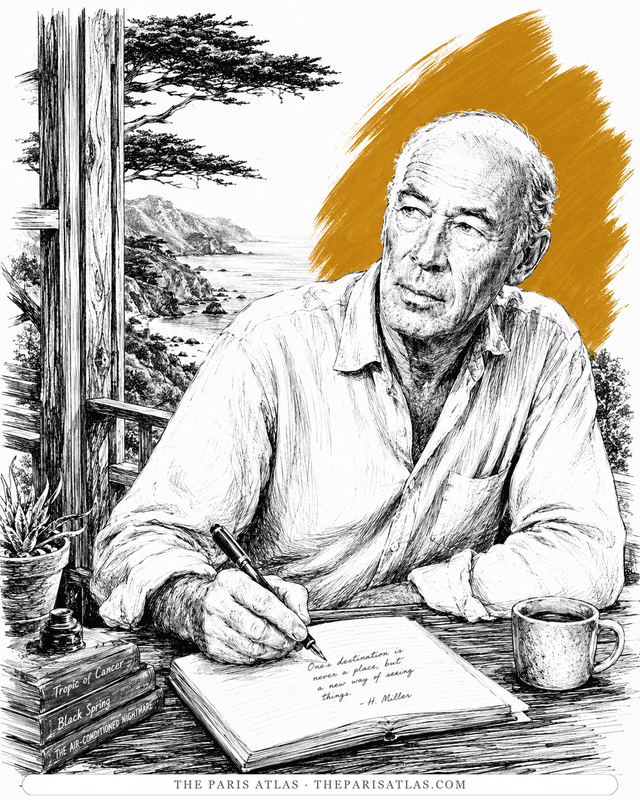
Henry Miller
The Brooklyn dropout who arrived in Paris broke at thirty-eight and wrote the exuberant, banned books that ended American censorship.
View author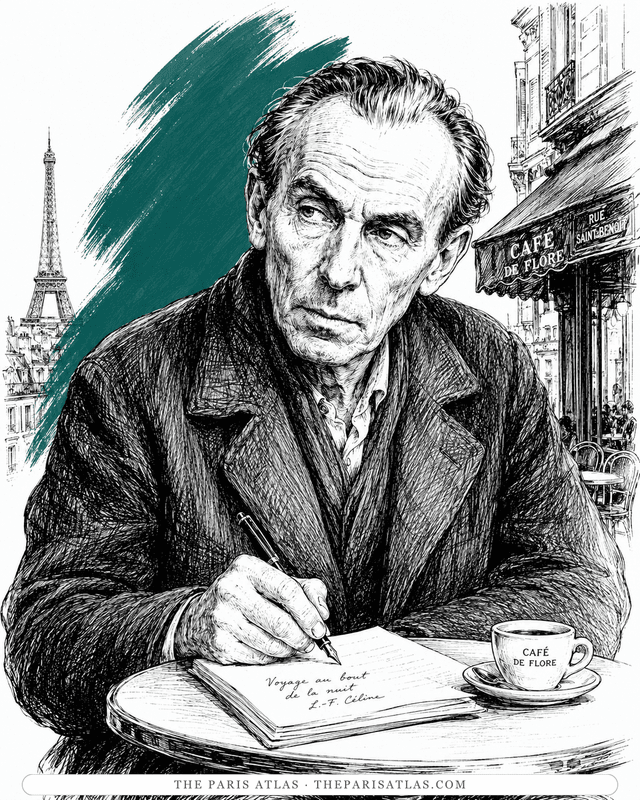
Louis-Ferdinand Céline
The doctor of the Paris slums who wrote the century's blackest, funniest novel — and changed the sound of French prose.
View author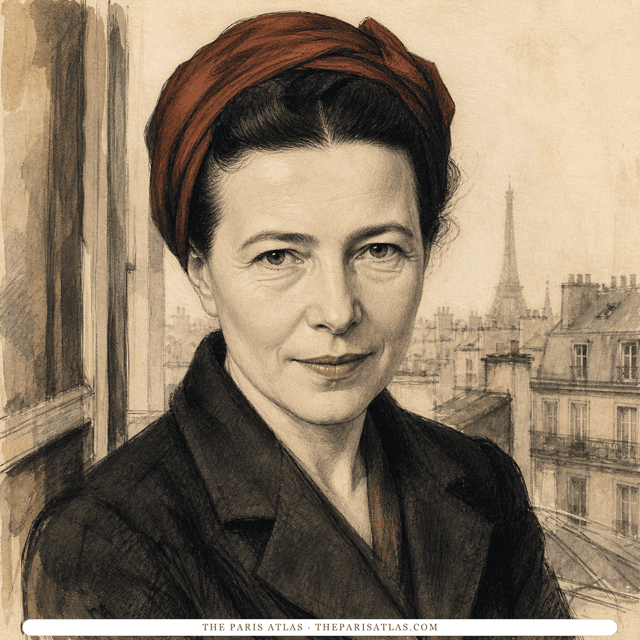
Simone de Beauvoir
French writer and philosopher whose novels, memoirs, and social analysis examined freedom, gender, responsibility, aging, and the material conditions that shape a life.
View author