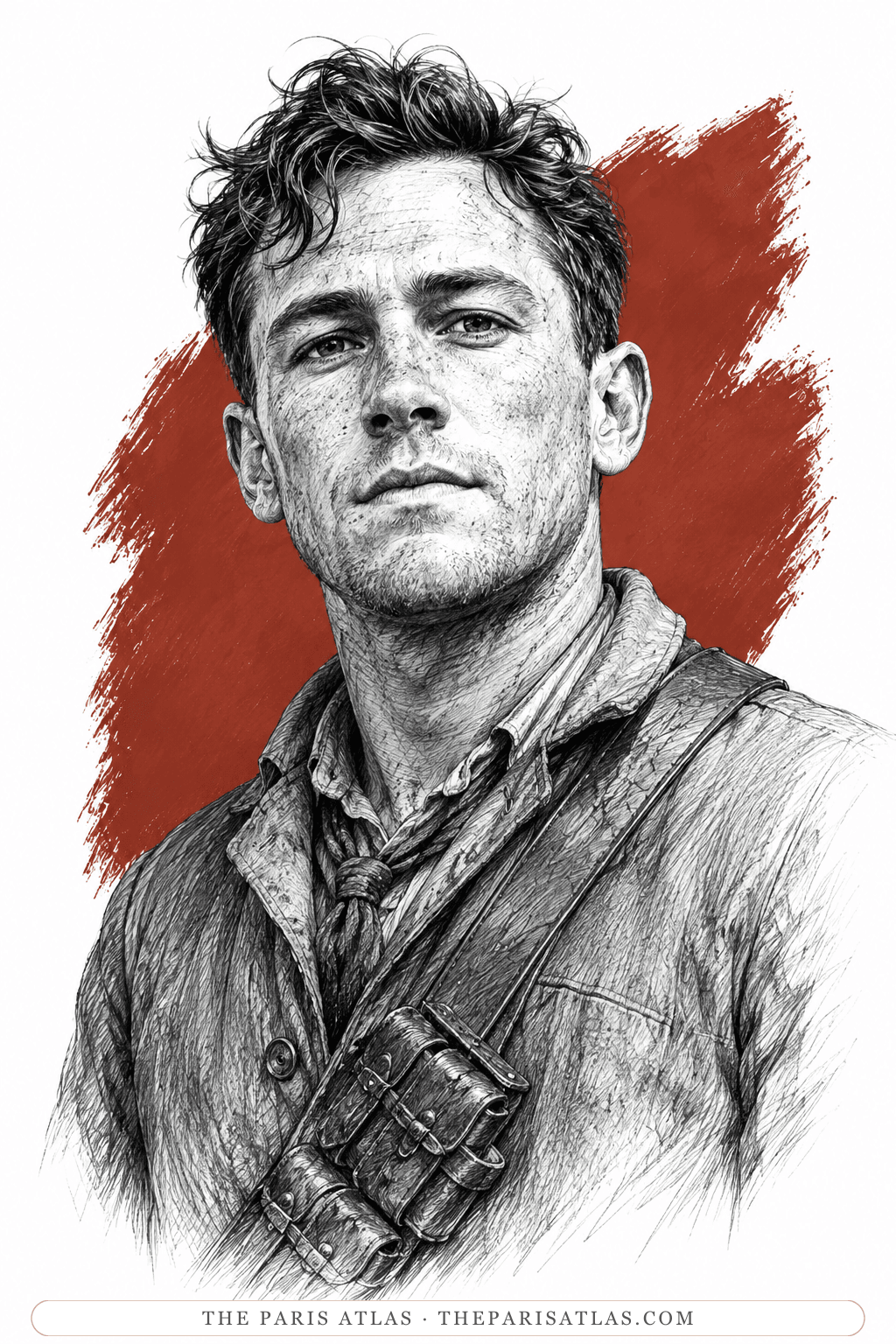
Bob Smillie
A twenty-two-year-old Scot who left Glasgow University to fight, and whom Orwell calls the best of the English contingent. Arrested at the frontier on his way home to lecture, he died in a Valencia jail.
In Orwell's account, to be of use — first in the P.O.U.M. office, then in the line, then on a platform in Britain explaining what he had seen. He was carrying the defused grenades home because he meant to hold them up while he talked.
The book

At a glance
- I.L.P. volunteer in the P.O.U.M. militia
- Twenty-two
- Grandson of the miners' leader Robert Smillie
- Glasgow University
- October 1936; several months in the P.O.U.M. office before the front
- At the frontier, on his way home to give lectures
- Chapters 4 and 7, and Chapters 12 to 14
Who they are in the book
Spoiler-freeBob Smillie joined the militia when the Independent Labour Party contingent arrived at the Aragón front early in 1937, having already spent several months working in the P.O.U.M. office in Barcelona. He was the grandson of the miners' leader Robert Smillie, and George Orwell introduces him in the fourth chapter as perhaps the best of the bunch — then, in the same sentence, says that he afterwards died an evil and meaningless death in Valencia. The book gives the ending away on his first appearance and then spends ten chapters walking towards it.
He was twenty-two, and physically one of the toughest people Orwell had met: the only person he knew, English or Spanish, who went three months in the trenches without a day's illness. He had thrown up his career at Glasgow University to come and fight, and he did the job at the front, in Orwell's phrase, with faultless courage and willingness. In the confused night raid on the Fascist redoubt, with a small wound bleeding down his face and rifle-flashes twenty yards off, he went up on one knee and threw a bomb. It failed to explode. At least a quarter of them did.
His arrangement with the I.L.P. was three months in the line and then home to England for a speaking tour. He was arrested at the frontier on his way back, taken to Valencia and jailed. It took a while for anyone to find out why. Eventually a released prisoner reported the charge: carrying arms. The arms were two hand-grenades of the primitive type used at the start of the war, with the charges and fuses taken out, which he was carrying home to show at his lectures along with shell splinters and other souvenirs.
How Bob Smillie Is Portrayed
- How he is introducedAs the best of the thirty-odd English at Monte Oscuro, and in the same breath as a man who died an evil and meaningless death in Valencia. Orwell does not hold the news back.
- Never illThe one person Orwell knew, of any nationality, who went three months in the trenches without a day's illness. He calls him physically one of the toughest people he has met.
- The bomb that did not go offInside the captured Fascist parapet, with rifle-flashes twenty yards away and eight or nine men bunched close enough for a single well-placed bomb to kill them all, Smillie sprang to his knee with blood running down his face from a small wound and threw. The fuse fizzled red and nothing happened.
- What he gave upA career at Glasgow University. He had been in Spain since the previous October, working several months at the P.O.U.M. office before enlisting.
- Arrested for souvenirsTwo early-pattern hand-grenades with the charges and fuses removed — mere cylinders of steel, in Orwell's words, and completely harmless. He was taking them home for his lectures. The charge was carrying arms.
- Held incommunicadoNeither the I.L.P. representative on the spot nor the lawyer engaged for him was permitted to see him. In Spain, Orwell notes, there was in practice no habeas corpus: you could be held for months without being charged.
- Why the pretextOrwell's reading is that the authorities had just come through the Barcelona fighting and were anxious not to let out of the country anyone in a position to contradict the official account of it. Frontier arrests on frivolous pretexts became common.
If you like Homage to Catalonia


If you like George Orwell
Explore authors with a similar voice, perspective, and influence.

Henry Miller
The Brooklyn dropout who arrived in Paris broke at thirty-eight and wrote the exuberant, banned books that ended American censorship.
View author
Louis-Ferdinand Céline
The doctor of the Paris slums who wrote the century's blackest, funniest novel — and changed the sound of French prose.
View author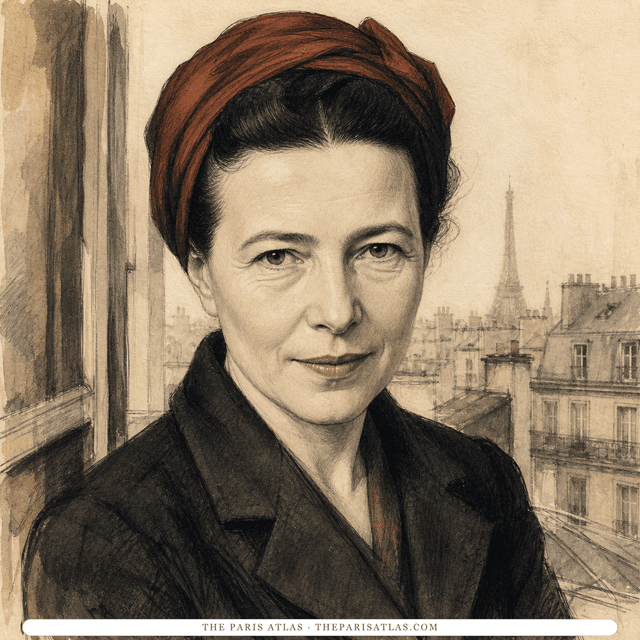
Simone de Beauvoir
French writer and philosopher whose novels, memoirs, and social analysis examined freedom, gender, responsibility, aging, and the material conditions that shape a life.
View author