Williams's wife
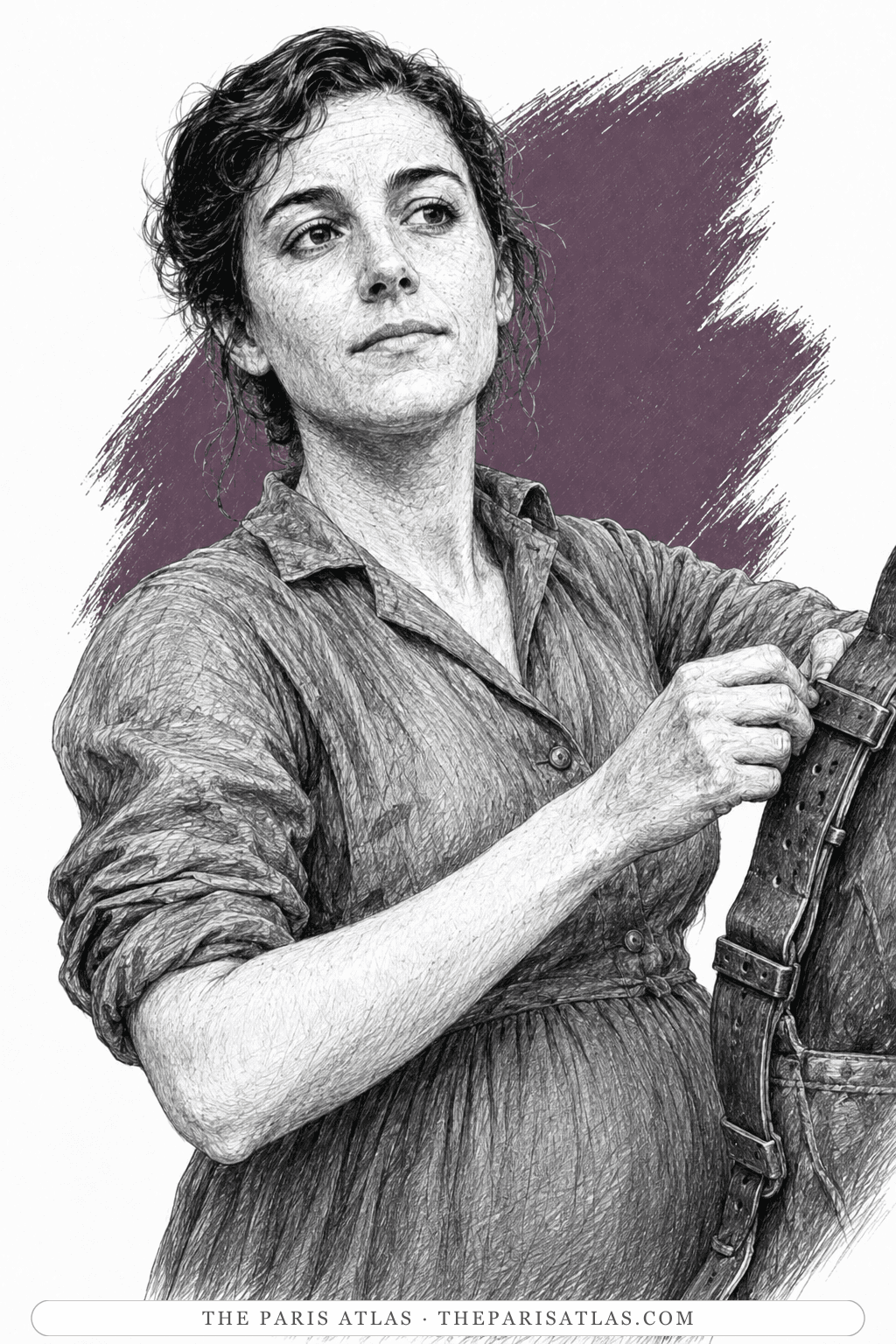
The Spanish wife of Williams, the other English militiaman, who showed George Orwell how to put on his cartridge-boxes at the Lenin Barracks. He describes her as a gentle, dark-eyed, intensely feminine creature who looked as though her life-work was to rock a cradle, and adds that she had fought in the Barcelona street battles of July.
In Orwell's account she wants her husband equipped and out of the door. She shows a stranger how his cartridge-boxes go on because the quartermaster's store has run out of both kit and time.
The book

At a glance
- Wife of Williams, the other English militiaman in Orwell's unit
- Fought in the Barcelona street battles
- Chapter 1
Who they are in the book
Spoiler-freeOn the night the column left for the front, the Lenin Barracks filled with women helping their men roll blankets and pack kit-bags. George Orwell found that he had to be shown how to put on his new leather cartridge-boxes, and the person who showed him was a Spanish girl, the wife of Williams, the other English militiaman. He calls it rather humiliating.
The description that follows is the point of the entry. She was gentle, dark-eyed and intensely feminine, and looked as though her life-work was to rock a cradle. As a matter of fact she had fought bravely in the street battles of the previous July, when Barcelona's workers put down the military rising. At the time Orwell met her she was carrying a baby, born ten months after the outbreak of war and, as he puts it, perhaps begotten behind a barricade.
She appears once more, on the platform, rushing down the length of the train when the column pulled out.
How Williams's wife Is Portrayed
- How Orwell describes herGentle, dark-eyed and intensely feminine, looking as though her life-work was to rock a cradle. He sets the description against what she had actually done ten months earlier.
- July 1936She had fought bravely in the street battles in Barcelona, the rising that put the city in the hands of the workers and made the militia columns possible.
- The cartridge-boxesShe showed Orwell how to put his on, in a barracks where equipment was still unissued and there were terrible tumults in the quartermaster's store.
- The babyBorn ten months after the outbreak of war. Orwell's line is that it had perhaps been begotten behind a barricade.
If you like Homage to Catalonia


If you like George Orwell
Explore authors with a similar voice, perspective, and influence.
Henry Miller
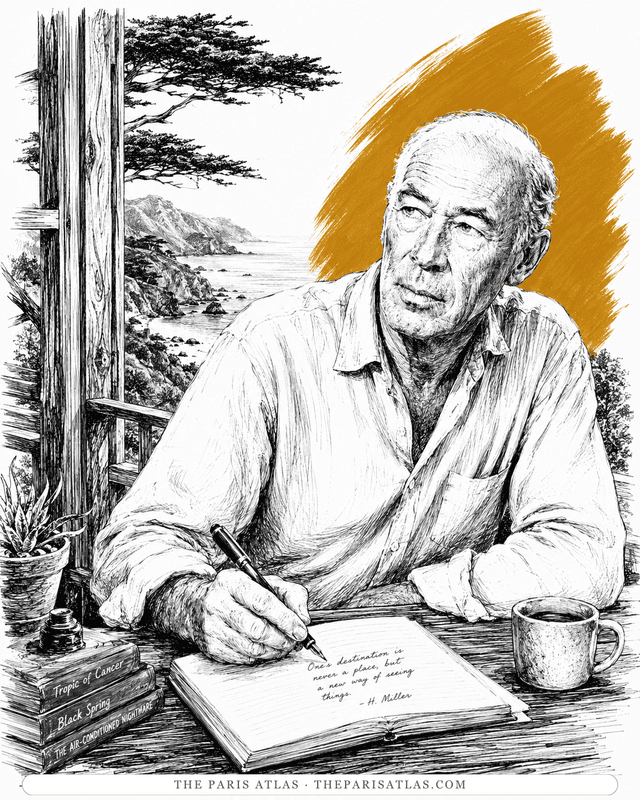
The Brooklyn dropout who arrived in Paris broke at thirty-eight and wrote the exuberant, banned books that ended American censorship.
View author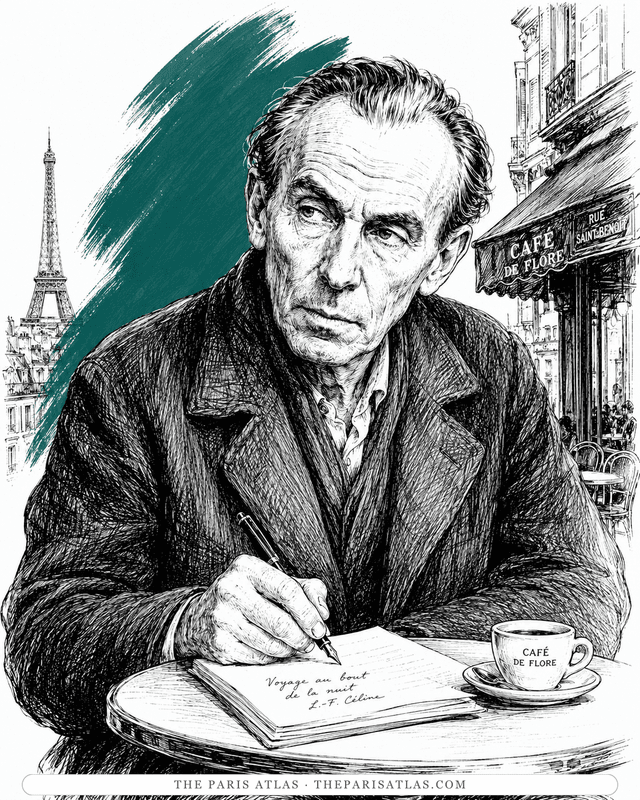
Louis-Ferdinand Céline
The doctor of the Paris slums who wrote the century's blackest, funniest novel — and changed the sound of French prose.
View author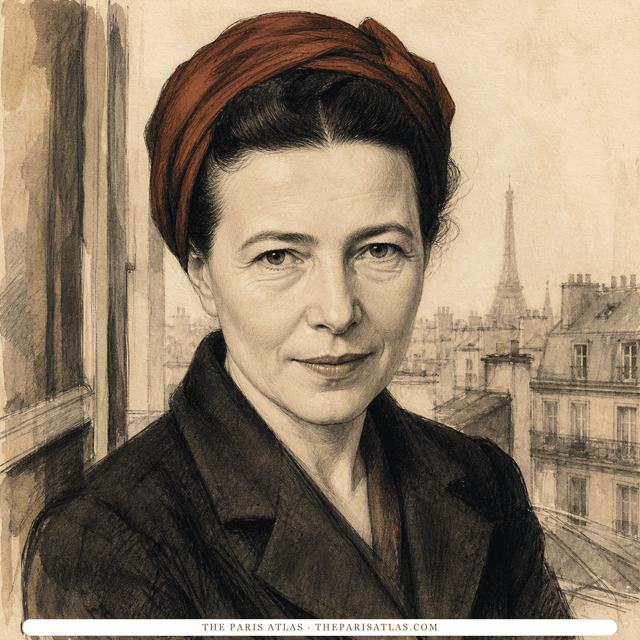
Simone de Beauvoir
French writer and philosopher whose novels, memoirs, and social analysis examined freedom, gender, responsibility, aging, and the material conditions that shape a life.
View author