"Charlie Chan"
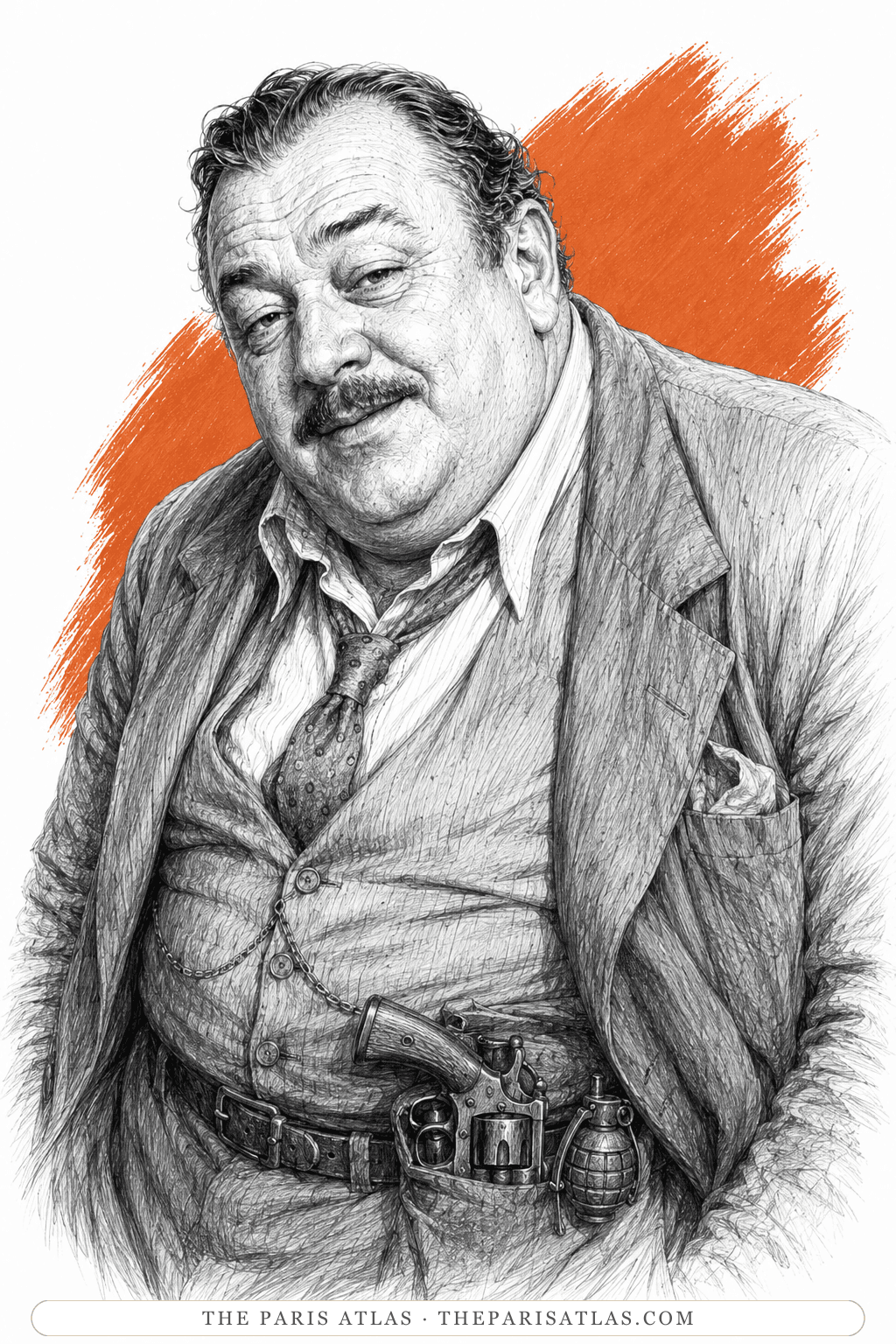
A fat, sinister-looking Russian at the Hotel Continental during the May fighting, said to be an agent of the Ogpu and nicknamed Charlie Chan by the guests. He wore a revolver and a neat little bomb attached to his waist-band and worked through the foreign refugees in the hotel one at a time, explaining that the whole affair was an Anarchist plot. George Orwell notes that it was the first time he had seen someone whose profession was telling lies, unless journalists are included.
In George Orwell's account, to have every foreigner in the hotel leave it believing one explanation of the fighting: that it was an Anarchist plot. He went through them one at a time.
The book

At a glance
- One of several Communist agents at the Hotel Continental
- Never given; nicknamed Charlie Chan
- An agent of the Ogpu, the Soviet secret police
- The Barcelona street fighting, May 1937
- Chapter 10
Who they are in the book
Spoiler-freeIn the first week of May 1937 street fighting broke out in Barcelona between the Anarchist unions and the police and Communist forces of the Catalan government. George Orwell was in the city on leave from the Aragón front, and spent three days and nights of it on a rooftop above the Ramblas with a rifle. He took his meals at the Hotel Continental, which had been collectivised by the Catalan government rather than by either of the big unions and was therefore treated by everyone as neutral ground.
The hotel filled up as soon as the shooting started. Orwell lists what was in it: foreign journalists, political suspects of every shade, an American airman flying for the government, several Communist agents, some well-to-do Spanish families who looked like Fascist sympathisers, two or three wounded men from the International Column, a gang of French lorry drivers stranded with a load of oranges, and a number of Popular Army officers. One of the Communist agents was a fat, sinister-looking Russian who was said to be an agent of the Ogpu, the Soviet secret police. He wore a revolver and a neat little bomb attached to his waist-band, and he was nicknamed Charlie Chan, after the detective of the American film series then running.
By the middle of the week the food had run short, the newspapers had begun stirring up hatred, and the hotel had turned suspicious. People were creeping round whispering that everyone else was a spy of the Communists, or the Trotskyists, or the Anarchists. Through this the Russian worked steadily, cornering the foreign refugees one at a time and explaining, plausibly, that the whole affair was an Anarchist plot.
Orwell watched him with some interest. It was the first time, he writes, that he had seen a person whose profession was telling lies — unless one counts journalists. That sentence is the reason the man is in the book at all. The account of the May fighting he was giving out in the Continental became the official one within weeks, and much of the rest of the book is Orwell answering it with evidence.
He is never named, never quoted directly, and never appears outside that chapter.
How "Charlie Chan" Is Portrayed
- How the book describes himFat and sinister-looking. Orwell gives no other physical detail, never learns his name, and reports the Ogpu connection as something that was said rather than something he knew.
- What he woreA revolver and a neat little bomb attached to his waist-band, in a hotel both sides were treating as neutral ground and where meals were still being served with a pretence of ceremony.
- His methodHe cornered the foreign refugees in turn, one at a time, and explained plausibly to each of them that the fighting was an Anarchist plot.
- What Orwell made of himThe first person Orwell had ever seen whose profession was telling lies — unless, he adds, one counts journalists.
If you like Homage to Catalonia


If you like George Orwell
Explore authors with a similar voice, perspective, and influence.
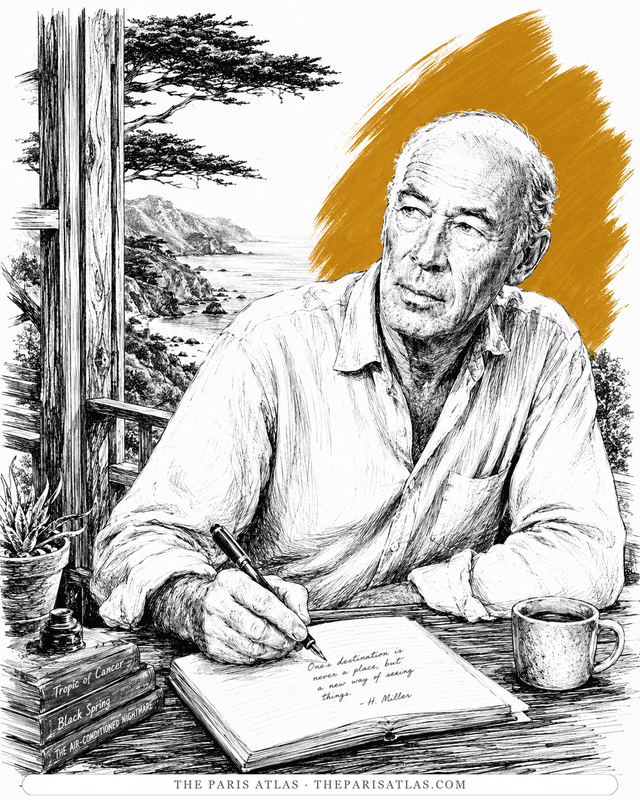
Henry Miller
The Brooklyn dropout who arrived in Paris broke at thirty-eight and wrote the exuberant, banned books that ended American censorship.
View author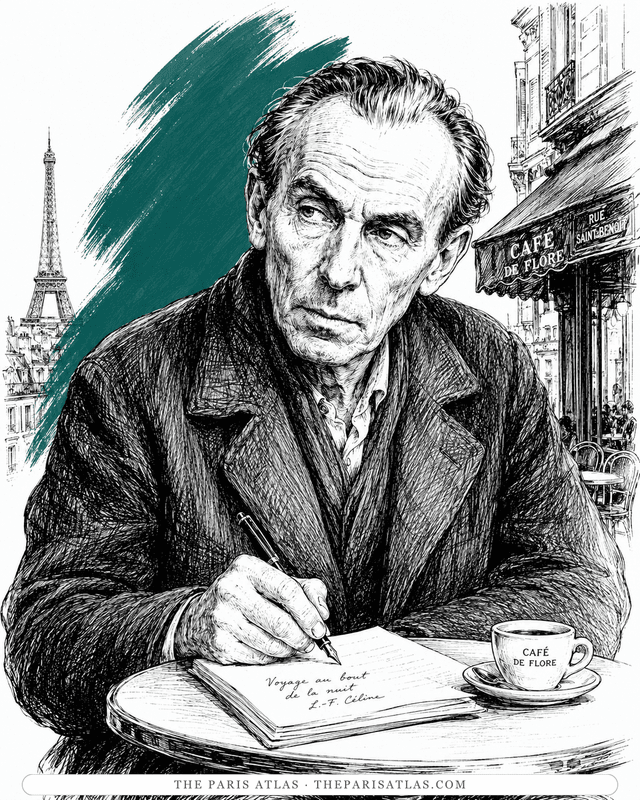
Louis-Ferdinand Céline
The doctor of the Paris slums who wrote the century's blackest, funniest novel — and changed the sound of French prose.
View author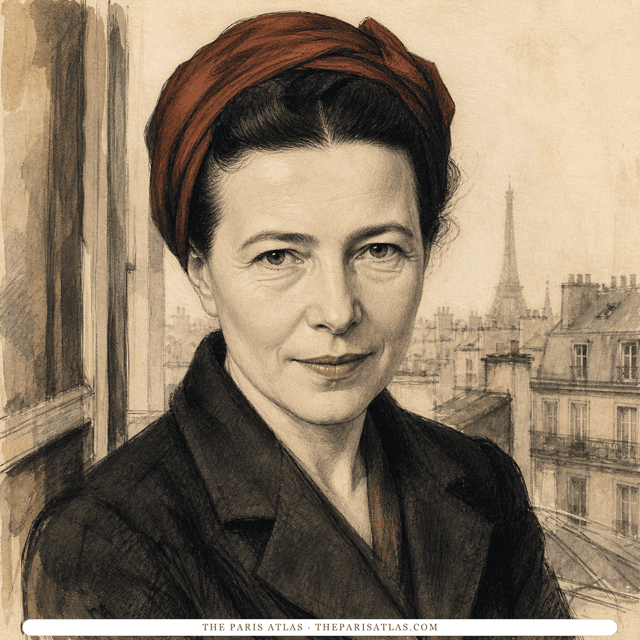
Simone de Beauvoir
French writer and philosopher whose novels, memoirs, and social analysis examined freedom, gender, responsibility, aging, and the material conditions that shape a life.
View author