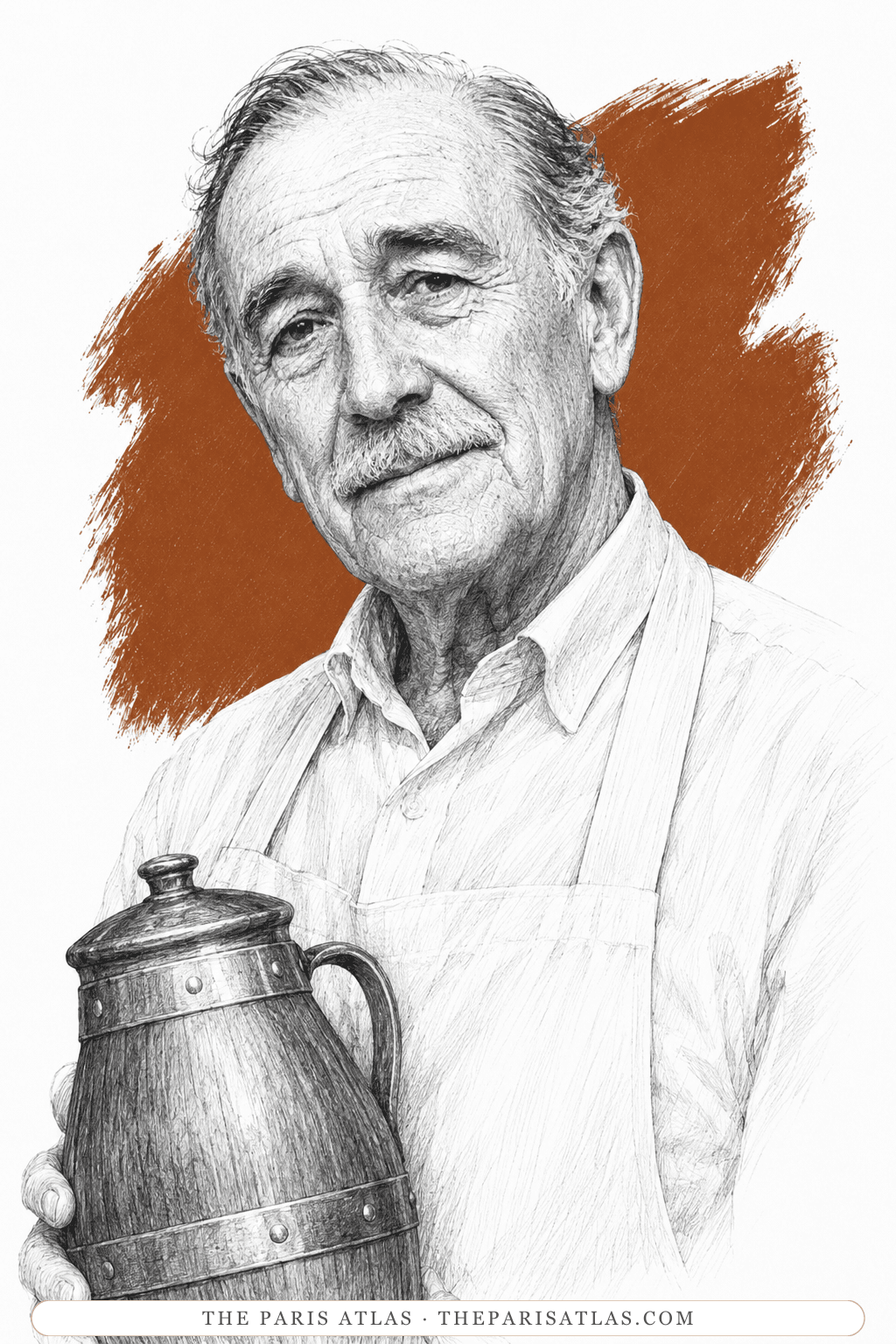
The fatherly waiter
The waiter George Orwell talked to over dinner on his last quiet evening in Barcelona, about the copper-bound oak jugs the wine was served in. Orwell wanted to buy a set to take to England; the waiter said nobody made them any longer, nobody was manufacturing anything, and that the war was such a pity. He asked gently whether Orwell had liked Spain and whether he would come back. Orwell records the peacefulness of the conversation because of what happened when he reached his hotel immediately afterwards.
The book

At a glance
- A waiter in a Barcelona restaurant
- Never given. Orwell calls him a very fatherly waiter
- Orwell's first evening back in Barcelona after being discharged from the militia, in June 1937
- The copper-bound oak jugs the wine was served in, and whether Orwell would come back to Spain
- Chapter 13
Who they are in the book
Spoiler-freeGeorge Orwell met this waiter over dinner in Barcelona in June 1937, and never gives his name. He calls him a very fatherly waiter, and the conversation between them lasts about a dozen lines.
Orwell had gone out to Spain the previous December to fight for the Republic against General Franco's army revolt. In May a sniper had shot him through the throat, and he had spent several weeks in hospitals before being passed as unfit and given his discharge papers. He was travelling back to Barcelona with those papers in his pocket, looking at buildings and swallows' nests for the first time in six months, and he writes that he felt almost like a tourist. He got in late, could not find a taxi, and stopped for dinner on the way to his hotel.
The wine came in oak jugs bound with copper. Orwell said he would like to buy a set of them to take home to England. The waiter agreed that they were beautiful and said it was impossible now: nobody was making them any longer, nobody was manufacturing anything, and this war was such a pity. They agreed that the war was a pity. Then the waiter asked him gently whether he had liked Spain, and whether he would come back to Spain. Orwell said that he would.
He sets the exchange down almost word for word and then says why he kept it: the peaceful quality of it, because of what happened as soon as it was over. When he reached the Hotel Continental his wife crossed the lounge, put an arm round his neck and told him to get out at once. While he had been at the front the party whose militia he had served in had been declared illegal, and its members were being arrested.
How The fatherly waiter Is Portrayed
- The oak jugsThe restaurant served wine in oak jugs bound with copper. Orwell liked them enough to say he wanted a set to take back to England, which is what started the conversation.
- Nobody is manufacturing anythingThe waiter's answer: beautiful, yes, but impossible to buy nowadays, because nobody made them any longer and nobody was making anything. Then, about the war: such a pity. Orwell says they agreed on that.
- The two questionsHe asked gently whether Orwell had liked Spain, and whether he would come back to Spain. Orwell's answer, as he records it, was yes: he should come back to Spain.
- Why Orwell wrote it downBecause of the calm of it. He says the peaceful quality of this conversation sticks in his memory, and the reason is what was waiting for him at his hotel immediately afterwards.
If you like Homage to Catalonia


If you like George Orwell
Explore authors with a similar voice, perspective, and influence.

Henry Miller
The Brooklyn dropout who arrived in Paris broke at thirty-eight and wrote the exuberant, banned books that ended American censorship.
View author
Louis-Ferdinand Céline
The doctor of the Paris slums who wrote the century's blackest, funniest novel — and changed the sound of French prose.
View author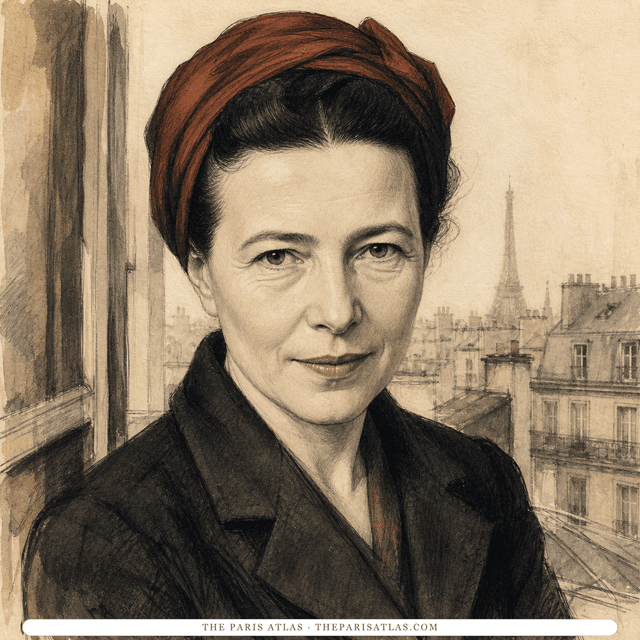
Simone de Beauvoir
French writer and philosopher whose novels, memoirs, and social analysis examined freedom, gender, responsibility, aging, and the material conditions that shape a life.
View author