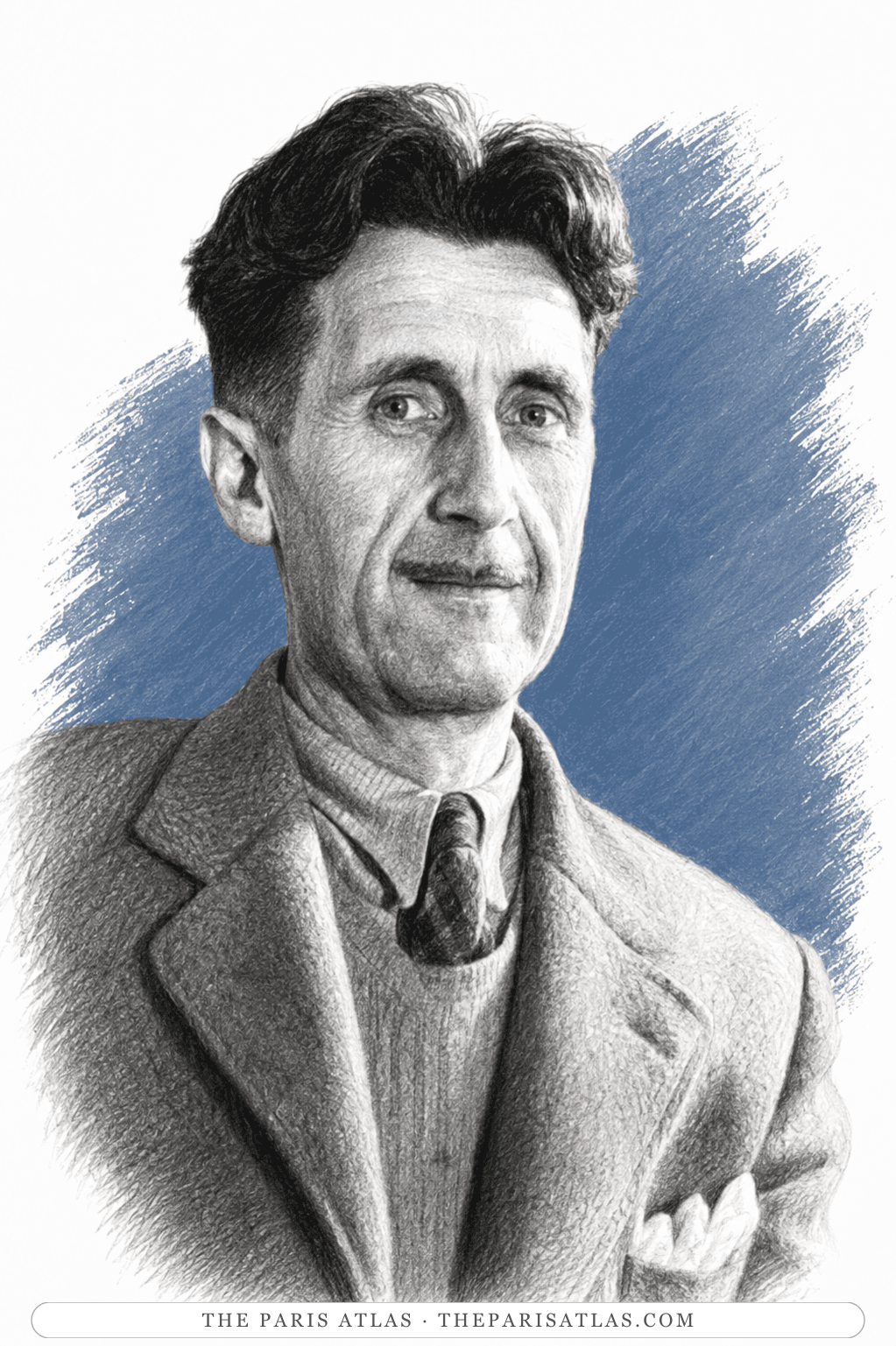

Discusses
Down and Out in Paris and London
Orwell refers readers back to his earlier account of destitution instead of repeating it, distinguishing that subject from the employed and unemployed industrial workers examined here.

Two months in the coal towns of Lancashire and Yorkshire, then a long argument with the people Orwell agreed with.
George Orwell's book about the industrial north of England, written after two months spent in Wigan, Barnsley and Sheffield in the winter of 1936. It is really two books bound together. The first is reportage: a lodging house above a tripe shop, the mile-long crawl to a coal face where the roof is three feet high, house-by-house notes on rents and damp and how many people sleep in each bed, and the arithmetic of a family living on thirty shillings a week. The second is an argument, and much of it is about Orwell himself — a boy of the shabby-genteel middle class taught that the working classes were dirty, a five-year imperial policeman in Burma who came home with a bad conscience, and a socialist who spends several chapters explaining why he finds most socialists insufferable. His publisher was uneasy enough about that second half to print a foreword disagreeing with it.
George Orwell left London on 30 January 1936 and spent about two months in Lancashire and Yorkshire, lodging with miners' families and, for a stretch, in a tripe shop that took in lodgers. He went down several coal mines, inspected somewhere between one and two hundred houses with a notebook, and copied out pay-checks and household budgets. He delivered the manuscript to Victor Gollancz on 15 December 1936. By the time it was published, on 8 March 1937, he was in Spain.[1]
The book keeps its own dates. In the chapter on unemployment he mentions that he happened to be in Yorkshire when Hitler reoccupied the Rhineland, which fixes that part of the reporting to early March 1936. Five chapters later he writes that as he writes, the Spanish Fascist forces are bombarding Madrid, which puts the composition in the autumn. The first chapter ends with him on a train out of Wigan in March, past mounds of blackened snow.[1]
The split between the two halves is the most interesting thing about the book and was obvious to its first readers. Part One is description with the argument left mostly implicit. Part Two opens with the sentence "The road from Mandalay to Wigan is a long one and the reasons for taking it are not immediately clear", and then turns inward: his own class, his own schooling, his own five years in the Indian Imperial Police, and his own long-standing distaste for the organised left. He is arguing for socialism throughout, and says so plainly, but he spends more pages on what is wrong with socialists than on what is wrong with capitalists.[1]
That is what produced the book's oddest feature. The Left Book Club edition carries a foreword by Victor Gollancz, signed V. G. and dated January 1937, written while Orwell was abroad and unable to object. Gollancz says he marked well over a hundred passages he wanted to argue with, disputes Orwell's account of middle-class prejudice, defends the feminists and pacifists and birth-controllers Orwell files under cranks, and points out that a Left Book Club Choice is not an endorsement of everything in it. The higher-priced trade edition, published the same day, did not carry the foreword. Peter Davison's note on the text records that Orwell wrote to Gollancz from Barcelona on 9 May 1937 and said he liked the introduction very much.[1]
He had already written about the bottom of the social scale, in Down and Out in Paris and London, and here he refers a reader back to it rather than repeat himself. The subject has changed. The earlier book is about destitution and the people who live outside ordinary work; this one is about people in work, or lately out of it, who are not going anywhere and cannot leave.[1]
Part One runs from chapter 1 to chapter 7 and is reporting. It opens in the Brookers' house, a tripe shop and lodging house where four men sleep in what was once a drawing-room, the landlady lies permanently ill on a sofa in the kitchen, and the bread-and-butter arrives with a black thumb-print on it. Chapter 2 is the coal mine: the cage dropping four hundred yards, the mile or three miles of galleries where a man cannot stand up, the kneeling fillers shovelling something near two tons an hour, and George Orwell, six feet two and a half, taking the best part of an hour to cover ground a miner does in twenty minutes. Chapter 3 costs it out — average earnings of about two pounds a week after stoppages, one miner in nine hundred killed each year and one in six injured, blue coal-dust scars that every miner carries to his death. Chapter 4 is housing, given mostly as notes copied straight from his notebook: rents, room measurements, whether the windows open, how many beds for how many people, and the caravan colonies on the waste ground by the Wigan canal where seven people share four hundred and fifty cubic feet. Chapter 5 is unemployment and the Means Test. Chapter 6 is food, built around one unemployed miner's weekly budget of thirty-two shillings, and ends with several hundred men in Wigan jumping a moving colliery train to pick coal out of the slag. Chapter 7 is the landscape and the North-South question, and closes on the inside of a working-class house on a winter evening, which he says is the memory that reconciles him to the age he lives in.[1]
Part Two runs from chapter 8 to chapter 13 and is argument. Chapter 8 is his own class: the lower-upper-middle class, gentility on four hundred a year, and what a child in such a family was taught about the people below — that they were dirty, and that they smelled. He states the phrase flatly, says it is the real barrier because physical repulsion cannot be reasoned away, and then spends the rest of the chapter taking it apart. Chapter 9 is school, then Burma. He was in the Indian Imperial Police for five years, came to hate the system he was administering, resigned, and set out to submerge himself among tramps and lodging-house men in London, partly to expiate it. Chapter 10 argues that making friends with tramps does not solve the class problem, and that organised class-breaking efforts usually make the prejudice worse. Chapters 11 and 12 are the attack on his own side: the crankishness that clings to the movement, the jargon, the assumption that socialism means machine-worship, and a long argument that mechanical progress tends towards softness and towards taking the work out of being alive. Chapter 13 asks what can actually be done.[1]
The last chapter is a proposal rather than a conclusion, and it is blunt about the stakes. Orwell argues that the machine world is here and cannot be refused, so the choice is not between a human and an inhuman society but between socialism and fascism, which he calls socialism with the virtues left out. He believes the intelligentsia are in real danger of drifting to the right when the pinch comes, and that English fascism, if it arrives, will be a sedate and subtle thing that is not called fascism at first. His practical advice to socialists is to drop the jargon, drop the reflexive baiting of the middle class, and say two things instead: that everyone with a small and insecure income is on the same side, and that socialism means justice and liberty. The people he most wants recruited are the clerks and shopkeepers and commercial travellers, who are being robbed by the same system and will side with their oppressors if they are told the fight is between those who pronounce their aitches and those who do not. He ends on himself and the class he came from — the private schoolmaster, the half-starved freelance journalist, the colonel's spinster daughter on seventy-five pounds a year — sinking into the working class where he says they belong, with nothing to lose but their aitches.
Orwell makes the journey to the coal face overturn his expectations before he can properly observe the work. The visitor's exhaustion exposes how much effort an outsider's picture of mining leaves out. His account repeatedly shifts from his own awkward body to the reader's imagined movement through the passages, making distance and posture difficult to dismiss as abstractions. Crucially, this journey does not count toward the paid shift he describes. The distinction between recognized work and necessary exertion turns a descent underground into an argument about how comfortable lives depend on labor they scarcely notice.
The fireside scene is attractive partly because each person seems at ease within it. But Orwell qualifies the warmth before allowing it to become a reassuring picture of working-class life: he is imagining a comparatively prosperous household, and its happiness depends on secure employment. The passage also asks whether an observer can truly belong rather than merely be present. Looking backward and forward in time then makes these familiar objects appear historically temporary. The room offers something worth valuing without proving that the social conditions around it are just, stable or available to everyone.
He is a sort of caryatid upon whose shoulders nearly everything that is not grimy is supported.
At those times the place is like hell, or at any rate like my own mental picture of hell.
You can never forget that spectacle once you have seen it—the line of bowed, kneeling figures, sooty black all over, driving their huge shovels under the coal with stupendous force and speed.
Discusses
Orwell refers readers back to his earlier account of destitution instead of repeating it, distinguishing that subject from the employed and unemployed industrial workers examined here.
Chapter 2 is the most famous piece of industrial reporting in English, and it works because George Orwell keeps measuring: the height of the seam, the length of the crawl, the tonnage per man per hour, and how long it took him to get there compared with a miner.
Part Two is a case for socialism made almost entirely by listing what drives people away from it. Very few political books are willing to spend half their length on their own movement's manners.
Orwell prints the notebook rather than the conclusion: house measurements with the rent and rates beside them, an unemployed miner's weekly shopping list down to fourpence-halfpenny of Quaker oats, five pay-checks with the stoppages deducted.
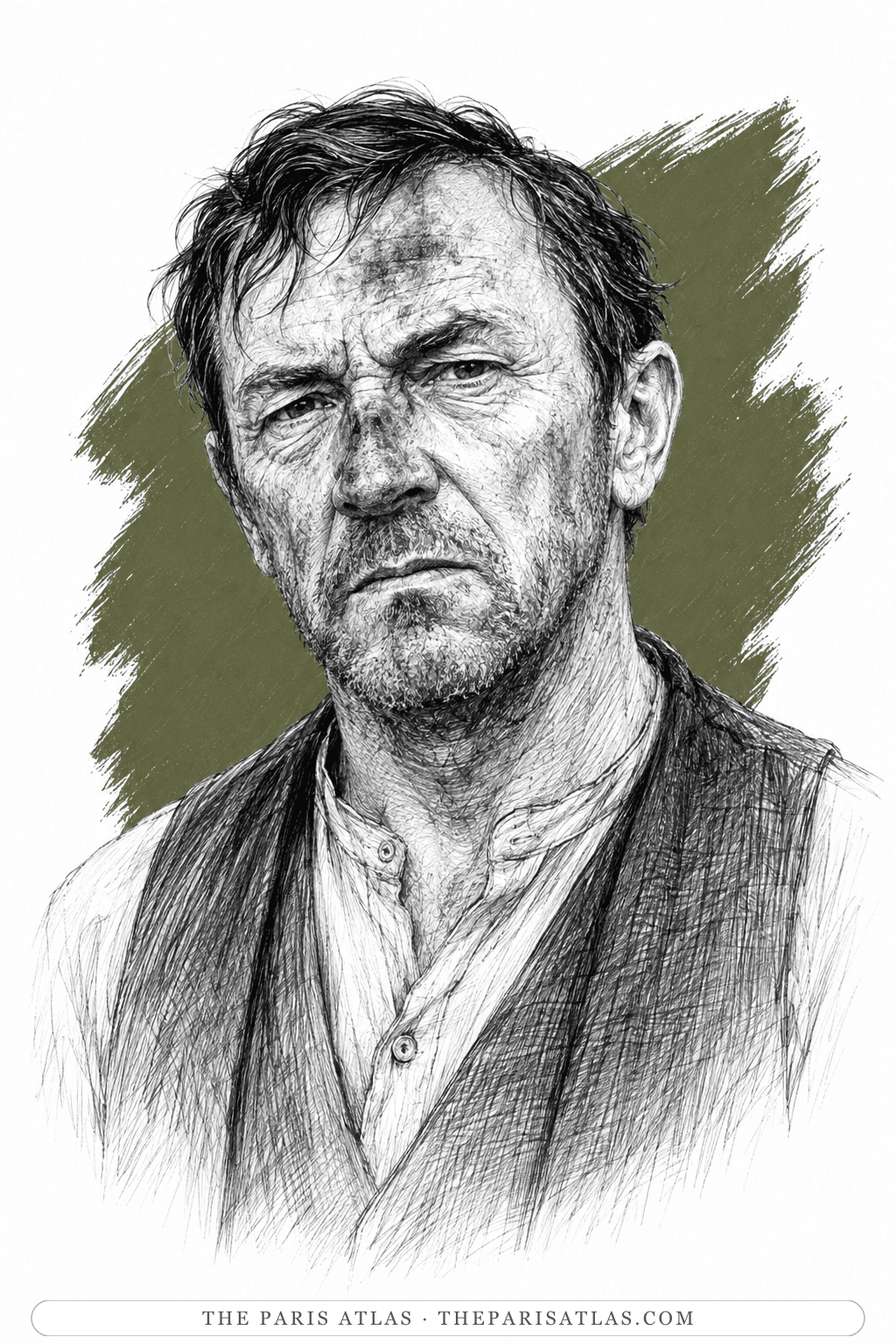
The tripe-shop keeper and landlord of the lodging house where the book opens. A miner out of work for two years, running a failing shop, handing his lodgers bread with a black thumb-print on it and moving with incredible slowness from one hated job to the next.
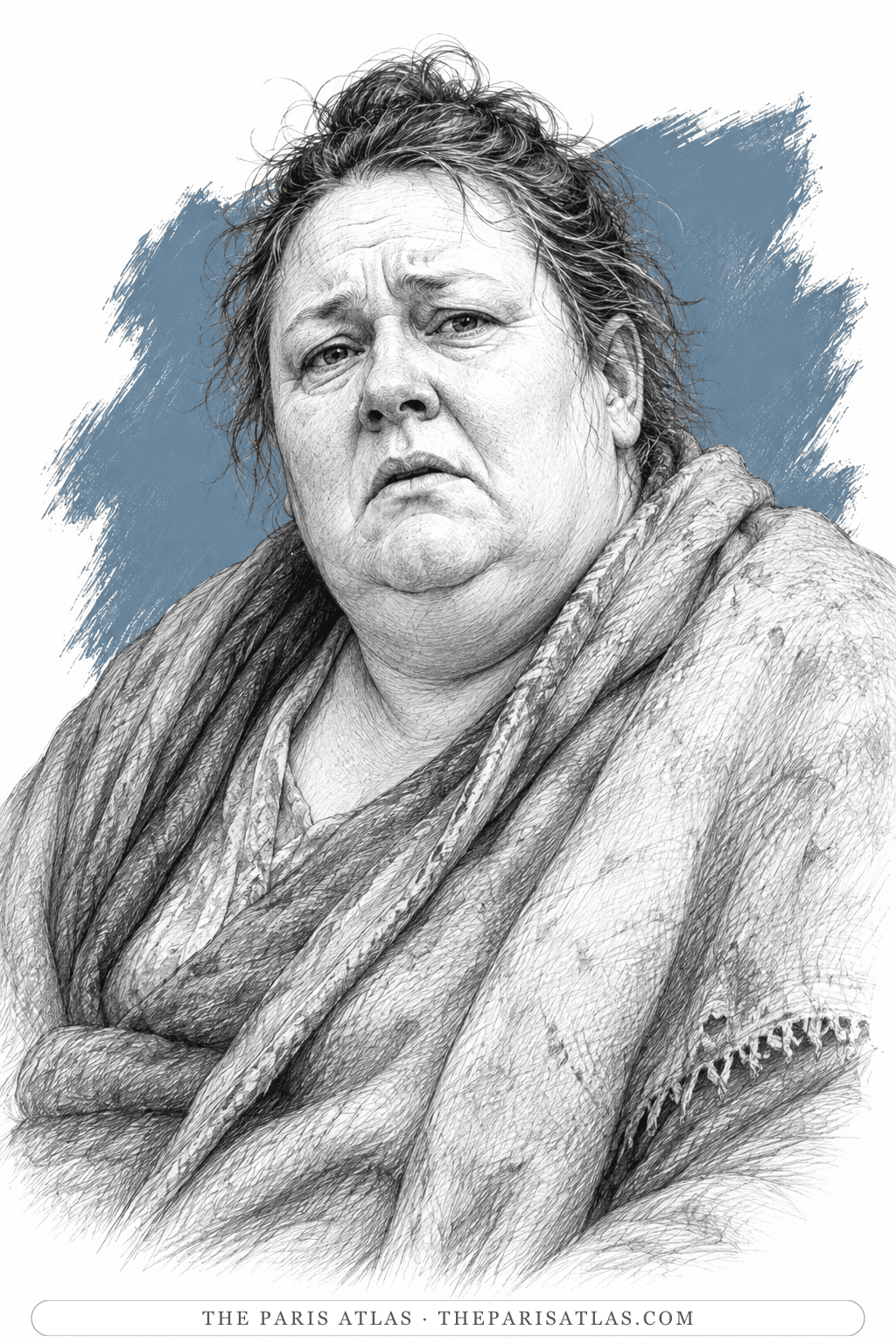
The landlady, who lies permanently ill on a sofa in the kitchen, festooned in grimy blankets, and whose laments all finish the same way: "It does seem 'ard, don't it now?"
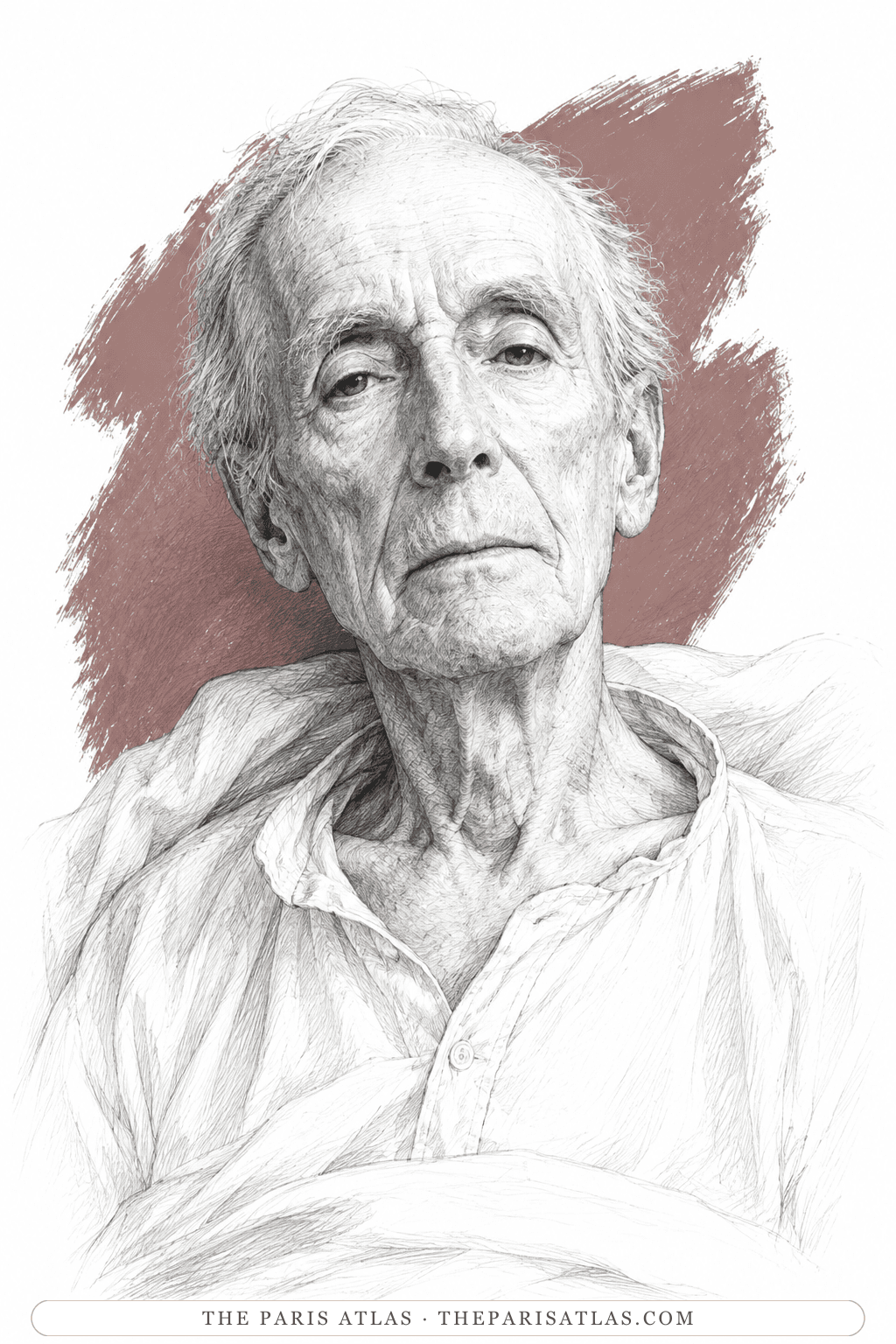
The second old-age pensioner in the house, bedridden and dying of what Orwell believed was cancer, who got up only on the days he went to draw his pension. He never speaks in the book and is described entirely through the Brookers' complaints about him, and about how long he was taking to die.
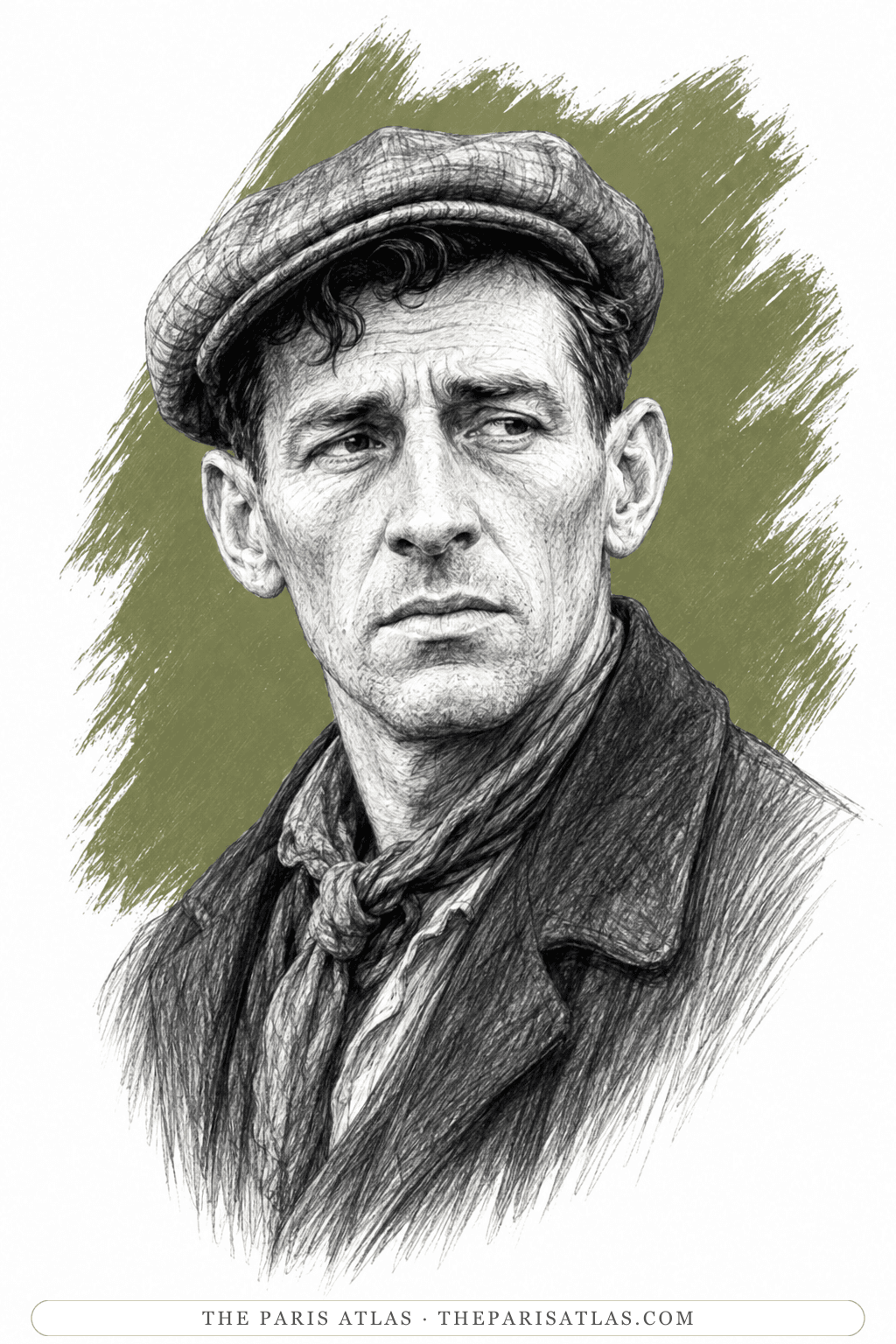
A little black-haired, sharp-nosed traveller for a cigarette firm, new to the North and used to commercial hotels, who slept one night in the double bed at the Brookers' and left. He is the only lodger Orwell ever heard complain: seeing Orwell was a fellow southerner, he said what he thought of the place, packed, and told the Brookers this was not the kind of house he was accustomed to. They were astonished and hurt, and added it to their grievances.
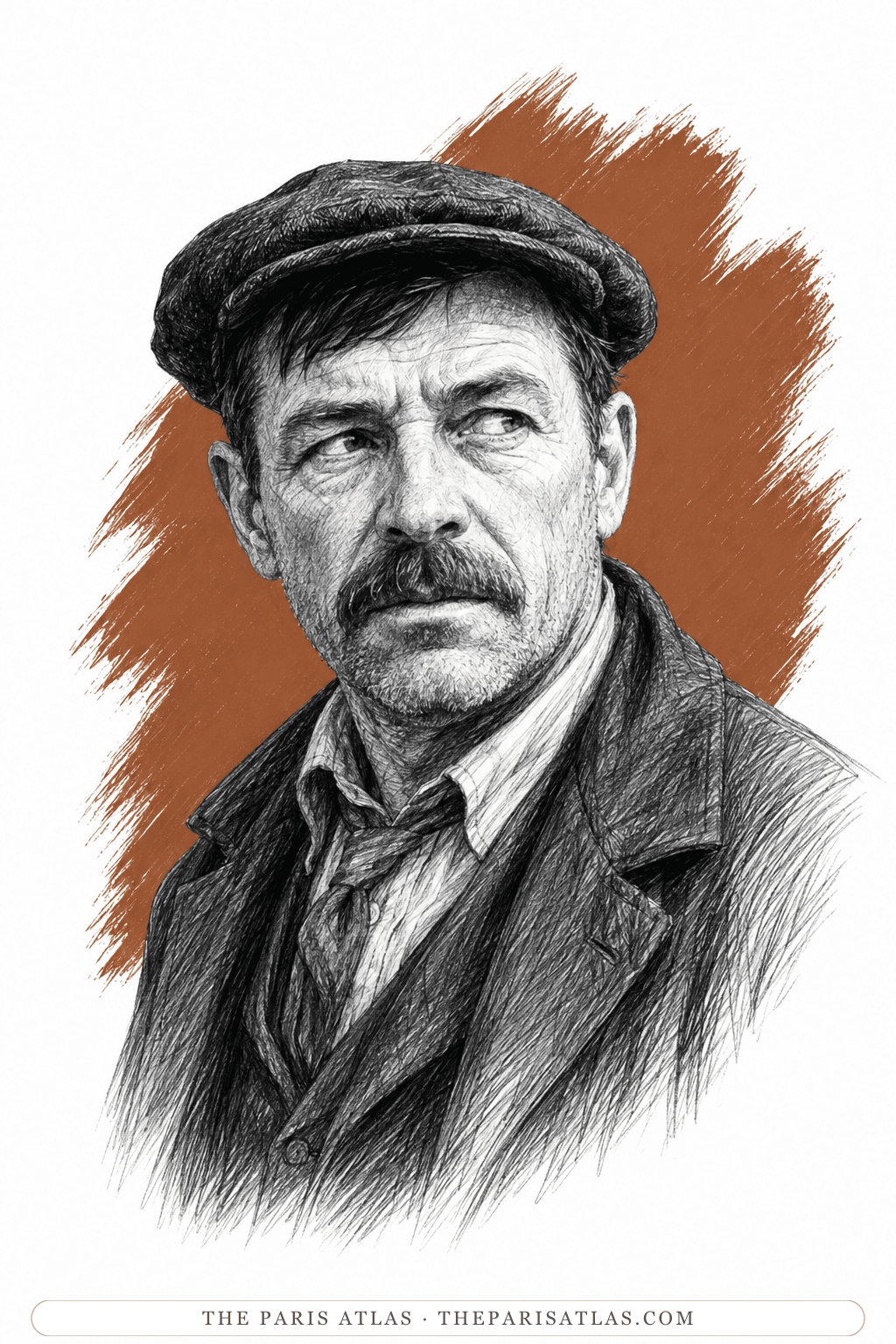
Two middle-aged men working the streets for one of the weekly papers, sent from town to town with maps and a quota of twenty orders a day on pain of the sack. They were on their feet ten hours and then filled in forms late into the night; the fat one, a grandfather, used to fall asleep with his head on the pile. Neither could afford the Brookers' full board, so they paid for beds and ate bacon and bread and margarine out of their suitcases in a corner of the kitchen.
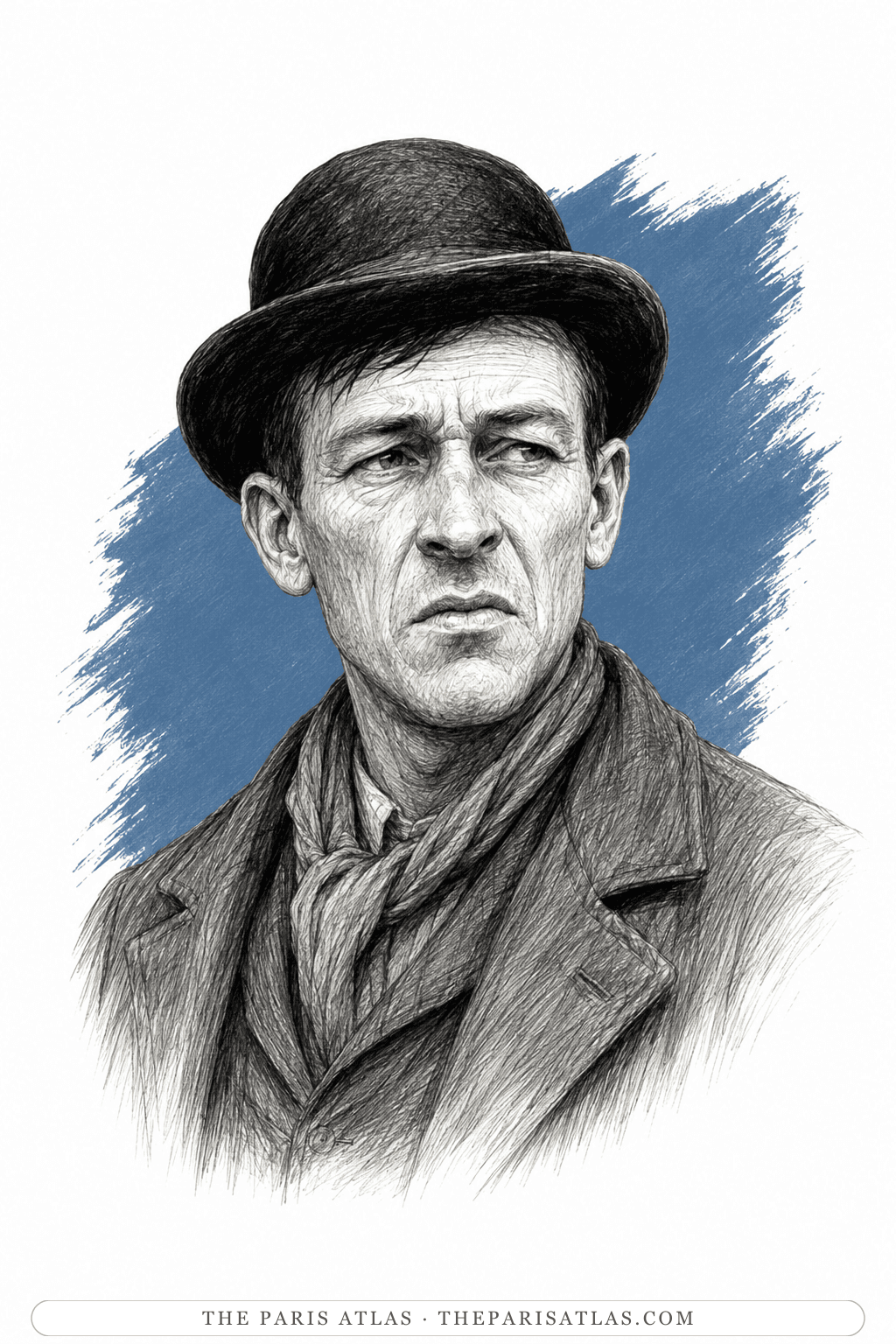
A hefty young stevedore, drunk on a Saturday night in a common lodging house in Limehouse Causeway, on the first evening George Orwell went out dressed as a tramp. Orwell had gone in expecting a fight and stiffened as the man lurched at him; the stevedore fell on his chest, put his arms round his neck and asked him to have a cup of tea. Orwell calls it a kind of baptism, and says his fear of the working class went with it.

A lodger at the Brookers': an ex-miner of seventy-eight who had worked more than fifty years underground, was driven out of his home by the Means Test, and refused to smoke anyone else's tobacco.
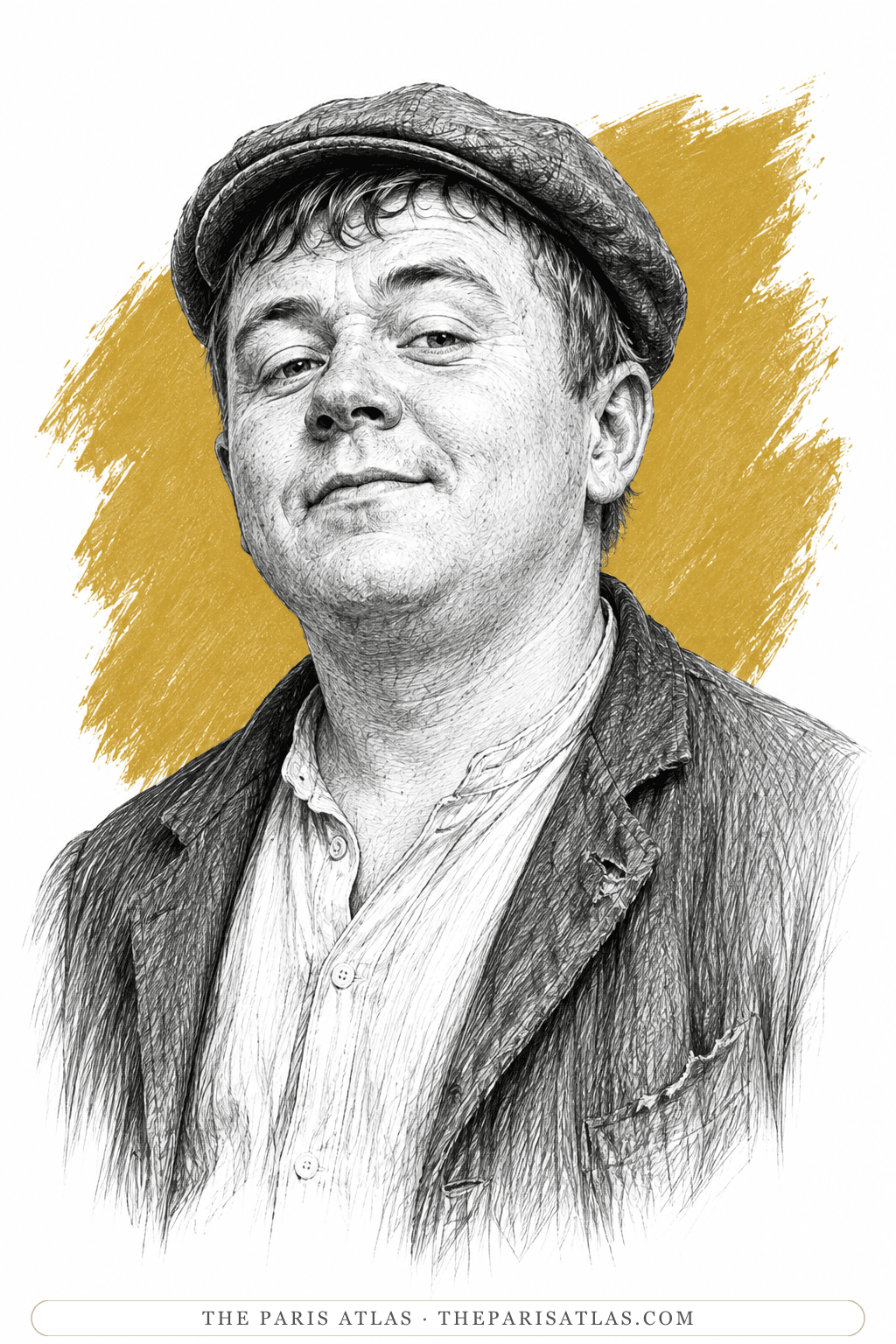
An unemployed man drawing relief, lodging at the Brookers' on fifteen shillings a week. Forty-three years old and taken by Orwell for twenty-eight, he spent almost his whole day in the public library and was proud of never having married.
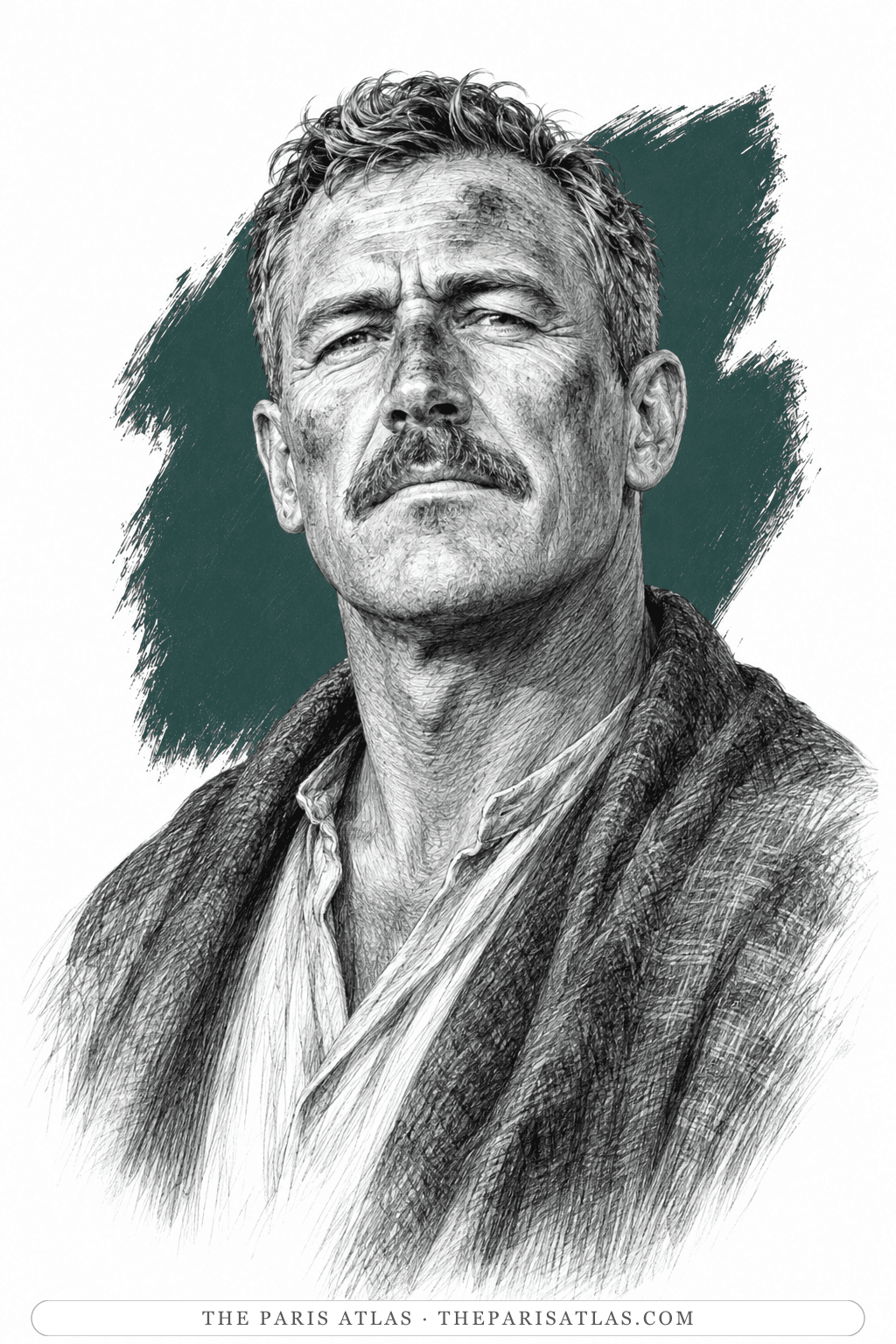
The lodger in the bed opposite Orwell's: a miner injured when a fall of rock pinned him underground, paid five hundred pounds in compensation, and now lying in bed till late in the day with a short pipe and a newspaper. The book never names him.
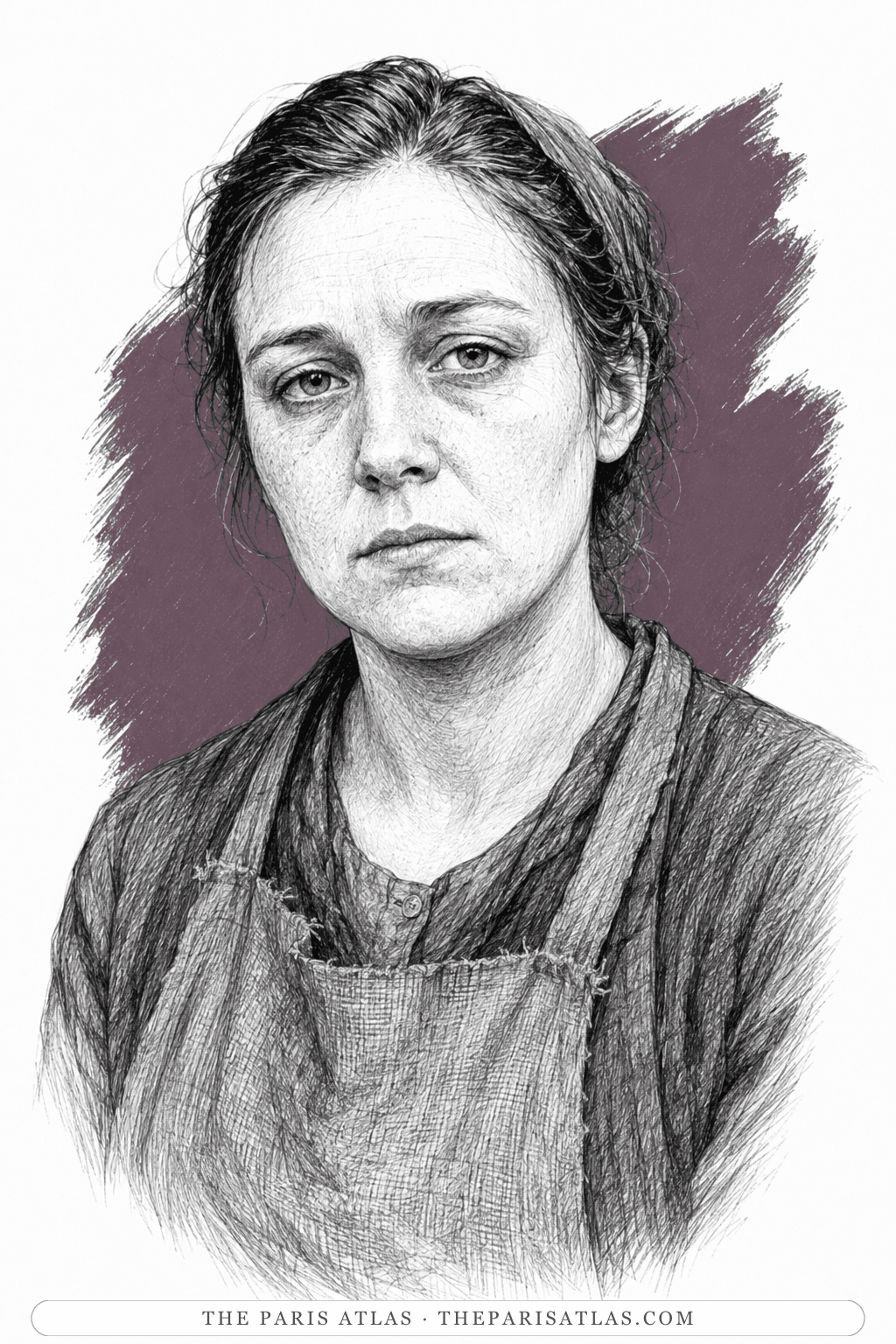
A young woman Orwell sees for a second or two from a moving train as he leaves Wigan, kneeling on the stones behind a slum house and poking a stick up a blocked waste-pipe. She is unnamed and never appears again, and one of the book's central arguments turns on her face.

An elderly mechanic employed on top at one of the coal pits, in the bed jammed against the foot of Orwell's. He left for work at five in the morning, which is the only reason Orwell could straighten his legs. The Brookers called him their best lodger and held it against him that he woke the landlady on his way downstairs.
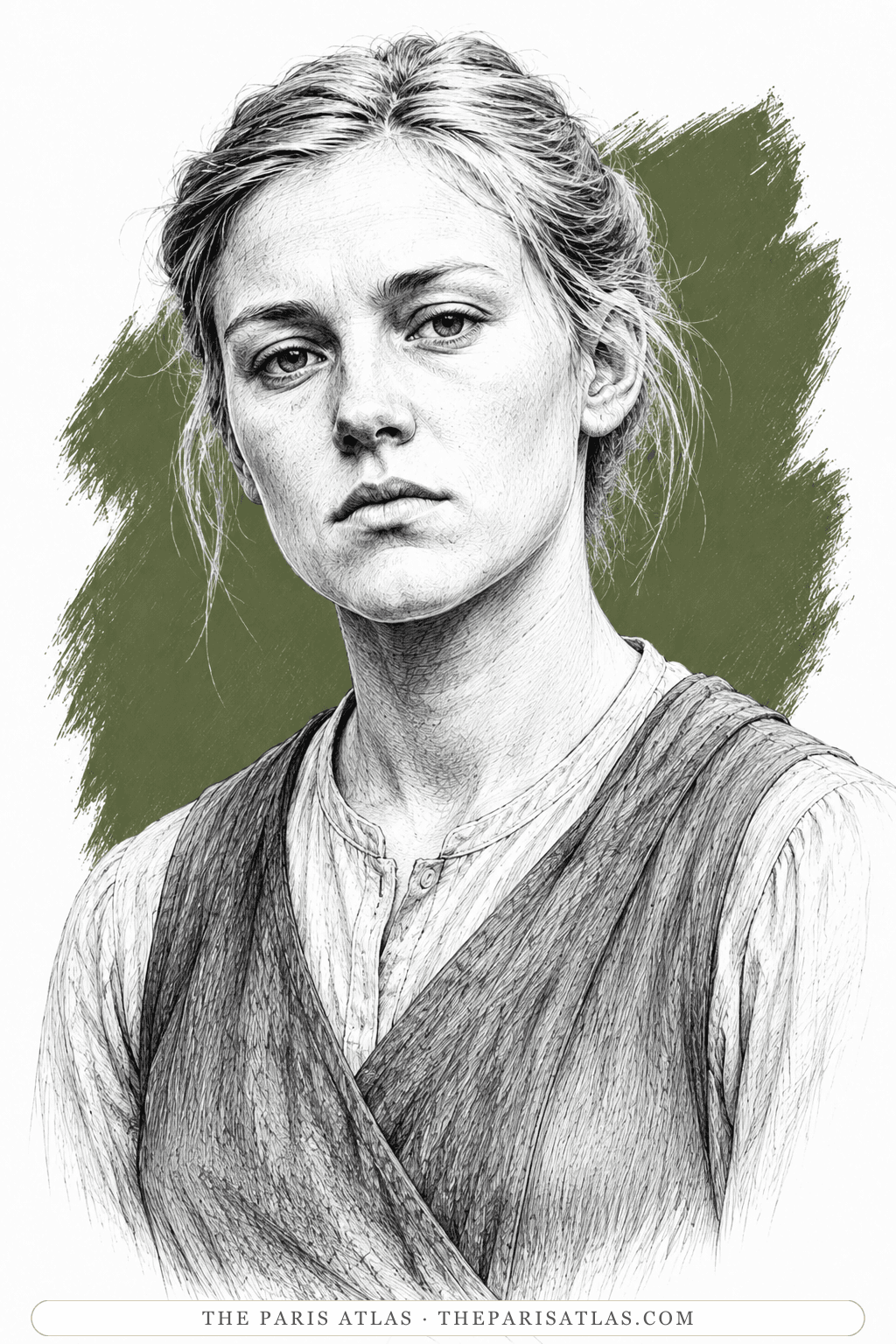
A fair-haired, sharp-nosed, unhappy-looking girl engaged to a Brooker son who lived in London. She worked at one of the mills for a starvation wage and spent her evenings doing the cooking and laundry at the Brookers'. Orwell gathered the marriage was constantly postponed and would probably never take place.
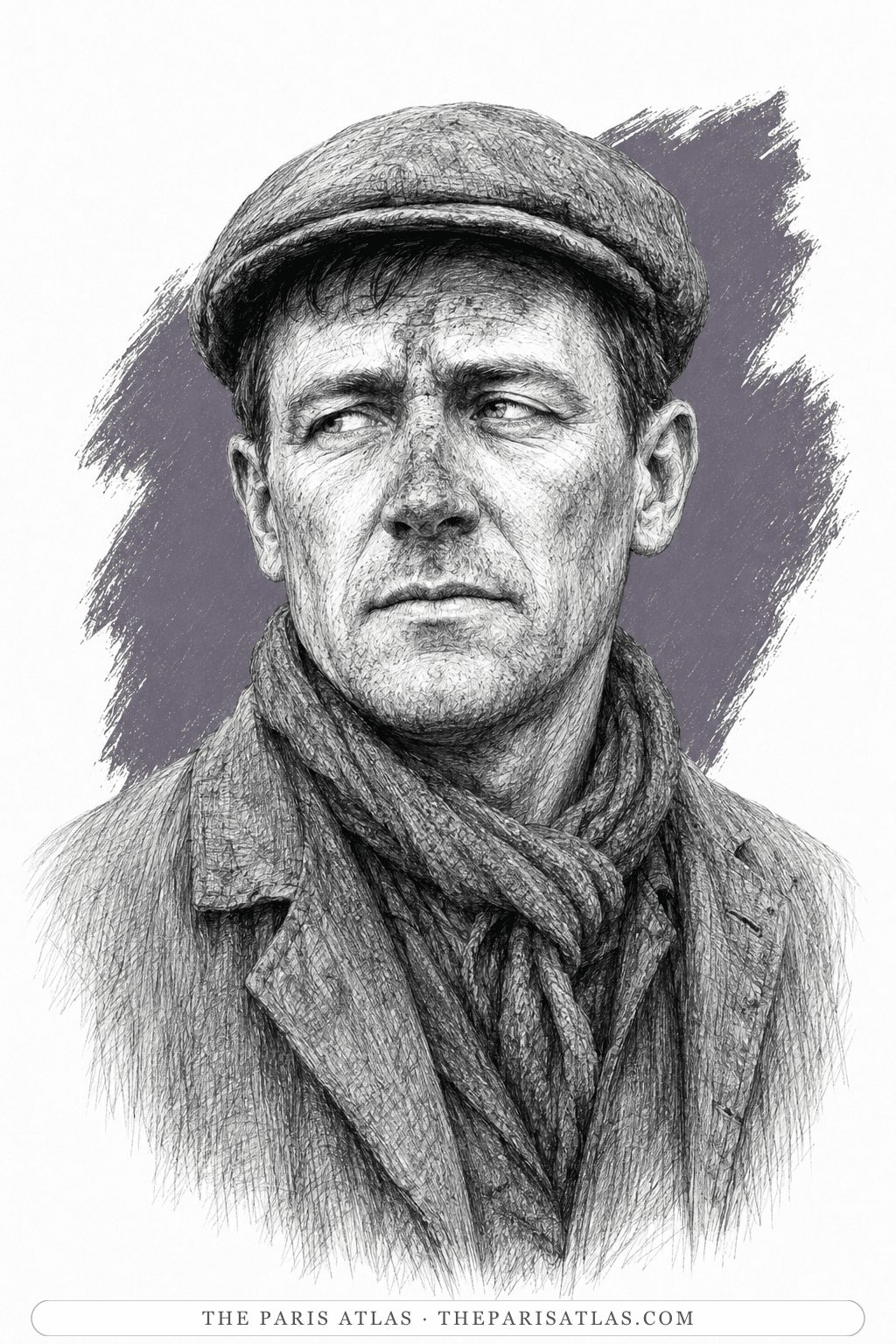
A Wigan miner George Orwell lodged with who had been half blinded underground. He could see across a room and not much further, and drew twenty-nine shillings a week in compensation that the colliery company was proposing to cut to fourteen.
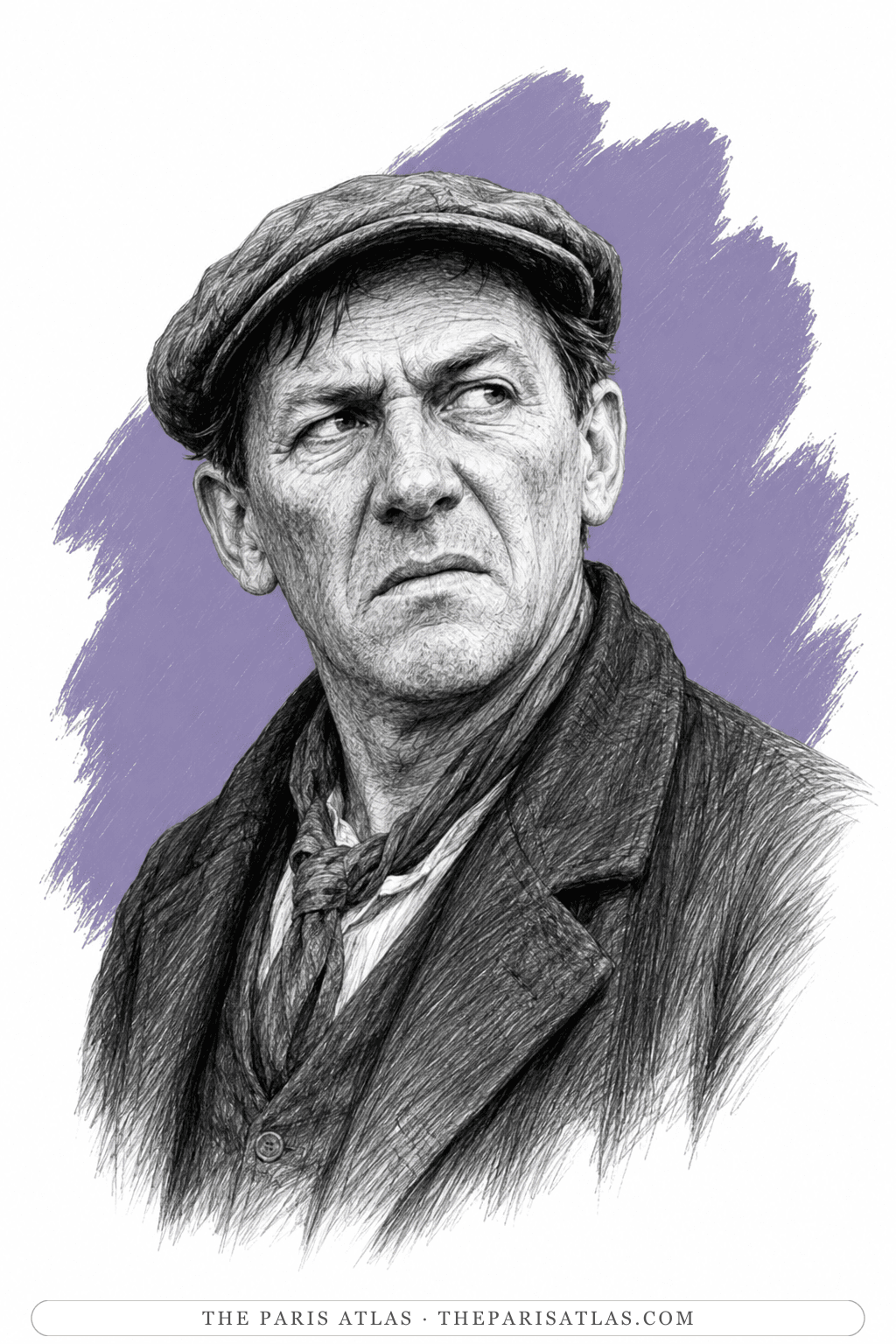
A stranger George Orwell shared a night train with in Burma, whose name he never discovered. It was too hot to sleep, half an hour of cautious questioning satisfied each that the other was safe, and they spent the night damning the British Empire from the inside with bottles of beer to hand. When the train reached Mandalay in the morning, Orwell writes, they parted as guiltily as any adulterous couple.
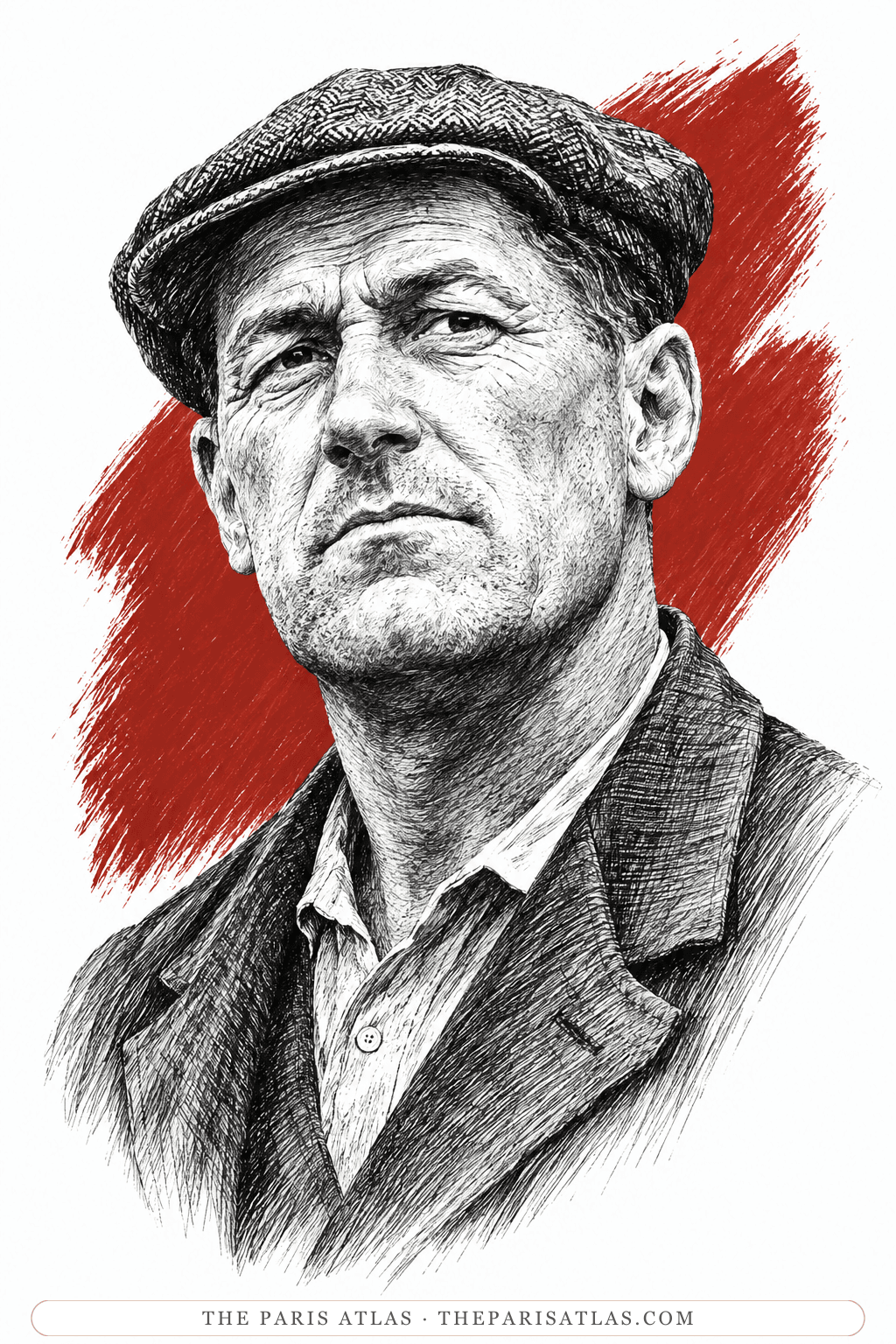
A Nonconformist missionary George Orwell knew fairly well in Burma, who walked into a police station Orwell was inspecting while one of the sub-inspectors was bullying a suspect. He watched, then said thoughtfully that he would not care to have Orwell's job. Orwell reports the shame it caused him, and says he would have felt it even with nobody there to say so.
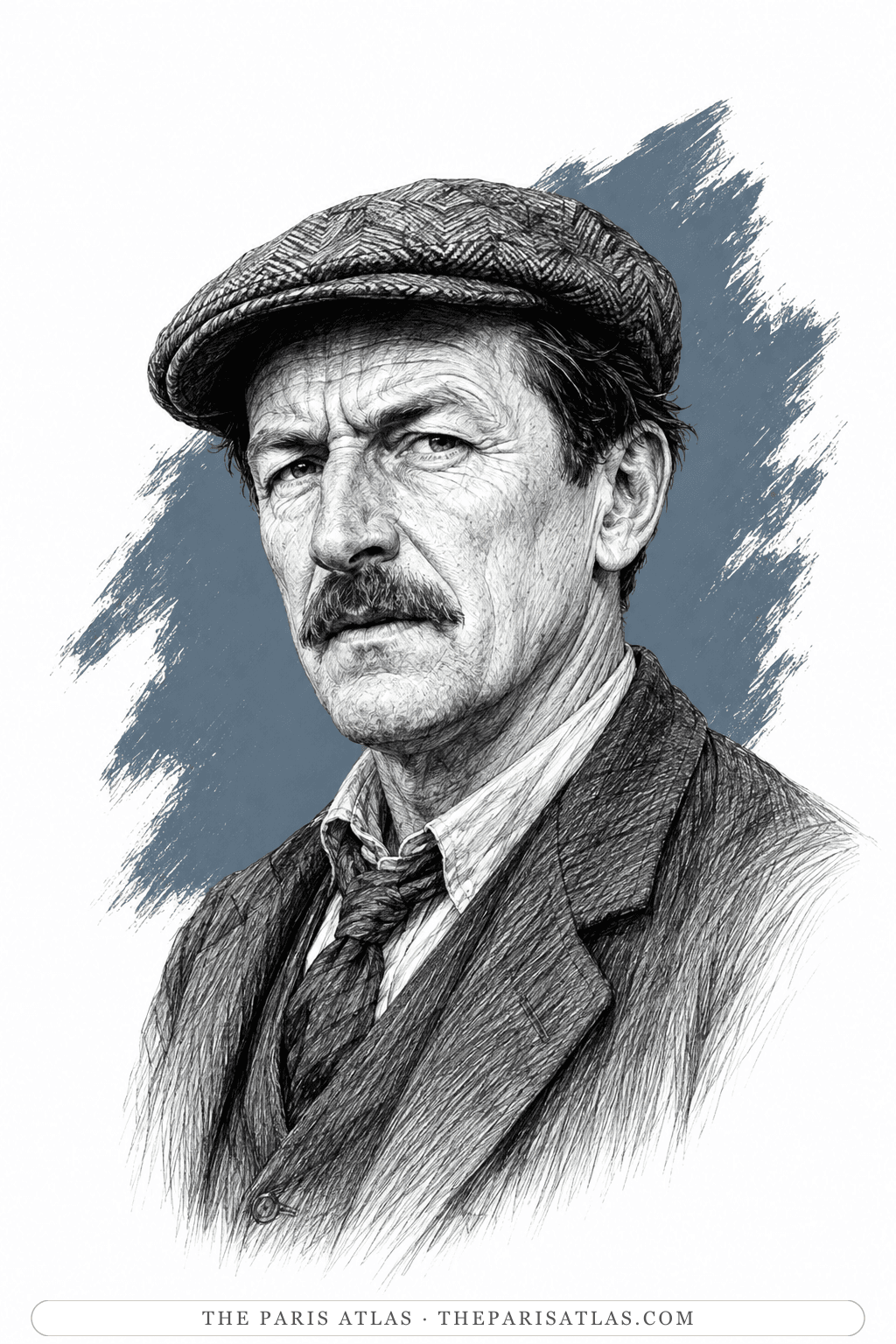
The man George Orwell went on the road with for several days through the northern outskirts of London, on his first expedition as a tramp. They shared a cell at night and took it in turns to beg at likely-looking houses, dividing what they got. The tramp told Orwell the history of his life; Orwell told him a fictitious one.
30 January 1936
George Orwell leaves London for the industrial north, and spends about two months in Lancashire and Yorkshire.
February–March 1936
He lodges with miners' families in Wigan, Barnsley and Sheffield, goes down several coal mines, and inspects and measures well over a hundred houses.
7 March 1936
Hitler reoccupies the Rhineland. Orwell notes in the book that he was in Yorkshire at the time, and that locally it aroused far less interest than a change to the football pools.
15 December 1936
He delivers the manuscript to Victor Gollancz, then leaves for Spain.
8 March 1937
Published in London in two editions at once — a Left Book Club edition carrying Gollancz's foreword and 32 plates, and a trade edition without it.
May 1937
The Left Book Club reissues Part One, the reportage, on its own.
1958
The first American edition appears, from Harcourt, Brace, twenty-one years after the English one.


The two books of reportage on being poor, four years apart. The first is Orwell inside it by accident; the second is Orwell going north on a commission to look at it.
Read our take
He delivered Wigan Pier in December 1936 and left for Spain days later. The argument about socialism in Part Two is what he took with him.
Read our take
The coal towns as reporting, then the same England as a novel — Bowling's Lower Binfield is what Wigan Pier's readers were being asked to imagine losing.
Read our takeOn 8 March 1937, by Victor Gollancz in London, in two forms at once: a Left Book Club edition with 32 photographic plates and a foreword by Gollancz, and a higher-priced trade edition without the foreword. George Orwell was in Spain at the time. The first American edition did not appear until 1958, from Harcourt, Brace.
Non-fiction. George Orwell reports what he saw during about two months in Lancashire and Yorkshire in 1936, and Part Two is an autobiographical essay arguing about class and socialism. The people in it are real, and most of them are unnamed.
He did not, because it was gone. Wigan Pier was a coal-loading jetty on the canal in Wigan, Lancashire, and George Orwell says he had set his heart on seeing it and found that it had been demolished, adding that even the spot where it stood was no longer certain.
Because he expected Part Two to offend Left Book Club readers. The foreword, signed V. G. and dated January 1937, says Gollancz marked well over a hundred passages he wanted to argue with, defends the socialists George Orwell describes as cranks, and explains that a Left Book Club selection is not an endorsement of everything a book says. Peter Davison's note on the text records that Orwell wrote from Barcelona that May to say he liked the introduction very much.
Part One is reportage from the coal towns: a lodging house, the descent to a coal face and the long crawl to reach it, miners' wages and accident rates, housing conditions taken down house by house, unemployment, and what people on relief actually ate. Part Two is an argument about the English class system, drawing on George Orwell's own upbringing and his five years in the Indian Imperial Police in Burma, and a criticism of how socialism was being presented to the people it needed to persuade.
For it, and he says so directly: he writes that he is arguing for socialism, not against it, and that in order to defend it he has to start by attacking it. His case is that socialism was losing ground because of the manners, jargon and machine-worship of its own supporters rather than because of what it proposed, and the last chapter asks socialists to lead with justice and liberty instead.
About two months. George Orwell left London on 30 January 1936 and spent February and March in Lancashire and Yorkshire, chiefly in Wigan, Barnsley and Sheffield, lodging with miners' families. He delivered the manuscript on 15 December 1936.
Explore authors with a similar voice, perspective, and influence.
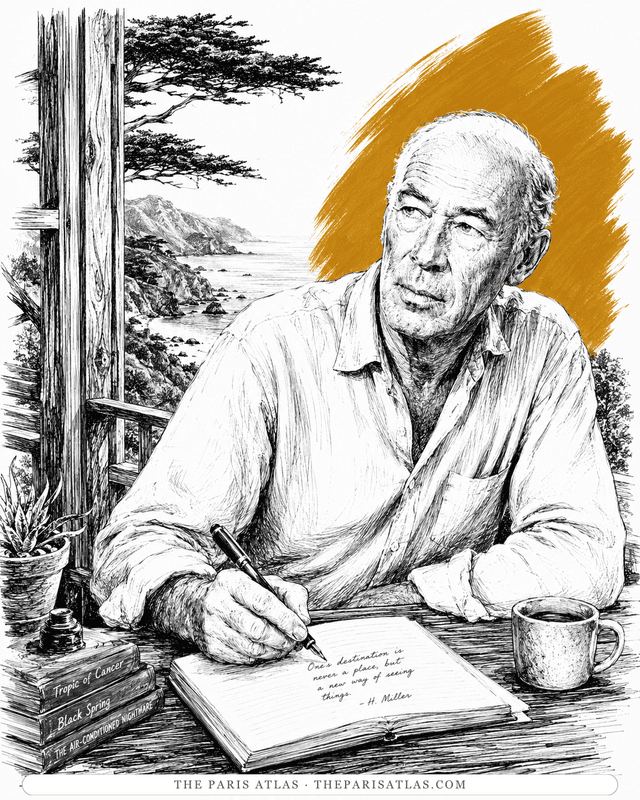
The Brooklyn dropout who arrived in Paris broke at thirty-eight and wrote the exuberant, banned books that ended American censorship.
View author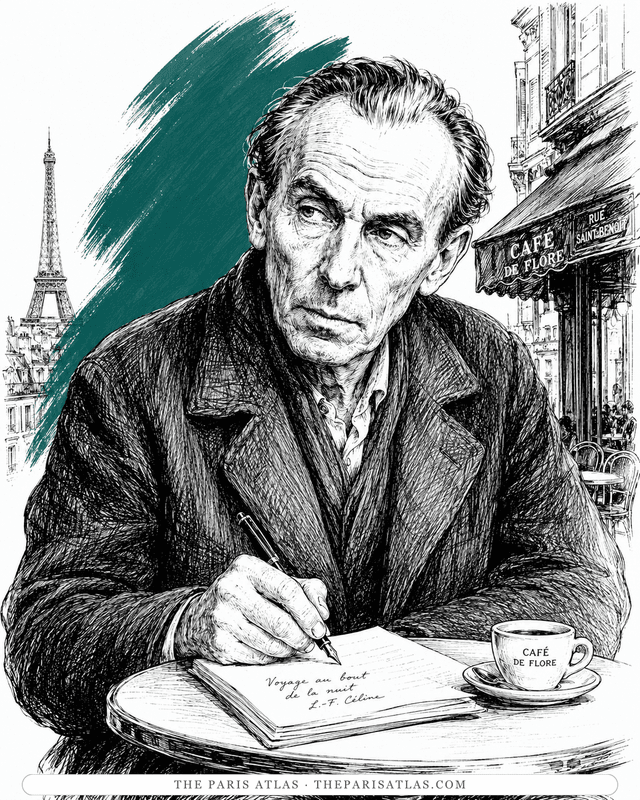
The doctor of the Paris slums who wrote the century's blackest, funniest novel — and changed the sound of French prose.
View author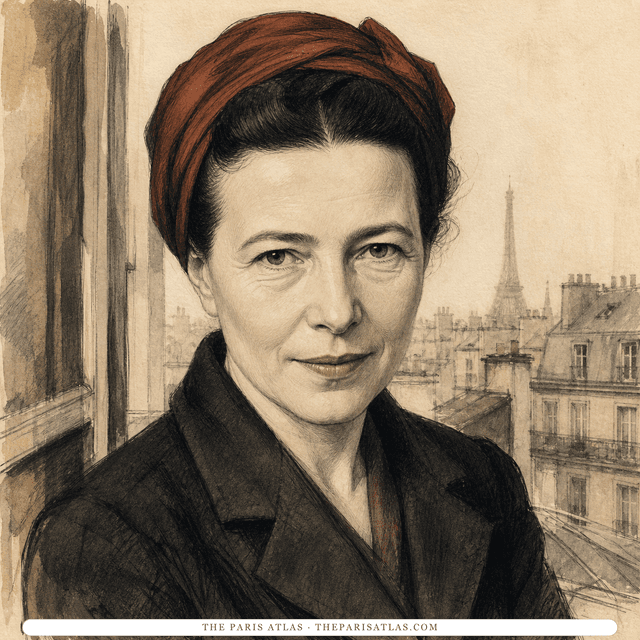
French writer and philosopher whose novels, memoirs, and social analysis examined freedom, gender, responsibility, aging, and the material conditions that shape a life.
View authorThe sources below include the primary text, editions, scholarship, archival materials, and other records that informed this page. They document The Road to Wigan Pier, its publication, and its place in literary history.

Project Gutenberg Australia transcription produced by O. Dag, first posted June 2002 and updated March 2019; its header disclaims conformity to a particular paper edition. Complete chapter II and the closing portion of chapter VII were read in the publicly available text. The analysis concerns Orwell's 1930s narrative and its imagined domestic tableau, not current mining conditions, an independently documented family portrait, or the complete volume.
A work-specific source used for The Road to Wigan Pier's publication history, textual context, or critical reception.
Used for independent biographical, archival, or historical context surrounding George Orwell's career and the period in which The Road to Wigan Pier appeared.

Used to cross-check authorship, chronology, and the work's place in George Orwell's wider catalogue.
Used to verify George Orwell's bibliography and place The Road to Wigan Pier within the broader chronology of George Orwell's career.
The primary text is the baseline reference for every book page. Additional references document publication history, interpretation, and historical context where that evidence is available.
 Explore more resources