
Old Jack
A lodger at the Brookers': an ex-miner of seventy-eight who had worked more than fifty years underground, was driven out of his home by the Means Test, and refused to smoke anyone else's tobacco.
In Orwell's account he wants to owe nobody anything. He is short of tobacco most weeks and will not take another lodger's, in a house where everyone else is counting what everyone else costs them.
The book

At a glance
- One of two old-age pensioners lodging at the Brookers'
- Seventy-eight
- Miner, more than fifty years
- Ten shillings a week, handed straight to the landlady
- The attic
- Part One, chapter 1
Who they are in the book
Spoiler-freeGeorge Orwell shared the Brookers' lodging house with two old-age pensioners. One was dying upstairs. The other, called by everyone Old Jack, was seventy-eight and had worked well over fifty years in the pits. Like his fellow pensioner he had been driven out of his home by the Means Test, which docked a family's relief if an old man's ten shillings went into the household. He handed the ten shillings to the Brookers instead and got a bed in the attic and meals chiefly of bread-and-butter.
Orwell found him alert and intelligent, and also stuck. He seemed to remember only his boyhood underground and to have forgotten the modern machinery entirely, so his stories were of fights with savage horses in the narrow galleries. When he heard that Orwell was arranging to go down several coal mines he was contemptuous, and said a man that size would never manage the travelling. There was no use telling him the travelling had improved.
What Orwell most admired about him was small and specific. He was generally out of tobacco by the end of the week and always refused to smoke anyone else's. He was friendly to the whole house, and gave everyone a shout of "Good night, boys!" as he crawled up the stairs to bed under the rafters.
How Old Jack Is Portrayed
- The marks of the tradeOrwell describes his manner and never his face. What the book says of miners as a class is that they are mostly shortish men, that they walk very upright and square-shouldered as a reaction against bending underground all day, and that every one of them carries blue scars of coal dust on the nose and forehead to his death.
- Fifty years undergroundAn ex-miner aged seventy-eight who had worked well over fifty years in the pits, and was living on the old-age pension.
- What he rememberedAlert and intelligent, but the memories were all of his boyhood. He had forgotten the modern mining machinery and told Orwell about fighting savage horses in the narrow galleries.
- On visitors going down pitsContemptuous. He declared that a man of Orwell's size, six feet two and a half, would never manage the travelling, and would not accept that it was better than it used to be.
- He never cadgedOut of tobacco most weeks by Friday and always refusing anyone else's. Orwell names this as the thing he most admired about him.
- Good night, boysA fine shout to the whole house as he crawled up the stairs to a bed somewhere under the rafters.
- What the Means Test didHe was in the lodging house because of it. An old man living with his children counted as a lodger and their dole was docked, so at seventy-five or seventy-eight he turned out and handed his pension to a landlady instead.
If you like The Road to Wigan Pier


If you like George Orwell
Explore authors with a similar voice, perspective, and influence.
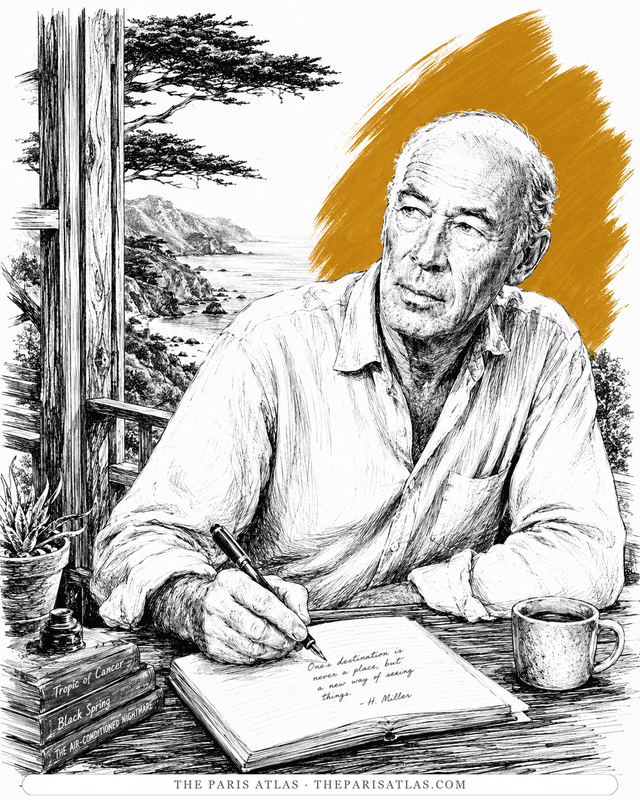
Henry Miller
The Brooklyn dropout who arrived in Paris broke at thirty-eight and wrote the exuberant, banned books that ended American censorship.
View author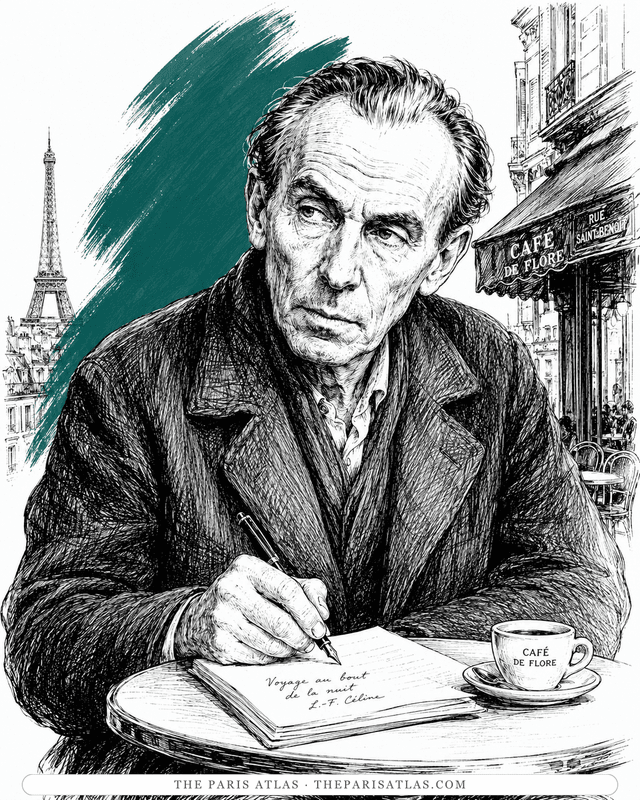
Louis-Ferdinand Céline
The doctor of the Paris slums who wrote the century's blackest, funniest novel — and changed the sound of French prose.
View author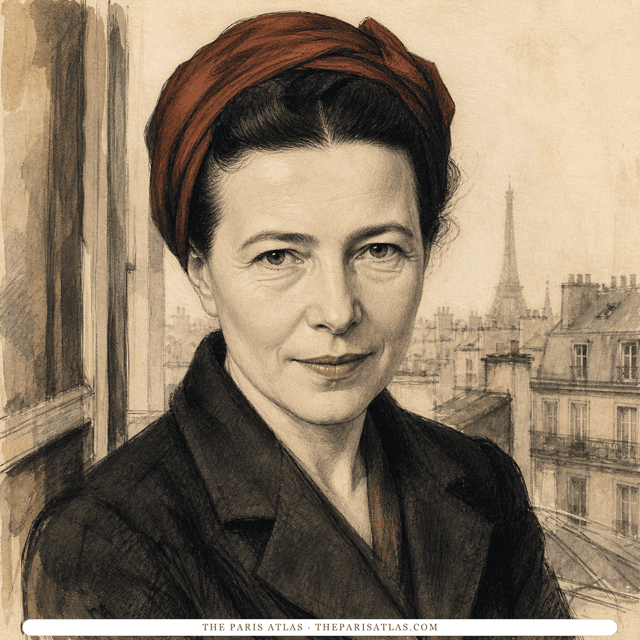
Simone de Beauvoir
French writer and philosopher whose novels, memoirs, and social analysis examined freedom, gender, responsibility, aging, and the material conditions that shape a life.
View author