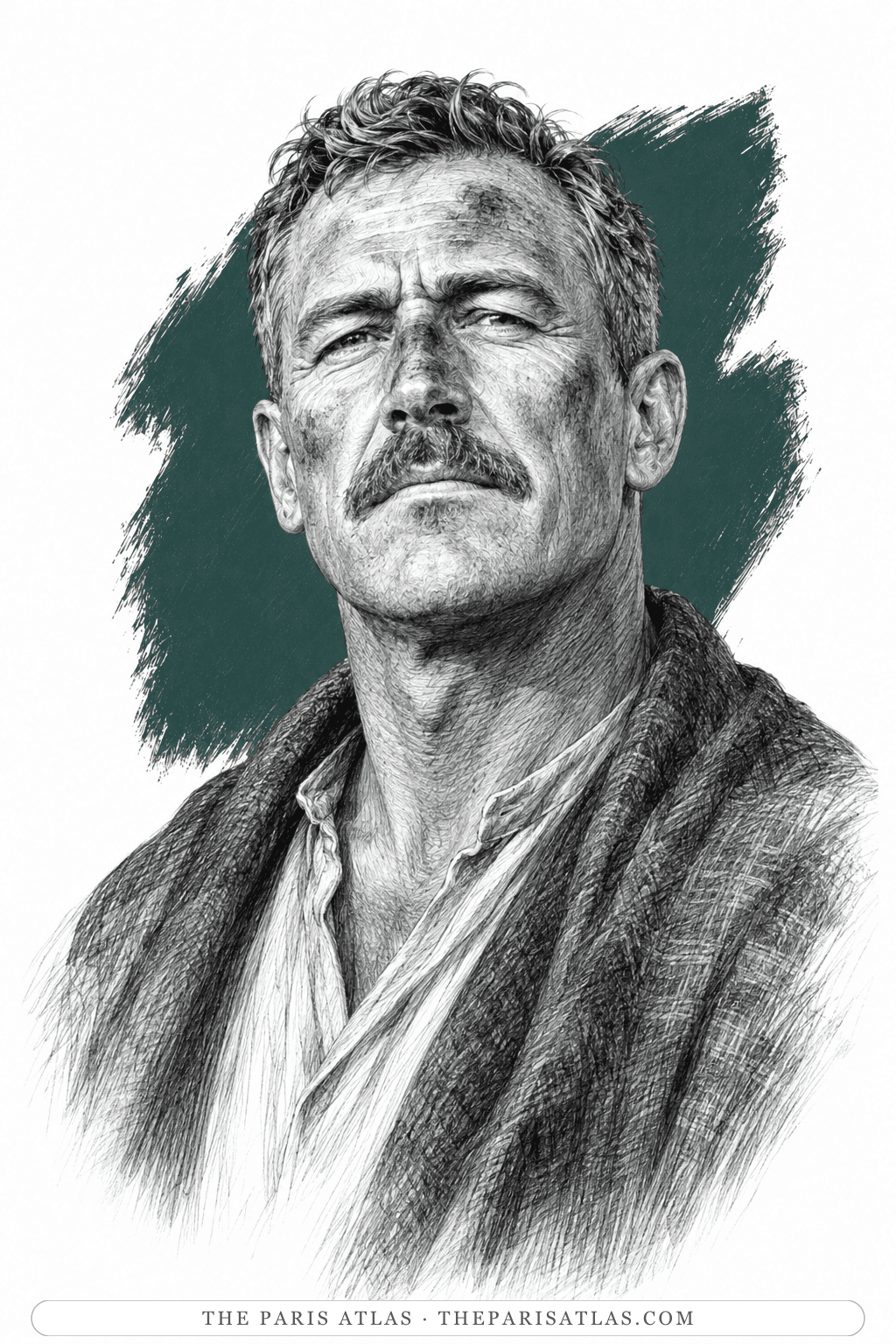
The Scotch miner
The lodger in the bed opposite Orwell's: a miner injured when a fall of rock pinned him underground, paid five hundred pounds in compensation, and now lying in bed till late in the day with a short pipe and a newspaper. The book never names him.
The book

At a glance
- Lodger in the bed opposite Orwell's, chapter 1
- Never given
- Forty
- Disabled by a fall of rock in a pit accident
- Five hundred pounds compensation; pays a pound a week
- Part One, chapter 1
Who they are in the book
Spoiler-freeHe is in the bed across the room from George Orwell's in the first chapter, and the book identifies him only by where he came from. A huge chunk of stone had pinned him to the ground in a pit accident and it was a couple of hours before they could lever it off. He received five hundred pounds in compensation, which is why he was paying the Brookers a pound a week, the full rate, and had nowhere in particular to be.
Orwell draws him as a big handsome man of forty with grizzled hair and a clipped moustache, more like a sergeant-major than a miner. He lay in bed till late in the day smoking a short pipe. He read newspapers the way many unemployed men did, all day and without much filter, and the result was that he would discourse for hours on the Yellow Peril, trunk murders, astrology, and the conflict between religion and science, if nobody headed him off. Orwell's verdict is one sentence: he was a bore when you got to know him.
He paid more than anyone else in the house and was still resented. The Brookers grumbled that they did not like him always hanging round the place, which Orwell files under their general complaint that they could never get the lodgers they wanted — commercial gentlemen who paid full board and were out all day.
How The Scotch miner Is Portrayed
- The accidentA huge chunk of stone pinned him to the ground, and it was a couple of hours before they could lever it off. That is the whole of what the book says about the injury itself.
- Five hundred poundsThe compensation. Set against the wages Orwell reports two chapters later, where the average miner brought home about two pounds a week, it is roughly five years of pay for a body that can no longer earn it.
- How he is drawnA big handsome man of forty, grizzled hair and a clipped moustache, more like a sergeant-major than a miner. He lay in bed till late in the day, smoking a short pipe.
- Big for a minerThe book calls him big, and elsewhere says miners are usually small men, because a big man is at a disadvantage at the coal face. Orwell also writes that every miner carries blue scars of coal dust on the nose and forehead for the rest of his life.
- The conversationToo much time reading newspapers, and hours of talk about the Yellow Peril, trunk murders, astrology, and the conflict between religion and science. Orwell says he was a bore once you knew him.
- The best-paying lodgerA pound a week, the full rate, and still in the Brookers' bad books because he was indoors most of the day and they wanted the rooms empty.
If you like The Road to Wigan Pier


If you like George Orwell
Explore authors with a similar voice, perspective, and influence.
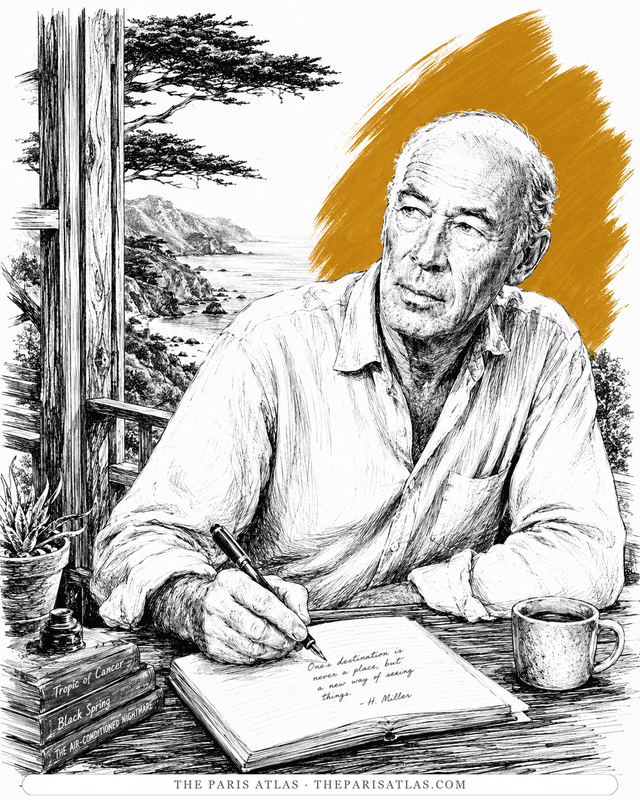
Henry Miller
The Brooklyn dropout who arrived in Paris broke at thirty-eight and wrote the exuberant, banned books that ended American censorship.
View author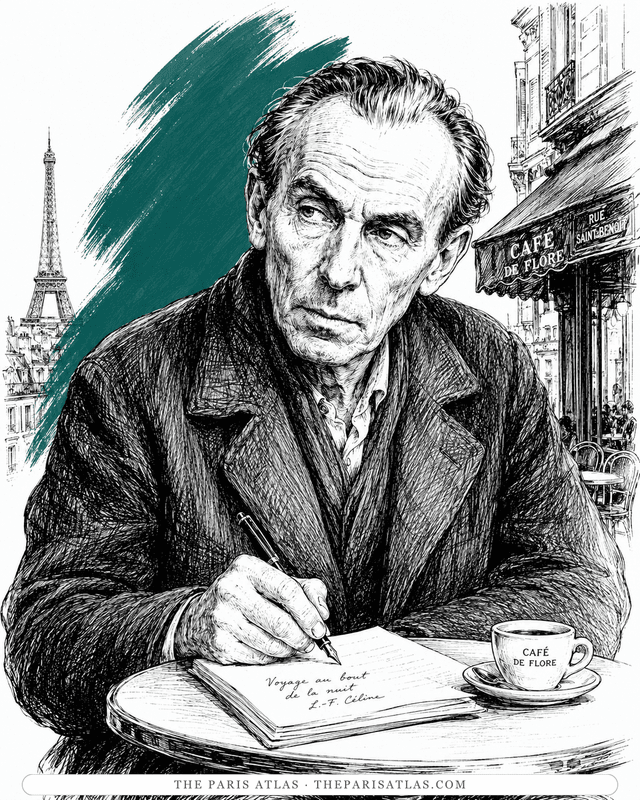
Louis-Ferdinand Céline
The doctor of the Paris slums who wrote the century's blackest, funniest novel — and changed the sound of French prose.
View author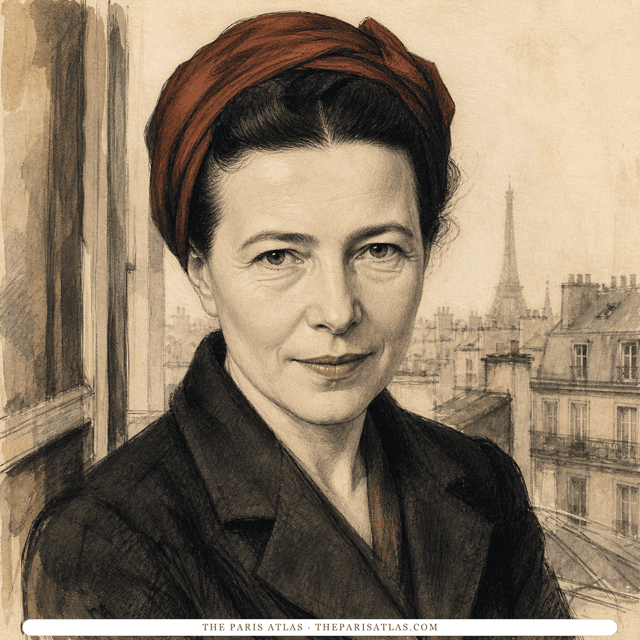
Simone de Beauvoir
French writer and philosopher whose novels, memoirs, and social analysis examined freedom, gender, responsibility, aging, and the material conditions that shape a life.
View author