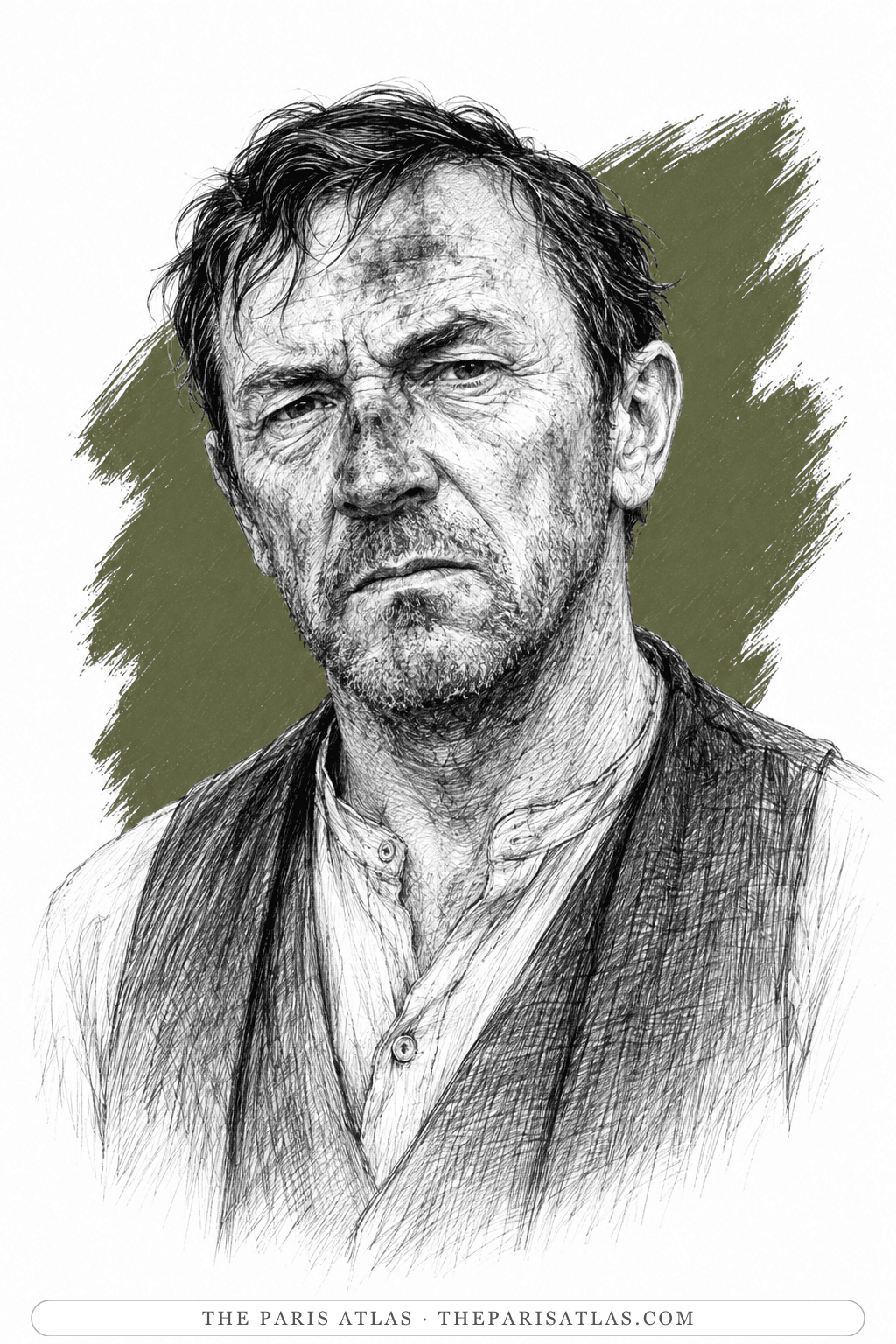
Mr Brooker
The tripe-shop keeper and landlord of the lodging house where the book opens. A miner out of work for two years, running a failing shop, handing his lodgers bread with a black thumb-print on it and moving with incredible slowness from one hated job to the next.
In Orwell's account he wants the sort of lodger who pays thirty shillings a week and is never indoors, and a grievance against everybody else. The complaints are the household's chief pleasure, and he keeps them going whether or not anyone is listening.
The book

At a glance
- Keeps the tripe shop and lodging house in chapter 1
- Miner; out of work two years
- Dark, small-boned, sour, Irish-looking, and very dirty
- An invalid wife, many children mostly gone, one son near by
- A tripe and pea shop below, lodgers above, a bathroom nobody uses
- Part One, chapter 1
Who they are in the book
Spoiler-freeGeorge Orwell spent the first chapter of the book in a house in a northern mining town that was a tripe shop downstairs and a lodging house upstairs. Mr Brooker kept it. He was a miner by trade and had been out of work two years, and he and his wife had run shops of one kind and another all their lives as a side-line, including a pub whose licence they lost for allowing gambling on the premises. Orwell describes him as dark, small-boned, sour and Irish-looking, and astonishingly dirty. He says he never once saw the man's hands clean.
Because Mrs Brooker was an invalid, her husband did nearly everything: the shop, the lodgers' food, the bedrooms. He did it badly and resentfully. Beds were often unmade at six in the evening, and at any hour of the day a lodger might meet him on the stairs carrying a full chamber-pot gripped with his thumb well over the rim. In the mornings he sat by the fire peeling potatoes into a tub of filthy water at the speed of a slow-motion picture, calling it bloody woman's work. Orwell writes that you could see the hatred of it fermenting inside him.
What he mostly did was complain. The shop did not pay, the lodging house hardly paid, everyone swindled them and nobody was grateful. The complaint Orwell heard most often was about the two old-age pensioners in the house, who paid ten shillings a week and were felt to be eating the Brookers' substance. Mr Brooker would look up from the potatoes, catch Orwell's eye, and jerk his head towards the ceiling and the bedridden one's room. Orwell left on the day there was a full chamber-pot under the breakfast table, and his verdict on the household is not that the Brookers were disgusting but that there were tens of thousands like them, and that they were a by-product of the industrial civilisation everyone else was living off.
How Mr Brooker Is Portrayed
- How the book describes himOrwell's one sentence for him is dark, small-boned, sour, Irish-looking and astonishingly dirty. He gives no more of the face than that, and nothing at all of the clothes. He was a miner by trade, and the book says of miners generally that every one of them carries blue coal-dust scars on the nose and forehead to his death.
- The handsOrwell says he never once saw them clean, and that like all people with permanently dirty hands he had a peculiarly intimate, lingering way of handling things. A slice of bread-and-butter came with a black thumb-print on it, and he would not let a lodger cut his own.
- The potatoesEvery morning, a tub of filthy water by the fire and potatoes peeled with an air of brooding resentment, very slowly. He called the work bloody woman's work. Orwell says he was one of those people who can chew their grievances like a cud.
- What he had beenA miner, out of work two years by the time Orwell lodged there. The shops were the side-line that had become the living, and one of them had been a pub until the licence went for allowing gambling on the premises.
- The shopA narrow cold room with a slab of tripe, grey black tripe, and boiled pigs' feet. Teas were advertised in the window and customers asking for one were usually put off with excuses. Last year's dead bluebottles were still lying in the window, and Orwell says neither of the Brookers could have understood why that was bad for trade.
- Old HookerThe bedridden pensioner dying of cancer upstairs was the standing grievance. Mr Brooker would jerk his head at the ceiling and say "It's a b-, ain't it?", and Orwell says the Brookers were quite openly pining for him to die, at which point they could draw the insurance.
- The houseworkHe attended to the shop, fed the lodgers and did out the bedrooms, always moving with incredible slowness from one hated job to another. The full chamber-pot on the stairs was routine; the one under the breakfast table was the day Orwell decided to leave.
- The allowanceBy local standards the Brookers were not badly off. In some way Orwell says he did not understand, Mr Brooker was dodging the Means Test and drawing money from the Public Assistance Committee while the household complained of being ruined.
If you like The Road to Wigan Pier


If you like George Orwell
Explore authors with a similar voice, perspective, and influence.
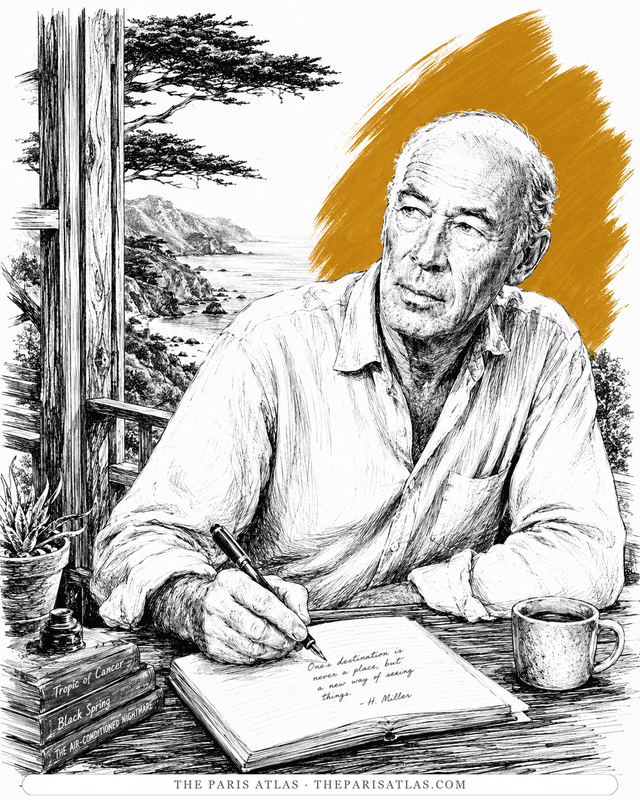
Henry Miller
The Brooklyn dropout who arrived in Paris broke at thirty-eight and wrote the exuberant, banned books that ended American censorship.
View author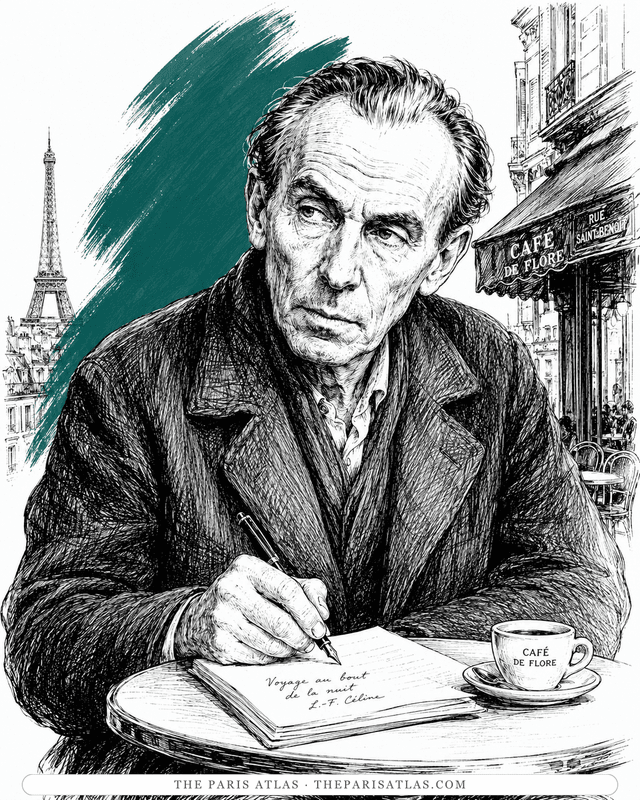
Louis-Ferdinand Céline
The doctor of the Paris slums who wrote the century's blackest, funniest novel — and changed the sound of French prose.
View author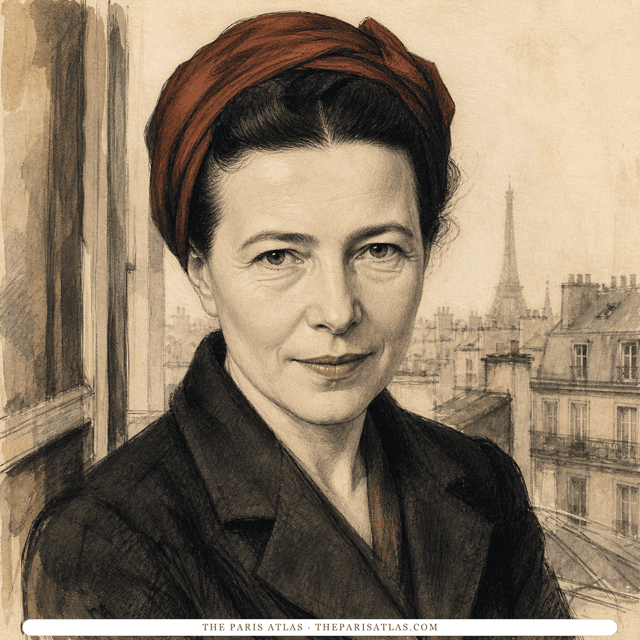
Simone de Beauvoir
French writer and philosopher whose novels, memoirs, and social analysis examined freedom, gender, responsibility, aging, and the material conditions that shape a life.
View author