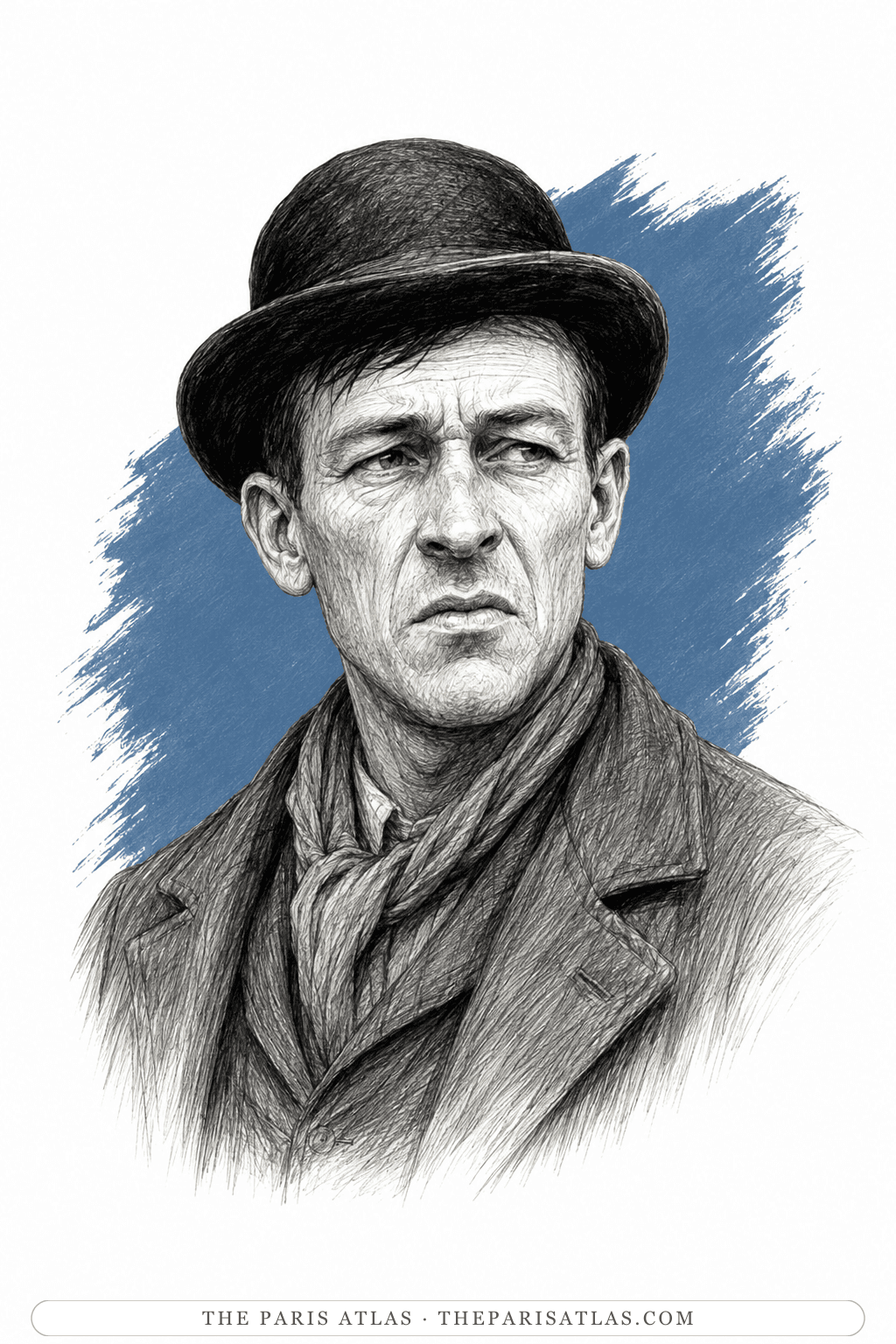
The stevedore at Limehouse
A hefty young stevedore, drunk on a Saturday night in a common lodging house in Limehouse Causeway, on the first evening George Orwell went out dressed as a tramp. Orwell had gone in expecting a fight and stiffened as the man lurched at him; the stevedore fell on his chest, put his arms round his neck and asked him to have a cup of tea. Orwell calls it a kind of baptism, and says his fear of the working class went with it.
In Orwell's account he wants Orwell to have a cup of tea. It is the only thing he says, and he says it twice.
The book

At a glance
- A drunk lodger George Orwell met on his first night dressed as a tramp
- Never given
- Stevedore, meaning a dock worker who loads and unloads ships
- Young; no number is given
- A common lodging house in Limehouse Causeway, in the East End of London
- Part Two, chapter 9
Who they are in the book
Spoiler-freeAfter resigning from the Indian Imperial Police, George Orwell set out to submerge himself among the poorest people in England. The plan, as Part Two of the book describes it, was to get into common lodging houses, make friends with dock labourers and hawkers and beggars, find out how tramping worked, and then go on the road himself. The stevedore belongs to the first evening of that plan.
Orwell dressed for the part at a friend's house and walked east until he came to a common lodging house in Limehouse Causeway, a dark, dirty-looking place with a sign in the window reading Good Beds for Single Men. He says he had to screw up his courage to go in, and that it seems ridiculous to him now. He was still half afraid of the working class. He wanted to get in touch with them and even to become one of them, and still thought of them as alien and dangerous. He went in fully expecting a fight, on the assumption that the men there would identify him as an outsider come to spy on them and throw him out.
The deputy took his ninepence without staring at his accent and showed him down to a firelit kitchen underground, where stevedores and navvies and a few sailors were playing draughts and drinking tea. They barely glanced at him. But it was Saturday night, and a hefty young stevedore was drunk and reeling about the room. He turned, saw Orwell and lurched towards him with his broad red face thrust out and what Orwell calls a dangerous-looking fishy gleam in his eyes. Orwell stiffened, thinking the fight had come already.
The stevedore collapsed on his chest, flung both arms round his neck and asked him, in tears, to have a cup of tea. Orwell had the cup of tea. He calls it a kind of baptism, and says his fears vanished with it. Nobody questioned him after that, nobody showed offensive curiosity, and everybody took him utterly for granted. He stayed two or three days, and went on the road for the first time a few weeks later.
How The stevedore at Limehouse Is Portrayed
- How the book describes himHefty and young, with a broad red face thrust out and what Orwell calls a dangerous-looking fishy gleam in his eyes. All of it is recorded in the moment Orwell thought he was about to be hit.
- Saturday nightHe was drunk and reeling about the room. The other men in the kitchen, stevedores and navvies and a few sailors, were playing draughts and drinking tea and had barely looked up when Orwell came in.
- The roomThe underground kitchen of a common lodging house in Limehouse Causeway, dark and dirty-looking from the street, with Good Beds for Single Men in the window and a bed for ninepence.
- What Orwell expectedA fight. He writes that he had to screw up his courage to go through the door, that he was still half afraid of the working class, and that he expected to be spotted as an outsider come to spy and thrown out.
- The lurchThe man turned, saw Orwell and came at him. Orwell stiffened, and thought the fight had come.
- The cup of teaInstead the stevedore collapsed on his chest and flung his arms round his neck. "'Ave a cup of tea, chum!" he cried, tearfully, and then said it again.
- A kind of baptismOrwell's phrase for what followed. He had the tea, and says his fears vanished with it. Nobody questioned him after that, nobody showed offensive curiosity, and everybody took him utterly for granted.
If you like The Road to Wigan Pier


If you like George Orwell
Explore authors with a similar voice, perspective, and influence.
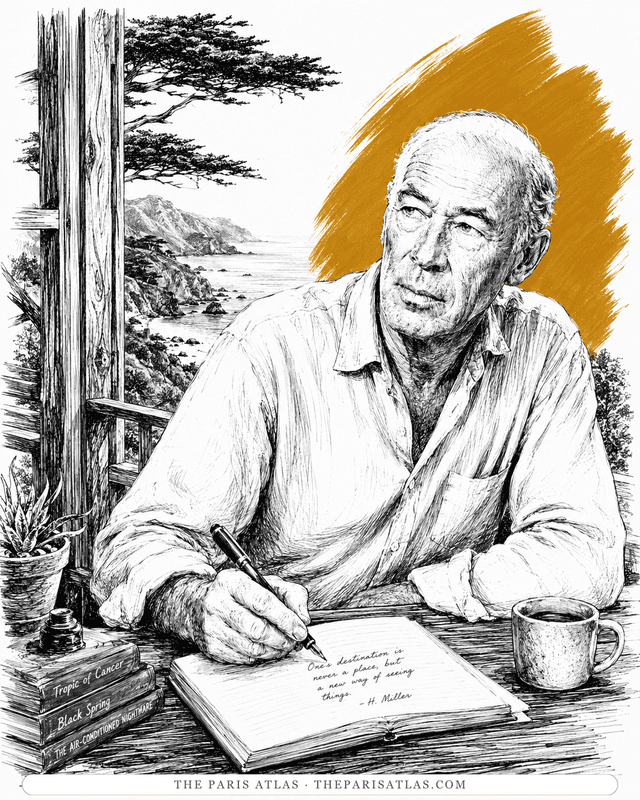
Henry Miller
The Brooklyn dropout who arrived in Paris broke at thirty-eight and wrote the exuberant, banned books that ended American censorship.
View author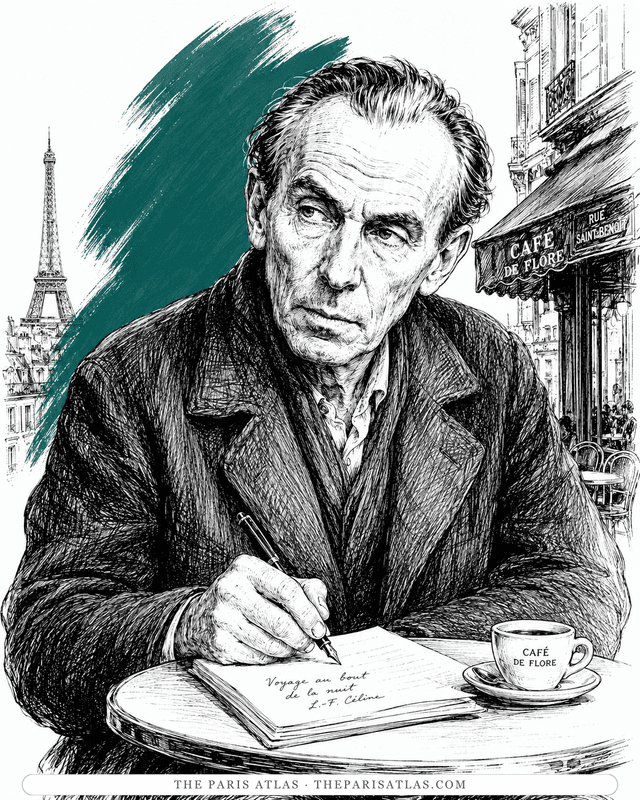
Louis-Ferdinand Céline
The doctor of the Paris slums who wrote the century's blackest, funniest novel — and changed the sound of French prose.
View author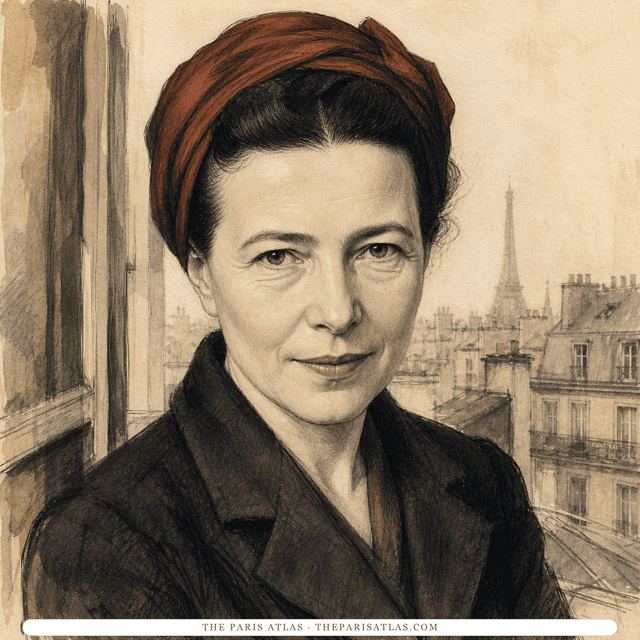
Simone de Beauvoir
French writer and philosopher whose novels, memoirs, and social analysis examined freedom, gender, responsibility, aging, and the material conditions that shape a life.
View author