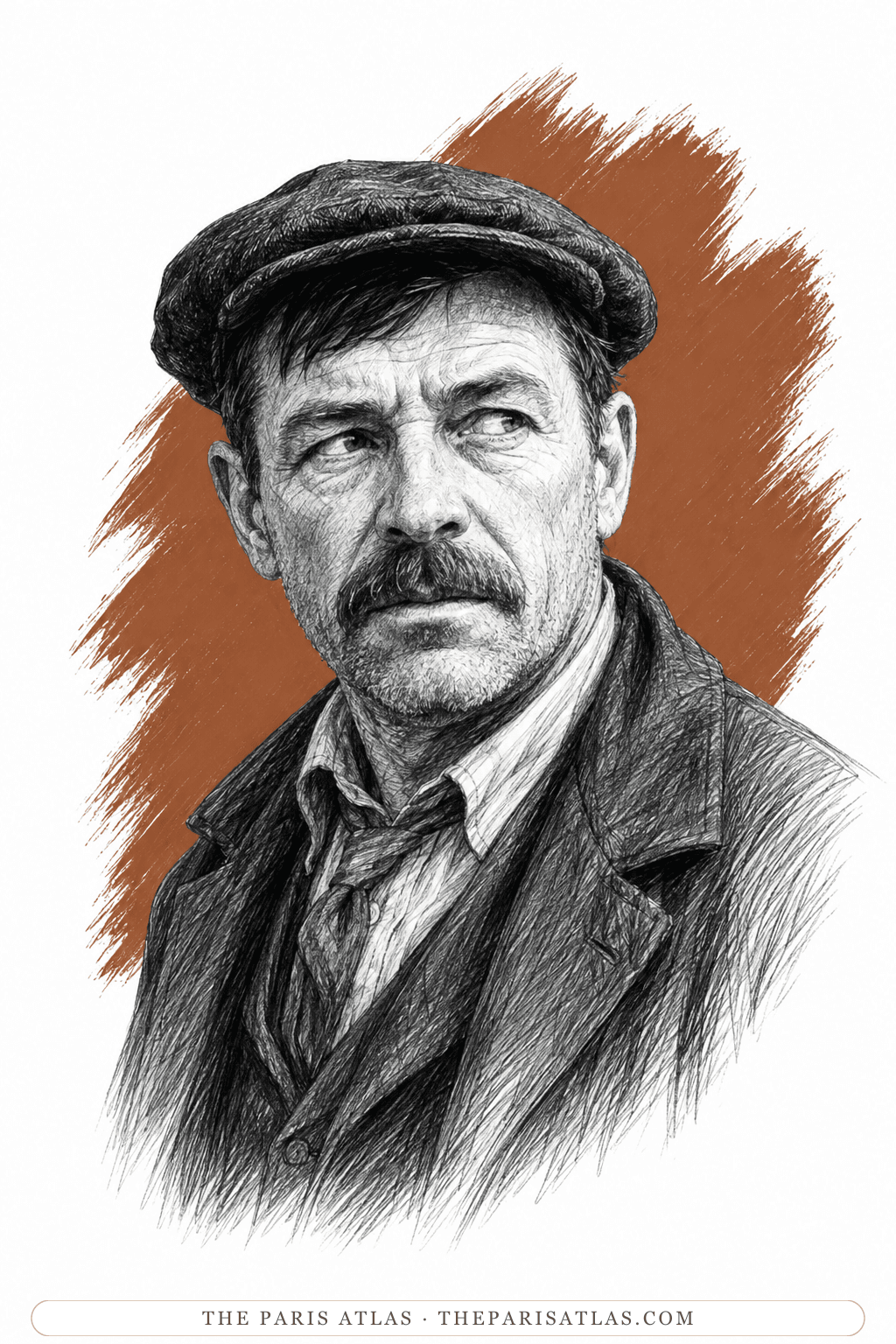
The newspaper canvassers
Two middle-aged men working the streets for one of the weekly papers, sent from town to town with maps and a quota of twenty orders a day on pain of the sack. They were on their feet ten hours and then filled in forms late into the night; the fat one, a grandfather, used to fall asleep with his head on the pile. Neither could afford the Brookers' full board, so they paid for beds and ate bacon and bread and margarine out of their suitcases in a corner of the kitchen.
In Orwell's account they want to make the day's twenty orders. The whole of their working life is arranged around that number, and coming in under it means the sack.
The book

At a glance
- Two of the floating lodgers at the Brookers'
- Neither is given
- Both middle-aged; one of them a grandfather
- One of the more notorious weekly papers
- Twenty orders a day, or the sack
- About two pounds a week, plus commission above twenty
- Part One, chapter 1
Who they are in the book
Spoiler-freeThe house George Orwell lodged in for the first chapter of the book took a floating trade as well as its permanent lodgers: commercial travellers of the poorer sort, travelling actors, and newspaper canvassers. Canvassers went door to door signing people up to take a paper. Orwell had never met the type before and got to know two of them, both employed by one of the more notorious weeklies. He gives them more space than anyone in the house except the Brookers themselves, and says the job seemed to him so hopeless and so appalling that he wondered how anyone could put up with it when prison was a possible alternative.
The work ran like this. The paper sent them from town to town, gave them maps and a list of streets to work each day, and required twenty orders a day. Below twenty they were sacked. At twenty or above they drew a small salary, two pounds a week as Orwell remembers it, and a tiny commission on anything past the quota. He notes that the target was not as impossible as it sounds, because in working-class districts every family took a twopenny weekly and changed it every few weeks. He doubted anyone kept such a job long. The papers took on out-of-work clerks and commercial travellers, who made frantic efforts for a while and were sacked and replaced as the work wore them down.
The two he knew were middle-aged men with families to support, and one of them was a grandfather. They were on their feet ten hours a day working their appointed streets, and then busy late into the night filling in blank forms for a scheme the paper was running, under which a subscriber was given a set of crockery for taking the paper six weeks and sending in a two-shilling postal order as well. The fat one, the grandfather, used to fall asleep with his head on the pile of forms.
Neither could afford the pound a week the Brookers charged for full board. They paid a small sum for their beds and ate in a corner of the kitchen, off bacon and bread and margarine they kept in their suitcases. Orwell calls those meals shamefaced. It did them no good with the Brookers, who wanted lodgers who were out all day and had that much, but who held the imported food against them and put it on the list of grievances with everything else.
How The newspaper canvassers Is Portrayed
- Who they wereTwo middle-aged men with families to support, one of them a grandfather. Orwell distinguishes them only as the fat one and the other, and describes neither further.
- Twenty orders a dayThe quota. The paper supplied maps and a list of streets to work each day, and sacked anyone who came in under it.
- What it paidA small salary for making the quota, two pounds a week as Orwell remembers it, and a tiny commission on each order above twenty.
- The hoursTen hours a day on their feet, then late into the night filling in blank forms for a scheme under which a set of crockery was given away to anyone who took the paper six weeks and sent a two-shilling postal order as well.
- Asleep on the formsThe fat one, the grandfather, used to fall asleep with his head on the pile of them.
- Meals out of a suitcaseNeither could afford the Brookers' pound a week for full board. They paid a small sum for their beds and made what Orwell calls shamefaced meals in a corner of the kitchen, off bacon and bread and margarine stored in their luggage. The Brookers bore them a grudge for it.
- Used up and replacedOrwell's account of the trade: the papers engage out-of-work clerks and commercial travellers, who keep their sales up to the minimum for a while by frantic effort and are sacked when the work wears them down. Fresh men are taken on.
- What Orwell thought of the jobThat it was so hopeless and so appalling that he wondered how anyone could put up with it when prison was a possible alternative. He states it as his own judgement, and passes it on the work rather than on the men doing it.
If you like The Road to Wigan Pier


If you like George Orwell
Explore authors with a similar voice, perspective, and influence.
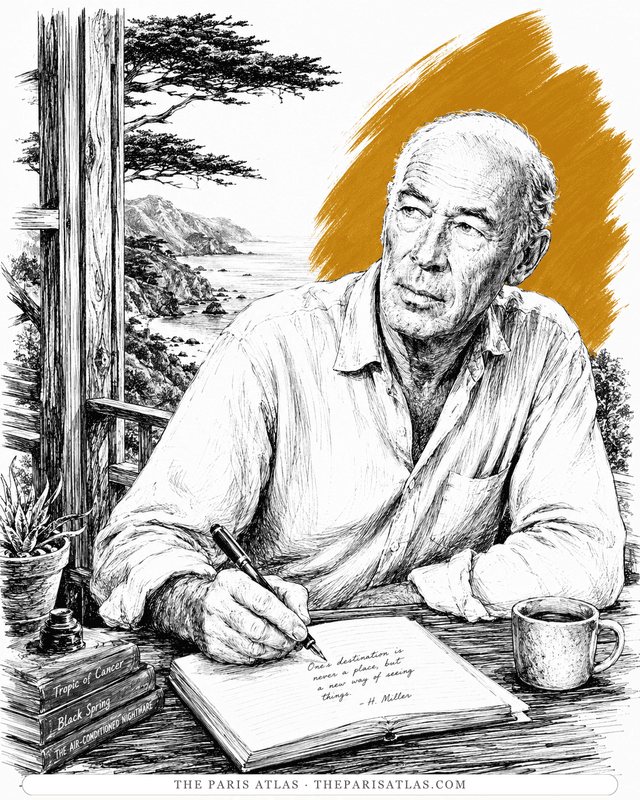
Henry Miller
The Brooklyn dropout who arrived in Paris broke at thirty-eight and wrote the exuberant, banned books that ended American censorship.
View author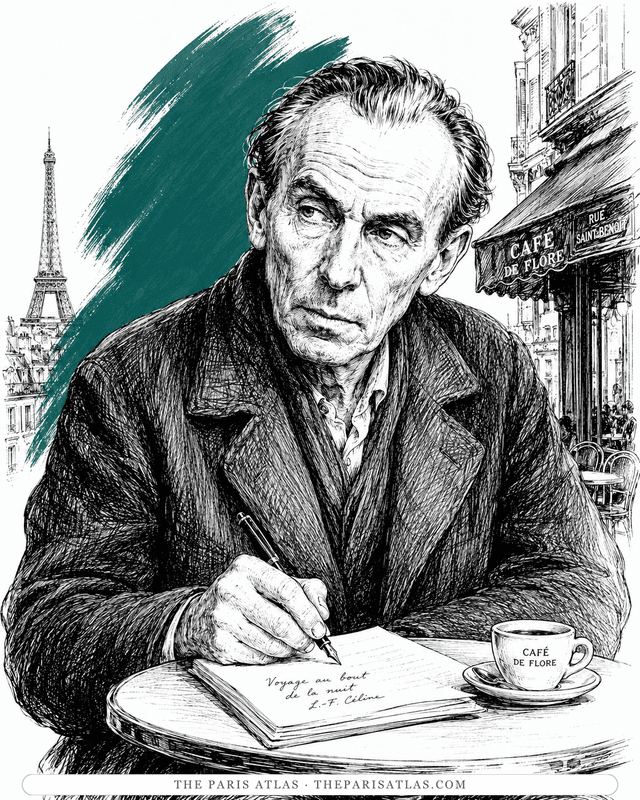
Louis-Ferdinand Céline
The doctor of the Paris slums who wrote the century's blackest, funniest novel — and changed the sound of French prose.
View author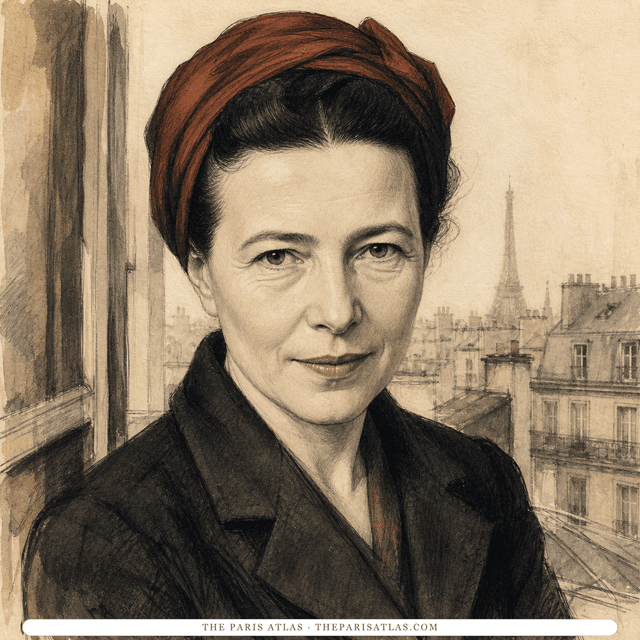
Simone de Beauvoir
French writer and philosopher whose novels, memoirs, and social analysis examined freedom, gender, responsibility, aging, and the material conditions that shape a life.
View author