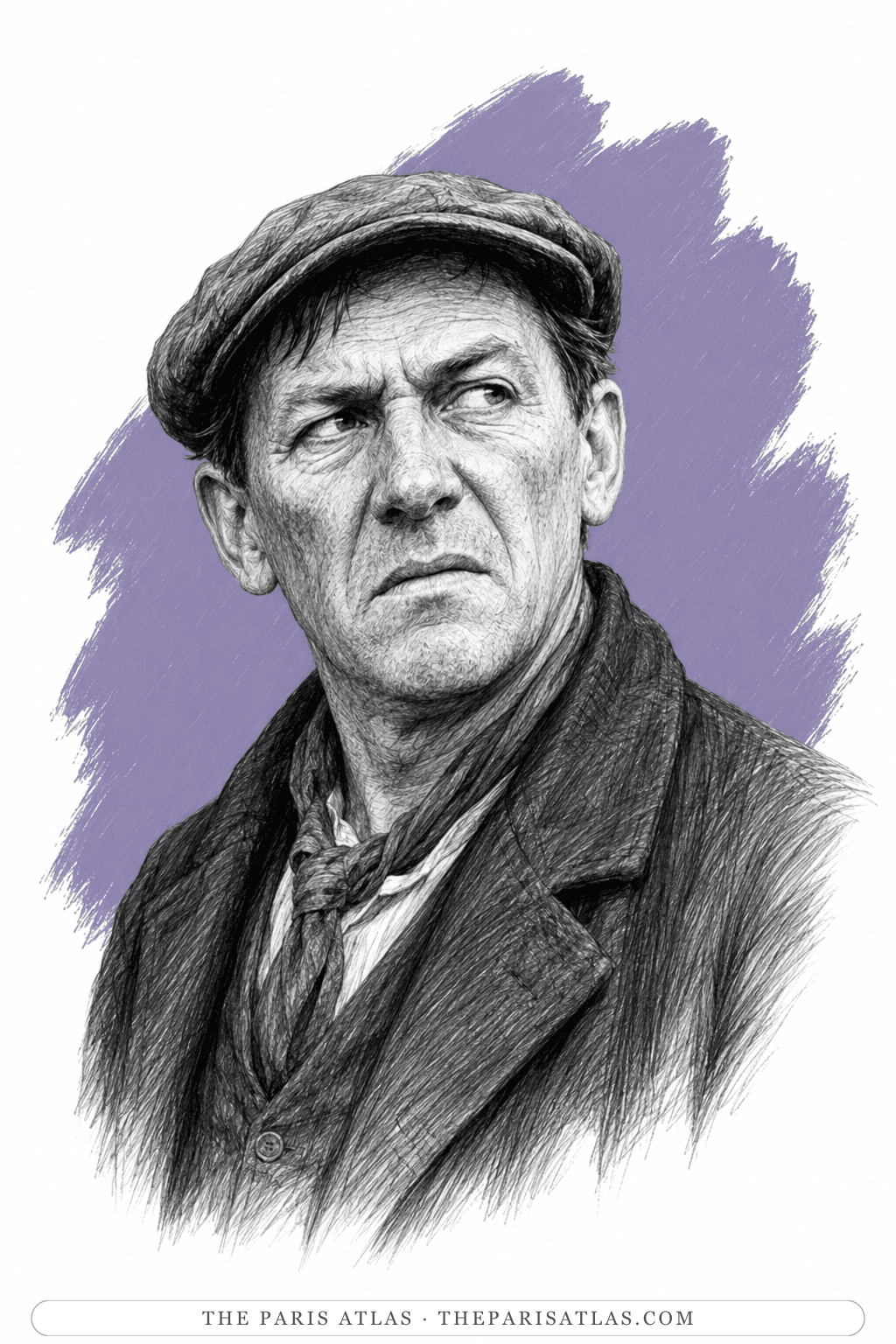
The man in the Educational Service
A stranger George Orwell shared a night train with in Burma, whose name he never discovered. It was too hot to sleep, half an hour of cautious questioning satisfied each that the other was safe, and they spent the night damning the British Empire from the inside with bottles of beer to hand. When the train reached Mandalay in the morning, Orwell writes, they parted as guiltily as any adulterous couple.
In Orwell's account he wants to say what he actually thinks of the Empire he works for, and checks first that it is safe to say it.
The book

At a glance
- A stranger George Orwell shared a night train with in Burma
- Never discovered
- The Educational Service
- Not described
- Part Two, chapter 9
Who they are in the book
Spoiler-freePart Two of the book turns from the coal towns to George Orwell's own life, and one chapter of it covers the five years he spent in the Indian Imperial Police in Burma. His argument there is that British officials in the East were far less comfortable about the Empire than people at home believed, and that most of them kept it to themselves. There was no freedom of speech for an Englishman in that position, and being overheard making a seditious remark could damage a career. Once in a while, in company they were sure of, the concealed bitterness came out. The man in the Educational Service is his example of it.
They shared a compartment on a night train in Burma. Orwell never discovered his name and gives no description of him at all. It was too hot to sleep, so the two of them spent the night talking, and half an hour of cautious questioning satisfied each that the other was safe. After that they sat up in their bunks with bottles of beer to hand and, for hours, while the train jolted slowly through the dark, damned the British Empire from the inside. Intelligently and intimately is Orwell's phrase for how they did it, and he says it did them both good.
The train reached Mandalay in the morning. They had been speaking forbidden things, Orwell writes, and in the haggard light they parted as guiltily as any adulterous couple.
How The man in the Educational Service Is Portrayed
- What the book gives of himThat he worked in the Educational Service, and that Orwell never discovered his name. There is no face, no age, no rank and no home. The whole of him is one paragraph.
- The night trainIn Burma, on the way to Mandalay. It was too hot to sleep, so the two men spent the night talking while the train jolted slowly through the pitch-black country.
- Half an hour of questioningCautious on both sides, until each had decided the other was safe. Orwell explains the caution a few sentences earlier: an Englishman in the East had no freedom of speech, and one seditious remark overheard could end a career.
- What they saidHours of it, sitting up in their bunks with bottles of beer to hand, damning the British Empire from the inside. Orwell's words for how they did it are intelligently and intimately, and he says it did them both good.
- Mandalay in the morningThey had been speaking forbidden things. Orwell writes that in the haggard morning light, as the train crawled in, they parted as guiltily as any adulterous couple.
If you like The Road to Wigan Pier


If you like George Orwell
Explore authors with a similar voice, perspective, and influence.

Henry Miller
The Brooklyn dropout who arrived in Paris broke at thirty-eight and wrote the exuberant, banned books that ended American censorship.
View author
Louis-Ferdinand Céline
The doctor of the Paris slums who wrote the century's blackest, funniest novel — and changed the sound of French prose.
View author
Simone de Beauvoir
French writer and philosopher whose novels, memoirs, and social analysis examined freedom, gender, responsibility, aging, and the material conditions that shape a life.
View author