

Nineteen Eighty-Four
Ten years apart, and both about a man who can remember a world nobody will confirm. George Bowling still has his memory; Winston Smith is not allowed one.
Read our take
A fat insurance salesman with new false teeth and seventeen secret pounds drives back to the town he grew up in.
George Orwell's fourth novel, and the only one he wrote in the first person. Its narrator, George Bowling, is forty-five, close to fifteen stone, and sells insurance for a firm called the Flying Salamander from a semi-detached house in a London suburb. He has a wife who worries about the price of butter, two children, sixteen years of payments left on the house, and seventeen pounds nobody in the family knows about, won on a horse. Collecting a new set of false teeth in January sets him thinking, and what he thinks about is the Oxfordshire market town where he grew up before 1914 — the corn merchant's shop, the Sunday sermons, the first girl, and one thing above all, a hidden pool in the woods behind Binfield House holding carp that nobody has ever fished for. The middle third of the book is that vanished world, set down in detail. The rest is 1938, with bombing planes crossing the sky on practice runs and everyone waiting for a war they expect in 1941. Bowling decides to spend a week of his own money going back.
Victor Gollancz published the novel in London on 12 June 1939, in a first printing of two thousand copies with a further thousand later that month. George Orwell had written it in French Morocco, where he spent the winter of 1938 recovering after coughing blood in March that year and spending six months at a sanatorium in Kent. His doctors wanted him out of the English winter, and the novelist L. H. Myers paid for the trip anonymously, giving £300 that Orwell accepted on the understanding it was a loan. The Orwells reached Marrakech in September 1938 and sailed home from Casablanca on 28 March 1939, the finished manuscript with them. Britain declared war on Germany on 3 September, under three months after publication.[1]
The publisher is inside the book. Gollancz had founded the Left Book Club in 1936, and one chapter of the novel is a long, unflattering account of a Left Book Club lecture in a hired tin-roofed hall — a visiting anti-Fascist speaker whose slogans Bowling stops listening to, and whose real vision, Bowling decides, is of smashing faces in with a spanner. Bowling is himself a member. Gollancz held an option on Orwell's next three novels and hesitated over the book in April 1939, but published it without demanding major changes. It was the last of Orwell's books to carry his imprint.[1]
The novel runs to four parts and twenty-three chapters, with the flashback to 1900–1914 occupying the whole of Part II. Lower Binfield is invented, but the name was not new: Orwell had already used it in Down and Out in Paris and London six years earlier, for a Kent village with a casual ward, where he and Paddy Jaques sprawled on the green waiting for the spike to open. The dates inside the novel hold up. Bowling sets out on "June the seventeenth, Friday, the second day of the coarse-fishing season", and in 1938, the year the book says it is, 17 June fell on a Friday, with the coarse-fishing season opening on the sixteenth.[1]
Part I is a single January day. George Bowling wakes in Ellesmere Road, West Bletchley, takes the train into London to collect a new set of false teeth from a cheap dentist named Warner, bites into a frankfurter in a milk-bar and finds it filled with fish, and walks up the Strand smoking a sixpenny cigar and foreseeing the war. Then a newspaper poster about King Zog's wedding catches his eye, the name pulls up the psalm about Sihon king of the Amorites and Og the king of Bashan, and he is seven years old again in the parish church at Lower Binfield. He also has seventeen pounds in the bank that his wife knows nothing about, won when a colleague talked him into ten shillings on a horse called Corsair's Bride.[1]
Part II is the memory, and it is the longest part of the book. Bowling was born in 1893, the younger son of Samuel Bowling, corn and seed merchant, of 57 High Street. He describes the shop and the smell of sainfoin, his mother's kitchen, his father's Sunday paper, Uncle Ezekiel barking Liberal opinions across the room, the dame-school and then Walton Grammar School, and above all the fishing: the pond at the Mill Farm where he caught his first carp and was thrashed for it, the Thames below Burford Weir, and the pool behind Binfield House where he once found a second, forgotten pool full of fish almost the length of his arm. He never went back for them. At sixteen his father's trade collapsed under competition from a chain seedsman and he left school for a grocer's counter. Then Elsie Waters, then 1914, then the Army, a wound, a commission, and two years guarding eleven tins of bully beef at a food dump on the Cornish coast that the War Office had forgotten. After the war he sold things on commission, got a job in insurance through a chance meeting, married Hilda Vincent in 1923, and got fat in 1930.[1]
Part III returns to 1938. Bowling goes with Hilda to the Left Book Club lecture, listens to the speaker instead of the argument, and walks home unsettled. He calls on his friend Porteous, a retired schoolmaster who reads him Keats and will not accept that Hitler is anything new, and leaves convinced the old man's mind stopped working thirty years ago. Some weeks later, stopping the car to pick primroses on a March morning, he decides to spend a week of his secret money going back to Lower Binfield — and then, better still, to go in the second half of June, when the fishing season is open, and catch the big carp at Binfield House. He tells Hilda he is being sent to Birmingham, arranges for a colleague to post a letter from a hotel there, and on 17 June drives west instead.[1]
Part IV is the return. He comes over Chamford Hill expecting the valley and finds a manufacturing town of about twenty-five thousand people with two new factories and a council estate, the old market town buried somewhere in the middle of it. The horse-trough is gone. The George has been done up in fake medieval. His father's shop is now Wendy's Teashop. The vicar who buried his mother shows him round the church and does not know him, and nobody else in the town has heard the name Bowling. He spends three days mostly drinking, finds the towpath at Burford Weir lined shoulder to shoulder with anglers and the river brown with motor oil, and follows a shabby woman through the streets before recognising Elsie Waters, now a shopkeeper's wife who does not recognise him at all.[1]
The pool is the last thing he tries.
The next morning
He had also heard a radio appeal the evening before,
Bowling's strongest fishing memory concerns fish he never tried to catch. The hidden pool preserves a possibility rather than a completed triumph: he imagines obtaining stronger tackle, then never returns. His insistence on the fish's size anticipates a listener's doubt, making the effort to defend the memory part of its meaning. What draws him back is not simply a beautiful landscape but the sense of time still available for something intensely desired. The recollection is already shaped by loss before the adult visit reveals what has happened to the place itself.
The estate resident praises a life close to nature while leading Bowling through a landscape stripped of its woods. His reluctance to name the rubbish dump exposes the distance between the settlement's cultivated image and what its residents have destroyed. Even the surviving copse has become a specially designated attraction with a whimsical name. Bowling's anger is not merely at building houses; he objects to replacing a lived place with a flattering imitation of country life. The emptied pool defeats his hope that private memory might preserve somewhere untouched by the changes he fears.
The idea really came to me the day I got my new false teeth.
I'm fat, but I'm thin inside. Has it ever struck you that there's a thin man inside every fat man, just as they say there's a statue inside every block of stone?
Fear! We swim in it. It's our element.
Every other Orwell novel is in the third person, and the essays are in his own voice. This one is narrated throughout by a fat, garrulous, self-mocking insurance salesman who talks to the reader directly and keeps interrupting himself.
The frankfurter filled with fish, the seance medium dropping butter-muslin out of his trouser-leg, the fortune-telling weighing machine — the comedy runs all the way through, alongside a steady expectation of bombs. The two never cancel each other out.
Bowling's account of what he is afraid of — the loudspeakers, the rubber truncheons, the enormous faces on posters, the crowds cheering a Leader they secretly hate — is the later book in outline, spoken by a man who sells life insurance.

The narrator: forty-five, fourteen stone eleven, false teeth, a bowler hat, a wife, two children and an insurance round in the home counties. Born in Lower Binfield in 1893, and the only person in the book who remembers it.

Bowling's wife: thirty-nine, thin, anxious, and reliably certain that the family is about to end in the workhouse. She was born into the penniless Anglo-Indian officer class and married a man from the shopkeeping one.

The girl Bowling walked out with in Lower Binfield in 1913, and the first person, he says, who taught him to care about a woman. He stopped writing to her from the Army and never explained.

A retired public-school master in West Bletchley, and the nearest thing Bowling has to a friend: whisky, a pipe, Latin tags, and a settled refusal to believe that anything has happened since the fall of Rome.
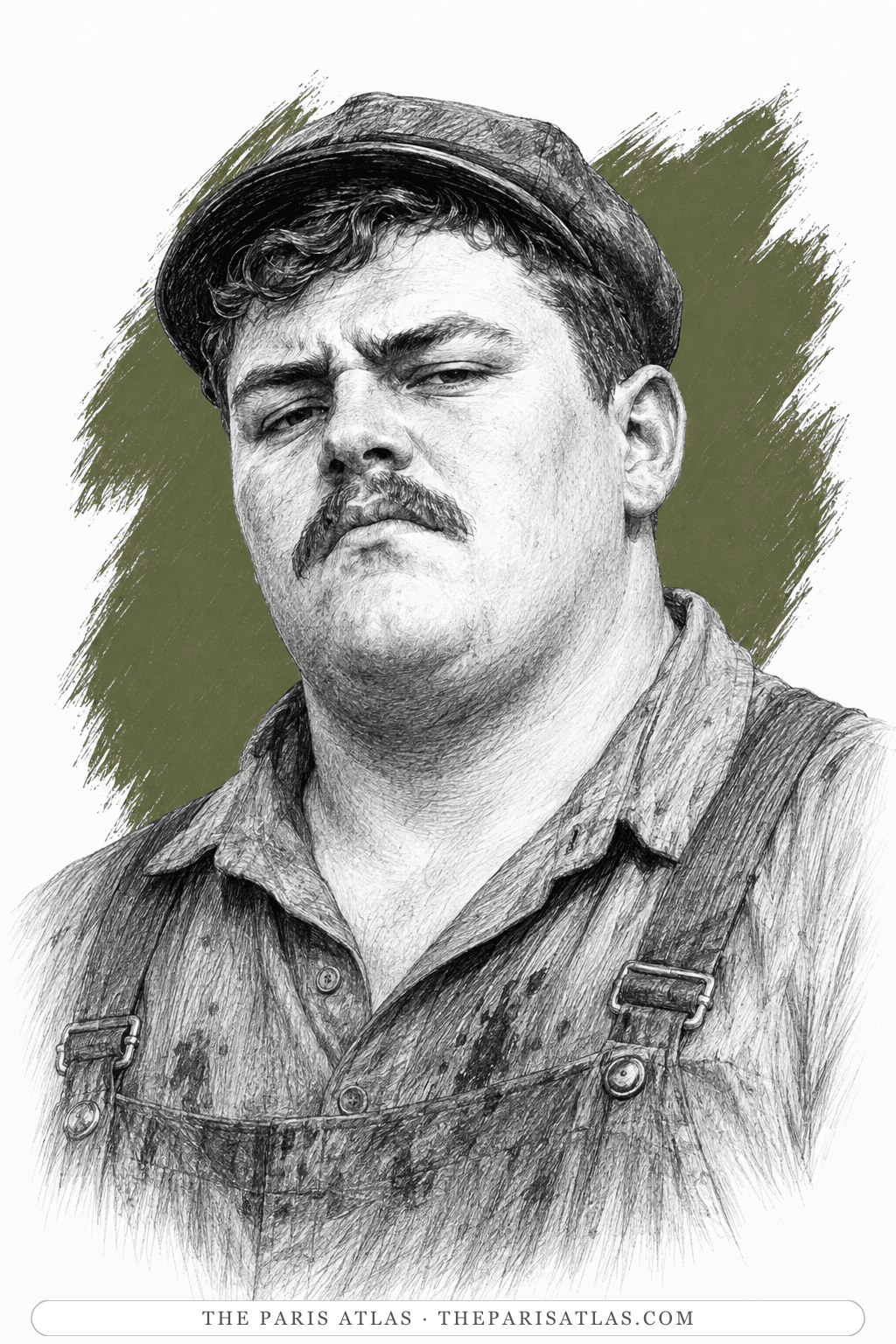
Bowling's father: corn and seed merchant of 57 High Street, Lower Binfield. An honest, obliging, permanently busy little man who was ruined over fifteen years by a chain seedsman and never worked out what was happening to him.

A large, fair, capable woman who is never described anywhere but in her own kitchen. She read the Sunday murders, believed almost everything a boy wanted to do was dangerous, and died without ever learning that her world had ended.

Bowling's father's much older half-brother: a bootmaker with the whitest whiskers in Lower Binfield, an unrepentant nineteenth-century Liberal, a pro-Boer, an infidel, and the only man in town who kept the same opinions right through the war.

Bowling's elder brother by two years: a hefty, illiterate, permanently sulky boy who ran the local gang, could not stand the sight of print, and walked out of the house one night with the money from the till.
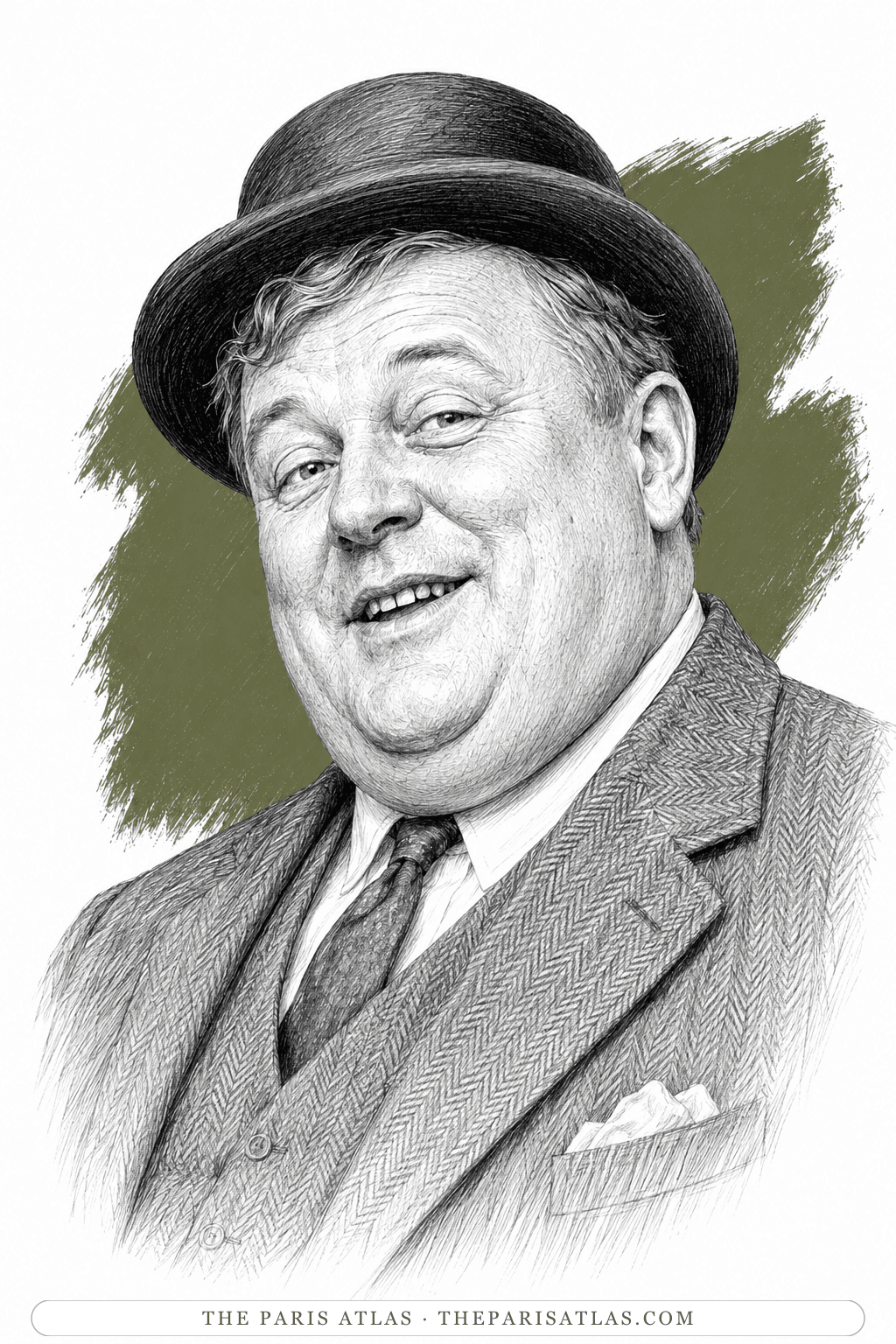
The speaker who comes down from London to address sixteen people on "The Menace of Fascism" in a hired hall. Bowling stops following the argument and studies the man instead, and decides what the man really wants is to smash faces in with a spanner.

Hilda's widowed friend in West Bletchley: a small grey woman with bitter views about men and an unlimited appetite for anything free. Not the Mrs Wheeler who kept the sweet-shop in Lower Binfield.

The third of Hilda's circle: a clergyman's daughter of about thirty-eight, living on a tiny annuity, who is trying to develop her mind and is not sure how to start. Bowling calls her a sad case and means it.
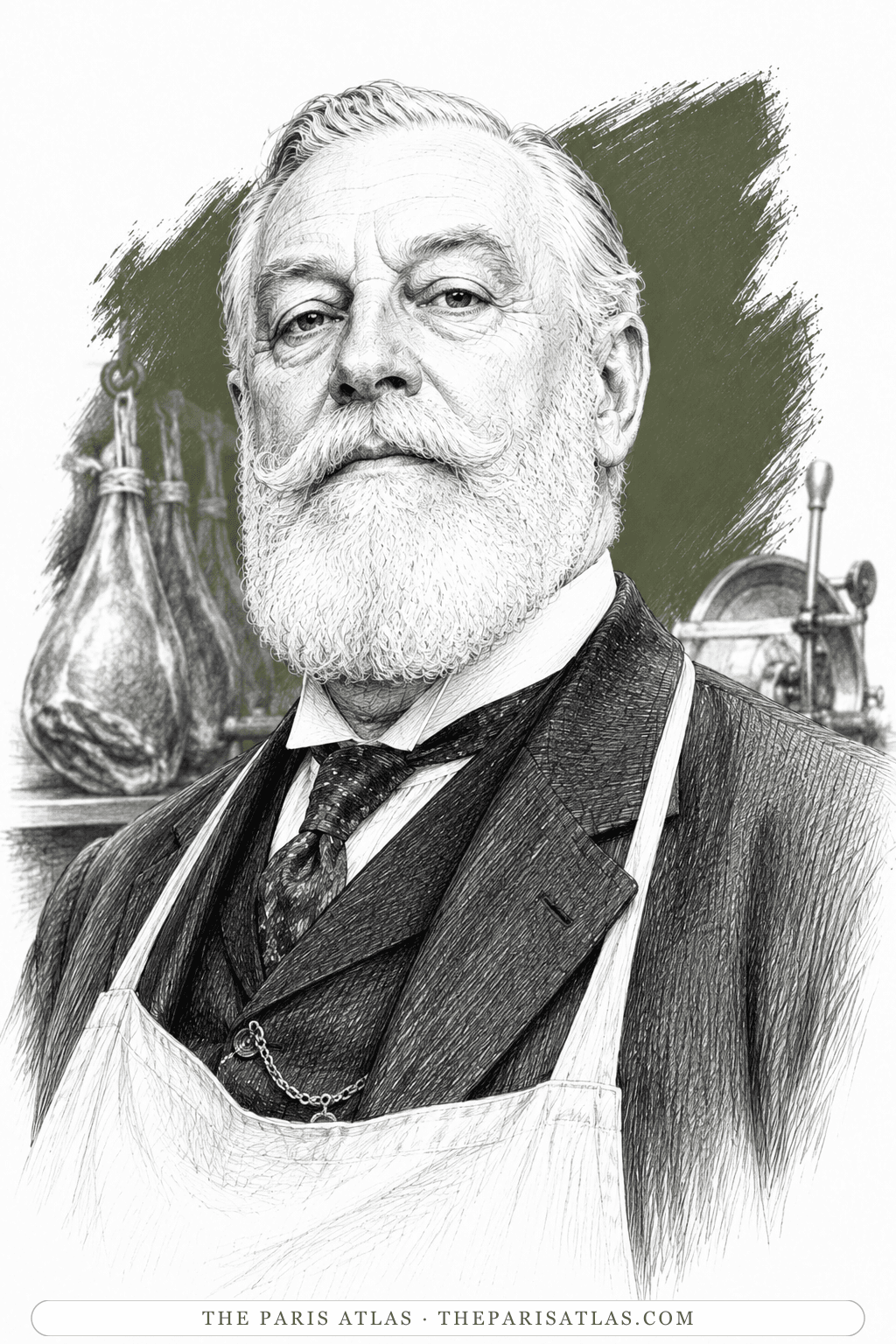
The high-class grocer of Lower Binfield, and Bowling's employer for nearly six years from the age of sixteen. A white-whiskered Liberal, a Baptist, a town councillor, and a sharp man in business.

The twelve-year-old paid eighteen pence a week to walk the Bowling boys out in the afternoons. She had thirteen brothers and sisters, a proverb for every occasion, and the worst life in the book.
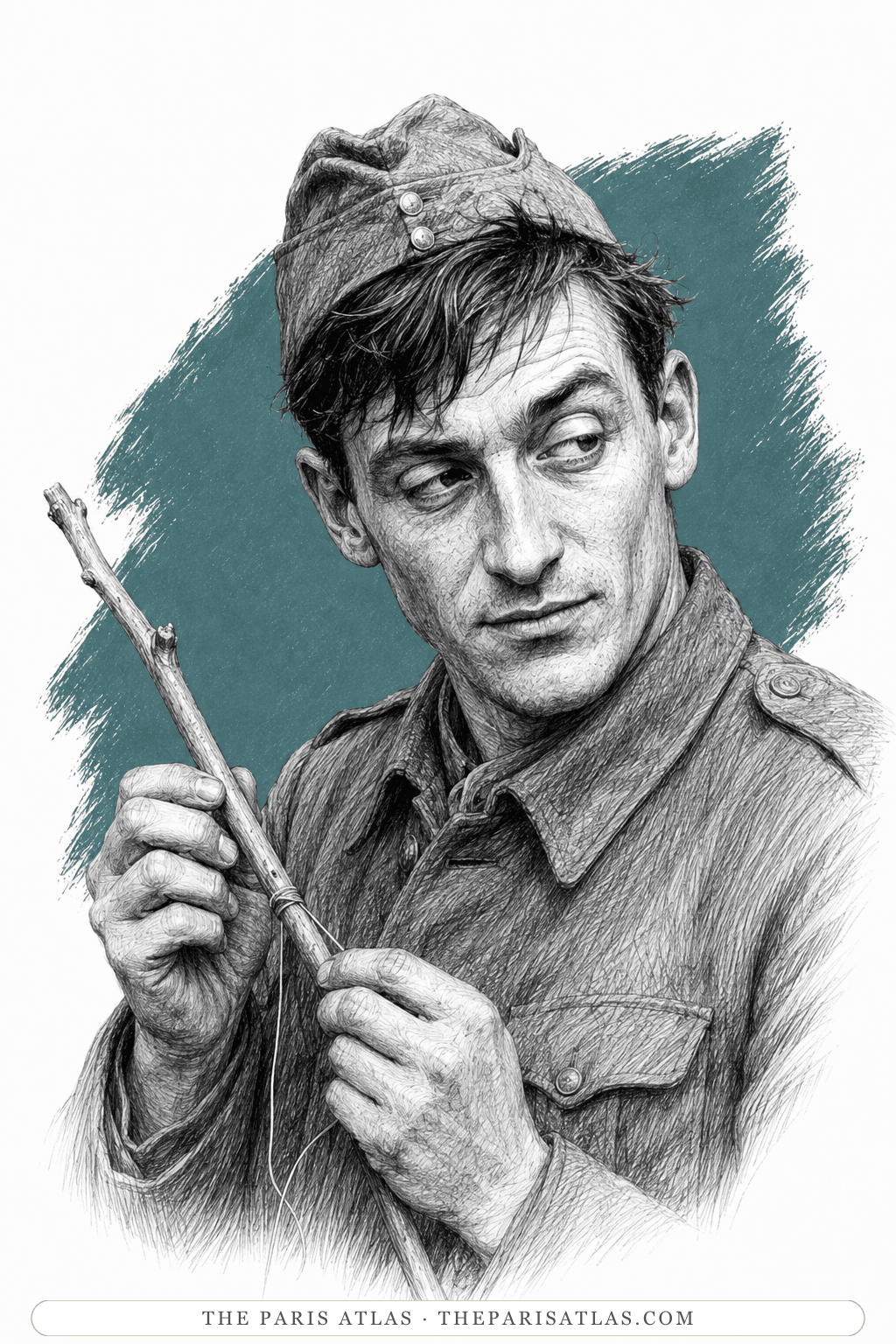
A Cockney in Bowling's company in France in 1916, and his partner in the one attempt he ever made to go fishing again: a quarry pool behind a clump of poplars, full of perch, and a fishing rod improvised out of nothing.

Leader of the Black Hand, the Lower Binfield boys' gang: the saddler's younger son, about thirteen, with a secret password, an ordeal involving an earthworm, and firm views on where babies come from.

Bowling's dentist: a cheap American dentist with a consulting-room he calls a parlour, halfway up an office block between a photographer and a rubber-goods wholesaler. He keeps cabinets of false teeth graded by size and colour and picks them out like a jeweller choosing stones. The new set is what starts the book.

The Army Service Corps grandee Bowling briefly worked for in 1917, and in private life the chairman of a chain grocery, famous for something called the Cheam Wage-Cut System. He hired Bowling on the strength of one answer. Asked whether he was a gentleman, Bowling said no. Years later, meeting him by chance in a Fleet Street corridor, got him the insurance job he has held ever since.

The farmer at the Mill Farm, who owned the pool where Bowling caught his first fish and used it only for watering cattle. A stingy old man in a tall billycock hat and cowhide gaiters who hated boys, chased the gang half across a meadow with a hazel stick, and shaved off his grey beard late in the Boer War because children kept shouting "Krooger!" after him.

The lodge-keeper and caretaker at Binfield House, with a face like something carved out of a root and two long dark-brown teeth. He was famously down on boys, and then repaid a favour Bowling's father did him by telling the boy, surlily and once, that he could bring a line to the pool behind the Hall — and to bring none of them other young whelps.

Elsie Waters's husband in 1938, and the proprietor of G. Cookson, Confectioner and Tobacconist. A small stoutish bald man in shirtsleeves with a big gingery moustache, interrupted in the middle of his tea to look for a box of pipes. Bowling notes, without saying more about it, that the other bloke's name was George too.

The elderly resident who shows Bowling round the Upper Binfield Estate at the end of the book: sunburnt, in shorts and sandals, twinkling behind pince-nez, chuckling te-hee, and full of the Woodland City, the vegetarians, the novelist, the psychic researcher who walks among the fairies, and the young architect with a feeling for the Tudor. He is also the man who eventually admits what happened to the second pool.
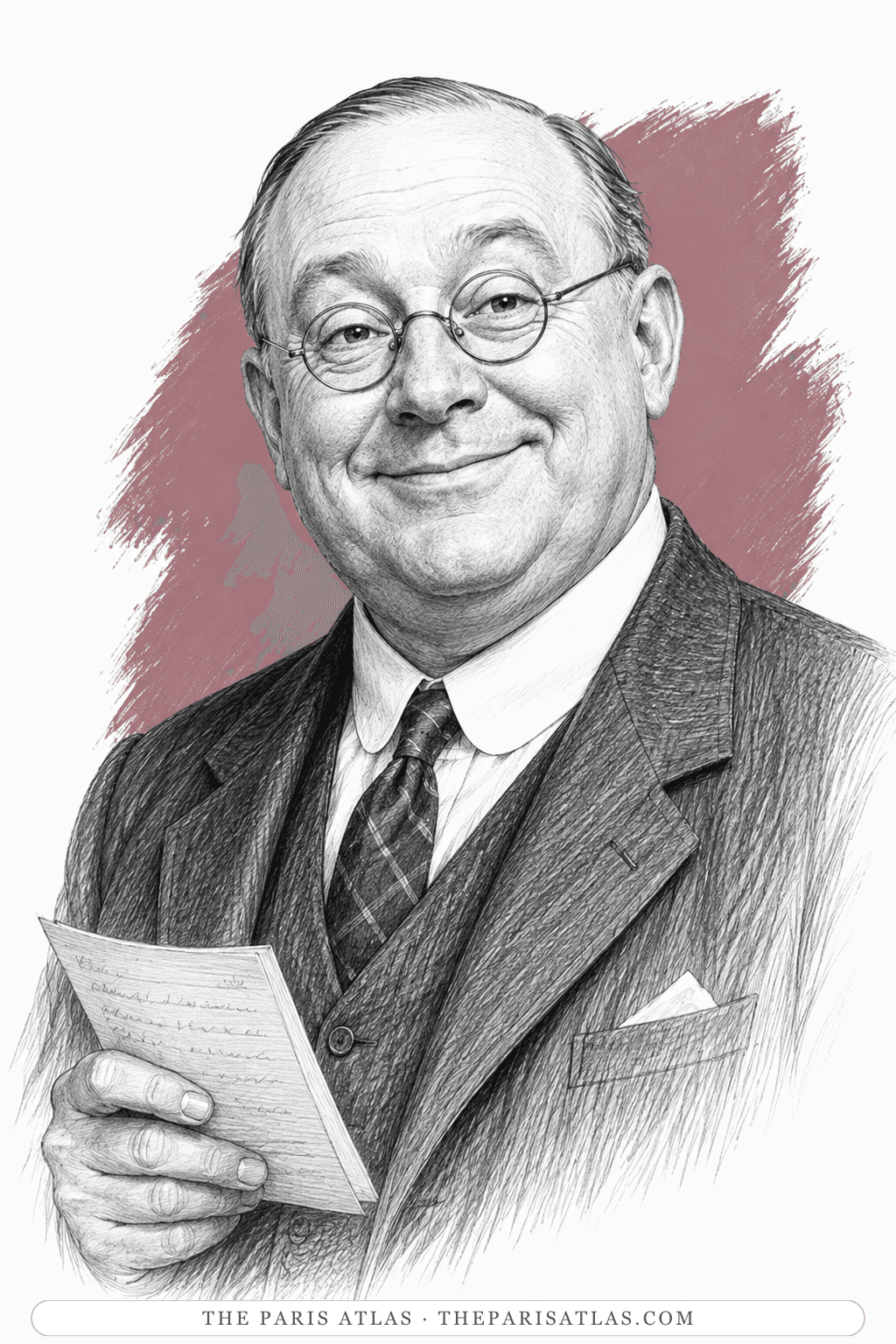
Chairman of the West Bletchley Left Book Club meetings and something in an architect's office; also secretary of the local Liberal Party, a parish councillor, and master of ceremonies at the Mothers' Union magic-lantern lectures. A mild pink-faced man who believes every word of his own vote of thanks, which Bowling can recite in advance.
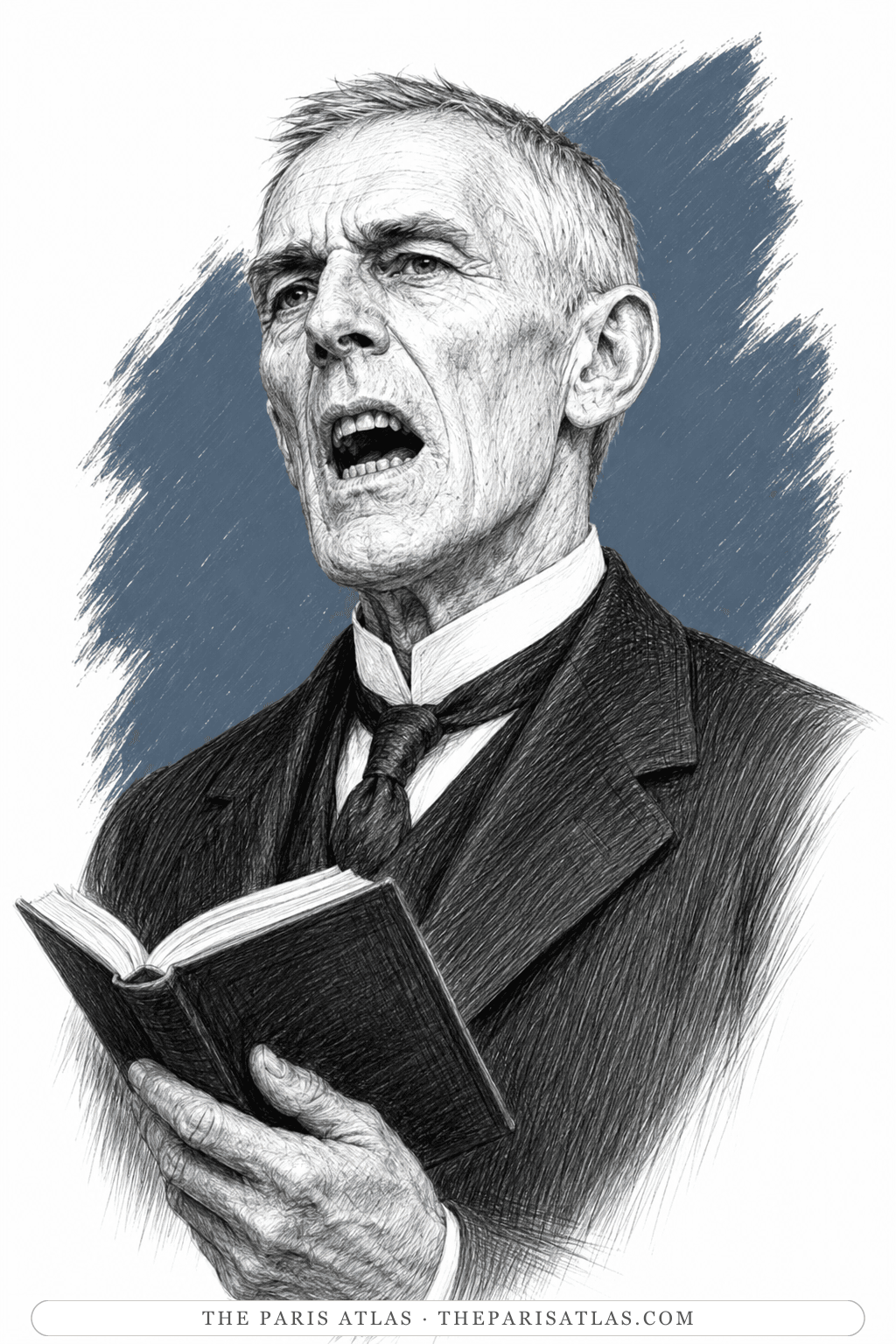
The joiner and undertaker of Lower Binfield, and the loudest voice in the parish church: a great, gaunt, powerful old devil of about sixty with a face like a death's-head, half-inch grey hair, skin like parchment and a lantern jaw full of yellow teeth. He and Shooter the fishmonger competed through every hymn and Wetherall always had the last word, holding the note after everyone else had stopped. The children called him Rumbletummy, for the rumbling noise he made. He looked so strong that George Bowling thought he might live to be a hundred and make coffins for everyone else in that church; Bowling comes back in 1938 and finds his grave.
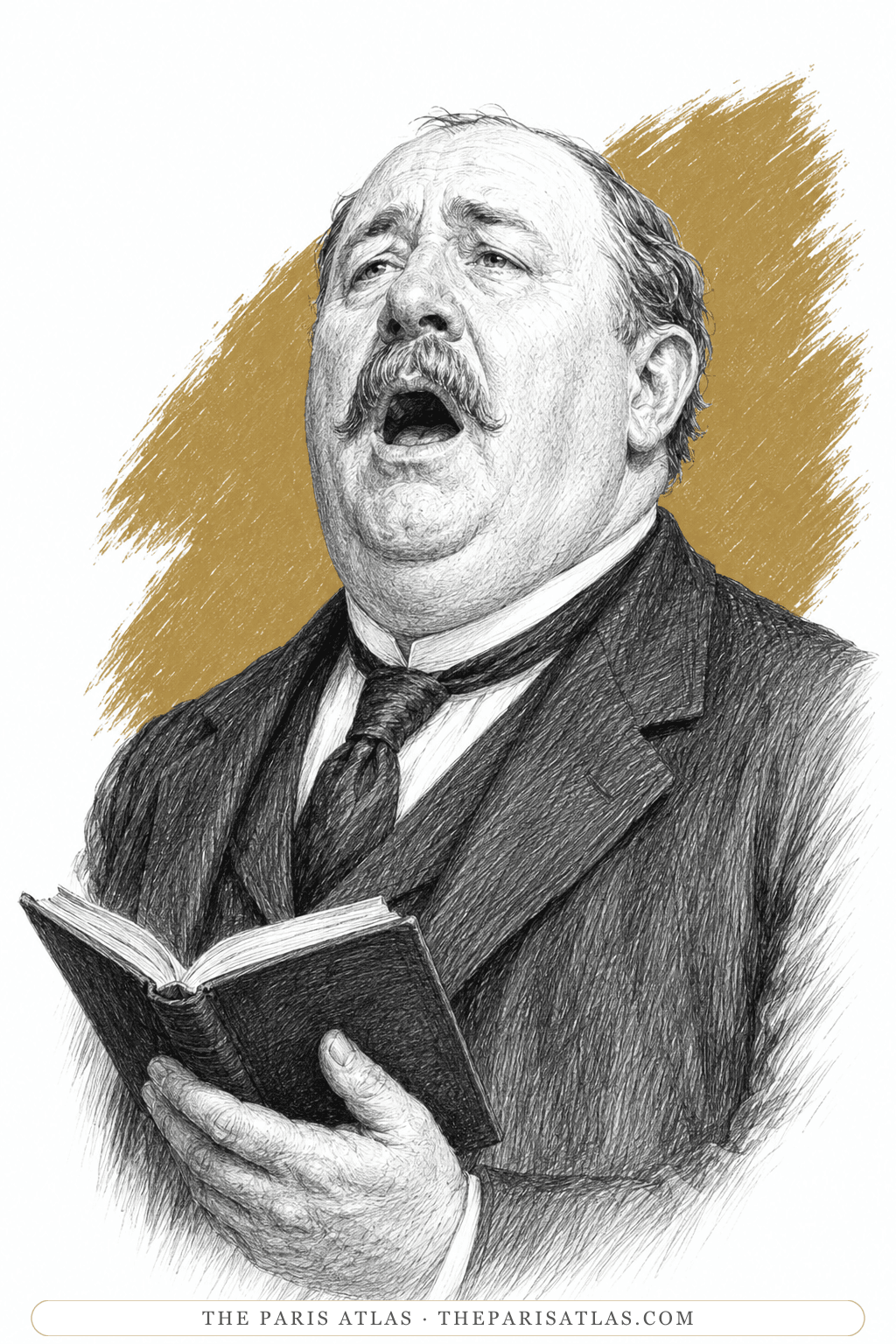
The fishmonger of Lower Binfield, and the other half of the church singing contest: a short fat man with a very pink smooth face, a big nose, a drooping moustache and a chin that falls away beneath his mouth. He sang in a desperate, agonised bellow, as though someone had a knife at his throat, and Wetherall beat him every Sunday. He died in 1926.

The Air Warden of Lower Binfield in 1938, and the person actually running the town's preparation for the next war: a tough old woman with grey hair and a kippered face, in a coat and skirt that somehow look like a uniform, who was in the W.A.A.C.s in the last war and, George Bowling suspects, has never had a day's fun since. She marches the schoolchildren through A.R.P. practice with a real sergeant-major yell, and it is thanks to her that they have their gas-masks when a bomb falls on the town by accident.

A clerk at one of the West Bletchley banks who cashes George Bowling's cheques and sits with the local Communist Party branch at a Left Book Club lecture: a nice boy with a round eager face, blue eyes like a baby, hair so fair you would think he peroxided it, a cheap blue suit and a bright blue tie. He is the person Bowling makes his central speech to, after the lecture, and when he asks whether the thought of what is coming does not make Bowling's blood boil, he has tears in his eyes.

The other man at Twelve Mile Dump, the forgotten wartime supply depot on the Cornish coast where George Bowling spent nearly two years guarding tins of bully beef: a very deaf, surly old soldier who had been a market gardener before he joined the Army. He dug a patch round one of the huts and planted potatoes, then kept hens, then produced a pig from somewhere, and barely spoke to Bowling in all that time.
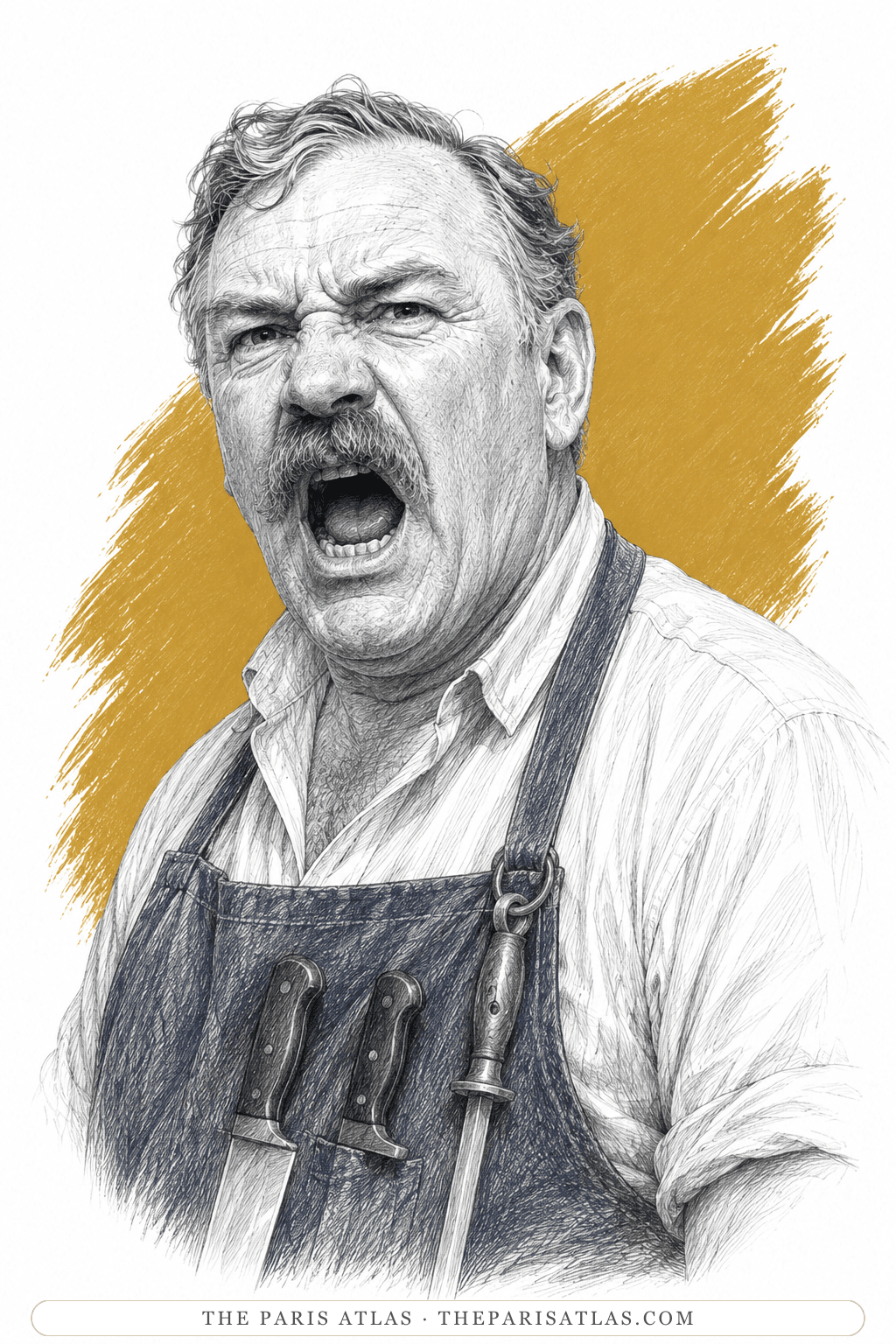
The butcher of Lower Binfield: a big rough-faced old man with a voice like a mastiff, who barked at boys so that the knives and steels on his blue apron jingled. The boys came to him for gentles for fishing bait and were roared at — what, gentles, gentles in my shop — and then sent round to the backyard to get them, which George Bowling says smelt like a battlefield.

The old woman who kept the dame-school George Bowling first went to, and whom everyone knew was an imposter. She was over seventy, very deaf, could hardly see through her spectacles, and owned a cane, a blackboard and a few books. Her threat when a child did something bad was that she would tell his father, and she was too old and clumsy for the cane to matter much.

Hilda Bowling's father, a retired Anglo-Indian: completely bald and almost invisible behind his moustache, full of stories about cobras and cummerbunds, and, with his wife, showing about as much activity as a couple of shellfish. He liked to say impressively that George Bowling was in business, once slipped and said in trade, and had ideas about touching him for the occasional five pounds.
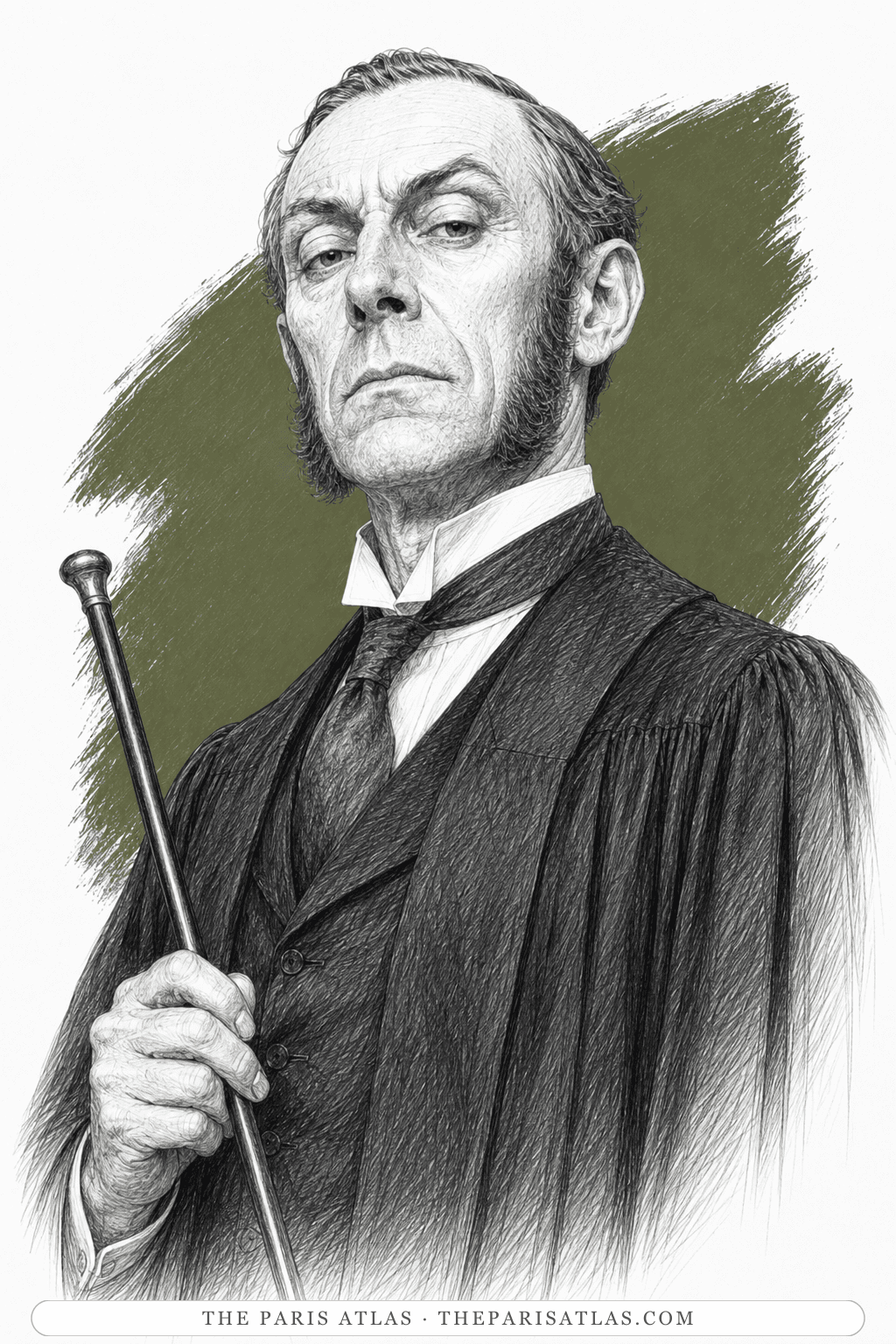
Headmaster of Walton Grammar School, four miles from Lower Binfield, known to the boys as old Whiskers: a dreadful-looking little man with a face just like a wolf, who kept a glass case of canes and would sometimes take one out and swish it through the air in a terrifying manner. Samuel Bowling wrote to him the night before he took George out of school.

George Bowling's own children, Lorna aged eleven and Billy aged seven, with round faces and tow-coloured hair. Billy shoots past his father on the stairs dodging a smack and demands to go somewhere; Lorna sidles up and asks in a pert voice whether Daddy is a baby, because Billy has started the chant. They meet him at the end with the only question that interests them, which is where their presents are.

The saddler of Lower Binfield and Sid Lovegrove's father, a heavy smoker with a big brown beard, who once caught his two sons at something and walloped them so that it could be heard all over the town. By the time George Bowling returns he has shut the shop and moved to a cottage near Walton.

The undertaker's son, half-witted and willing to believe anything he was told, and therefore the boy the gang bullied. Their favourite trick was sending him to shops to buy things that did not exist, or putting him in a tub and telling him to lift himself up by the handles. He ended in an asylum.
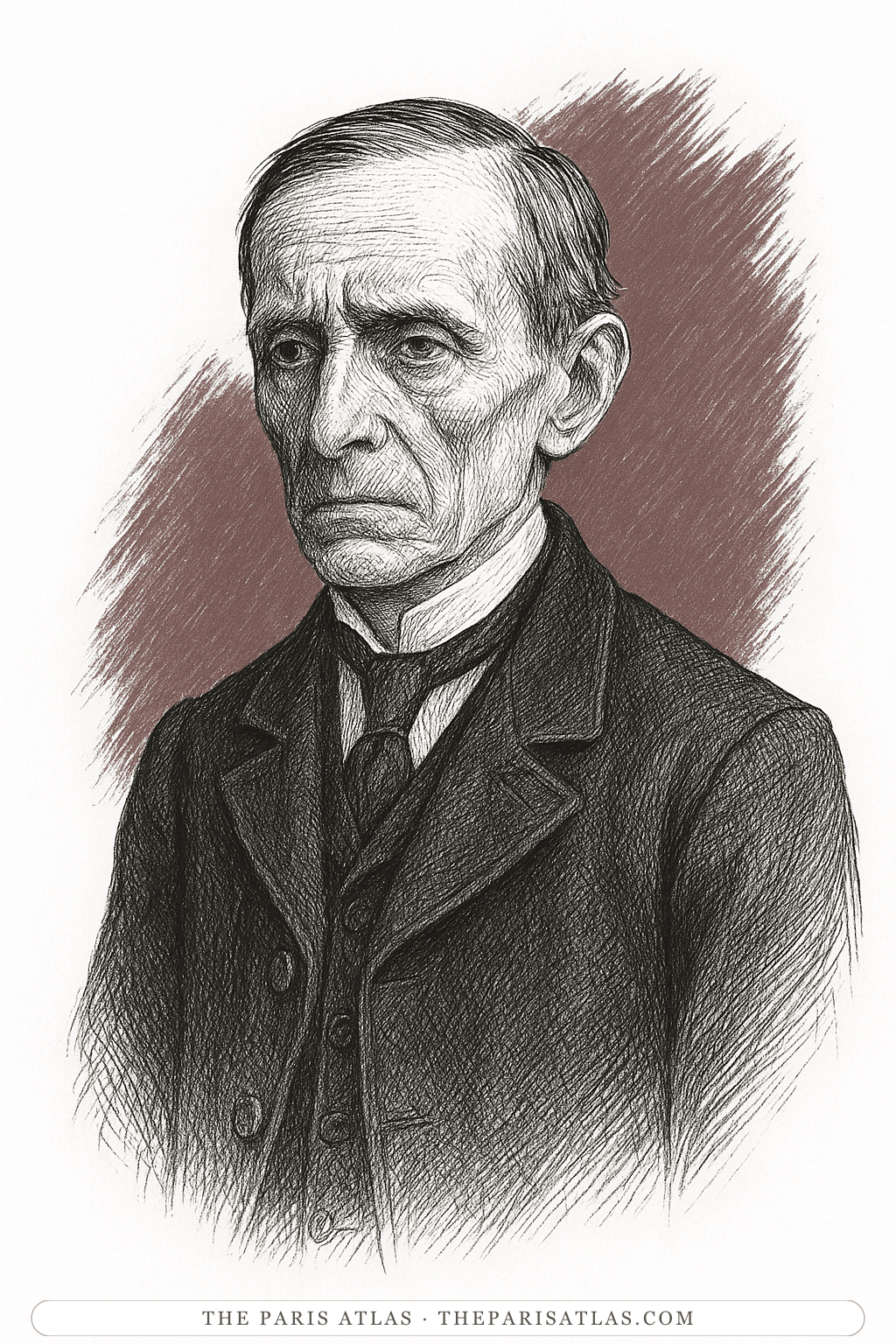
A small draper at the other end of the High Street in Lower Binfield who went bankrupt after years of struggling, left personal assets of two pounds nine shillings and sixpence, and died almost immediately of what was called gastric trouble, though the doctor let out that it was starvation. He had kept his frock coat to the last.

The watchmaker's assistant in Lower Binfield, a skilled workman who had been at the job man and boy for fifty years, who got cataract and had to go into the workhouse. His grandchildren were howling in the street when they took him away.

The young woman in a print wrapper who serves George Bowling tea in the front parlour of the house he was born in, now a teashop. She meets him with a sour expression, takes ten minutes over the order, gazes out of the window between times, and has no idea that the room she is standing in was ever anybody's home. He does not tell her.
March 1938
Orwell coughs blood and enters Preston Hall sanatorium in Kent, where he spends about six months.
September 1938
He sails for Morocco to avoid the English winter, his passage paid anonymously by the novelist L. H. Myers, and settles near Marrakech. He writes the novel there.
28 March 1939
He leaves Casablanca for England and delivers the finished manuscript on reaching London.
12 June 1939
Victor Gollancz publishes the novel in London, two thousand copies, with a further thousand later that month. It was the last of Orwell's books to carry the Gollancz imprint.
3 September 1939
Britain declares war on Germany. The novel's narrator had expected it in 1941.
January 1950
Harcourt, Brace publishes the first American edition in New York, days before Orwell dies on 21 January.

Ten years apart, and both about a man who can remember a world nobody will confirm. George Bowling still has his memory; Winston Smith is not allowed one.
Read our take
The same lower-middle-class England, before and after surrender.
Read our take
Bowling's Lower Binfield is a Thames-valley town; Orwell had already given the name to a Kent spike in the tramping chapters of his first book.
Read our takeA middle-aged insurance salesman goes back for a week to the market town where he grew up, and finds it gone. George Orwell's narrator, George Bowling, is a fictional forty-five-year-old with false teeth, a suburban mortgage and seventeen pounds of racing winnings his wife knows nothing about, and the book alternates between his Edwardian boyhood in Lower Binfield and the summer of 1938, with everyone expecting a war.
On 12 June 1939, by Victor Gollancz in London, in a first printing of two thousand copies with a further thousand later that month. Britain declared war on Germany less than three months afterwards. The first American edition came from Harcourt, Brace in January 1950.
In French Morocco, mainly Marrakech, between September 1938 and March 1939. He had coughed blood in March 1938 and spent six months at Preston Hall sanatorium in Kent, where the medical records noted tuberculosis, though he told friends the lesion was an old one and not serious. His doctors wanted him out of the English winter, and the novelist L. H. Myers paid for the trip anonymously with £300 that Orwell treated as a loan. He handed the finished manuscript over on reaching London at the end of March 1939.
No. Lower Binfield is invented, an Oxfordshire market town of about two thousand people, five miles from the Thames. Orwell had used the same name six years earlier in Down and Out in Paris and London, where Lower Binfield is a Kent village with a casual ward for tramps.
It is the narrator's own phrase for his trip. George Bowling compares himself to a sea-turtle paddling up to the surface for one gulp of air before sinking back among the seaweed, and says he has found the way to the top of the dustbin everyone is stifling in. By the end he has changed his mind about whether there is any air up there.
Yes. Burmese Days, A Clergyman's Daughter, Keep the Aspidistra Flying, Animal Farm and Nineteen Eighty-Four are all told in the third person. Only here does Orwell hand the whole book to an invented narrator and stay out of it.
In four parts and twenty-three chapters. Part I is a single January day in London, Part II is the whole flashback to Lower Binfield between about 1900 and 1918, Part III returns to 1938 and the decision to go back, and Part IV is the four days of the trip.
Explore authors with a similar voice, perspective, and influence.

The Brooklyn dropout who arrived in Paris broke at thirty-eight and wrote the exuberant, banned books that ended American censorship.
View author
The doctor of the Paris slums who wrote the century's blackest, funniest novel — and changed the sound of French prose.
View author
French writer and philosopher whose novels, memoirs, and social analysis examined freedom, gender, responsibility, aging, and the material conditions that shape a life.
View authorThe sources below include the primary text, editions, scholarship, archival materials, and other records that informed this page. They document Coming Up for Air, its publication, and its place in literary history.


Project Gutenberg Australia transcription, first posted September 2014 and updated May 2020. Read the fishing recollections and secret-pool passage in Part II, chapter 4, the beginning of chapter 5, and Part IV, chapter 5's return to the estate and drained pool. Analysis concerns Bowling's narrated memory and encounter, not an independently verified account of an actual pool or a complete novel/first-edition collation.
Used to place Coming Up for Air within George Orwell's published work and verify its bibliographic context.

Used for independent biographical, archival, or historical context surrounding George Orwell's career and the period in which Coming Up for Air appeared.
Used to cross-check authorship, chronology, and the work's place in George Orwell's wider catalogue.
Used to verify George Orwell's bibliography and place Coming Up for Air within the broader chronology of George Orwell's career.
The primary text is the baseline reference for every book page. Additional references document publication history, interpretation, and historical context where that evidence is available.
 Explore more resources