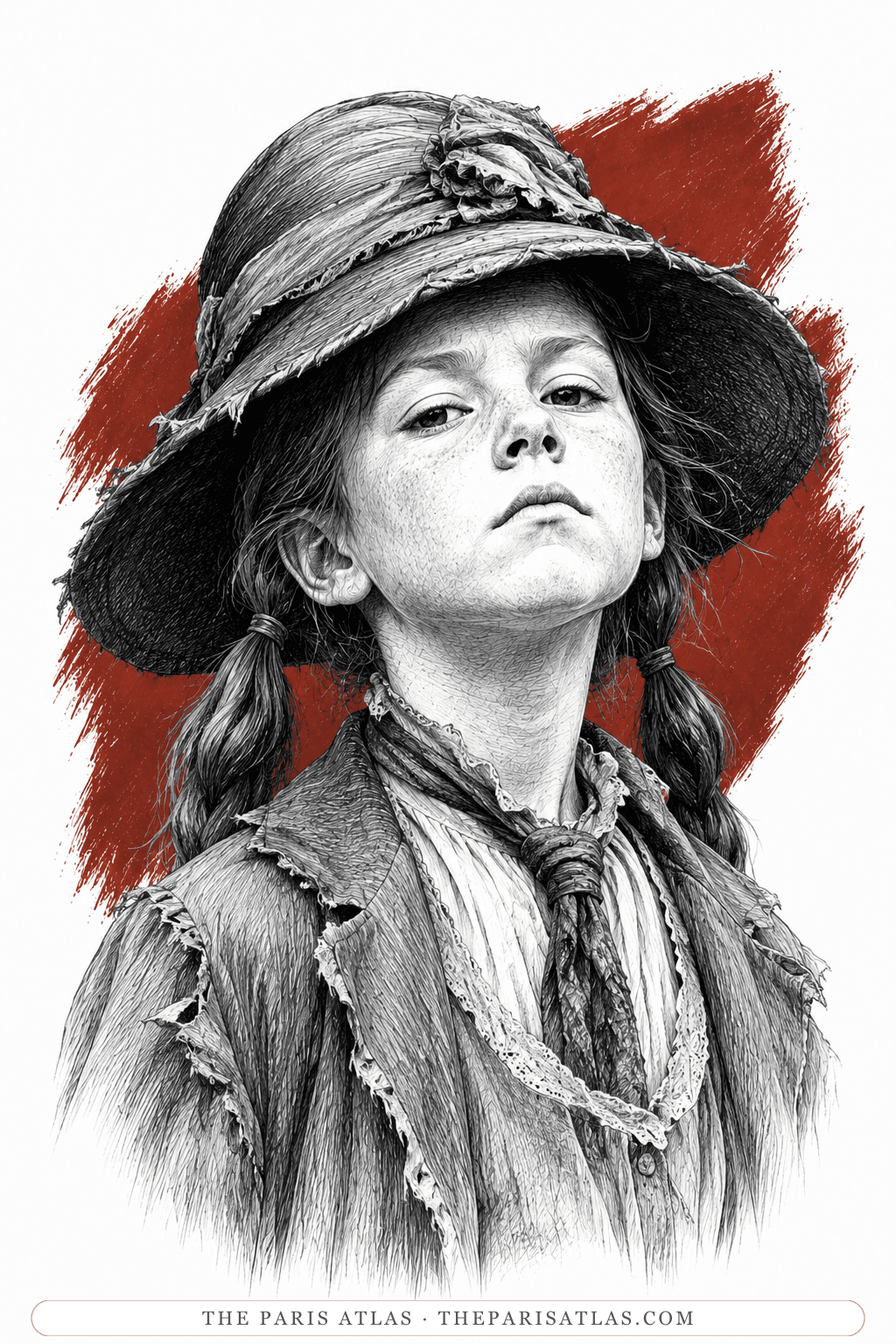
Katie Simmons
The twelve-year-old paid eighteen pence a week to walk the Bowling boys out in the afternoons. She had thirteen brothers and sisters, a proverb for every occasion, and the worst life in the book.
To be taken for grown up. She cuts you short with a proverb, which to her mind settles the matter, and drags a five-year-old along by the arm calling him Baby.
The book

At a glance
- The girl paid to mind the Bowling boys, around 1898–1901
- Twelve when Joe was seven; twenty-seven when Bowling last saw her
- Fourteen children; her father worked in the brewery
- Eighteen pence a week
- Part II, chapter 1; the lane she walked them down, now Cumberledge Road, in Part IV, chapter 3
Who they are in the book
Spoiler-freeKatie Simmons was twelve when Joe was seven and George five, and their mother paid her eighteen pence a week to take the two boys out for walks. Her father worked in the brewery and had fourteen children, so the family were always looking for odd jobs. Bowling says her mental level was not very different from theirs: she had just enough authority to stop them being run over or chased by bulls, and otherwise they were on equal terms.
The walks are one of the warmest passages in the book — down the lane past the allotments, across Roper's Meadows to the pool at the Mill Farm, and back by the Upper Binfield Road so as to pass the sweet-shop and glue their noses to the window. She was not above sharing a farthing's worth of sweets and quarrelling over her share.
Her family lived in a filthy little place in the slummy street behind the brewery, swarming with children, and had all managed to dodge school. One of her elder brothers got a month for stealing turnips. She stopped taking the boys out when Joe turned eight and got too tough for a girl to handle; he had discovered that the Simmonses slept five in a bed and teased the life out of her about it.
How Katie Simmons Is Portrayed
- The proverbsSay "Don't care" and she came straight back with the rhyme about Don't care being made to care, hung, put in a pot and boiled till he was done. Call her names and it was "Hard words break no bones". Boast, and it was "Pride comes before a fall", which came true the day Bowling was strutting along as a soldier and fell into a cowpat.
- What she woreA dreadful ragged parody of a grown-up dress handed down from sister to sister: a ridiculous great hat with her pigtails hanging down behind it, a long draggled skirt trailing on the ground, and button boots with the heels trodden down.
- MindingBowling's flat note on it: in a family like that a child is minding other children about as soon as it's weaned. She was a tiny thing, not much taller than Joe, and not bad at the job.
- At fifteenShe had her first baby. Nobody knew who the father was and Bowling doubts she was certain herself; most people believed it was one of her brothers. The workhouse people took the baby and she went into service at Walton, and later married a tinker, which by her family's standards was a come-down.
- 1913Biking through Walton, Bowling passed some wooden shacks beside the railway line with fences made out of barrel-staves. A wrinkled hag of a woman with her hair coming down and a smoky face, looking at least fifty, came out of one of the huts to shake a rag mat. She was twenty-seven.
If you like Coming Up for Air


If you like George Orwell
Explore authors with a similar voice, perspective, and influence.
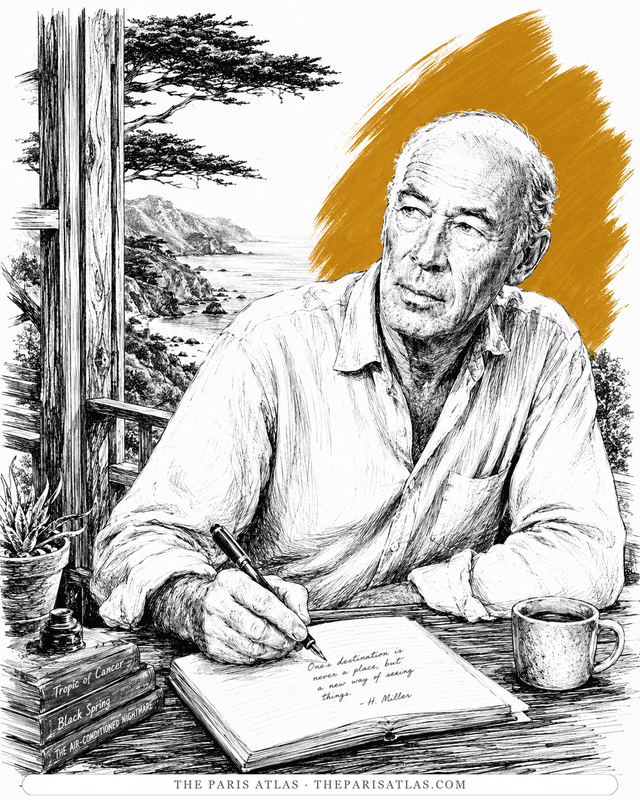
Henry Miller
The Brooklyn dropout who arrived in Paris broke at thirty-eight and wrote the exuberant, banned books that ended American censorship.
View author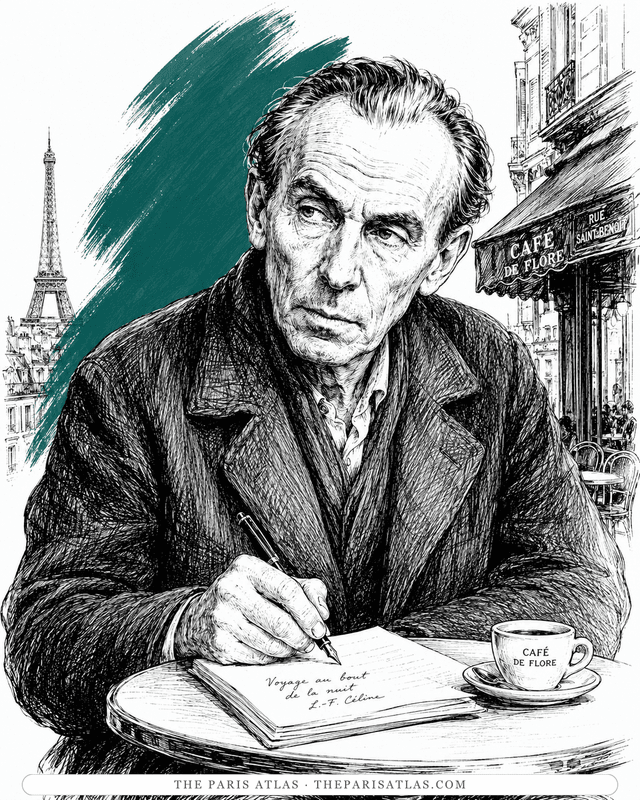
Louis-Ferdinand Céline
The doctor of the Paris slums who wrote the century's blackest, funniest novel — and changed the sound of French prose.
View author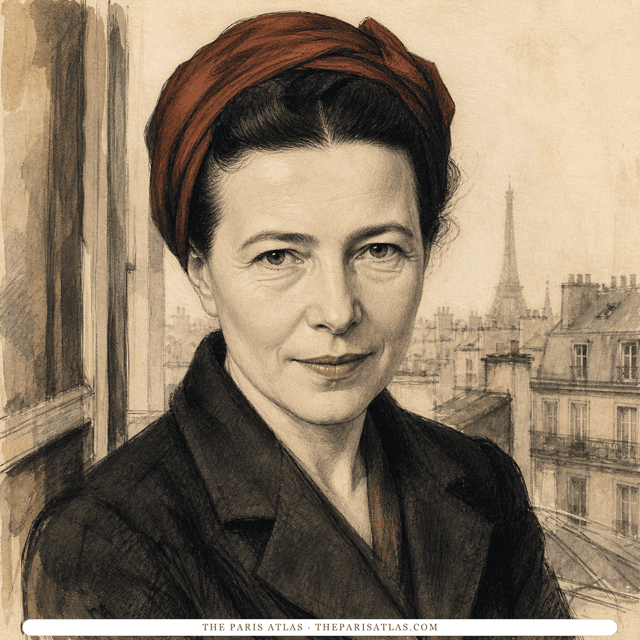
Simone de Beauvoir
French writer and philosopher whose novels, memoirs, and social analysis examined freedom, gender, responsibility, aging, and the material conditions that shape a life.
View author