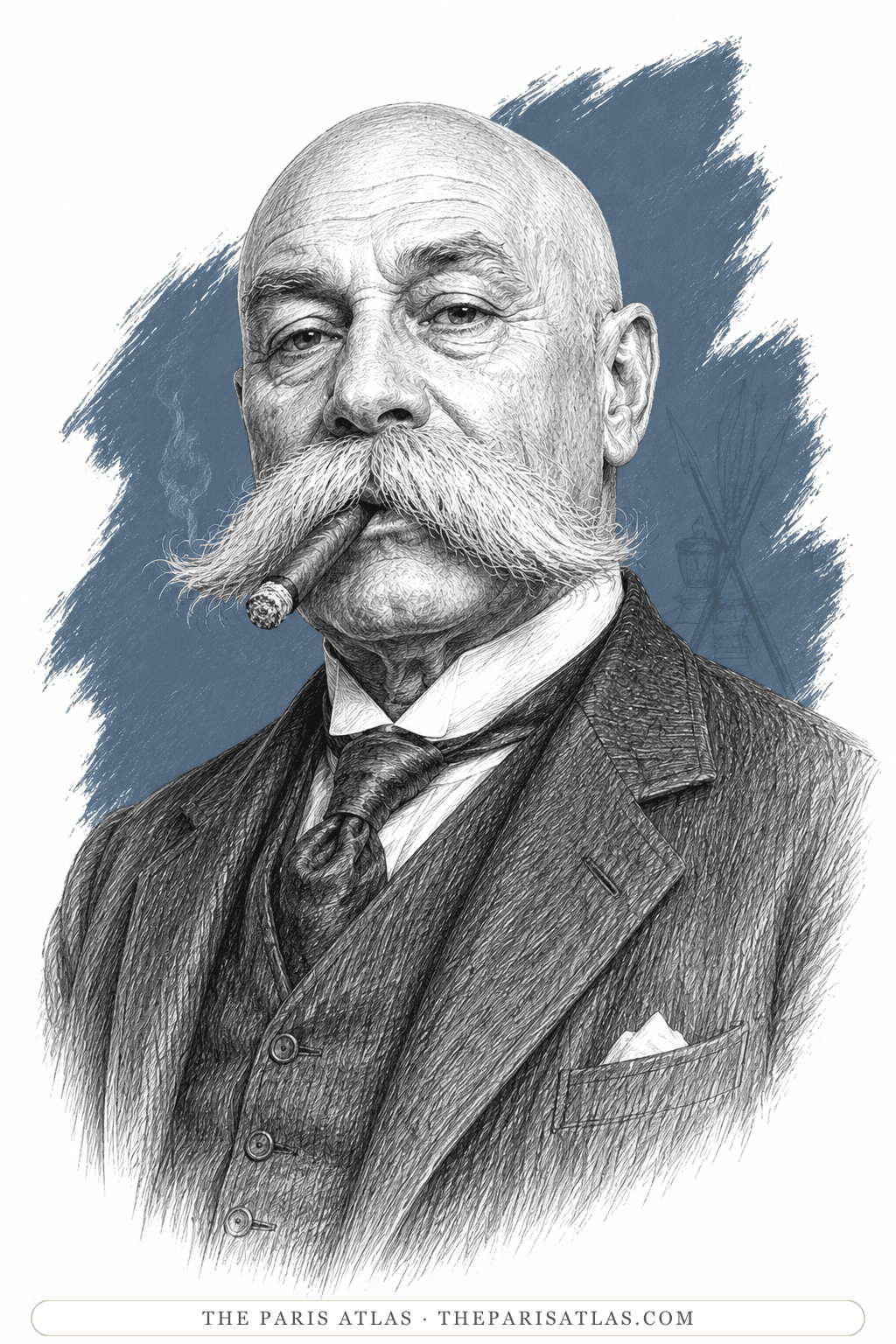
Old Vincent
Hilda Bowling's father, a retired Anglo-Indian: completely bald and almost invisible behind his moustache, full of stories about cobras and cummerbunds, and, with his wife, showing about as much activity as a couple of shellfish. He liked to say impressively that George Bowling was in business, once slipped and said in trade, and had ideas about touching him for the occasional five pounds.
To have a son-in-law who is going up in the world. He talks impressively about George Bowling being in business, and Bowling suspects he pictured touching him for five pounds at some future date.
The book

At a glance
- Hilda Bowling's father, and George Bowling's father-in-law
- India, then Borneo or Sarawak; retired in 1910
- A little dark house in a back-street of Ealing, west London
- His wife, and a son, Harold, who had an official job in Ceylon
- Dead, as are his wife and his son
- Part Two, Chapter 10
Who they are in the book
Spoiler-freeOld Vincent is the father of Hilda Bowling, and the father-in-law of George Bowling, who narrates Coming Up for Air. Bowling met Hilda at a tennis club in Ealing, in west London, when he was nearly thirty and she was twenty-four. They married at the beginning of 1923. Before long she took him home to meet her family, and he had not known until then that there was a considerable Anglo-Indian colony in Ealing. Anglo-Indian at that date meant British families who had spent their working lives in India, not people of mixed descent.
The Vincents lived in a little dark house in one of the buried back-streets of Ealing. It smelt permanently of Trichinopoly cigars, which are cheroots made in southern India, and it was so full of spears, blow-pipes, brass ornaments and the heads of wild animals that a visitor could hardly move about in it.
Old Vincent had served in India and also, Bowling says, in some even more outlandish place, Borneo or Sarawak, though he cannot remember which. He was completely bald and almost invisible behind his moustache, and he was full of stories about cobras and cummerbunds and what the district collector said in '93. A district collector was the senior British official in charge of an Indian district. Hilda's mother was so colourless that Bowling compares her to one of the faded photographs on the wall. There was a son as well, Harold, who had an official job in Ceylon and was home on leave when Bowling first met the family.
Hilda's people belonged to what Bowling calls the poverty-stricken officer class. For generations they had been soldiers, sailors, clergymen and Anglo-Indian officials. They had never had any money, and none of them, as he puts it, had ever done anything he would recognise as work. He was impressed at the time by a family that had produced majors, colonels and once an admiral, and he admits that he looked on them as his social and intellectual superiors. Writing about them fifteen years later he calls them decayed throw-outs.
Old Vincent had retired in 1910. Bowling's summary of the years after that is that he and his wife showed about as much activity, mental or physical, as a couple of shellfish.
The two sides misread each other completely, and Bowling offers it as an example of how foolish people can be outside their own line. The Vincents took him for a rising young businessman who would before long be pulling down the big dough. Old Vincent used to talk impressively about his son-in-law being in business, and once had a slip of the tongue and said in trade. To people of that kind, business of any sort was a dark mystery, and he did not grasp the difference between working for a company and owning one. Bowling sold insurance for the Flying Salamander on a salary. The old man seems to have imagined he would rise to the top of the firm by promotion, and Bowling suspects he also had pictures of himself borrowing the odd five pounds at some future date. About Harold he has no doubt at all: he could see it in his eye.
By 1938, when the story is being told, all of them are dead. Harold died of enteric fever, or something like it, a few years after the marriage, and both the old Vincents are gone too.
How Old Vincent Is Portrayed
- What he looked likeCompletely bald, and almost invisible behind his moustache.
- Where he had beenIndia, and then somewhere Bowling remembers only as more outlandish still: Borneo or Sarawak, he is not sure which.
- What he talked aboutCobras, cummerbunds, and what the district collector said in '93.
- The houseA little dark house in a back-street of Ealing, smelling permanently of Indian cheroots, and so full of spears, blow-pipes, brass ornaments and animal heads that a visitor could hardly move about in it.
- After 1910He retired that year. Bowling's summary of the years after it is that Old Vincent and his wife showed about as much activity, mental or physical, as a couple of shellfish.
- "In business"He liked to say impressively that his son-in-law was in business, and once slipped and said in trade. He did not grasp the difference between being employed by a firm and owning one, and had a vague notion that Bowling would work his way to the top of the insurance company by promotion.
- The five poundsBowling thinks it possible that the old man saw him as somebody to borrow from later on. About Hilda's brother Harold he is certain, and says he could see it in his eye.
- What Bowling made of the familyAt the time he was impressed by the majors, the colonels and the one admiral, and says he was inclined to kow-tow to them. Fifteen years on he calls them decayed throw-outs.
If you like Coming Up for Air


If you like George Orwell
Explore authors with a similar voice, perspective, and influence.

Henry Miller
The Brooklyn dropout who arrived in Paris broke at thirty-eight and wrote the exuberant, banned books that ended American censorship.
View author
Louis-Ferdinand Céline
The doctor of the Paris slums who wrote the century's blackest, funniest novel — and changed the sound of French prose.
View author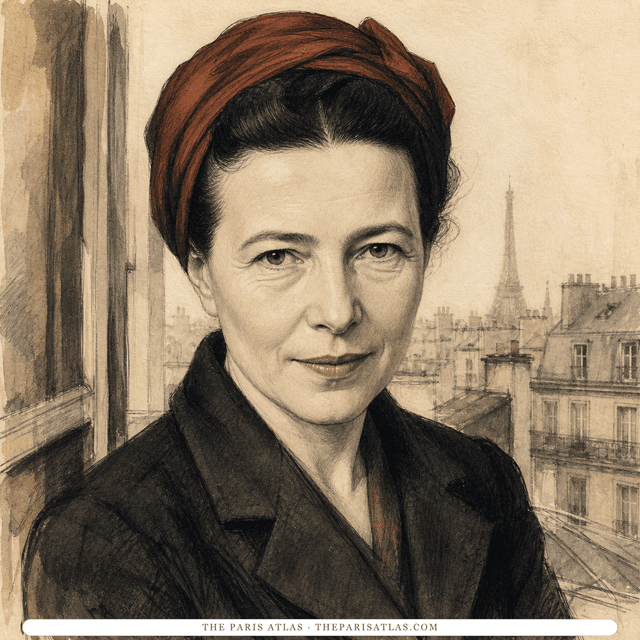
Simone de Beauvoir
French writer and philosopher whose novels, memoirs, and social analysis examined freedom, gender, responsibility, aging, and the material conditions that shape a life.
View author