Wetherall
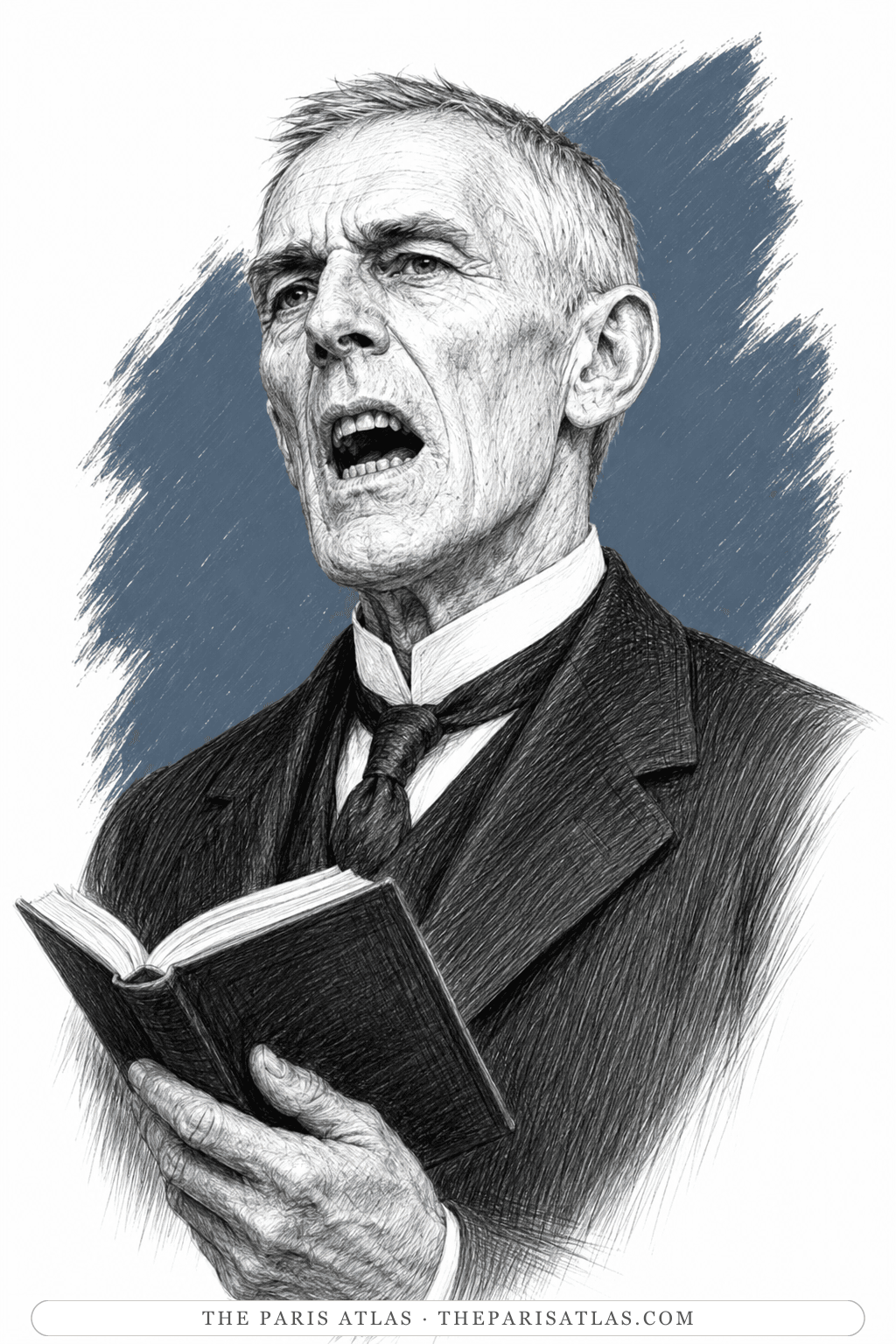
The joiner and undertaker of Lower Binfield, and the loudest voice in the parish church: a great, gaunt, powerful old devil of about sixty with a face like a death's-head, half-inch grey hair, skin like parchment and a lantern jaw full of yellow teeth. He and Shooter the fishmonger competed through every hymn and Wetherall always had the last word, holding the note after everyone else had stopped. The children called him Rumbletummy, for the rumbling noise he made. He looked so strong that George Bowling thought he might live to be a hundred and make coffins for everyone else in that church; Bowling comes back in 1938 and finds his grave.
The last word. In the psalms he comes in over Shooter the fishmonger and drowns him completely, and it is always Wetherall who finishes.
The book

At a glance
- Joiner and undertaker of Lower Binfield
- Rumbletummy
- Part One, Chapter 4; Part Four, Chapter 2
Who they are in the book
Spoiler-freeThe Sunday-morning church of George Bowling's childhood is remembered chiefly through two voices, and Wetherall's is the one that wins. He was the joiner and undertaker, a great gaunt powerful old man of about sixty, with a face like a death's-head, stiff grey hair half an inch long, parchment skin and a great lantern jaw full of yellow teeth that worked up and down as he sang. For all his leanness he looked as strong as iron.
He also had a tremendous churning, rumbling noise going on inside him, which the children nicknamed him for: Rumbletummy. The line about the coffins is Bowling's, not his own: looking at him, the boy thought he seemed strong enough to live to a hundred and make coffins for everyone else in that church before he had finished, which was his trade.
The two voices worked against each other in the psalms. Shooter would roar out a line and Wetherall would come in over the top of it and drown him completely, and it was always Wetherall who had the last word. Bowling is careful about what this was: he supposes the two men were friends in private life, and says that imagining them as deadly enemies was his own idea as a boy. When he goes back to Lower Binfield twenty years later he looks for the grave, and finds that Wetherall did not get his hundred after all.
How Wetherall Is Portrayed
- How he lookedGaunt and powerful at about sixty, with a face like a death's-head, stiff grey hair half an inch long, parchment skin, and a lantern jaw full of yellow teeth.
- RumbletummyThe children's name for him, after the tremendous churning, rumbling noise that went on inside him through the service.
- The tradeJoiner and undertaker. He looked so hard-wearing that the boy watching him imagined he would outlast the whole congregation and bury it himself.
- The duelThe psalms especially. Shooter would roar out a line and Wetherall would come in over him and drown him completely, and it was always Wetherall who had the last word. Bowling adds that the two men were probably friends outside church, and that the enmity was something he imagined as a boy.
- The graveBowling finds it in the churchyard on his return, and works out from the dates that the old man missed the century he had been aiming at.
If you like Coming Up for Air


If you like George Orwell
Explore authors with a similar voice, perspective, and influence.

Henry Miller
The Brooklyn dropout who arrived in Paris broke at thirty-eight and wrote the exuberant, banned books that ended American censorship.
View author
Louis-Ferdinand Céline
The doctor of the Paris slums who wrote the century's blackest, funniest novel — and changed the sound of French prose.
View author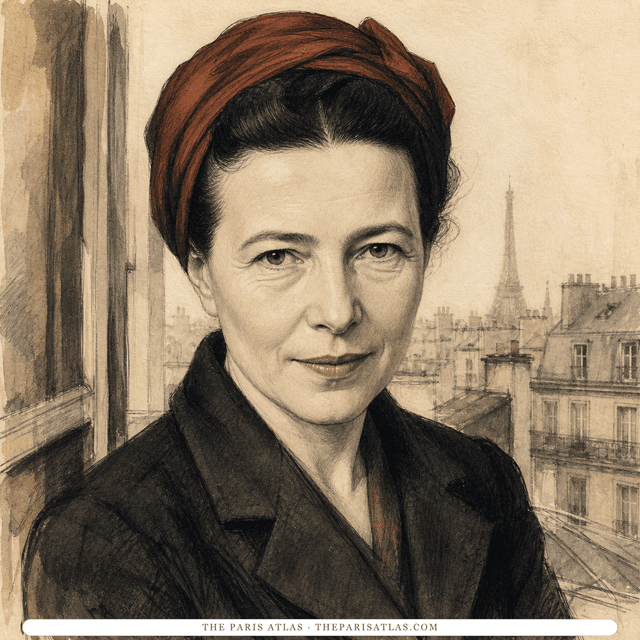
Simone de Beauvoir
French writer and philosopher whose novels, memoirs, and social analysis examined freedom, gender, responsibility, aging, and the material conditions that shape a life.
View author