
Winesburg, Ohio
The linked-tales form, the small-town silences, the feeling buried under flat speech — Anderson's book is the visible scaffold under Hemingway's first, before the parody announced the apprenticeship over.

The debut story collection where the modern American short story was invented — trout streams, war flashes, and Nick Adams.
Alternating between the Michigan woods of Nick Adams's youth and one-paragraph flashes of war, bullring, and execution, Hemingway's first real book is the style's laboratory: stories like 'Big Two-Hearted River' in which a man fishes a burned-over country and the war is never once mentioned — and is everywhere. Assembled in Paris under Pound's editing eye, it announced everything that followed.
It began as one of the smallest books in modern literature: in our time, lowercase, eighteen one-paragraph vignettes of war, bullfights, and police shootings, hand-set and printed by William Bird's Three Mountains Press on the quai d'Anjou in 1924, in an edition of 170 copies. Pound had commissioned it for his 'Inquest' series; the vignettes were the distillate of everything Hemingway had seen as a correspondent and heard from men who had seen worse.[1]
The American edition of 1925 — Boni & Liveright, capital letters now — folded those vignettes between full stories, most of them set a world away from the war: Nick Adams fishing, camping, watching his father fail. The masterpiece is 'Big Two-Hearted River,' written in Paris in 1924, a story in which a man makes camp and fishes a Michigan river while the thing the story is about is never once named. It is the iceberg method's first full demonstration.[1]
Reviewers — Edmund Wilson earliest and best — understood that the sentences themselves were the news. Scribner reissued the book in 1930 with a new opening sketch, 'On the Quai at Smyrna,' and it has stood ever since as the announcement: the collection where American prose got a new gait, three novels before the novels made it official.[1]
The collection alternates two kinds of writing: full short stories, and between them the one-paragraph 'interchapters' — flashes of war, bullring, and crime rendered with documentary coldness. Many of the stories follow Nick Adams, Hemingway's first alter ego, growing up in the Michigan north woods: accompanying his doctor father to an Indian camp on a terrible night, ending a first romance and regretting it through a long drunk talk with a friend, meeting a punch-addled ex-boxer and his companion by the rail tracks.[1]
Around Nick, the book assembles the era in miniature: a soldier named Krebs comes home to Oklahoma too late for parades and finds he cannot make himself want anything; an American couple fray quietly in an Italian hotel room; a boy worships his jockey father through the crooked racetracks of Paris and Milan. The war itself arrives mostly in the spaces — in the interchapters' machine-gun prose and in what the stories refuse to mention.[1]
The collection closes with its masterpiece, 'Big Two-Hearted River.' Nick Adams — back from the war, though the war is never named — gets off a train at the burned-over town of Seney, Michigan, hikes alone into the pine country, makes camp, and fishes the river with a deliberateness that is obviously holding something enormous at bay. Nothing happens except coffee, grasshoppers, trout, and the decision that matters: downstream the river runs into a dark swamp where fishing would be a tragic adventure, and Nick is not ready. There would be plenty of days coming when he could fish the swamp. On that deferral — recovery measured out one day at a time — the book ends.
The fishing is not a continuous display of mastery. Losing the huge trout leaves Nick shaky and sick, and he sits until disappointment gradually recedes. The narration gives that pause as much attention as the next successful catch. His later refusal to enter the swamp extends this practice of judging what he can bear today. The final prospect of returning keeps the boundary temporary. Recovery can be read in the rhythm of effort and withdrawal without making the river a simple cure.
The 1924 Paris volume presents eighteen numbered pieces before the expanded collection's arrangement of titled stories. In its fifth sketch, the speaker praises a barricade with the enthusiasm of someone admiring an ingenious device. His repeated approval makes the deaths it enables sound like evidence of good workmanship. The ending registers retreat as an annoyance rather than a moral reckoning. Compression does not make this voice neutral: its casual judgments leave the reader to recognize what the speaker's satisfaction excludes.
The linked-tales form, the small-town silences, the feeling buried under flat speech — Anderson's book is the visible scaffold under Hemingway's first, before the parody announced the apprenticeship over.
A man makes camp and fishes for thirty pages; nothing happens; it is one of the greatest war stories ever written. The iceberg theory's proof of concept.
Six-sentence flashes of violence between the stories — a formal experiment nobody has improved on in a century.
Shaped between the rue du Cardinal Lemoine and Pound's studio, with Stein's rhythms in its ear — this is the Paris apprenticeship, published.
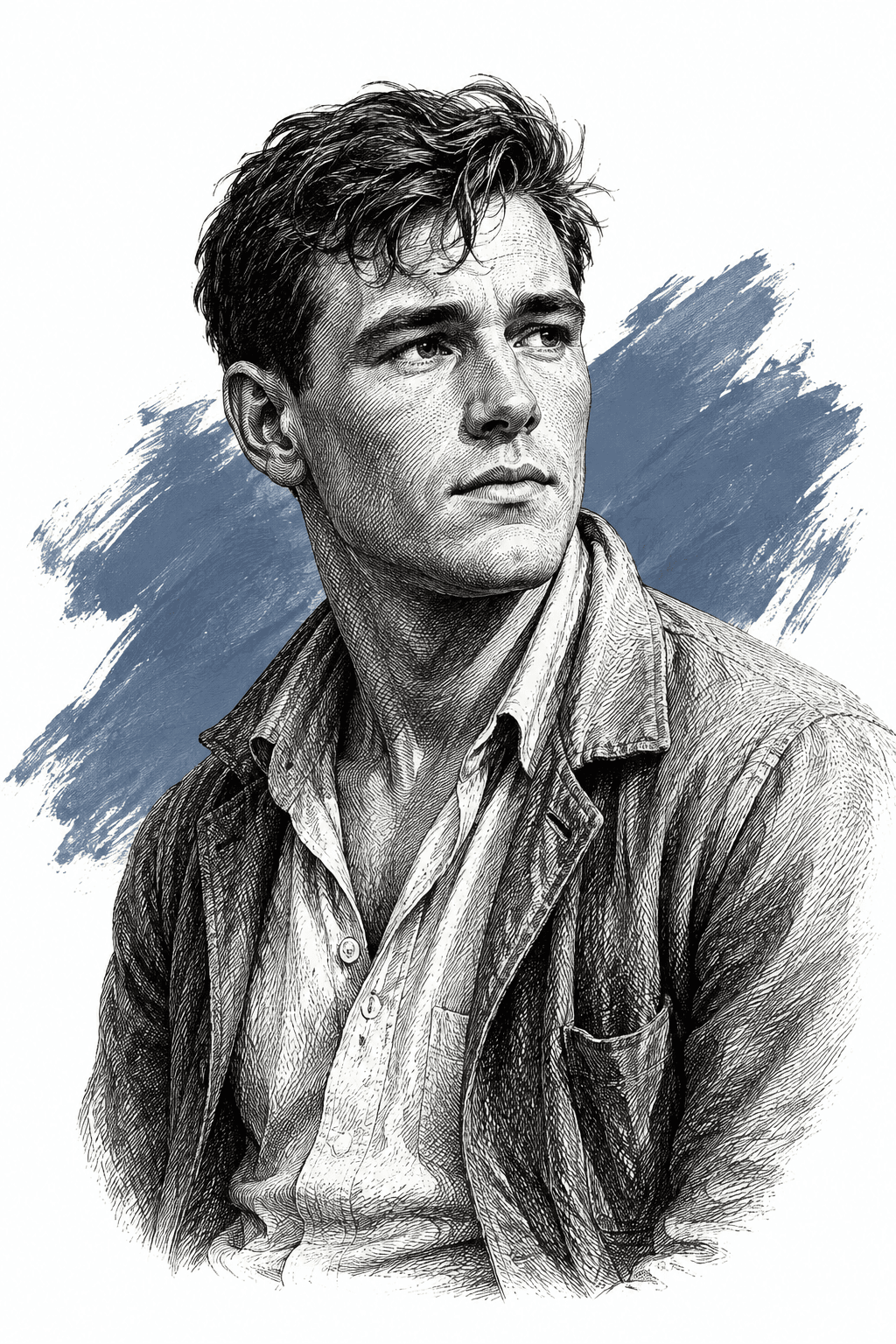
The young man Ernest Hemingway invented to carry his own life. He appears in eight of the fifteen stories, first as a boy in the Michigan woods and last as a man fishing alone.
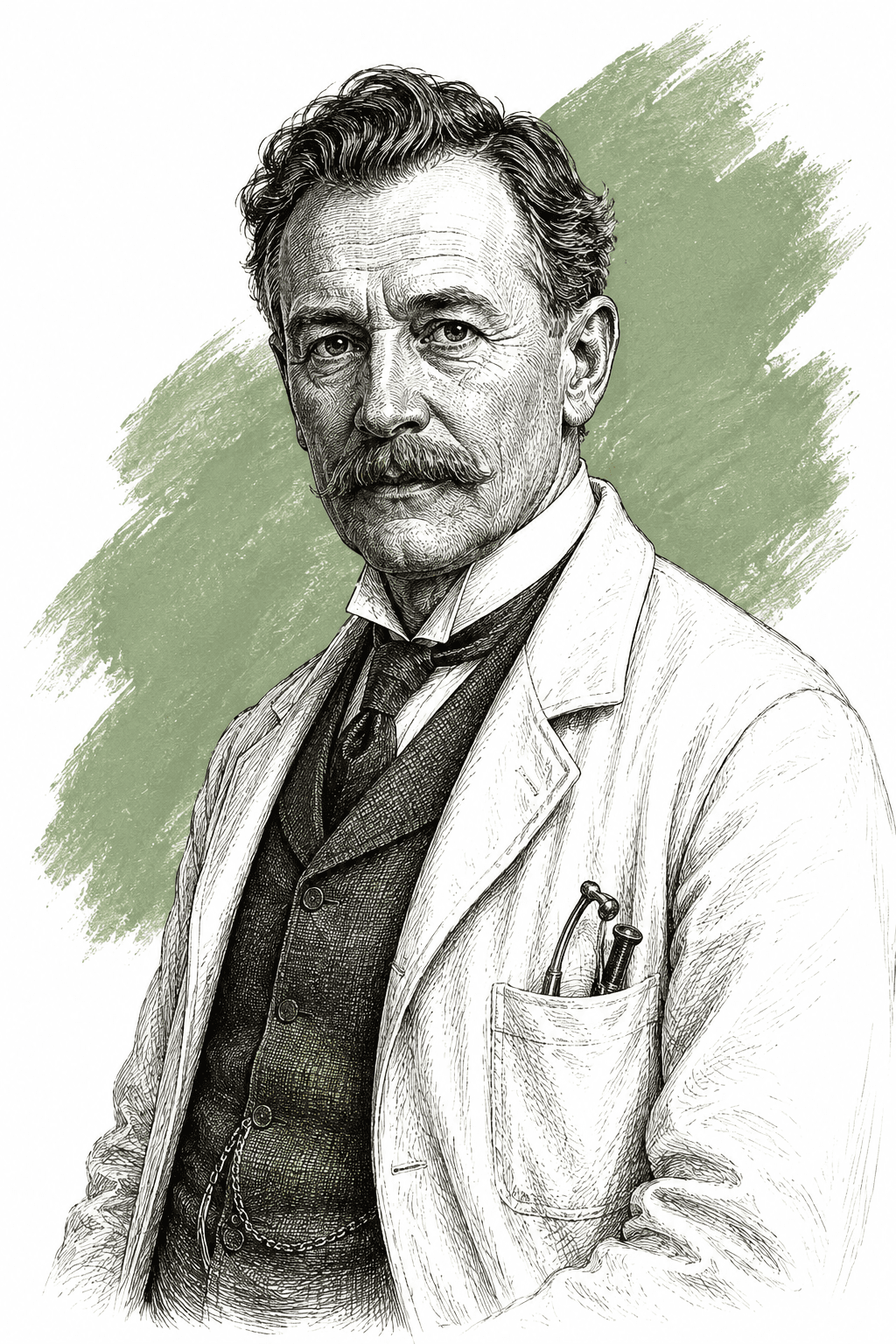
A country doctor in northern Michigan, and the second most-present person in the book. He appears in two Nick Adams stories, and comes off badly in both.
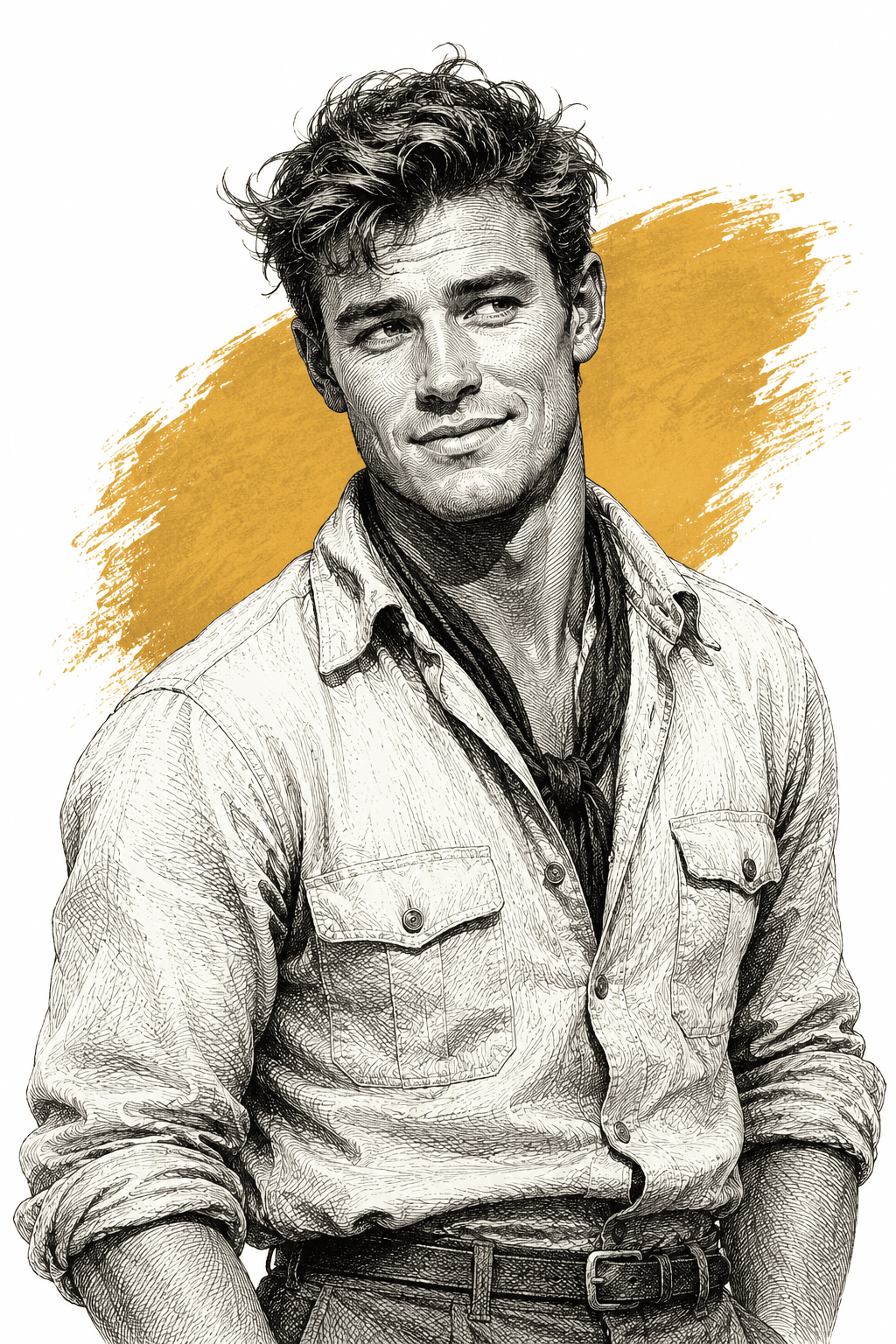
Nick's friend, and his drinking company through an autumn storm. He appears at the end of one story and takes up most of the next.
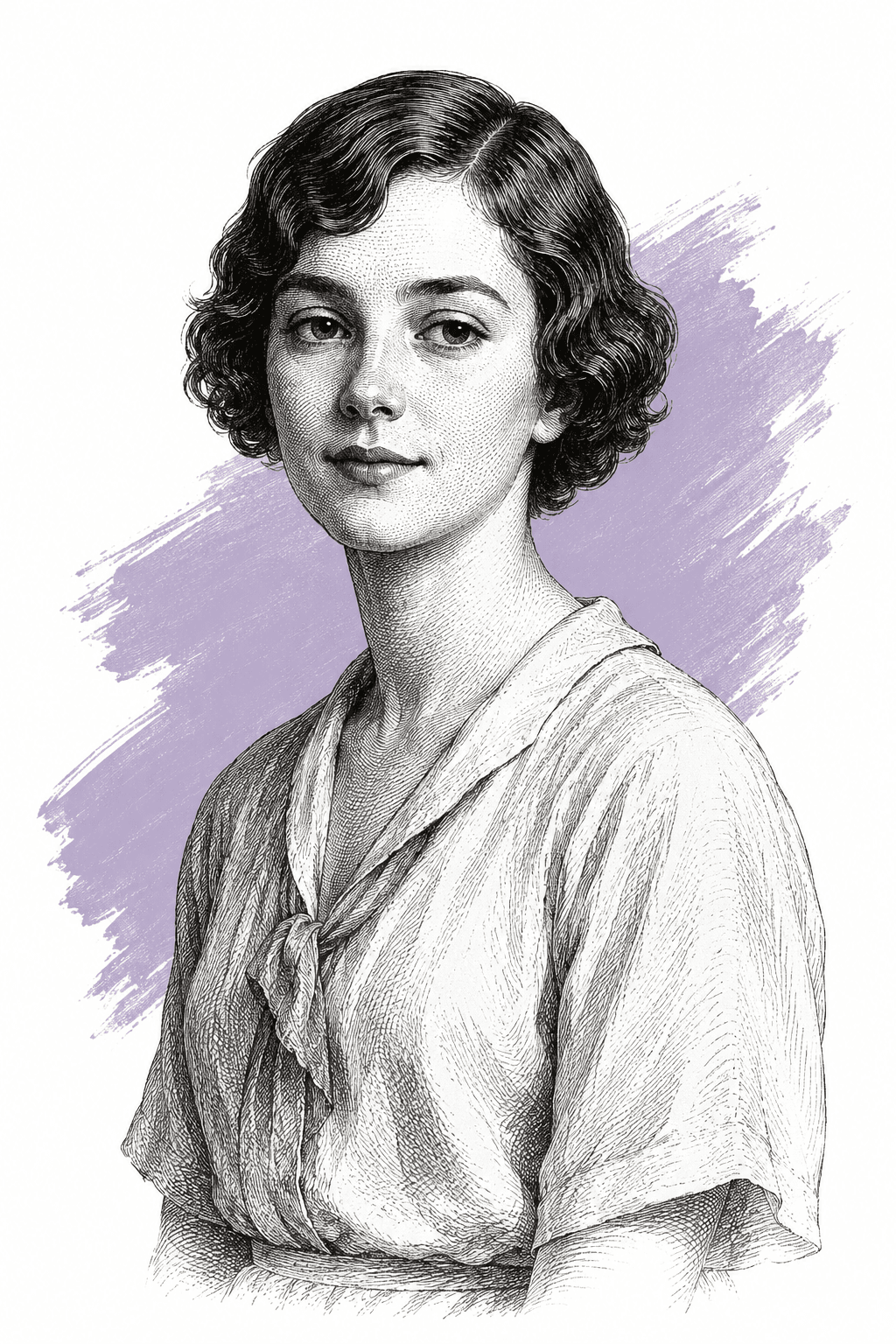
The girl Nick Adams has been going with, and the better fisherman of the two. "The End of Something" is the evening he ends it.
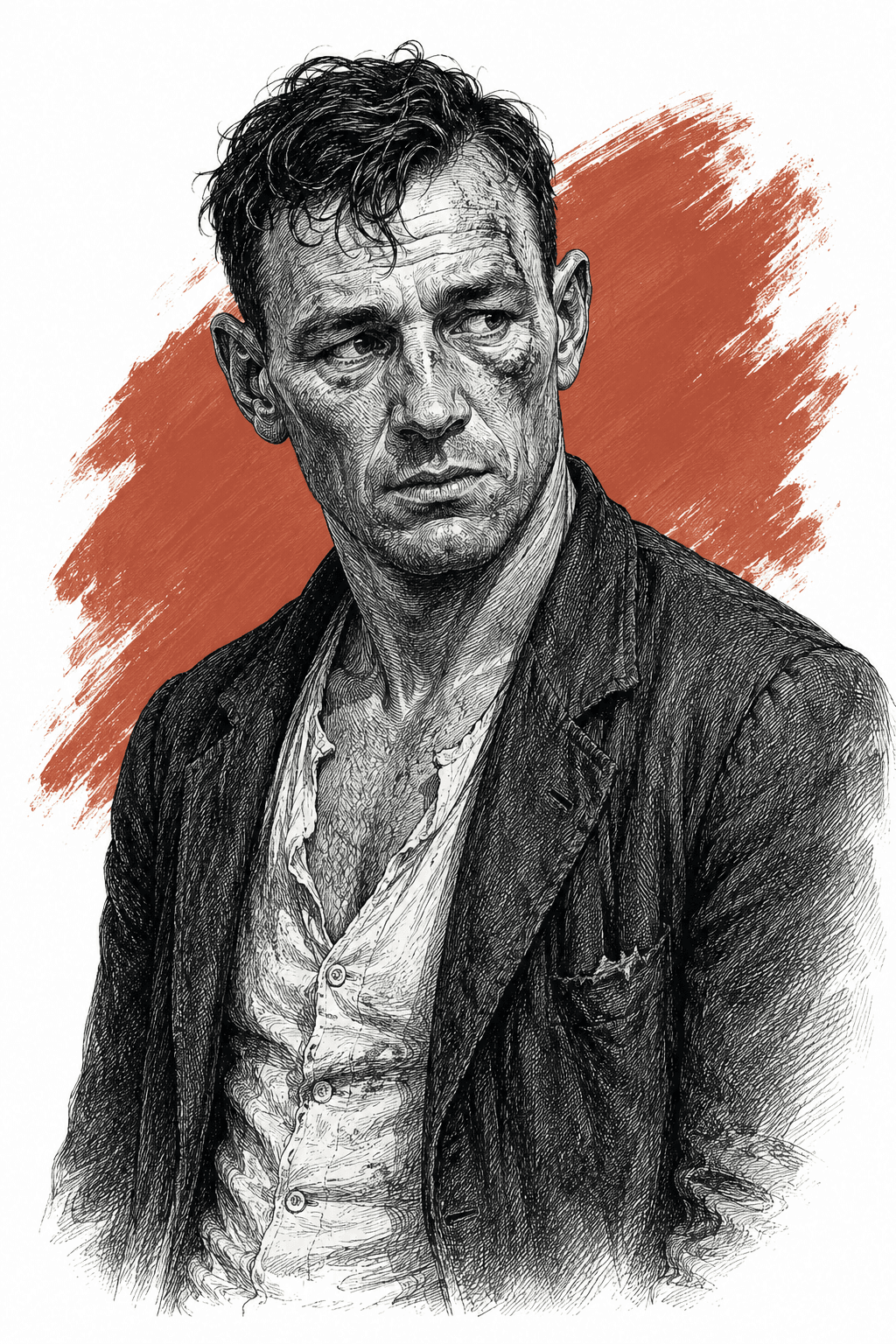
A former champion prizefighter, damaged past repair, camped by a railway track. Nick Adams walks into his firelight in "The Battler."
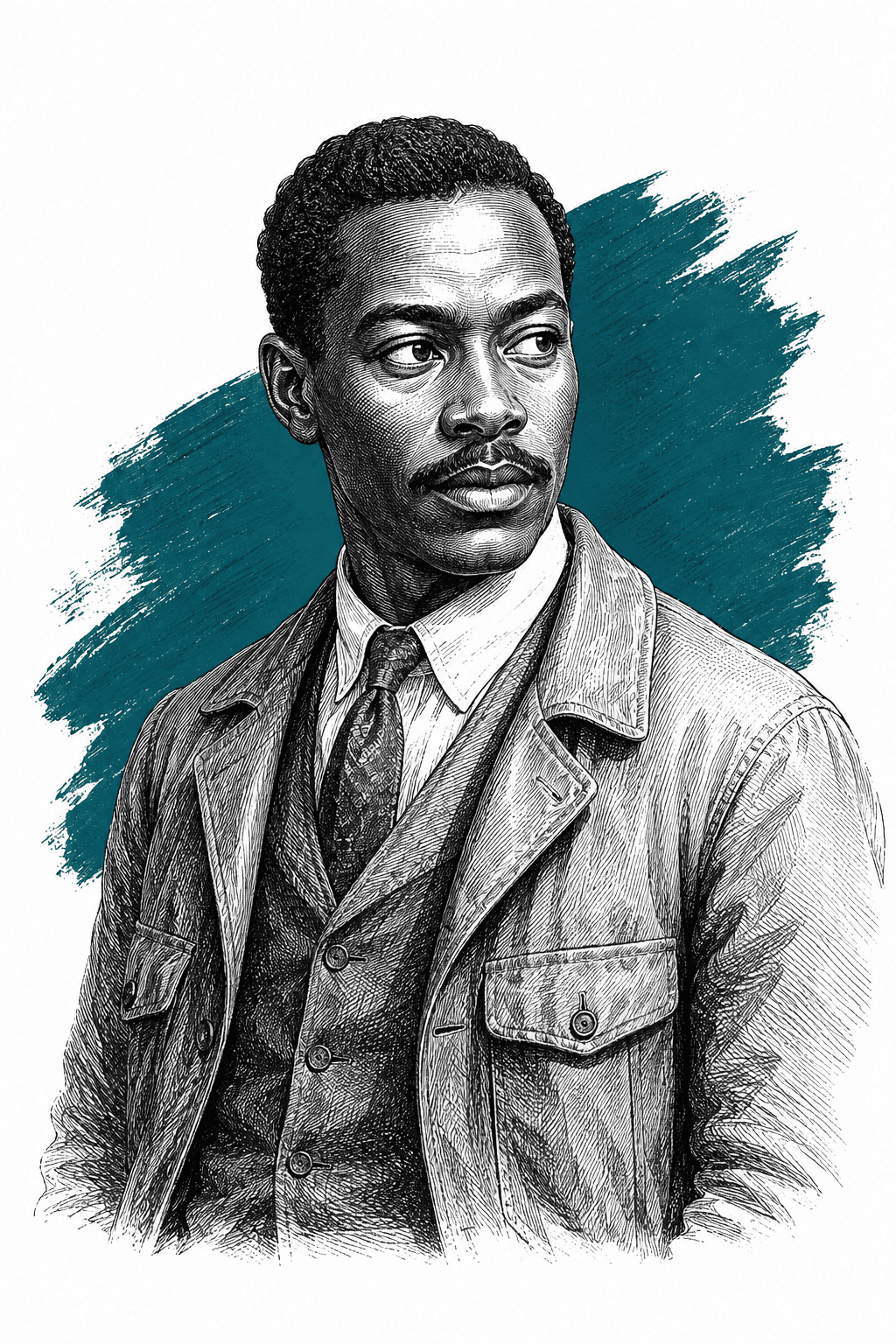
The man travelling with Ad Francis, who cooks the supper, keeps the money, and knows precisely how to stop the fighter when he turns.
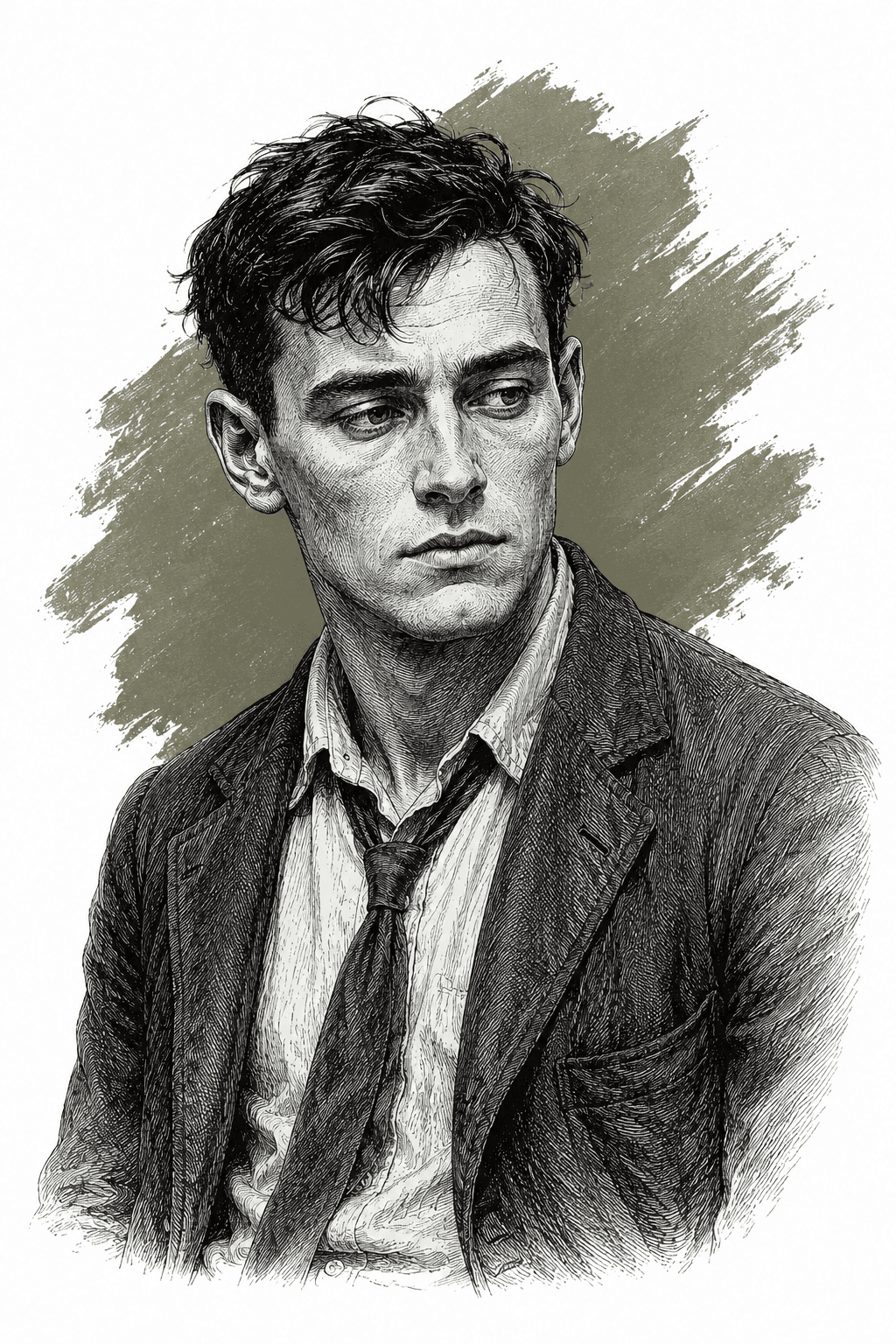
A United States Marine home in Oklahoma two years after the war ended, unable to make himself want anything. "Soldier's Home" is one week of his life.
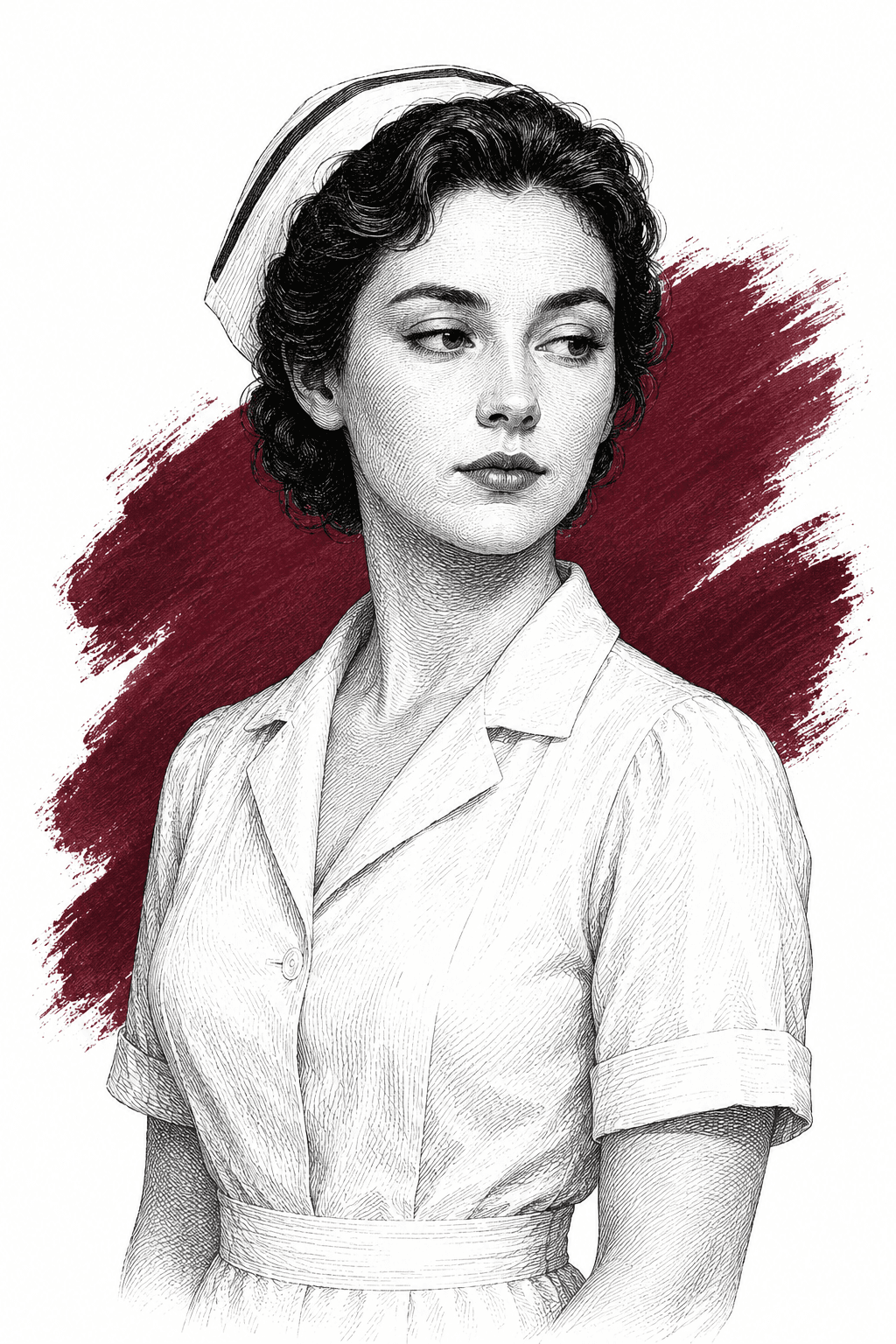
An American nurse in a hospital in Padua who falls in love with a wounded soldier and, months later, writes to say it had only been a boy and girl affair.
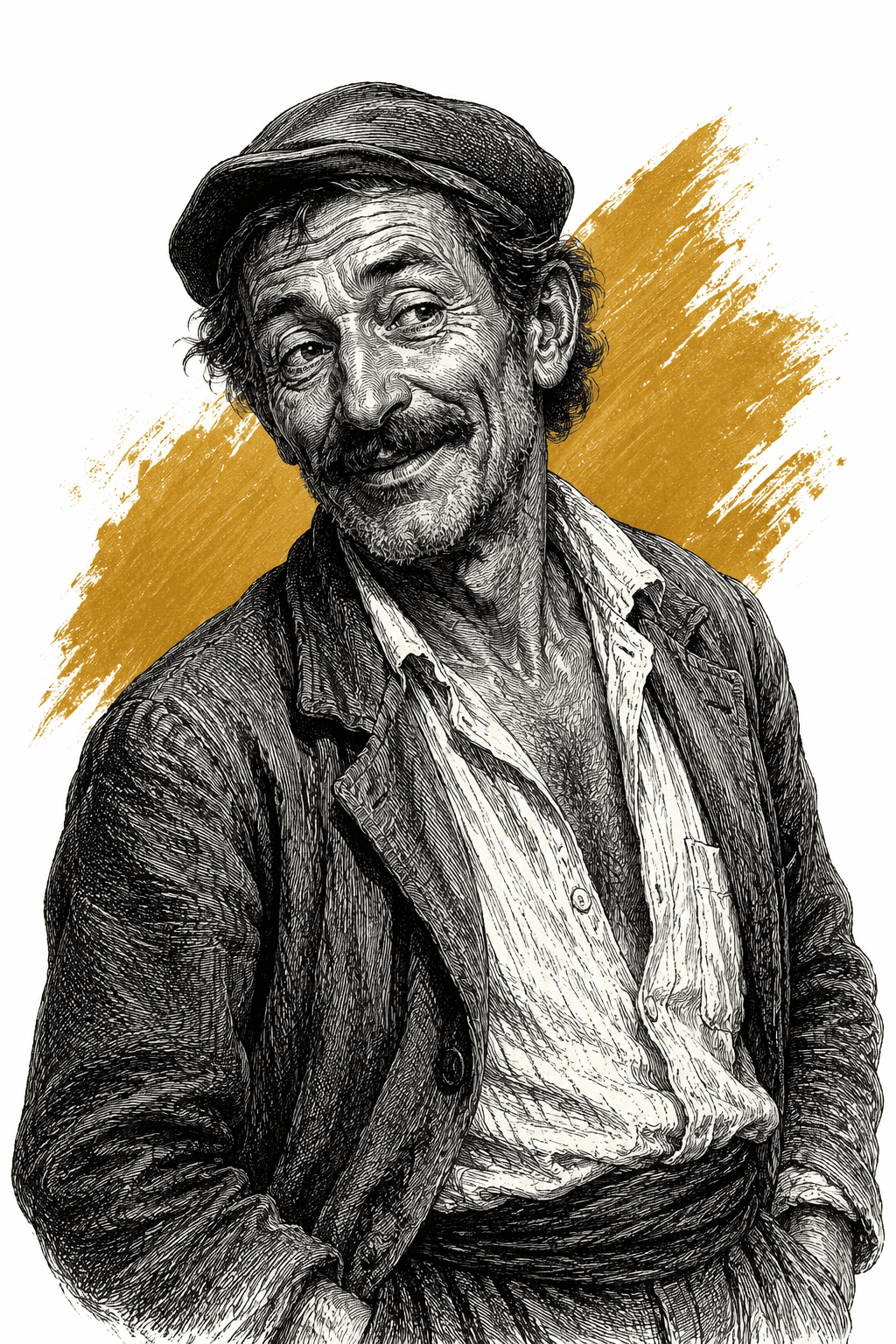
An elderly odd-job man in an Italian mountain town who talks a visiting couple into an afternoon's illegal fishing, and drinks their marsala.
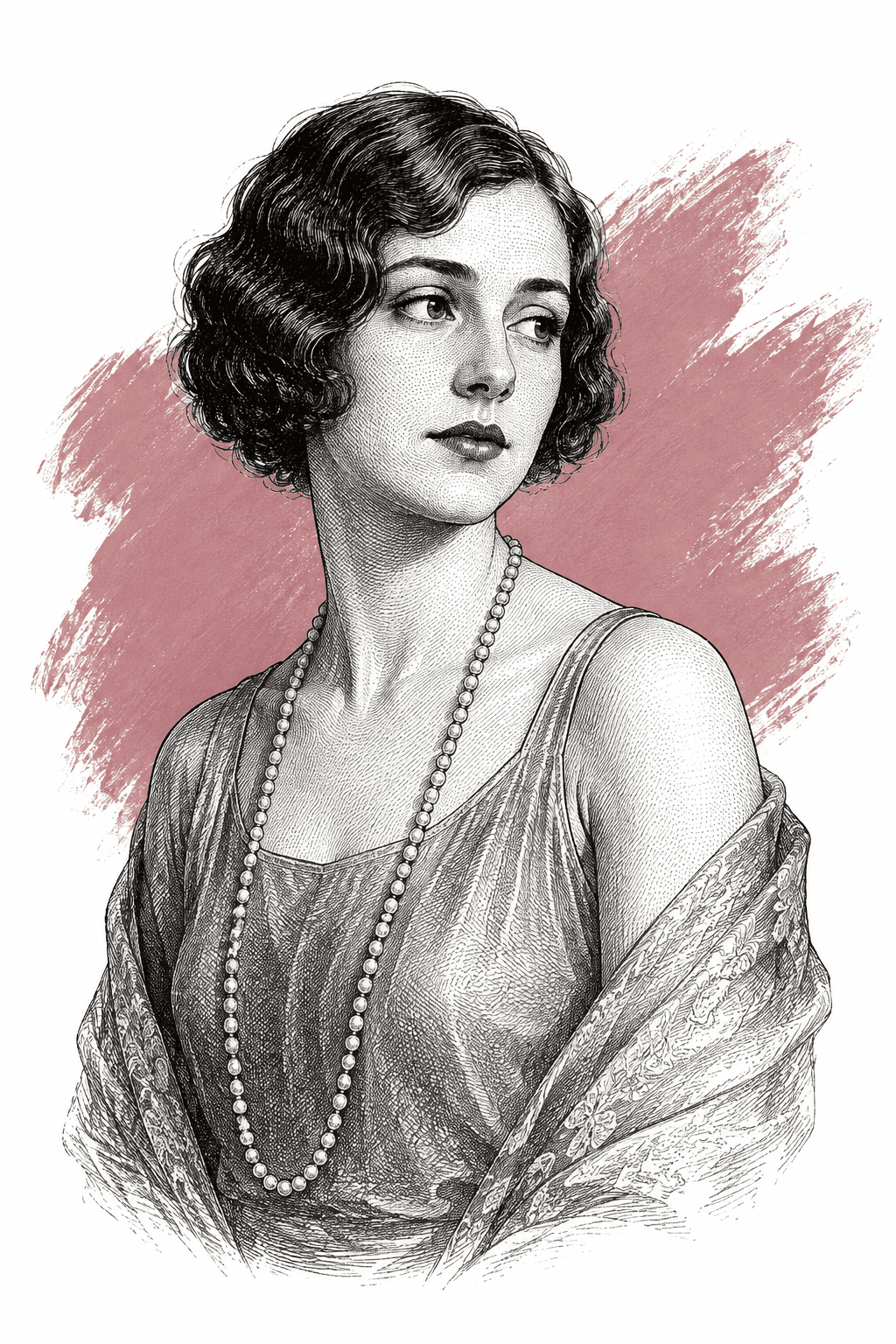
One of two Americans stopping at an Italian seaside hotel in the rain. She goes downstairs to rescue a cat, and comes back without it.
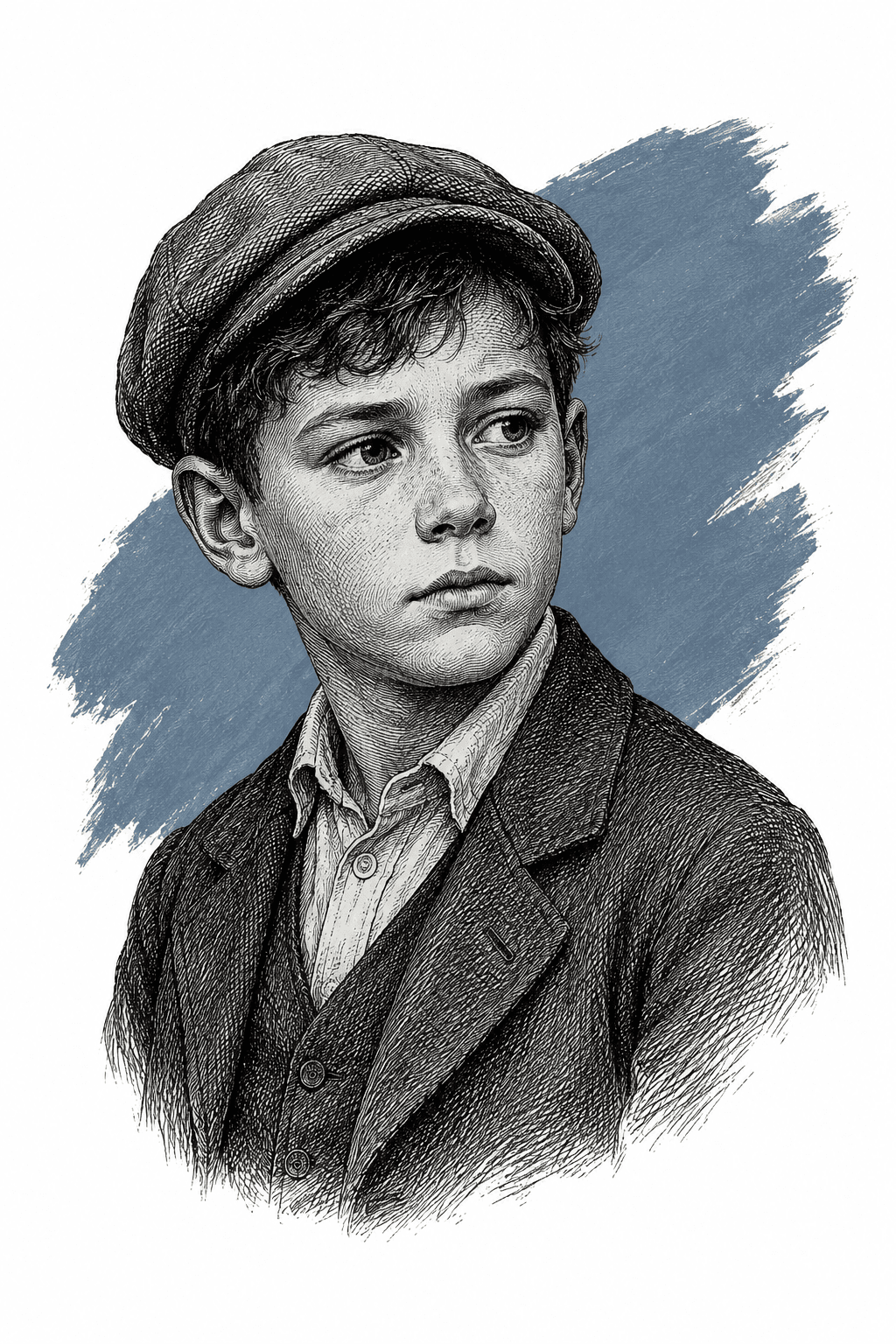
The boy narrator of "My Old Man" — an American kid living around European racecourses with his father, a jockey he worships.
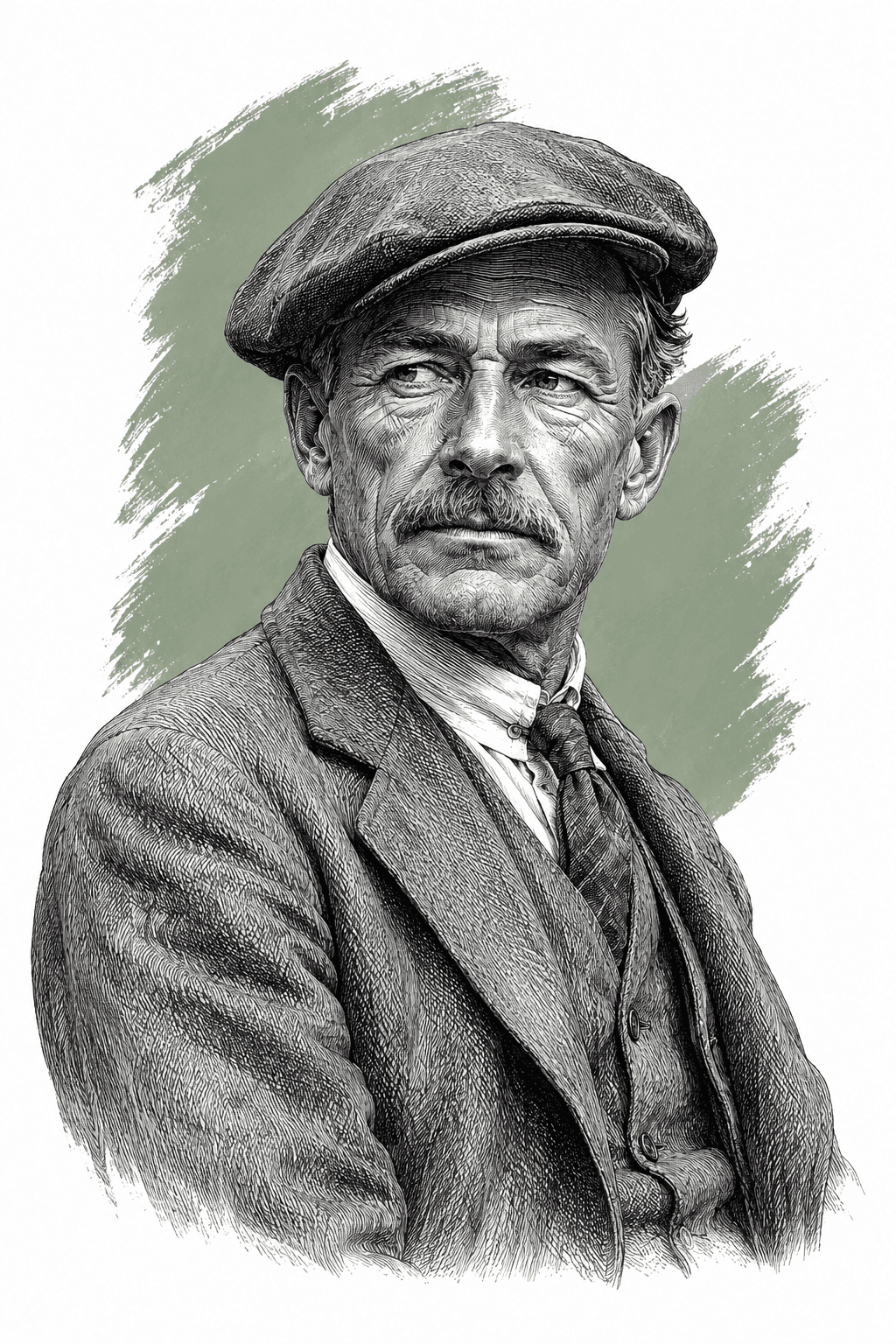
An American steeplechase jockey riding out the end of his career in Milan and Paris, worshipped by his son and disliked by the men at the track.
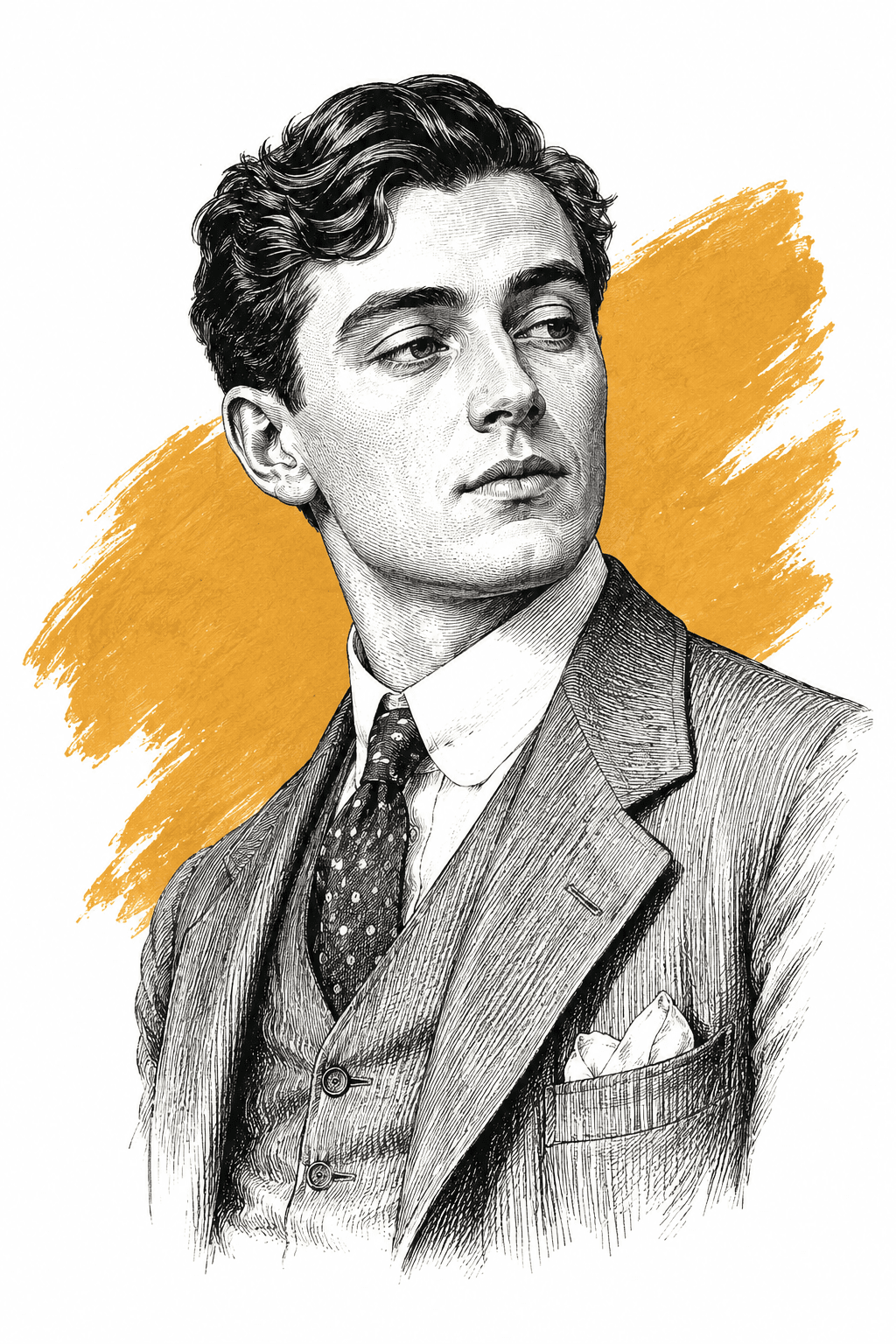
A twenty-five-year-old American poet with a private income who marries the woman who ran a Boston tea shop, and takes her to France.
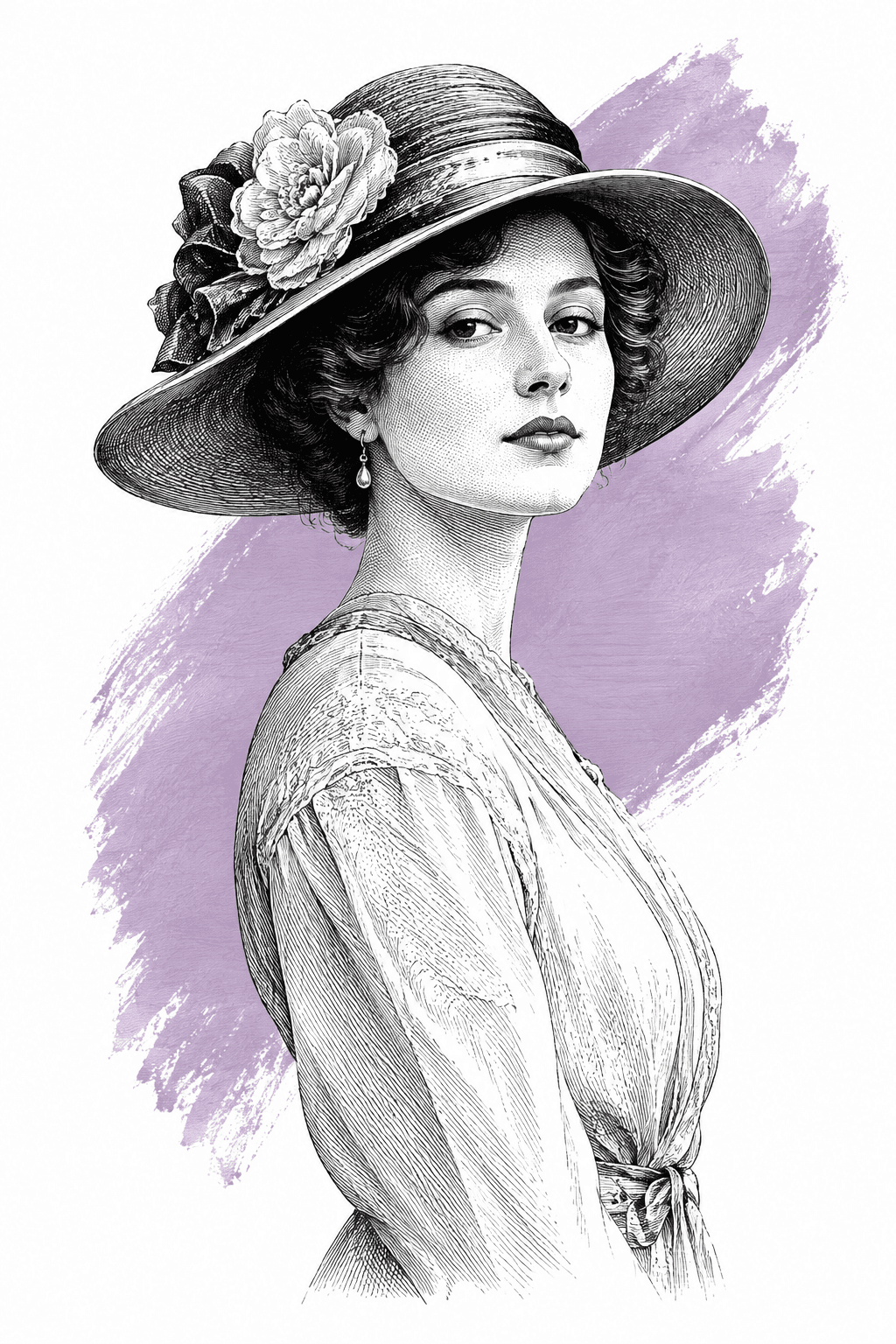
The wife in "Mr. and Mrs. Elliot" — forty years old, from an old Southern family, and the former proprietor of a Boston tea shop.
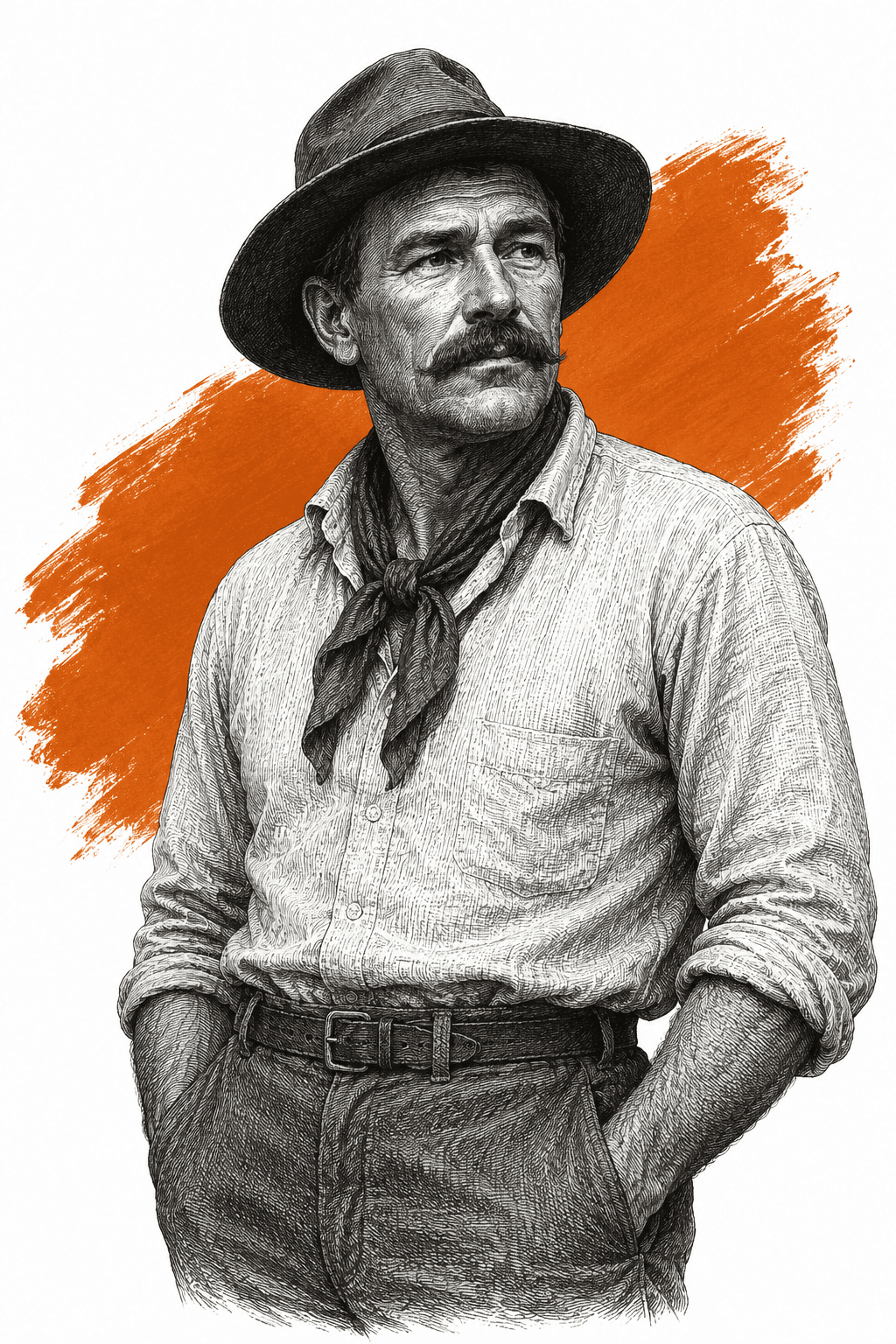
Nick Adams's uncle, who comes along to the Indian camp, gets bitten during the operation, and is gone by morning.
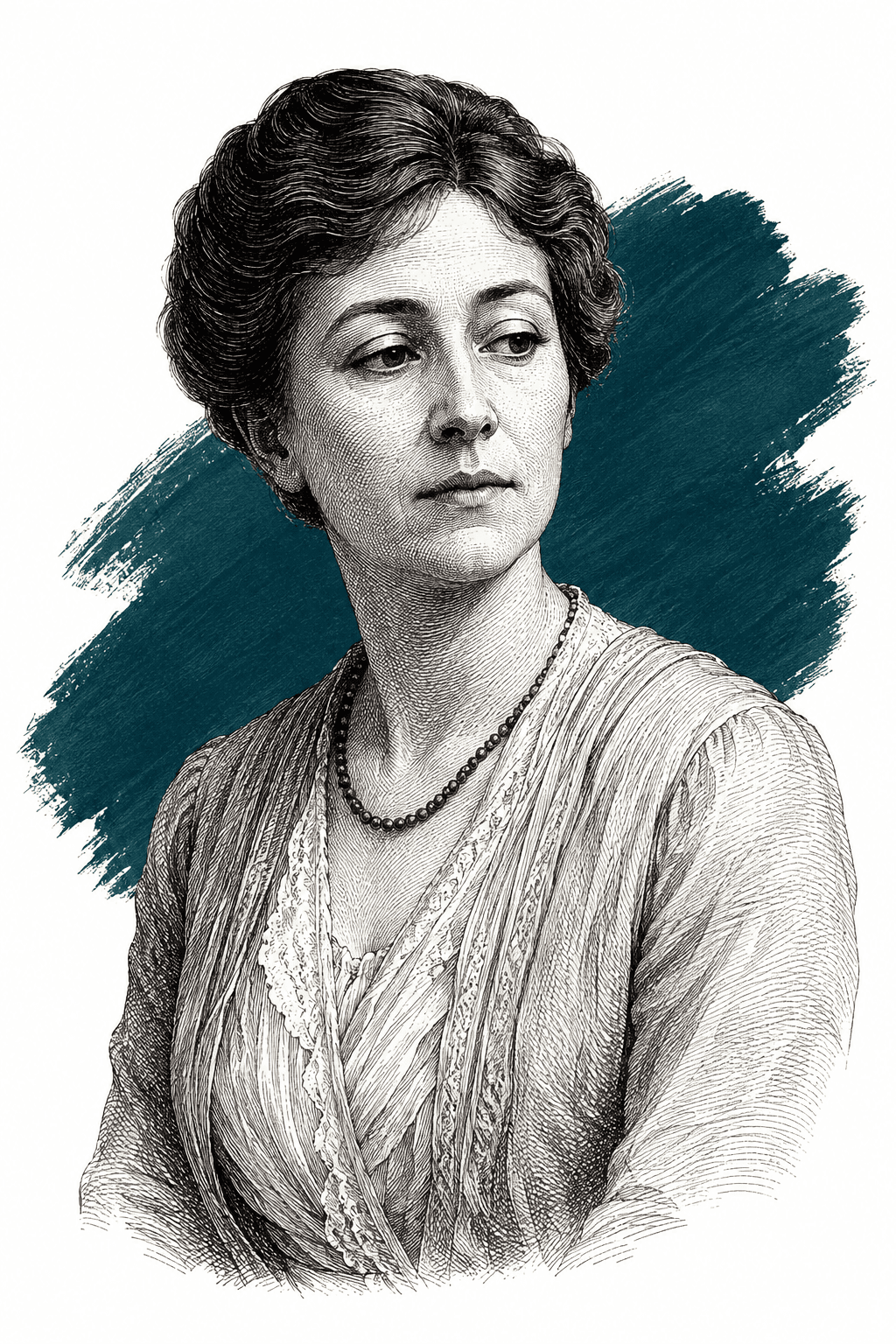
Nick Adams's mother, who spends the whole of "The Doctor and the Doctor's Wife" lying in a darkened room, asking her husband what the trouble was and then refusing to believe the answer.
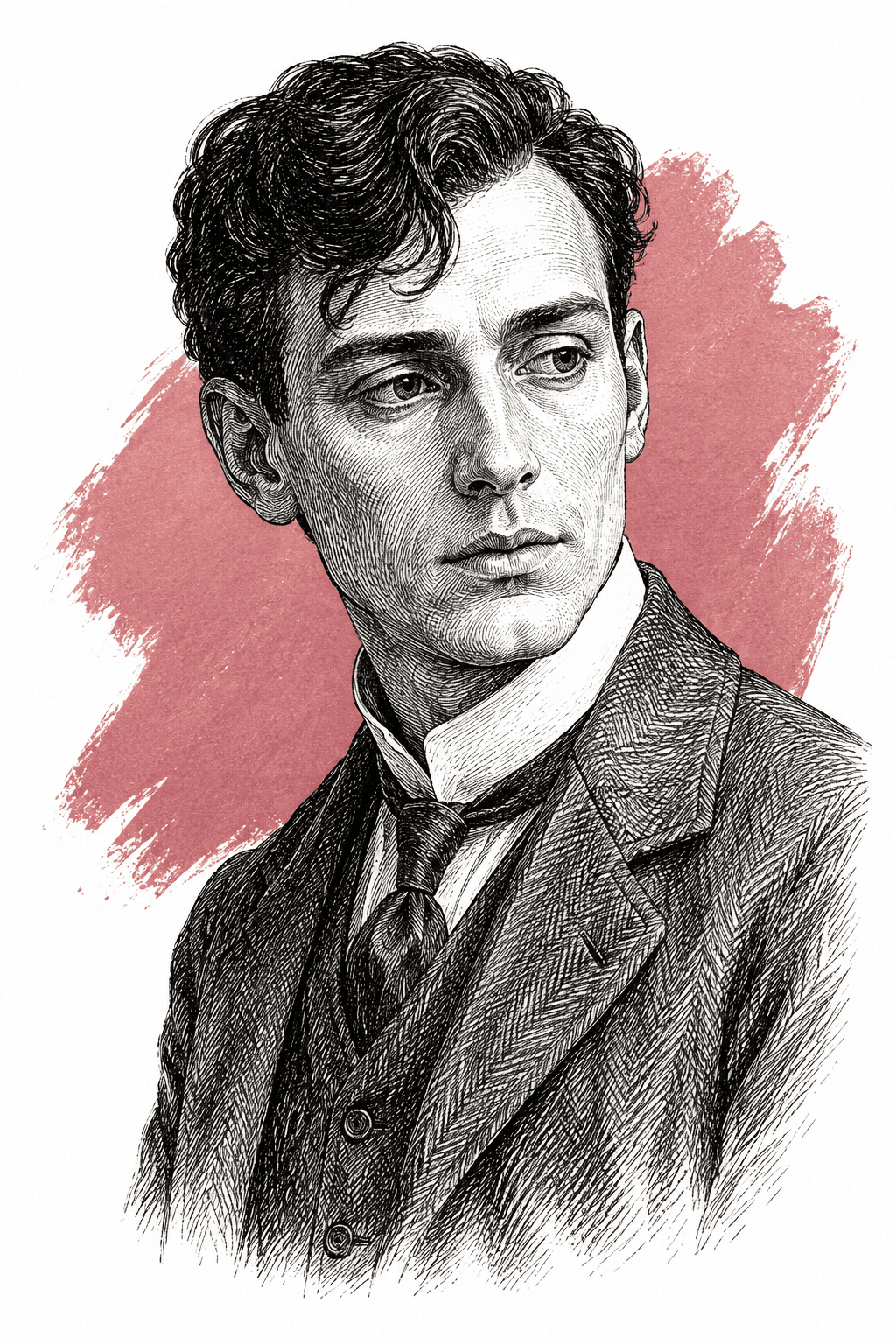
The friend Nick Adams skis with in Switzerland, and the person he tells about his wife's pregnancy. This is the George of "Cross Country Snow" — not Nick's Uncle George in "Indian Camp," and not the husband in "Cat in the Rain."
The most famous label in modern literature started as a complaint about a slow car repair. What 'lost' actually meant — and why the writers it named never accepted it.
The iceberg theory is writing by informed omission: most of the writer’s knowledge stays below the surface, while selected actions and details let the reader feel it.
1924
William Bird's Three Mountains Press hand-prints the eighteen vignettes as 'in our time' in Paris, in an edition of 170 copies commissioned by Ezra Pound. 'Big Two-Hearted River' is written in Paris the same year.
1925
Boni & Liveright publishes the American edition, folding the vignettes between full stories.
1930
Scribner reissues it with a new opening sketch, 'On the Quai at Smyrna.'


Another writer breaking form into fragments — with the opposite temperament.
Read our takeErnest Hemingway. This 1925 collection was his first real book, and the laboratory of his mature style.
A collection of short stories — several following the young Nick Adams in the Michigan woods — alternating with one-paragraph vignettes of war, the bullring, and violence.
It is where Hemingway's method of omission became visible. In stories like "Big Two-Hearted River," a man fishes a burned-over country and the war is never once mentioned, yet is everywhere.
It was assembled in Paris under Ezra Pound's editing eye. Its interchapter vignettes were first hand-set and printed by William Bird's Three Mountains Press on the Île Saint-Louis in 1924.
Hemingway's recurring semi-autobiographical character, a young man growing up in the Michigan woods, who appears across several of the collection's stories.
Explore authors with a similar voice, perspective, and influence.
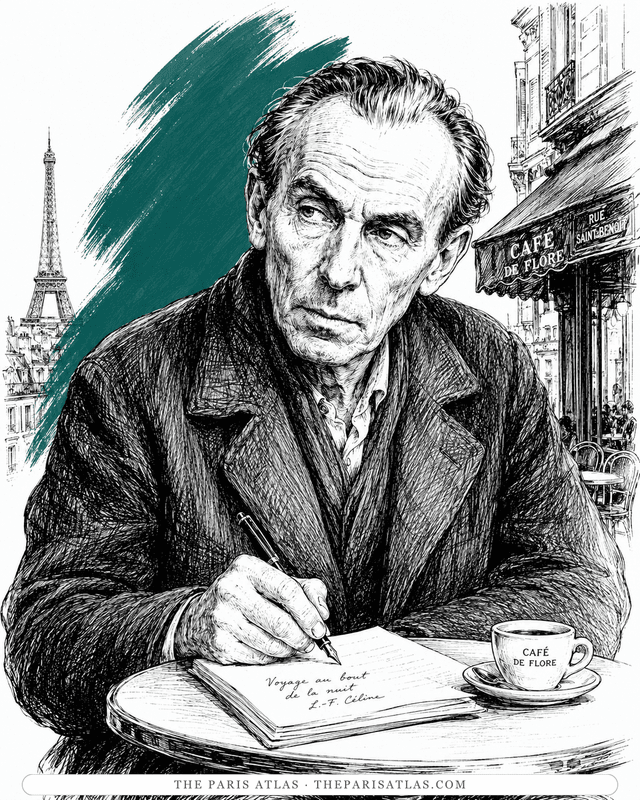
The other great stylist the Great War produced — where Hemingway cut the language down, Céline set it on fire. The same wound, opposite treatments.
View author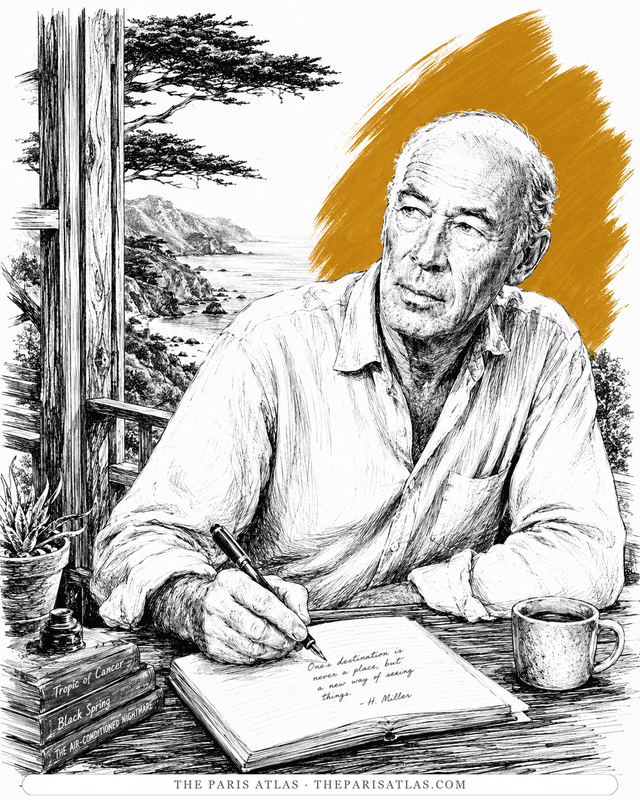
Paris on no money a decade later, with the restraint removed. Miller called Hemingway's Paris a tourist's Paris; readers get to referee.
View author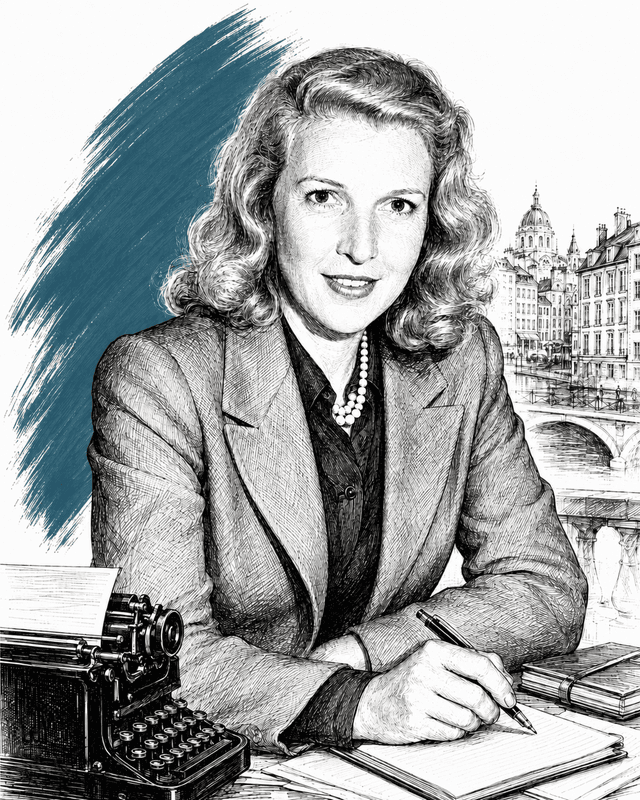
War correspondent who covered the Spanish Civil War, D-Day, and conflicts across five more decades; Hemingway's third wife, 1940–1945.
View authorThe sources below include the primary text, editions, scholarship, archival materials, and other records that informed this page. They document In Our Time, its publication, and its place in literary history.


Complete Part II and its preceding interchapter in the Boni & Liveright transcription; no full-collection collation.
Title matter, contents and selected numbered sketches in the 1924 Paris text; no original printing-process inspection.
Biographical evidence used to verify chronology, relationships, and historical context connected to In Our Time.
The Hemingway–Perkins correspondence documents the 1925 transition to Scribner and the collection’s early publication context.

Used for Hemingway’s own account of omission and the working method associated with these early stories.
The JFK Library’s archival discussion of Hemingway’s letters supplies primary-document context for his early career and correspondence.
The primary text is the baseline reference for every book page. Additional references document publication history, interpretation, and historical context where that evidence is available.
 Explore more resources