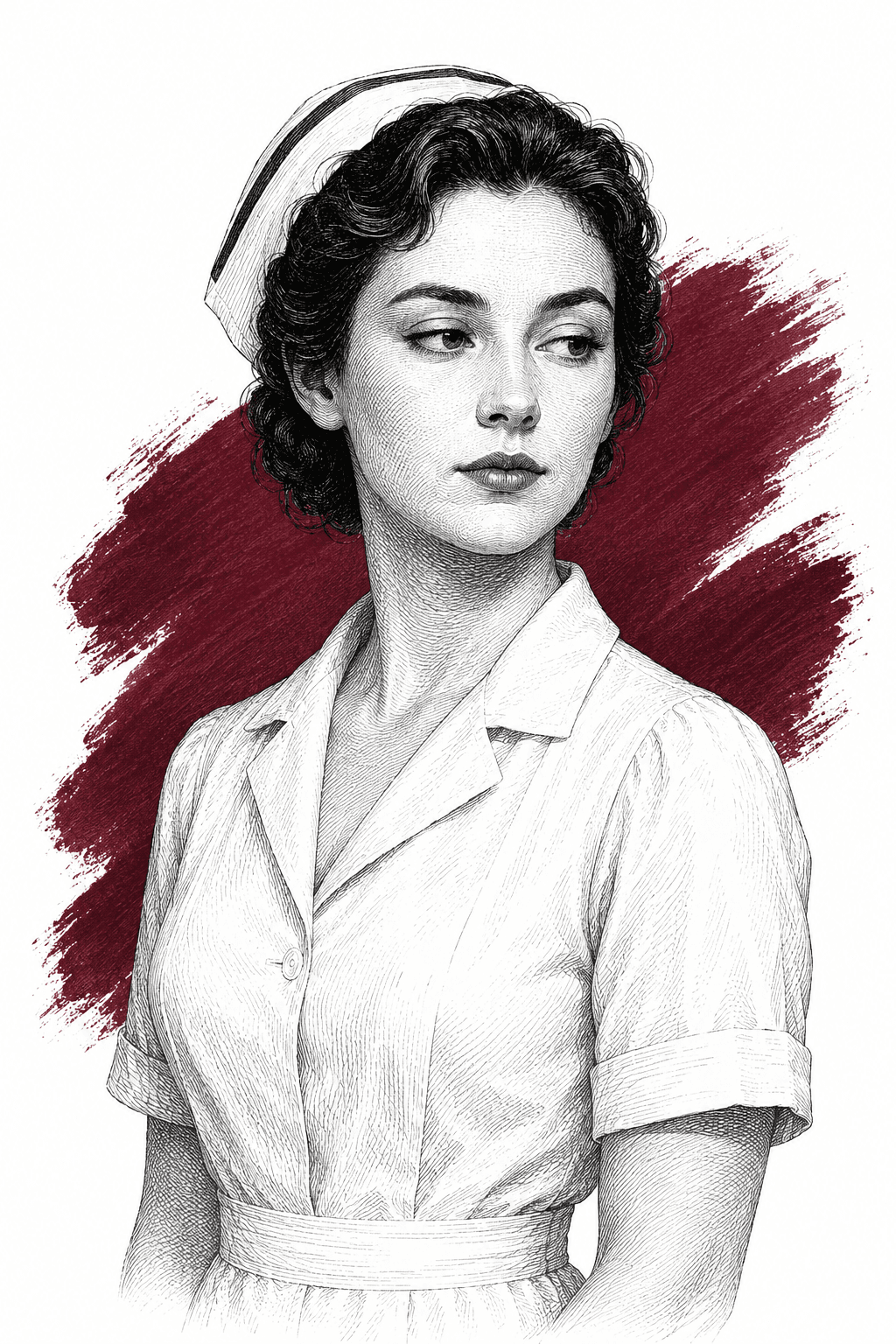
Luz
An American nurse in a hospital in Padua who falls in love with a wounded soldier and, months later, writes to say it had only been a boy and girl affair.
To be properly married rather than merely in love. Before he goes back to the front they pray in the Duomo and try to arrange it: "They wanted to get married, but there was not enough time for the banns, and neither of them had birth certificates." They felt as though they were married, the story says, but they wanted everyone to know about it, so that they could not lose it.
The book

At a glance
- "A Very Short Story" only
- Nurse — night duty in a hospital in Padua, later opening a hospital at Pordenone
- Never named in the story; wounded, operated on, and sent home to America from Genoa
- About two pages, with no dialogue in it at all
- That she will come to New York once he has a good job
- Agnes von Kurowsky · 1892–1984 · Germantown, Pennsylvania
Who they are in the book
Spoiler-freeLuz is a nurse in an Italian hospital during the First World War, and the woman at the centre of "A Very Short Story" — a story of barely two pages that covers about a year. The man she loves is never named; the story calls him only "he." She takes night duty for three months to be near him, prepares him for his operation, and after he is on crutches he takes the ward temperatures so she does not have to get up from his bed.
It is the coldest thing in the collection. There is no dialogue at all, the whole affair is reported in flat summary, and the last two sentences deliver an ending so abrupt that a first-time reader usually stops and goes back. Hemingway drew it, bitterly, from the end of his own first love affair.
How Luz Is Portrayed
- The roof in PaduaThe story opens with him carried up onto the hospital roof on a hot evening to look out over the town. Chimney swifts, then dark, then the searchlights coming on. The others go down and take the bottles with them, and Luz sits on the bed, cool and fresh in the hot night.
- The three months of night dutyShe stays on nights and the hospital is glad to let her. She prepares him for the operating table herself, and they have a joke about friend or enema. He goes under the anaesthetic holding on tight to himself so as not to blab during the silly, talky time.
- Everybody knowsThere are only a few patients and they all know about it, and they all like Luz. It is one of the few warm observations the story allows itself.
- The lettersShe writes constantly to the front and none of it reaches him until after the armistice, when fifteen letters arrive in one bunch. He sorts them by date and reads them straight through. "They were all about the hospital, and how much she loved him and how it was impossible to get along without him and how terrible it was missing him at night."
- The terms she setsAfter the armistice they agree he will go home and get a job so they can marry. She will not come home until he has a good job and can come to New York to meet her. It is understood that he will not drink and will not see his friends. They quarrel about it on the train from Padua to Milan and part at the station without finishing the quarrel.
- The letter to ChicagoShe goes to Pordenone to open a hospital in a muddy, rainy town where a battalion of arditi is quartered. The major of the battalion makes love to her; she had never known Italians before. She writes to say that theirs had been only a boy and girl affair, that she is sorry, that he might some day forgive her and be grateful to her, that she believes in him absolutely, and that she expects to be married in the spring.
Two sentences, no comment, end of story. It is the nearest thing to open cruelty in the book, and Hemingway aimed it at himself as much as at her.
Luz is a version of Agnes von Kurowsky, the American Red Cross nurse who looked after Hemingway in Milan in 1918 — twenty-six to his nineteen. She was fond of him and did not feel what he felt, and in a letter dated 7 March 1919 she told him she was engaged to an Italian officer. He used the break here first, at twenty-four and still angry, and rewrote her five years later, far more generously, as Catherine Barkley in A Farewell to Arms.
If you like In Our Time


If you like Ernest Hemingway
Explore authors with a similar voice, perspective, and influence.

Louis-Ferdinand Céline
The other great stylist the Great War produced — where Hemingway cut the language down, Céline set it on fire. The same wound, opposite treatments.
View author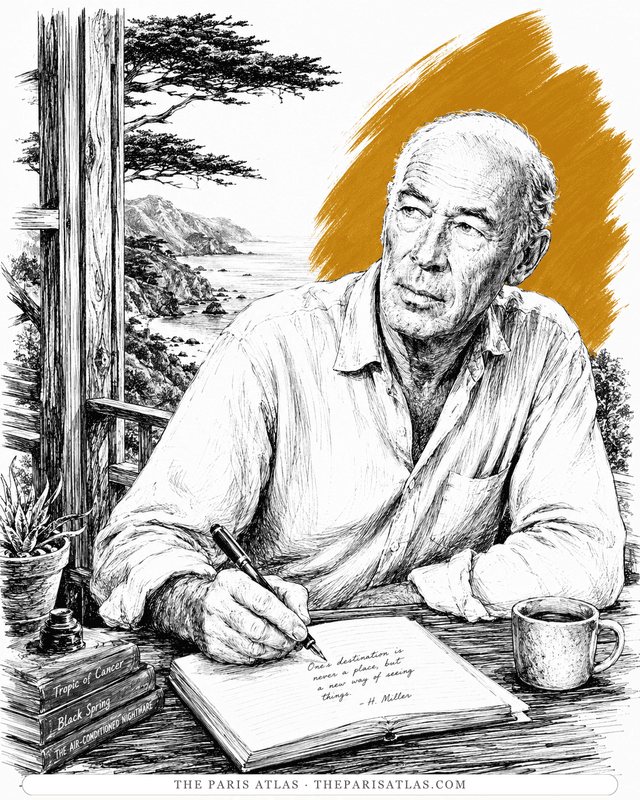
Henry Miller
Paris on no money a decade later, with the restraint removed. Miller called Hemingway's Paris a tourist's Paris; readers get to referee.
View author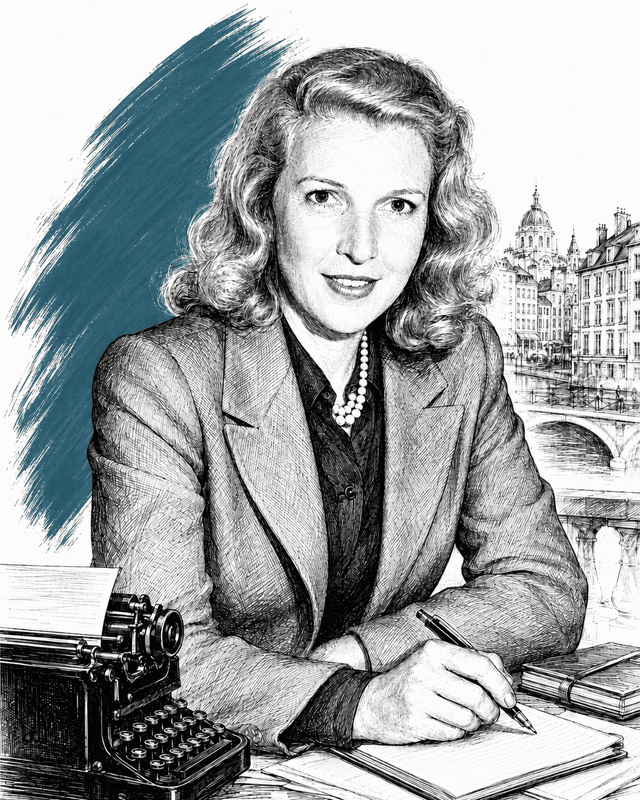
Martha Gellhorn
War correspondent who covered the Spanish Civil War, D-Day, and conflicts across five more decades; Hemingway's third wife, 1940–1945.
View author