Bugs
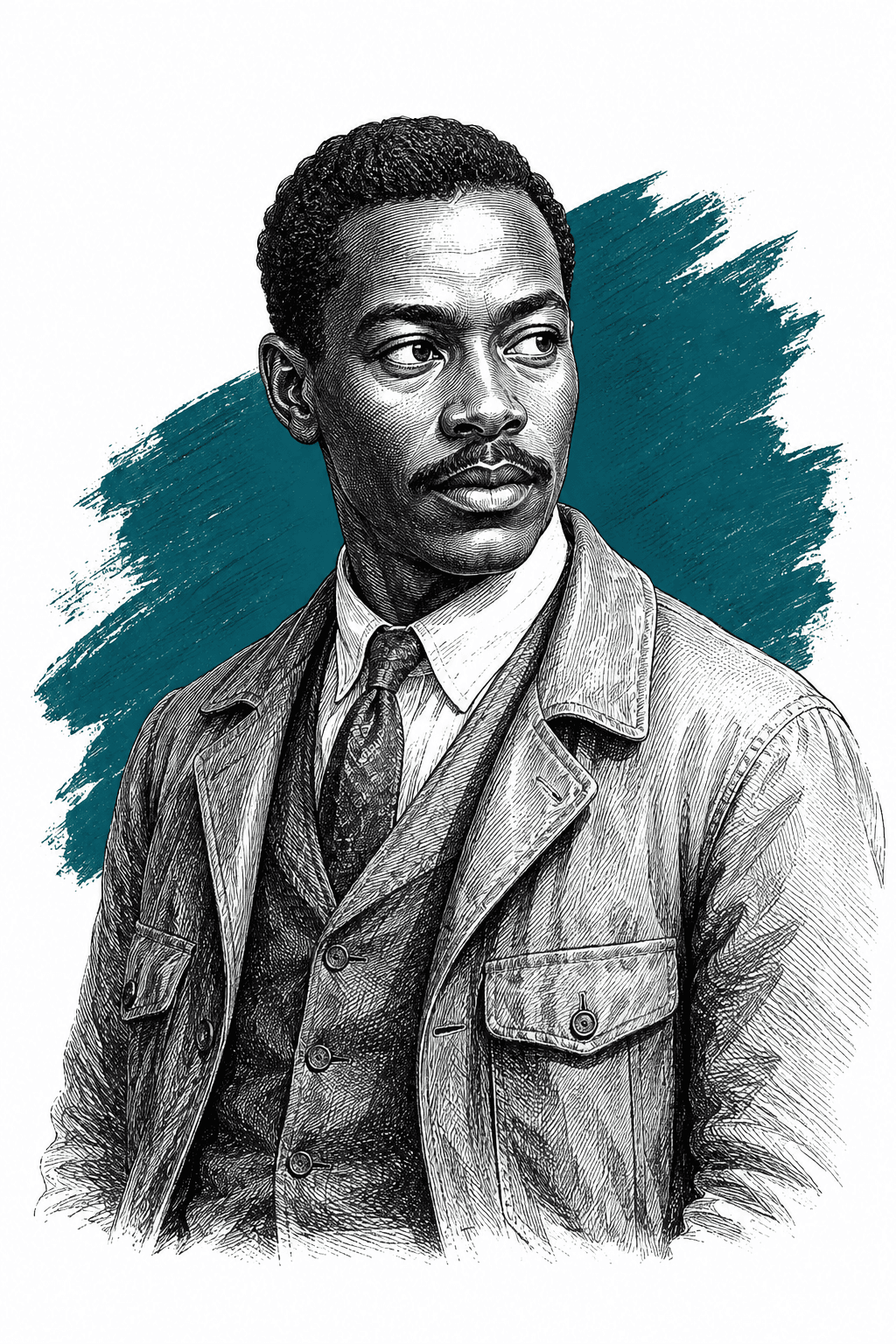
The man travelling with Ad Francis, who cooks the supper, keeps the money, and knows precisely how to stop the fighter when he turns.
To go on living the way he is living. "I like to be with him and I like seeing the country and I don't have to commit no larceny to do it," he tells Nick. "I like living like a gentleman."
The book

At a glance
- "The Battler" only
- Bugs; Ad introduces him as "my pal Bugs"
- Cooks, carries the money, tells the story, and stops the fights
- A cloth-wrapped blackjack with a whalebone handle — "They don't make them any more"
- In jail, where Bugs was serving time for cutting a man
- "Mister Adams" and "Mister Francis," without exception
Who they are in the book
Spoiler-freeBugs is a Black man in his companion's company somewhere in northern Michigan, sharing a fire beside the railway track with the punch-damaged former prizefighter Ad Francis. He appears in one story, "The Battler," and he is the person in it who understands the situation completely.
He is unfailingly formal, calling a teenaged stranger Mister Adams and the man he travels with Mister Francis, and he does everything in the story: buys and cooks the food, tells Nick the history, ends the violence, and gets Nick safely on his way. Hemingway's narration almost never uses his name, identifying him instead by his race in the vocabulary of 1925. What Bugs actually does and says is more competent than anything anyone else in the story manages.
How Bugs Is Portrayed
- How he talksLow, soft and elaborately polite, and never once by first name. He offers Nick bread dipped in the hot ham fat with "May I offer you a slice of bread dipped right in the hot ham fat?" and advises him to save it for the finish of the meal, which is better.
- The supperHe lays slices of ham into a hot skillet, breaks eggs in beside them and tips the pan to baste them in the fat, has Nick cut and carry the bread, builds a sandwich for Ad and hands it over with a warning about the egg running, and keeps the remainder for himself.
- The knifeWhen Ad leans over and asks to borrow Nick's knife, Bugs answers before Nick can: "Hang onto your knife, Mister Adams." He never explains why, and the refusal is what sets Ad off later.
- The blackjackHe carries a worn black leather blackjack with a whalebone handle and a handkerchief wrapped round the heavy end, and he uses it from behind, across the base of the skull, at the moment Ad looks down at Nick's feet. He picks the man up, carries him to the fire, splashes water on his face and pulls his ears gently. "I'm afraid I hit him just a little hard."
- Why he does itHe tells Nick he knows how to do it, and that Ad will remember nothing of it: "I have to do it to change him when he gets that way." He has seen him like this plenty of times before, and keeps him away from people because thumping him is the only thing that works.
- How the two of them metIn jail. Ad had been hitting people since the woman who managed him left; Bugs was serving time for cutting a man. "Right away I liked him and when I got out I looked him up." He lets Ad think he is crazy too, and does not mind.
- How he sends Nick awayHe apologises, explains that Ad might be set off again by the sight of him, tells him the town two miles up the track is called Mancelona, refuses thanks, and presses a ham sandwich on him. Nick discovers the sandwich in his hand only once he is back on the embankment.
The story's last sound, heard from the dark up the track, is his voice soothing the man he has just hit and telling him to drink his coffee. He is the only person in the book who is shown doing a difficult job perfectly and being written about badly while he does it.
If you like In Our Time


If you like Ernest Hemingway
Explore authors with a similar voice, perspective, and influence.
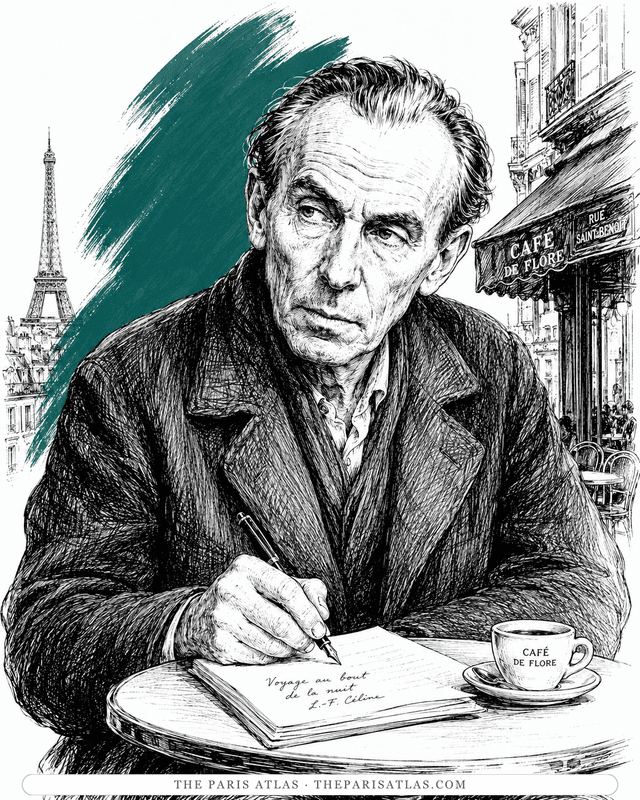
Louis-Ferdinand Céline
The other great stylist the Great War produced — where Hemingway cut the language down, Céline set it on fire. The same wound, opposite treatments.
View author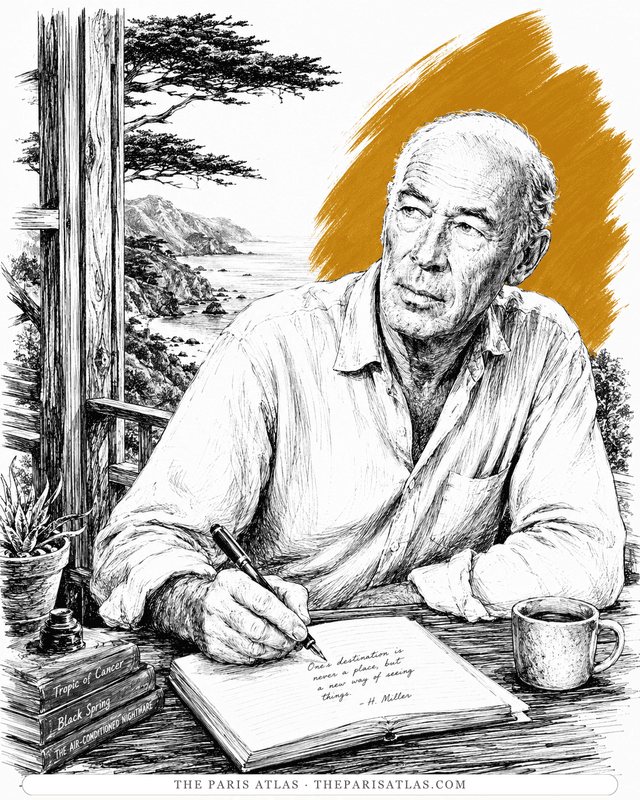
Henry Miller
Paris on no money a decade later, with the restraint removed. Miller called Hemingway's Paris a tourist's Paris; readers get to referee.
View author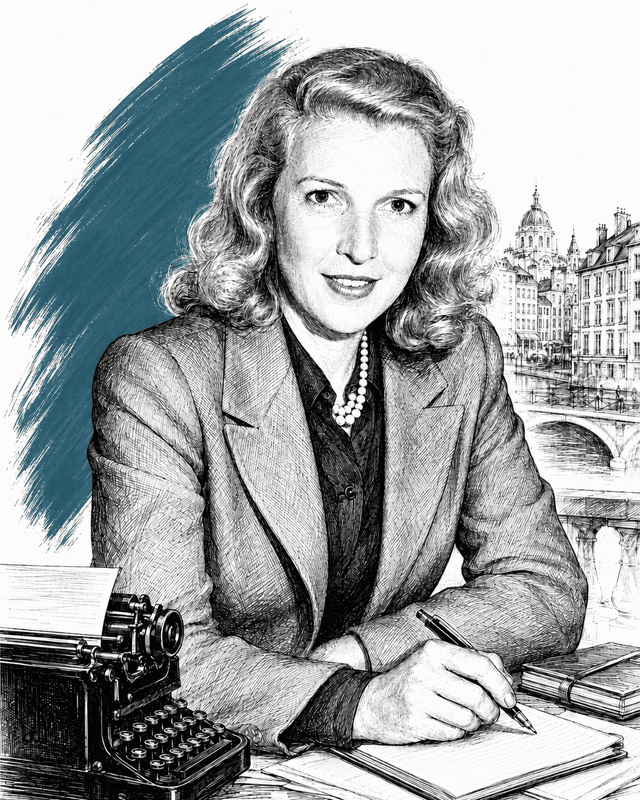
Martha Gellhorn
War correspondent who covered the Spanish Civil War, D-Day, and conflicts across five more decades; Hemingway's third wife, 1940–1945.
View author