

Winesburg, Ohio
Anderson's famous book, published a year earlier: the same Ohio, told as twenty-two separate stories about the town's lonely people instead of one long narrative.
Read our take
A farm town in Ohio turns into a factory town inside twenty years, and the man whose machines did it cannot manage a conversation. Sherwood Anderson's novel of 1920.
Hugh McVey grows up half asleep in a fishing shack on the Mississippi mud, the son of a drunken farm hand in a Missouri river town. A railway station master's wife takes him in, teaches him to read, and tells him that his own people are poor white trash — a verdict he believes about himself for the rest of his life. He works his way east and lands as a telegraph operator a mile outside Bidwell, Ohio, a town of twenty-five hundred people that lives off berries and cabbages. Because he cannot make himself talk to anybody, he starts inventing farm machinery instead, and Bidwell gets factories, promoters, workmen's houses, a strike, and a killing. Sherwood Anderson published it in 1920, the year after Winesburg, Ohio. This one is a single continuous novel, not a set of linked stories.
Sherwood Anderson knew this material from the inside. He grew up in Clyde, Ohio, a town about the size of the one he invents in this book, and he spent his thirties running a paint company in Elyria, Ohio, before walking out of the office in 1912 to become a writer. Poor White is his third novel, and the book he published immediately after Winesburg, Ohio had made his name. B. W. Huebsch, the small New York house that had taken Winesburg when no established publisher would risk it, brought it out in 1920.
The novel puts dates on the change it describes, which is part of its argument. Hugh McVey leaves Missouri in September 1886. Steve Hunter organises Bidwell's first factory company in 1892. By the last chapter the town has grown a foundry, a bicycle plant, a tool-machine works, streets of identical frame houses, an Italian and Greek and Polish labour force, two strikes and a plan for an automobile-tire factory. One man's working life covers the whole distance from a town where everybody knew everybody to a town where nobody does.
Poor White also has a place in the story of Paris, for a reason that has nothing to do with Ohio. It was the newest thing Anderson had published when he met an unknown twenty-two-year-old named Ernest Hemingway in Chicago in 1921 and wrote him the letters of introduction to Gertrude Stein and Sylvia Beach that opened literary Paris to him. Five years later Hemingway spent a whole short book, The Torrents of Spring, making fun of the way Anderson wrote.
The first two chapters are a childhood. Hugh McVey is born at Mudcat Landing, a Missouri river town on a mud bank, and raised in a fishing shack by John McVey, a farm hand who has given up work for drink. At fourteen Hugh gets a job sweeping the platform at the new railway station, and Sarah Shepard, the station master's wife, takes him into her house, buys a speller and an arithmetic at the town store, and appoints herself his teacher. She is a New Englander by descent and she despises the town. She tells Hugh over and over that his own people are lazy, shiftless, poor white trash, and that his habit of lying in the sun doing nothing is a sin. He believes her. When the Shepards leave for Michigan he inherits the telegraph job, then gives it up and works his way east through Illinois, Indiana and Ohio as a farm hand, a carpenter's helper and a section hand, sleeping badly and talking to nobody.
He arrives in Bidwell, Ohio, at twenty-three, as telegraph operator at a country station a mile north of town, at a spot called Pickleville after a pickle factory that has closed. The town cannot make him out. Hugh sits alone doing arithmetic to keep himself from daydreaming, and one spring he starts hiding in a fence corner at night to watch the sons and daughters of a cabbage farmer named Ezra French crawl up and down the fields setting plants by hand. He decides to build a machine that will do it, and when he crawls into the field himself to work out the arm movements, the terrified French children take him for a ghost and refuse to work at night again.
Word of the strange man at the station reaches Steve Hunter, a jeweller's son just back from business college in Buffalo with one ambition, which is to be the first manufacturer in Bidwell. Cornered by two older men in the back room of the bank, Steve claims the inventor is already working for him, then walks out to Pickleville in a panic to make the claim true. Hugh signs a contract for a ten per cent royalty and fifty dollars a month, and the town, which has been listening for two years to an old man who had been a carpetbag governor in the South predicting that factories are coming, empties its savings into the Bidwell Plant-Setting Machine Company. Among the subscribers is Joseph Wainsworth, the harness maker, who puts in twelve hundred dollars — his whole savings from twenty years at the bench.
Two things run alongside that story. One is Clara Butterworth, the daughter of Tom Butterworth, the county's richest farmer and Steve's partner: a strong, direct young woman who is mauled by a farm hand in a wagon shed at seventeen, accused by her father of inviting it, and sent to the state university at Columbus, where she meets a socialist classmate called Kate Chanceller and begins to think about what a woman's life is for. The other is Joe Wainsworth, watching factory-made harness arrive in the town where his trade used to be his own.
The plant-setting machine does not work. It is too heavy for one team, and it fails in clay. Hugh tells Steve so; Steve tells his four partners, and they decide to build the factory anyway, sell the shares, let the company fail and buy the plant back cheap between them. It happens exactly that way. Hugh's next inventions — a machine for tipping loaded coal cars, which sells in New York for two hundred thousand dollars, and the McVey corn-cutter — make him famous across the Middle West and rich enough that Tom Butterworth handles his money for him. He goes on boarding with a section hand's widow, unable to say a word to her daughter Rose, the schoolteacher who lies awake in the next room.
Clara comes home at twenty-three, is nearly married off by her father to a New York promoter who turns out to be a wanted swindler, and is left with her name in every mouth in town. Hugh overhears three of his own workmen repeating the gossip, knocks two of them down, walks to the Butterworth house and asks her to marry him. She says yes within the minute, drives him to the county seat that night, and comes back to a wedding party her father has thrown together in three hours with hired musicians and Steve Hunter's champagne. Hugh climbs out of the bedroom window and runs across the fields. It takes days, and finally a rainy night when Clara waits for him in the dark downstairs, before the marriage becomes a marriage.
Meanwhile the harness shop is lost. Joe Wainsworth hires a drifting journeyman, Jim Gibson, who takes over the pricing, then the shop, then Joe himself, and finally forces him to sign an order for eighteen sets of factory-made harness. On the night the harness is hung on the walls — the same night the first motor car in Bidwell is out on the roads with Tom, Clara and Hugh in it, and a Swedish socialist is speaking on Main Street to men on strike — Joe kills Jim Gibson at one stroke with his half-moon harness knife, spends an hour cutting the eighteen new harnesses into pieces, and shoots Steve Hunter in the street. He is caught before morning in the beech wood where he used to take his wife on Sundays, and thrown into the back of the motor car; when he sees Hugh he screams that Hugh did it, and sinks his teeth and fingers into Hugh's neck. That attack is what finally makes the marriage. Clara is already pregnant, and seeing her husband hurt turns him, permanently, into another of her children.
Four years later Hugh is finished as an inventor and does not know it. Someone in Iowa has patented a hay-loading machine like the one he has spent years on, and Tom wants him to design around it and then break the man in court. Hugh keeps thinking about the Iowa man instead — a stranger who worked the same problem, who drinks, as his own father drank — and destroys every part he makes. On a station bench in Pittsburgh he sits turning coloured pebbles he picked up on the Sandusky shore, watching the light move on them. He gets home at two in the morning, and Clara comes out in a cloak to tell him she has felt the second child move and is sure it is a boy. The factories below the hill start whistling for a shift change as they go inside.
Hugh first watches the cabbage workers with sympathy, but the idea of a machine interrupts his listening. He begins to study their movements instead of attending to their complaints. When he crawls after them to test those movements himself, he crushes the plants he hopes to help them cultivate. Anderson makes invention both a response to suffering and a retreat from human contact. The immediate relief comes through an unintended consequence: the frightened workers refuse further night labor. Their escape depends on the ghost story Hugh creates without knowing it, not on the machine he plans.
Joe's workshop has two kinds of conversation. Customers hear talk about crops and weather; his apprentice hears about leather, stitching and the methods Joe has compared during his travels. This private teaching makes craftsmanship a body of knowledge passed between people, not merely the production of useful objects. Yet his claim that skill makes a man independent is already under pressure when Butterworth orders factory-made harness. Joe can refuse to repair it, but cannot make the customer buy his own work. His proud lesson exposes how much the craftsman's freedom depends on other people's choices.
Berry fields in 1886, a foundry and a labour strike by the end. Anderson watched this happen in Ohio and wrote it at the scale where you can see it: a bank's back room, a harness shop, a cabbage field.
Hugh McVey invents the machines that make Bidwell rich and understands almost nothing about what they do to people. The town treats him as a great man; the book shows him as a lonely one who cannot get a sentence out.
Joe Wainsworth served a five-year apprenticeship and five more on the road before he owned his shop. Watching him lose it, slowly and furiously, is the best thing in the novel, and one of the sharpest accounts anyone has written of skilled work being made worthless.
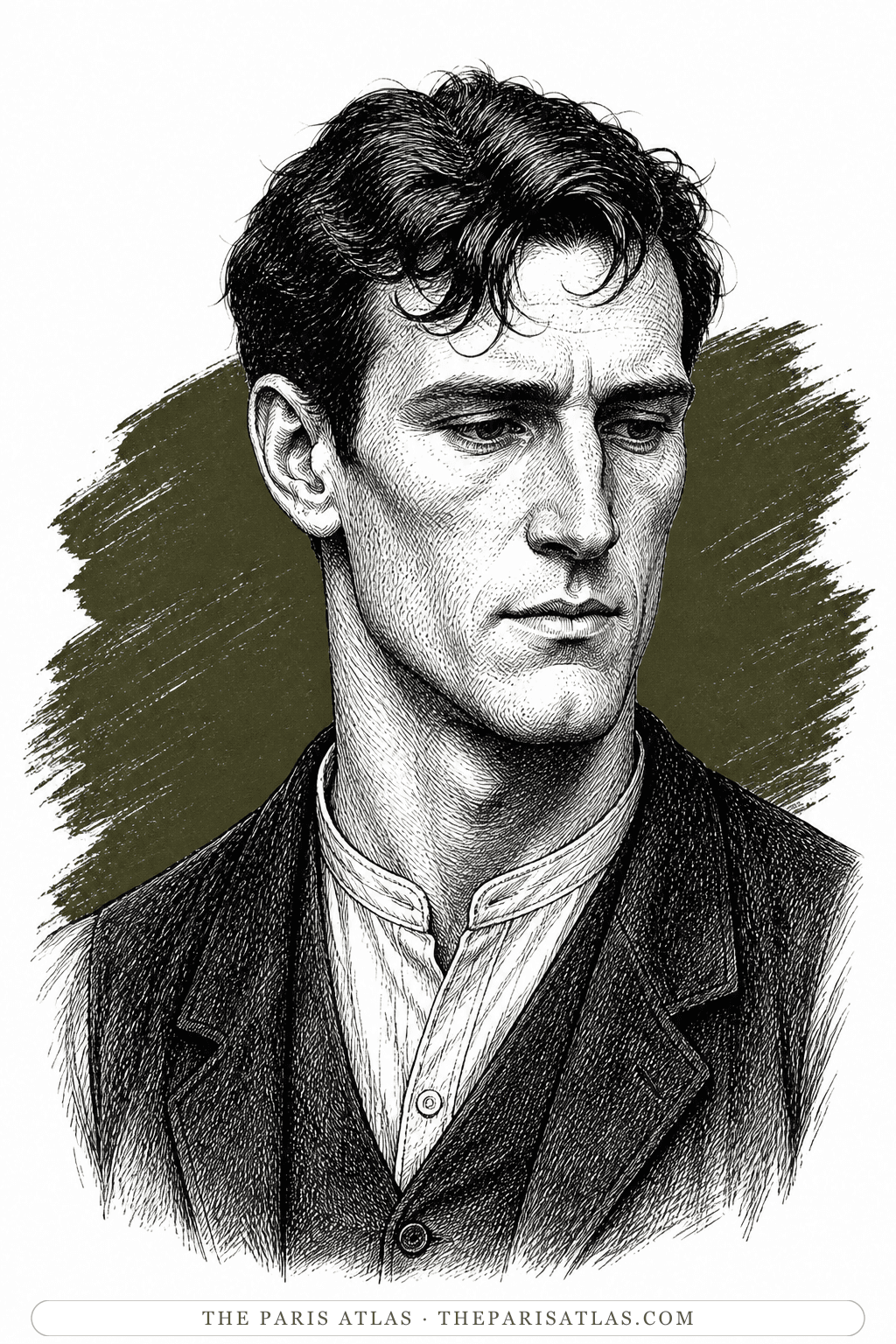
The inventor at the centre of the book — six feet four, raised in a fishing shack on the Mississippi, and unable to hold a conversation with the town that calls him a great man.

The rich farmer's daughter who marries Hugh McVey — direct, physically strong, and at war with her father from the age of seventeen.
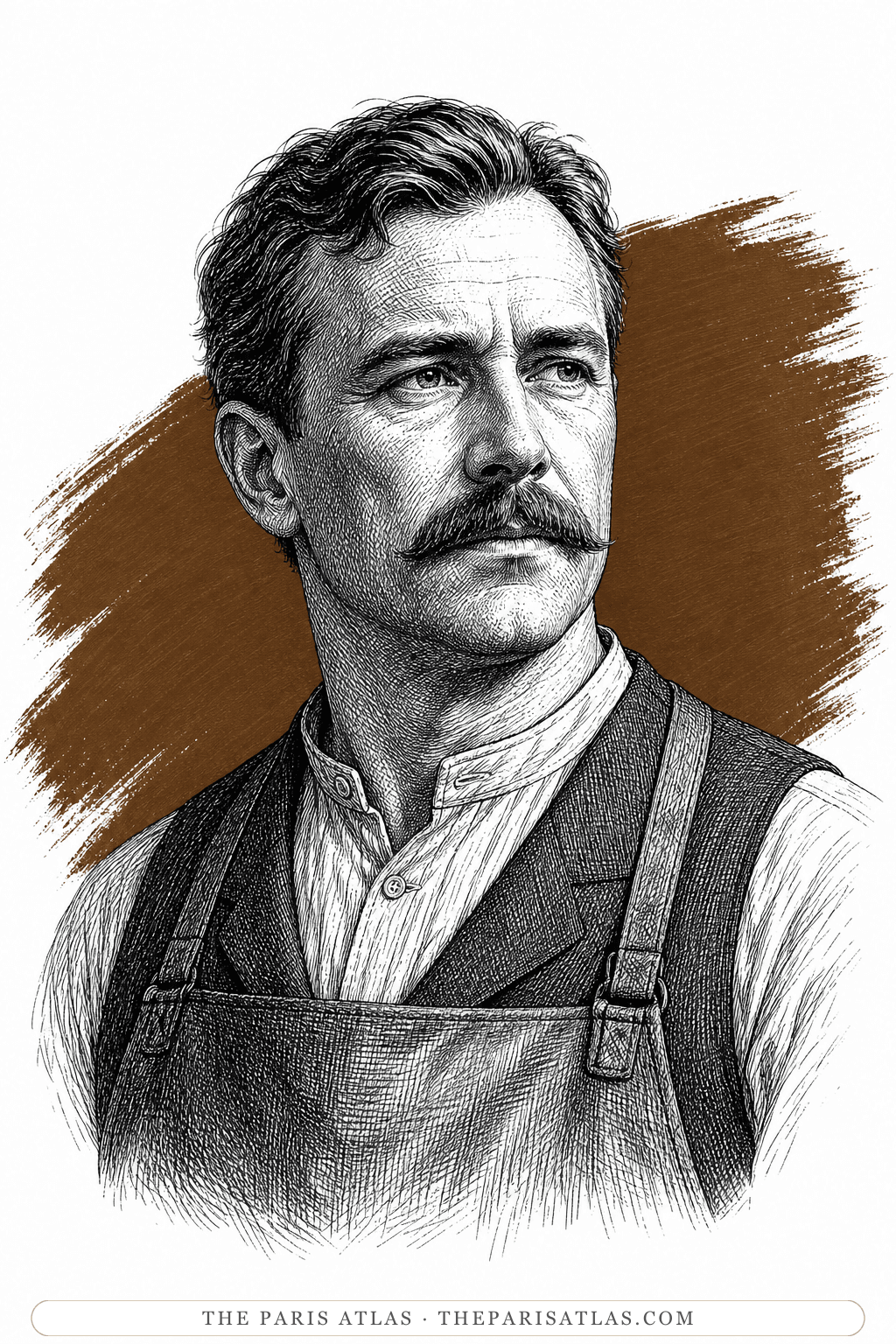
Bidwell's harness maker, who served ten years learning his trade and watches factory-made harness arrive in his town.
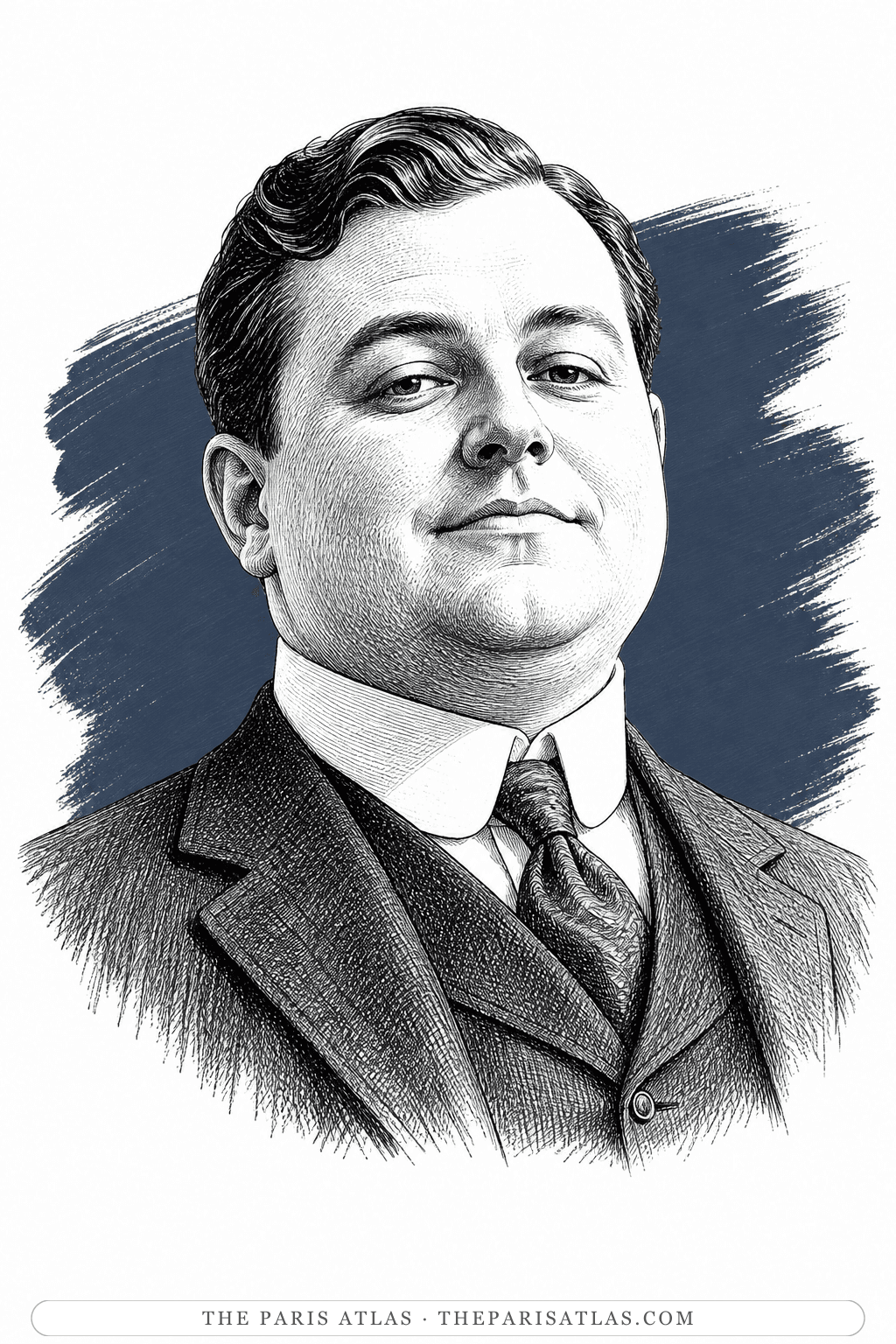
The Bidwell jeweller's son who talks his way into becoming the town's first manufacturer, starting with a lie told in the back room of a bank.
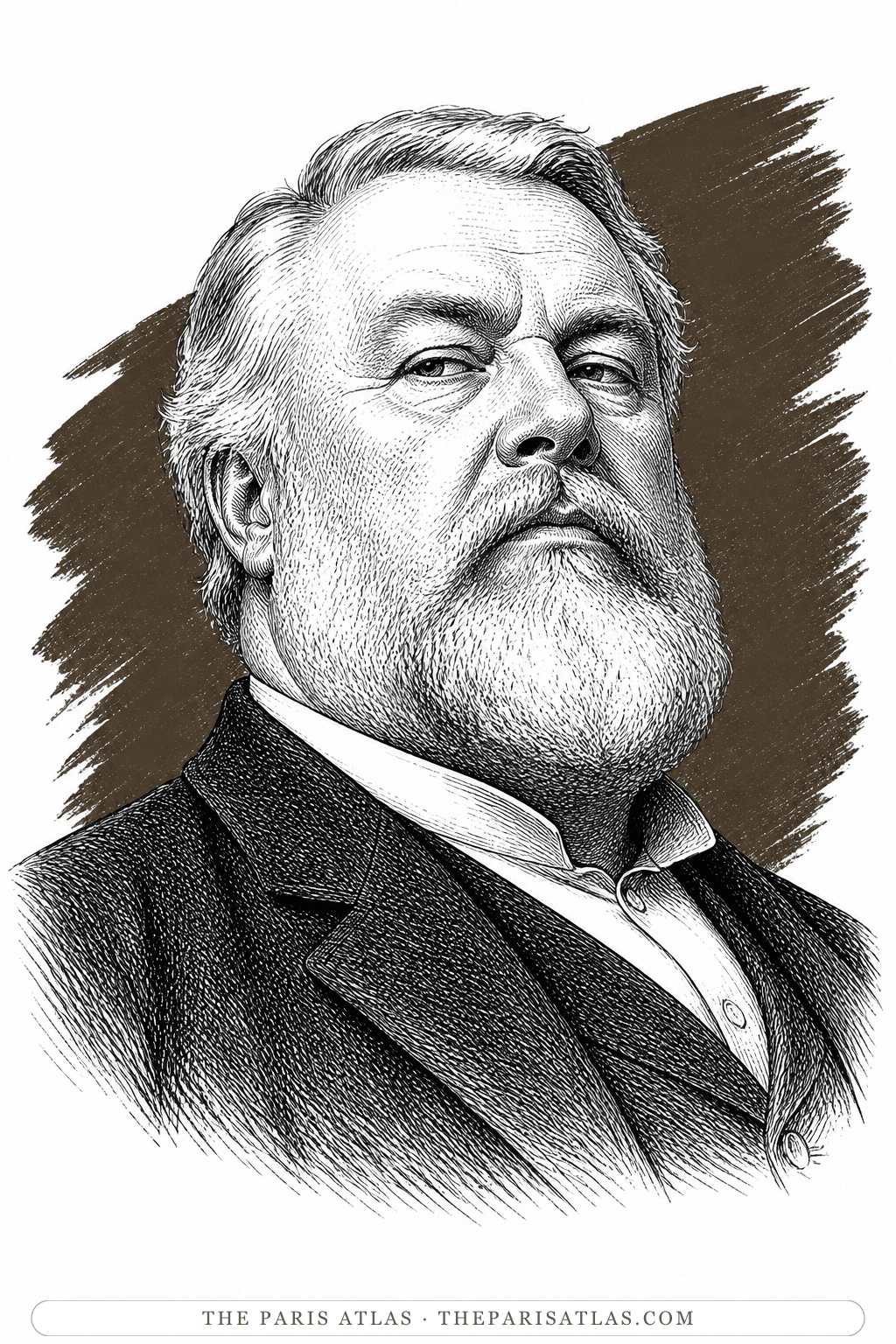
Clara Butterworth's father: the county's richest farmer, who buys the failed factory, becomes the town's real power, and cannot say one kind thing to his daughter.

The station master's wife in Missouri who took Hugh McVey in, taught him to read, and told him his family were poor white trash.

Tom Butterworth's oldest farm hand — a Civil War deserter, a drinker, and the one person who is consistently kind to Clara Butterworth.

Clara Butterworth's friend at the university in Columbus — a socialist who walks like a man, argues with everyone, and teaches Clara how to think about her own life.
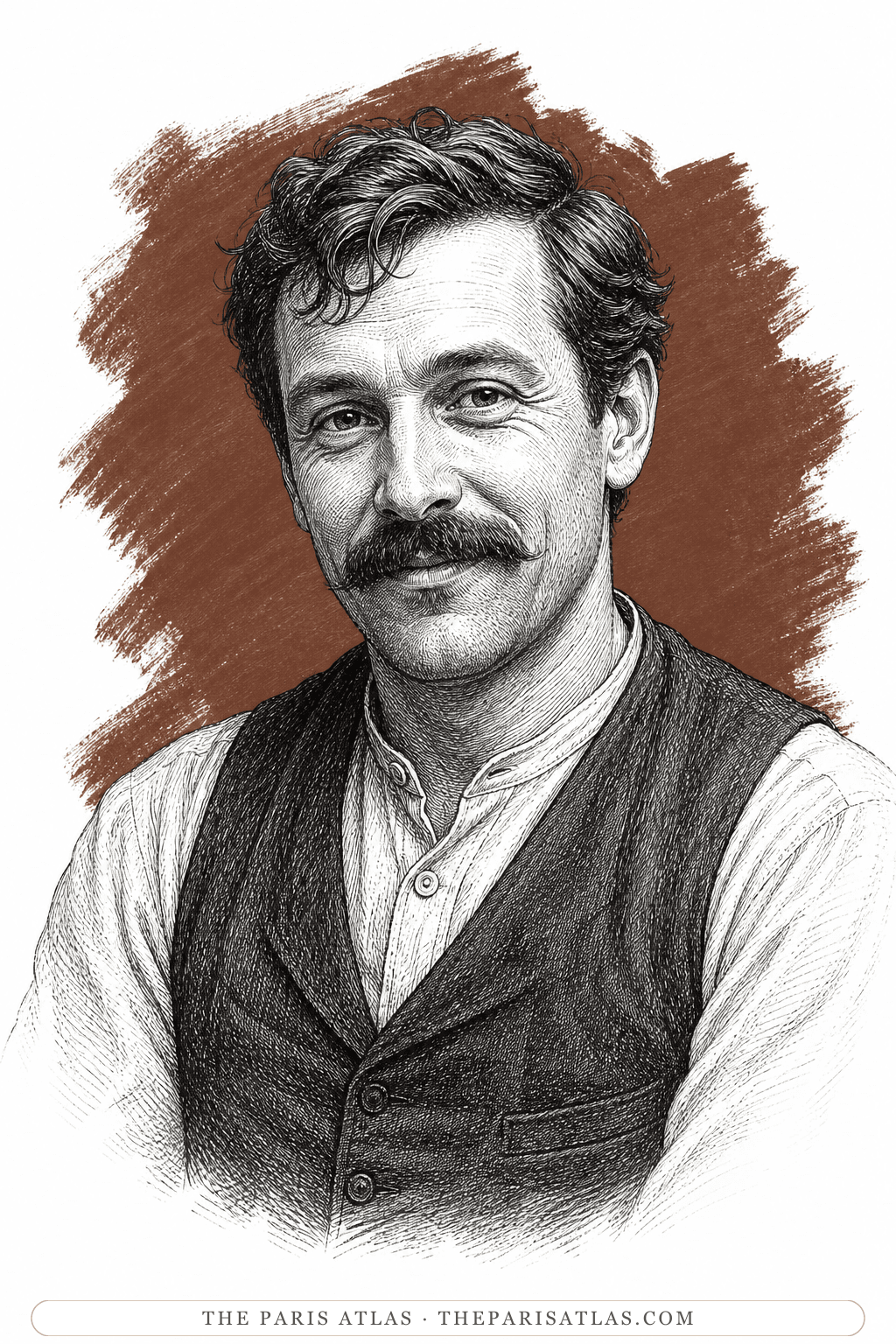
The journeyman harness maker who drifts into Bidwell drunk, goes to work for Joe Wainsworth, and takes the shop away from him.
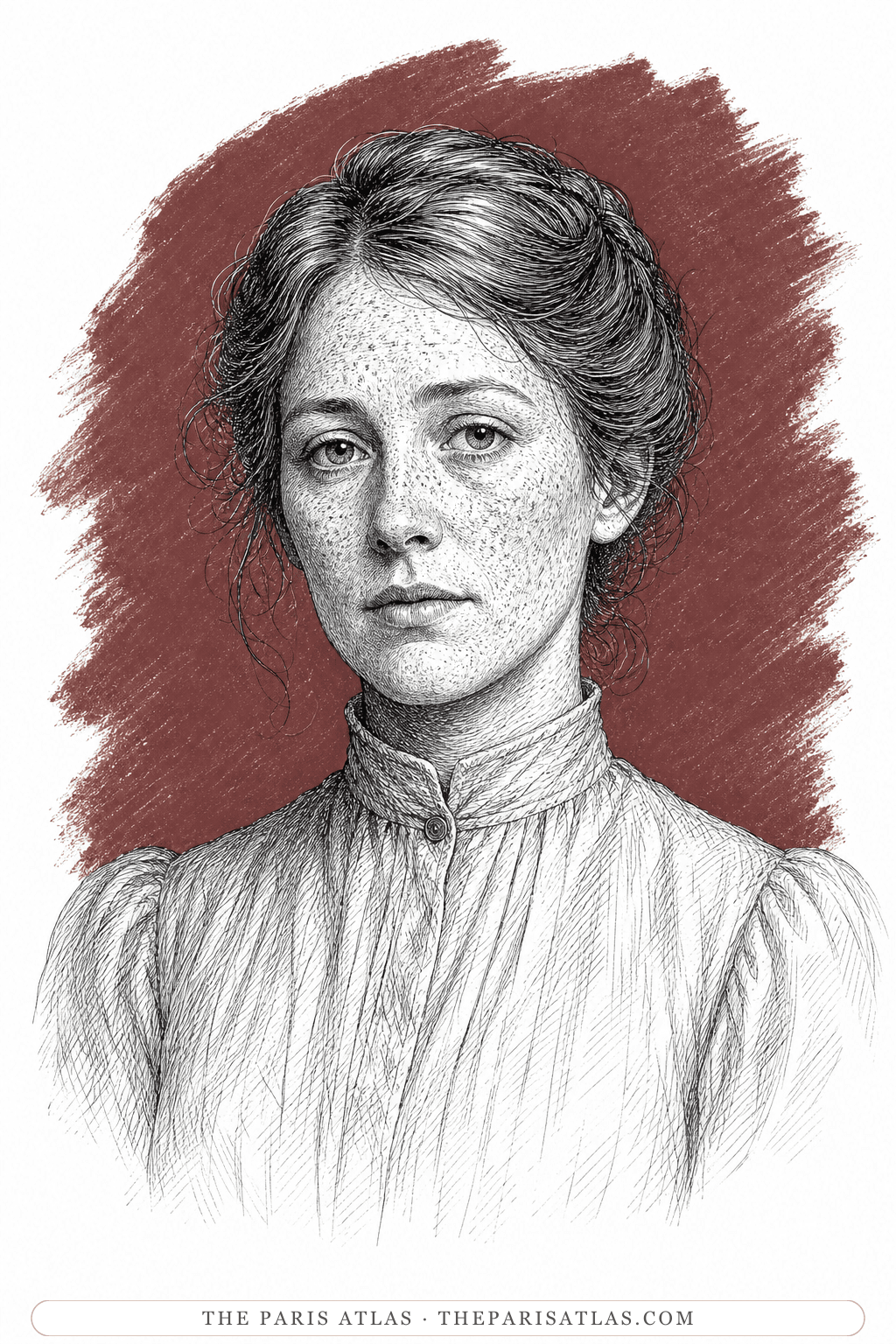
The country schoolteacher who lives in the room next to Hugh McVey's for years, while neither of them says anything.
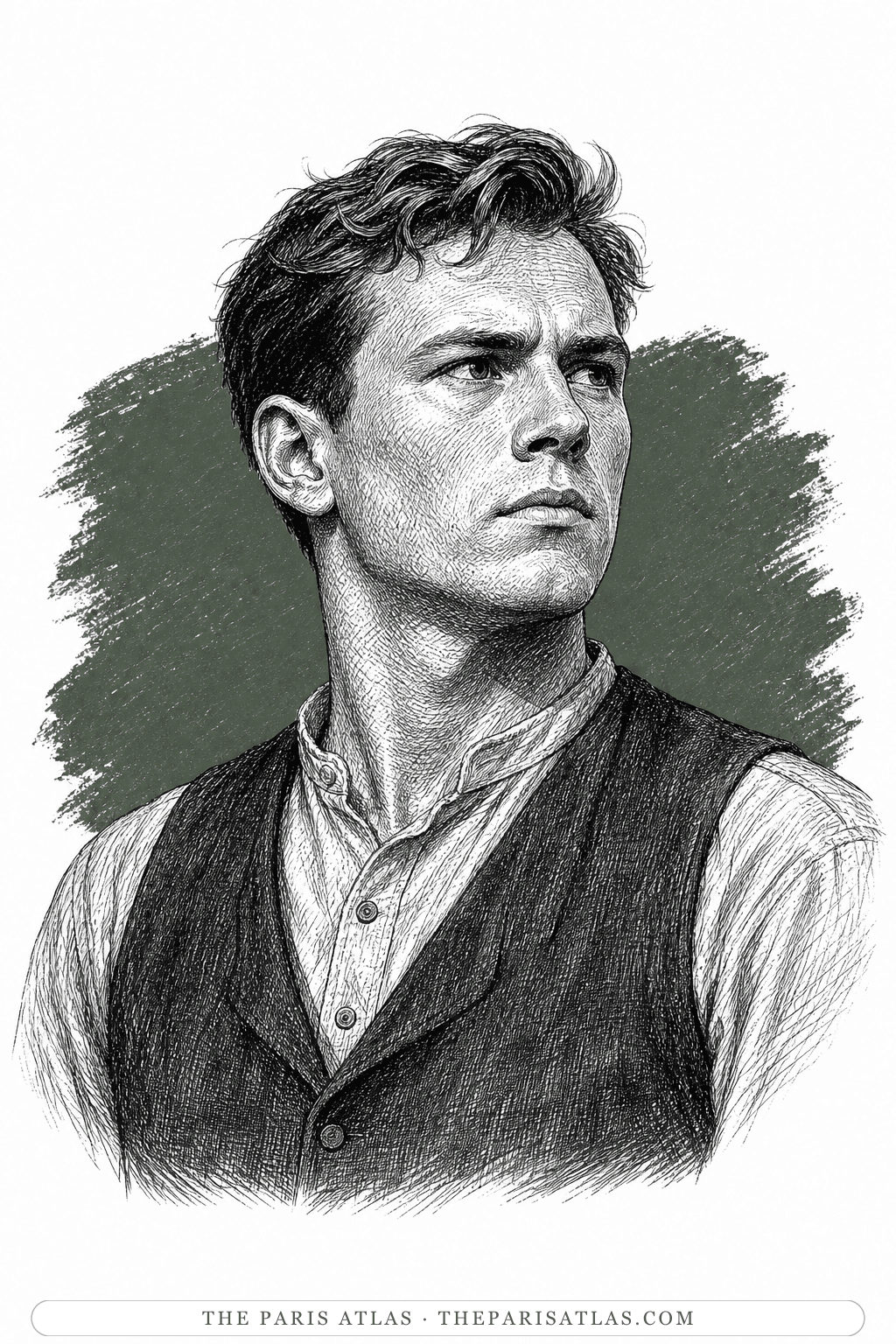
A carpenter's apprentice who wants more money, becomes the factory superintendent, and causes Bidwell's first strike.
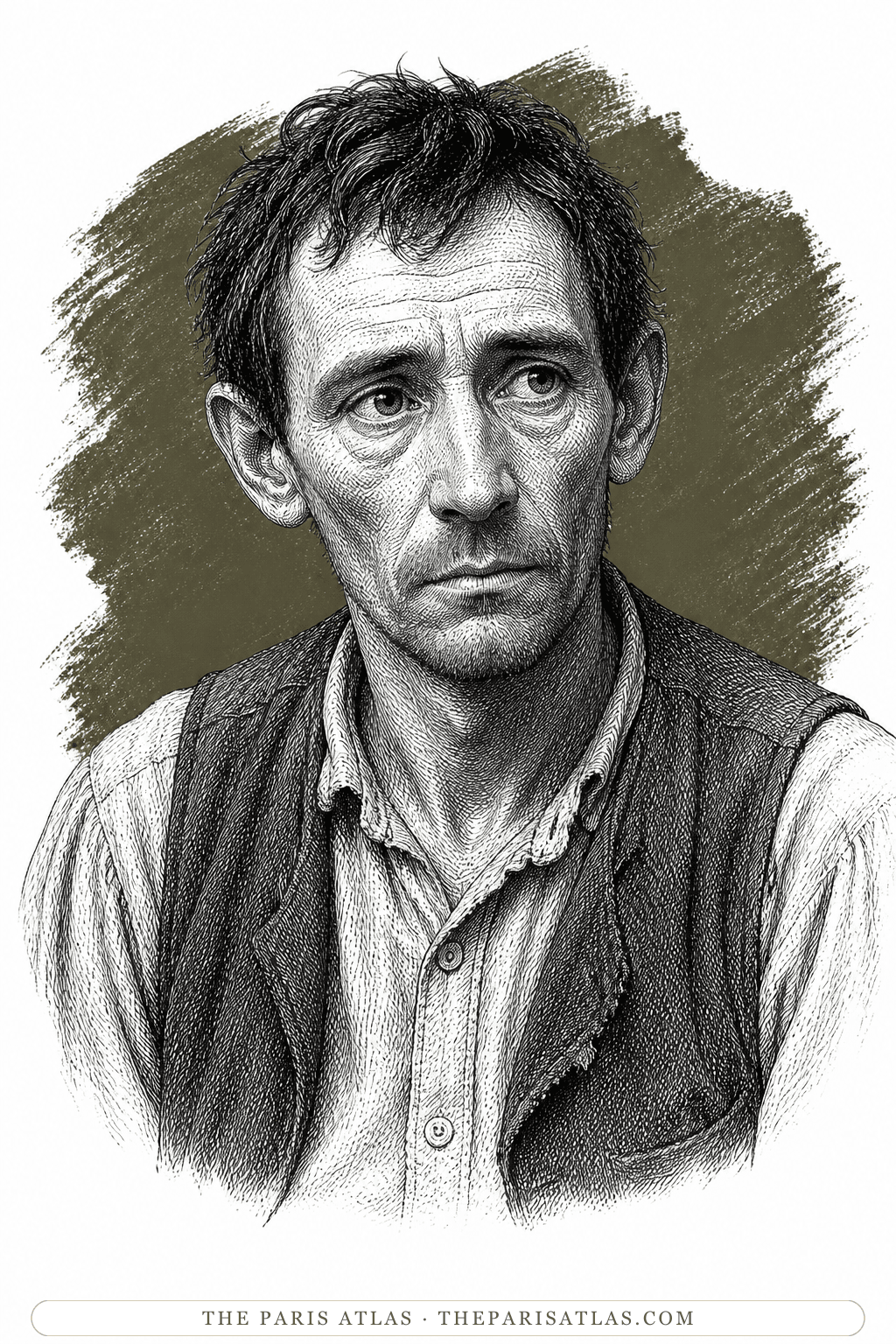
The Bidwell whittler, famous for a ship in a bottle, who carves the first model of Hugh McVey's machine.

The cabbage farmer whose children crawl through the fields by moonlight setting plants — the sight that gives Hugh McVey his first machine.
1912
Anderson walks out of the Elyria, Ohio, paint company he runs and starts over as a writer in Chicago.
1919
B. W. Huebsch publishes Winesburg, Ohio, and Anderson, then in his forties and a decade out of business, becomes a writer people argue about.
1920
Huebsch publishes Poor White, Anderson's third novel and the book he wrote directly after Winesburg.
1921
Anderson meets the unknown Ernest Hemingway in Chicago and writes him letters of introduction to Gertrude Stein and Sylvia Beach in Paris.
1926
Hemingway publishes The Torrents of Spring, a book-length parody of Anderson's manner.
1993
New Directions brings Poor White back into print as a Revived Modern Classic.
2018
Belt Publishing reissues it in the Belt Revivals series with an introduction by John Lingan.


Anderson's famous book, published a year earlier: the same Ohio, told as twenty-two separate stories about the town's lonely people instead of one long narrative.
Read our take
Ernest Hemingway's book-length parody of Anderson, written five years after Anderson had handed him his introductions to literary Paris.
Read our take
Hemingway's 1925 collection, which took the shape of Winesburg, Ohio — short pieces adding up to a place — and made it the model for a century of American story collections.
Read our take
George Orwell walking through the English industrial north in 1936, asking the question Anderson's novel keeps circling: what does the machine do to the people who serve it?
Read our takeSherwood Anderson, the American writer best known for Winesburg, Ohio. B. W. Huebsch published Poor White in 1920; it was Anderson's third novel.
The industrialisation of a small Ohio farm town, told through Hugh McVey, a silent, self-taught inventor whose farm machinery brings factories to the town of Bidwell. It follows him from a childhood of extreme poverty in Missouri to wealth and marriage, and then to the loss of his ability to work at all.
Winesburg, Ohio is a cycle of twenty-two linked short stories that can be read in an evening apiece. Poor White is one continuous novel with a plot, a central character followed across most of his life, and an argument about what factories did to American towns.
The novel's central figure — the son of a drunken Missouri farm hand, raised in a fishing shack, taught to read by a station master's wife, and turned by loneliness into an inventor. He is a hero to the town of Bidwell and almost unable to speak to anyone in it.
It comes from what Sarah Shepard, the woman who raises Hugh McVey, calls his family and their neighbours in Missouri while telling the boy he must not grow up like them: poor white trash. Hugh applies the phrase to himself for the rest of his life, including on the night he decides he is not good enough to marry.
Yes. It was published in 1920 and the full text is free on Project Gutenberg. New Directions and Belt Publishing both keep print editions in the shops.
Explore authors with a similar voice, perspective, and influence.

Anderson's letters of introduction sent him to Paris; In Our Time borrowed the Winesburg shape; The Torrents of Spring paid the debt back in parody.
View author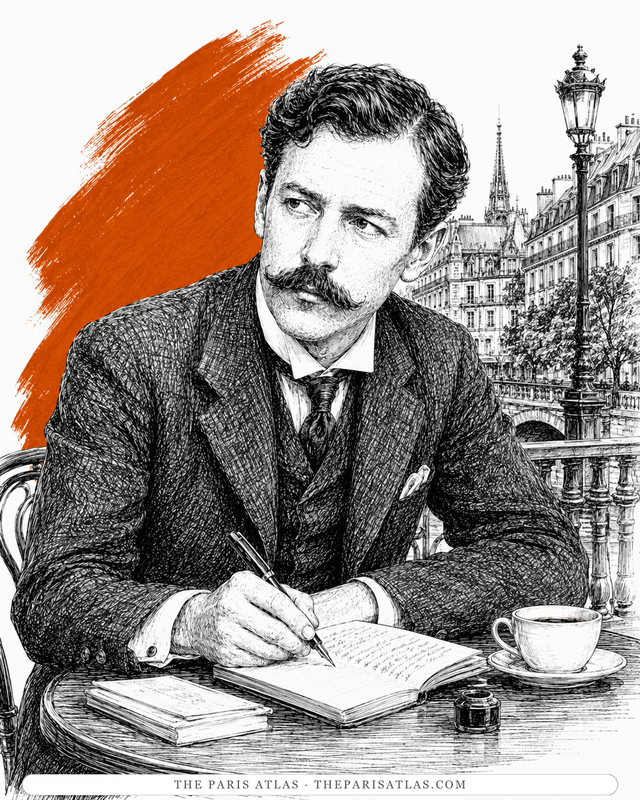
The witness who recorded Anderson's Paris — the hotel by the Odéon, the Luxembourg walks, and the long conversations about America and art.
View author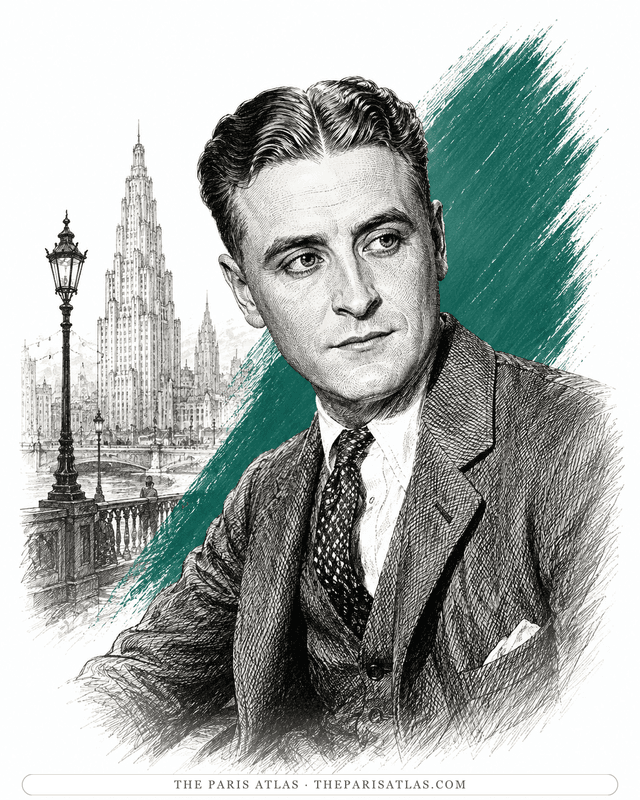
The Jazz Age's laureate — famous at twenty-three, author of Gatsby at twenty-eight, and owner of the longest posthumous comeback in American letters.
View authorThe sources below include the primary text, editions, scholarship, archival materials, and other records that informed this page. They document Poor White, its publication, and its place in literary history.


The primary text represented by this page, used for descriptions of the work’s contents and for any quoted passages shown here.
Used to place Poor White within Sherwood Anderson's published work and verify its bibliographic context.
Used for independent biographical, archival, or historical context surrounding Sherwood Anderson's career and the period in which Poor White appeared.
Used to cross-check authorship, chronology, and the work's place in Sherwood Anderson's wider catalogue.

Used to verify Sherwood Anderson's bibliography and place Poor White within the broader chronology of Sherwood Anderson's career.
Primary text for the scene analysis: Book Two, Chapters III and V.
The primary text is the baseline reference for every book page. Additional references document publication history, interpretation, and historical context where that evidence is available.
 Explore more resources