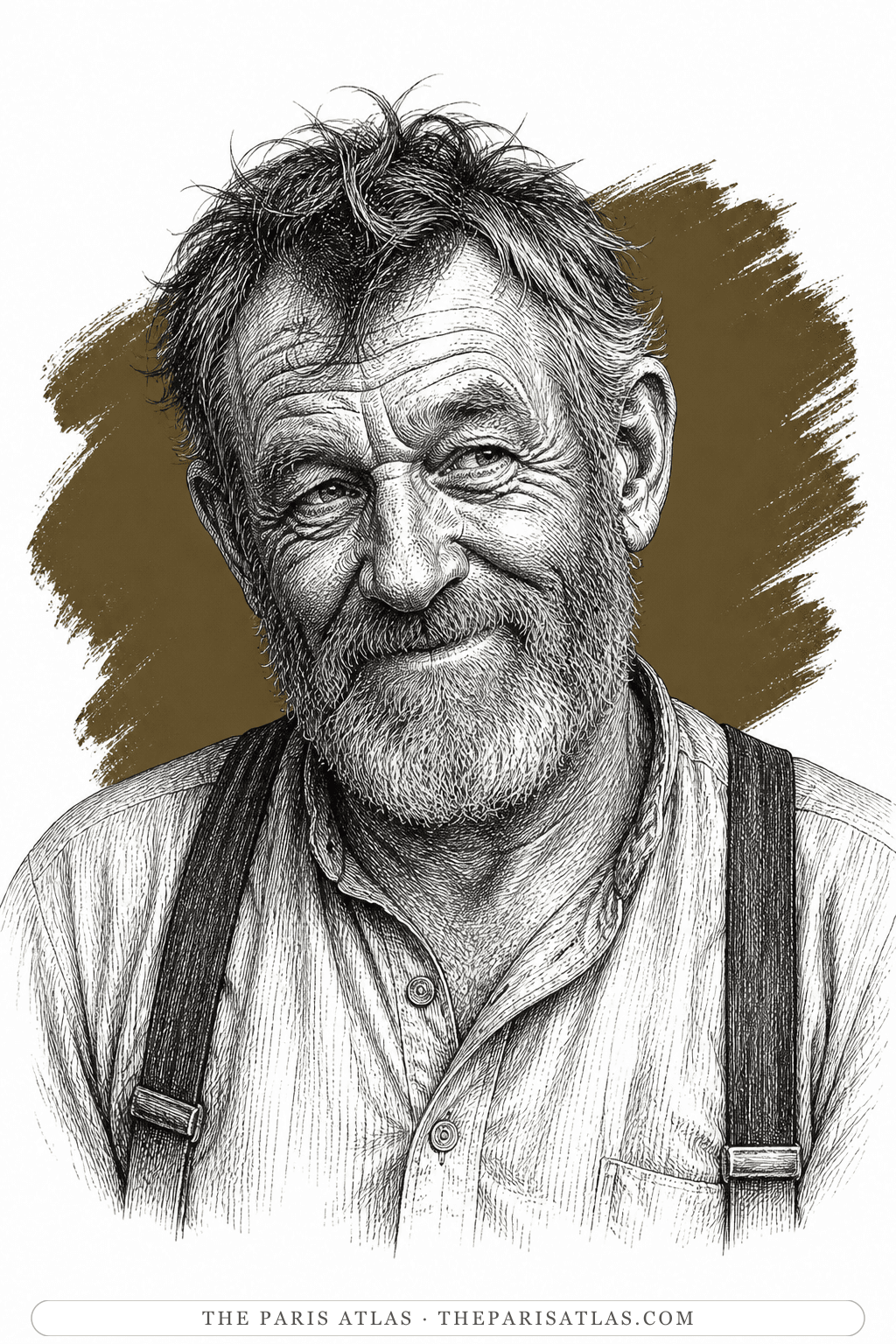
Jim Priest
Tom Butterworth's oldest farm hand — a Civil War deserter, a drinker, and the one person who is consistently kind to Clara Butterworth.
Nothing he can name, which he knows. Asked about marriage he says: “I guess if you do it you're sorry you did and if you don't you're sorry you didn't.” He wanted to and did not, and was probably afraid to ask.
The book

At a glance
- Farm hand on the Butterworth place for over thirty years; later foreman of the farm work
- A town in Pennsylvania, one of six brothers; his mother died when he was young
- A bounty man, and by whispered report a deserter and a bounty jumper
- The grand circuit trotting meeting at Cleveland, a present for Clara, and the rest of his savings on the races
- Never
Who they are in the book
Spoiler-freeJim Priest has worked on the Butterworth place for more than thirty years. He has a red bristly beard going grey, a strong old body, and a reputation in Bidwell as something of a rascal, which is deserved. He does not go into town with the other hands on Saturdays; he sends one of them for a half pint instead, drinks it in the hayloft on Sunday afternoon, and is sometimes not seen again until Monday morning. Every autumn he takes his savings to the trotting meeting at Cleveland, buys his employer's daughter an expensive present, and bets the rest on the races.
He is also the person in the book with the surest instincts. He leads the table teasing of Clara for years and is the one who stops it the moment it starts to hurt her. He never married and has thought about why. What he has instead of a family is horses, an unshakeable opinion about which driver is the greatest in America, and Clara.
How Jim Priest Is Portrayed
- The teasing, and the end of itHe is the ringleader at the farm table, inventing a story about a store clerk who tried to hang himself for love of Clara. The summer she turns seventeen he tells the other men in the barn to stop: their fun is over, she is no longer a kid, and “The sap has begun to run up the tree.” She overhears it from the hammock and it goes through the rest of her adolescence.
- The half pintOn Saturdays, while the others shave and dress for town, he calls one of them into the barn, presses a quarter into his hand and says, “Bring me a half pint and don't you forget it.” Then he drinks it alone on the corncrib steps and thinks about his mother, and after two or three more drinks, admiringly, about his father, who was a liar and a rascal.
- The warPast forty when the Civil War came, he found he could not stand up in a battle line, pretended to be shot, crept away, and discovered that a man could disappear and reappear somewhere else. He spent four years enlisting under the draft for other men's money and deserting. He has never tried to join the Bidwell chapter of the Grand Army of the Republic.
- Grant and the bottleHis one great day: hiding in a wood with a bottle of whisky while the army chased Lee out of Richmond, he watched Grant ride up, dismount, and take the bottle out of his hands. Grant smashed it against the tree above his head, and a piece of glass cut his cheek. They looked at each other. Then the shout came up out of the distance that the war was over.
- Geers, not DobleHe and his employer have quarrelled for years about race drivers. Tom likes the dramatic one; Jim will hear nothing against Pop Geers, who sits hunched on a feed box chewing straw and does nothing at all until the exact moment: “Ha, that Geers! He waits.”
- The stationWhen Clara leaves for college and her father invents a headache, Jim drives her, checks her baggage, waits for the train, and then kisses her on the cheek: “Good-by, little girl,” he said gruffly. She cannot answer, and cries for an hour on the train.
- The night of the weddingHe rides into town at sixty-three to find Tom, bangs on the milliner's door where he suspects he is, and then organises the whole party — every rig in three livery stables, the orchestra out of bed, a bottle of wine in his own pocket. He has never drunk wine before, decides it is like sweet cider, and ends the evening dancing a jig and kissing a hired waitress in front of the whole party.
Jim's one prediction comes true. Leaning on a fence rail the summer Clara comes home, he tells her: “You ain't like me. You don't just think about things. You do 'em.” Weeks later she drives past him out of the barnyard at night with Hugh McVey beside her, and he lets go of the horse's head when she tells him where they are going.
He is not invited to the wedding feast and runs it anyway, appearing and disappearing in the dining-room doorway like a master of ceremonies, and finally announcing to the room, with a look at the bridegroom, that on a wedding night somebody has to have the nerve to do a little love-making. He is the last thing the novel mentions before its final page: Hugh and Clara walking back past the bunkhouse in the dark, four years later, hearing the old man snoring inside.
If you like Poor White


If you like Sherwood Anderson
Explore authors with a similar voice, perspective, and influence.
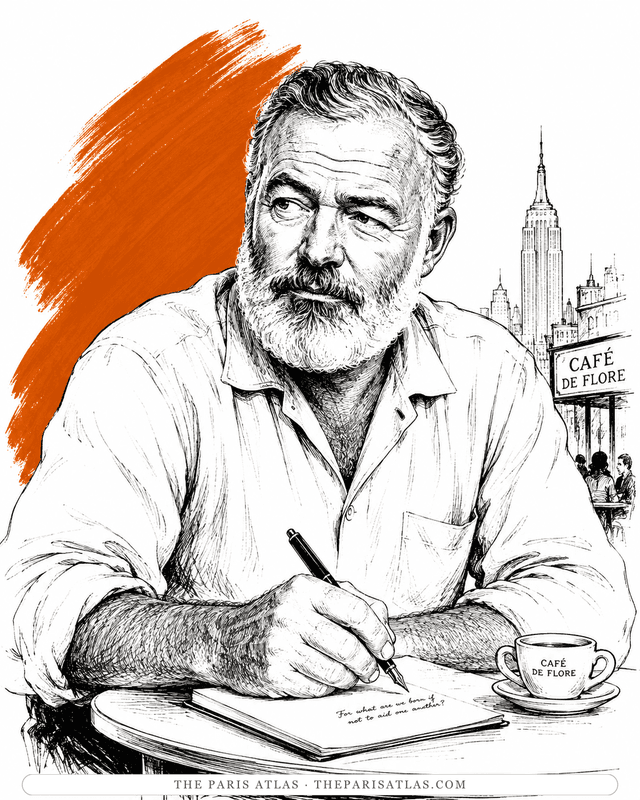
Ernest Hemingway
Anderson's letters of introduction sent him to Paris; In Our Time borrowed the Winesburg shape; The Torrents of Spring paid the debt back in parody.
View author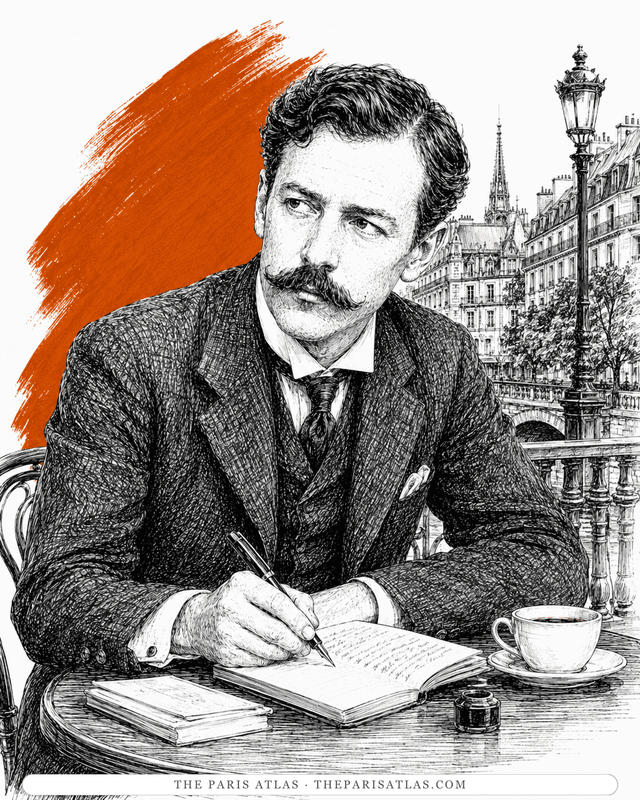
Sisley Huddleston
The witness who recorded Anderson's Paris — the hotel by the Odéon, the Luxembourg walks, and the long conversations about America and art.
View author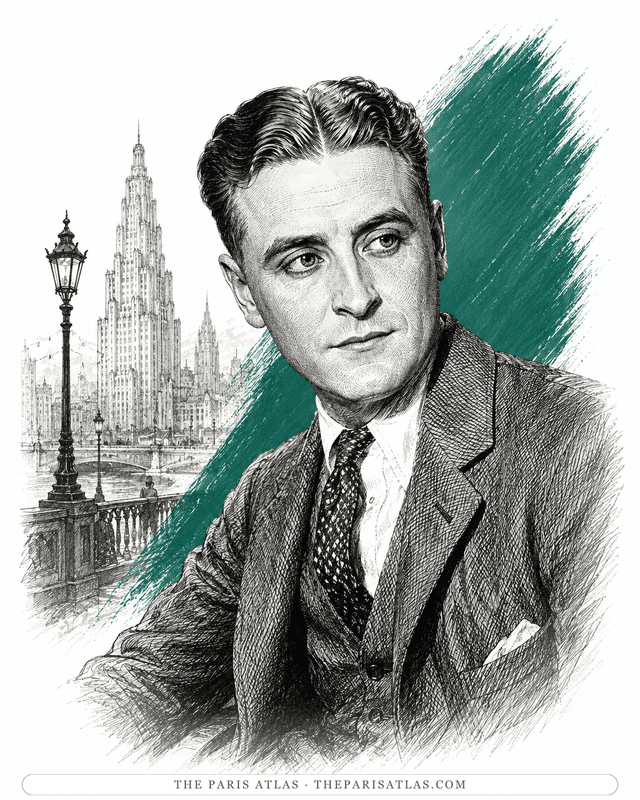
F. Scott Fitzgerald
The Jazz Age's laureate — famous at twenty-three, author of Gatsby at twenty-eight, and owner of the longest posthumous comeback in American letters.
View author