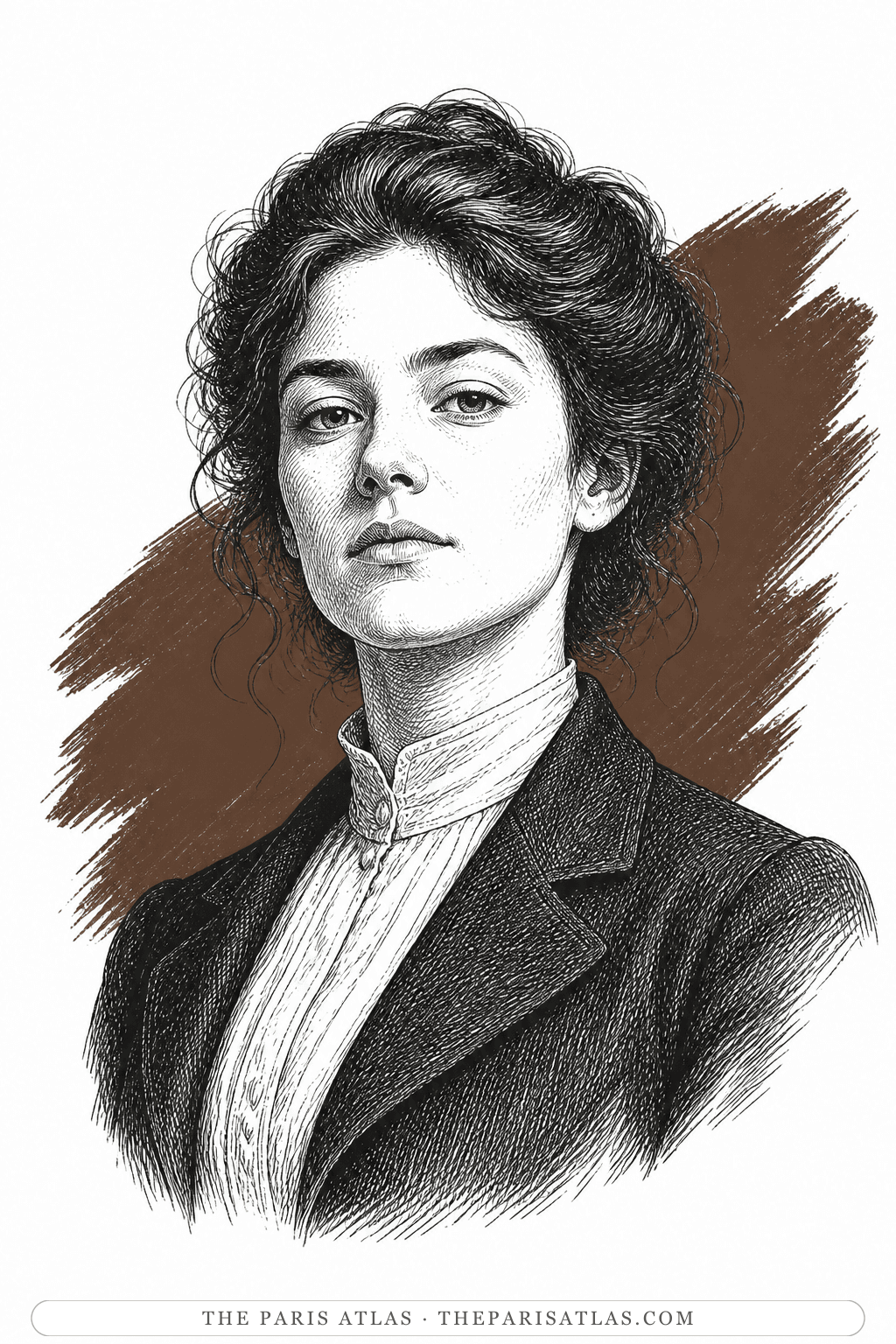
Clara Butterworth
The rich farmer's daughter who marries Hugh McVey — direct, physically strong, and at war with her father from the age of seventeen.
To get close to somebody, and to be treated as a person while it happens. At seventeen she says it to her father through a closed bedroom door: “I am no longer a child. Within the last week I've become a woman.” The rest of the book is her trying to find a life that follows from those two sentences.
The book

At a glance
- Only child of Tom Butterworth, the richest farmer in the county; later Hugh McVey's wife
- A large brick farmhouse with a cupola on Medina Road, a mile south of Bidwell, considered the finest place in the county
- The State University at Columbus, three years, boarding with her aunt and uncle the Woodburns
- Kate Chanceller in Columbus, and Jim Priest, her father's oldest farm hand, at home
- Twenty-three, married the same night she was asked
Who they are in the book
Spoiler-freeClara Butterworth is the only child of Tom Butterworth, the biggest farmer in the county. She grows up eating at the same table as the farm hands, wrestling with them in the hayfields, and being teased about town boys until she is seventeen, when the teasing stops because the men can see she has changed. That summer a new farm hand named John May catches her in a wagon shed and tears her dress open. She hits him in the face with her fist and runs. Her father sees the man's face on the path a week later, sacks him, and then stands outside his daughter's bedroom door demanding to know what she has been up to. She never forgives him for the second thing.
She spends three years at the state university in Columbus, living with an aunt and uncle whose evenings consist of account books and knitting, and finds the education she came for in a classmate instead: Kate Chanceller, a socialist who talks to her about what marriage does to women. Clara comes home at twenty-three intending to marry, without illusions about why. When Hugh McVey turns up at the door and asks her, she takes about a minute to decide and drives him to the county seat that night.
How Clara Butterworth Is Portrayed
- The hammock summerAt seventeen she lies in the orchard under the apple trees listening to the bees and turning over something the old farm hand Jim Priest said about her in the barn: “The sap has begun to run up the tree.” She does not entirely know what it means and it goes through her all afternoon.
- The stone on the bridgeJohn May follows her and a young schoolteacher out to a bridge, meaning to fight for her. Clara picks a sharp-edged stone off the pile left by the repair gang, puts it in the schoolteacher's hand and says: “Don't be afraid. He's only a coward. Hit him on the head with the stone.” The schoolteacher drops it and runs. Nobody in the scene comes out of it well except her.
- The decisionHugh proposes on the doorstep and she thinks it through on the spot, in her father's own arithmetic: “It's the best marriage I'll ever have a chance to make. I do not love him, but perhaps that will come.” Then she gets the buggy out herself and drives.
- Telling Jim PriestThe old farm hand grabs the horse's head in the dark barnyard, thinking she is running off with the swindler her father tried to hand her to. She tells him plainly: “This is Mr. Hugh McVey and we're going over to the county seat to get married.” Then she asks him to put a candle in the window.
- The wedding feastHer father throws a party together in three hours — two tables of guests, hired waitresses, borrowed champagne, and she sits through it looking past his shoulder into the kitchen where her mother spent her life. An undertaker gets up to tell the room about the knots his wife's brothers tied in her nightgown. Clara grips the arms of her chair and decides that getting through the night without showing what she feels will do.
- The verdict on her marriageThree years in, riding in the back of her father's first motor car: “At any rate I have married me a husband and yet I have no husband, I have been in a man's arms but I have no lover, I have taken hold of life, but life has slipped through my fingers.” Her next thought is that the fault must be hers.
- The one time she is dangerousWhen the factory superintendent Ed Hall draws back his arm to hit the captured harness maker in the moving car, she stops him cold: “No matter what he does, don't you dare strike him again.” Everything else she has been thinking that night — about machines, her father, her husband — comes out as those two lines.
Hugh runs from their bedroom on the wedding night, climbing out of the window onto the kitchen roof. Her father brings him back the next day, and they spend a week reading books at each other under a lamp before Clara stops waiting, sits in the dark downstairs and calls him over: “We have been very silly, Hugh,” she says. Three years and one daughter later she is still asking herself whether she is a failure as a wife or he is impossible as a husband.
What settles it is the attack on Hugh in the car. Clara has spent that entire evening hating machines and hating her father's voice, and taking the murderous old harness maker as the last representative of everything the machines have destroyed. Then he sinks his teeth into her husband's neck, and she tears him off with a strength that shocks everyone present and throws him down on the floor of the car. She is already pregnant, and from that moment Hugh stops being the town's great man in her mind and becomes a boy who has been hurt. He never gets out of that category again. The book ends with her telling him she has felt the second child move and is sure it is a boy: “He kicked like anything. I am sure this time it's a boy.”
If you like Poor White


If you like Sherwood Anderson
Explore authors with a similar voice, perspective, and influence.
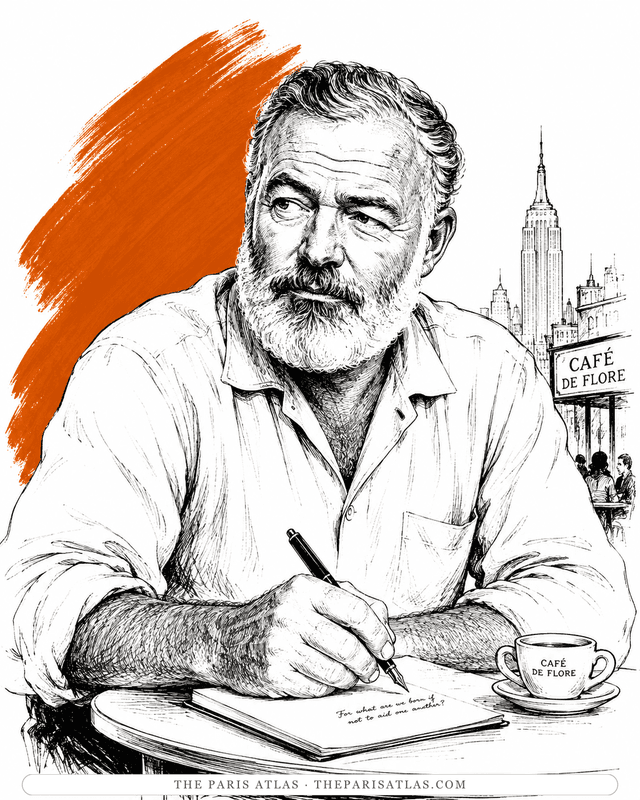
Ernest Hemingway
Anderson's letters of introduction sent him to Paris; In Our Time borrowed the Winesburg shape; The Torrents of Spring paid the debt back in parody.
View author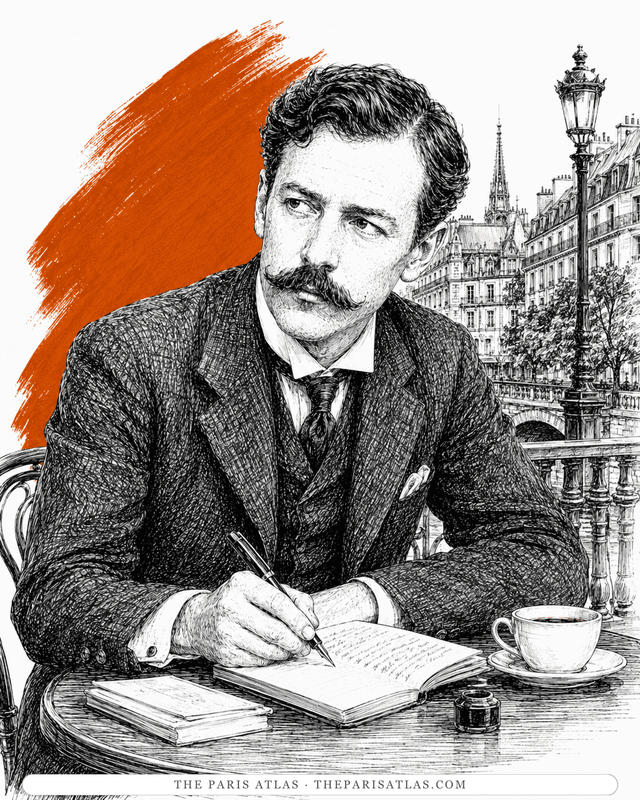
Sisley Huddleston
The witness who recorded Anderson's Paris — the hotel by the Odéon, the Luxembourg walks, and the long conversations about America and art.
View author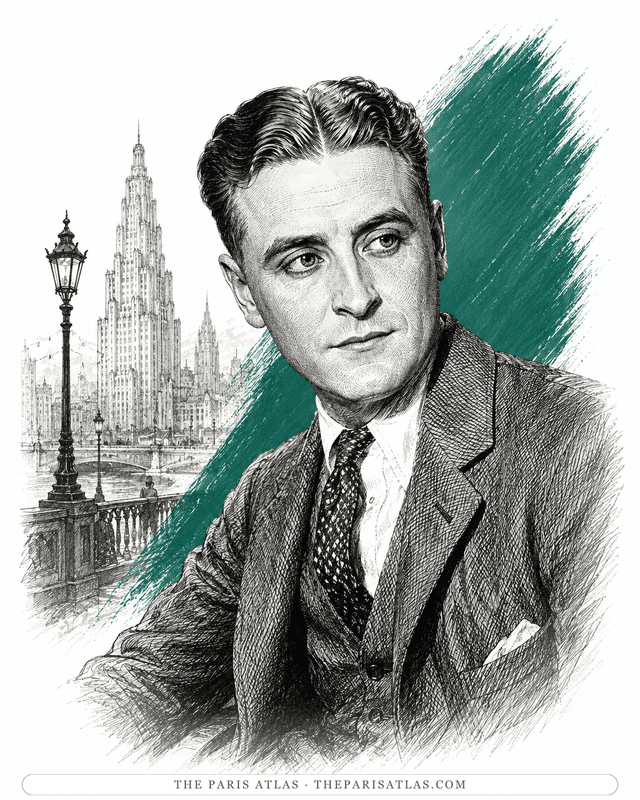
F. Scott Fitzgerald
The Jazz Age's laureate — famous at twenty-three, author of Gatsby at twenty-eight, and owner of the longest posthumous comeback in American letters.
View author