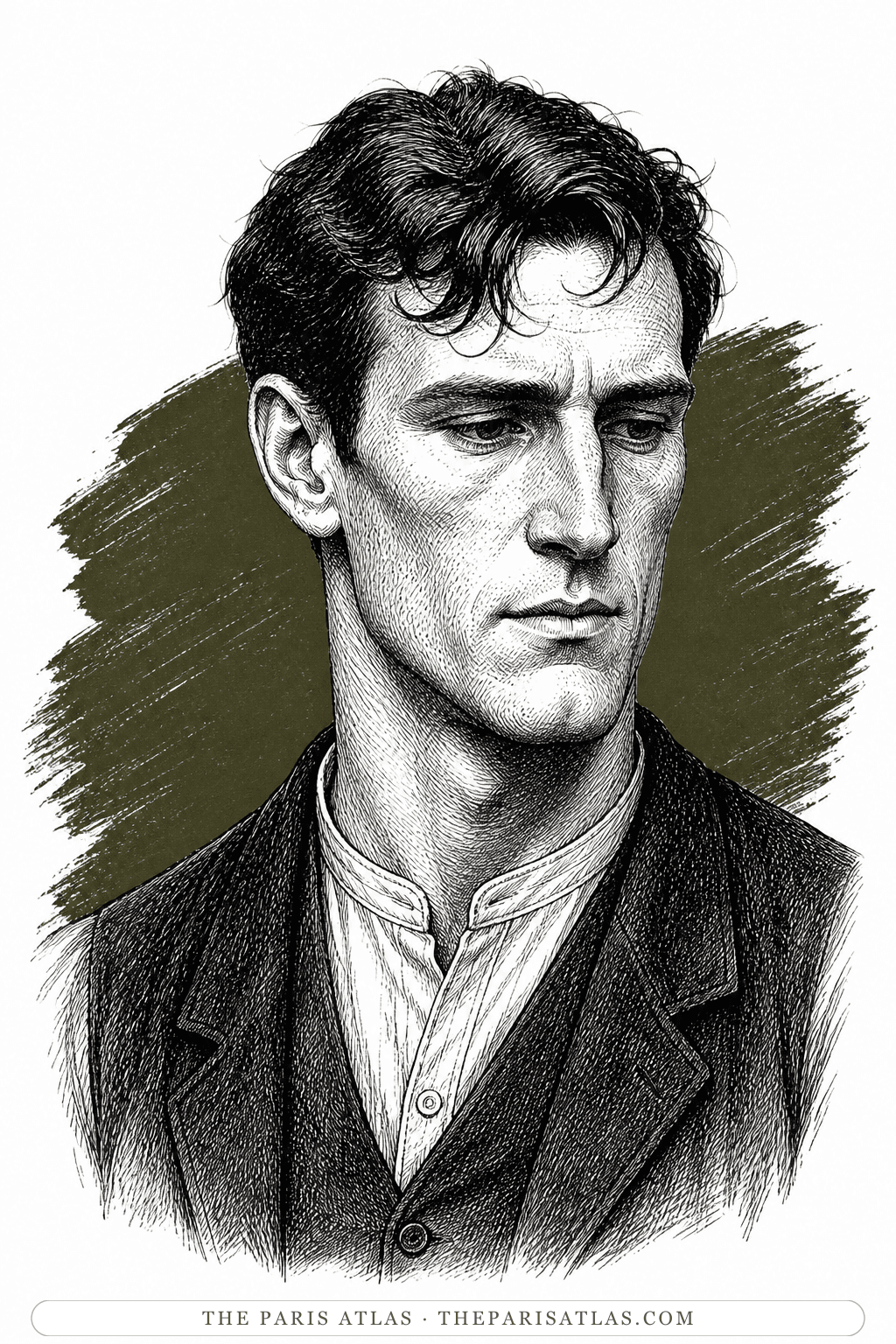
Hugh McVey
The inventor at the centre of the book — six feet four, raised in a fishing shack on the Mississippi, and unable to hold a conversation with the town that calls him a great man.
To get near other people. Walking a dark road beside Clara Butterworth, unable to say anything at all, he thinks: “That's what I want a woman for.” Someone close to him who understands things and will tell him about them. It is the same wish he had at fourteen, standing at the edge of groups of men who stopped talking when he came near.
The book

At a glance
- Inventor; earlier a telegraph operator on the Wheeling and Lake Erie at Pickleville, outside Bidwell, Ohio
- Mudcat Landing, Missouri — a river town on a mud bank, named in derision by the men on the boats
- Six feet four inches at twenty, and still growing into his strength
- Sarah Shepard, at the kitchen table, from a speller, an arithmetic, a geography and three readers
- A plant-setting machine that failed, a car-dumping apparatus that sold for two hundred thousand dollars, the McVey corn-cutter, and an unfinished hay-loader
- Mrs. McCoy, a railway section hand's widow, and stays there long after he can afford not to
Who they are in the book
Spoiler-freeHugh McVey is the son of John McVey, a Missouri farm hand who moved to town for a tannery job, lost it, and settled into drinking. Hugh's mother died when he was a baby. He was raised in a shack by the river, cleaned cisterns and emptied outhouses for money at ten, and had never been to school when, at fourteen, he was hired to sweep the platform at the new railway station. Sarah Shepard, the station master's wife, took him into her house and taught him herself. What she taught alongside the arithmetic was that his family and their neighbours were poor white trash and that his own tendency to lie still in the sun was a moral defect. He spent his life fighting it.
He is enormous — six feet four, with an upper body strong enough to out-lift any man he meets and long legs he describes as lifeless. His hands and feet are always cold. He works his way east from Missouri looking for the bright, friendly towns Sarah Shepard described to him, finds nothing of the kind, and ends up as a telegraph operator at a country station outside Bidwell, Ohio, doing arithmetic problems to stop himself daydreaming. Inventing farm machinery starts as another way of keeping his mind on definite things. It makes him rich and locally famous, and it does nothing at all about the reason he took it up.
How Hugh McVey Is Portrayed
- The bodySix feet four at twenty, with immensely strong shoulders and arms and long, ungainly legs. The blood does not move well through him: his hands and feet are cold all his life, and lying still in hot sun is close to a physical pleasure. He is forever knocking his head on low ceilings and door frames.
- The war on sleepTold to sweep the station platform, he sweeps it for three hours and leaves it dirtier than he found it, because stopping would mean drifting off. Later he walks the platform for hours, counts the pickets in every fence in town, measures them, and calculates how many could be cut from the trees on each street.
- What Sarah Shepard left in himHe accepts her verdict on his own people completely and turns it on himself. Sitting at the edge of a wood looking down at the Butterworth farmhouse, he decides that Clara could not possibly want him: “She's a lady. What would she be wanting of me?” Then he drops into his father's dialect and says he isn't fitten for her.
- The cabbage fieldWatching Ezra French's sons crawl along the rows in moonlight setting plants by hand, he stops seeing people and starts seeing a mechanism. He crawls into the field behind them to feel the movements in his own body, crushing the new plants as he goes, and stands up waving one stiff arm up and down, muttering, “The machine must be built close to the ground.” The whole family runs. The county had a ghost story about that field for years afterwards.
- The silenceA Cleveland newspaperman comes to interview him, gets nothing at all, goes to Steve Hunter instead and prints an invented boyhood in the Tennessee mountains. In three years at Pickleville, Hugh manages to say almost nothing to anyone but the half-wit who whittles his models — with whom, alone, he is not embarrassed and will happily talk for hours.
- The sledgeA week into a marriage that has not begun, he carries an iron wheel he has been making to the anvil at the back of his shop and brings a sledge down on it with everything he has. The wheel twists, shoots past his head and out through a window. That is the only violence he ever offers his own situation, and it accomplishes nothing.
- The coloured stonesLate in the book he picks up bright pebbles on the shore at Sandusky and carries them in his pocket. In the station at Pittsburgh he rolls them in his hand, watching the light separate and blend the colours, until a woman and child stare at him and he walks out into the street ashamed. He keeps the stones.
Hugh's success ends quietly and he is the last to notice. An inventor in Iowa patents a hay-loading machine like the one Hugh has spent years on, and Tom Butterworth's plan is to design around the patent and then break the man in the courts, since he has no money and drinks. Hugh cannot do it. He makes parts, decides each one infringes, and destroys them. What has actually happened is that he has started thinking about the Iowa man as a person — a stranger who worked the same problem alone, and who drinks as Hugh's own father drank.
The novel calls this a disease, and dates its onset to the night Joe Wainsworth is thrown into the back of the motor car and bites him. In the smoker of a train through Youngstown, watching workers' houses go past under the mill, Hugh becomes for a moment something other than an inventor and makes up a line about it: “The gods have thrown the towns like stones over the flat country, but the stones have no color.” It is a good sentence and it will not help him get around an Iowa patent. He comes home at two in the morning to a wife who is pregnant with their second child and no longer expects anything of his career at all.
If you like Poor White


If you like Sherwood Anderson
Explore authors with a similar voice, perspective, and influence.
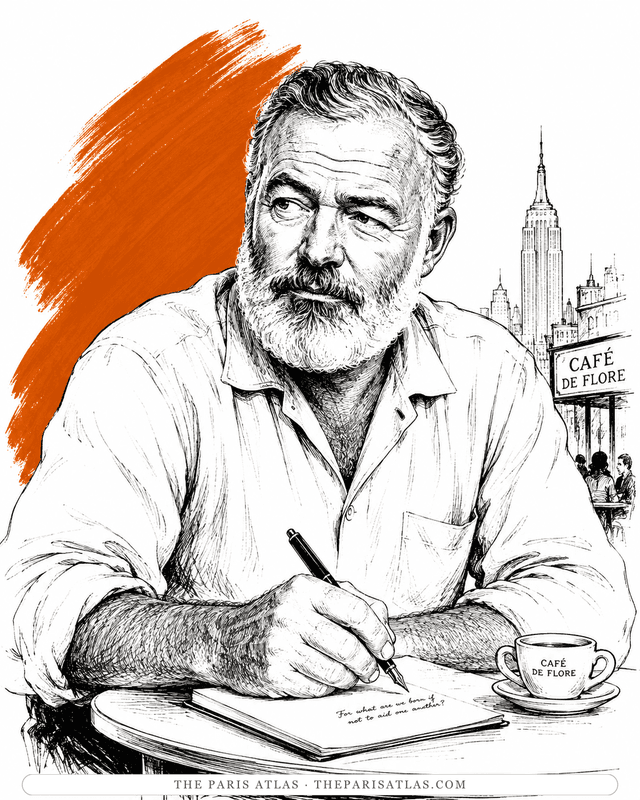
Ernest Hemingway
Anderson's letters of introduction sent him to Paris; In Our Time borrowed the Winesburg shape; The Torrents of Spring paid the debt back in parody.
View author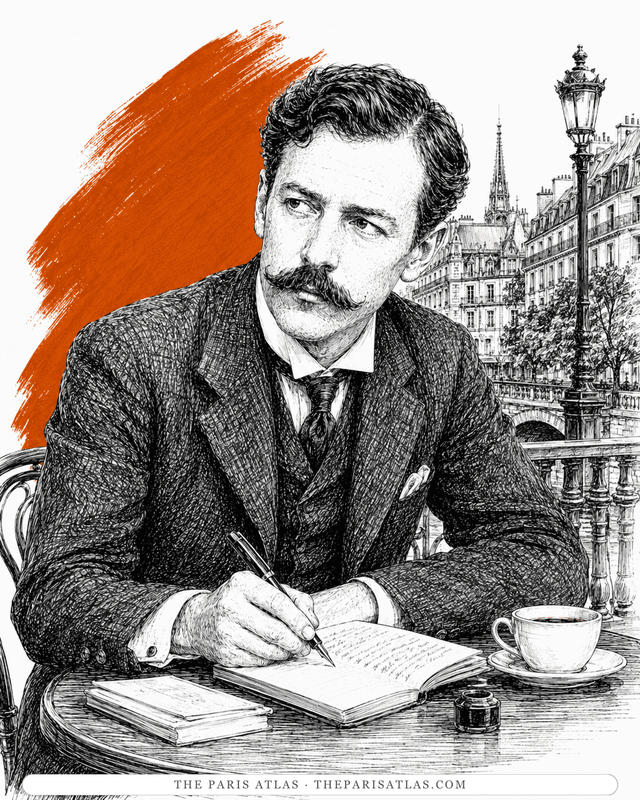
Sisley Huddleston
The witness who recorded Anderson's Paris — the hotel by the Odéon, the Luxembourg walks, and the long conversations about America and art.
View author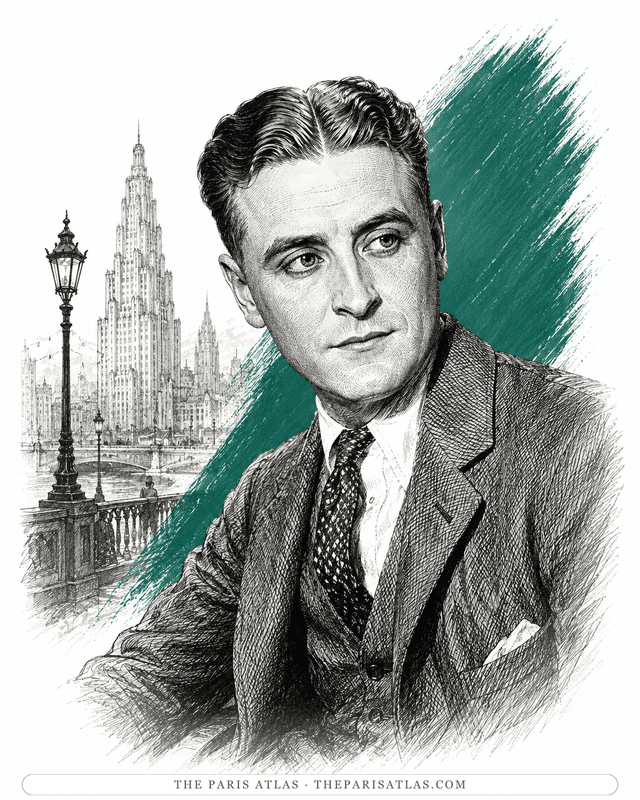
F. Scott Fitzgerald
The Jazz Age's laureate — famous at twenty-three, author of Gatsby at twenty-eight, and owner of the longest posthumous comeback in American letters.
View author