

Down and Out in Paris and London
The same arithmetic of being broke, counted just as closely, with one difference that changes everything: Gordon Comstock chose it and can stop whenever he likes.
Read our take
George Orwell's third novel: a bookshop assistant and failed poet has declared war on money, and lives on two pounds a week to prove it.
George Orwell's third novel is about a man who has decided to be poor. Gordon Comstock is twenty-nine, works in a second-hand London bookshop for two pounds a week, and has published one volume of poems that sold a hundred and fifty-three copies and was then remaindered. He had a well-paid job writing advertising slogans and he threw it up on purpose. He has declared war on money, and his poverty is the war. The book follows him through one London winter and counts everything: the four cigarettes that must last until Friday, the threepenny-bit he is too proud to spend, the girl he cannot take to supper, the long poem that has not moved forward in two years. The aspidistra of the title is the dark-leaved pot plant that stood in the front window of an enormous number of lower-middle-class British houses. It survives bad light, cold rooms and neglect, and it was the household proof that a family was still respectable. Gordon hates the sight of it.
Victor Gollancz published the novel in London on 20 April 1936. It was George Orwell's third novel, after Burmese Days and A Clergyman's Daughter, and it did not reach American readers until Harcourt, Brace brought out the first US edition in 1956, twenty years later.[1]
Orwell was working in a bookshop while he wrote it. From October 1934 he spent his afternoons as an assistant at Booklovers' Corner, at 1 South End Road in Hampstead, a job his aunt Nellie Limouzin arranged with the owners, Francis and Myfanwy Westrope. They gave him a rent-free room in the flat above the shop until March 1935, and he wrote in the mornings before his shift. He finished the book after moving to Parliament Hill in February 1935. His essay "Bookshop Memories", published the same year the novel came out, covers the same counter from the other side.[1]
The text that reached print was not the text Orwell wrote. The novel is largely built out of advertisements: slogans, brand names, a poster campaign that runs through the plot. Gollancz, who had been through unpleasant legal proceedings in the early 1930s, was afraid of British libel law. He required round after round of changes. Orwell telegraphed him from Wigan on 19 February 1936 to say the changes were impossible and would mean complete rewriting, then supplied another list five days later, and described the resulting text to his agent as mutilated. Peter Davison's Complete Works edition restored around thirty of the original readings from the publisher's correspondence files; the grinning clerk on the Bovex poster, printed as Corner Table, was Roland Butta in the manuscript. The Orwell Society records that in 1945, going over his own work for his literary executor, Orwell listed this book and A Clergyman's Daughter among those that should never be republished.[1]
Chapter 1 opens on St Andrew's Day, the thirtieth of November, in the little office at the back of Mr McKechnie's bookshop. Gordon Comstock has fivepence halfpenny, threepence of which is a threepenny-bit he cannot bring himself to spend, and no money coming to him until Friday. He is the last of the Comstocks, a middle-middle-class family that made fifty thousand pounds in the Victorian boom and then dwindled into boarding houses, small diseases and unmarried old age. At sixteen he worked out his position: you can be rich, or you can deliberately refuse to be rich, and the one fatal thing is to worship money and fail to get it. He took a clerk's job in a red lead firm for six years, then a job at the New Albion Publicity Company, where he discovered that he had a real and unwelcome talent for writing advertising copy. That was the moment he ran. His friend Ravelston found him a blind-alley job at two pounds a week in a second-hand bookshop, and he has been there two years.[1]
What the two pounds buys is set out item by item. A top floor back at 31 Willowbed Road for twenty-seven and six a week, with a landlady who inspects everyone who comes through the door, reads the postmarks on the letters, and forbids both women in the house and tea made in bedrooms. Cold beef in a dining-room so full of aspidistras that Gordon has never accurately counted them. An oil lamp with no oil until Friday. A poem, London Pleasures, planned at two thousand lines in rhyme royal and stuck for two years at under five hundred that are finished. Rosemary Waterlow, who works in the studio at the New Albion on four pounds a week, lives in a women's hostel guarded by dragons, and has been his girl for two years without sleeping with him. They meet in the streets and in picture galleries because there is nowhere else. Ravelston, who edits a Socialist monthly called Antichrist and lives on eight hundred a year while apologising for it, is the only person Gordon can talk to, and their friendship survives on the rule that Gordon always pays for the first round.[1]
Two things go wrong in quick succession. Rosemary suggests a Sunday walk in the country, and Gordon borrows five shillings from his sister Julia to pay for it. A bad lunch at a riverside hotel strips him to eightpence. In a copse off a country road she undresses and lies down with him, and then pushes him off, because he has brought nothing and she cannot risk a child. He turns his disappointment into a lecture about money, tells her coldly to put her clothes on, and then walks several miles barely speaking to her.[1]
Then a magazine in California accepts a poem and sends a cheque for fifty dollars. Gordon sets aside five pounds of it for Julia, who has been lending him money for years out of a seventy-two-hour week in a teashop, and takes Rosemary and Ravelston to an expensive restaurant with the rest. He is drunk before he arrives and drunker by ten. In a side street off Regent Street he pushes Rosemary against a wall and forces his hand inside the front of her dress; she hits him across the face and runs. He then picks up two prostitutes on the pavement, drags an appalled Ravelston along, takes one of them to a hotel room, finds he cannot manage it, and pays her the two pounds anyway. He wakes in a police cell, charged with being drunk and disorderly because he hit a police sergeant, and the local paper, which Mr McKechnie advertises in, gives it two columns.[1]
Gordon loses his job and refuses to look for a real one. Ravelston pays his fine, keeps him at the flat for a week and lends him money he knows will not come back, and the friendship curdles under the charity. What Gordon finds is a job at thirty shillings a week running a twopenny lending library in Lambeth for a bookseller called Cheeseman, and a room in Brewer's Yard at eight bob.
In March she comes to the library to tell him she is pregnant.
Gordon has more money than he permits himself to count. The threepenny coin remains spendable, but he imagines that using it alone would expose his poverty to a shop assistant. Shame turns a small resource into something unavailable. The narration follows this reasoning closely enough for the reader to feel its pressure while also noticing its absurdity. When a possible poem gives way to another calculation, money has entered his attention as well as his pocket. His rebellion cannot free him from the judgments he expects other people to make about him.
The plant changes meaning because Gordon changes his relationship to ordinary domestic life. What once signified defeat comes to represent participation, continuity and responsibility to other people. Yet the ending does not turn respectability into an uncomplicated reward. His renewed career involves manufacturing the very anxieties that advertising exploits, while the furniture depends on continuing payments. Rosemary's resistance to the aspidistra also prevents it from becoming an emblem they simply share: Gordon insists that it belong in public view. The comic dispute leaves affection and conformity entangled rather than declaring that either has finally defeated the other.
And now abideth faith, hope, money, these three; but the greatest of these is money.
It isn't a coin, it's the answer to a riddle.
There will be no revolution in England while there are aspidistras in the windows.
George Orwell had already reported poverty in Down and Out in Paris and London. Here he does it as fiction and adds the part reporting could not reach: what having no money does to your manners, your work and the people who love you.
The bookshop chapters, the library subscribers agreeing that Galsworthy is so essentially English, the waiter at the riverside hotel asking whether sir would really prefer the whole bottle. The comedy is broad and it is exact.
The posters opposite the shop, the campaigns invented by committee, the copywriter's knack for the phrase that sticks and rankles. It was written by a man who had never set foot in an agency, and it still holds up ninety years on.

Twenty-nine, five feet seven, the last of the Comstocks, assistant in a second-hand bookshop at two pounds a week. He published one book of poems, gave up a job that was going well, and has declared war on money.

Gordon's girl of two years: a commercial artist at the advertising agency he walked out of, small, quick and good-natured, and the only person in the book who never once tells him to get a proper job.

Gordon's rich friend: editor and proprietor of a Socialist monthly called Antichrist, apologising in every moment of his life for the size of his income, and quite unable to say the word expensive out loud.

Gordon's older sister, who was taken out of school at sixteen so his fees could be paid, works a seventy-two-hour week in a teashop, and has been lending him money he does not repay for most of her adult life.

The elderly Scottish bookseller who employs Gordon at two pounds a week. He wanted an assistant who looked like a gentleman and could talk about books, seldom comes downstairs, and is a teetotaller, which turns out to matter a great deal.

Gordon's landlady at 31 Willowbed Road: twenty-seven and six a week for a top floor back, meals in a dining-room full of aspidistras, no women in the house, and no tea made in bedrooms.
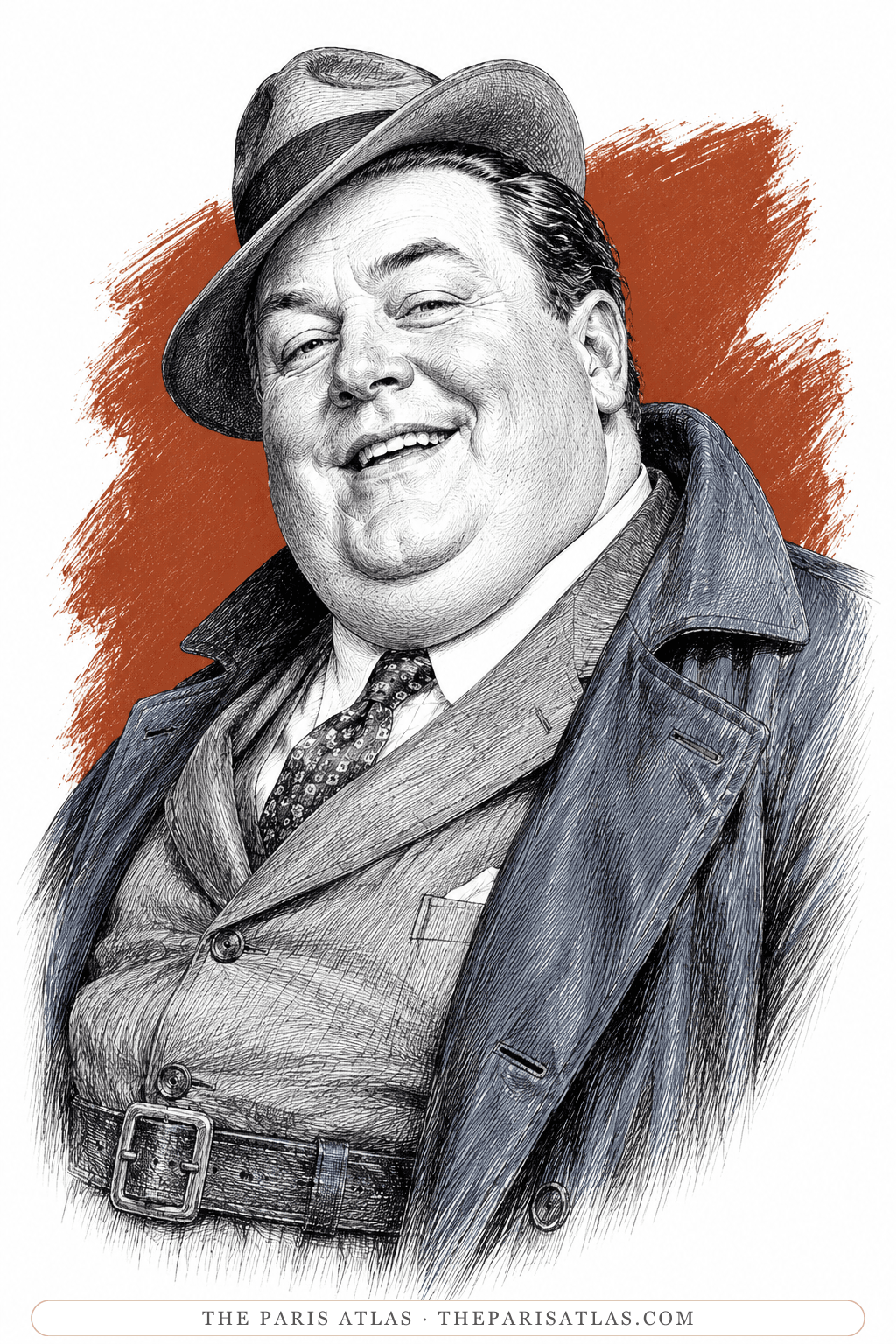
The first-floor lodger: a very fat travelling salesman for a cosmetics firm, exiled to Willowbed Road after his wife found out about Paris. He calls everyone 'chappie', and he is the only person in the house who tries to cheer Gordon up.

The Lambeth bookseller who hires Gordon at thirty shillings a week to run a twopenny library. He has never read a book in his life and can price one by the feel of it.

A prosperous hack critic who reviews novels for a Sunday paper and gives literary tea-parties in Coleridge Grove. He is the occasion of the worst snub in the book, and he almost certainly did not mean it.
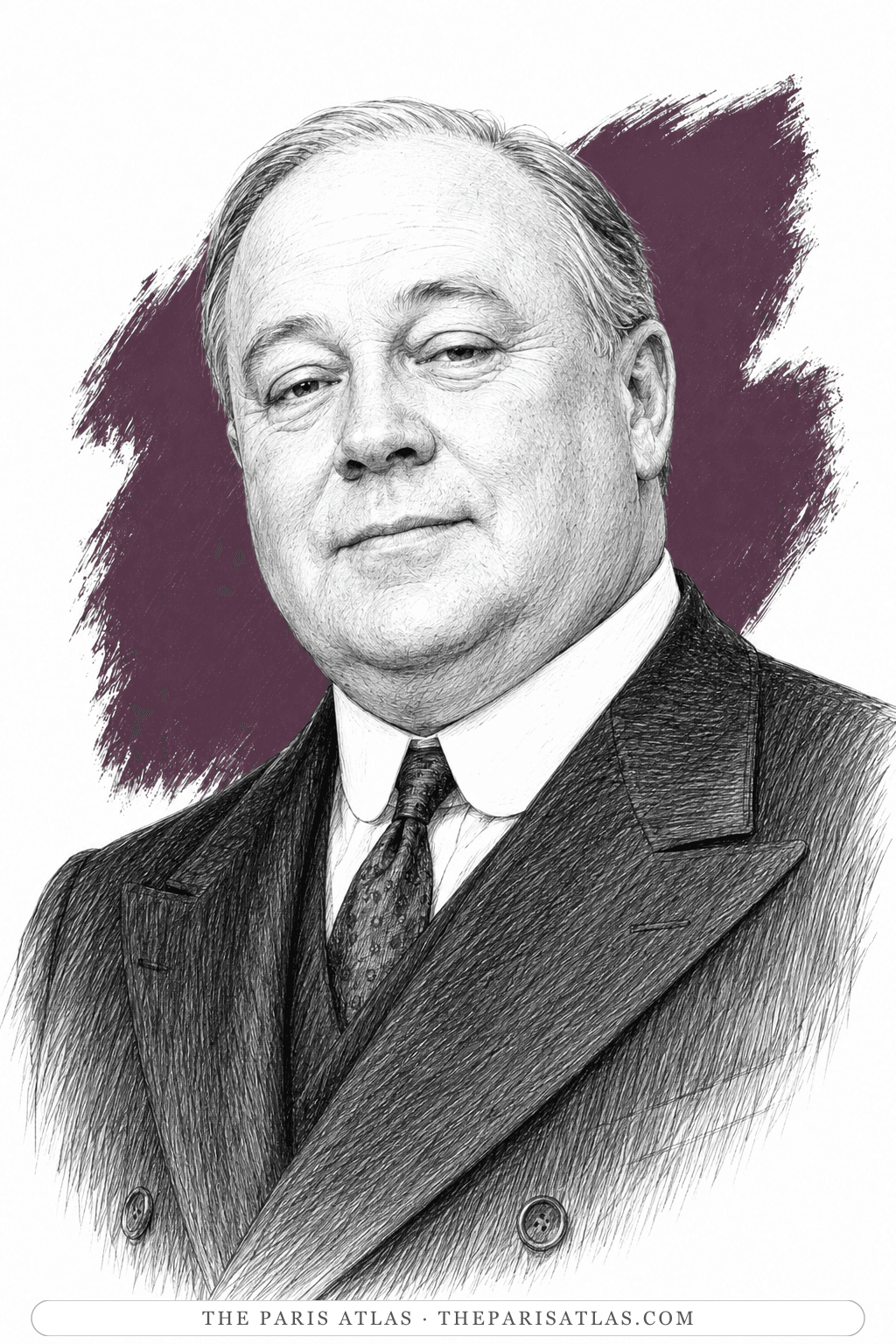
Managing director of the New Albion Publicity Company: a large, slow-moving man who says "Hm, hm, hm" instead of listening, moves Gordon to the copywriting side because the agency is short of people who can write, and tells him as he leaves that there will be a job waiting if he ever wants one.

Ravelston's girl of two years, rich and permanently sleepy. She is a Socialist because everyone is nowadays, will not read his magazine, and says of the working class that they smell.
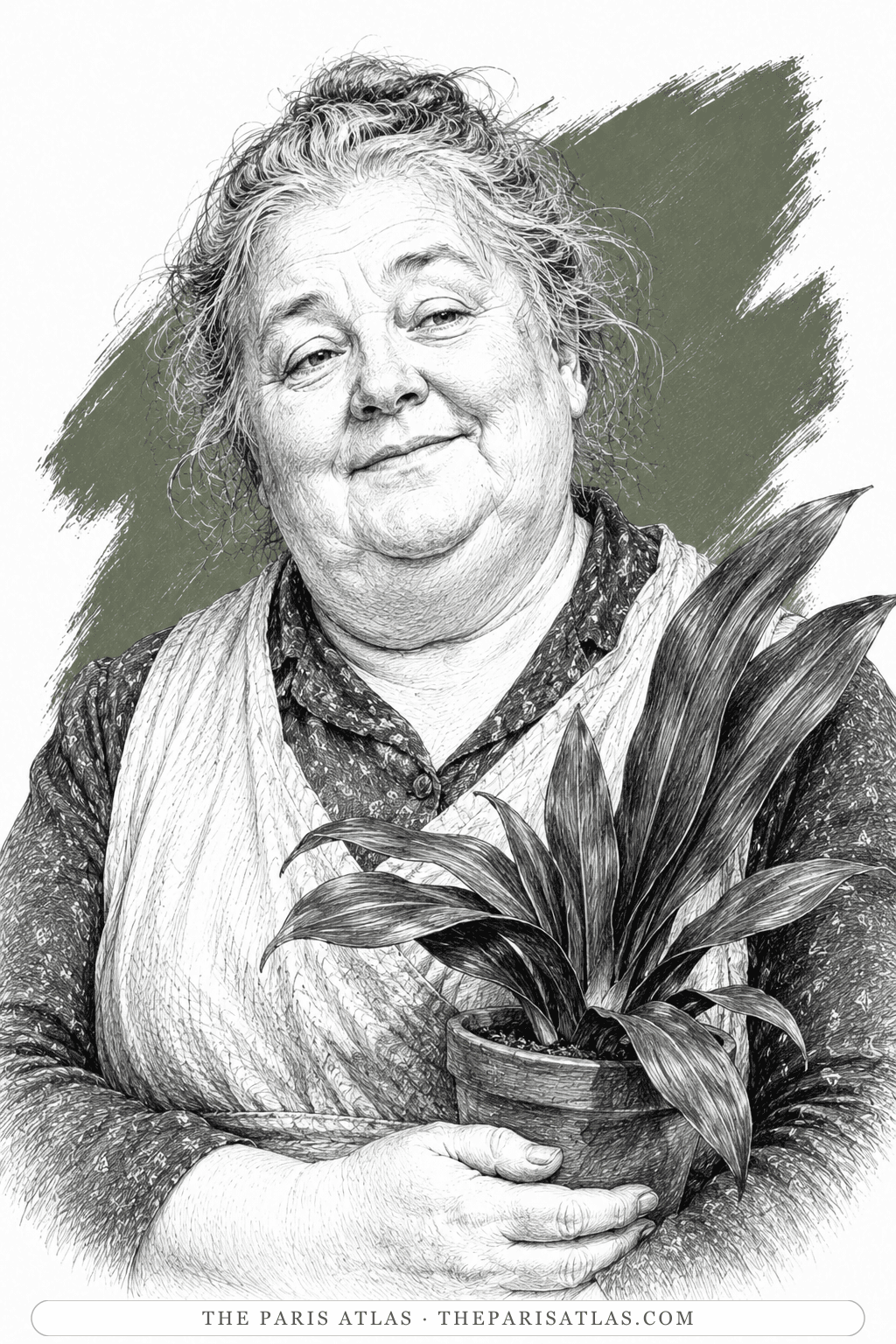
The Lambeth landlady: a dishevelled, jelly-soft old creature with a figure like a cottage loaf, who interferes with nothing so long as the rent is paid. She welcomes Gordon by carrying an aspidistra up to his attic to make the room more home-like.

The second-floor lodger at Willowbed Road, dark and lizard-like, who makes about thirty-five shillings a week touting vacuum-cleaners and has not a single friend in the world. Gordon goes past his door very quickly.
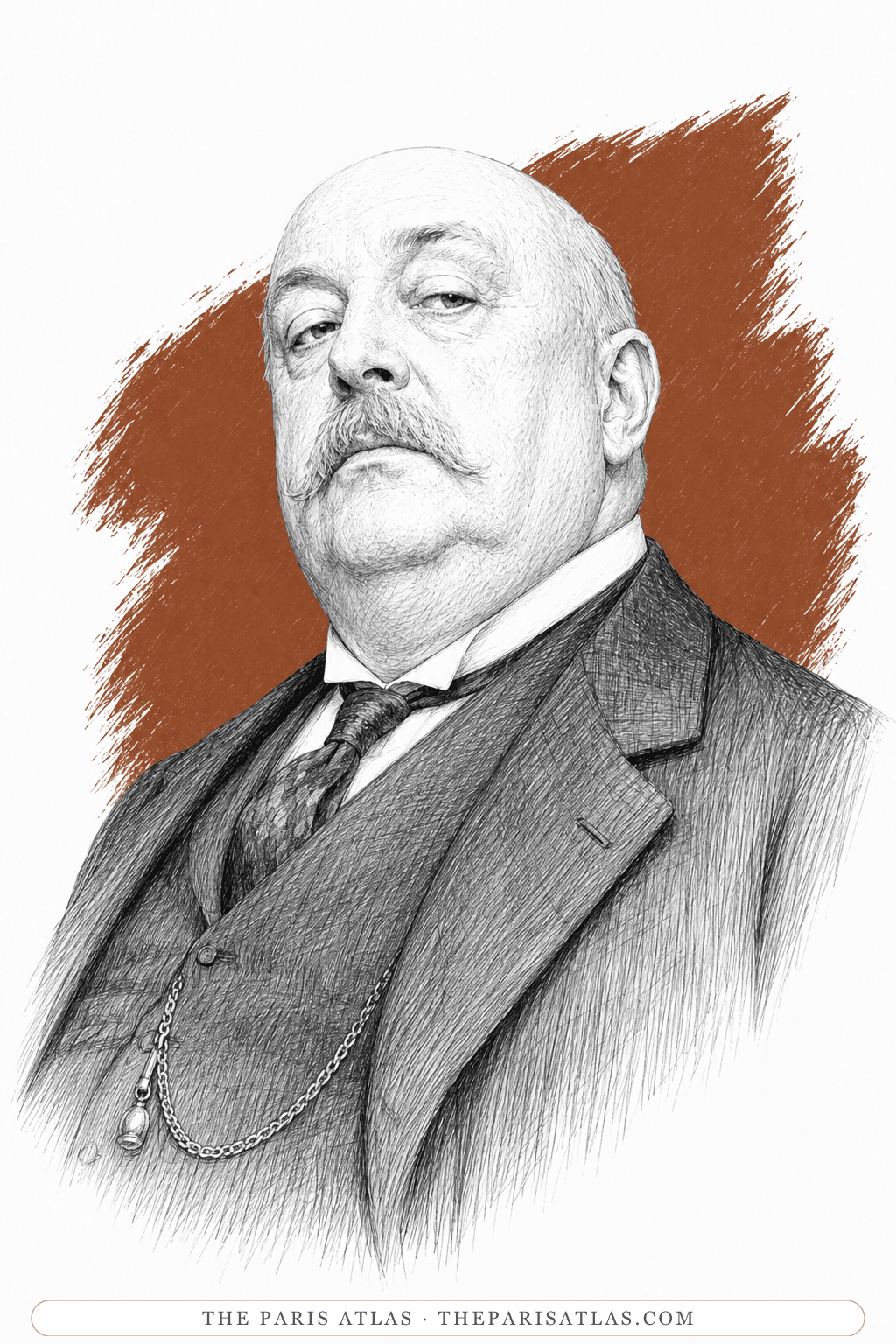
Gordon's uncle, sixty-seven, living in a cheap boarding house on perhaps three pounds a week from short-lived 'agencies' and the last of his inheritance. His one inexhaustible subject is his diseases.
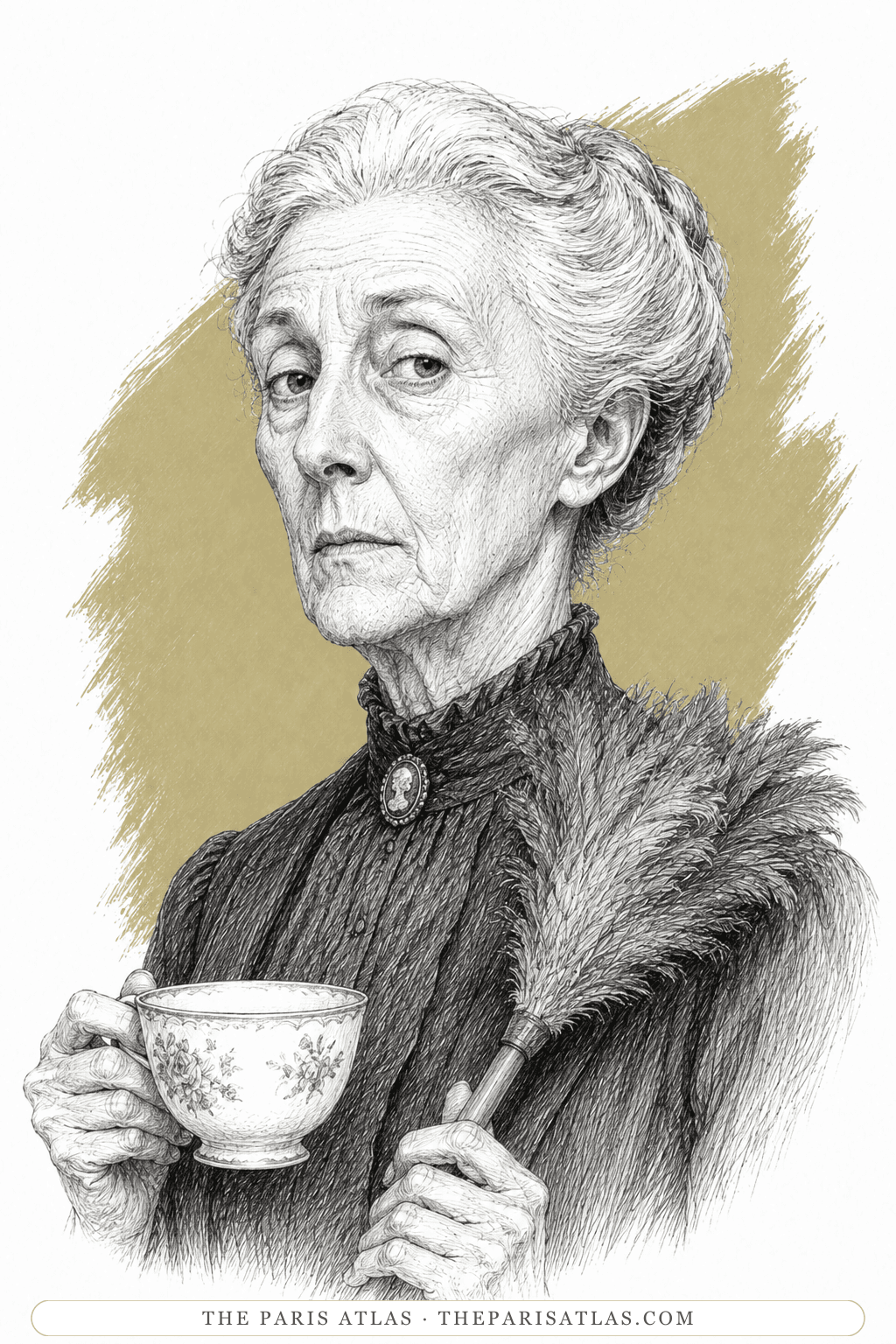
Gordon's aunt at Highgate, sixty-nine, living on an annuity of ninety-eight pounds a year and running two decades behind the fashion in novels. She dusts the never-to-be-used Crown Derby tea-service and the aspidistras.

One of two girls who pick Gordon Comstock up outside a Tube station on the night he spends Julia's five pounds. She takes charge of him, hauls him away from Ravelston, gives the taxi driver the address, and gets him and his money as far as a hotel room with a framed picture over the bed and an aspidistra on the bamboo table.
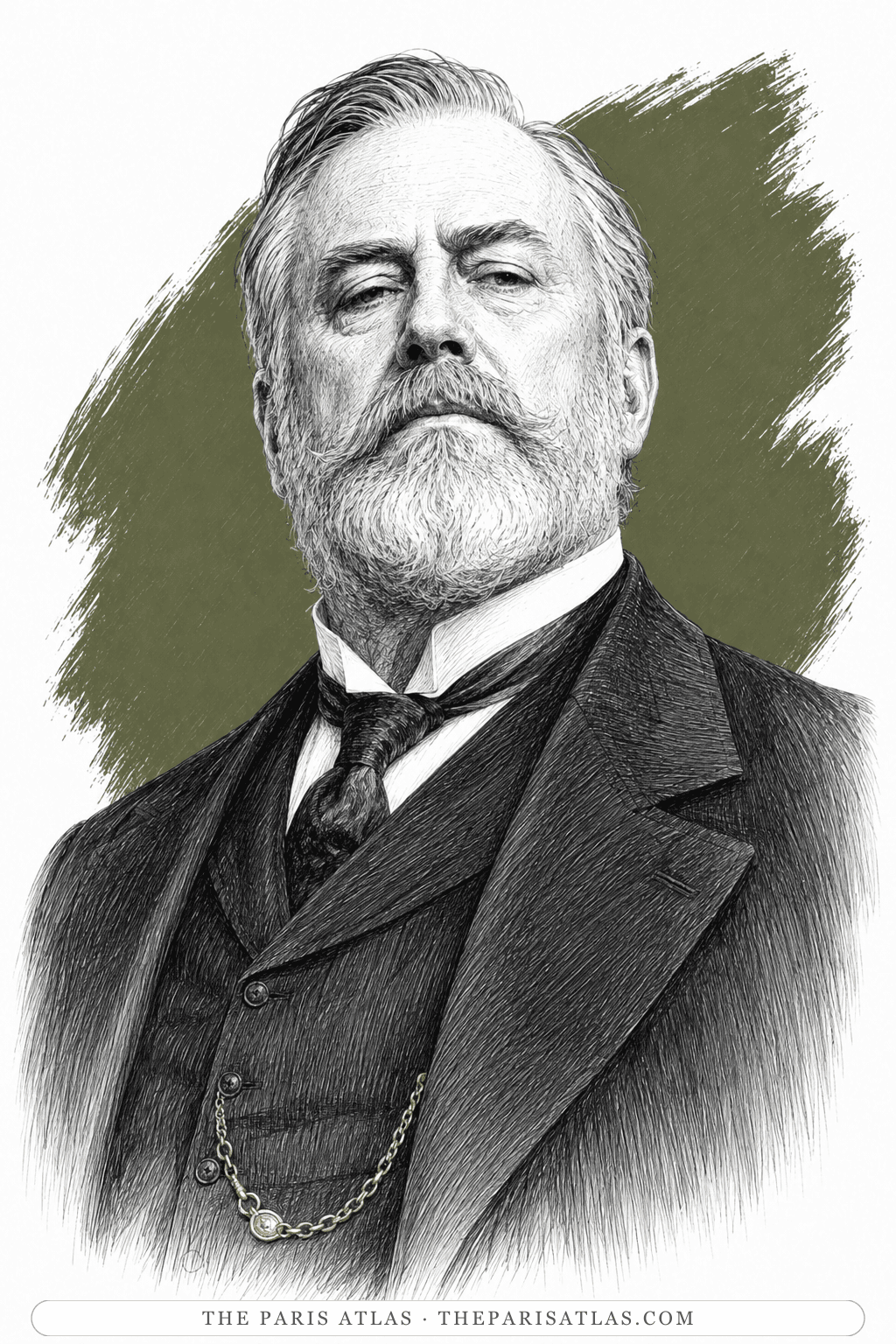
Samuel Ezekiel Comstock, dead long before the book opens and still sitting on the whole family. He made fifty thousand pounds, built a red brick mansion George Orwell calls as durable as a pyramid, begot twelve children of whom eleven survived, forbade his daughters to read novels, drove all of them into professions they were unsuited for, and lay on them, in Orwell's phrase, as a garden roller lies upon daisies. His grave is marked by a granite monolith weighing close on five tons.

Gordon and Julia's mother: faded, nervy and delicate, a music teacher before her marriage who had sat on comfortless piano stools in draughty drawing-rooms. She and Julia refused to let Gordon leave school, and she was already coughing and bringing up blood while the fees were being found. Gordon's private accounting of it is that his mother killed herself to keep him there.
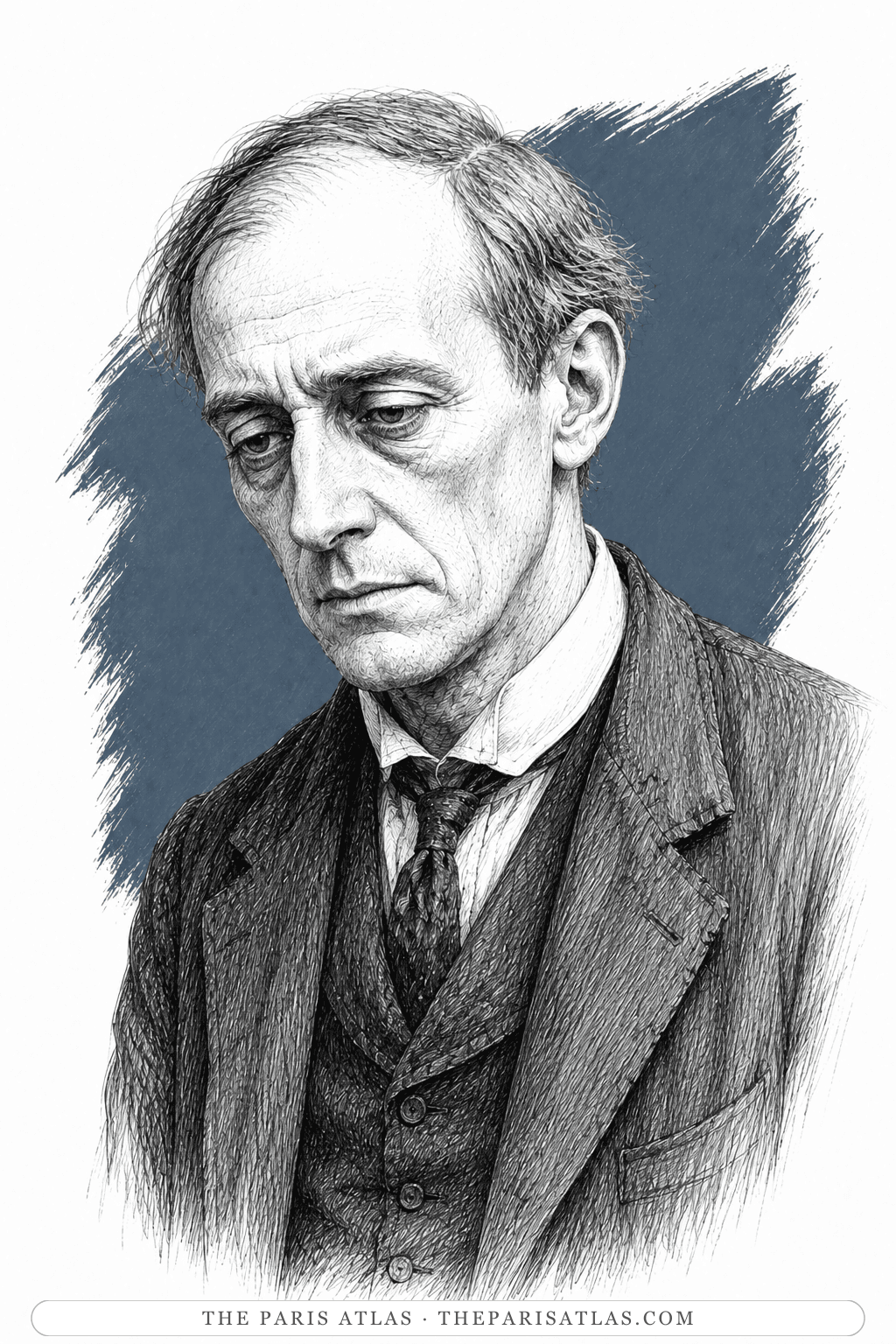
Gordon's father: worn out and spiritless, with some brains and a slight literary turn and a shrinking horror of anything to do with figures, who was therefore made a chartered accountant. He practised ineffectually, kept buying into partnerships that dissolved within a year, and died in 1922 at fifty-six, worn out and long ill with a kidney disease.

A regular at the twopenny lending library: a plump little sparrow of a woman, red-cheeked and middle-middle class, who carries The Forsyte Saga title outwards and calls Gordon Comstock Mister Comstock although he is a shopwalker. She signals highbrow irony with her eye, winces at the mention of Burroughs, and turns her back markedly on the other customer in the shop.
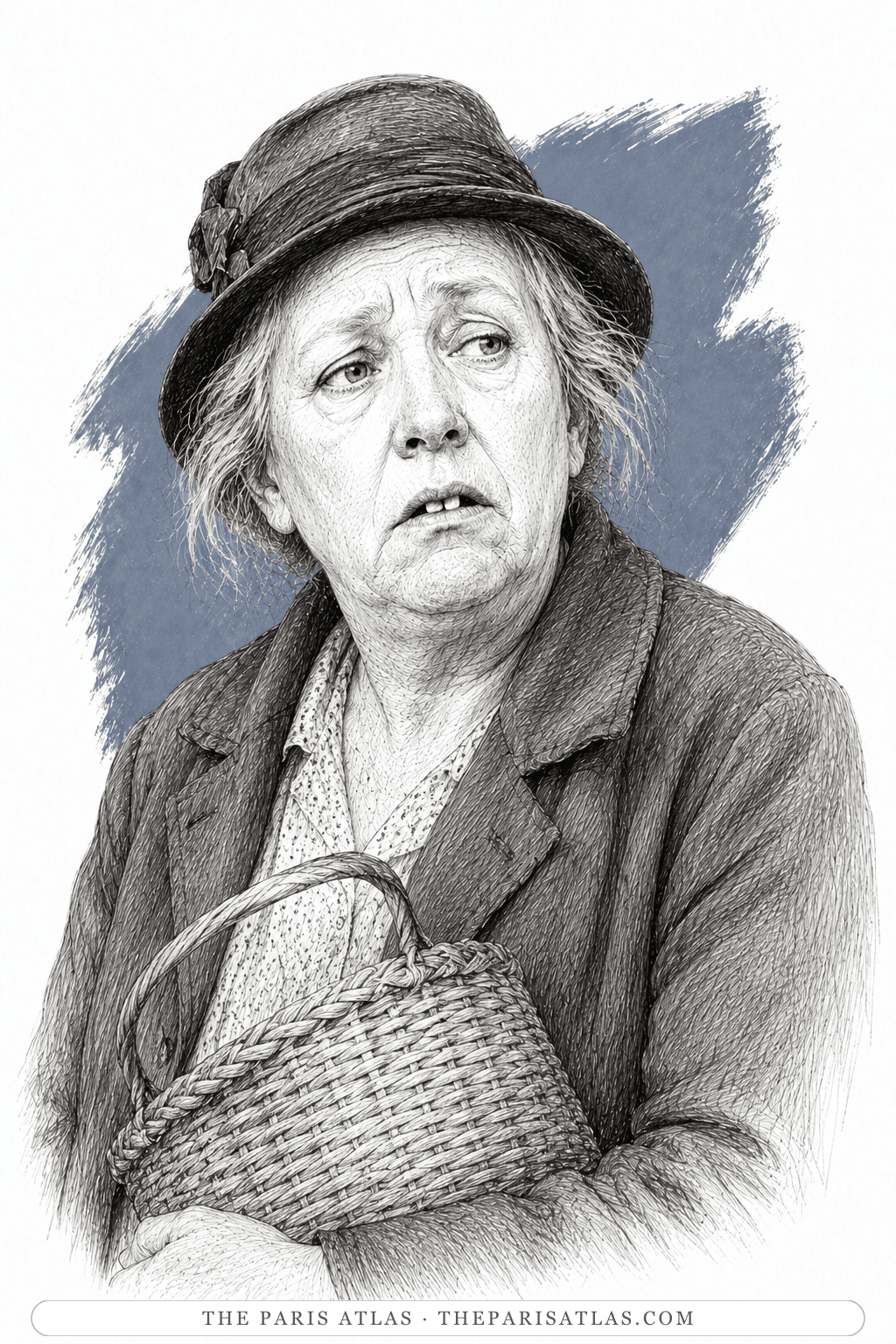
The other lending-library regular, and the one Mrs Penn turns her back on: dejected and round-shouldered, looking like a draggled duck, fumbling with a rush basket she upsets, nosing among the shelves without grasping that they are in alphabetical order. She mumbles through untidy lips, behind which are three isolated yellow teeth, and what she wants is a good read of Ethel M. Dell.

An ugly girl of twenty in a white overall, an assistant at a chemist's shop, with a sallow honest face and powerful spectacles that distort her eyes, who walks with a gait as clumsy as a bear's. She is the only customer in the library who says plainly what she wants: a good hot-stuff love story, because she cannot bear Deep books.

The waiter who ruins the day out at Burnham Beeches. A black-haired young man with a smooth sallow face and excellently cut dress clothes that look unclean, he takes them for people with no money at a glance and blocks their escape before they can take it. He repeats the order back with his eyebrows raised — nor any sweet to follow, sare, only ze cold beef — carries the cheap wine away by the neck, half concealing it, and pockets the tip with the air of covering something up.
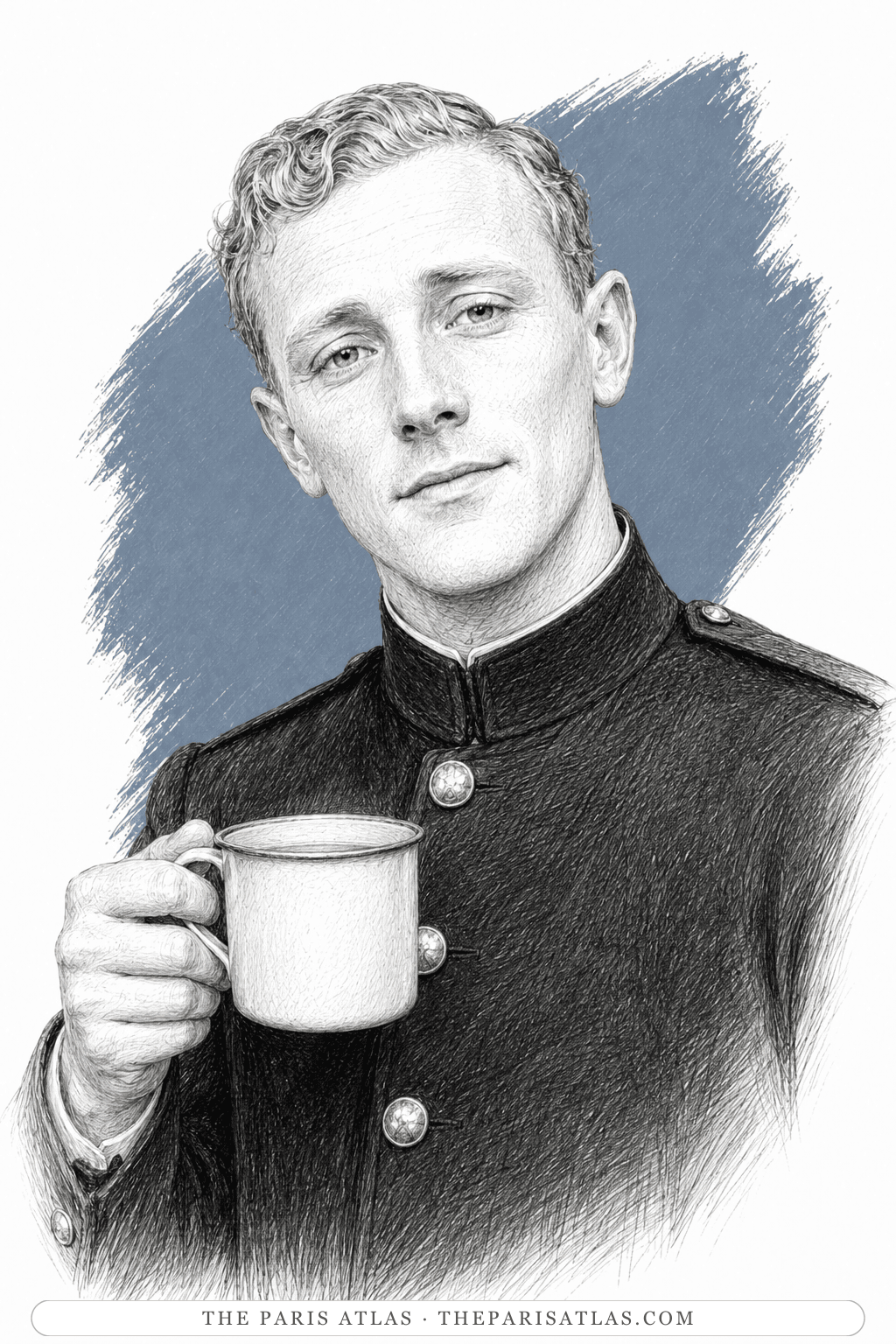
The young officer at the police station after Gordon Comstock's arrest: a solid rosy man of about twenty-five with a kind face, white eyelashes and a chest that reminds Gordon of a carthorse's. He brings tea, tells Gordon he was not half bad last night, advises him to plead guilty and say he will not do it again, and takes his tie away because they had a bloke hang himself with one once. George Orwell says his gentleness was astonishing, and that he handled Gordon almost like a nurse handling a child.
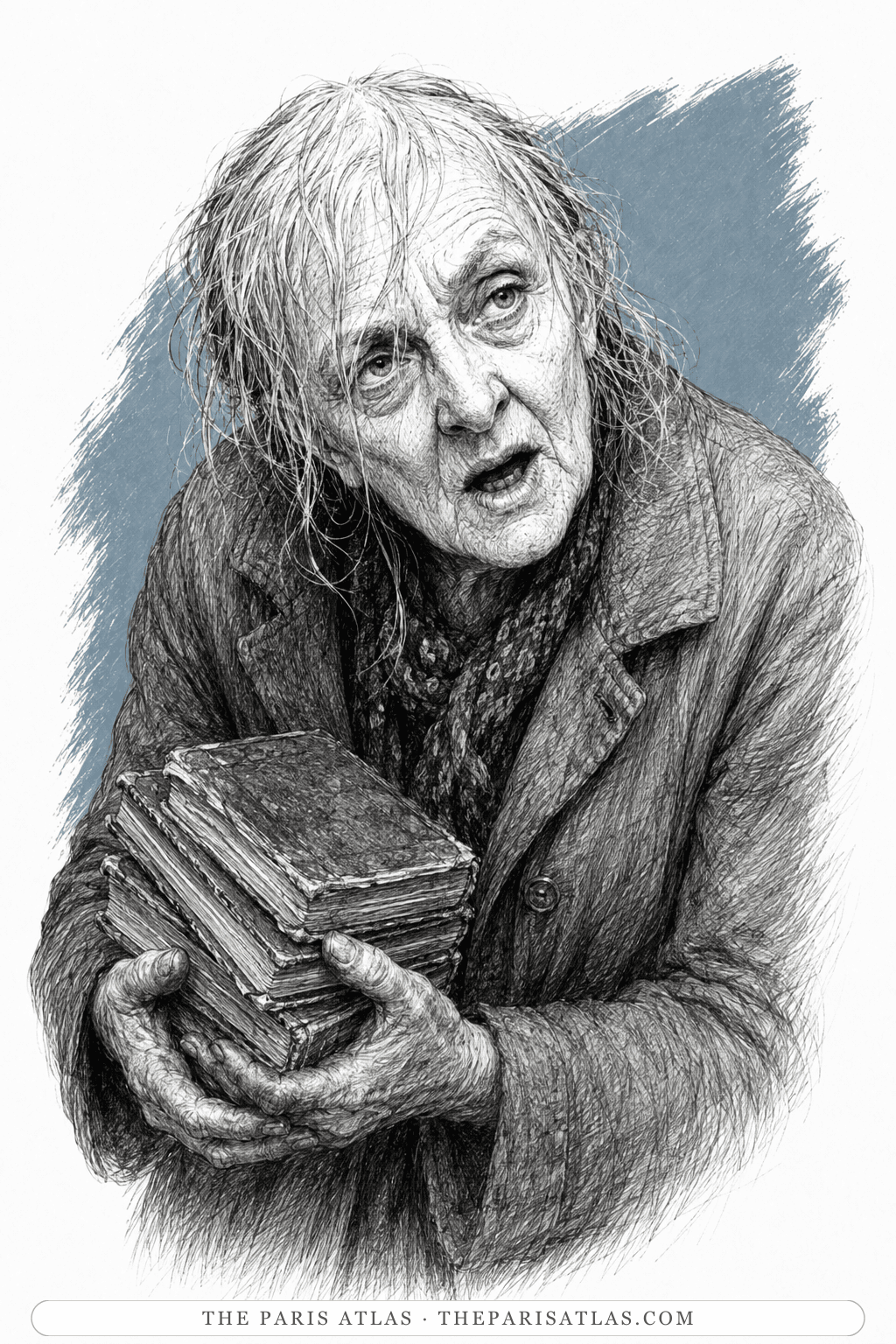
One of a pair of old creatures in greasy overcoats reaching almost to the ground, who comes into the shop with a sack under her coat and asks hoarsely whether they buy books. She looks up between grey strings of hair with what George Orwell calls a sort of hopeful malevolence, thrusts a dozen filthy volumes almost into Gordon Comstock's face at half a crown the lot, and when he refuses demands to know what he made her take them out of the bag for.

The head copywriter at the New Albion in Gordon Comstock's advertising days: a harassed man of about forty with wiry hair he keeps plunging his fingers into, working in a stuffy little office papered entirely with his own posters. He took Gordon under his wing, showed him the ropes, listened to his suggestions, and thought him very promising, which is the judgement Gordon spends the rest of the novel running away from.
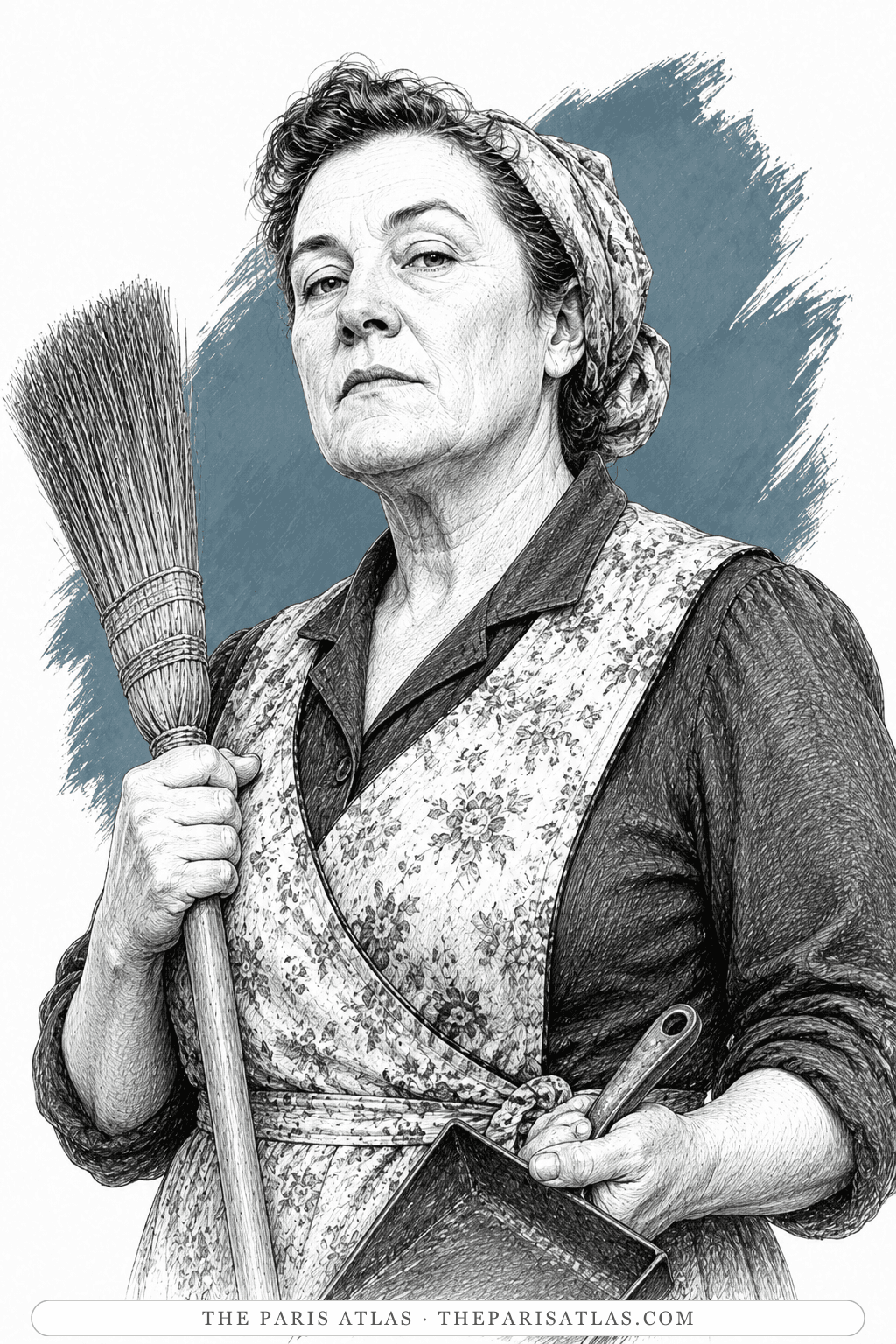
Ravelston's charwoman, who arrives at eight with the Telegraph and the Herald and has seen through Gordon Comstock as thoroughly as everyone else who comes to the flat. Her favourite move is to rout him out of the sitting room with broom and pan, announcing that she has got to do this room out, if you please.
October 1934
George Orwell starts work as a part-time assistant at Booklovers' Corner, 1 South End Road, Hampstead, arranged through his aunt Nellie Limouzin, and takes a rent-free room in the flat above the shop.
February 1935
He moves to Parliament Hill and finishes the novel there, writing in the mornings before his afternoon shifts.
1935
The poem Gordon Comstock assembles across the novel is published on its own, under the title "St Andrew's Day, 1935", the day the book opens.
19 February 1936
Orwell telegraphs Victor Gollancz from Wigan that the libel changes asked for are impossible and would mean complete rewriting. He sends a further list of changes five days later.
20 April 1936
Victor Gollancz publishes the novel in London.
1945
Reviewing his own work for his literary executor, Orwell lists this book and A Clergyman's Daughter among those that should never be republished.
1956
Harcourt, Brace publishes the first American edition, twenty years after the first British one.

The same arithmetic of being broke, counted just as closely, with one difference that changes everything: Gordon Comstock chose it and can stop whenever he likes.
Read our take
Its immediate predecessor, and the other novel he later asked publishers to leave alone.
Read our take
Two lower-middle-class Englishmen, one refusing the money-code at twenty-nine and one having accepted it at forty-five. Read together they are almost the same life at two dates.
Read our takeVictor Gollancz published it in London on 20 April 1936. It was George Orwell's third novel, after Burmese Days and A Clergyman's Daughter. It did not appear in the United States until Harcourt, Brace brought out the first American edition in 1956.
An aspidistra is a hardy, dark-leaved pot plant grown indoors, and in 1930s Britain it stood in the front window of an enormous number of lower-middle-class houses. It survives bad light, cold rooms and neglect, and that is why it was in so many windows. In George Orwell's novel it stands for respectability itself: the thing a family keeps going to show that it has not gone under. Gordon Comstock, the central character, hates the sight of it and tries several times to kill his landlady's.
He is the fictional central character of the novel: a twenty-nine-year-old assistant in a London bookshop who has published one unsuccessful book of poems, thrown up a well-paid job writing advertising copy, and lives on two pounds a week because he has, as he puts it, declared war on money. George Orwell invented him; he is not a portrait of anyone.
Only in part. George Orwell wrote most of it while working afternoons as an assistant at Booklovers' Corner, a bookshop at 1 South End Road in Hampstead, from October 1934, and lodging rent-free in the flat above it until March 1935. The bookshop and lending-library detail comes straight from that. The rest does not: Orwell never worked in an advertising agency, and Gordon Comstock's family, poems and plot are invented.
He disliked it, and he blamed the way it had been published. The Orwell Society records that in 1945, going over his own work for his literary executor, he listed Keep the Aspidistra Flying alongside A Clergyman's Daughter among the books that should never be republished. Before publication he had already described the text his publisher forced on him, in a letter to his agent, as mutilated. Both books were reprinted after his death in 1950.
Advertisements, mostly. The novel is largely built out of slogans and brand names, some real and most invented, and Victor Gollancz, who had been through unpleasant legal proceedings in the early 1930s, feared that even the invented ones sat too close to real products. He required several rounds of changes; George Orwell telegraphed him from Wigan on 19 February 1936 to say they were impossible and would mean complete rewriting, then supplied another list five days later. Peter Davison's Complete Works edition later restored about thirty of the original readings from the publisher's correspondence files, including the name of the grinning clerk on the Bovex poster: Corner Table in print, Roland Butta in manuscript.
Explore authors with a similar voice, perspective, and influence.
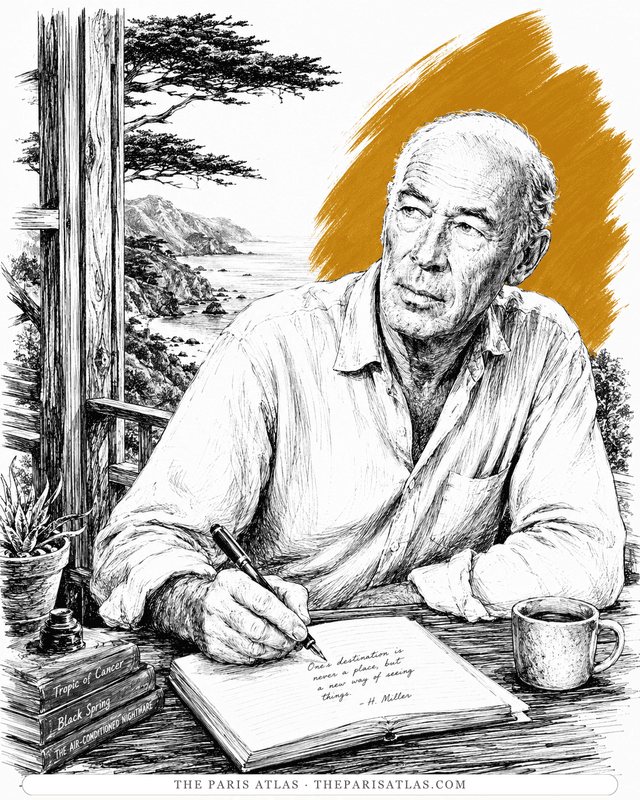
The Brooklyn dropout who arrived in Paris broke at thirty-eight and wrote the exuberant, banned books that ended American censorship.
View author
The doctor of the Paris slums who wrote the century's blackest, funniest novel — and changed the sound of French prose.
View author
French writer and philosopher whose novels, memoirs, and social analysis examined freedom, gender, responsibility, aging, and the material conditions that shape a life.
View authorThe sources below include the primary text, editions, scholarship, archival materials, and other records that informed this page. They document Keep the Aspidistra Flying, its publication, and its place in literary history.


Public transcription used for chapter 1's opening coin/bookshop sequence, chapter 11's final reflections and discarded manuscript, and chapter 12. No complete-novel or 1936 first-edition collation claim.
Used to place Keep the Aspidistra Flying within George Orwell's published work and verify its bibliographic context.

Used for independent biographical, archival, or historical context surrounding George Orwell's career and the period in which Keep the Aspidistra Flying appeared.
Used to cross-check authorship, chronology, and the work's place in George Orwell's wider catalogue.
Used to verify George Orwell's bibliography and place Keep the Aspidistra Flying within the broader chronology of George Orwell's career.
The primary text is the baseline reference for every book page. Additional references document publication history, interpretation, and historical context where that evidence is available.
 Explore more resources