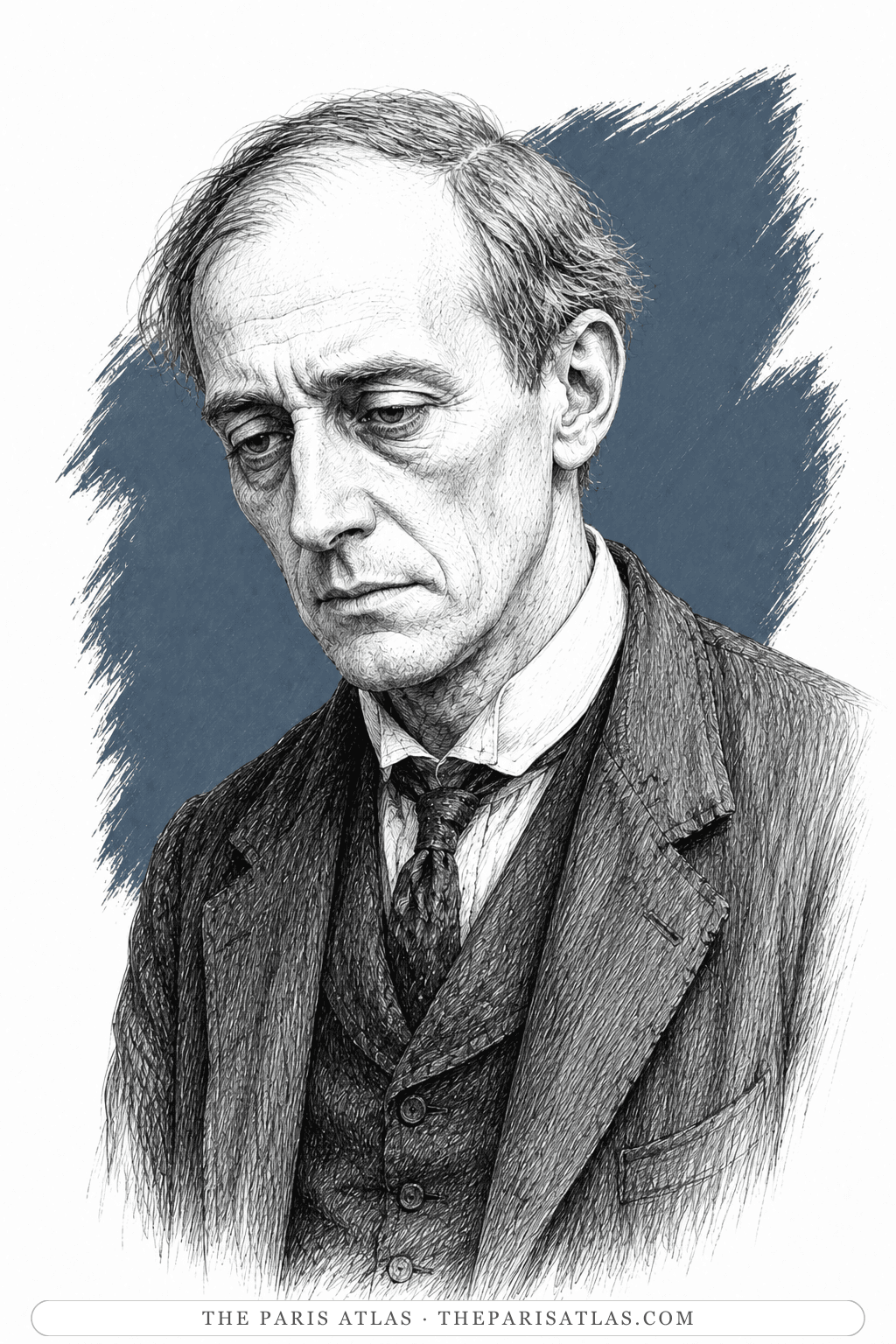
John Comstock
Gordon's father: worn out and spiritless, with some brains and a slight literary turn and a shrinking horror of anything to do with figures, who was therefore made a chartered accountant. He practised ineffectually, kept buying into partnerships that dissolved within a year, and died in 1922 at fifty-six, worn out and long ill with a kidney disease.
The book

At a glance
- Gordon and Julia's father; dead before the novel's present day
- Chartered accountant, chosen for him by his own father
- Between two hundred and five hundred pounds a year, falling
- 1922, aged fifty-six, after long illness with kidney disease
- About two hundred pounds
- Chapter 3, in the family history
Who they are in the book
Spoiler-freeJohn Comstock is the father of Gordon Comstock, the poet at the centre of Keep the Aspidistra Flying, George Orwell's novel of 1936. He died in 1922, when Gordon was seventeen, and appears only in the chapter that explains the family.
He had some brains and a mild taste for literature, and he could not stand anything to do with numbers. His own father, a self-made Victorian who liked putting his sons into work that did not suit them, made him a chartered accountant. He practised for the rest of his life and was never any good at it. He kept buying his way into partnerships that broke up after a year or two, and his income moved between five hundred pounds a year and two hundred, with the trend always downward.
Orwell's picture of him as a father is a boy's picture, because Gordon supplies it. He was cadaverous and despondent, badly stooped, dressed in clothes that were shabby and years out of fashion, and he carried an atmosphere of failure and worry about with him. Gordon, at a school full of richer boys, used to pray that his parents would not visit.
How John Comstock Is Portrayed
- The career he was givenA literary mind and a shrinking horror of figures, in Orwell's words, so his father made him a chartered accountant. He never escaped it. The partnerships he bought into kept dissolving and each one cost money.
- The one time he stood up to his fatherOf the eleven Comstock children who reached adulthood, he was the only one who dared marry while the old man was still alive. It is the single act of independence Orwell records in that entire generation.
- The visits to schoolGordon dreaded them. His father was the kind of father you cannot help being ashamed of at thirteen: stooped, shabby, out of date, visibly worried. Gordon still had a religion in those days and used it to pray his parents would stay away.
- The half crownWhen saying goodbye at school he would tip Gordon half a crown, and do it in front of the other boys, so that everyone could see it was two shillings and sixpence and not the ten shillings a boy was supposed to get. Twenty years later the memory still made Gordon shudder.
- The illness and the endHe had kidney disease for a long time. He died in 1922 at fifty-six, worn out, and left about two hundred pounds. Rather than setting up his daughter Julia in business, more than half of it went on keeping Gordon at a school that cost about a hundred and twenty pounds a year.
If you like Keep the Aspidistra Flying


If you like George Orwell
Explore authors with a similar voice, perspective, and influence.
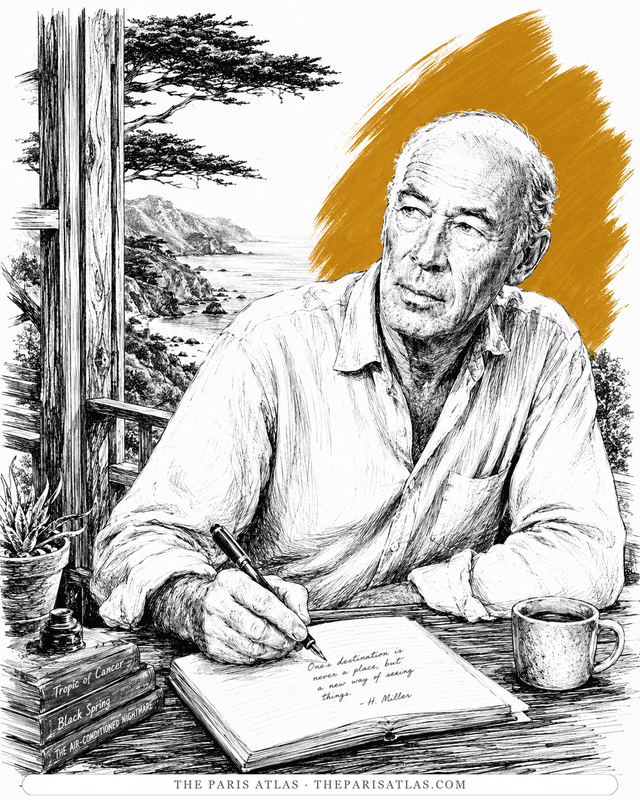
Henry Miller
The Brooklyn dropout who arrived in Paris broke at thirty-eight and wrote the exuberant, banned books that ended American censorship.
View author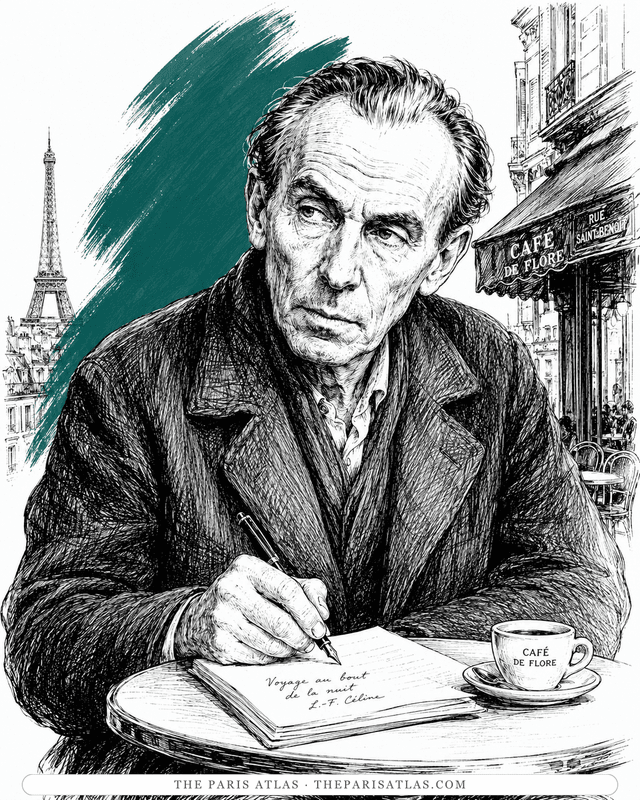
Louis-Ferdinand Céline
The doctor of the Paris slums who wrote the century's blackest, funniest novel — and changed the sound of French prose.
View author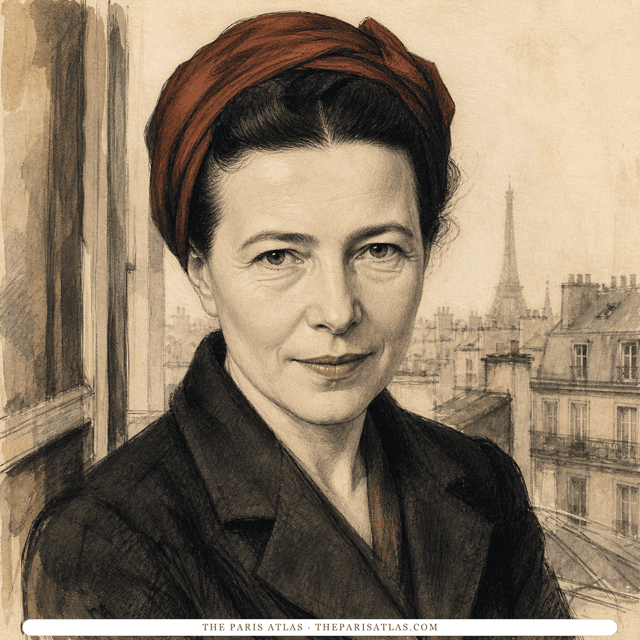
Simone de Beauvoir
French writer and philosopher whose novels, memoirs, and social analysis examined freedom, gender, responsibility, aging, and the material conditions that shape a life.
View author