Mr McKechnie
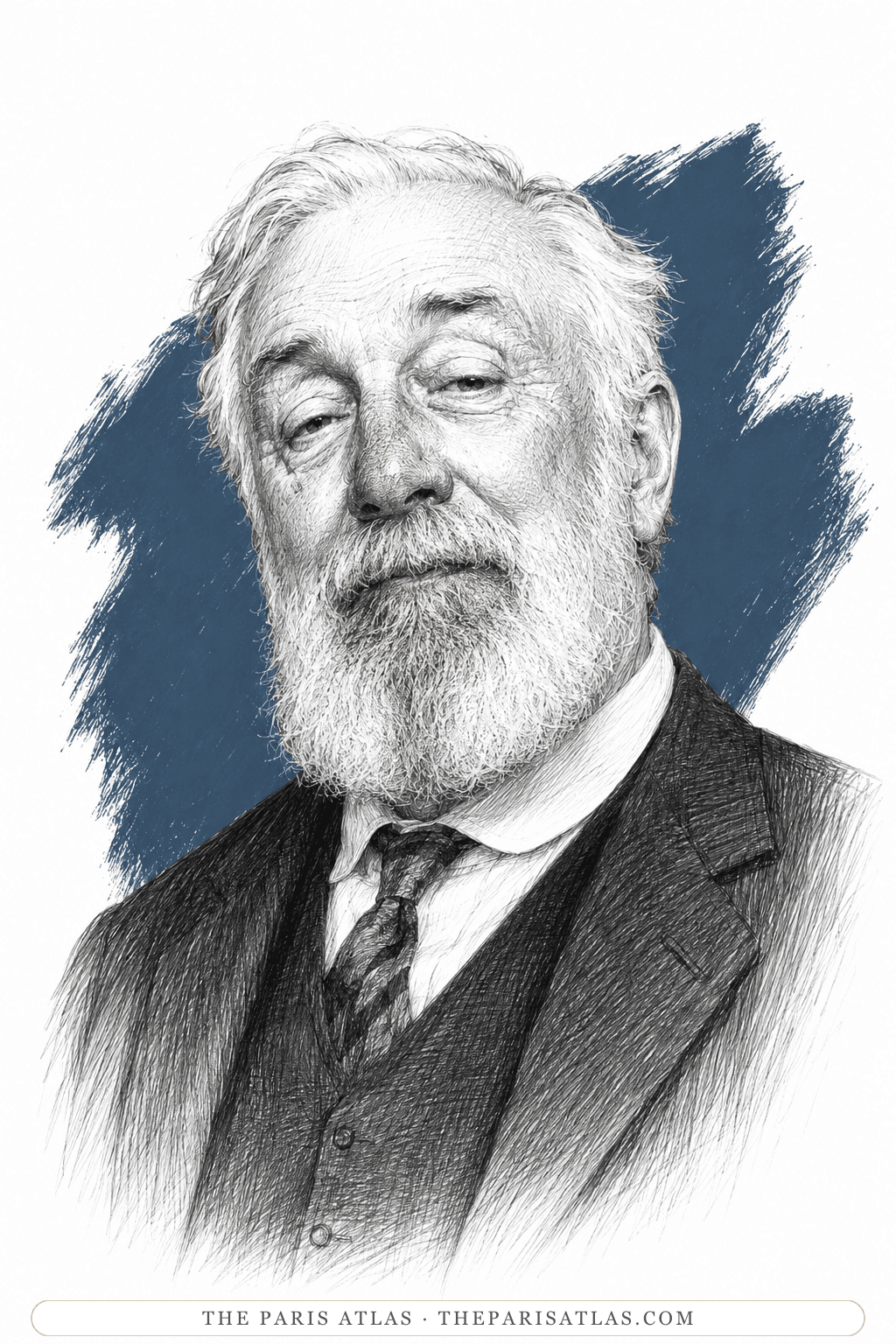
The elderly Scottish bookseller who employs Gordon at two pounds a week. He wanted an assistant who looked like a gentleman and could talk about books, seldom comes downstairs, and is a teetotaller, which turns out to matter a great deal.
To be left alone upstairs with his snuff and his folios while somebody else minds the shop. In the two years Gordon works there he is described coming down to the counter almost never.
The book

At a glance
- Owner of the bookshop where Gordon works, for two years
- Seven thousand books, plus a twopenny no-deposit lending library of eight hundred novels
- Two pounds a week, ten hours a day
- He wanted someone who looked like a gentleman and could talk about books
- Teetotaller; some Nonconformist sect
Who they are in the book
Spoiler-freeMr McKechnie keeps the second-hand bookshop on a corner where four streets converge, opposite the Prince of Wales and a hoarding covered with advertisements for patent foods. It holds about seven thousand books: a front room that is smart and expensive-looking, a dark room smelling of dust and decayed paper, and a twopenny no-deposit lending library of eight hundred novels arranged alphabetically from Arlen to Walpole. George Orwell wrote the novel while working afternoons in a Hampstead bookshop himself, and the trade detail here is the closest the book comes to reportage.
What he was looking for was not a trained assistant who would expect full wages. He wanted somebody who looked like a gentleman and could talk about books, to impress the more bookish customers, and Ravelston, a customer of his, put Gordon Comstock forward for exactly that reason. The hours are long, the pay is two pounds a week, and there is no chance of advancement, which was the whole attraction. Orwell calls him not a bad old stick: reasonably free from avarice, his most distinctive trait laziness.
How Mr McKechnie Is Portrayed
- How he is drawnA sleepy, benign old Scotchman, white-haired, with a red nose and a white beard stained by snuff. That is nearly the whole physical description in the book, and it is given twice.
- The room upstairsHe drowses by the gas-fire with the snuff-box handy, over a calf-bound folio of Middleton's Travels in the Levant, while Gordon lights up the shop below and waits for the last customers.
- Ladies' CornerHis own name for the two shelves of dog-books and cat-books at the front. Two upper-middle-class women come in fairly often, take the books down, argue loudly about Pekes, and never buy anything.
- TeetotalHe does not drink and belongs to some Nonconformist sect or other. Gordon, noting the redness of the nose, sometimes wonders whether he is a secret drinker in the traditional Scottish style, and concludes it is probably the snuff.
- What actually angered himNot the missed day's work and not the lie told on the telephone, though both counted. Ravelston reported that the drunkenness angered him in a way that was peculiar: he gave the impression that he would almost have preferred Gordon to pinch money out of the till.
- The relentingWeeks later he writes to Ravelston. Not to take Gordon back, which is out of the question because these scandals are bad for trade, but to mention that a bookseller called Cheeseman in Lambeth is looking for an assistant. He had met him at an auction and told him the whole story, drunkenness included.
If you like Keep the Aspidistra Flying


If you like George Orwell
Explore authors with a similar voice, perspective, and influence.

Henry Miller
The Brooklyn dropout who arrived in Paris broke at thirty-eight and wrote the exuberant, banned books that ended American censorship.
View author
Louis-Ferdinand Céline
The doctor of the Paris slums who wrote the century's blackest, funniest novel — and changed the sound of French prose.
View author
Simone de Beauvoir
French writer and philosopher whose novels, memoirs, and social analysis examined freedom, gender, responsibility, aging, and the material conditions that shape a life.
View author