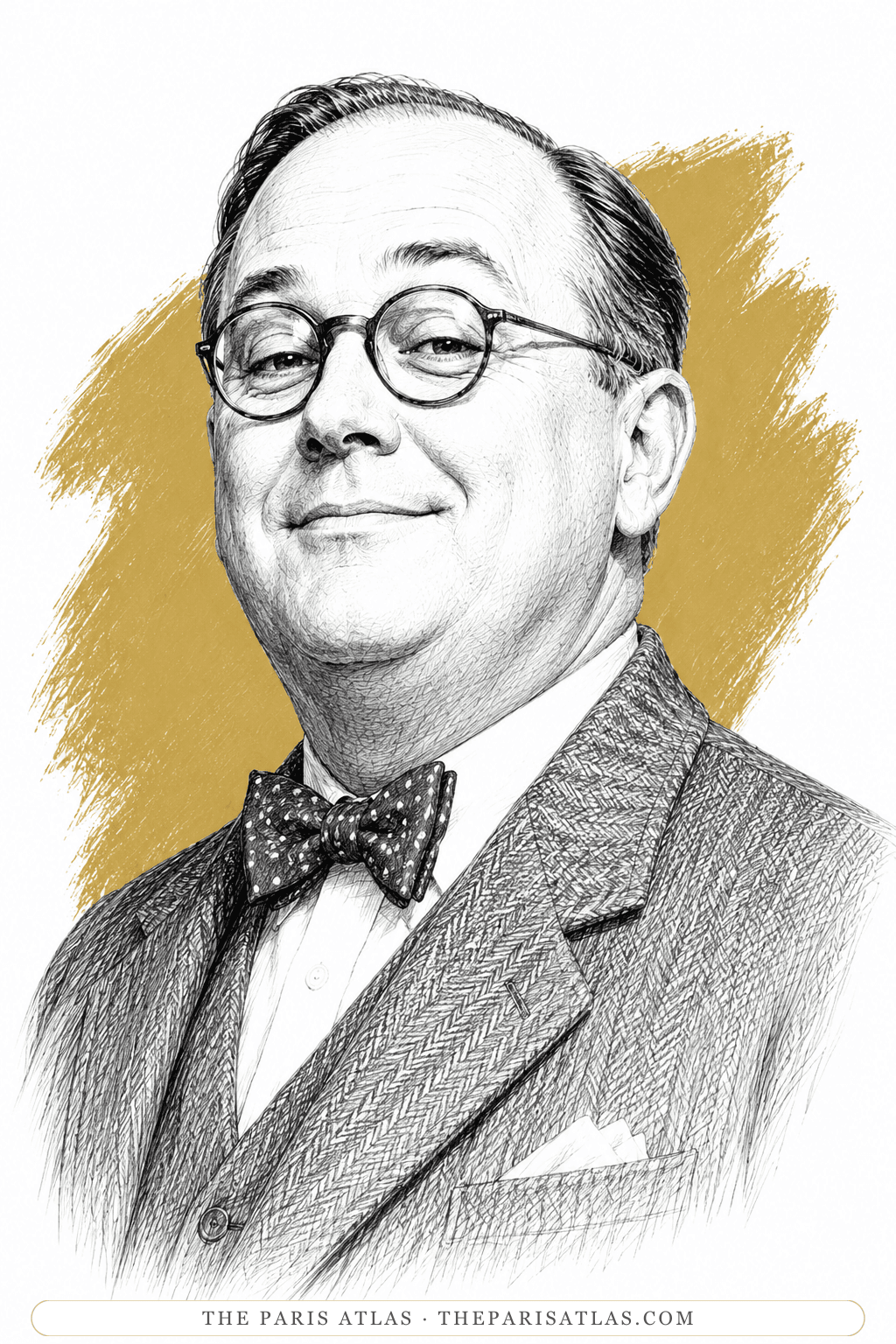
Paul Doring
A prosperous hack critic who reviews novels for a Sunday paper and gives literary tea-parties in Coleridge Grove. He is the occasion of the worst snub in the book, and he almost certainly did not mean it.
To keep a literary salon going. He fills his house every few weeks with bright young things and middle-aged women lately escaped from good Christian homes, and introduces every guest to every other by their most impressive credential.
The book

At a glance
- Critic; host of the literary tea-parties Gordon goes to
- The Sunday Post
- Coleridge Grove, a damp blind alley of decaying houses
- A wife, who is certain she told Gordon the day
- Chapters 4 and 5, and one letter
Who they are in the book
Spoiler-freePaul Doring reviews novels for the Sunday Post and discovers the great English novel, George Orwell writes, with Walpolean regularity once a fortnight. He is an astonishingly bad critic and a prosperous one, and Gordon Comstock cannot work out why a man who could afford a flat on Hyde Park Corner chooses to live in Coleridge Grove instead. Perhaps a penance, he decides, propitiating the injured gods of literature by living in refined discomfort.
Nothing Doring does in the book is unkind. He is kind in a slapdash way, he invites Gordon to his parties and introduces him to everybody as the poet who wrote that dashed clever book called Mice, and when Gordon fails to turn up he writes a friendly letter explaining the mix-up and inviting him to the next one. The whole episode tests the theory Gordon lives by, that people insult you because you have no money, and Gordon refuses to let the evidence disturb it.
How Paul Doring Is Portrayed
- Coleridge GroveA damp, shadowy blind alley of antique decaying houses in dank gardens, where Coleridge was rumoured to have lived for six weeks in the summer of 1821. An electric doorbell would be considered low and unliterary there, so the bell is on a wire.
- The partiesNo one really worth meeting ever comes. Half the guests are women trying to be literary; the star exhibits are troops of bright young things who form circles of their own and talk about other bright young things by nickname. Gordon spends the time hanging about on the edges of conversations, and looks forward to the next one just as much.
- The introduction"Gordon Comstock — YOU know; the poet. He wrote that dashed clever book of poems called Mice. YOU know." Gordon has never yet encountered anybody who did know.
- The empty houseGordon arrives on a Thursday for a party that was moved to the Saturday. No smoke from the chimneys, no lights, no footmarks on the steps. He wrenches the bell anyway, twice, and a servant girl next door comes out to see what the noise is and looks into the middle distance.
- The letterDoring writes a few days later: what a pity you didn't turn up, there were some people I wanted you to meet, we did tell you it was Saturday, my wife says she's certain she told you, come to the next one on the twenty-third. Gordon tears it into small bits, writes one obscene line in reply, and goes straight out to post it before morning can change his mind.
If you like Keep the Aspidistra Flying


If you like George Orwell
Explore authors with a similar voice, perspective, and influence.

Henry Miller
The Brooklyn dropout who arrived in Paris broke at thirty-eight and wrote the exuberant, banned books that ended American censorship.
View author
Louis-Ferdinand Céline
The doctor of the Paris slums who wrote the century's blackest, funniest novel — and changed the sound of French prose.
View author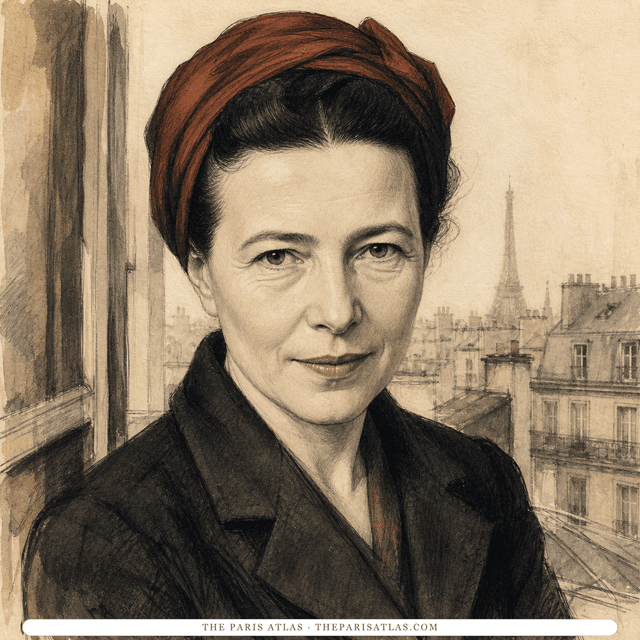
Simone de Beauvoir
French writer and philosopher whose novels, memoirs, and social analysis examined freedom, gender, responsibility, aging, and the material conditions that shape a life.
View author