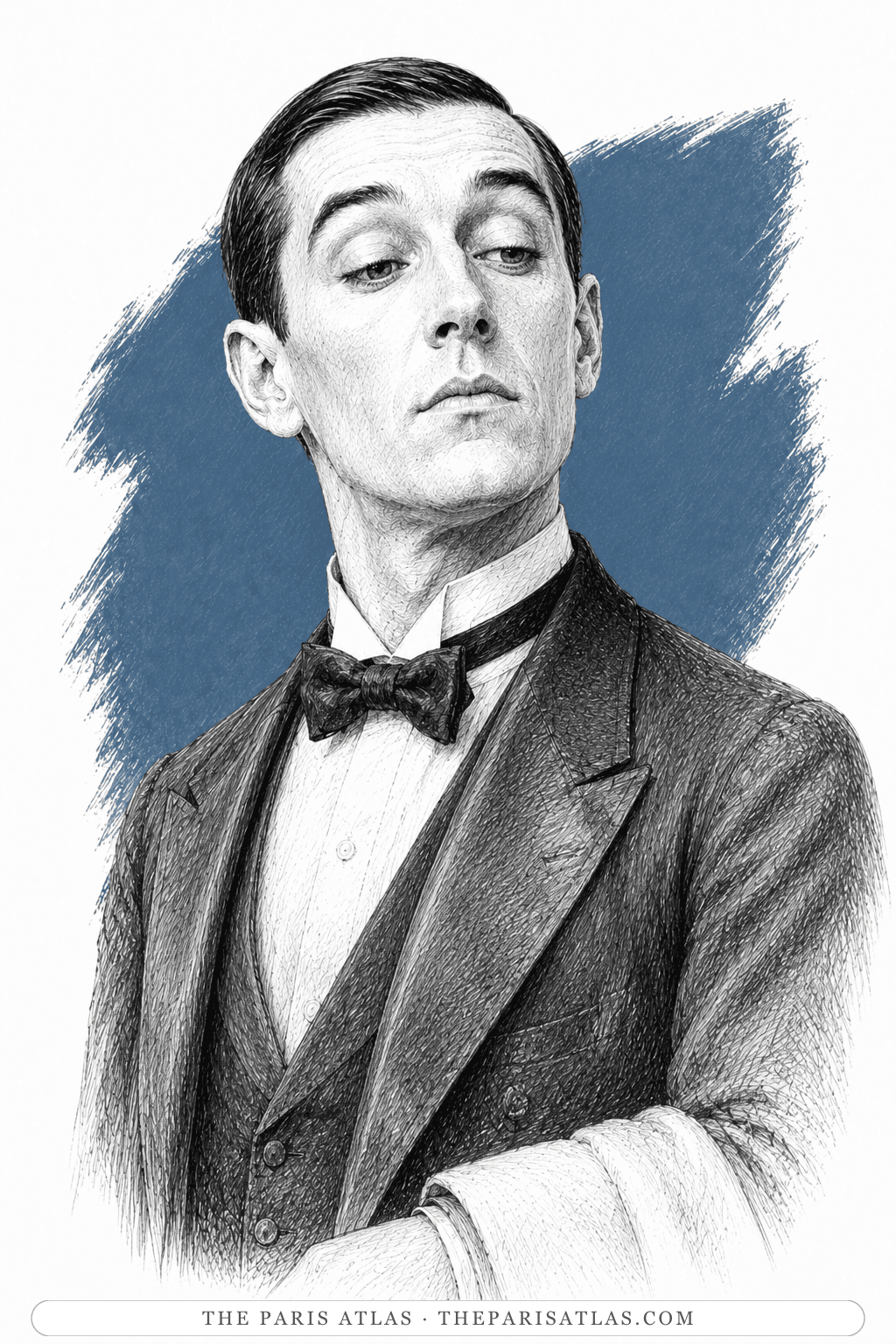
The waiter at the riverside hotel
The waiter who ruins the day out at Burnham Beeches. A black-haired young man with a smooth sallow face and excellently cut dress clothes that look unclean, he takes them for people with no money at a glance and blocks their escape before they can take it. He repeats the order back with his eyebrows raised — nor any sweet to follow, sare, only ze cold beef — carries the cheap wine away by the neck, half concealing it, and pockets the tip with the air of covering something up.
To make the lunch cost as much as it possibly can. He blocks the retreat at the door, then works down the menu — soup, fish, a sweet — before he will accept an order of cold beef.
The book

At a glance
- The waiter who serves Gordon and Rosemary lunch on their day in the country
- The Ravenscroft, on the river beyond Farnham Common, near Burnham Beeches
- Foreign, and by Orwell's guess assumed; he takes him for an Englishman
- Six and threepence, and a shilling on top, out of the seven and elevenpence Gordon had
- Chapter 7
Who they are in the book
Spoiler-freeThe waiter works at the Ravenscroft Hotel, a smart riverside place beyond Farnham Common, where Gordon Comstock, the London bookshop assistant whose year the novel follows, has brought Rosemary Waterlow for their one day in the country. They have walked from the bus and they have seven and elevenpence between them. Their plan, agreed in the road outside, is to be firm and ask for bread and cheese and beer.
George Orwell describes a black-haired young man with a very smooth, well-featured, sallow face, in dress clothes excellently cut and yet unclean-looking, as though he seldom took them off. He looks like a Russian prince. The guess Orwell then makes is the important one: probably he is an Englishman, and has assumed a foreign accent because a foreign accent is proper in a waiter. His speech is printed as he pronounces it, from the first line onwards — "Luncheon, sare? Yes, sare. Zees way."
He sums the two of them up at the door as having no money, works out that they mean to escape, and stops them before they can. Almost everything he does after that is done with his eyebrows. The lunch comes to six and threepence, and Gordon, who cannot afford it, leaves a shilling on top.
How The waiter at the riverside hotel Is Portrayed
- The dress clothesExcellently cut and yet unclean-looking, as though he seldom took them off, over a very smooth, well-featured, sallow face. He looks, Orwell says, like a Russian prince.
- Probably an EnglishmanOrwell makes the guess in the same breath as the description: the accent is assumed, because a foreign accent is what a waiter is expected to have. If he is right, the contempt handed out for the rest of the scene is English contempt in a borrowed accent.
- Summed up at the doorHe has taken them for people with no money at a single glance, and he has also divined that it is in their minds to fly. "Sare?" he demands, lifting his tray off the table he was serving, and the retreat is closed.
- The order taken in instalmentsHe hands over a flyblown menu and stands over Gordon with the menacing air of a waiter who knows there is not much money in the pocket. Only ze cold beef, sare? But no soup to start wiz? Nor any fish? Nor any sweet to follow? Gordon thinks he has never hated anyone so much.
- The whole bottleThe cheapest wine on the list is a nameless table claret at two and nine. The eyebrows rise again: you will have ze WHOLE bottle, sare? You would not prefare ze half bottle?
- One movement of contemptIt answers the order, and Orwell puts all of it in a single delicate movement: the head inclined, the left shoulder shrugged, and the man turning away.
- How he carries the wineBy the neck, half concealed behind his coat tails, as though it were something a little indecent or unclean. Told that red wine is not served stone cold and sent away to warm it, he goes with easy disdain, his raised eyebrow asking whether it was worth warming.
- Ironically patient by the doorHe stands there through the meal with his napkin over his arm, using his presence to make them uncomfortable. It works until the sun comes out and they forget him. When Gordon asks for the bill he makes one last attempt: ze bill, sare? But you do not wish any coffee, sare?
- The tipGordon takes all his money out of his pocket, and the waiter, salver on his arm, eyes the handful and sees plainly that it is everything. He balances the shilling for a moment on his hand, flicks it over, and slips it into his waistcoat pocket with the air of covering up something unmentionable.
If you like Keep the Aspidistra Flying


If you like George Orwell
Explore authors with a similar voice, perspective, and influence.

Henry Miller
The Brooklyn dropout who arrived in Paris broke at thirty-eight and wrote the exuberant, banned books that ended American censorship.
View author
Louis-Ferdinand Céline
The doctor of the Paris slums who wrote the century's blackest, funniest novel — and changed the sound of French prose.
View author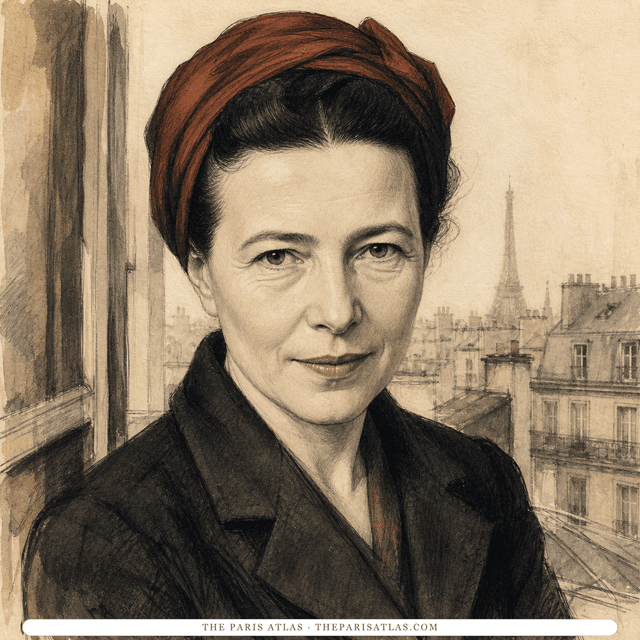
Simone de Beauvoir
French writer and philosopher whose novels, memoirs, and social analysis examined freedom, gender, responsibility, aging, and the material conditions that shape a life.
View author