

Crazy Cock
The other recovered apprenticeship novel — second marriage and the triangle, where this one is first marriage and the job.
Read our take
by Henry Miller
Miller's first surviving novel — Western Union, a failing first marriage, and New York as a machine for grinding men down, written in 1927 and unpublished for sixty-five years.
The earliest Miller novel that survives, written in 1927–28 while he managed messengers for Western Union and his first marriage failed around him. Dion Moloch, personnel man, walks New York in a rage the prose can barely contain. Abandoned, rediscovered in 1988, and published in 1992 — the first ledger of everything Tropic of Capricorn later set on fire.
Miller wrote Moloch in 1927 and 1928, at a desk he hated, in the life the book describes: employment manager at the Western Union Telegraph Company — the 'Cosmodemonic' of the later books — married to the pianist Beatrice Wickens, living in Brooklyn, and convinced the life was killing him. A patron had offered to stake him as a writer; Moloch is partly what he produced to prove the stake was good.
It is his first extant attempt at the autobiographical novel — third person, a stand-in hero, the material of his days barely transposed. The hiring hall, the messengers, the marriage curdling in a Brooklyn flat, the long walks through a city he renders as an assault: everything Tropic of Capricorn would later detonate is here in its unexploded form.
Miller shelved it, and the manuscript sat for sixty years until the biographer Mary V. Dearborn rediscovered it in 1988. Grove published it in 1992. Like Crazy Cock it is read now less for itself than for what it reveals: the pressure building, one book before the burst.
Dion Moloch is the employment manager of a New York telegraph company — hiring and firing the city's most desperate men from behind a desk that puts the whole grinding machinery of the town through his office daily. He is clever, contemptuous, stalled: a man who believes he is meant for something the life around him does not contain.
The novel moves the way Moloch does — out of the office and into the streets, Manhattan and Brooklyn in long walking transits, home to a marriage that has gone bitter, and back again. His wife Blanche and the household's daily warfare press on one side; the job's parade of applicants and firings on the other; and through it runs Moloch's mounting conviction that the city itself — This Gentile World of the subtitle — is organized against everything he means to become.
There is no escape hatch and no Paris — that came later, for the author. The book bends back toward the marriage: after a separation, Moloch and Blanche reach a kind of muted, compromised reckoning rather than a resolution — the ending of a man not yet able to imagine the departure his creator would eventually make. The real exit from this book is biographical: Miller left the job, the marriage, and the third person, and the next time he wrote this material it was Tropic of Capricorn.
Before the novel brings its employment manager to his desk, it places him among the Bowery crowds. His private response turns people and machinery into a grotesque, clamorous spectacle, while onlookers see an ordinary man in worn clothes. That gap unsettles his claim to stand apart from the world he judges. The narrator repeatedly describes him as sensitive while also naming his antisemitism. His alienation therefore cannot be accepted as moral authority: the man who feels ground down by society also carries prejudices into a job that gives him power over others.
The opening account of Moloch's marriage makes money part of its emotional history. He must borrow for his wedding grooming, and the bride pays the marriage fee, a contribution the narrator says remains a grievance. Matrimony then makes employment necessary. This sequence complicates the image of a man trapped by wife and job: his apparent confinement also rests on someone else's support. The narrator's evasive refusal to tell the whole courtship further keeps the account from becoming a balanced explanation of the couple's estrangement.
The telegraph-company years that Capricorn made mythic appear here as reporting: the hiring hall observed from the desk while Miller still sat at it.
Nearly everything Miller published orbits June. This is the rare book built from the first marriage — the Beatrice years — and it completes the biography the famous books leave out.
Moloch's fury at New York is the same current that powers the Tropics, still running through conventional prose. Watching it strain against the form explains why the form had to break.

Employment manager of a New York telegraph company — clever, contemptuous, stalled, and certain the city is organized against him. Miller's first surviving self-portrait.
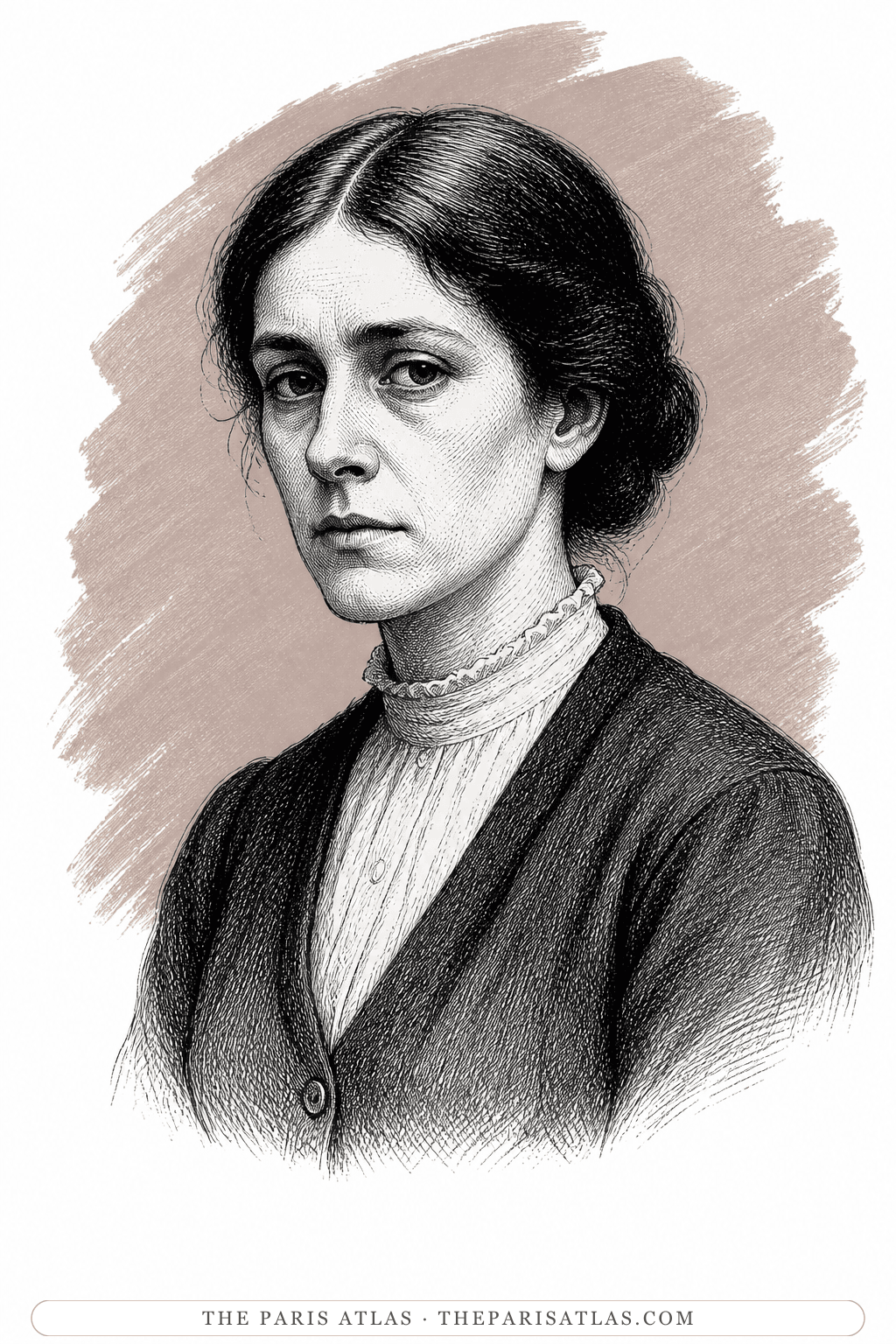
Moloch's wife, holding the household together through its daily warfare — drawn from Miller's first marriage, to the pianist Beatrice Wickens.
1927
Miller begins the novel while managing messengers at Western Union.
1928
The manuscript is finished and set aside.
1988
Mary V. Dearborn rediscovers the manuscript.
1992
Grove publishes Moloch; or, This Gentile World.


The other recovered apprenticeship novel — second marriage and the triangle, where this one is first marriage and the job.
Read our take
The same Western Union years, rewritten a decade later in the first person and on fire.
Read our take

A New York telegraph-company employment manager, Dion Moloch, grinding through a hated job and a failing marriage in the late 1920s — Miller's own life at Western Union, transposed into his first surviving novel.
Written in 1927–28 and abandoned; rediscovered by the biographer Mary V. Dearborn in 1988 and first published by Grove in 1992, twelve years after Miller's death.
No — the marriage in Moloch is drawn from Miller's first, to Beatrice Wickens. The June books are Crazy Cock, the Tropics, and The Rosy Crucifixion. June's role in Moloch's story is different: she urged him toward full-time writing in the years it was drafted.
Moloch is the hero's surname, borrowed from the Canaanite god associated with sacrifice — the name carries the book's view of New York as a machine fed with men. The full title is Moloch; or, This Gentile World.
Read Capricorn first. Moloch is the same material one voice earlier, and its interest is mostly comparative — the unexploded form of the book Miller eventually wrote about those years.
Explore authors with a similar voice, perspective, and influence.

Miller's acknowledged master at making literature out of the gutter. Journey gave him permission; Cancer is what he did with it.
View author
Pound read Cancer and sent Miller a famously backhanded postcard. Both believed literature's job was to wake the reader by any means necessary.
View author
French writer and philosopher whose novels, memoirs, and social analysis examined freedom, gender, responsibility, aging, and the material conditions that shape a life.
View authorThe sources below include the primary text, editions, scholarship, archival materials, and other records that informed this page. They document Moloch, its publication, and its place in literary history.


The primary text represented by this page, used for descriptions of the work’s contents and for any quoted passages shown here.
Web source consulted for documented facts and historical context presented on the Moloch page.
Used for the manuscript’s early history, later recovery, and its autobiographical background.
Used to cross-check the Brooklyn chronology and the novel’s place before Miller’s Paris books.

The archival inventory supplies independent manuscript and family-paper context for Miller’s early writing.
The primary text is the baseline reference for every book page. Additional references document publication history, interpretation, and historical context where that evidence is available.
 Explore more resources