

Semblance of a Devoted Past
The earlier, much shorter selection drawn from the Schnellock letters.
Read our take
by Henry Miller
Before Paris became legend, Miller wrote the struggle in real time to his oldest artistic confidant: work, failure, books, marriage, and escape.
Letters to Emil collects Henry Miller’s letters to his boyhood friend Emil Schnellock from 1921 to 1934. Miller prepared a selection as early as 1938, but the fuller book did not appear until New Directions published it in 1989. The letters document his emergence from New York frustration into the Paris writer of Tropic of Cancer: jobs, marriages, reading, poverty, ambition, and the stubborn belief that a new life could be made through art.
Schnellock is the trusted witness before fame. Miller can boast, despair, gossip, and test artistic declarations without needing to convert experience into a finished public persona.
The dates make the collection a bridge between the unpublished American novels and the breakthrough Paris books. Ideas later polished into autobiography appear here as immediate need and uncertain experiment.
Emil Schnellock was a friend from Miller’s boyhood who became a painter and teacher. Renewing that friendship gave Miller a reader to whom he could describe his attempts to write. The letters preserve ambition before the publication of Tropic of Cancer made it look like an inevitable success.
The sequence runs from the early 1920s to 1934. It covers Miller’s last New York years and his arrival in Paris, including his troubled marriage to June and growing relationship with Anaïs Nin. These are reports made during the struggle, rather than chapters reconstructed decades afterward.
An August 1931 letter excerpt reproduced in Guy Stevenson’s thesis puts the beginning of Miller’s Paris book on the following day. That near deadline matters: he is announcing an intention, not remembering a finished achievement. His compressed sequence of promises rejects censorship and fixed form while committing to a first-person voice. Addressed to Schnellock, the declaration makes a private decision something another person can hear and remember.
A familiar recipient allows Miller to test a voice without the demands of a completed novel. Complaint, excitement, reading, and practical worries can occupy the same letter. New Directions identifies this correspondence as an important setting for the development of his prose.
The letters also give ambition a timescale. Instead of moving directly from a failed job to a famous book, Miller spends years seeking a form and an audience. The dated exchange helps readers understand how long the apparent breakthrough took.
Another excerpt in Stevenson’s study catches Miller qualifying his enthusiasm for Oswald Spengler. He wonders whether he will retract his praise within two years, then returns to his present admiration. The question does not cancel the excitement; it lets doubt remain audible inside it. This small reversal shows what correspondence can preserve that a settled verdict would suppress: a reader enjoying an idea while anticipating that his judgment may change.
Schnellock is more than a name on an envelope. His experience as an artist makes him a useful reader for Miller’s thoughts about creative work. The correspondence connects literary effort with the painterly interests that recur elsewhere in Miller’s writing.
These are Miller’s letters to Schnellock, so their form gives the reader one side of the conversation. What Miller chooses to tell his friend is evidence of his concerns, not a complete record of Schnellock’s response or of every event in the relationship.
Miller prepared Letters to Emil for publication in 1938, but the book did not appear until 1989. That gap separates the period of the letters, Miller’s preparation of them, and the posthumous edition. All three dates matter when placing it in his career.
Semblance of a Devoted Past had already presented an earlier selection from the Schnellock correspondence in 1944. The two volumes share a recipient and some underlying material, but they are distinct selections. Readers tracing the letters should compare their coverage rather than assuming a simple change of title.
Ambition and failure arrive before later autobiography can make them seem inevitable.
Schnellock gives Miller a correspondent who remembers the life before the literary persona.
Emil Schnellock’s experience as a painter gives Miller a correspondent with whom to discuss creative work across more than one medium.
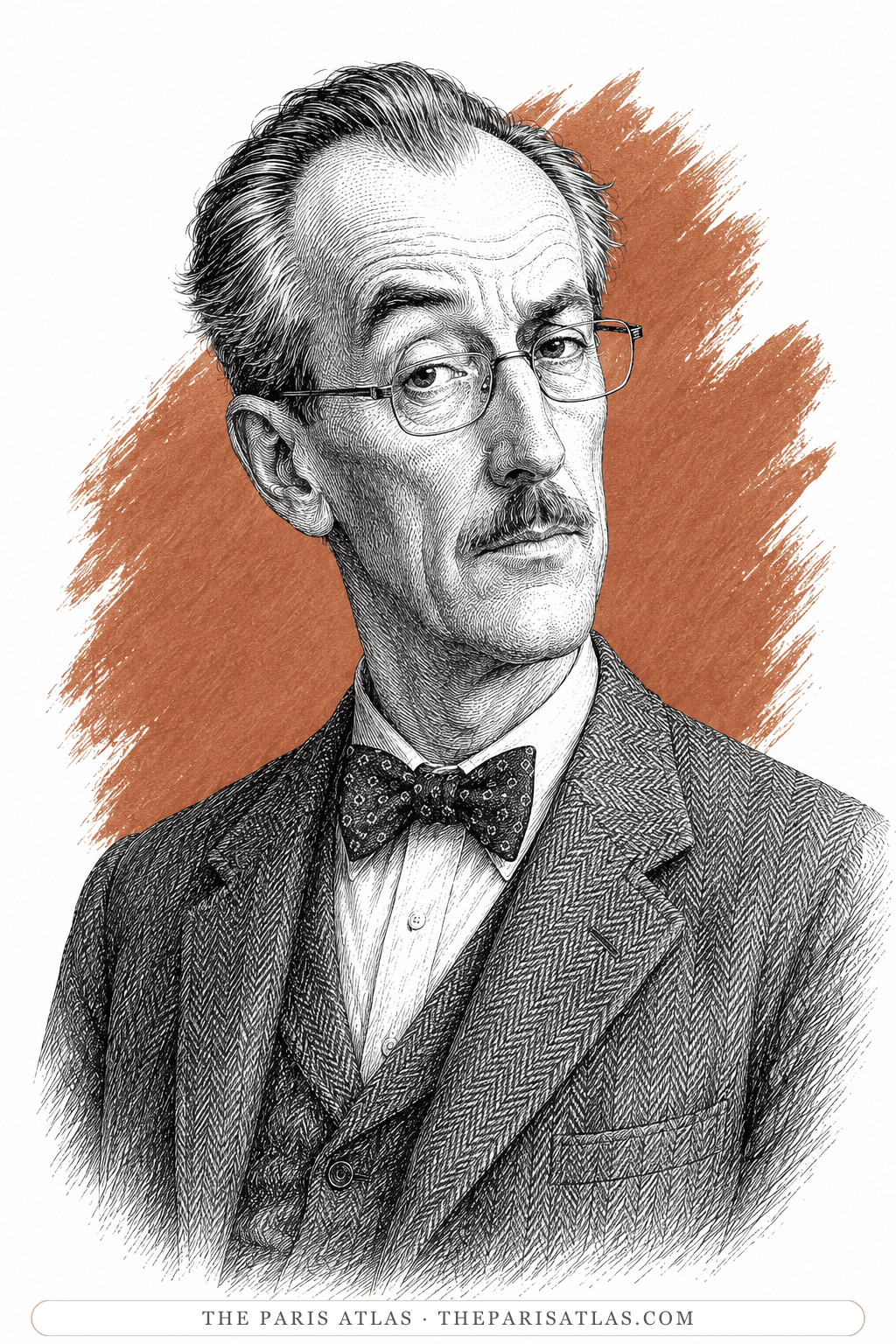
Miller’s boyhood friend, fellow painter, and long-serving confidant, addressed across the years of apprenticeship and escape.
1921
The correspondence represented in the collection begins.
1934
The selected period closes as Miller’s Paris work reaches publication.
1938
Miller prepares an early selection of the letters.
1989
New Directions publishes the fuller posthumous volume.


The earlier, much shorter selection drawn from the Schnellock letters.
Read our take

One of the unpublished early novels belonging to the New York struggle described here.
Read our takeA childhood friend and fellow painter who became one of Miller’s most important early correspondents.
They span 1921 through 1934.
Semblance is an earlier brief selection; Letters to Emil is the fuller posthumous collection.
No. The fuller New Directions collection appeared posthumously in 1989.
It presents Miller’s letters to Schnellock, not both sides of their exchange.
Explore authors with a similar voice, perspective, and influence.

Miller's acknowledged master at making literature out of the gutter. Journey gave him permission; Cancer is what he did with it.
View author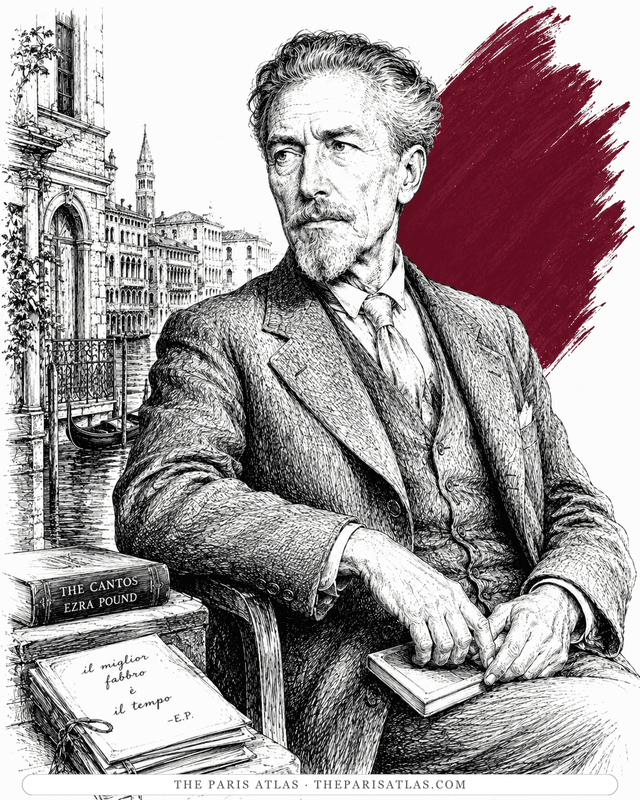
Pound read Cancer and sent Miller a famously backhanded postcard. Both believed literature's job was to wake the reader by any means necessary.
View author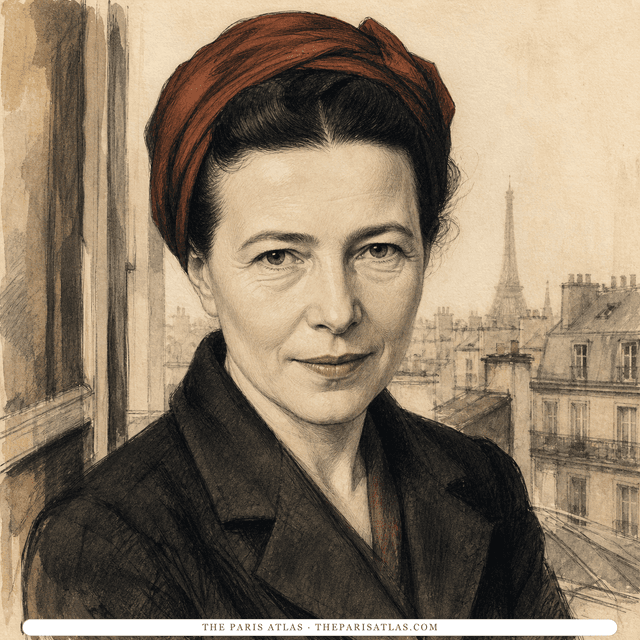
French writer and philosopher whose novels, memoirs, and social analysis examined freedom, gender, responsibility, aging, and the material conditions that shape a life.
View authorThe sources below include the primary text, editions, scholarship, archival materials, and other records that informed this page. They document Letters to Emil, its publication, and its place in literary history.


The primary text represented by this page, used for descriptions of the work’s contents and for any quoted passages shown here.
Web source consulted for documented facts and historical context presented on the Letters to Emil page.

Official record used to verify names, dates, institutional details, or other factual information on this page.
Biographical evidence used to verify chronology, relationships, and historical context connected to Letters to Emil.
Biographical evidence used to verify chronology, relationships, and historical context connected to Letters to Emil.

Published analysis and historical context used in preparing the Letters to Emil page.
The primary text is the baseline reference for every book page. Additional references document publication history, interpretation, and historical context where that evidence is available.
 Explore more resources