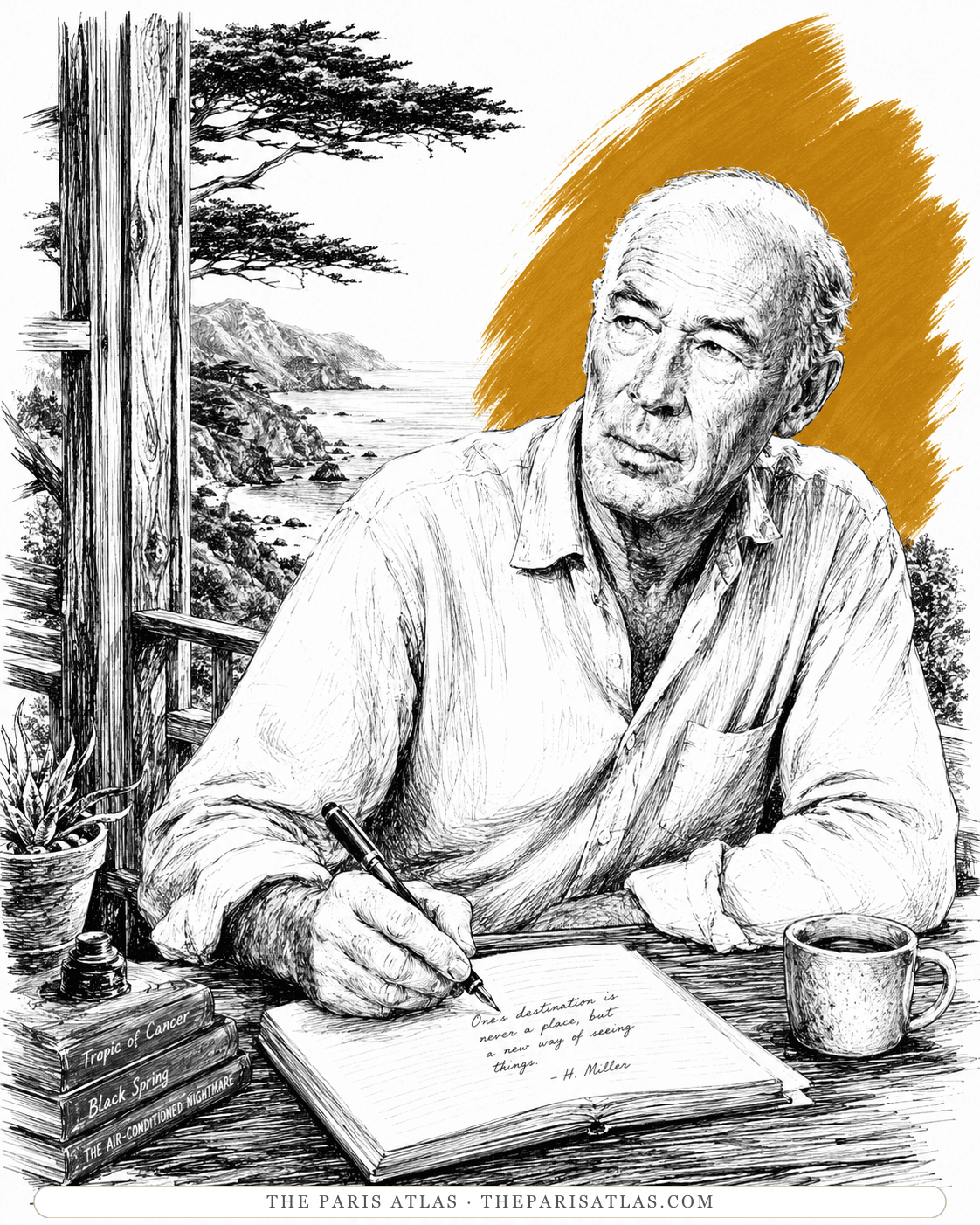

Writer & Critic
Another correspondence shaped by the reception and interpretation of Miller’s work.
Read our take
by Henry Miller
A collector and a writer negotiate books, manuscripts, friendship, and literary survival across eighteen years of letters.
Collector’s Quest gathers correspondence between Henry Miller and diplomat, bibliophile, and bookseller J. Rives Childs from 1947 to 1965. Edited and introduced by Richard Clement Wood, the volume was issued for Randolph-Macon College by the University Press of Virginia in 1968. Their letters follow rare books and manuscripts while revealing how reputation, collecting, and friendship shape an author’s afterlife.
Childs writes as an informed collector who understands both the physical object and the network of trust behind it. Miller answers with news, memories, practical requests, and reflections on how his work circulates.
The eighteen-year span turns collecting into a form of biography. Editions, inscriptions, and missing items become occasions to trace friendships and the uneven institutional acceptance of Miller’s writing.
Collector’s Quest presents the correspondence of Henry Miller and J. Rives Childs from 1947 to 1965. Childs was an American diplomat and bibliophile. His place in the exchange is different from that of Miller’s novelists, painters, or early confidants: he approaches the author with a collector’s sustained interest.
Childs began collecting Miller’s work in 1939, several years before their correspondence began. His questions to the author give the collection particular bibliographic value: it records a reader seeking information directly from the person whose publications he is assembling.
The exchange also opens onto Childs’s experience abroad. A discussion of the collection cites letters concerning Yemen, photographs of Sana’a, and souvenir spoons Childs sent for Miller’s daughter Valentine. Miller’s own conversations with Bezalel Schatz about Yemenite Jewish artists enter the same correspondence.
These details show why the book is more than an exchange about acquisitions. Childs supplies information and gifts; Miller connects them with other friendships and interests. The diplomatic world of one correspondent and the artistic household of the other meet through ordinary letters.
Richard Clement Wood edited the correspondence and supplied the introduction. Randolph-Macon College and the University Press of Virginia published the volume in 1968. This institutional setting contrasts with the privately printed pamphlets and small-press books that feature elsewhere in Miller’s bibliography.
The Morgan Library’s Carter Burden Collection holds a copy of the published book. Such preservation gives later readers a way to follow an exchange that began privately. The editor’s arrangement and introduction are part of that transition from correspondence to historical source.
Writer & Critic concerns Miller’s response to William A. Gordon’s interpretation of his writing. Letters to Emil follows a friendship important to his early development. Collector’s Quest adds the perspective of a reader committed to assembling and preserving an author’s work.
These are complementary rather than interchangeable collections. Keeping the recipient and purpose of each exchange in view helps explain why the same writer can appear differently from one volume to another. The book is particularly useful to readers interested in collecting and the history of Miller’s publications.
The pursuit of editions and manuscripts becomes a record of trust between writer and collector.
Childs’s bibliographic attention reveals Miller’s career through the objects it produced.
Letters about books sit beside personal concerns and exchanges of gifts, showing how a collector’s relationship with an author develops beyond transactions.
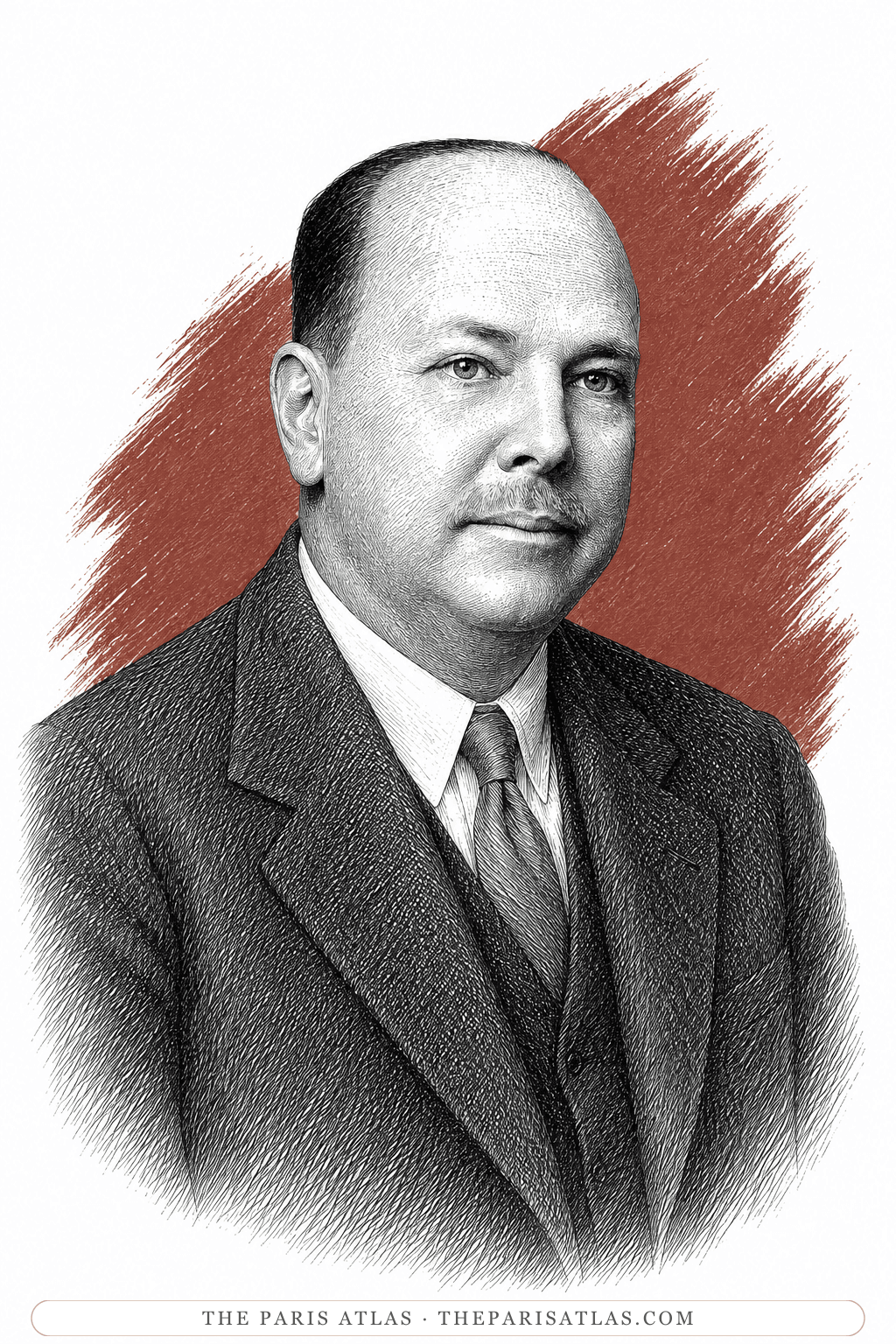
Diplomat, bibliophile, and Miller collector whose letters give the volume its exacting material focus.
1947
The surviving exchange begins.
1965
The correspondence represented in the book ends.
1968
University Press of Virginia publishes the collection.
Another correspondence shaped by the reception and interpretation of Miller’s work.
Read our take

An American diplomat, bibliophile, and bookseller with a sustained interest in Miller’s publications.
The letters span 1947 through 1965.
Richard Clement Wood edited and introduced it.
No. It is the correspondence of Henry Miller and J. Rives Childs, edited for publication.
University Press of Virginia published the volume in 1968 for Randolph-Macon College.
Explore authors with a similar voice, perspective, and influence.

Miller's acknowledged master at making literature out of the gutter. Journey gave him permission; Cancer is what he did with it.
View author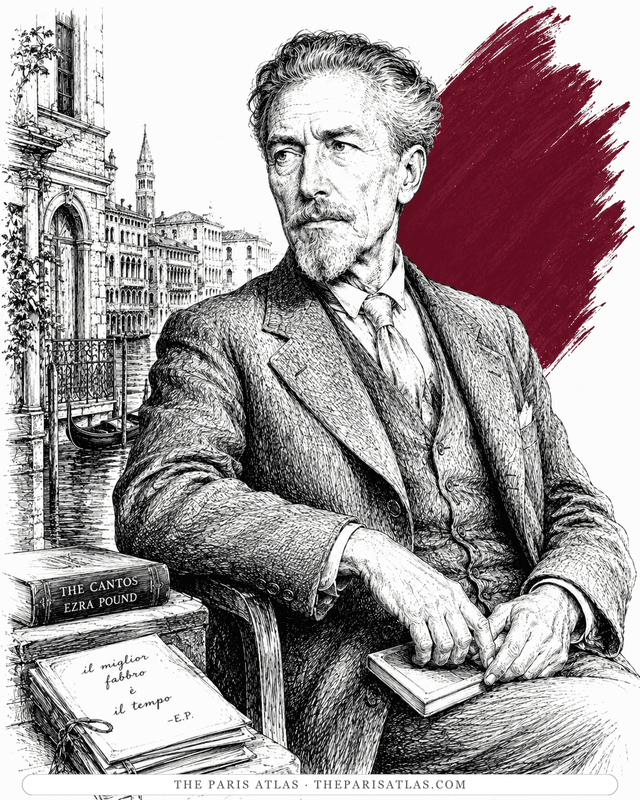
Pound read Cancer and sent Miller a famously backhanded postcard. Both believed literature's job was to wake the reader by any means necessary.
View author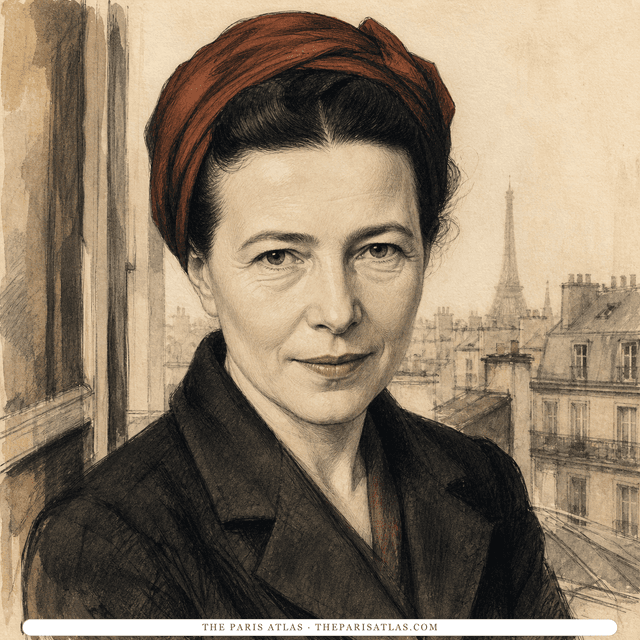
French writer and philosopher whose novels, memoirs, and social analysis examined freedom, gender, responsibility, aging, and the material conditions that shape a life.
View authorThe sources below include the primary text, editions, scholarship, archival materials, and other records that informed this page. They document Collector’s Quest, its publication, and its place in literary history.


The primary text represented by this page, used for descriptions of the work’s contents and for any quoted passages shown here.
Web source consulted for documented facts and historical context presented on the Collector’s Quest page.
Web source consulted for documented facts and historical context presented on the Collector’s Quest page.

Official record used to verify names, dates, institutional details, or other factual information on this page.
Biographical evidence used to verify chronology, relationships, and historical context connected to Collector’s Quest.
Biographical evidence used to verify chronology, relationships, and historical context connected to Collector’s Quest.
Archival evidence used to document the historical record connected to Collector’s Quest.
The primary text is the baseline reference for every book page. Additional references document publication history, interpretation, and historical context where that evidence is available.
 Explore more resources