
Journey to the End of the Night
Published in 1932, mid-drafting of Cancer: the French novel that proved the gutter could talk in print, weeks before the American one at the Villa Seurat finished learning the same lesson.

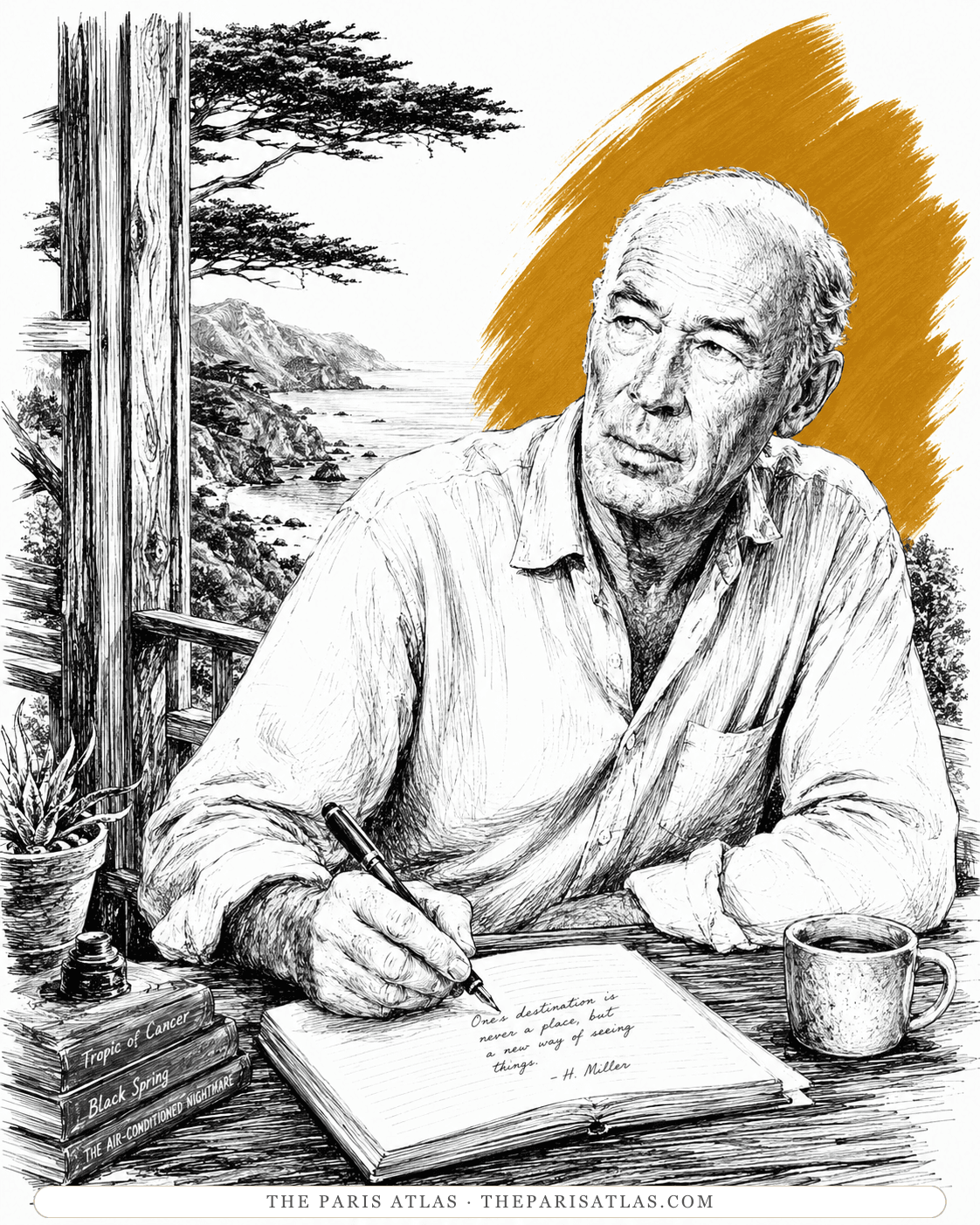
by Henry Miller
Broke, shameless, and ecstatically alive in 1930s Paris — the banned book that ended American censorship.
No plot, no apologies: an American in Paris with no money and no prospects records his rounds of borrowed beds, cadged dinners, odd jobs, and sexual adventures, interrupted by passages of prose-poetry that lift off the page like weather. Published in Paris in 1934 and contraband in the English-speaking world until 1961, it is the book that put the unsayable into American literature — and the strangest thing about it is its joy.
Miller hit Paris in 1930 with no money and no prospects, and turned the situation into a method: sleeping on floors, cadging dinners on a rotating schedule, and writing down everything with the varnish off. The book that resulted — begun in 1931-32 at the bottom, finished at the Villa Seurat — announces in its opening pages that it is 'not a book' but 'a prolonged insult, a gob of spit in the face of Art,' and at the same time a celebration of being alive in a city that owed him nothing.[1]
No American or British publisher could legally touch it. Jack Kahane's Obelisk Press — Paris's specialist in books the Anglo-Saxon censors banned — published it in 1934, with Anaïs Nin writing the preface and finding the printing money. For nearly three decades it lived as contraband, smuggled through customs in coat pockets, its reputation growing precisely because owning it was a crime.[1]
Grove Press finally published it in America in 1961 and bought itself dozens of local obscenity prosecutions, until the Supreme Court settled the matter in 1964. By then the book had done its work underground: the Beats had built on it, a generation of writers had learned from its first-person shamelessness, and the trials it provoked helped end literary censorship in America.[1]
A year, more or less, at the absolute bottom of Paris — narrated by a broke American writer named Henry Miller, who has lost his money, his wife Mona (gone back to New York), and every prospect, and who has decided that this destitution is the happiest condition of his life. The book drifts as he drifts: flophouse to borrowed floor, a dinner-cadging rotation among acquaintances, a stint proofreading stock tables on the night shift of a newspaper, a miserable teaching post in Dijon, and always back to the streets, the Seine, and the sentence.[1]
Around him orbits a gallery of expatriate wrecks rendered without mercy or malice — the neurotic Boris, the woman-obsessed Van Norden, the respectable Fillmore coming spectacularly unrespectable — and through it runs the book's real business: rants, hymns, and meditations that break every rule of the well-made novel on purpose. It is a book about hunger that reads like appetite; the plot is survival, and the victory — the only one on offer — is the voice itself, which changed American writing as thoroughly as anything Hemingway did.[1]
The book's one real story resolves at the close. Fillmore — the respectable American who came gloriously unrespectable over the course of the year — finally cracks: drinking, breakdown, and a pregnant French fiancée named Ginette whose family expects a marriage he dreads. Miller stage-manages the escape, putting the wrecked Fillmore on the boat train for America; Fillmore leaves money behind for Ginette, and Miller — the book's last, most characteristic act — keeps it. Flush for the first time in the whole narrative, he takes a taxi nowhere in particular and ends sitting above the Seine as evening comes, watching the river run quietly through its arches toward the sea, the year's hunger settling into something like peace. The most serene ending ever attached to so disreputable a book — paid for, fittingly, with somebody else's money.
Boris turns a failure of hospitality into a claim of consideration: he says eating a large meal while his hungry guest watches would pain him. The explanation protects Boris from an uncomfortable scene while leaving the narrator's need unchanged. Food caught in his beard makes the contradiction visible, puncturing the polite excuse with physical evidence of his own satisfaction. The comedy also changes the balance between them. Unable to secure breakfast, the dependent guest can still expose his host's reasoning. His appetite becomes a measure of the distance between professed concern and practical care.
At Jaurès, the narrator's comparisons make a recognizable city unstable. Railway movement becomes insect-like and fairground-like; the tracks below resemble fractures in ice rather than an engineer's orderly plan. Paris opens into an imagined mixture of distant cities instead of remaining a single mapped location. The paragraph's rapid shifts in scale make looking itself an adventure, moving between reflected water, machinery and an almost aerial pattern. Its pleasure lies less in possessing the city than in allowing its familiar structures to become strange. This is a mobile verbal composition, not a literal railway diagram.
I am living at the Villa Borghese. There is not a crumb of dirt anywhere, nor a chair misplaced. We are all alone here and we are dead.
Paris is like a whore. From a distance she seems ravishing, you can't wait until you have her in your arms. And five minutes later you feel empty, disgusted with yourself. You feel tricked.
I have made a silent compact with myself not to change a line of what I write. I am not interested in perfecting my thoughts, nor my actions.
Published in 1932, mid-drafting of Cancer: the French novel that proved the gutter could talk in print, weeks before the American one at the Villa Seurat finished learning the same lesson.

Discussed in
Michael Hargraves's introduction identifies Michael Fraenkel, Miller's correspondent in the letters, as the model for Boris in the opening pages of Tropic of Cancer.

Discussed in
Orwell makes Miller's Paris novel the central exhibit of the title essay, asking why its passive acceptance of experience felt more alive than the politically committed writing around it.

Discussed in
Nin records reading and typing Miller's manuscript, writing its preface, and helping finance the Paris printing that became Tropic of Cancer.

Discussed in
The volume follows Miller after the Paris publication of Tropic of Cancer and repeatedly measures his changing circumstances against that first published novel.
'I am the happiest man alive. I have no money, no resources, no hopes…' — the first forty pages are the most galvanizing opening in autofiction, a genre this book effectively founded.
The 1961 Grove Press edition triggered sixty-plus obscenity prosecutions and a landmark Supreme Court ruling. Every frank book on every shelf since owes it a debt.
Nobody — not Orwell, not Hamsun — has written the arithmetic of the empty stomach with more comedy or precision. The famous dinner-schedule of friends is a masterpiece of abject bookkeeping.
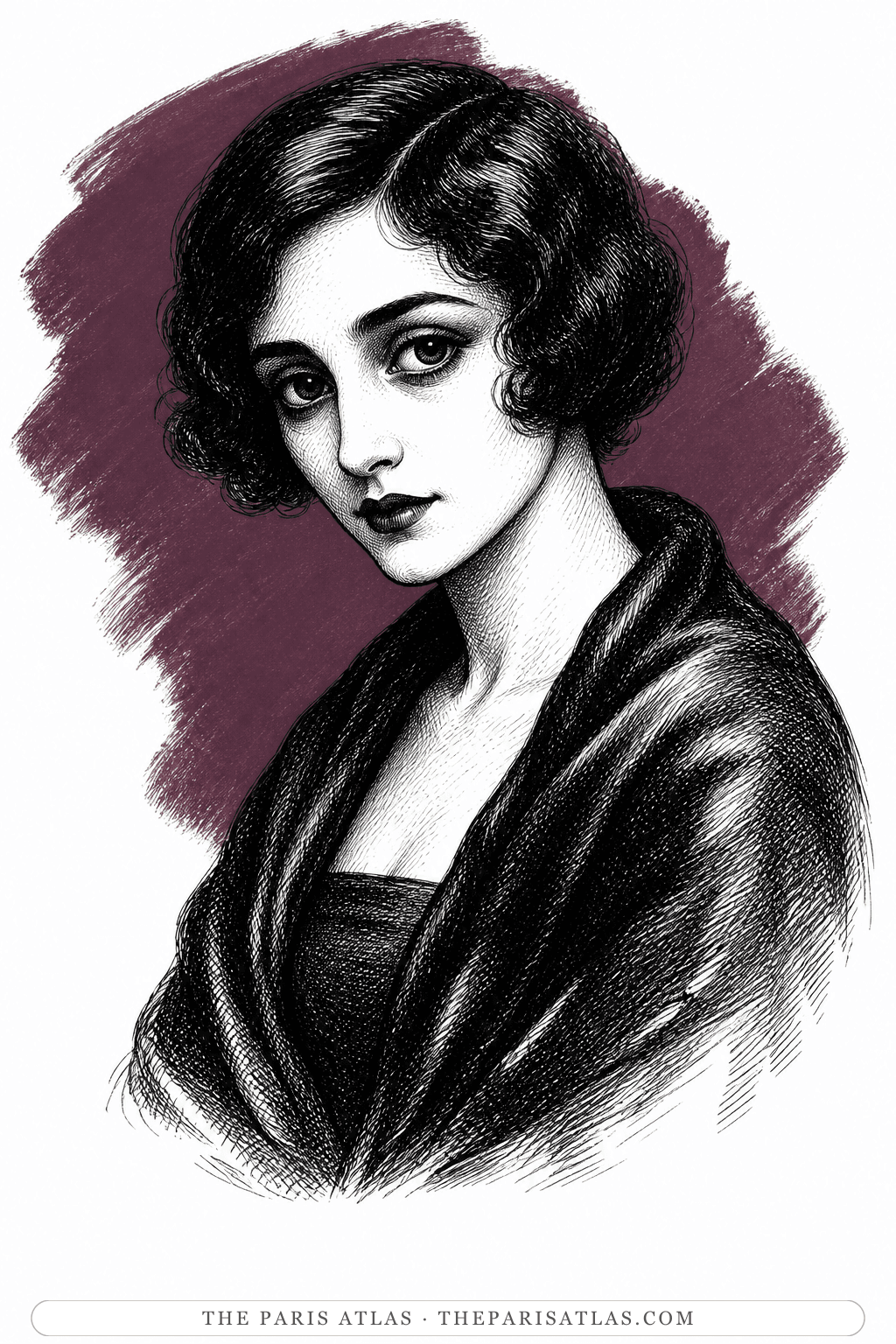
The narrator's wife, an ocean away for most of the book — a memory, a wait at the station, and a cablegram that always says 'Letter following.' June Miller, renamed.
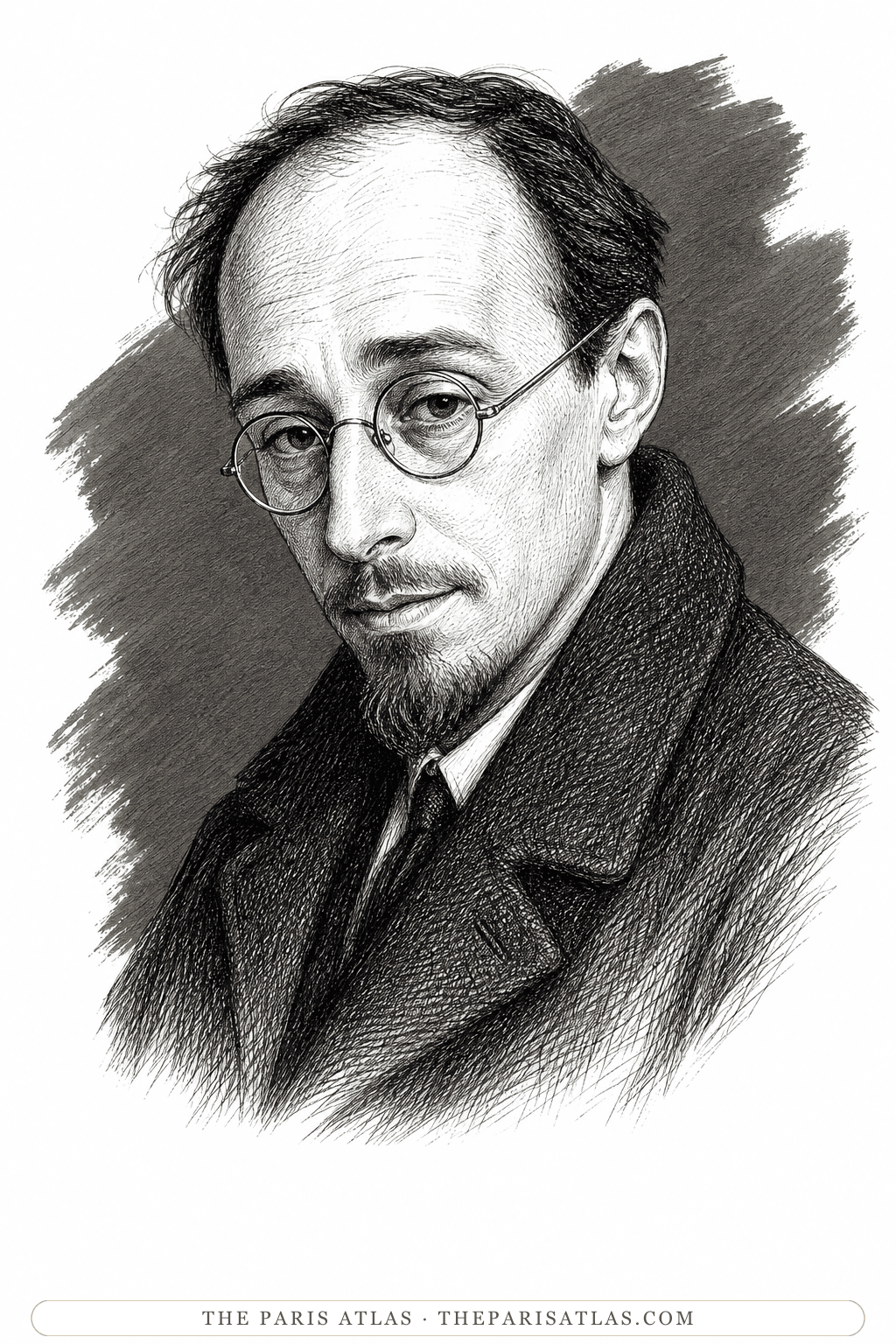
The weather prophet of the opening pages — 'the weather will continue bad,' more calamities, more death: the speech the book's title walks out of. Michael Fraenkel, renamed.
The Obelisk Press, run by the piratical Jack Kahane, existed precisely to publish English books too hot for London and New York — its list is half the reason 'printed in Paris' once meant scandal.
Read the full story in the journalNin paid for Tropic of Cancer with six hundred dollars borrowed from her psychoanalyst, then wrote its preface. The affair is the part everyone knows. The money is the part that got the book printed.
1930
Miller arrives in Paris with no money and no prospects.
1931–1932
He begins the book at the bottom and finishes it at the Villa Seurat.
1934
Jack Kahane's Obelisk Press publishes it in Paris, with Anaïs Nin writing the preface and finding the printing money.
1961
Grove Press publishes it in America and draws dozens of local obscenity prosecutions.
1964
The Supreme Court settles the matter, and the book is legal at last.


Miller read Céline's novel in manuscript and rewrote his own under its influence.
Read our take


The prequel decade: how a Brooklyn personnel manager became this narrator.
Read our take
The same winters from across the table — Nin's unexpurgated journal of the Cancer years, patronage and passion included.
Read our takeHenry Miller. It was published in Paris in 1934 and was his first published book.
An American writer with no money and no prospects records his life in 1930s Paris — borrowed beds, cadged dinners, odd jobs, and sexual adventures — interrupted by passages of soaring prose-poetry. There is no conventional plot.
For its explicit sexual content. It was contraband in the English-speaking world until the 1961 Grove Press edition, whose obscenity trials helped bring literary censorship in the United States to an end.
It is autobiographical fiction, drawn directly from Miller's own hungry years in Paris, and reads as memoir with the varnish stripped off.
In Paris, by the Obelisk Press, because no American or British publisher would take it.
Explore authors with a similar voice, perspective, and influence.
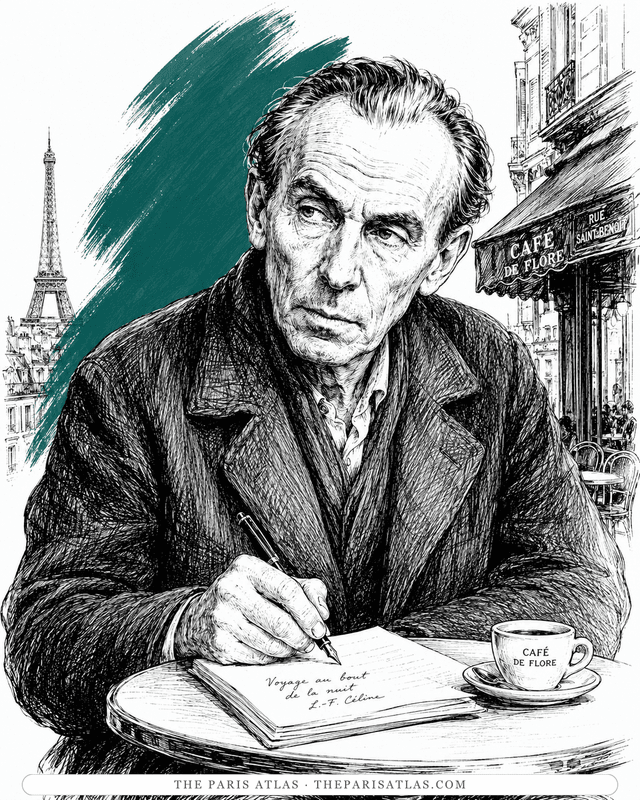
Miller's acknowledged master at making literature out of the gutter. Journey gave him permission; Cancer is what he did with it.
View author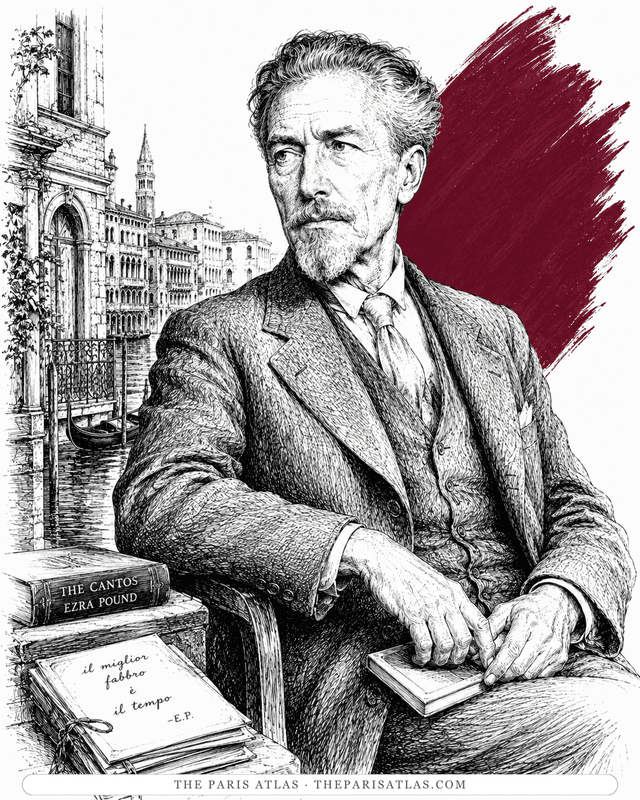
Pound read Cancer and sent Miller a famously backhanded postcard. Both believed literature's job was to wake the reader by any means necessary.
View author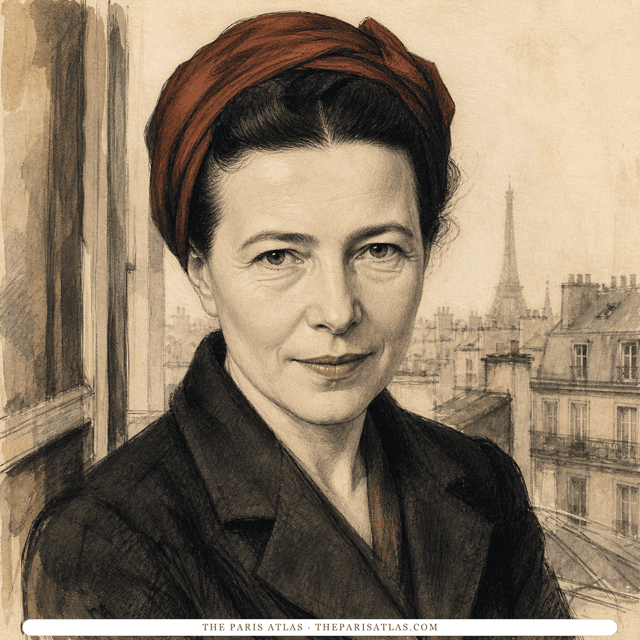
French writer and philosopher whose novels, memoirs, and social analysis examined freedom, gender, responsibility, aging, and the material conditions that shape a life.
View author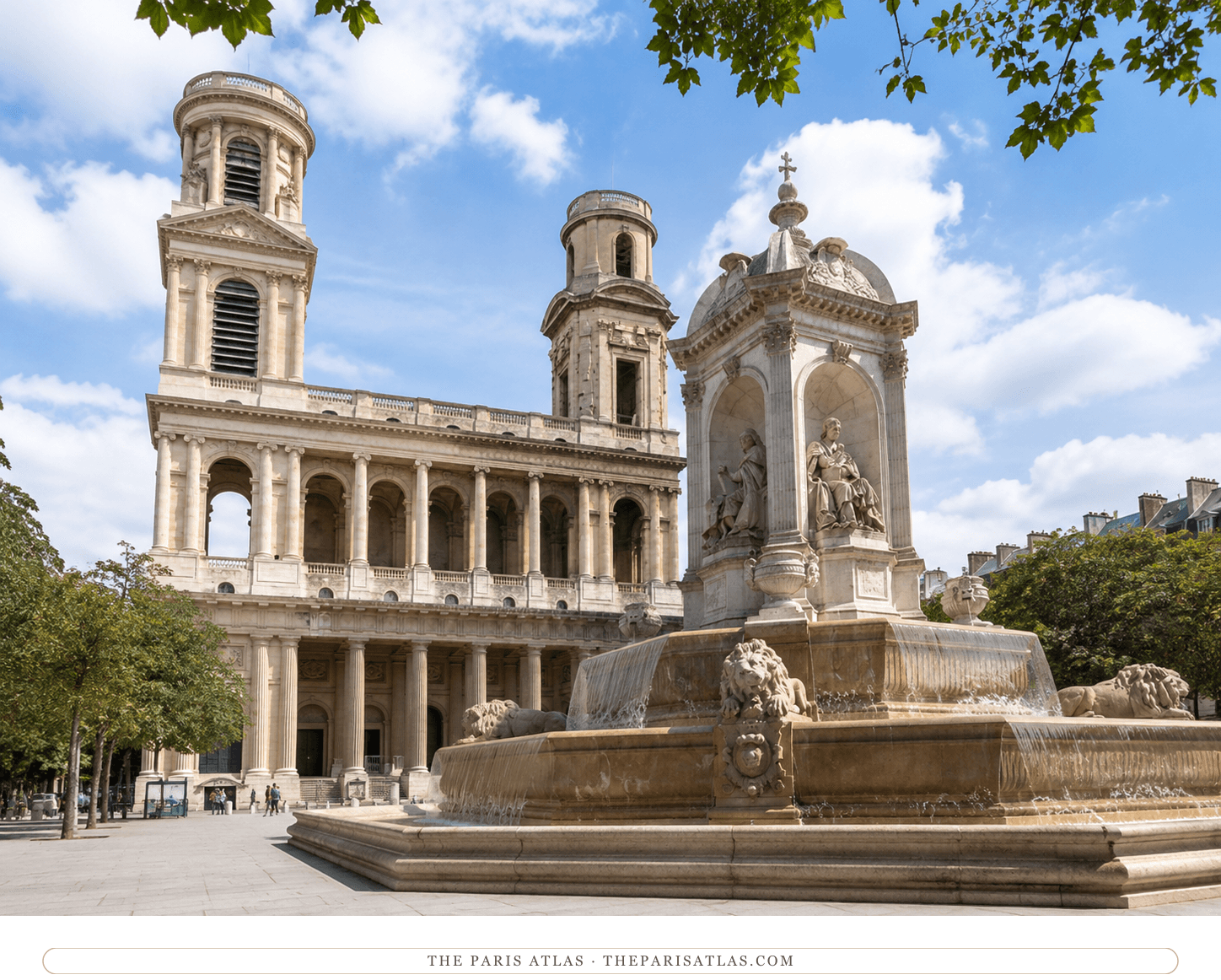
Depicted
The square's quiet, deserted evenings — one of the novel's stillest images of the Left Bank.
Visit the place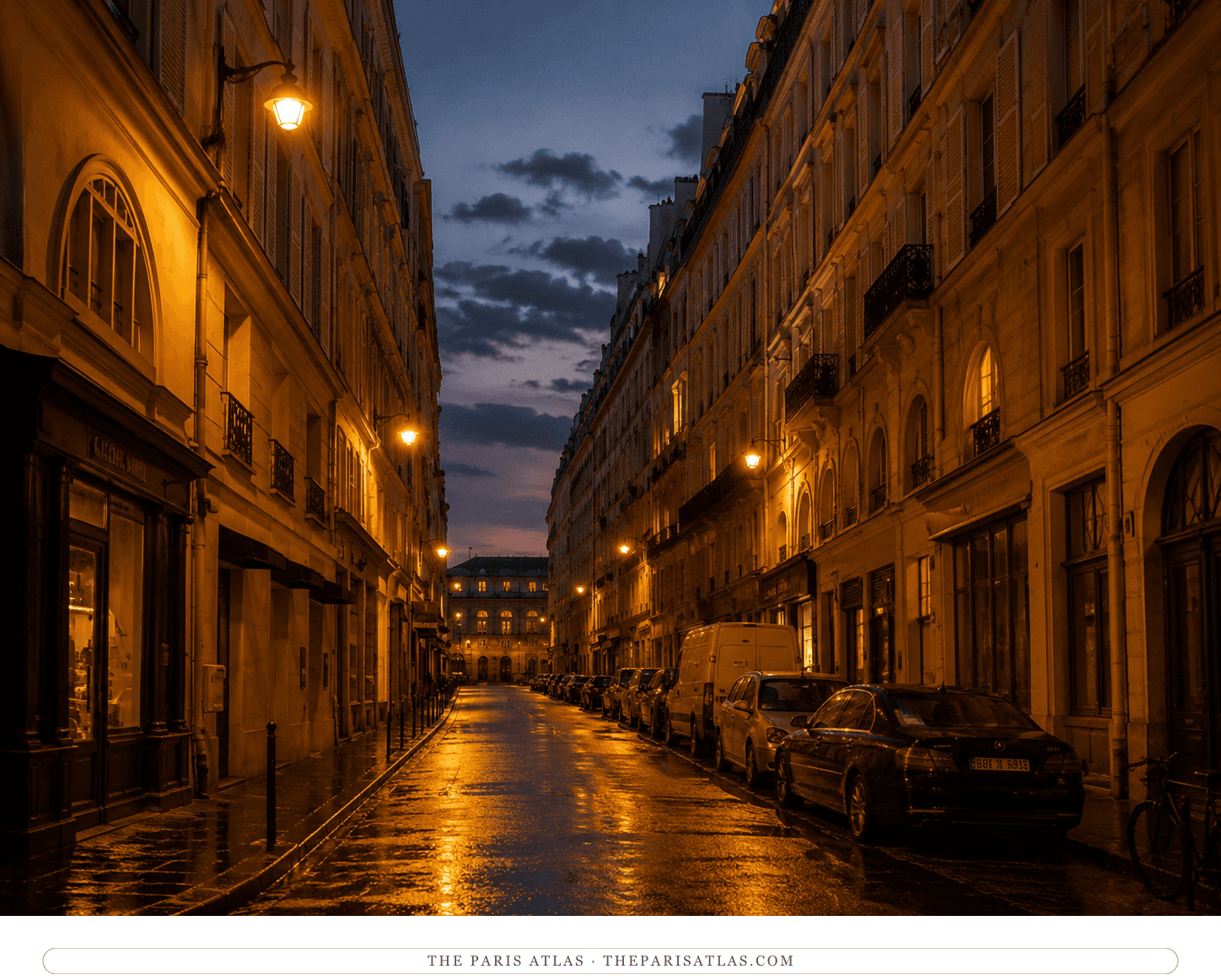
Depicted
The nightly walks with Mona, remembered a year too late — the book's tenderest stretch of pavement.
Visit the place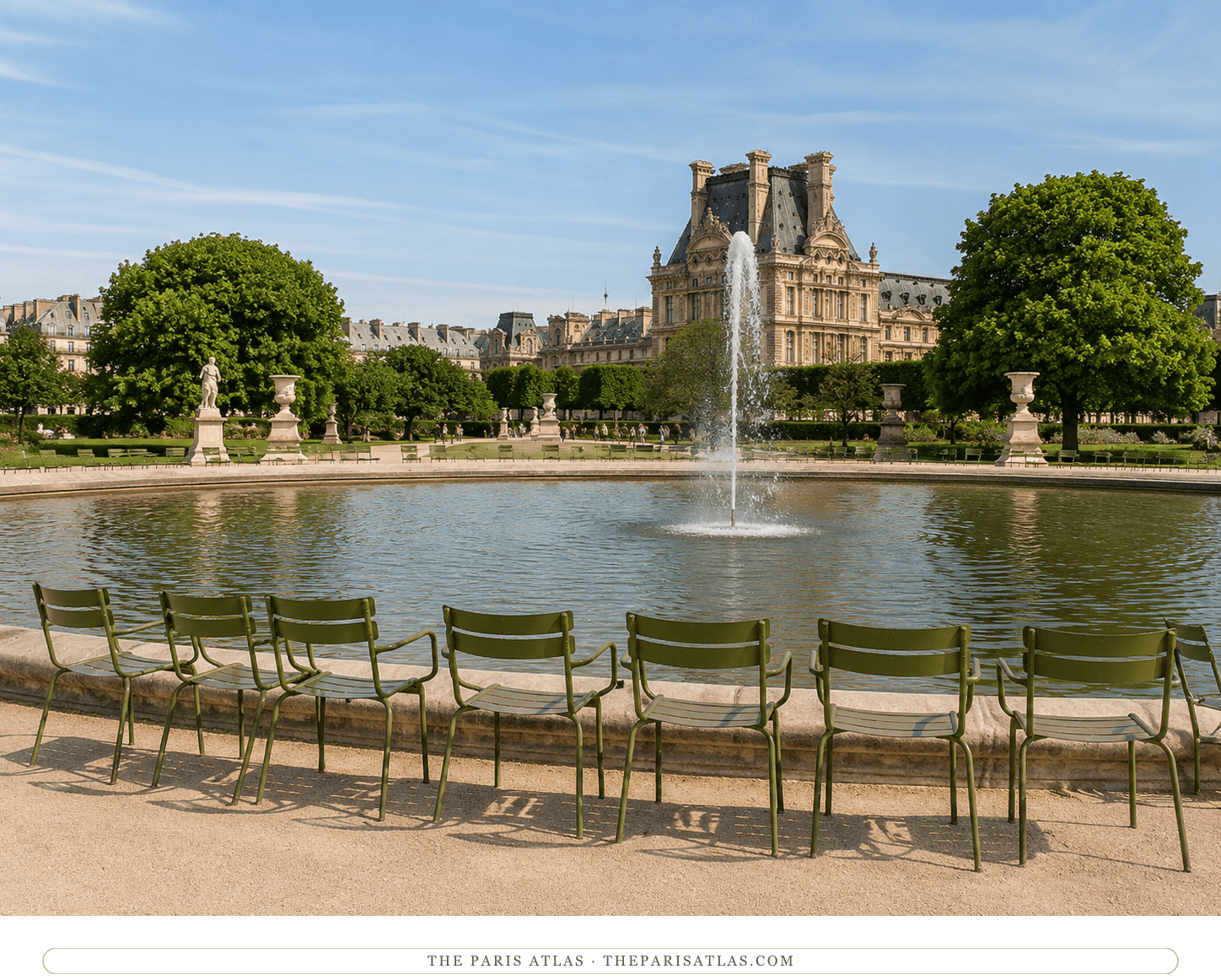
Mentioned
Crossed mid-stride in the novel's walking prose — the garden as route between the two banks of Miller's Paris.
Visit the place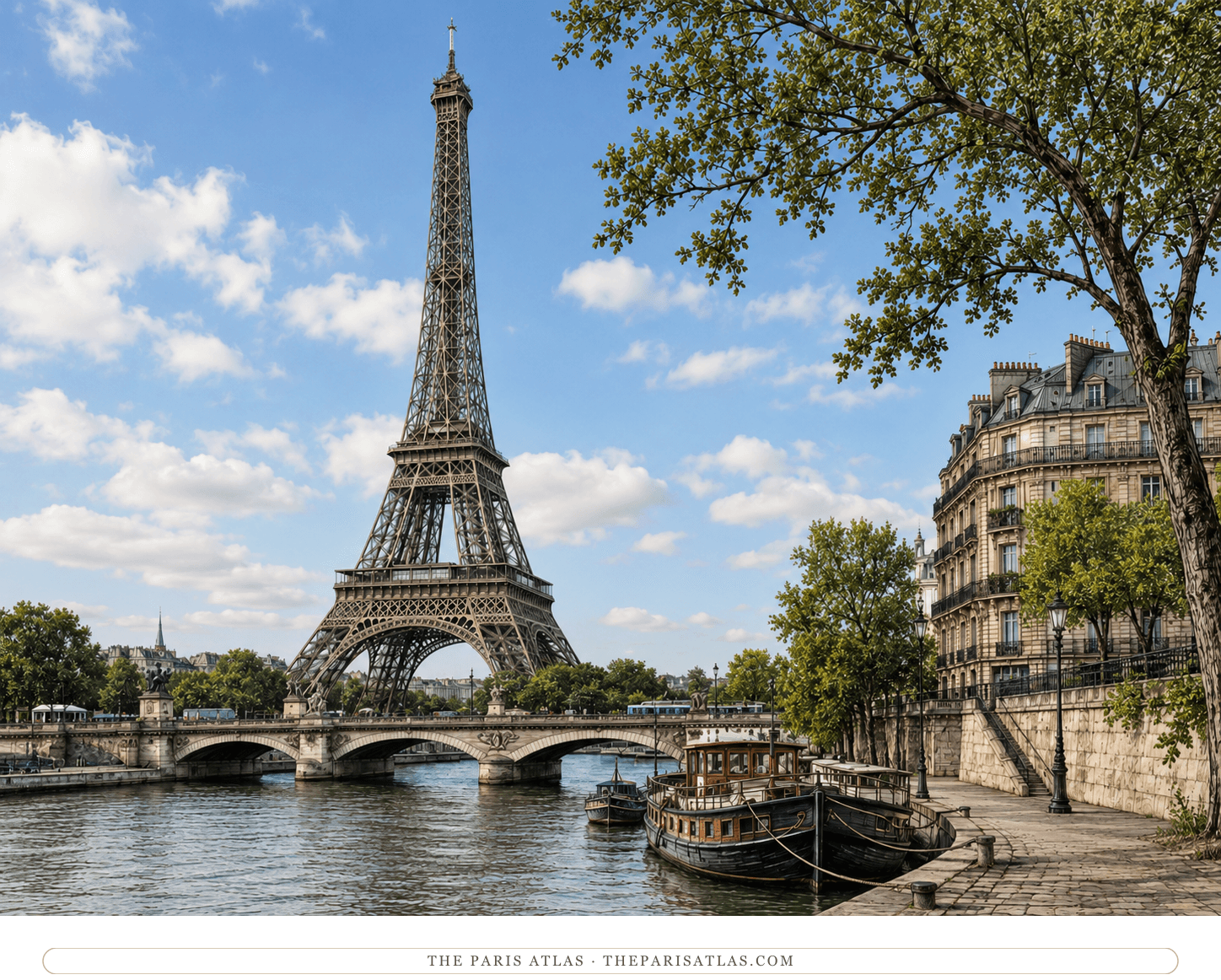
Mentioned
Fizzing champagne over the night city — Miller catching the Citroën light-show years in a single image.
Visit the place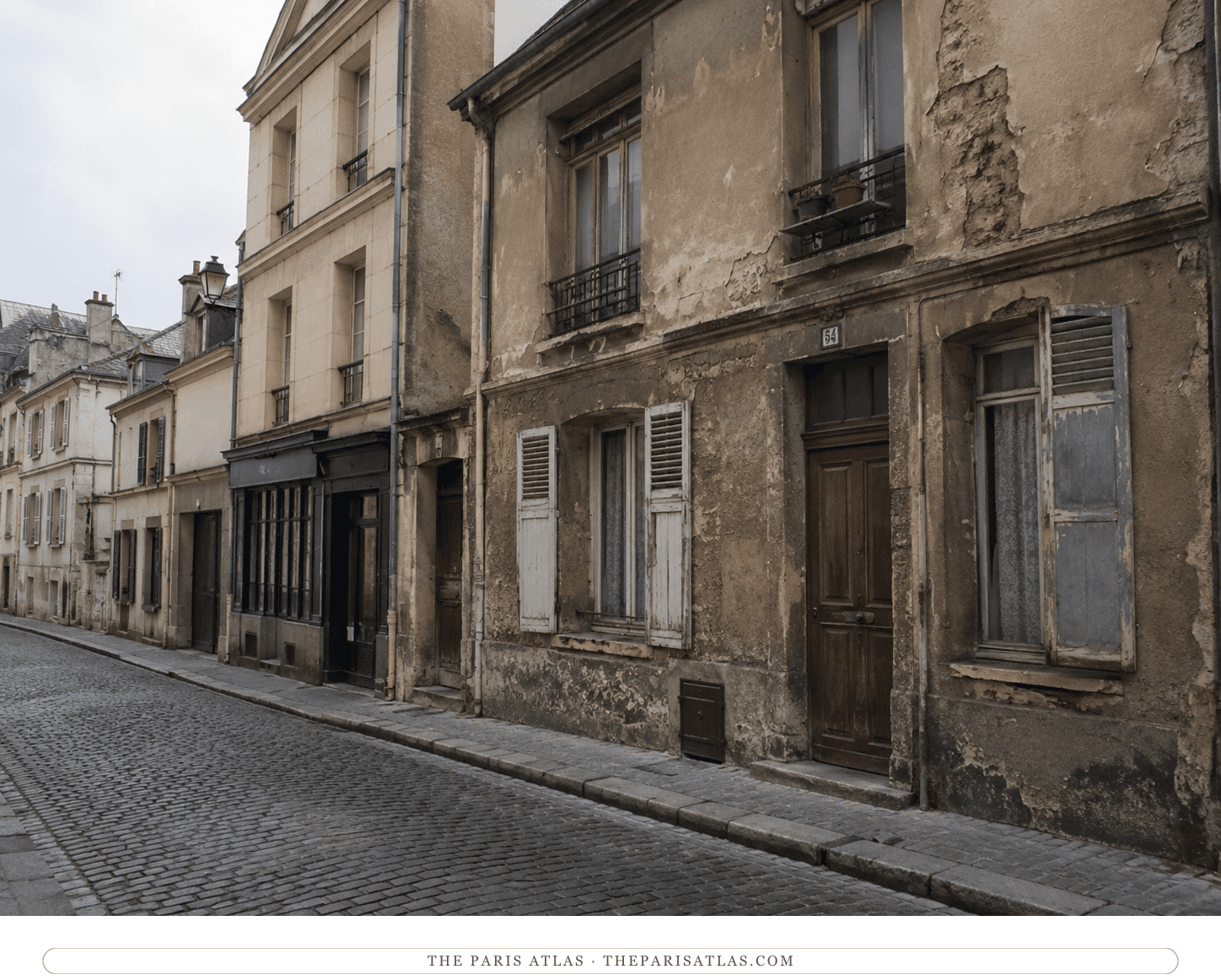
Depicted
Part of the hungry man's circuit — down the street looking for Eugene, which is to say for dinner and a floor.
Visit the place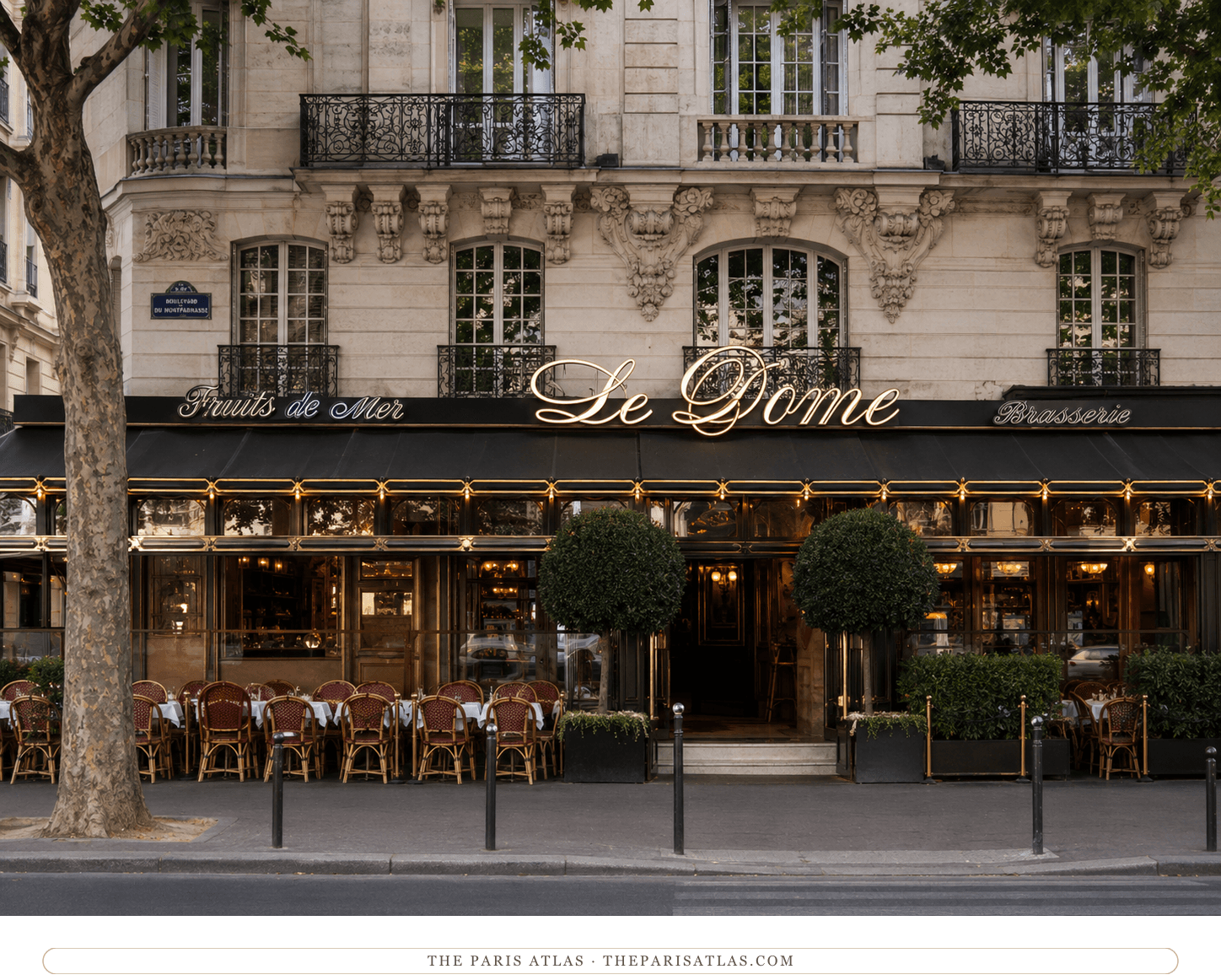
Depicted
Scenes at the Dôme's bar run through the novel — Miller's 1930s headquarters, a decade after Jake Barnes walked past its terrace.
Visit the place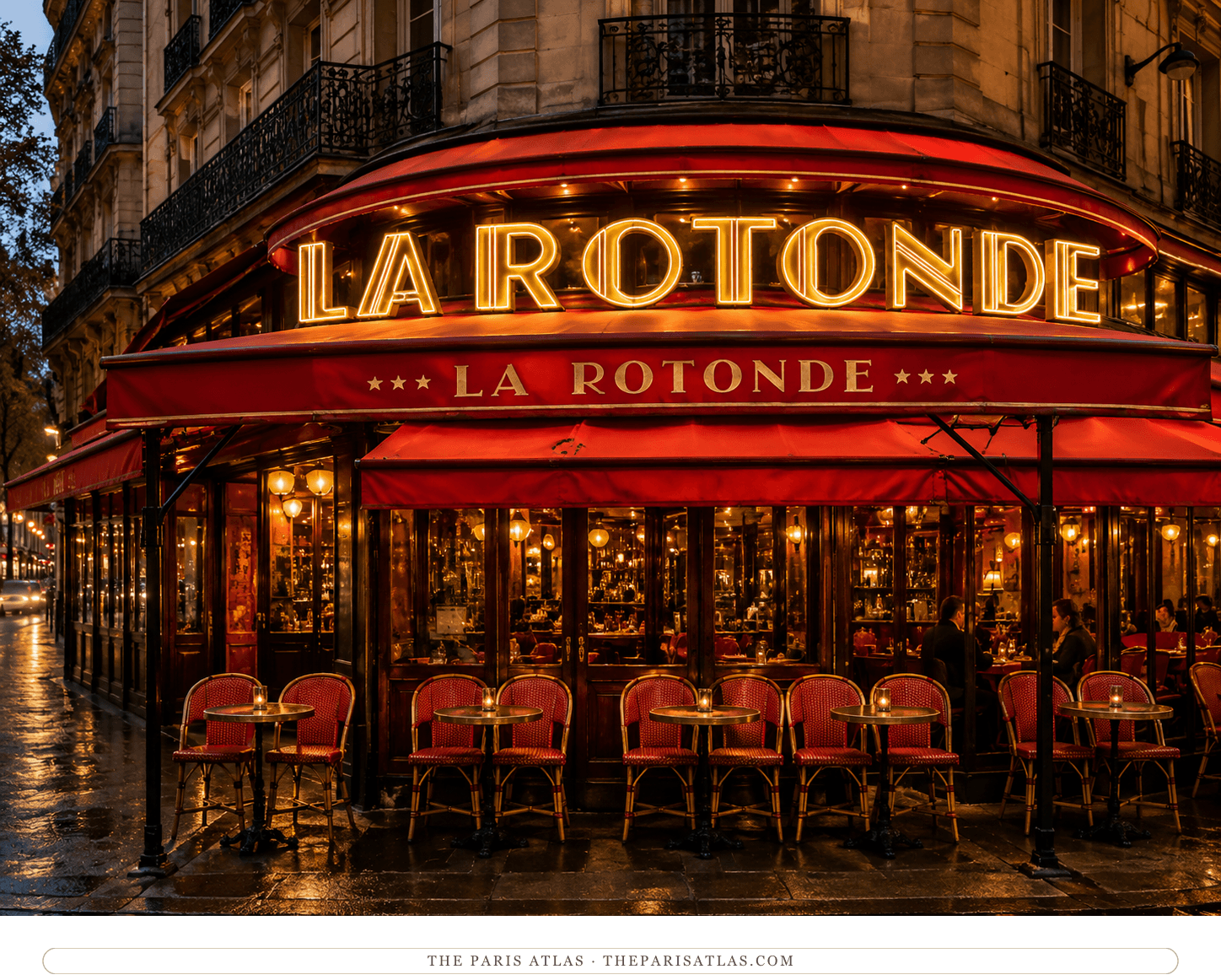
Depicted
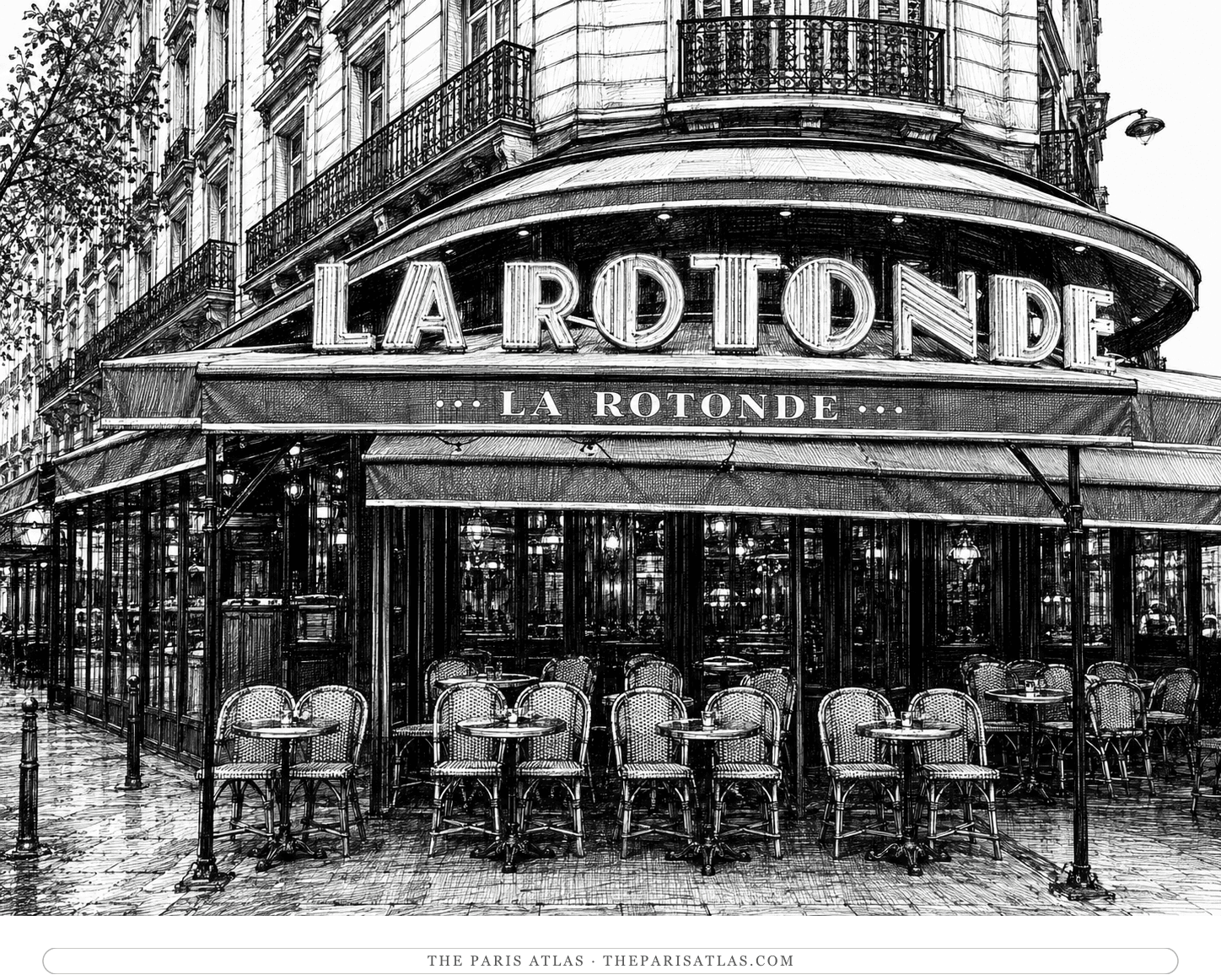
The narrator's circle keeps meeting on the Rotonde's terrace — the tourists' café of the twenties become the broke writers' café of the thirties.
Visit the place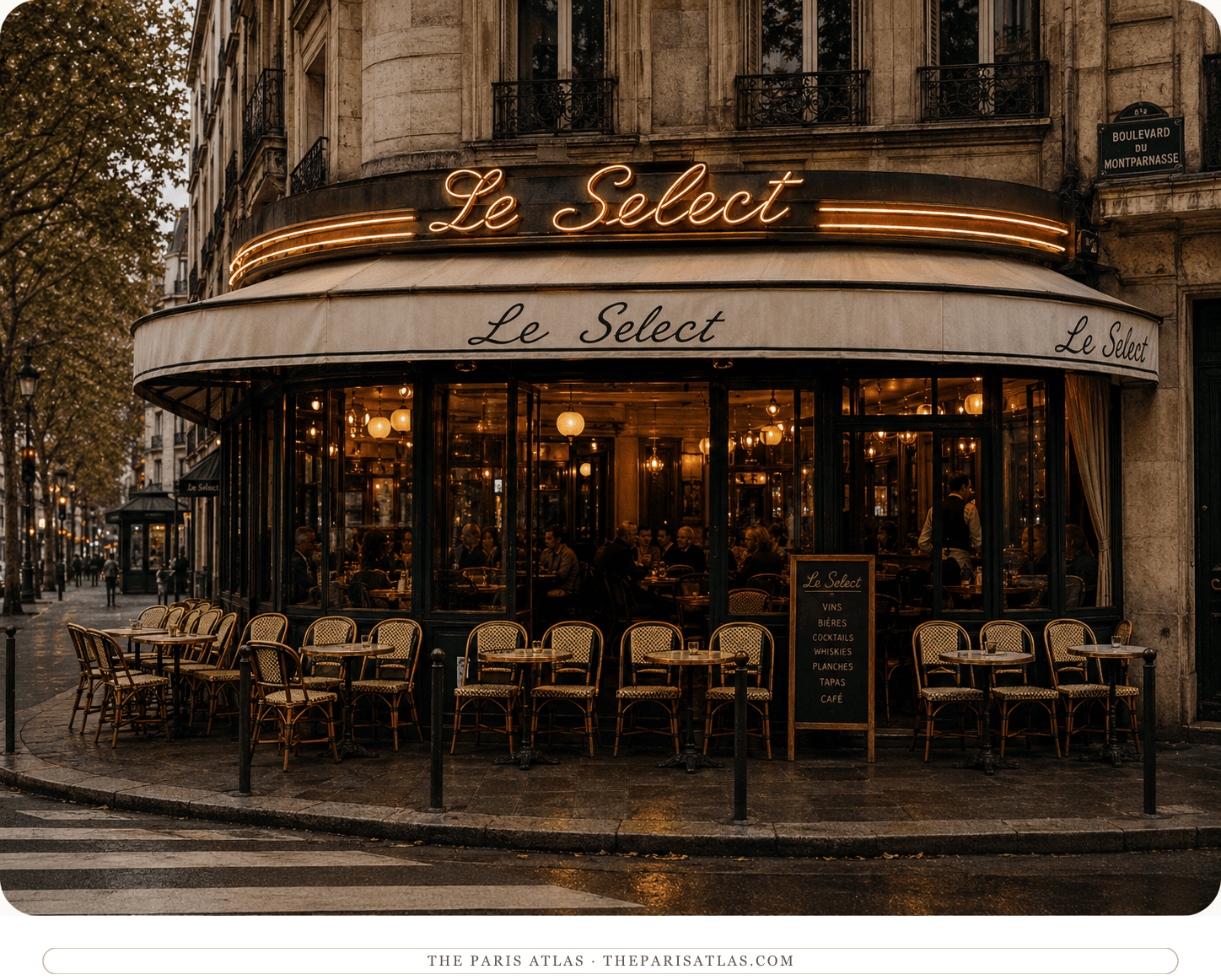
Mentioned
Named in the novel as part of the very meaning of Paris — the Montparnasse shorthand for the whole city.
Visit the place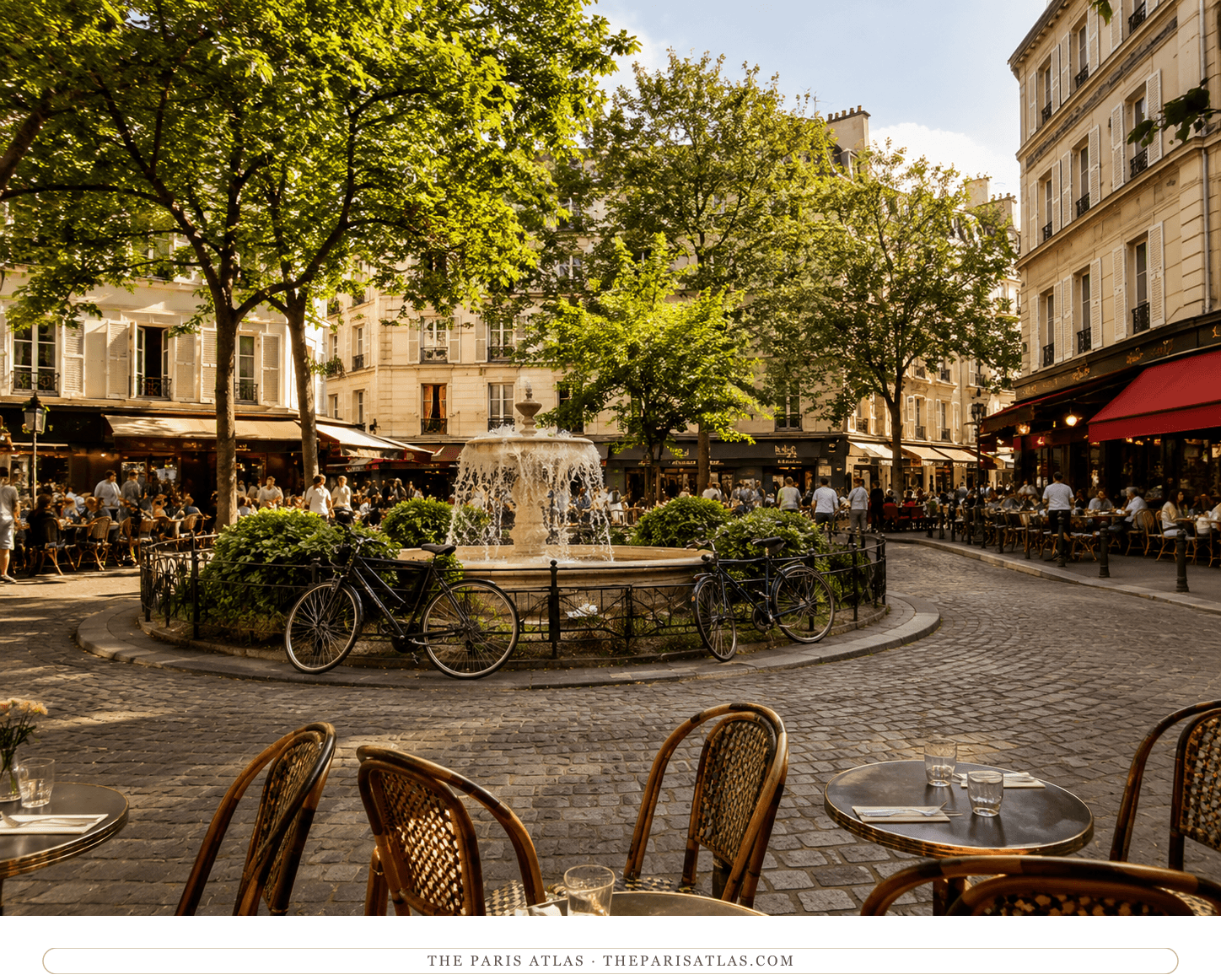
Mentioned
Counted among the narrator's favorite resting places — the square's third literary generation in as many decades.
Visit the place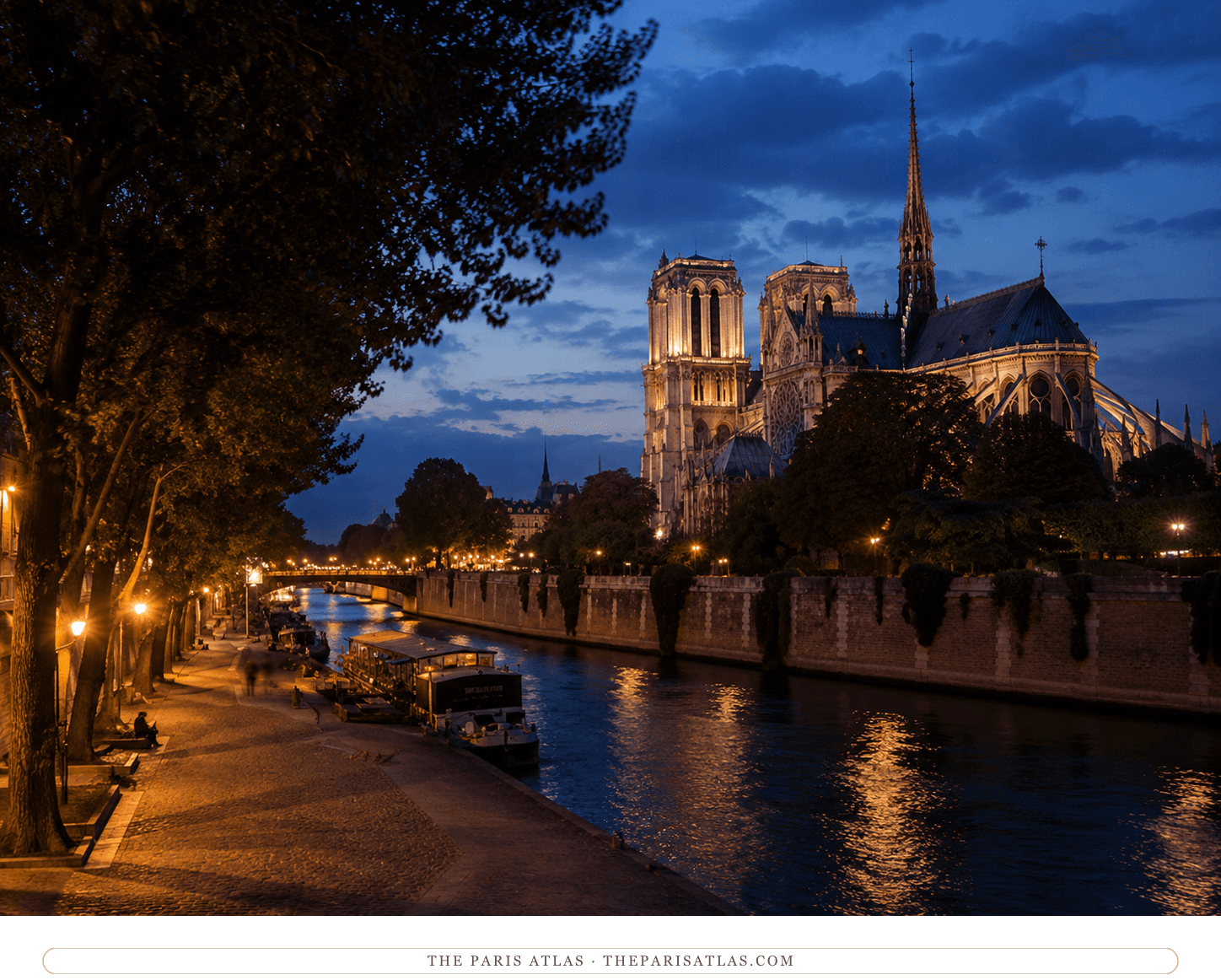
Depicted
The cathedral seen from the river — one of the novel's set-piece descriptions of night-time Paris, answering Hemingway's view from the footbridge.
Visit the placeThe sources below include the primary text, editions, scholarship, archival materials, and other records that informed this page. They document Tropic of Cancer, its publication, and its place in literary history.

Biographical evidence used to verify chronology, relationships, and historical context connected to Tropic of Cancer.
Biographical evidence used to verify chronology, relationships, and historical context connected to Tropic of Cancer.
Biographical evidence used to verify chronology, relationships, and historical context connected to Tropic of Cancer.
Biographical evidence used to verify chronology, relationships, and historical context connected to Tropic of Cancer.
The two new readings use the public publisher excerpt's breakfast and Jaurès paragraphs. They analyze the fictional narrator's perspective, not independently verified incidents in Miller's biography; no edition-specific page numbers are assigned.
The primary text is the baseline reference for every book page. Additional references document publication history, interpretation, and historical context where that evidence is available.
 Explore more resources