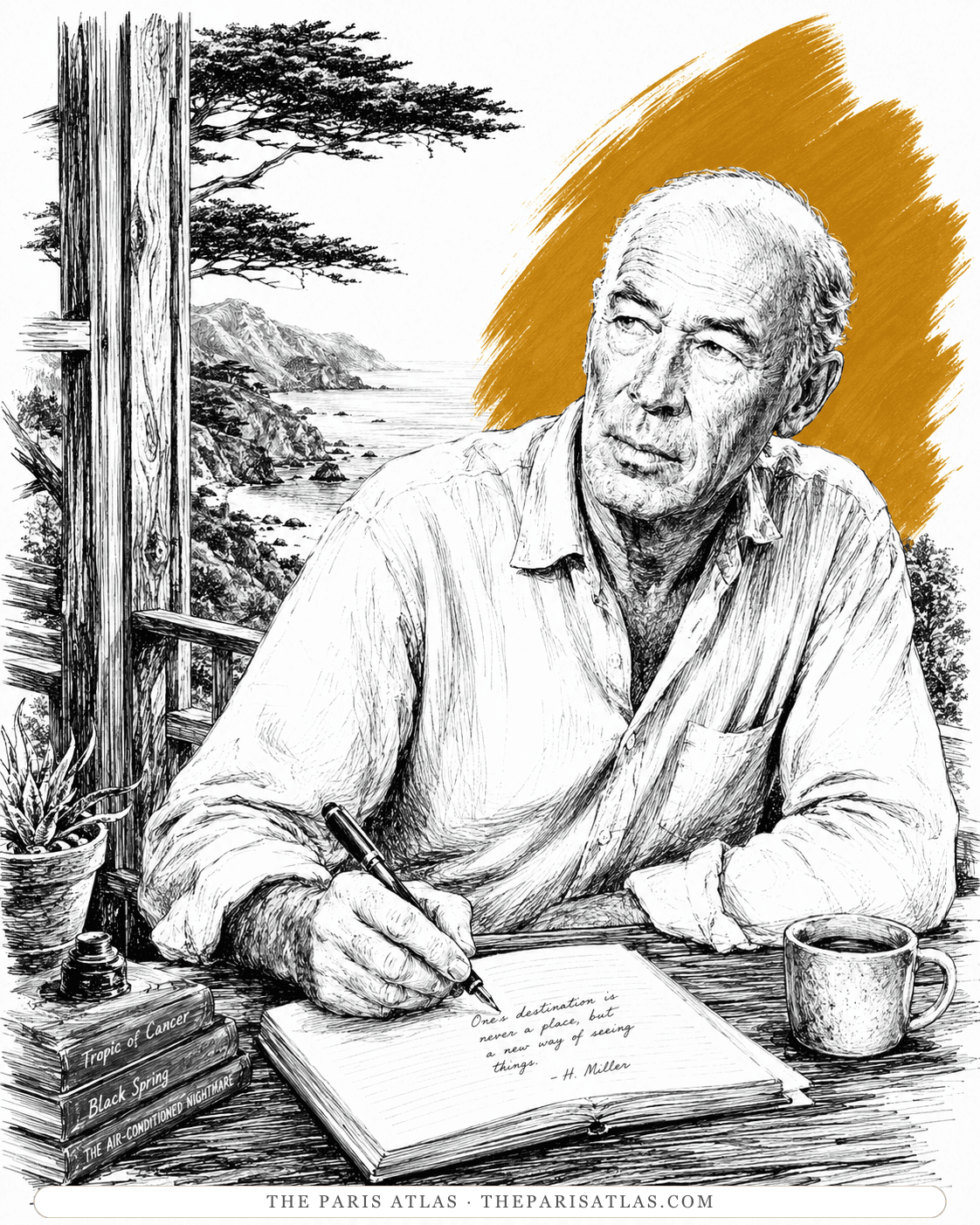

The Colossus of Maroussi
The book their friendship produced directly — Corfu, on Durrell's invitation.
Read our take
by Henry Miller
Henry Miller's best pages from thirty years of writing, selected by his friend Lawrence Durrell.
In 1959, Henry Miller's most famous books were still banned in the United States. That year his friend Lawrence Durrell — by then a well-known novelist himself — assembled a selection of Miller's best writing, spanning his whole career, with an introduction explaining why the work mattered. Miller added a short note before each piece, saying where it was written and what he thought of it. For American readers, it was the most complete collection of Miller's work that could legally be sold. (It's an anthology — nothing to spoil.)
The two writers had been friends since 1935, when Durrell, then twenty-three and unknown, wrote Miller a letter praising Tropic of Cancer. Miller wrote back, and the correspondence grew into a close friendship: Durrell later invited Miller to Corfu, a visit that produced The Colossus of Maroussi. By the late 1950s their positions had reversed. Durrell's Alexandria novels had made him famous, while Miller's major books still could not be sold in America. The Reader was Durrell's way of using that fame on his friend's behalf: choose the strongest pages from thirty years of work and present them to readers who knew Miller's reputation but not his writing.
Miller's own contribution gives the book its character. He wrote a short introduction for each selection — where it was written, what he thought of it years later, and sometimes why he disagreed with Durrell's choice. Read in sequence, the notes amount to a brief memoir of his career. The book appeared two years before Grove Press published Tropic of Cancer in the United States and the courts finally ruled on it; the Reader made the case for Miller's writing while the ban was still in force.
Selections from every period of Miller's career: the Paris books, portrait essays such as "Max" and "The Cosmological Eye," the Greek travel writing, the American years, and essays on writing and censorship. Durrell's introduction opens the book, and Miller's notes precede each piece.
For a first-time reader it remains the most practical starting point: the strongest short selection of Miller's work in one volume.
Epidaurus becomes a way of thinking about creation itself: the road leads to a suspension of searching. Miller's short declarations slow the prose, so that silence is something the passage performs as well as describes. Beswick, Hawkins and Kohlmaier draw attention to the work behind this seeming immediacy: the traveler later writes at a typewriter in a furnished room. Read with that distance in mind, the scene is neither a field note nor a revelation untouched by craft. Remembered stillness has been made into a rhythm another reader can inhabit; the experience reaches us through composition, not outside it.
Miller's introduction to the Cendrars selection exposes a disagreement behind the finished anthology. He says he insisted on including it against editorial and publishing advice, replacing passages about Mona; an essay on Balzac had also been proposed instead. His defense turns the choice into an act of allegiance: Balzac's reputation is secure, while the living Cendrars still needs readers. The commentary therefore does more than connect a piece to a date or place. It shows Miller intervening in the portrait being made of him, defining himself through the writer he wants others to discover rather than only through the experiences an editor might select.
Durrell chose the strongest pages from thirty years of Miller's writing, from Paris to Big Sur.
Each piece opens with a short note from Miller on where it was written and what he thought of it later.
Durrell knew Miller and his work for twenty-five years before making this selection; the book reflects that familiarity.
1935
Lawrence Durrell, 23, writes Miller an admiring letter about Tropic of Cancer. The friendship begins.
1959
New Directions publishes the Reader, edited and introduced by Durrell, with Miller's notes before each piece. Miller's major books are still banned in the United States.
1961
Grove Press publishes Tropic of Cancer in the United States, and the court fights over Miller's books begin.
The book their friendship produced directly — Corfu, on Durrell's invitation.
Read our take
The book the fan letter was about, and the Reader's still-banned center of gravity.
Read our take
The drugstore-rack version of the same mission — Rexroth's case for the masses, Durrell's for the shelf.
Read our takeThe novelist Lawrence Durrell. He and Miller had been friends since 1935, when Durrell wrote him an admiring letter about Tropic of Cancer. New Directions published the anthology in 1959.
An anthology of Henry Miller's best writing, selected from his whole career — the Paris books, the Greek travel writing, and the American years — with an introduction by Durrell explaining why the work matters.
Yes. He wrote a short note for each selection, saying where it was written and what he thought of it later. Read together, the notes amount to a brief memoir of his career.
Miller's most famous books were still banned in the United States, so this anthology was the most complete collection of his work that could legally be sold there. Grove Press published Tropic of Cancer in America two years later, and the courts took up the ban.
Yes. A later paperback edition appeared as The Best of Henry Miller.
Explore authors with a similar voice, perspective, and influence.
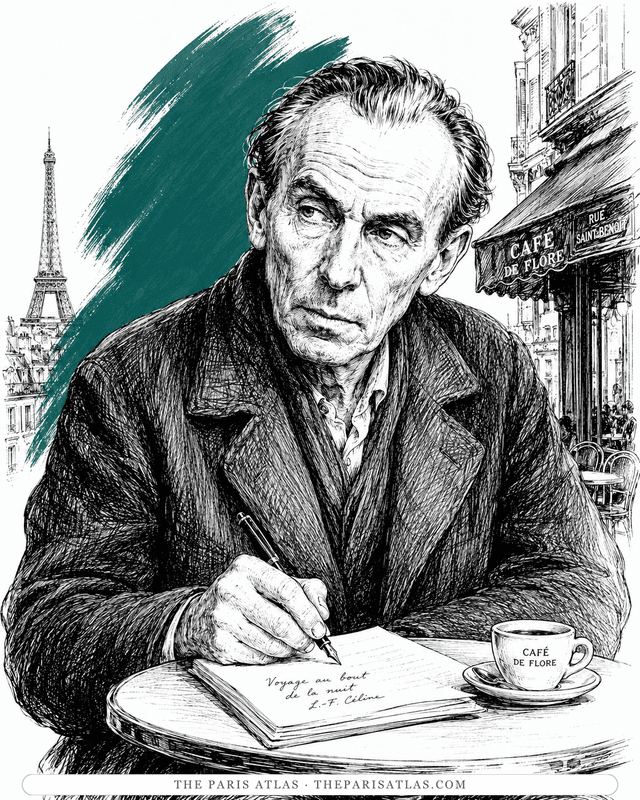
Miller's acknowledged master at making literature out of the gutter. Journey gave him permission; Cancer is what he did with it.
View author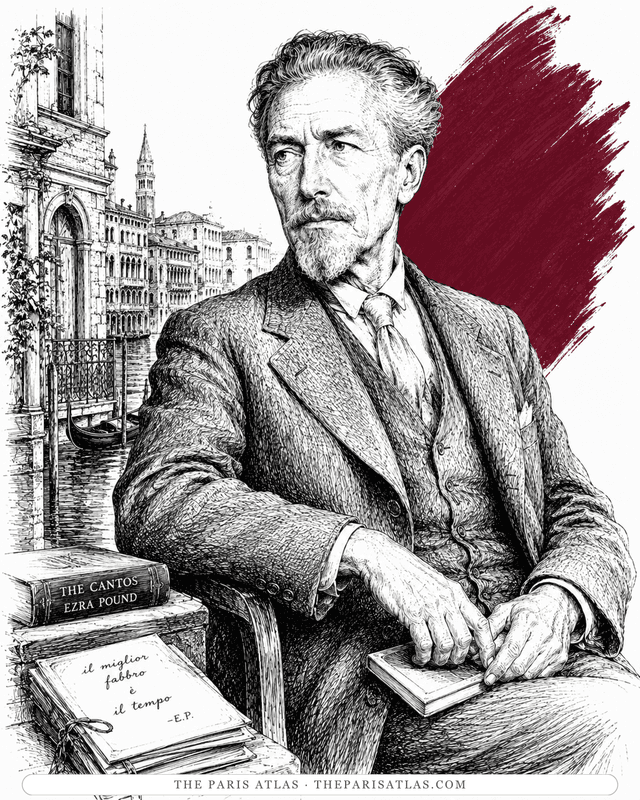
Pound read Cancer and sent Miller a famously backhanded postcard. Both believed literature's job was to wake the reader by any means necessary.
View author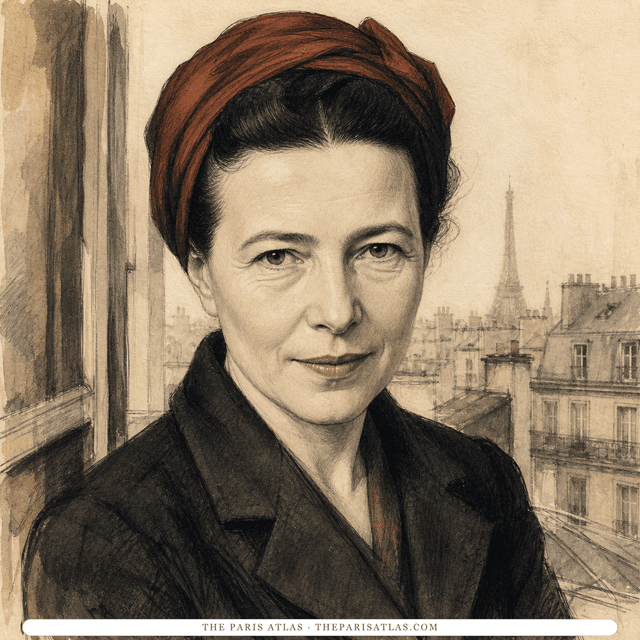
French writer and philosopher whose novels, memoirs, and social analysis examined freedom, gender, responsibility, aging, and the material conditions that shape a life.
View authorThe sources below include the primary text, editions, scholarship, archival materials, and other records that informed this page. They document The Henry Miller Reader, its publication, and its place in literary history.

Used to place The Henry Miller Reader within Henry Miller's published work and verify its bibliographic context.

Used for independent biographical, archival, or historical context surrounding Henry Miller's career and the period in which The Henry Miller Reader appeared.

Used to cross-check authorship, chronology, and the work's place in Henry Miller's wider catalogue.
Used to verify Henry Miller's bibliography and place The Henry Miller Reader within the broader chronology of Henry Miller's career.
Page 3 quotes the Epidaurus passage and considers writing as practiced performance; note 4 identifies Reader (1959), page 56. The new reading distinguishes the quoted primary passage from the article's account of composition; the original Reader pages were not independently collated.
The publicly reproduced 1959 introduction supplies Miller's account of insisting on the Cendrars selection and rejecting proposed alternatives. His evaluation of Cendrars is treated as literary allegiance, not as an objective ranking of writers.
The primary text is the baseline reference for every book page. Additional references document publication history, interpretation, and historical context where that evidence is available.
 Explore more resources