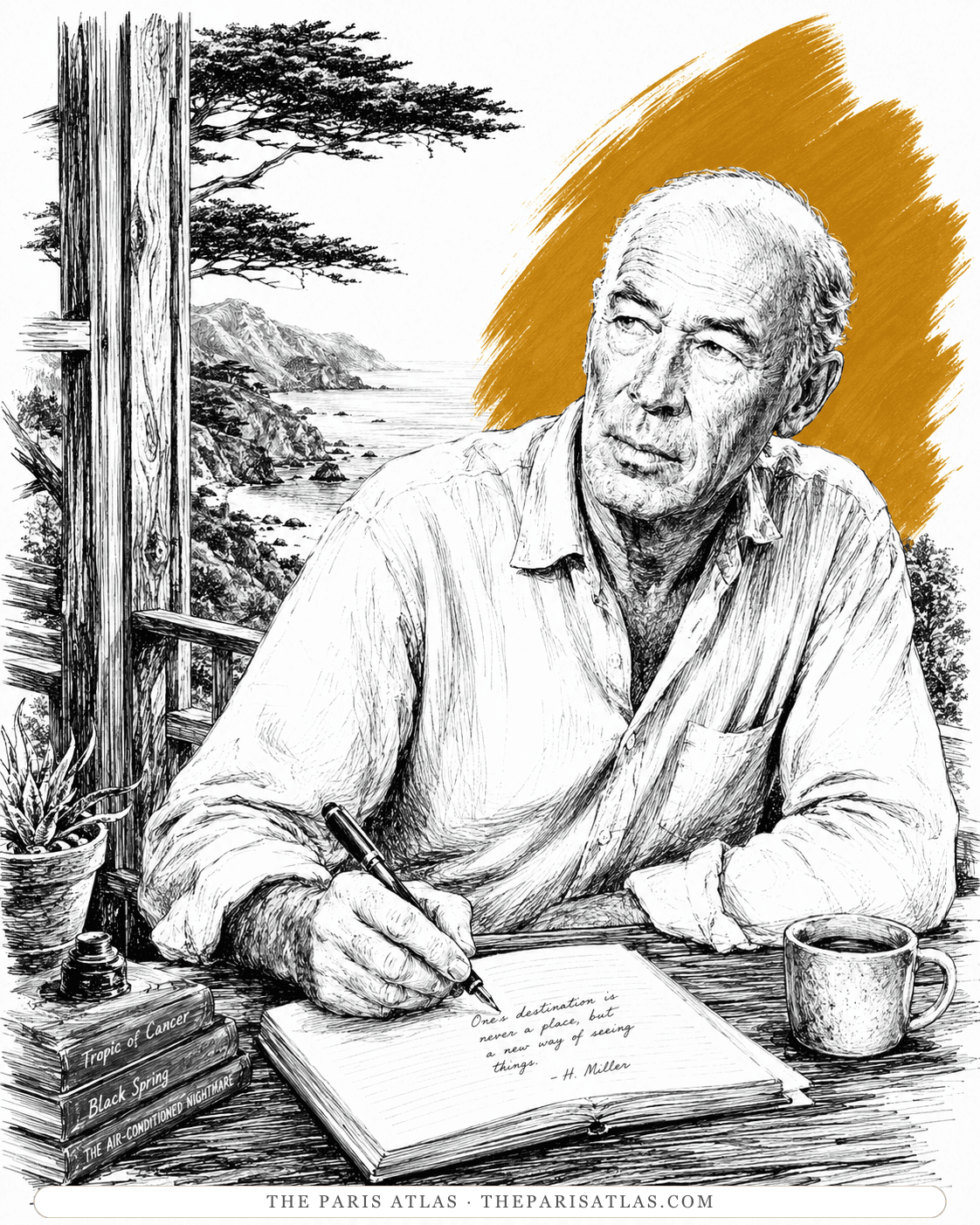


The Colossus of Maroussi
by Henry Miller
Greece, 1939: the light, the ruins, and a monologuist named Katsimbalis — the book Miller himself called his best.
- 1941
About Henry Miller
The story, briefly
Spoiler-freeIn the last summer before the war, Miller left Paris for Greece at Lawrence Durrell's invitation and found what a decade of Paris had not given him: peace. The record of those months — Corfu, Athens, Epidaurus, Mycenae, and above all the gargantuan talker George Katsimbalis, the colossus of the title — is a travel book the way Cancer is a novel, which is to say barely, and gloriously. Miller always said it was the best book he ever wrote. (A journey, not a plot — spoiler-free.)
The story, in more detail
In July 1939 Miller closed the Villa Seurat studio and sailed for Greece, where Lawrence Durrell — the young admirer who had written him a fan letter about Tropic of Cancer and become a lifelong friend — was living on Corfu. The trip was meant as a holiday from a Europe going dark. It became a conversion. Swimming, idling, and traveling the Peloponnese as the continent mobilized behind him, Miller felt the rage that powered the Paris books drain away and something else take its place.[1]
The book's presiding spirit is George Katsimbalis, the monologuist of Maroussi, whose torrential café talk gives the book its title and its method: Greece delivered not as scholarship but as voice. Around him, the poet George Seferis and the light of Epidaurus, Mycenae, and Delphi — sites Miller reads not as ruins but as live current. When war finally forced him home to America at the end of 1939, he carried the manuscript with him; the small Colt Press of San Francisco published it in 1941 after the New York houses passed.[1]
Miller insisted for the rest of his life that this — not the Tropics — was his best book, and a surprising number of readers who can't stand the Tropics agree. It is the hinge of his shelf: the Paris anger behind him, the American reckoning ahead, and in between, one season of something he had no practice describing: happiness.[1]
The full story
Summer 1939. Miller sails from a mobilizing France to Corfu, where Durrell and his wife Nancy have a house above the sea. The first movement is pure idyll — swimming, sun, the unlearning of a decade of city nerves — shadowed at the edges by the radio's news. In Athens he meets Katsimbalis, the huge, wounded, unstoppable talker whose monologues — war stories, poets, roosters, the dead — become the book's engine; Miller decides the man is Greece, and follows the voice.[1]
The second movement is the pilgrimage: Epidaurus, where the ancient theater's silence hits him as 'the still center'; Mycenae, whose murderous old stones frighten and exalt him; Phaestos, Knossos, and Crete with its guide-book-defying vitality; Delphi at the year's cold end. Miller reads every site the same heretical way — not archaeology but transmission, the past still broadcasting to anyone unarmored enough to receive it. Interleaved: portraits of Seferis and Katsimbalis, tirades against the coming mechanized war, and the dawning, uncomfortable knowledge that the trip is ending because the world is.[1]
How it ends — spoilers ahead
There is no plot to protect, but the ending has a shape worth saving. War closes Greece around him: the trip contracts, friends are called up, and Miller — an American with an expiring welcome — is forced onto a boat home at the end of 1939, to the country the whole book has been quietly dreading. The famous last note is the anecdote of Katsimbalis and the roosters, and Miller did not see it. It reaches the book as a letter from Lawrence Durrell dated 10 August 1940, printed whole at the end, written after Miller had already left the country. Durrell describes a drunken night on the steps outside the big gate of the Acropolis: Katsimbalis walked to the edge of the precipice, threw back his head and crowed, and one by one, from far off, the roosters of the plain answered him until the whole valley was going. Durrell signed off LARRY and told Miller the story was his to write. Miller printed the letter instead, and it carries the book's whole argument in one image: one voice, raised for no reason but life, and the world answering in kind.
Themes and analysis
The stillness of Epidaurus
Epidaurus interrupts the logic of travel as conquest. Miller reaches an ancient destination only to argue that the most difficult journeys need not involve movement at all. Even self-mastery falls under suspicion, because it can preserve the very ego that surrender is meant to loosen. The theatre's stillness therefore does more than relieve a tired traveler: it changes the terms on which experience is valued. A site visited and described becomes an inward possibility available elsewhere. The travel writer makes his destination matter by denying that the transformation belongs exclusively to it.
A voice answered in the dark
Durrell's closing letter makes Katsimbalis's performance travel farther than his voice could. The crowing passes from one man to the birds of Athens, then into Durrell's account, and finally to the absent Miller in New York. The letter even imagines the sound waking him at his desk. By letting this other voice finish the portrait, Miller makes friendship part of the book's form rather than merely its subject. Katsimbalis is both ridiculous and magnificent, straining until his companions beg him to stop. The affectionate excess keeps the colossus human, while the chain of responses gives a solitary performance communal life.
Why we recommend it
Epidaurus
The pages on the ancient theater's silence are the summit of Miller's prose — the rage of the Paris books transposed, at last, into awe.
Katsimbalis talking
One of literature's great portraits of a talker — the monologue as national art form, taken down by the only writer garrulous enough to keep up.
The last light before the war
Every page is shadowed by 1939. Reading it is standing in the final sunlit season of a world about to go out.
What this book explores
The people in its pages

George Katsimbalis
The Greek talker of the title. A real man from Amaroussion, a town outside Athens, whose monologues Henry Miller followed around Greece in 1939. Miller says he wrote the book for him.

Lawrence Durrell
The British poet and novelist who was living on Corfu and kept inviting Henry Miller to come. Miller went, and Durrell is his companion for much of the trip.
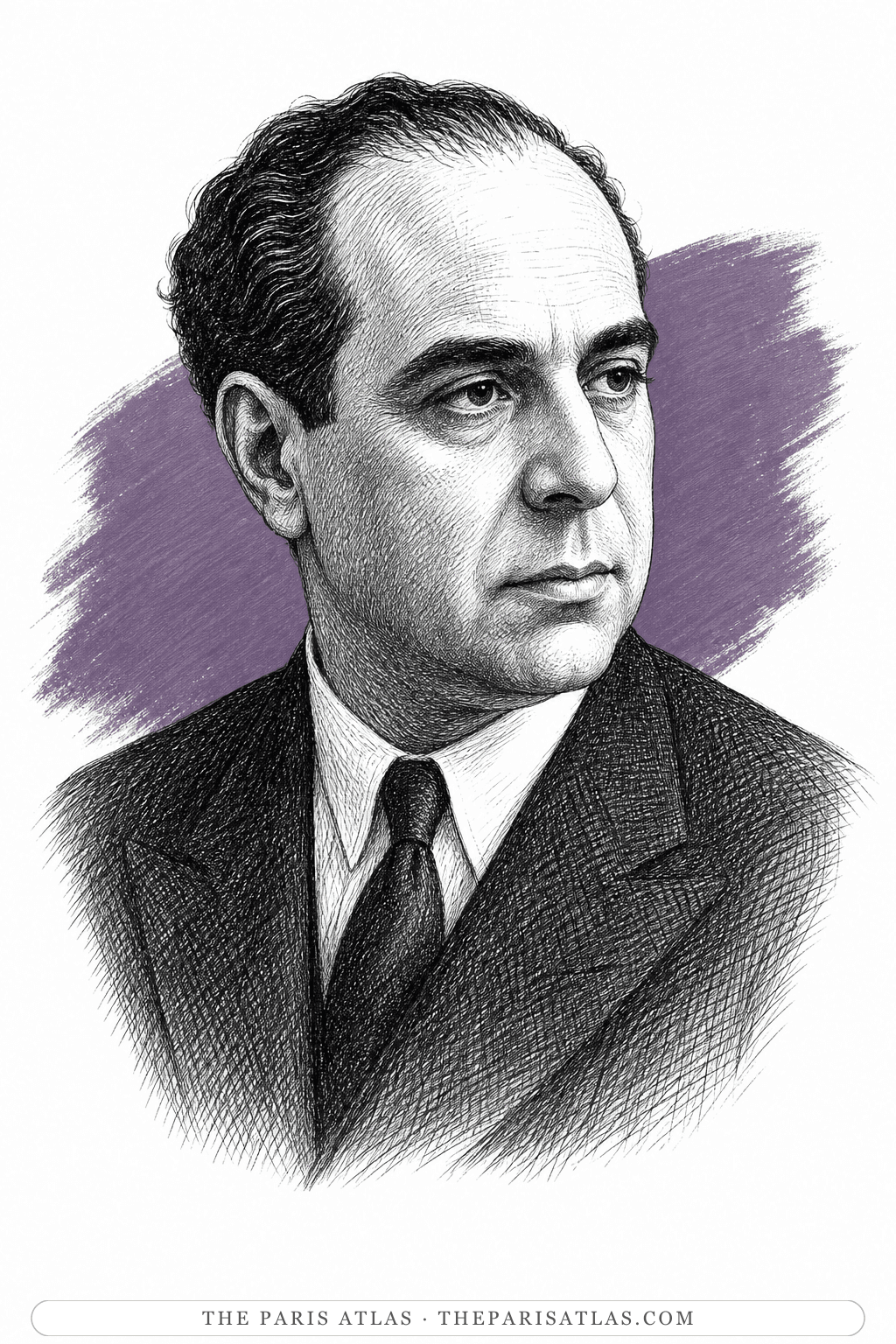
George Seferiades
The Greek poet who published as George Seferis and later won the Nobel Prize in Literature. In the book he is Katsimbalis's closest friend, and the man who walks Henry Miller home at night.
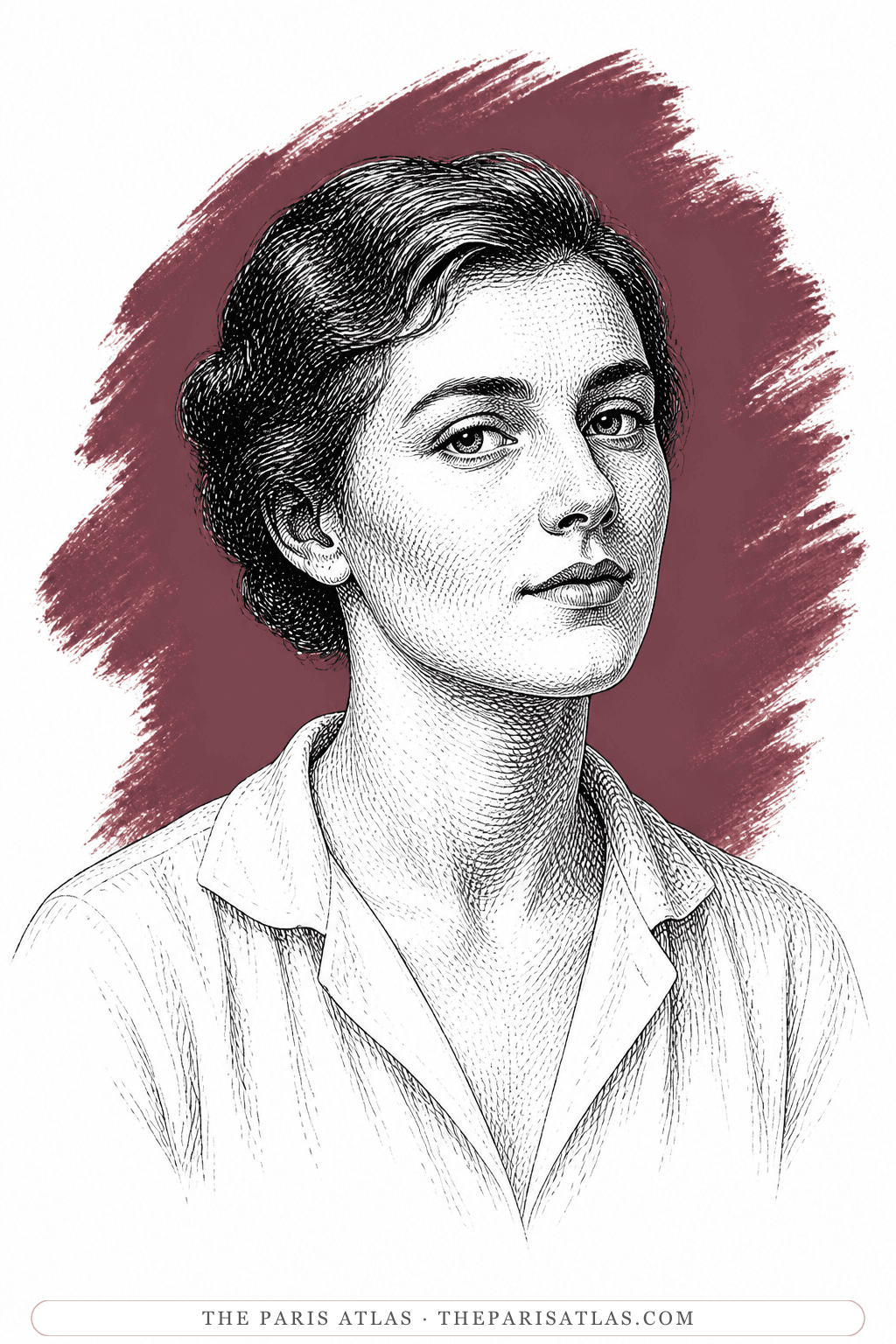
Nancy Durrell
The wife of the British novelist Lawrence Durrell. The couple were living on the Greek island of Corfu, and their invitation brought Henry Miller there in 1939. She is with him for much of the trip, and Miller quotes her once.
Also in the book
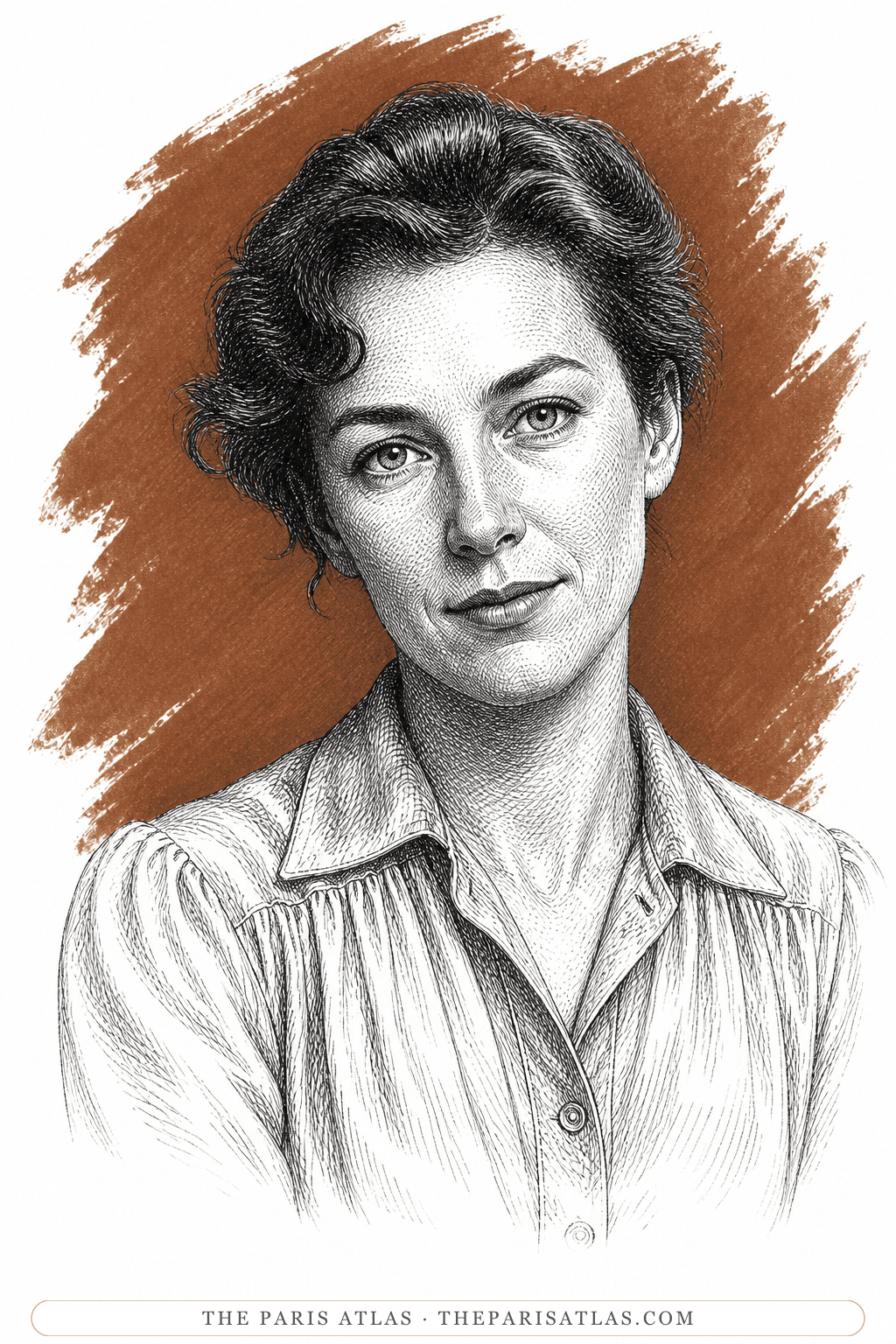
Betty Ryan
The American painter who lived in the same Paris house as Henry Miller. One evening of her talk about Greece is the reason the trip, and the book, happened at all.
Timeline
1935
Lawrence Durrell writes Miller a fan letter about Tropic of Cancer, beginning the friendship that leads to Greece.
1939
Miller closes the Villa Seurat studio and sails for Greece, meets the talker George Katsimbalis, and is forced home to America at year's end as the war closes in, carrying the manuscript.
1941
The small Colt Press of San Francisco publishes it after the New York houses pass.
Book editions
Hardcover
- Hardcover
- Colt Press
- 1941

- Paperback
- New Directions
- 9780811218573
Reader reviews
Readers may also like

The Air-Conditioned Nightmare
The after picture: Greece showed him what a livable world felt like; America, revisited, showed him the opposite.
Read our take
The Colossus of Maroussi: frequently asked questions
Who wrote The Colossus of Maroussi?
Henry Miller. It was published in 1941, and he often said it was the best book he ever wrote.
What is The Colossus of Maroussi about?
Miller's months in Greece in 1939, at Lawrence Durrell's invitation — Corfu, Athens, Epidaurus, Mycenae — and above all the gargantuan talker George Katsimbalis, the "colossus" of the title.
Is it a travel book?
It is a travel book the way Tropic of Cancer is a novel — barely, and gloriously. It is less an itinerary than the record of a peace a decade of Paris had not given him.
When is it set?
In the last summer before the Second World War, 1939, when Miller closed his Villa Seurat studio and sailed for Greece.
Who is the "colossus"?
George Katsimbalis, the Greek poet and monologuist of Maroussi, whose torrential talk gives the book its title.
If you like Henry Miller
Explore authors with a similar voice, perspective, and influence.

Louis-Ferdinand Céline
Miller's acknowledged master at making literature out of the gutter. Journey gave him permission; Cancer is what he did with it.
View author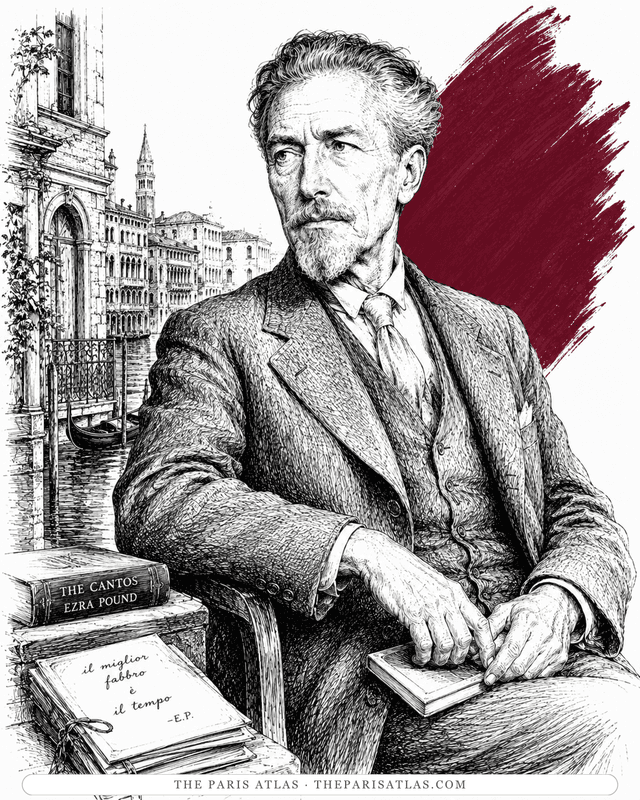
Ezra Pound
Pound read Cancer and sent Miller a famously backhanded postcard. Both believed literature's job was to wake the reader by any means necessary.
View author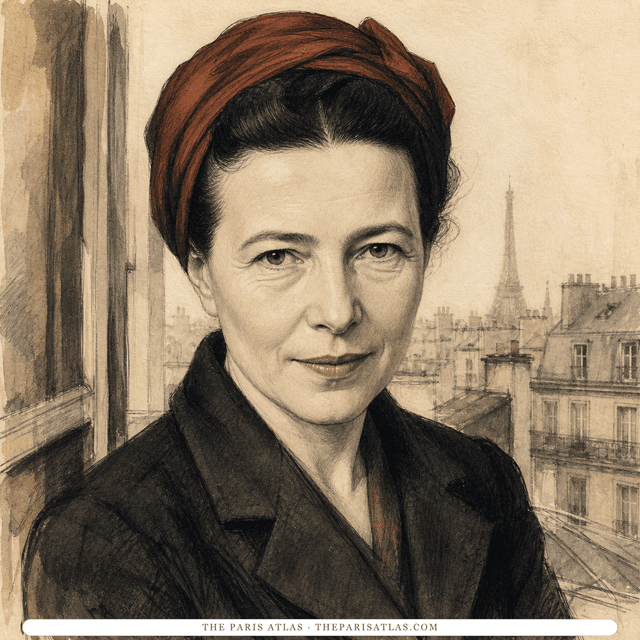
Simone de Beauvoir
French writer and philosopher whose novels, memoirs, and social analysis examined freedom, gender, responsibility, aging, and the material conditions that shape a life.
View author
References
References
The sources below include the primary text, editions, scholarship, archival materials, and other records that informed this page. They document The Colossus of Maroussi, its publication, and its place in literary history.


2Henry Miller: A Life
BiographyW. W. Norton, 1991Used forUsed to place The Colossus of Maroussi within Henry Miller's life, travels, and published work.

3Beatrice Wickens Miller Sandford and Barbara Miller Sandford Collection of Henry Miller: A Preliminary Inventory
ArchiveHarry Ransom Center, University of Texas at AustinUsed forUsed for independent archival context surrounding Miller's career and correspondence.

4Henry Miller: New Perspectives
NonfictionBloomsbury AcademicUsed forUsed for scholarly context on The Colossus of Maroussi and Miller's wider literary legacy.
5Henry Miller: The Paris Years
BiographyBrassaï, 1995Used forUsed to verify Henry Miller's bibliography and place The Colossus of Maroussi within the broader chronology of Henry Miller's career.
6The Colossus of Maroussi — scanned 1945 reprint
MemoirMartin Secker & Warburg, 1945Used forThe Epidaurus passage and complete closing appendix were read in the scanned 1945 reprint; locators refer to that edition's printed pagination.
i
Why these sources are here
The primary text is the baseline reference for every book page. Additional references document publication history, interpretation, and historical context where that evidence is available.
 Explore more resources