

The Colossus of Maroussi
The finished travel book built from the same 1939 Greek journey.
Read our take
by Henry Miller
The 1939 travel notebook Miller gave away whole — begun on Hydra, finished at Delphi, and dedicated to George Seferis.
A brief journal from Miller’s first weeks in Greece in 1939, written before The Colossus of Maroussi turned the journey into a finished travel book. He began the manuscript on Hydra, completed it at Delphi, and gave the original to the poet George Seferis. It remained unpublished until Capra Press and Village Press editions appeared in 1973. The result is a rougher, more immediate companion to Colossus: a notebook of place, friendship, irritation, and first sight. (A travel journal — nothing to spoil.)
Miller reached Greece in 1939 after leaving Paris to visit Lawrence Durrell. First Impressions catches the trip before memory and structure transformed it. Its original inscription called the pages “Little thoughts en route” on Greece, the Greeks, and other things; the manuscript began at the painter Nikos Ghika’s house on Hydra and ended at Delphi.
The book is inseparable from George Seferis. Miller dedicated the notebook to him and later gave him the entire handwritten manuscript rather than keeping a copy for his own projected book. Princeton’s Seferis papers preserve that manuscript, along with Miller’s later letters and working material from The Colossus of Maroussi.
Capra Press finally issued the journal in 1973, more than thirty years after it was written; Village Press published a London edition the same year. It is only forty-seven pages, best read beside Colossus rather than instead of it: field notes beside the composed score.
A compact run of impressions written as Miller moved through Greece: the light and landscape of Hydra, encounters with Greek writers and artists, the movement toward Delphi, and recurring thoughts about Seferis and friendship. The notebook preserves first responses, including unvarnished judgments that the later travel book reshapes or leaves behind.
There is no continuous plot. Its interest lies in seeing observation before revision — how a place, a host, or a passing annoyance begins turning into the mythology of The Colossus of Maroussi.
In the published Italian text, the four boats interrupt the journey's earlier exhilaration. Miller finds Spetses disappointing beside Hydra, yet its old harbor becomes an enduring memory. His comparison with French paintings frames the boats as a composition, while the surrounding melancholy makes that composition suggest forgotten actions and lives passing out of view. This is not simply a picturesque pause: stillness registers the possibility of disappearance. Calling the atmosphere almost unlike Greece also exposes an expectation the place does not meet. The island complicates the narrator's own ideal of Greek vitality, and its power to stay with him comes partly from that complication.
At Knossos, passing the official entrance becomes a story of recognition rather than a traveler's failure. Miller sees the restored red column just as he feels that he has reached the right place; the coincidence encourages his confidence that sacred sites can be found without guides. The ensuing reflection distinguishes an enduring spirit of place from museum objects that will eventually perish. Yet a visibly restored object has helped prompt this apparently direct encounter with the past. That tension makes the episode more interesting than a simple rejection of material remains: the narrator reaches his claim of timeless presence through a particular, mediated sight. It is a literary experience, not proof of the site's ancient meanings.
The journal lets the reader watch Greece arriving in Miller’s sentences before he knew what book it would become.
Its survival is part of the story: Miller gave his friend the unique manuscript and trusted memory to supply the later book.
A short, revealing bridge between the 1939 journey and the polished travel classic published in 1941.
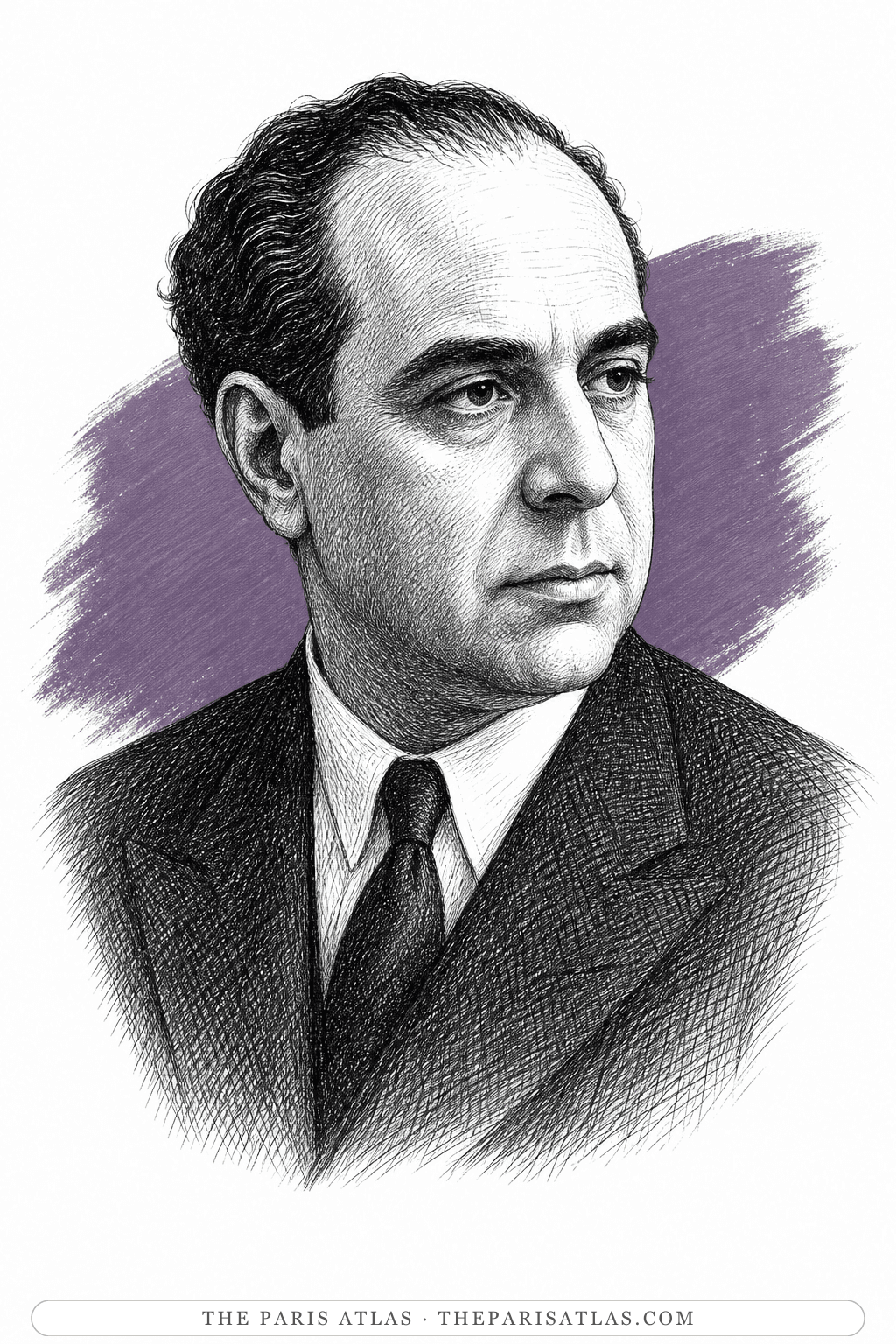
The Greek poet to whom Miller dedicated and gave the original 1939 manuscript; the notebook is also a record of their new friendship.
1939
Miller begins the journal on Hydra, finishes it at Delphi, and gives the manuscript to George Seferis.
1941
The Colossus of Maroussi publishes the larger, revised account of the Greek journey.
1973
Capra Press and Village Press publish First Impressions of Greece for the first time.
1977
The text is collected in Sextet.


The finished travel book built from the same 1939 Greek journey.
Read our take

The other major Miller book in which landscape becomes a community of friends.
Read our takeHe wrote it in 1939, beginning on Hydra and finishing at Delphi. It was not published until 1973.
It is the immediate notebook from the same Greek journey, while The Colossus of Maroussi is the later, fully shaped travel book.
Miller dedicated the journal to Seferis and gave him the complete handwritten manuscript, which is now preserved in Seferis’s papers at Princeton.
Capra Press published it in Santa Barbara in 1973; Village Press issued a London edition the same year.
Yes. Sextet collected the text in 1977, after its first separate publication in 1973.
Explore authors with a similar voice, perspective, and influence.

Miller's acknowledged master at making literature out of the gutter. Journey gave him permission; Cancer is what he did with it.
View author
Pound read Cancer and sent Miller a famously backhanded postcard. Both believed literature's job was to wake the reader by any means necessary.
View author
French writer and philosopher whose novels, memoirs, and social analysis examined freedom, gender, responsibility, aging, and the material conditions that shape a life.
View authorThe sources below include the primary text, editions, scholarship, archival materials, and other records that informed this page. They document First Impressions of Greece, its publication, and its place in literary history.


Official record used to verify names, dates, institutional details, or other factual information on this page.
Archival evidence used to document the historical record connected to First Impressions of Greece.

Web source consulted for documented facts and historical context presented on the First Impressions of Greece page.
Biographical evidence used to verify chronology, relationships, and historical context connected to First Impressions of Greece.
The new harbor reading uses the public Italian text linked from Graziella Martina's project list. It concerns the Spetses passage, not a collation of the complete English edition; no original English wording or pagination is claimed.
The new column reading uses the opening of the public Italian Cnosso–Canea section. It interprets the narrator's experience rather than verifying archaeological history. The edition and translator credit were not independently established.
The primary text is the baseline reference for every book page. Additional references document publication history, interpretation, and historical context where that evidence is available.
 Explore more resources