


Into the Heart of Life
by Henry Miller
A centennial Miller arranged as a life journey: ten books distilled into a bracing autobiography of appetite, independence, and renewal.
- 1991
About Henry Miller
The story, briefly
Spoiler-freeInto the Heart of Life: Henry Miller at One Hundred is New Directions’ 1991 centennial anthology, selected and organized by Frederick Turner. Drawing from ten Miller books, Turner arranges the excerpts into an autobiographical sequence rather than a sampler by genre. The resulting volume emphasizes radical individualism, spiritual renewal, work, travel, friendship, and the effort to live beyond inherited fear.
The story, in more detail
Turner treats Miller’s many narrators as stages in one life. The arrangement passes through rejection, Paris liberation, travel, artistic friendship, and old age while maintaining the discontinuities of the original books.
Published for Miller’s hundredth anniversary, the anthology argues for a legacy larger than censorship history. Its selection places ecstatic attention and self-transformation at the center.
Themes and analysis
A life reconstructed from ten books
Frederick Turner organized the selection around the chronology of Miller’s autobiographical experience. The sequence therefore follows a life as represented in writing, rather than simply placing extracts in the order their source books were published. The distinction matters for an author who repeatedly returned to earlier decades.
The result is not a newly recovered memoir. It is a posthumous editorial construction made from passages that originally belonged to different books. Turner’s arrangement can make connections easier to follow while also changing the surroundings in which a passage is encountered.
The centennial argument
Published in 1991 for the hundredth anniversary of Miller’s birth, the anthology emphasizes a lineage of American individualism associated with Emerson, Thoreau, and Whitman. Its framing asks readers to take self-liberation seriously as a literary concern, beyond the notoriety of banned books.
That framing is an interpretation of Miller, not a label that resolves every contradiction in his work. Celebration of an individual’s freedom can sit uneasily beside his depictions of other people. The autobiographical arrangement makes the development of a persona visible without guaranteeing that the persona tells the whole truth.
Reading the selection alongside the original books
A passage taken from a long, digressive work loses some of its original delays, recurrences, and changes of tone. The anthology is consequently useful as an introduction and a guide back to source books, but not as a compressed equivalent of reading all ten.
The Henry Miller Reader offers a selection made during Miller’s lifetime, while Henry Miller on Writing concentrates on literary work and practice. Turner’s centennial volume has a different organizing question: what kind of life emerges when this dispersed writing is placed in autobiographical order?
Why we recommend it
A coherent life arc
Turner’s sequence gives scattered autobiographical books a readable chronology.
Beyond notoriety
The selection foregrounds independence, friendship, work, and spiritual appetite.
An introduction with a reading sequence
Frederick Turner’s arrangement gives a newcomer a route through material from ten books, with the option to pursue the original volumes afterward.
What this book explores
Timeline
1891
Miller is born on December 26. The centenary of this birth is the occasion commemorated by the anthology’s subtitle, Henry Miller at One Hundred.
1991
New Directions publishes the centennial anthology for Miller’s hundredth birthday.
2014
The centennial selection becomes available as an ebook, extending access to Turner’s arrangement of Miller’s autobiographical prose.
Book editions

- Paperback
- New Directions
- 1991
- 9780811211857
Reader reviews
Readers may also like


Into the Heart of Life: frequently asked questions
Who selected Into the Heart of Life?
Frederick Turner selected and organized the excerpts.
Why ‘at One Hundred’?
New Directions published the anthology in 1991, the centenary of Miller’s birth.
Is it a newly written autobiography?
No. It creates an autobiographical sequence from ten earlier books.
Who published Into the Heart of Life?
New Directions published the anthology in 1991.
How many Miller books supplied its selections?
Frederick Turner drew selections from ten of Miller’s books.
If you like Henry Miller
Explore authors with a similar voice, perspective, and influence.
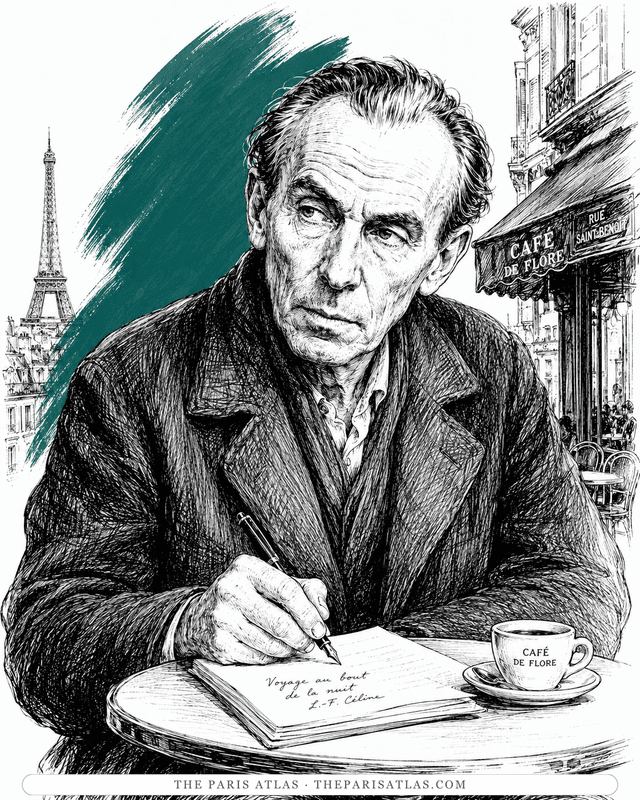
Louis-Ferdinand Céline
Miller's acknowledged master at making literature out of the gutter. Journey gave him permission; Cancer is what he did with it.
View author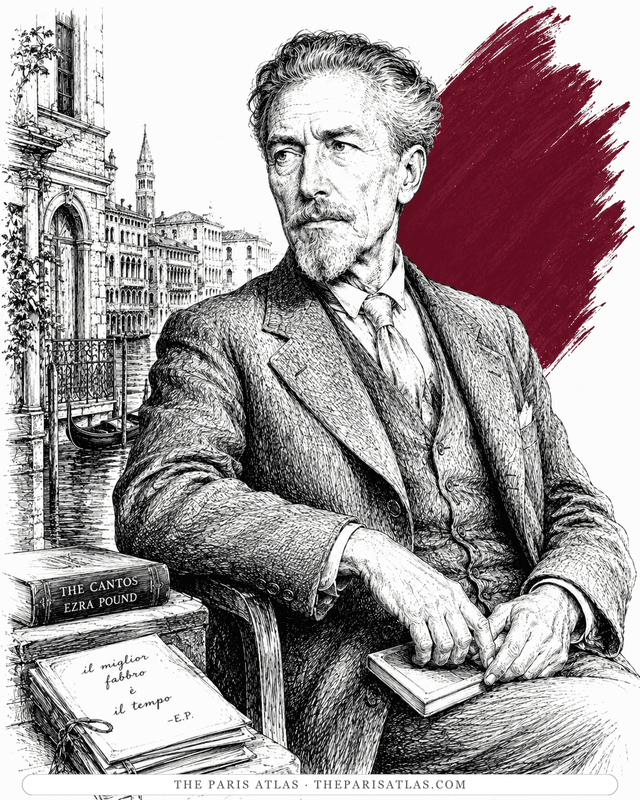
Ezra Pound
Pound read Cancer and sent Miller a famously backhanded postcard. Both believed literature's job was to wake the reader by any means necessary.
View author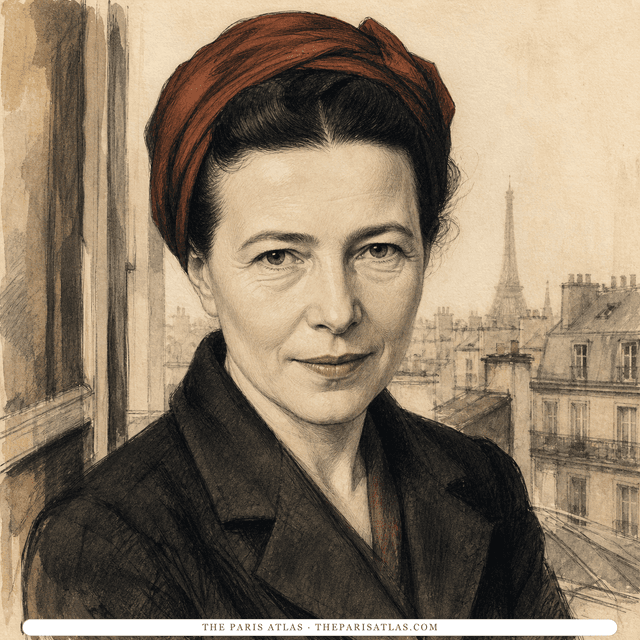
Simone de Beauvoir
French writer and philosopher whose novels, memoirs, and social analysis examined freedom, gender, responsibility, aging, and the material conditions that shape a life.
View author
References
References
The sources below include the primary text, editions, scholarship, archival materials, and other records that informed this page. They document Into the Heart of Life, its publication, and its place in literary history.


1Into the Heart of Life
NonfictionHenry Miller, 1991Used forThe primary text represented by this page, used for descriptions of the work’s contents and for any quoted passages shown here.

2Into the Heart of Life
WebsiteNew DirectionsUsed forWeb source consulted for documented facts and historical context presented on the Into the Heart of Life page.
3The Happiest Man Alive: A Biography of Henry Miller
BiographySimon & Schuster, 1991Used forBiographical evidence used to verify chronology, relationships, and historical context connected to Into the Heart of Life.
4Henry Miller: A Life
BiographyW. W. Norton, 1991Used forBiographical evidence used to verify chronology, relationships, and historical context connected to Into the Heart of Life.

5Henry Miller: An Inventory of His Collection
ArchiveHarry Ransom Center, The University of Texas at AustinUsed forArchival evidence used to document the historical record connected to Into the Heart of Life.
6Henry Miller — Memorial Library chronology
WebsiteUsed forWeb source consulted for documented facts and historical context presented on the Into the Heart of Life page.
7Into the Heart of Life — 2014 digital edition
WebsiteUsed forWeb source consulted for documented facts and historical context presented on the Into the Heart of Life page.
i
Why these sources are here
The primary text is the baseline reference for every book page. Additional references document publication history, interpretation, and historical context where that evidence is available.
 Explore more resources