
Books like Sexus
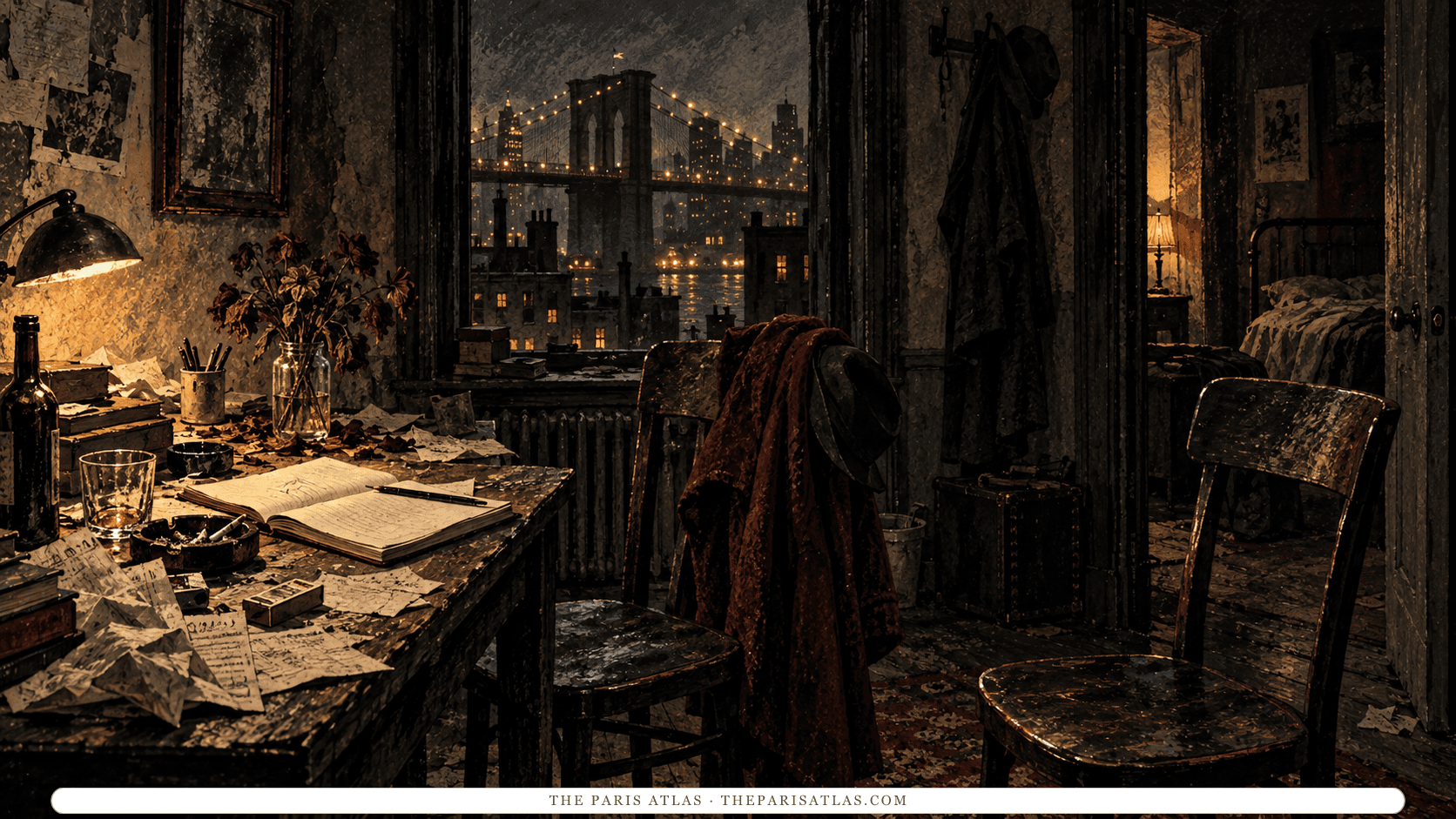
Sexus catches Henry Miller at the exact moment his respectable life begins to self-destruct. He is thirty-three, suffocating in a dead-end New York job, consumed by the conviction that he is meant to be a writer, and dangerously obsessed with Mona—a dance-hall hostess he drags into a toxic, consuming affair while his first marriage rots around him. Miller refuses to sanitize the wreckage for the reader. He lays bare the sex, the jealousy, the boredom, the vanity, and his own monstrous behavior with a manic, feral confidence. The prose swings violently from the gutter to the sublime, filthy one minute and breathtakingly lyrical the next. If you are looking for books where authors weaponize their own worst impulses, sexual obsessions, and desperate artistic hunger into high literature, start here.
What readers love about Sexus
- The shameless voice: Miller’s massive, unfiltered perspective is funny, excessive, intelligent, and impossible to mistake for anyone else.
- The creative collapse: Watching a man desperately try to become a writer while the rest of his ordinary life completely falls apart.
- Unsanitized sex: Intimacy written not as pure romance, but as a chaotic mix of obsession, comedy, ego, pleasure, and trouble.
- Zero embarrassment: The exhilarating feeling that absolutely nothing from Miller’s private life is considered too humiliating to expose to the world.
- Volcanic prose: A writing style that moves fluidly from vulgar street slang to deep philosophy and genuinely beautiful poetry without warning.
- The flawless anti-hero: A narrator who is undeniably selfish and ridiculous, but utterly impossible to find boring.

Plexus is the middle book of Henry Miller’s semi-autobiographical Rosy Crucifixion trilogy. After Sexus, Miller quits the telegraph job he hates and tries to devote himself to writing while he and Mona scrape by on borrowed money, odd schemes, and whatever comes along. The book is less consumed by sex than Sexus and much more interested in what it means to spend years trying to become an artist before anyone has given you a reason to believe you will succeed. Miller writes in the same loose, stream-of-consciousness style, moving freely through memory, philosophy, conversations, and strange digressions. If you like Sexus because Miller’s mind seems to arrive on the page almost unfiltered, Plexus keeps that voice but turns it toward the long, messy process of actually becoming a writer.
About the author
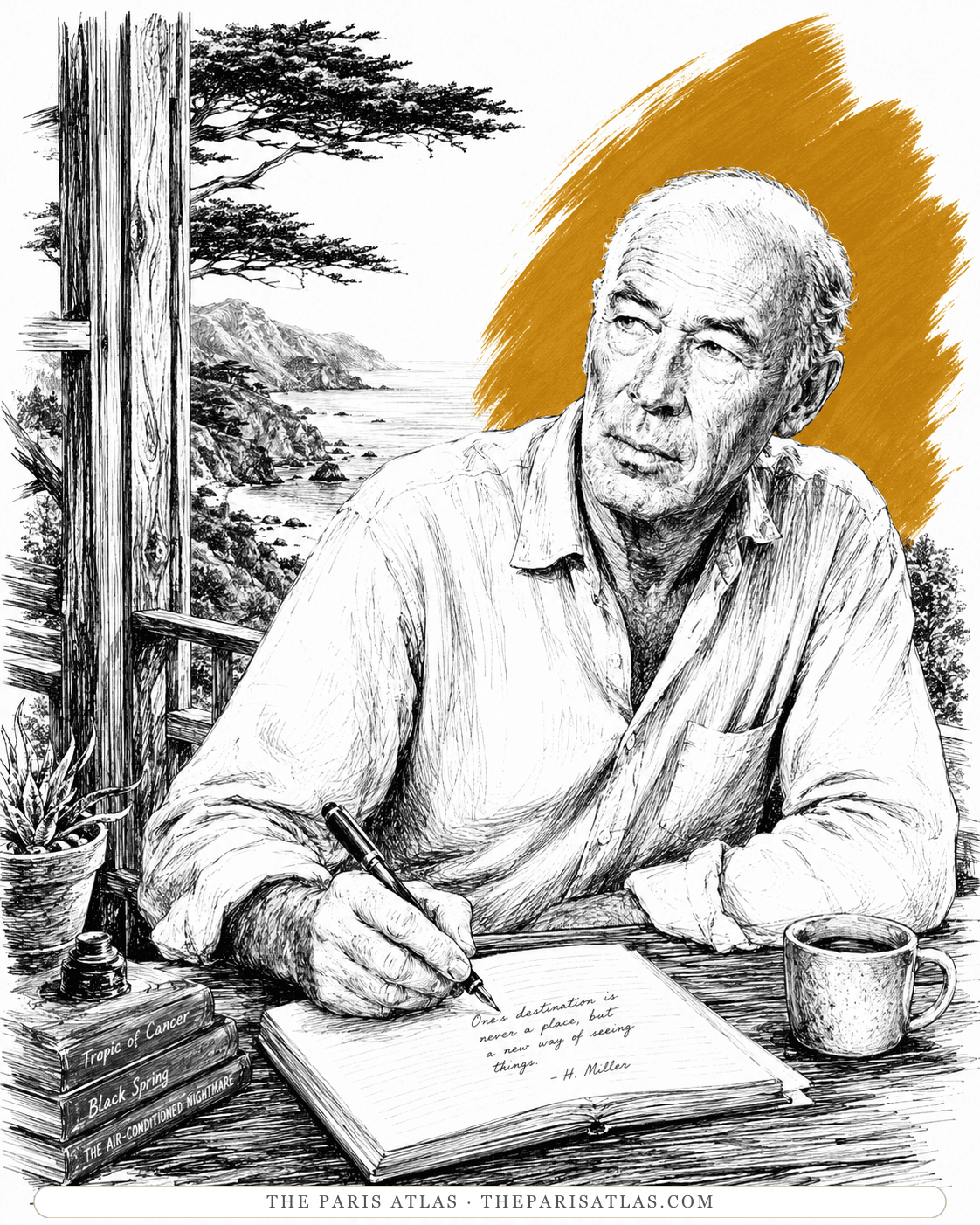
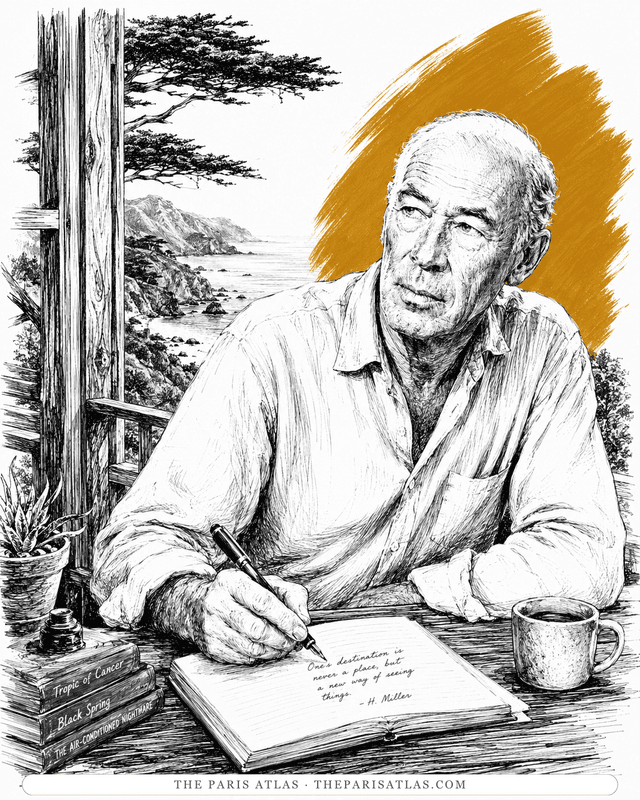
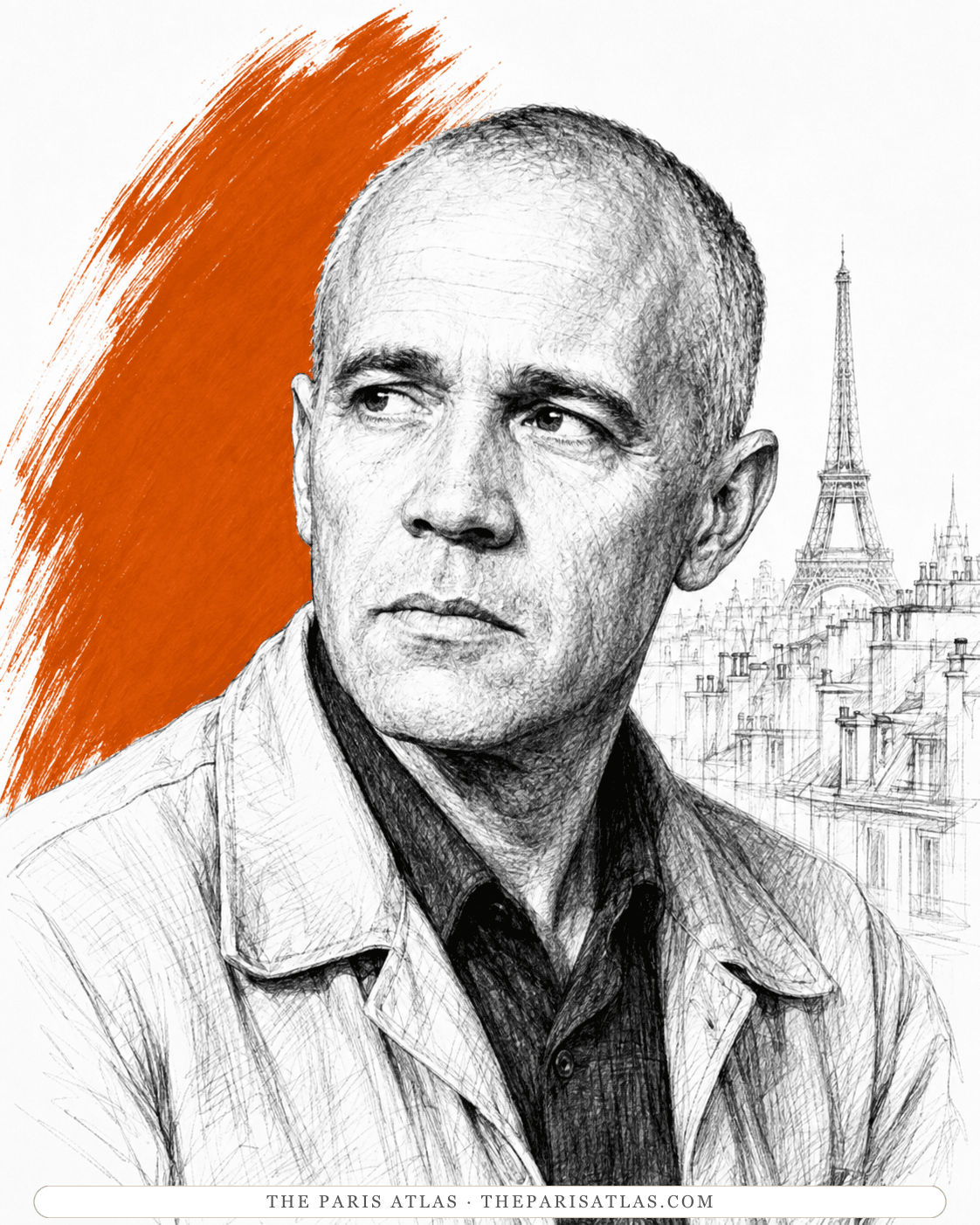
The Brooklyn dropout who arrived in Paris broke at thirty-eight and wrote the exuberant, banned books that ended American censorship.
Read about Miller
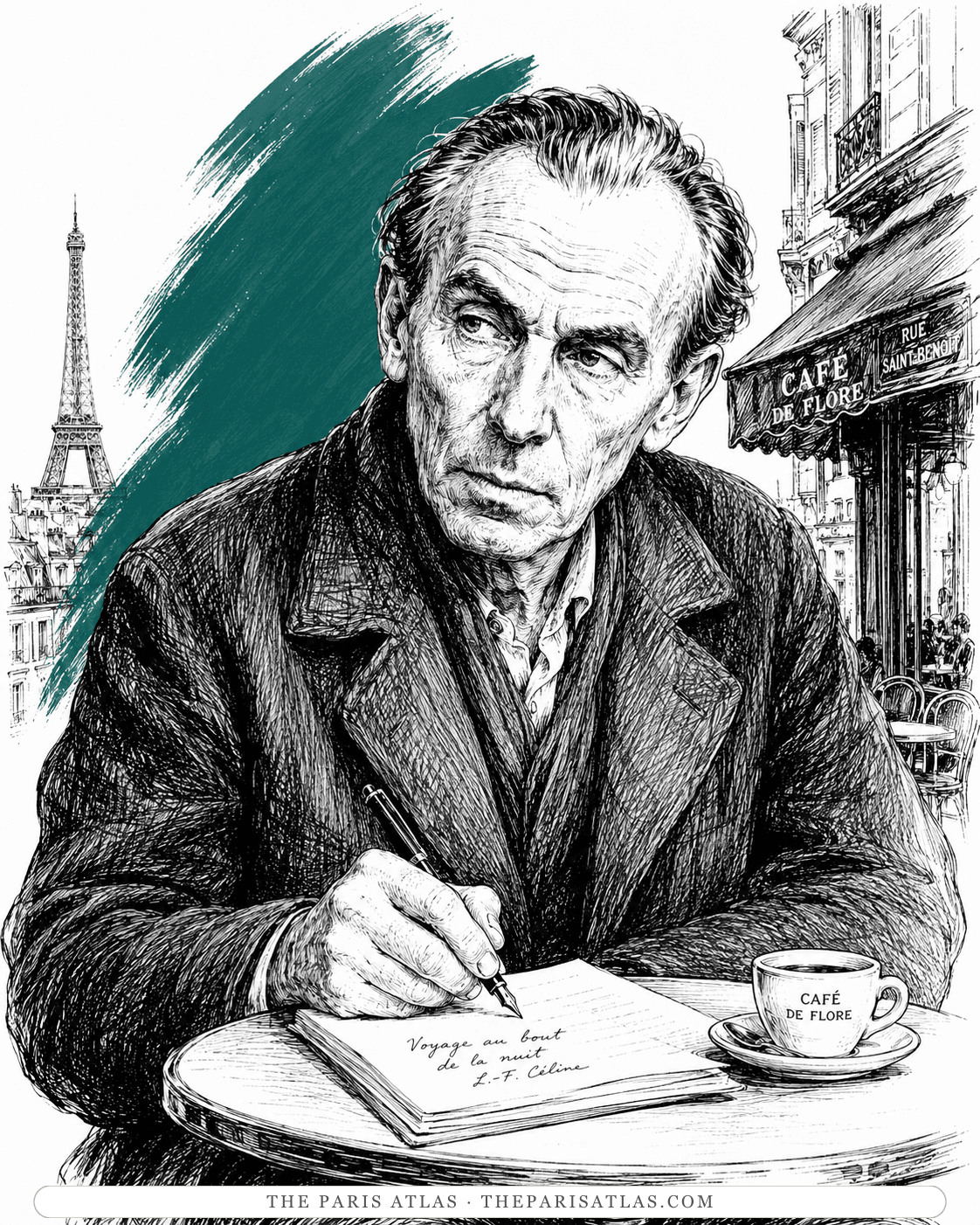
If you loved Miller's frantic rants against the 9-to-5 grind, Céline is the blueprint. This masterpiece follows a cynical narrator through the meat-grinder of World War I, the colonial nightmares of Africa, and the bleak, industrialized streets of New York and Paris. The prose is an absolute explosion of street slang, pitch-black humor, and profound despair, capturing a man who looks at the horror of the world and decides to laugh at it instead of cry. The real magic here is the rhythm of Céline's delivery. He writes in a raw, slangy, and conversational vernacular that feels like a rant, a dark joke, and a nervous breakdown happening all at once. It is undeniably darker and more nihilistic than Miller’s work. However, if you love Sexus because a massive, unfiltered personality is speaking directly off the page to you, Céline delivers that exact same kind of high-voltage literary electricity.
About the author
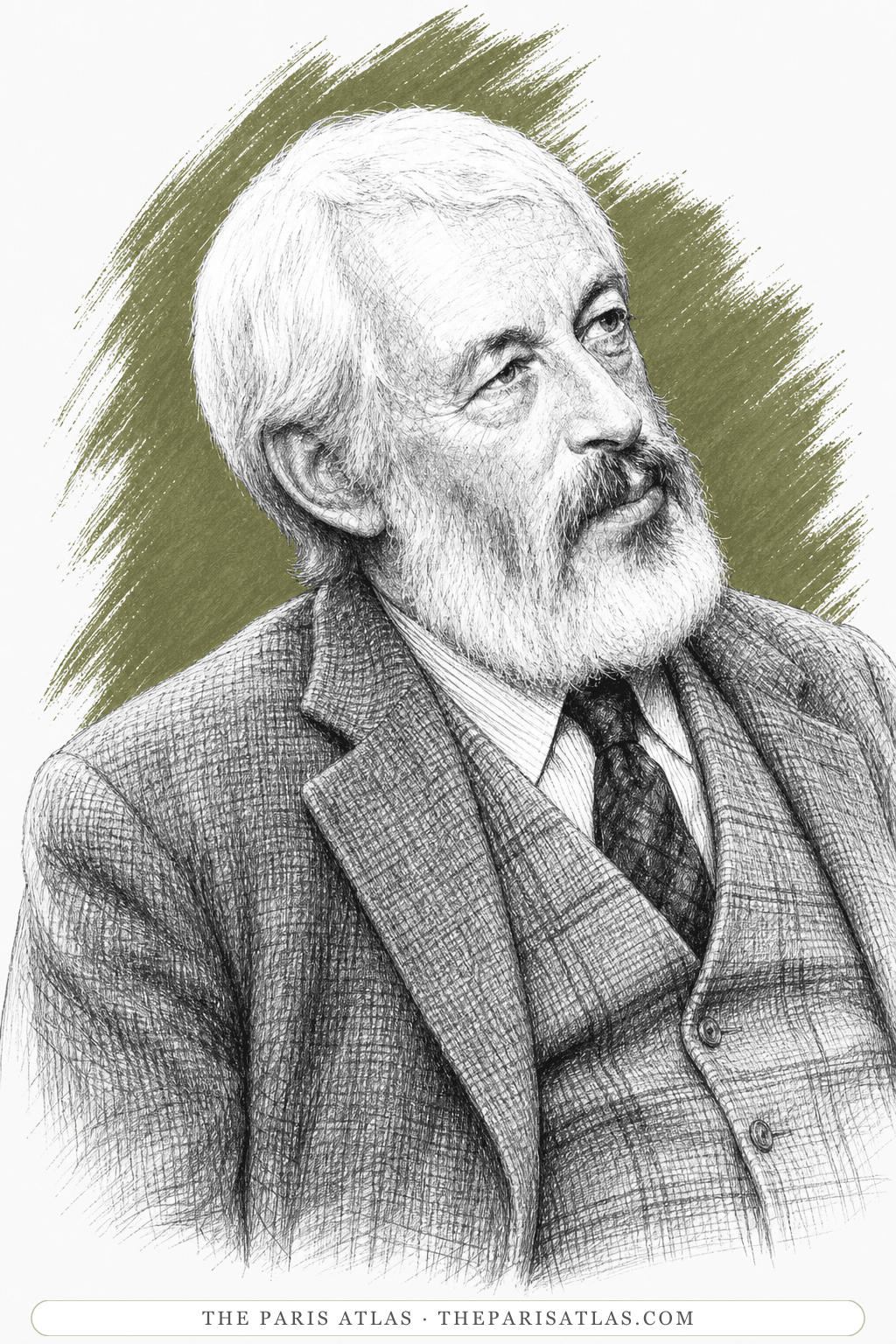
The doctor of the Paris slums who wrote the century's blackest, funniest novel — and changed the sound of French prose.
Read about Céline
Anaïs Nin’s diary follows her life in 1930s Paris as she becomes deeply involved with Henry Miller, his wife June, psychoanalysis, and the bohemian literary world around them. There is no conventional plot; the book moves through relationships, conversations, private obsessions, and Nin’s growing determination to become an artist on her own terms. Her prose is lyrical, intimate, and highly introspective, often turning ordinary moments into something dreamlike or psychologically charged. If you like Sexus partly because Miller makes his private life feel inseparable from his writing, Nin gives you that same world from a much more inward and emotionally observant voice.
About the author
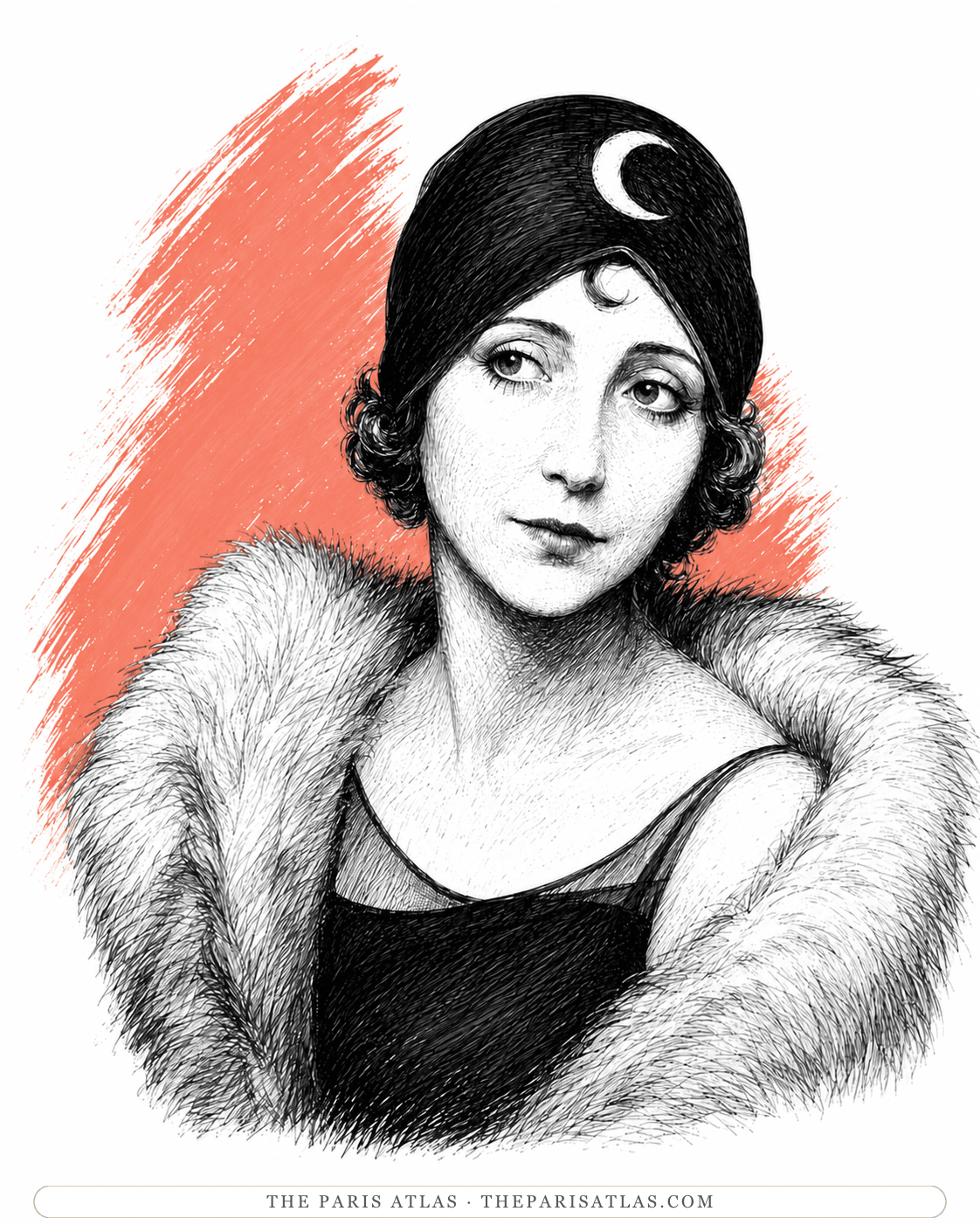
Diarist of the century — sixty years of the most famous journal in modern literature, Henry Miller's first champion, and, posthumously, the best-selling erotic writer of her age.
Read about Nin
Bukowski based Henry Chinaski, the narrator of Factotum, closely on himself, using the dead-end jobs, cheap rooms, drinking, women, poverty, and years spent trying to become a writer from his own life. He just gives himself another name and lets Chinaski take the punishment. The style is a huge part of the fun: short, blunt sentences, dry humor, almost no sentimentality, and a narrator who can make getting fired or waking up broke feel strangely entertaining. Bukowski is much sparer than Miller, but both writers had the nerve to look at their own disreputable lives and think, this is the material.
About the author
American poet and novelist of Los Angeles rooming houses, racetracks and the post office, who quit his job to write when a publisher offered him a hundred dollars a month. He came to Paris once, in September 1978, drank his way through a live television book programme and walked off the set — and French television has been replaying it ever since.
Read about Bukowski
Henry Miller draws heavily on his own life in New York, especially the years he spent working at a telegraph company and feeling trapped by ordinary employment. The book is loose and episodic rather than neatly plotted, jumping through memories, sex, work, childhood, anger, and sudden philosophical digressions. Miller’s prose is the real attraction: stream-of-consciousness, slangy, obscene, lyrical, and full of energy. If you like Sexus because Miller can make frustration and bad behavior feel alive on the page, Tropic of Capricorn has that same wild voice with even more rage at the world around him.
About the author
The Brooklyn dropout who arrived in Paris broke at thirty-eight and wrote the exuberant, banned books that ended American censorship.
Read about Miller
John Fante’s Arturo Bandini is a broke aspiring writer living in Los Angeles and trying desperately to become somebody. He is vain, insecure, romantic, cruel, funny, and constantly getting in his own way. Fante based Bandini closely on himself, so the novel has the raw feeling of autobiography even though it is fiction. The prose is lean and fast, with short chapters and a first-person voice that can swing from swagger to self-loathing almost instantly. If you like Miller because the narrator’s personality is inseparable from the writing, Fante gives you that same intensity in a much tighter, more controlled style.
About the author
American novelist, short-story writer and screenwriter whose autobiographical fiction made Italian American family life, artistic ambition and Los Angeles into the world of Arturo Bandini—and whose nine-week stay in Paris produced “The First Time I Saw Paris.”
Read about Fante
Nexus is the last volume of Henry Miller’s semi-autobiographical Rosy Crucifixion trilogy. Miller is still in New York, caught in an increasingly volatile relationship with Mona, the fictional version of June Mansfield, while trying to convince himself that he can finally become a writer. The book is loose, unruly, and full of digressions. Miller moves between stream of consciousness, sex, jealousy, philosophical riffs, and bursts of dark humor without worrying much about conventional structure. If you like Sexus because the writing feels driven by Miller’s personality more than by plot, Nexus has that same wild energy as his old life starts coming apart for good.
About the author
The Brooklyn dropout who arrived in Paris broke at thirty-eight and wrote the exuberant, banned books that ended American censorship.
Read about Miller
Jean Genet turns his own years as a vagabond, thief, prisoner, and male prostitute into a strange kind of autobiography. He wanders through Europe in the 1930s, gets arrested, survives however he can, and refuses to present any of it as a story of redemption. The writing is what makes the book extraordinary. Genet uses rich, lyrical prose to describe crime, humiliation, sex, and betrayal as if they belong in the same world as beauty and religious devotion. If you like Miller because he turns a disreputable life into literature without apologizing for it, Genet does something even more elegant and unsettling.
About the author
French novelist, poet, playwright, filmmaker and political writer who transformed abandonment, imprisonment, homosexuality, crime and revolt into lyrical prose and a theater of masks, ritual and unstable identities.
Read about Genet
Philip Roth’s Alexander Portnoy is a successful New York lawyer lying on his psychoanalyst’s couch and trying to explain how he became such a mess. He talks through his childhood, his parents, his sexual obsessions, his guilt, and his disastrous relationships in one long monologue. The writing is the real reason to read it. Roth’s prose is fast, aggressive, vulgar, and very funny, with the rhythm of someone ranting faster than he can censor himself. If you like Miller because the narrator’s personality takes over the whole book, Portnoy has that same kind of force, but with more neurosis and much sharper self-mockery.
About the author
 Philip Roth
American novelist whose comic and confrontational fiction examined desire, identity, family, fame, and self-invention.

J. P. Donleavy follows Sebastian Dangerfield, an American ex-GI and law student living in postwar Dublin who would rather drink, chase women, dodge bills, and cause trouble than settle into ordinary adult life. The plot is basically the trail of damage he leaves behind. What makes the book work is Donleavy’s style: clipped sentences, sudden shifts between first and third person, stream-of-consciousness passages, and bursts of lyrical prose in the middle of very dark comedy. If you like Miller because the writing can make selfishness and chaos entertaining, The Ginger Man has that same unruly energy in a sharper, more comic form.
About the author
American-born Irish novelist, playwright and painter whose scandalous comic debut The Ginger Man was first published by Olympia Press in Paris after repeated rejection in Britain and America.
Read about Donleavy
If your readers finish Sexus and want the immediate next step, they need to go back to where Miller's legend began. While Sexus shows his life falling apart in New York, Tropic of Cancer shows him completely broke, joyfully homeless, and legally stateless in Paris—writing at absolute full blast. It is a masterpiece of pure liberation, proving that once you lose absolutely everything, you are finally free to write whatever you want. Miller turns his own years as a struggling American writer in Paris into a loose, semi-autobiographical novel with almost no conventional plot. He moves through cheap rooms, borrowed meals, odd jobs, friendships, and sexual encounters while trying to survive long enough to keep writing. The real reason to read it is the prose. Miller uses stream of consciousness, filthy jokes, sudden rants, and bursts of almost ecstatic philosophy, often switching gears in the middle of a paragraph. If you like Sexus because Miller’s mind seems to spill directly onto the page, Tropic of Cancer gives you that same voice after he has escaped New York and found a city wild enough to match it.
About the author
The Brooklyn dropout who arrived in Paris broke at thirty-eight and wrote the exuberant, banned books that ended American censorship.
Read about Miller
This short autobiographical work looks back at Henry Miller’s 1928 trip to Paris with June Mansfield, the woman he fictionalized as Mona in The Rosy Crucifixion. Miller is not yet the famous expatriate writer of Tropic of Cancer. He is still uncertain, financially unstable, intensely attached to June, and trying to imagine what kind of life might allow him to become an artist. Because the material comes from an unfinished manuscript, the writing feels rougher and less shaped than his major books. That roughness is part of the interest: you are seeing Miller before he fully turns Paris and his marriage into mythology.
About the author
The Brooklyn dropout who arrived in Paris broke at thirty-eight and wrote the exuberant, banned books that ended American censorship.
Read about Miller
Marguerite Duras looks back on an affair she had as a teenage girl in French Indochina with an older, wealthy Chinese man. She writes about desire while also remembering money, class, family shame, and the strange power each person held over the other. Duras’s prose is almost the opposite of Miller’s. It is spare, fractured, sensual, and full of silence. She leaves gaps instead of explaining everything. If you like Sexus because a writer is willing to turn a morally complicated sexual past into literature, The Lover does the same thing with extraordinary control.
About the author
French novelist and screenwriter, later a director in her own right; her screenplay for Alain Resnais's Hiroshima mon amour (1959) carried the New Wave into literature and earned an Academy Award nomination.
Read about Duras
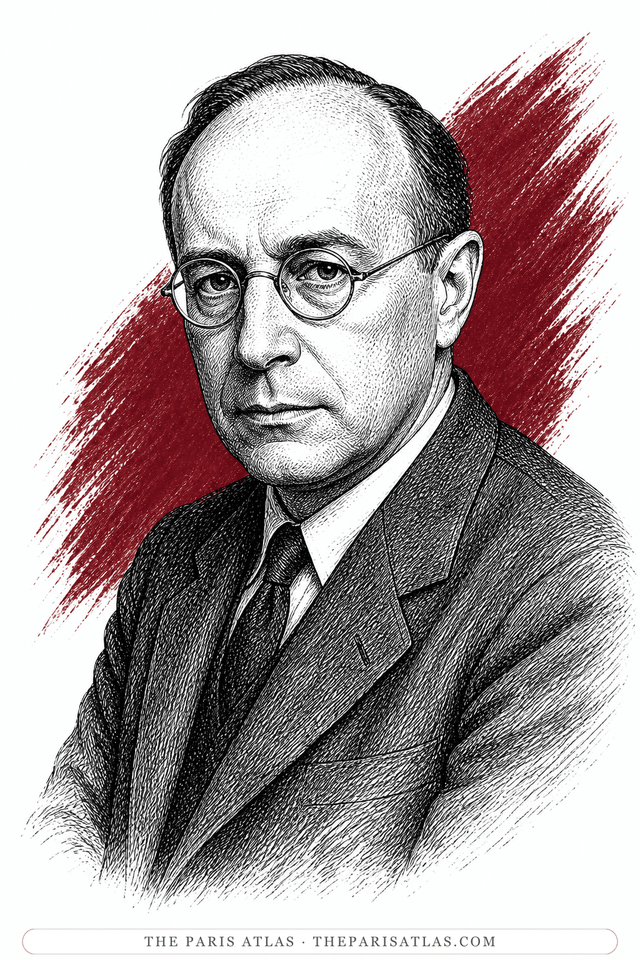
Georges Bataille follows an unnamed teenage narrator and his lover Simone as their sexual games become more violent, surreal, and disturbing. The story keeps escalating, but Bataille’s prose stays blunt and controlled. He describes shocking scenes with almost clinical detachment, which makes them feel even stranger. He also repeats images like eyes, eggs, milk, and the sun until they start taking on a life of their own. If you like Miller because he refuses to make sex respectable, Bataille goes much further — but with a colder, more deliberately unsettling style.
About the author
 Georges Bataille
French writer and thinker whose work joined eroticism, violence, mysticism, transgression, and the sacred.

Louis-Ferdinand Céline turns his own early life into the story of Ferdinand, a boy growing up amid family misery, failed schemes, humiliating jobs, and adults who seem nearly as unstable as he is. The plot is bleak, but the writing is anything but flat. Céline uses slang, broken rhythms, ellipses, exaggeration, and vicious black humor to make the narrator sound as if he is ranting the story directly at you. The prose can feel frantic and almost manic, which is exactly why it is so much fun to read. If you like Miller for the force of his personality on the page, this has that same sense of a writer making chaos entertaining through voice alone.
About the author
The doctor of the Paris slums who wrote the century's blackest, funniest novel — and changed the sound of French prose.
Read about Céline
Written during a legendary, three-day drug-and-coffee-fueled bender, this short novel documents a manic, consuming affair between Kerouac’s alter-ego and a young woman in the mid-century San Francisco underground. It captures the exact same frantic rhythm as Sexus—a writer desperately trying to capture the lightning-fast ecstasy and heartbreak of a failing relationship before the memories vanish. The plot is simple; the writing is the real event. Kerouac uses his famous spontaneous prose — long breathless sentences, jazz rhythms, stream of consciousness, and thoughts that seem to hit the page as quickly as he can have them. Like Miller, he can make a messy private life exciting because the voice itself has so much momentum.
About the author
French-Canadian American novelist and poet whose rhythmic spontaneous prose made roads, jazz, friendship and spiritual longing central to Beat literature—and whose two Paris journeys culminated in Satori in Paris.
Read about Kerouac
Isadora Wing is married and restless, but the real pull of the book is Jong’s voice. She writes in a direct, conversational style that can turn feverish, sarcastic, or unexpectedly lyrical within a page. The novel follows Isadora as she tests the difference between fantasy and actual freedom, especially when it comes to sex and marriage. If you like Miller because his personality seems to pour straight into the prose, Jong has that same kind of immediacy, with more self-mockery and a sharper sense of irony.
About the author
American novelist, poet, and memoirist whose candid writing about women’s desire and freedom made Fear of Flying a cultural landmark.
Read about Jong
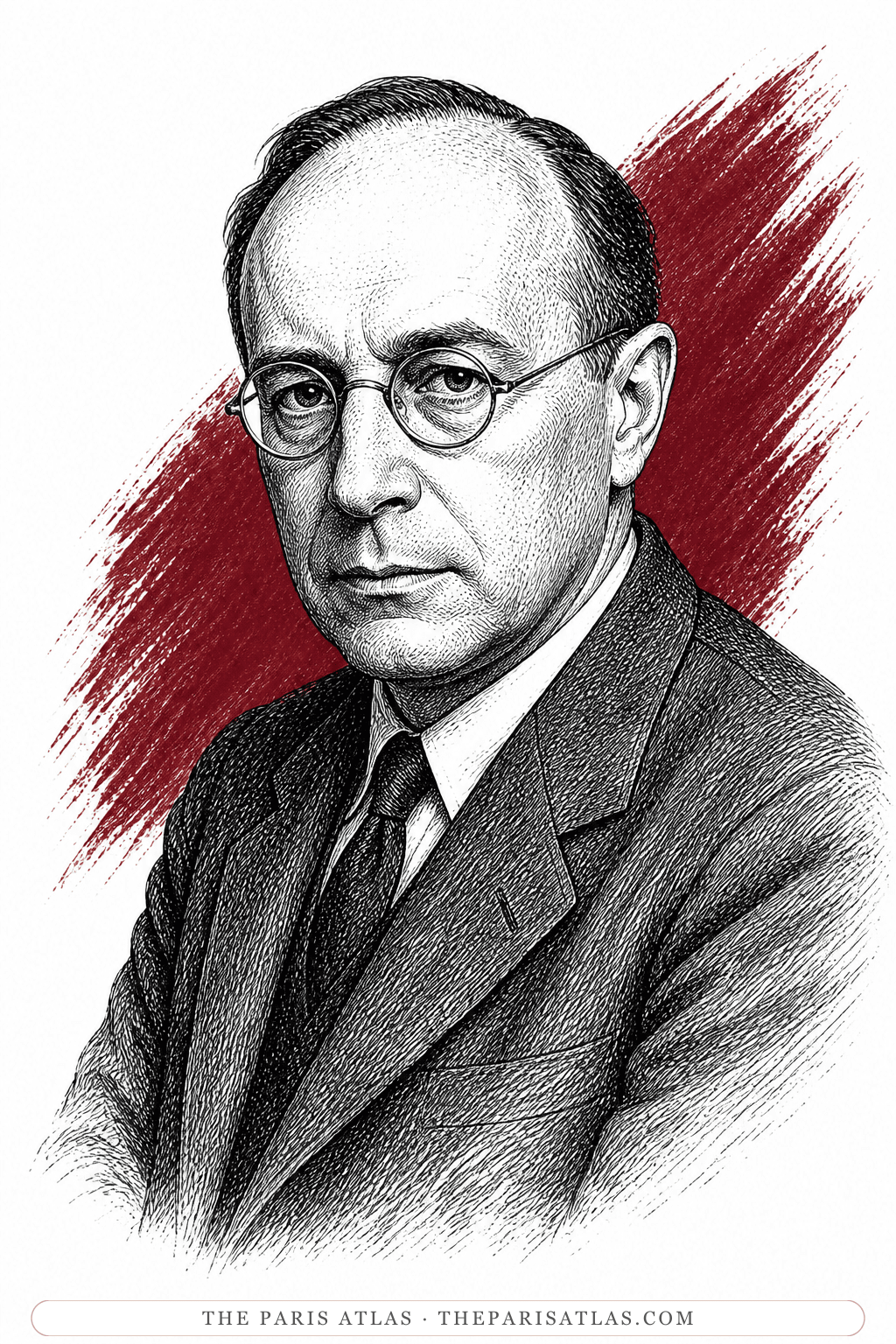
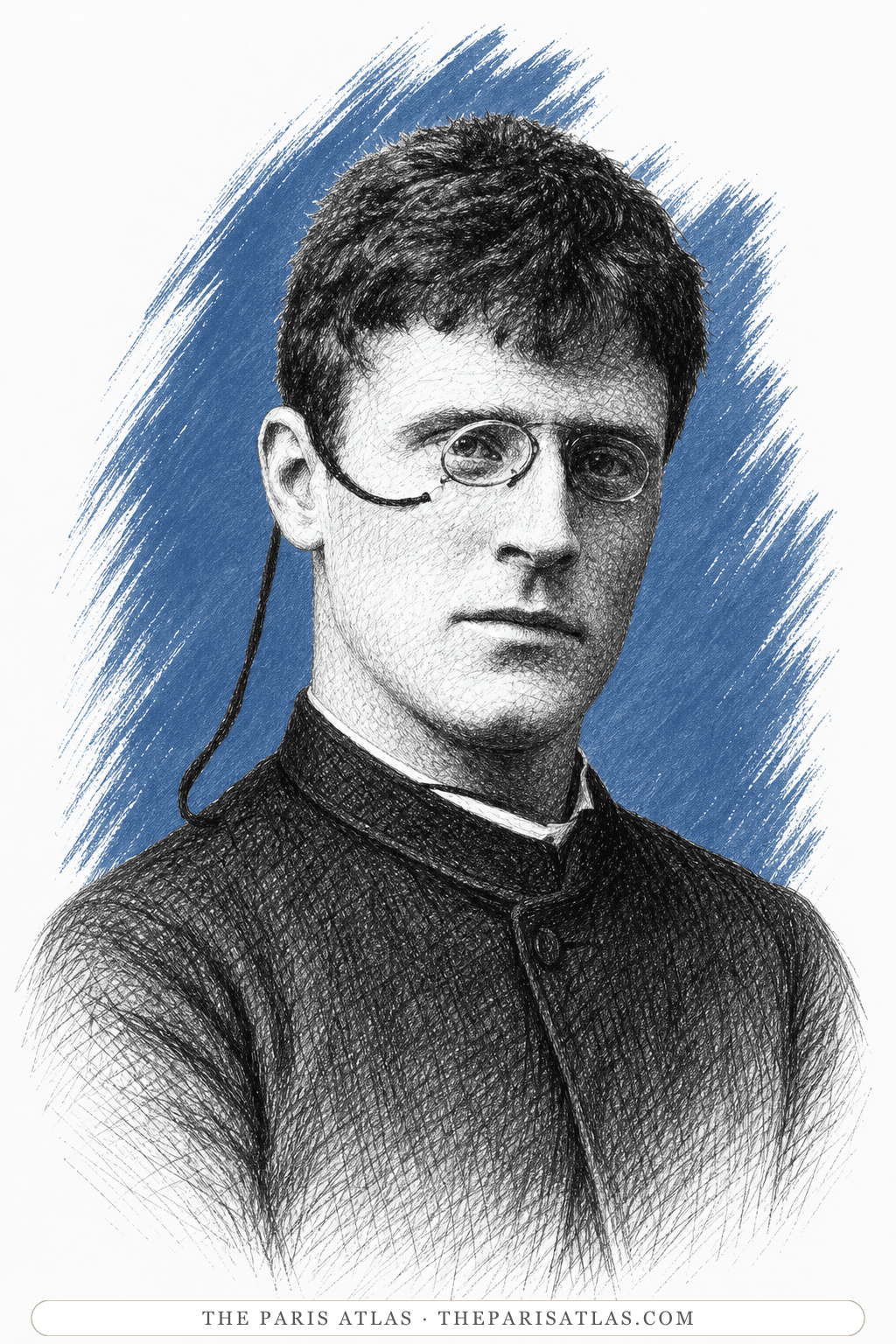
A starving young writer wanders around Kristiania making increasingly absurd decisions while hunger, pride, paranoia, and his own imagination send him completely off the rails. He lies for no reason, gives away money he desperately needs, picks fights with strangers, invents bizarre explanations for his behavior, and swings from grand confidence to near madness in a few pages. The book is wild, funny, uncomfortable, and incredibly alive. If you like Miller or Céline because the narrator’s mind is half the entertainment, Hunger has that same manic, unpredictable charge.
About the author
Norwegian novelist and Nobel laureate whose experiments with consciousness helped anticipate literary modernism—and whose support for Nazi Germany permanently complicated his legacy.
Read about Hamsun
Henry Chinaski, Bukowski’s semi-autobiographical narrator, is an aging writer who has finally found literary success after years of poverty and obscurity. Success brings him readings, travel, money, and a steady stream of relationships, but it does very little to make him less jealous, lonely, selfish, or self-destructive. Women is cruder and much more stripped down than Sexus, but both books are unusually candid about men who turn their sexual lives, failures, and worst behavior into material for their writing.
About the author
American poet and novelist of Los Angeles rooming houses, racetracks and the post office, who quit his job to write when a publisher offered him a hundred dollars a month. He came to Paris once, in September 1978, drank his way through a live television book programme and walked off the set — and French television has been replaying it ever since.
Read about Bukowski
Joe and Carl are broke in Paris, and much of their attention goes toward eating, getting laid, and making the next day work somehow. That is basically the book — and it is enough. Quiet Days in Clichy is smaller, dirtier, funnier, and less grandiose than Sexus. Miller is not trying quite so hard to explain the cosmos. Sometimes he is simply a broke man in Paris behaving badly, which may be exactly what you want.
About the author
The Brooklyn dropout who arrived in Paris broke at thirty-eight and wrote the exuberant, banned books that ended American censorship.
Read about Miller












References
The sources below include the primary text, editions, archives, and critical context used to establish what distinguishes Sexus.


1Sexus
NovelObelisk Press, Paris, 1949Used forPrimary text included as part of the documented record for Books like Sexus.
2The Happiest Man Alive: A Biography of Henry Miller
BiographySimon & Schuster, 1991Used forBiographical evidence used to verify chronology, relationships, and historical context connected to Books like Sexus.
3Henry Miller: A Life
BiographyW. W. Norton, 1991Used forBiographical evidence used to verify chronology, relationships, and historical context connected to Books like Sexus.

4Henry Miller: New Perspectives
NonfictionBloomsbury AcademicUsed forPublished analysis and historical context used in preparing the Books like Sexus page.
These references support the guide's description of the comparison book. The read-alike matches themselves are editorial recommendations, explained individually above.
 Explore more resources
Newsletter
Tell us what you loved, and we'll find your next book.
Every Friday: one recommendation, the reasons it earns your time, and what to read after it. Reply with your last favorite and we'll answer.