
Tropic of Cancer
The same year, the same flat, the same Carl — rendered there as war, here as idyll.
Read our take
by Henry Miller
The happiest of the Paris books: two broke friends in a Clichy flat, and the era remembered as pure appetite.
A novella-length return to the gladdest stretch of the Paris years: 1932, when Miller shared a small flat in Clichy with his crony Carl and poverty felt like wealth. Written in New York in 1940, rewritten and published by Olympia Press in 1956, it is Tropic of Cancer's material at chamber scale — two men, one kitchen, the streets of Montmartre — with the rage strained out and only the joy left. The first edition carried Brassaï's photographs of the Paris it mourns. (Full story below — episodes, not plot.)
The flat was real: 4 Avenue Anatole-France in Clichy, where Miller lived through 1932 with Alfred Perlès — the Austrian journalist who is 'Carl' here, exactly as he is in Tropic of Cancer. The Clichy interlude was the era's sweet spot: a job, a kitchen, a friend, and Paris outside the door; Miller called those days the closest the expatriate years came to plain happiness. He first wrote the memoir of it in 1940, homesick in New York; the text he rewrote for publication came out from Girodias's Olympia Press in Paris in 1956, illustrated with Brassaï's night photographs — the era's photographer of Paris after dark, matched to its most nostalgic text.
The book runs in two parts — the title novella and 'Mara-Marignan,' a linked episode named for a girl of the Champs-Élysées cafés — and its matter is the era's daily bread: money found and squandered, meals engineered from nothing, the women who move through the flat, the friendship's rhythms of scheming and talk. It is also, unmistakably, banned-book Miller — explicit enough that it waited for Grove until 1965 and got a notorious film adaptation in 1970 that fought its own customs battles. But its lasting note is elegy: written from exile, it is the Paris idyll remembered as paradise — the same days Cancer rendered as war.
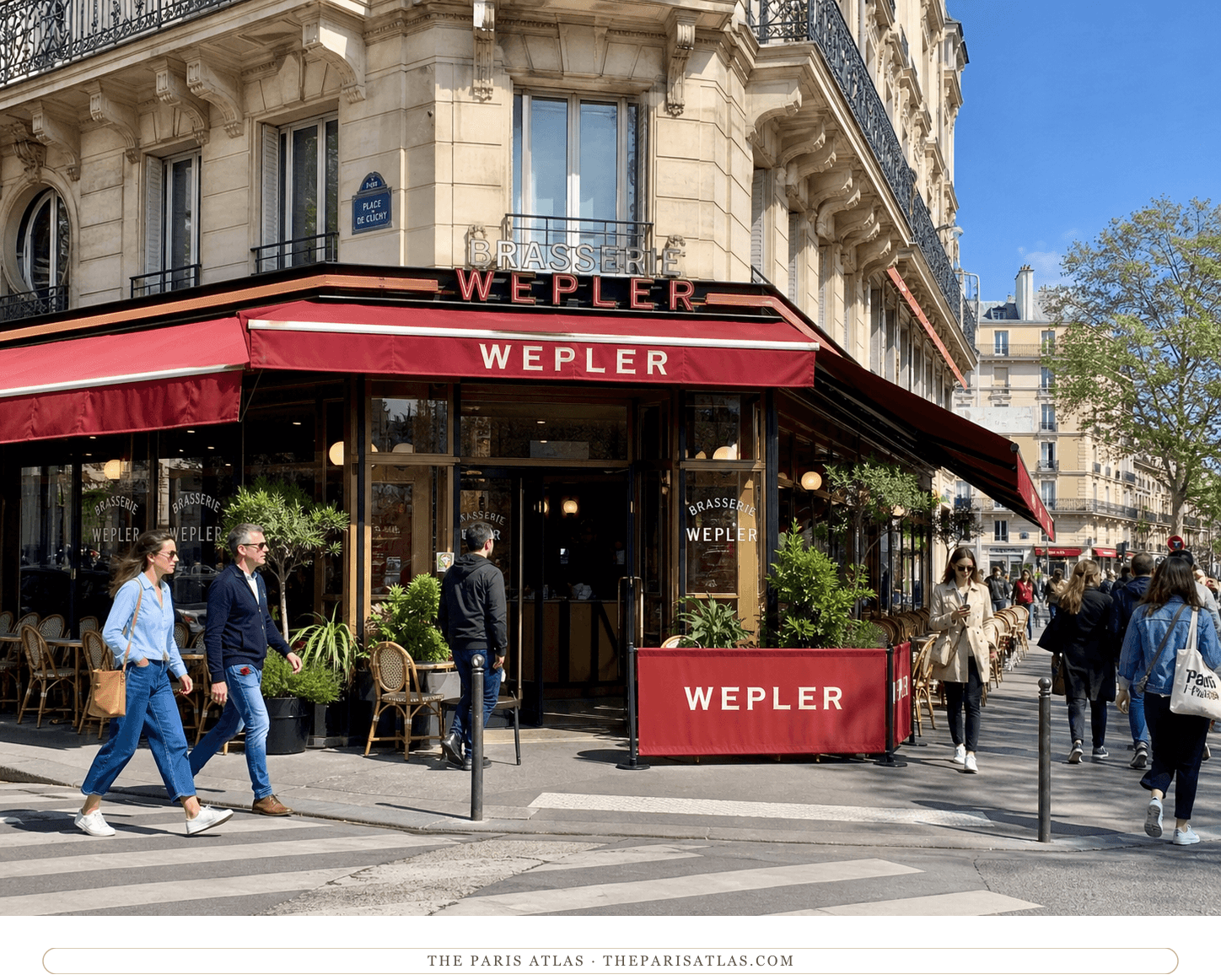
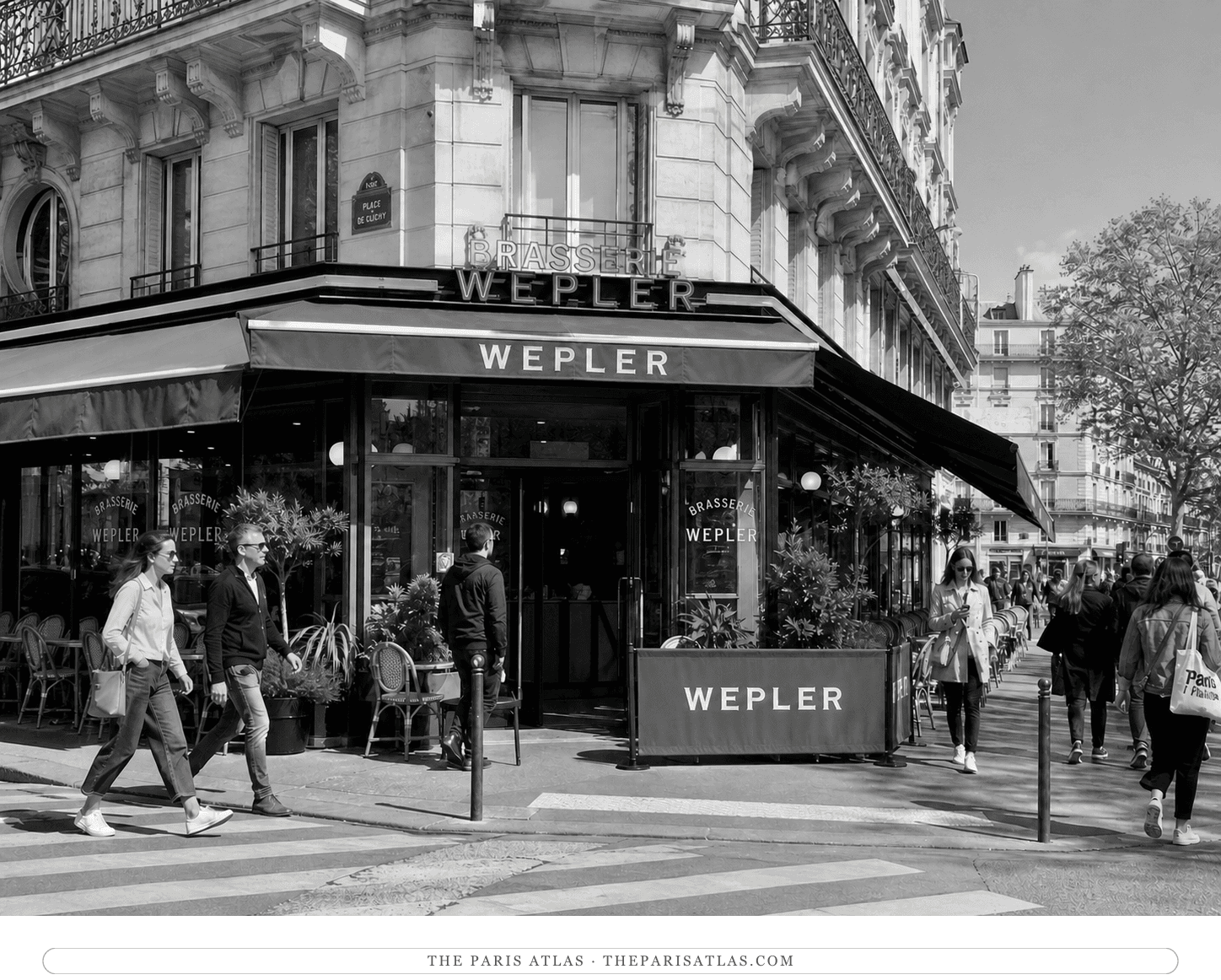
Two friends keep house in Clichy: the narrator — Joey, Miller's own nickname in the circle — and Carl, fastidious, romantic, and permanently entangled. The episodes tumble after one another like nights of the week: hunger and windfalls, expeditions down to Montmartre and the boulevard cafés, a Sunday cycling jaunt, women met, sheltered, fed, and mourned — including Nys, whom the narrator picks up at the Café Wepler, and the crisis of Colette, the runaway teenager Carl takes in until her family and the police come knocking, a scrape the pair barely buy their way out of.
Nothing builds and nothing needs to: the book's argument is the texture itself — that a flat, a friend, an empty pocket, and Paris constituted a complete world. 'Mara-Marignan,' the second panel, sharpens the note of loss: one woman, one night, one of the era's ten thousand vanishings, remembered because remembering is all the narrator can still do from the far side of the ocean and the war.
Hunger gives the book's apparent carelessness a material cost. After parting with his money, Joey inventories an elaborate restaurant meal he cannot buy, then searches the flat and eventually eats a salvaged crust. The movement from imagined abundance to a single scrap makes appetite structure the prose itself. His feelings toward Nys also change as his stomach empties: admiration turns into accusation, revealing how readily his judgments serve his immediate needs. The episode complicates the nostalgic image of freedom by showing the dependence and volatility inside it.
The opening turns a walk around New York into an imaginative return to Paris. Miller contrasts ready-made gray with the changing shades he remembers from French streets and watercolors. Color becomes a model for recollection: the vanished life must be selected, mixed and recreated in language. His longing is therefore not just for particular cafés or outings, but for a way of attending to the world. The apparent immediacy of these Paris scenes is produced from elsewhere, by a writer turning separation into the occasion for a book.
The expatriate poverty everyone mythologizes, actually rendered as joy — the era's sweetness without the sales pitch.
Joey and Carl are one of Miller's best double acts — the flat-share as comic form, decades before the sitcom found it.
A hundred-odd pages, two characters, one neighborhood — the whole Paris method, miniaturized and perfected.

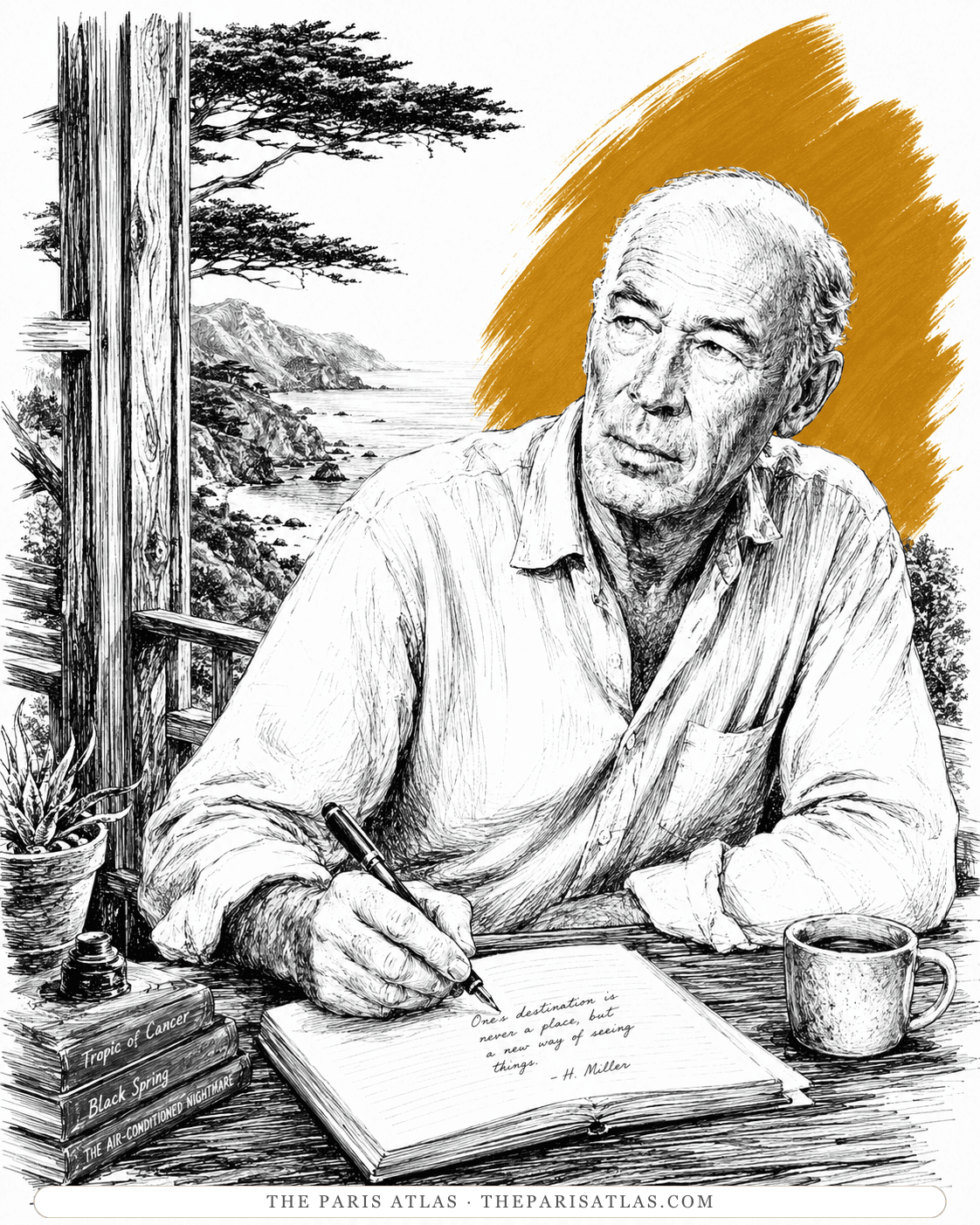
The narrator, who tells the whole book in the first person: an American writer living in Paris with no money, sharing a flat with his friend Carl and writing a novel in it. He is Henry Miller, under the nickname his friends used.

The narrator's flatmate and closest friend: a writer who works nights at a newspaper, pawns his typewriter whenever money runs short, and is incapable of refusing anyone. He is Alfred Perlès, the Austrian writer, under a changed name.
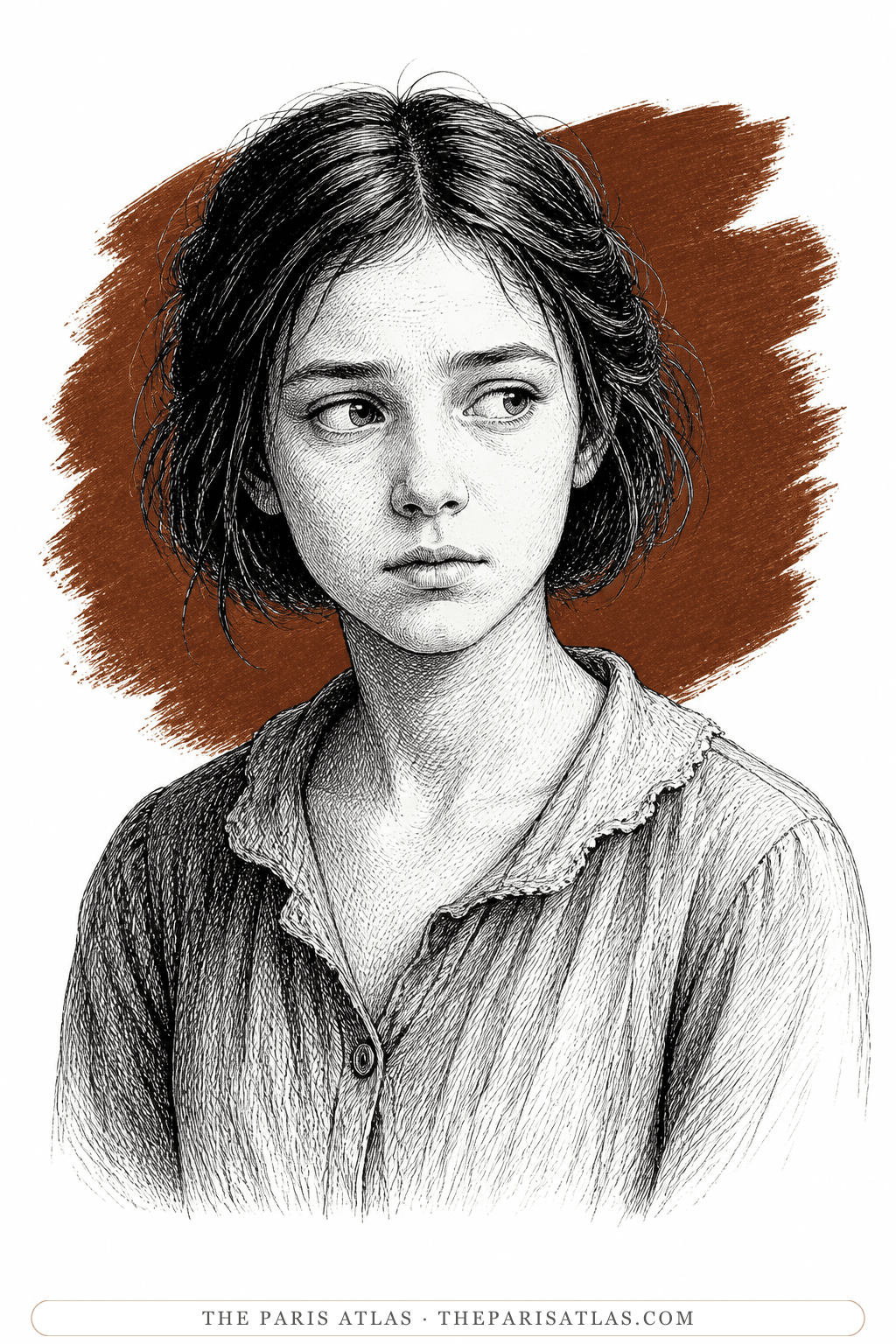
A fifteen-year-old runaway that Carl brings back to the flat and keeps there for weeks. She shares a first name with the French novelist Colette and has nothing to do with her.
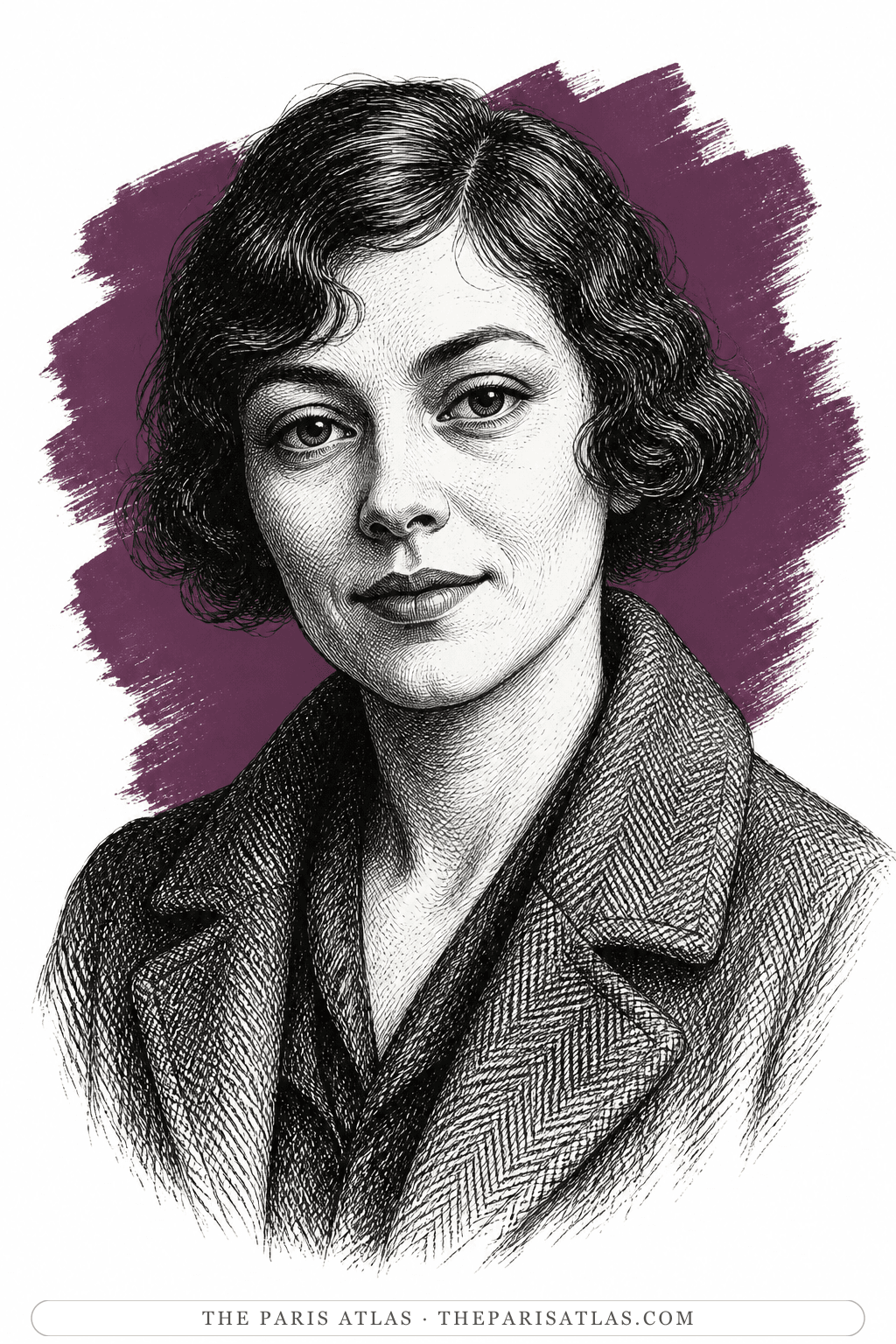
The woman the narrator picks up at a café on the Place Clichy and later falls in love with. She spells her name out for him and says it sounds like the city of Nice.

A prostitute the narrator meets outside a café on the Champs-Élysées, and the subject of 'Mara-Marignan' — the second, shorter piece printed alongside the title story.
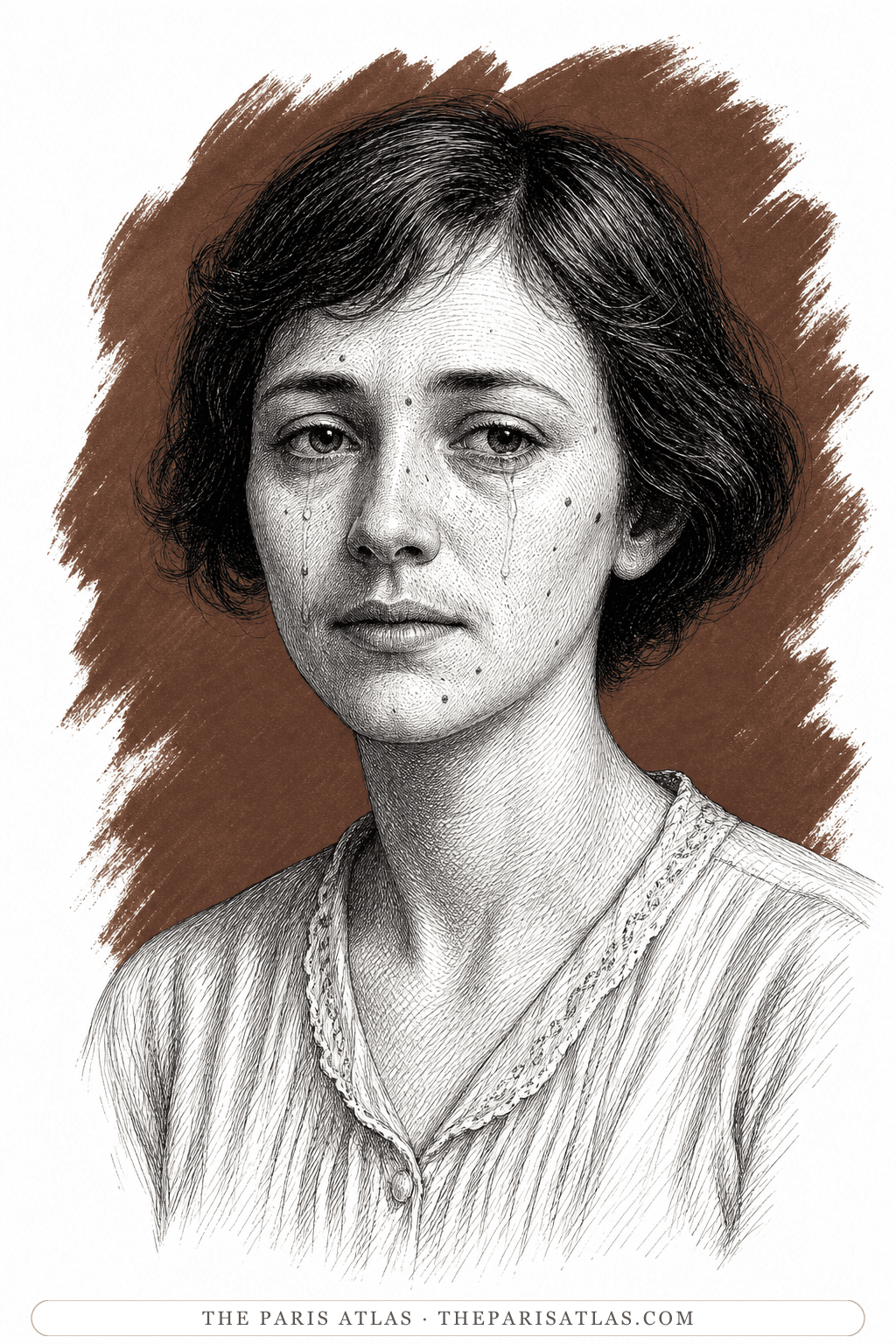
Carl's mistress, whose husband is in prison for passing counterfeit money, and who is left supporting two children. She fills one long afternoon in the second half of the book.
1932
Miller shares a small Clichy flat with Alfred Perlès, the friend who appears as Carl, in the happiest stretch of his Paris years.
1940
Homesick in New York, he first writes the memoir of it.
1956
Girodias's Olympia Press publishes the rewritten text in Paris, illustrated with Brassaï's night photographs of the city it mourns.
1965
Grove Press brings it to American readers.
The same year, the same flat, the same Carl — rendered there as war, here as idyll.
Read our take
The other book of the Clichy period — its flights launched from this kitchen.
Read our take
The France-longing essay, wearing its novella clothes — both written from the American exile, aching backward.
Read our takeHenry Miller. Written in 1940, it was rewritten and published by the Olympia Press in Paris in 1956.
A return to the gladdest stretch of Miller's Paris years — 1932, when he shared a small flat in Clichy with his crony Carl and poverty felt like wealth.
It is Tropic of Cancer's material at chamber scale — two men, one kitchen, the streets of Montmartre — with the rage strained out and only the joy left.
Alfred Perlès, the Austrian journalist and Miller's closest Paris crony, who shared the real Clichy flat and appears as Carl in the Tropics as well.
It carried Brassaï's photographs of the very Paris the book mourns.
Explore authors with a similar voice, perspective, and influence.

Miller's acknowledged master at making literature out of the gutter. Journey gave him permission; Cancer is what he did with it.
View author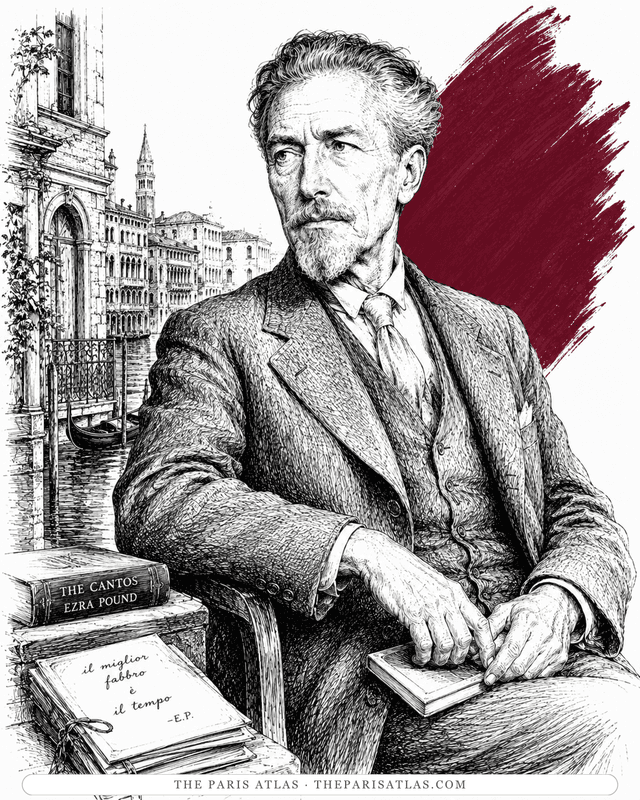
Pound read Cancer and sent Miller a famously backhanded postcard. Both believed literature's job was to wake the reader by any means necessary.
View author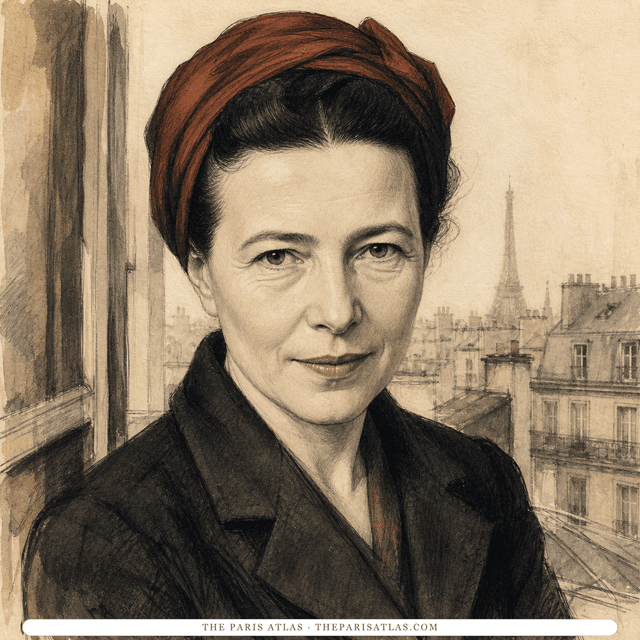
French writer and philosopher whose novels, memoirs, and social analysis examined freedom, gender, responsibility, aging, and the material conditions that shape a life.
View authorThe sources below include the primary text, editions, scholarship, archival materials, and other records that informed this page. They document Quiet Days in Clichy, its publication, and its place in literary history.


The primary text represented by this page, used for descriptions of the work’s contents and for any quoted passages shown here.
Used for close readings of the publicly available opening passages. The excerpt does not include the precise coin-giving or cycling moments represented by the retained illustrations; no full-book collation is claimed.
Used to place Quiet Days in Clichy within Henry Miller's published work and verify its bibliographic context.

Used for independent biographical, archival, or historical context surrounding Henry Miller's career and the period in which Quiet Days in Clichy appeared.

Used to cross-check authorship, chronology, and the work's place in Henry Miller's wider catalogue.
Used to verify Henry Miller's bibliography and place Quiet Days in Clichy within the broader chronology of Henry Miller's career.
The primary text is the baseline reference for every book page. Additional references document publication history, interpretation, and historical context where that evidence is available.
 Explore more resources