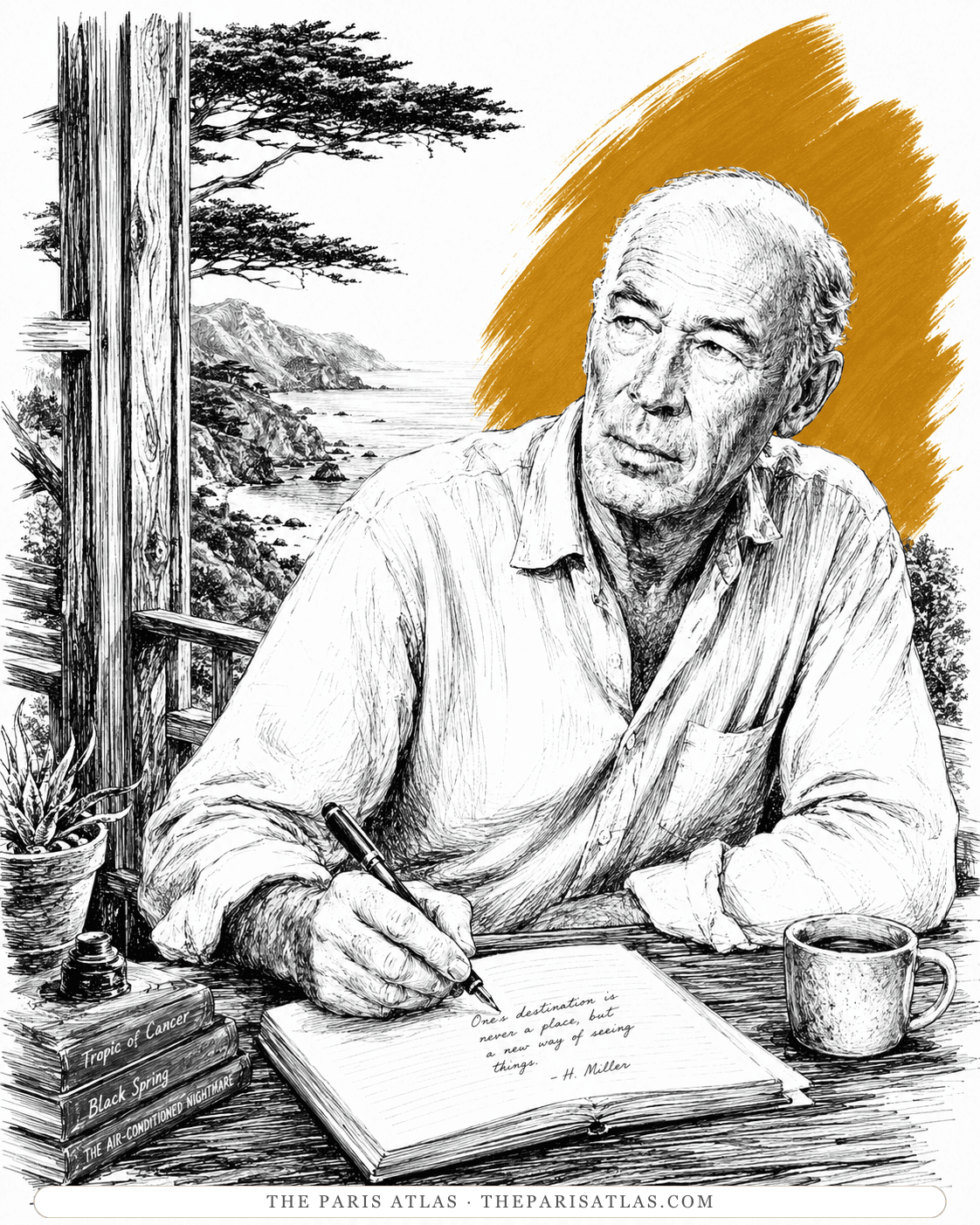


Joey
by Henry Miller
The last portrait in the gallery is the best friend of all: Fred Perlès — Carl of Clichy — thanked at last under the old pet name.
- 1979
About Henry Miller
The story, briefly
Spoiler-freeThe trilogy closes where the heart was: with Alfred Perlès, the Austrian writer who shared the Clichy flat, the Paris hunger, and fifty years of correspondence — Carl of Tropic of Cancer and Quiet Days in Clichy, here given his true name and the pet name the two friends traded, Joey. Miller's tribute to the friendship of his life comes with the trilogy's promised appendix of 'bizarre episodes relating to the opposite sex' — but the core is the love letter: one old survivor saluting the other across an ocean. (A portrait — nothing here to spoil.)
The story, in more detail
No friendship on this shelf has more books in it: Perlès shared the Clichy flat of Quiet Days, haunts Tropic of Cancer as Carl, co-edited the Villa Seurat ventures, wrote his own My Friend Henry Miller — and for half a century the two exchanged letters addressed, in both directions, to 'Joey,' the pet name they held in common like a joint account. The trilogy's last volume pays the debt directly: the full portrait of Fred — the wit, the cowardice and courage in their exact proportions, the delicacy under the clowning — drawn by the only witness who had been there for all of it.
Capra published it in 1979, completing the Book of Friends, and the volume carries the trilogy's oddest cargo: alongside the Perlès portrait, the promised 'bizarre episodes' — late reminiscences of the women of a long lifetime, told with the old candor grown reflective. But its lasting note is the friendship itself: the Paris poverty relived as the wealth it secretly was, and the astonishment — his word and ours — that both Joeys survived everything to grow old in comfort, still writing each other, still laughing at the same twenty jokes. The gallery could not have closed on anyone else.
What's inside
The portrait first: Perlès from the Clichy kitchen to old age — journalist, scrounger, novelist, soldier (improbably) in the British Army, and lifelong correspondent — the friendship's whole arc told with the specific gratitude of a man naming what saved him. Then the appendix the subtitle advertises: the 'bizarre episodes' — late, rueful, comic recollections of the women who crossed the long road.
Best read after Quiet Days in Clichy: the fiction first, then the fact — Carl, revealed at last as Fred, revealed at last as Joey.
Themes and analysis
The friendship behind Clichy
The published contents begin with two parts about Perlès, then move through thirteen titled portraits of women. That pivot complicates the subtitle’s promise of a single loving portrait: friendship is the book’s point of departure, but not its only subject. In a prefatory remark reproduced with the contents, Miller says the impulse to write about the women returned at the end of 1977, when he thought he might do little more writing. The sequence is a late gathering of memories, not a continuous account of the Clichy years.
A friendship carried by letters
The correspondence around Joey shows Miller still making the book while it was headed to press. In March 1979 he told Irving Stettner that, despite trouble with his eyesight, he had written two stories for it; in another letter he said ten of the short pieces had been refused by magazines. Writing to Lawrence Durrell in June, he described an epilogue about Anaïs Nin’s treatment of Perlès. Those letters make the portrait less like a sealed remembrance of 1930s Paris: decades later, Miller was still adding material and arguing on his friend’s behalf. They document the making of the book, not the exact wording of its finished chapters.
Why we recommend it
The friendship of the shelf
Cancer, Clichy, the Villa Seurat — the ally present in all of it finally gets the full-length portrait he earned.
Fiction decoded
Watching Carl resolve into Fred is our pleasure in miniature — the invented Paris handing back its real people.
The tenderness, unembarrassed
Two old men, one pet name, fifty years of letters — male friendship written without armor.
What this book explores
Timeline
1930s
Perlès shares Miller's Clichy flat and the Paris hunger — the friend who haunts Tropic of Cancer as Carl, and the start of fifty years of letters each addressed to 'Joey.'
1976
Book of Friends begins the trilogy that Joey will complete.
1979
Capra Press publishes the trilogy's final volume, the full-length portrait of Perlès under his real name and their shared pet name.
Book editions
Hardcover
- Hardcover
- Capra Press
- 1979
Reader reviews
Readers may also like


Joey: frequently asked questions
Who wrote Joey?
Henry Miller. Capra Press published it in 1979 as the third volume, completing the Book of Friends trilogy.
Who is Joey about?
Alfred Perlès, the Austrian writer who shared the Clichy flat, the Paris hunger, and fifty years of correspondence — the best friend of Miller's life.
Why is it called Joey?
For half a century Miller and Perlès each addressed the other as "Joey," a pet name they held in common — a joint identity the title finally publishes.
Have readers met Perlès before?
Yes. He is Carl — the Clichy flatmate of Quiet Days in Clichy and the crony of Tropic of Cancer — here given his real name and thanked directly.
What else is in the book?
Alongside the portrait, the trilogy's promised appendix of "bizarre episodes relating to the opposite sex" — late, rueful, comic recollections of the women of a long lifetime.
If you like Henry Miller
Explore authors with a similar voice, perspective, and influence.

Louis-Ferdinand Céline
Miller's acknowledged master at making literature out of the gutter. Journey gave him permission; Cancer is what he did with it.
View author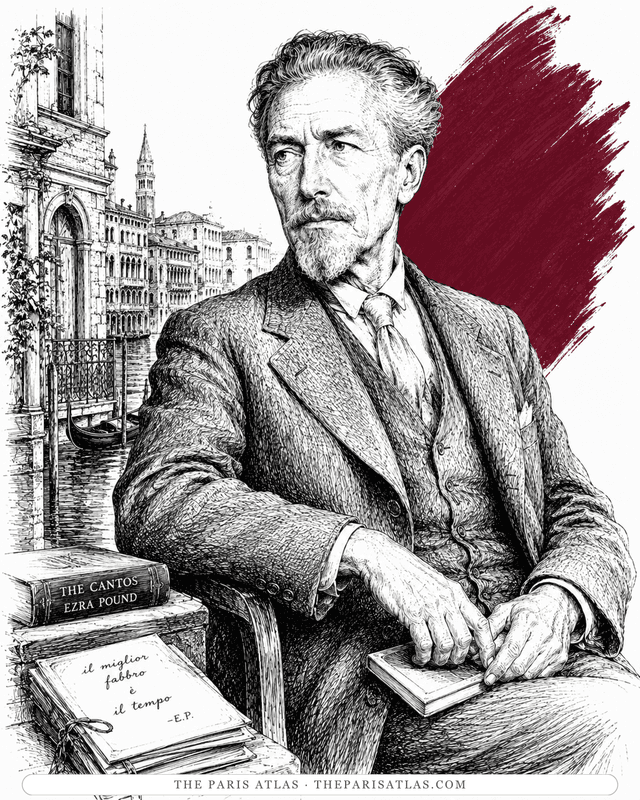
Ezra Pound
Pound read Cancer and sent Miller a famously backhanded postcard. Both believed literature's job was to wake the reader by any means necessary.
View author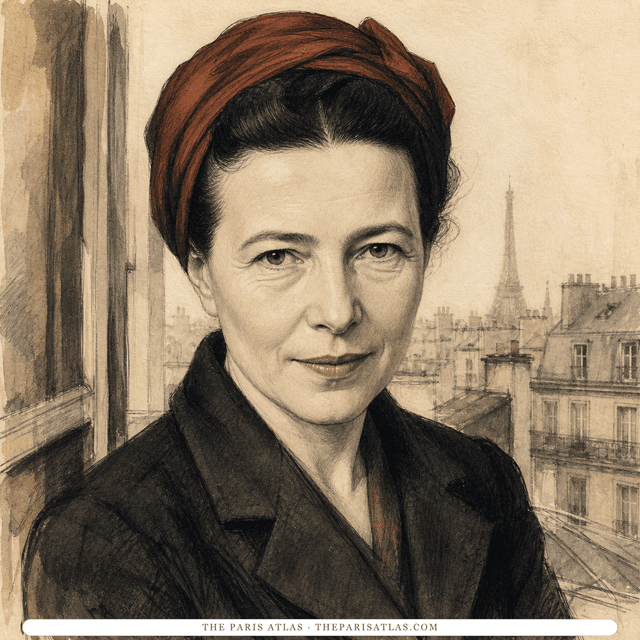
Simone de Beauvoir
French writer and philosopher whose novels, memoirs, and social analysis examined freedom, gender, responsibility, aging, and the material conditions that shape a life.
View author
References
References
The sources below include the primary text, editions, scholarship, archival materials, and other records that informed this page. They document Joey, its publication, and its place in literary history.


1Joey
NovelHenry Miller, 1979Used forThe primary text represented by this page, used for descriptions of the work’s contents and for any quoted passages shown here.
2Book of Friends, Volume III: Joey — contents and Miller correspondence
WebsiteCosmodemonic Telegraph Company, 2006Used forTranscribes the volume’s contents and reports its prefatory remark; quotes Miller’s June 1979 letter to Lawrence Durrell from their published correspondence. Used for the book’s structure and composition, not as a substitute for reading the entire volume.
3Henry Miller archive: 1979 letters to Irving Stettner about Joey
WebsiteGAJS, Inc.Used forCollection description quotes Miller’s March 1979 and later letters to Irving Stettner about writing and placing stories for Joey; not collated with the manuscript letters.
4Henry Miller: A Life
BiographyW. W. Norton, 1991Used forUsed to place Joey within Henry Miller's published work and verify its bibliographic context.

5Beatrice Wickens Miller Sandford and Barbara Miller Sandford Collection of Henry Miller: A Preliminary Inventory
ArchiveHarry Ransom Center, University of Texas at AustinUsed forUsed for independent biographical, archival, or historical context surrounding Henry Miller's career and the period in which Joey appeared.

6Henry Miller: New Perspectives
NonfictionBloomsbury AcademicUsed forUsed to cross-check authorship, chronology, and the work's place in Henry Miller's wider catalogue.
7Henry Miller: The Paris Years
BiographyBrassaï, 1995Used forUsed to verify Henry Miller's bibliography and place Joey within the broader chronology of Henry Miller's career.
i
Why these sources are here
The primary text is the baseline reference for every book page. Additional references document publication history, interpretation, and historical context where that evidence is available.
 Explore more resources